
Perfect Scottish Shortbread: Tips for That Buttery Crumble

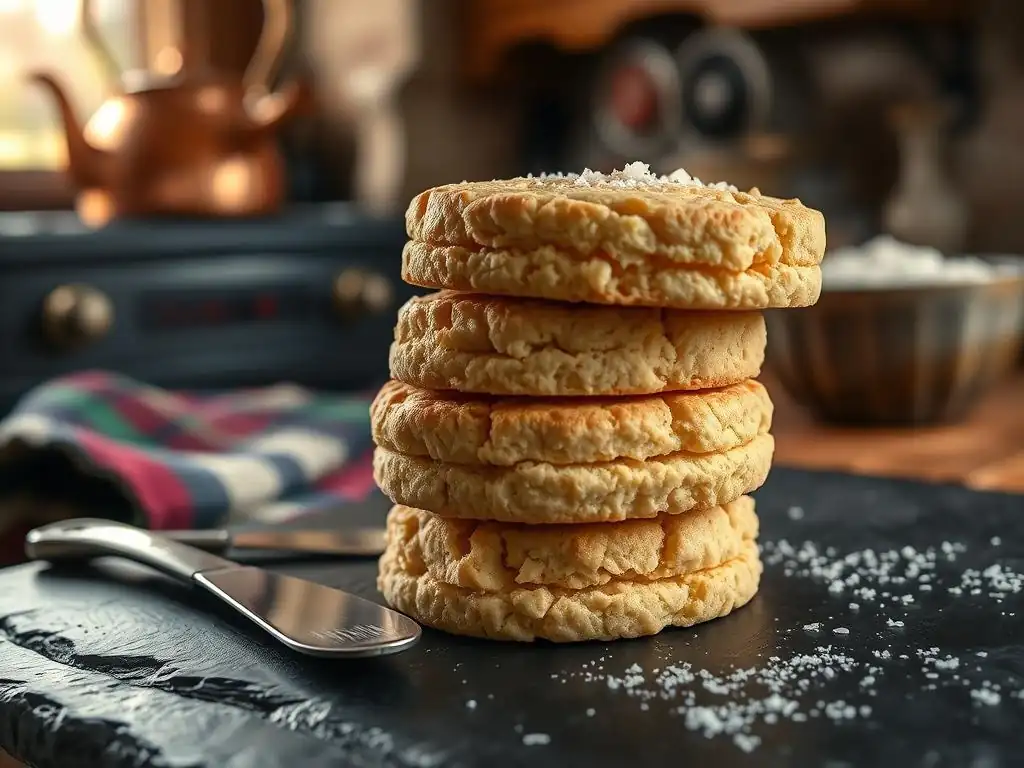
Welcome to BakeWithEase, your companion in the delightful world of baking! Ever wondered how to achieve that perfect, melt-in-your-mouth texture in a classic treat? We're diving deep into the secrets of a truly exceptional Scottish shortbread recipe easy crumb, unlocking the keys to that signature buttery crumble. Discover the simple techniques and expert tips that will elevate your baking, and leave you craving more from our collection of regional and cultural baking adventures!
- BakeWithEase Presents: Mastering the Perfect Scottish Shortbread
- Achieving the Perfect Buttery Crumble: Key Ingredients and Techniques
-
Easy Scottish Shortbread Recipe: A Step-by-Step Guide for BakeWithEase Bakers
- Gathering Your Ingredients: The Simple Shortbread Recipe List
- Step 1: Creaming the Butter and Sugar for a Smooth Base
- Step 2: Incorporating the Flour: Gentle Mixing is Key
- Step 3: Shaping and Chilling the Shortbread Dough
- Step 4: Baking to Golden Perfection: Time and Temperature Tips
- Step 5: Cooling and Cutting: Achieving Perfect Shortbread Wedges
- Troubleshooting Your Scottish Shortbread: Common Problems and Solutions
- Variations on a Theme: Exploring Different Scottish Shortbread Recipes
- Storing Your Scottish Shortbread: Keeping it Fresh and Delicious
- Scottish Shortbread Recipe Easy Crumb: Your Go-To Guide for Success
-
Frequently Asked Questions
- What makes Scottish shortbread different from other types of shortbread?
- What is the secret to achieving the perfect crumb in a Scottish shortbread recipe?
- Can I use salted butter in a Scottish shortbread recipe?
- What type of sugar is best for making easy crumb Scottish shortbread?
- How should I store my Scottish shortbread to keep it fresh?
- Final Reflection: The Enduring Allure of a Perfect Crumble
- Unlock Your Inner Baker: Master the Perfect Shortbread!
BakeWithEase Presents: Mastering the Perfect Scottish Shortbread
What Makes Authentic Scottish Shortbread Unique?
Authentic Scottish shortbread stands apart from other cookies or biscuits primarily due to its distinctively high butter content and minimal list of ingredients. Traditionally, shortbread is made with just three components: butter, flour, and sugar. This simple ratio, often cited as 1:2:3 (sugar:butter:flour by weight), is crucial for achieving the characteristic crumbly, melt-in-your-mouth texture. Unlike many cookies that rely on eggs or leavening agents, shortbread achieves its richness and structure solely through the fat content and careful handling of the dough. The result is a dense, yet tender biscuit that is deeply satisfying and undeniably buttery.
The texture is perhaps the most defining feature of a truly great Scottish shortbread recipe easy crumb. It shouldn't be hard or crunchy throughout, but rather possess a delicate crumb that breaks apart easily when bitten. This specific texture is achieved through techniques like minimal mixing to avoid gluten development and using ingredients at the right temperature.
The butter, often used at room temperature but not overly soft, is creamed with sugar to create tiny air pockets, which contributes to the tender structure during baking. The flour is then gently folded in, ensuring the dough remains "short" – a term referring to a high fat content that inhibits gluten strands from forming long, elastic networks, thus promoting that desired easy crumb.
The History and Origins of Traditional Shortbread
The origins of shortbread can be traced back to medieval times, evolving from a medieval biscuit bread that was enriched with butter and sweetened. Initially, it was likely a way to use up leftover bread dough, baked until crisp. Over centuries, this evolved, with yeast being replaced entirely by butter.
Mary Queen of Scots is often credited with refining shortbread in the 16th century, reportedly favoring a thin, crisp, triangular shortbread known as Petticoat Tails. While the exact date of its invention is debated, by the 18th century, shortbread was firmly established as a popular Scottish delicacy, particularly associated with holidays like Christmas and Hogmanay (Scottish New Year).
Historically, shortbread was considered a luxury item due to the cost of butter. It wasn't something baked every day but reserved for special occasions. This tradition continues today, with beautifully packaged shortbread being a popular gift. The commercial production of Scottish shortbread took off significantly in the late 19th and early 20th centuries, making it accessible to a wider audience both within Scotland and internationally. Despite its industrialization, the core principles of a simple, buttery dough remain the heart of any authentic Scottish shortbread recipe, aiming for that classic easy crumb texture that has delighted people for generations.
Achieving the Perfect Buttery Crumble: Key Ingredients and Techniques
The Importance of High-Quality Butter in Scottish Shortbread
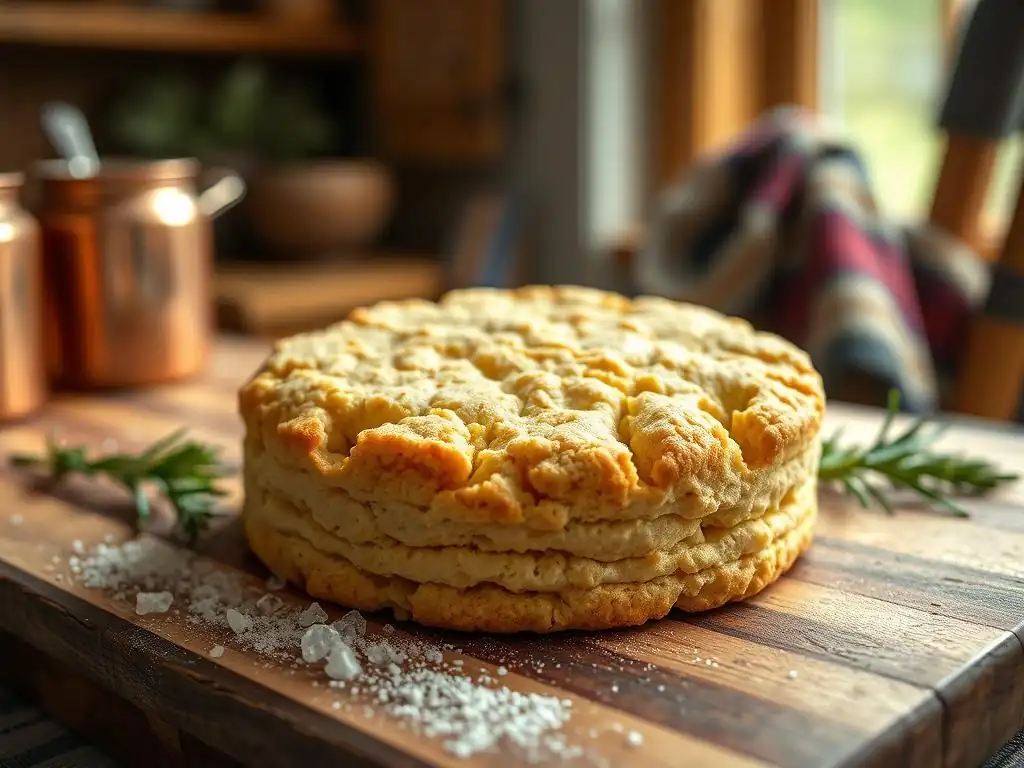
Butter is not merely an ingredient in Scottish shortbread; it is the foundation. Accounting for a significant portion of the recipe by weight, typically around 30-50% of the total dough, its quality directly dictates the flavor and texture of the final product. Using a high-quality unsalted butter is paramount.
Unsalted allows you to control the salt level yourself, preventing the shortbread from becoming overly savory. More importantly, premium butters often have a higher fat content (around 82% compared to standard butters at 80%), which contributes to a richer flavor and a more tender, desirable crumb structure. The milk solids in the butter also contribute to the golden color and delightful aroma as they caramelize during baking.
The state of the butter when you begin mixing is also critical for achieving that perfect Scottish shortbread recipe easy crumb. It should be at cool room temperature – soft enough to cream with sugar without resistance, but not so soft that it's greasy or melted. This allows the butter and sugar to incorporate properly, creating tiny air pockets. These pockets expand slightly in the oven, contributing to the shortbread's delicate, crumbly texture rather than a hard, dense biscuit. Overly soft or melted butter can lead to a greasy, flat shortbread that lacks the characteristic crumble.
Flour Power: Choosing the Right Flour for a Tender Crumb
The type of flour used plays a crucial supporting role in achieving the tender, easy crumb texture of Scottish shortbread. Traditionally, simple plain (all-purpose) wheat flour is used. The key is to use a flour with a moderate protein content, which results in a moderate amount of gluten development. Since we want a crumbly texture, minimizing gluten is essential. Over-mixing the dough, regardless of flour type, will develop gluten and result in a tougher, chewier shortbread – the opposite of the desired easy crumb.
Some traditional Scottish shortbread recipes, or variations seeking an even finer crumb, incorporate a small amount of rice flour or cornstarch (cornflour in the UK) along with the wheat flour. For example, a recipe might use a ratio of 6 parts wheat flour to 1 part rice flour.
Rice flour contains no gluten and has a very fine texture, which helps to further inhibit gluten development and absorb fat, leading to an exceptionally tender and sandy, easy crumb. While not strictly traditional in all recipes, this addition is a popular technique for enhancing the crumbly quality that defines classic Scottish shortbread.
Sugar's Role: Finding the Right Sweetness Balance
Sugar in Scottish shortbread serves multiple purposes beyond just sweetness. It also contributes to the texture, aids in browning, and helps to keep the shortbread tender. The most commonly used sugar is caster sugar (superfine sugar), which has smaller crystals than granulated sugar. These smaller crystals dissolve more easily into the butter, creating a smoother, more uniform mixture when creaming. This smooth base is important for achieving a consistent, easy crumb throughout the shortbread. Using larger crystal granulated sugar can sometimes result in a slightly grainy texture if not creamed thoroughly, although some traditional recipes do use it.
The amount of sugar used in a Scottish shortbread recipe easy crumb is also a matter of balance. Too little sugar can result in a bland shortbread that lacks the characteristic sweetness and can even feel less tender. Too much sugar, however, can cause the shortbread to spread excessively during baking or result in a hard, glassy texture after cooling.
The traditional ratio of 1 part sugar to 2 parts butter and 3 parts flour (by weight) provides a classic balance, but slight adjustments can be made based on personal preference. Some recipes might slightly reduce the sugar for a less sweet, more buttery profile, while others might increase it slightly for a sweeter biscuit.
The Secret to a Crumbly Texture: Mixing and Handling the Dough
Achieving the signature crumbly texture of Scottish shortbread hinges significantly on how the ingredients are mixed and the dough is handled. The goal is to minimize gluten development. This starts with creaming the butter and sugar until just combined and fluffy – over-creaming can incorporate too much air and lead to spreading.
When adding the flour, the technique is crucial. It should be mixed just until the dry ingredients are incorporated and the mixture comes together into a cohesive dough. Using a low speed on a mixer or mixing by hand with a spatula or even your fingertips to "rub in" the butter and flour is recommended.
Once the flour is added, avoid kneading the dough vigorously. Kneading develops gluten, resulting in a tough texture. The dough might seem crumbly at first, which is exactly what you want for a Scottish shortbread recipe easy crumb. Gently bring it together with your hands or press it into your desired shape.
Chilling the dough is also a vital step. Refrigeration solidifies the butter, which helps the shortbread hold its shape during baking and contributes to a tender crumb as the butter melts slowly in the oven, creating steam pockets within the dough structure. Chilling also makes the dough easier to handle and cut cleanly.
Easy Scottish Shortbread Recipe: A Step-by-Step Guide for BakeWithEase Bakers
Gathering Your Ingredients: The Simple Shortbread Recipe List
Embarking on your journey to bake the perfect Scottish shortbread recipe easy crumb starts with assembling the minimal, yet crucial, ingredients. You will need high-quality unsalted butter, preferably at cool room temperature. The amount will typically be significant, often around 200-250 grams for a standard batch. Next, you'll need plain (all-purpose) flour. A common amount might be around 300-350 grams. For an even finer crumb, you might opt to substitute a small portion of the plain flour (perhaps 30-50 grams) with fine rice flour.
Finally, you'll need sugar. Caster sugar (superfine) is ideal for its fine texture, typically around 100-120 grams. Some recipes include a tiny pinch of salt to enhance the buttery flavor, though this is optional if using unsalted butter. That's it! Three or four simple ingredients are all that stand between you and a batch of delicious, crumbly Scottish shortbread. Ensure your ingredients are measured accurately, ideally by weight for the most consistent results, as this is key to maintaining the correct butter-to-flour ratio essential for that easy crumb.
Step 1: Creaming the Butter and Sugar for a Smooth Base
The first step in creating your Scottish shortbread recipe easy crumb is creaming the butter and sugar. Begin with your cool room temperature unsalted butter. If using a stand mixer, use the paddle attachment. If mixing by hand, a wooden spoon or sturdy spatula works well. Add the butter and sugar to your mixing bowl. Cream them together on a medium speed (or vigorously by hand) until the mixture is just combined and looks pale and slightly fluffy. This process incorporates a small amount of air, which helps with the texture.
It's important not to over-cream at this stage. Unlike some cookie recipes where you might cream for several minutes until very light and fluffy, for shortbread, you only need to mix until the sugar is incorporated into the butter and the mixture is no longer grainy. This typically takes just 2-3 minutes with a mixer. Over-creaming can melt the butter and incorporate too much air, potentially leading to excessive spreading during baking. The goal is a smooth, homogenous base ready to receive the flour.
Step 2: Incorporating the Flour: Gentle Mixing is Key
With the butter and sugar perfectly creamed, it's time to add the flour (and rice flour, if using). Sift the flour into the butter-sugar mixture. This helps to aerate the flour slightly and prevents lumps. Now, the key to that easy crumb texture lies in gentle mixing. Switch your mixer to the lowest speed, or fold the flour in using a spatula or wooden spoon. Mix only until the flour is just incorporated and the mixture starts to come together into a dough.
The dough will look crumbly and might not fully form a single mass in the bowl – this is exactly what you want! Avoid the temptation to keep mixing until a smooth dough forms. Over-mixing develops gluten, leading to tough shortbread. Once the dry ingredients are barely combined with the wet, turn the mixture out onto a clean surface. You will gently bring it together by hand in the next step. This minimal mixing ensures the gluten remains undeveloped, paving the way for a beautifully crumbly Scottish shortbread recipe easy crumb.
Step 3: Shaping and Chilling the Shortbread Dough
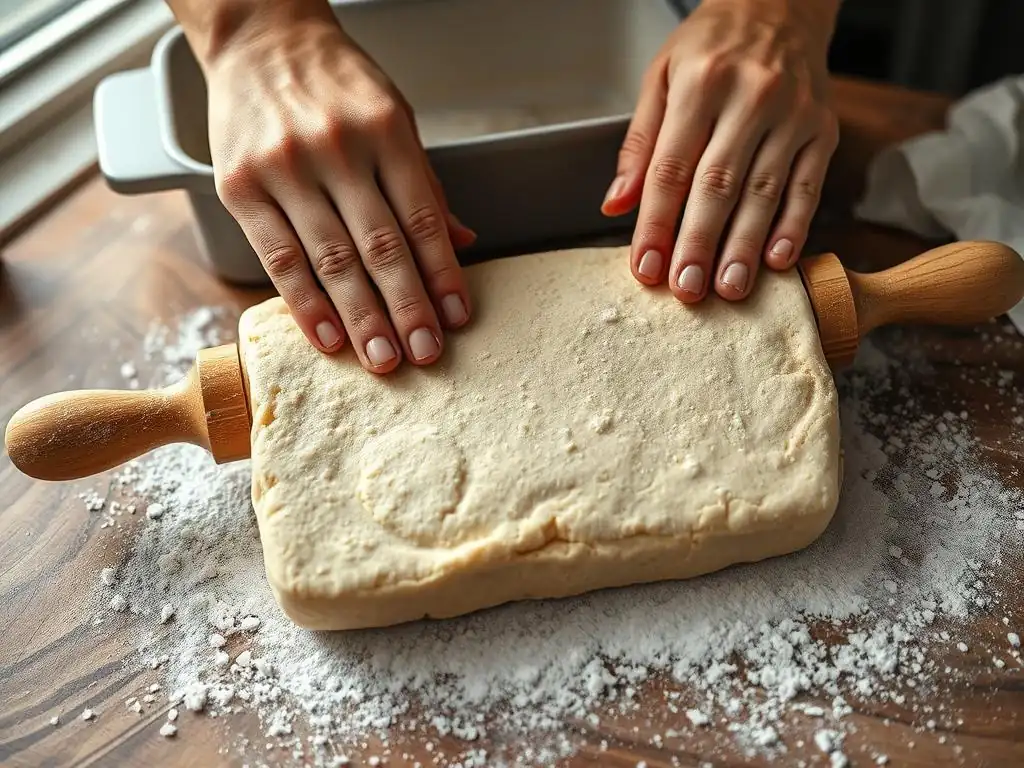
Now that your crumbly dough is ready, it's time to shape it. Traditionally, shortbread is pressed into a round or square mold, or simply shaped into a disc or rectangle by hand. You can gently bring the dough together on a lightly floured surface or directly in your baking tin. Press the dough evenly to your desired thickness, typically around 1-2 cm (about ½ to ¾ inch).
For traditional Petticoat Tails, press it into a round disc. For fingers, shape it into a rectangle. You can score the dough into wedges or fingers at this stage using a knife or a shortbread mold. Prick the surface all over with a fork (this is called 'docking') to prevent puffing and ensure even baking.
Once shaped and scored, the dough must be chilled. Wrap the shaped dough or the tin containing the dough tightly in plastic wrap and refrigerate for at least 30-60 minutes, or even longer. Chilling is crucial for several reasons: it firms up the butter, making the shortbread hold its shape better during baking; it allows the gluten (however minimal) to relax; and it contributes to a more tender, crumbly texture as the cold butter melts slowly in the oven. Don't skip this step if you want the perfect Scottish shortbread recipe easy crumb.
Step 4: Baking to Golden Perfection: Time and Temperature Tips
Baking shortbread requires patience and a relatively low oven temperature to ensure it cooks through evenly without excessive browning, preserving that pale, buttery appearance. Preheat your oven to a moderate temperature, typically between 150°C and 160°C (300°F to 325°F). If your oven runs hot, err on the lower side. Place the chilled, shaped dough on a baking sheet (if not already in a tin) lined with parchment paper.
The baking time will vary depending on the thickness and size of your shortbread, but generally ranges from 20 to 40 minutes. Bake until the shortbread is pale golden around the edges but still looks relatively pale in the center. It shouldn't be deeply browned like a regular cookie. The surface should look dry and set. Baking too long at too high a temperature can result in a hard, dry shortbread rather than a tender, easy crumb. Keep a close eye on it, especially towards the end of the suggested baking time.
Step 5: Cooling and Cutting: Achieving Perfect Shortbread Wedges
Once baked to a pale golden perfection, remove the shortbread from the oven. This step is critical for achieving clean cuts and maintaining the easy crumb texture. If you scored the dough before baking, use a knife to cut along the scored lines immediately while the shortbread is still hot and slightly fragile. If you didn't score it, you can cut it into fingers, squares, or wedges now. Cutting while hot prevents the shortbread from crumbling excessively when it's fully cooled and hardened.
After cutting, leave the shortbread in the tin or on the baking sheet to cool completely on a wire rack. As it cools, it will firm up and become more stable. Avoid moving the pieces until they are fully cool, as they are very delicate when warm. Once completely cool, you can separate the wedges or fingers. For an extra touch, some people sprinkle caster sugar over the warm shortbread after cutting. You now have beautiful, buttery Scottish shortbread with that coveted easy crumb, ready to be enjoyed.
Troubleshooting Your Scottish Shortbread: Common Problems and Solutions
Shortbread Too Dry? Adjusting the Butter Ratio
If your Scottish shortbread turns out too dry or feels hard rather than tender and crumbly, the most likely culprit is an incorrect butter-to-flour ratio. The traditional high proportion of butter is what gives shortbread its "short" texture and prevents it from becoming dry. A dough that feels too dry or doesn't easily come together after mixing the flour may indicate insufficient butter or too much flour.
To remedy this in future batches of your Scottish shortbread recipe easy crumb, carefully re-measure your ingredients, preferably using a digital scale for accuracy. Ensure you are using the amount of butter specified, and that it is at the correct temperature when you begin.
If using volume measurements (cups), be sure not to pack the flour too tightly. For your current dry batch, there's little you can do once baked, but for your next attempt, slightly increasing the butter by 10-15 grams or slightly decreasing the flour by the same amount can make a significant difference in achieving a moister, more tender crumb.
Shortbread Too Crumbly? Handling Techniques for a Cohesive Dough
While an easy crumb is the goal for Scottish shortbread, sometimes it can be too crumbly, making it difficult to shape, cut, or even handle after baking without falling apart completely. This can happen if the dough is excessively cold, if there's too little liquid (though traditional recipes have none beyond butter), or if the flour wasn't incorporated enough to just barely bring the dough together. Remember, you want it just combined, not a smooth, elastic dough.
If your dough is too crumbly to shape, you can try working it gently with your hands for a few moments; the warmth of your hands can slightly soften the butter and help it come together. If it's still too dry, you can try adding a tiny amount (half a teaspoon at a time) of milk or cream, but be very cautious, as adding liquid changes the fundamental nature of shortbread.
For future attempts at your Scottish shortbread recipe easy crumb, ensure your butter isn't excessively cold and that you mix the flour until the dough just starts to hold together when pressed, even if it looks crumbly in the bowl.
Shortbread Not Sweet Enough? Sugar Variations to Consider
The sweetness level in Scottish shortbread is a matter of personal preference, and sometimes a standard recipe might not match your taste. If your shortbread isn't sweet enough, you can easily adjust the sugar content in your next baking session. The traditional ratio uses a moderate amount of sugar to allow the rich butter flavor to shine through.
For a sweeter Scottish shortbread recipe easy crumb, you can increase the amount of sugar by 10-20 grams. Using caster sugar will ensure the extra sugar dissolves properly and doesn't create a gritty texture. Alternatively, you can experiment with different types of sugar. While less traditional, using a small amount of powdered sugar (icing sugar) can contribute to a very fine, melt-in-your-mouth texture, though it may make the dough stickier. Remember that increasing sugar can also affect the texture and spread of the shortbread, so make adjustments gradually.
Shortbread Burning? Oven Temperature Management
If your Scottish shortbread is burning around the edges before the center is cooked, or if it's browning too quickly, the oven temperature is likely too high. Shortbread requires a moderate, even heat to bake through slowly and achieve that pale golden color and tender crumb. Ovens can often be inaccurate, with actual temperatures differing significantly from the thermostat setting.
To prevent burning when baking your Scottish shortbread recipe easy crumb, consider using an oven thermometer to verify the actual temperature inside your oven. If it's running hot, reduce the temperature setting accordingly. You can also try baking the shortbread on a lower rack in your oven, or placing a baking sheet on the rack below your shortbread to shield the bottom from direct heat. If the edges start to brown too quickly during baking, you can loosely tent the shortbread with aluminum foil for the remainder of the baking time.
Variations on a Theme: Exploring Different Scottish Shortbread Recipes
Adding Flavor: Infusing Your Shortbread with Extracts and Zest
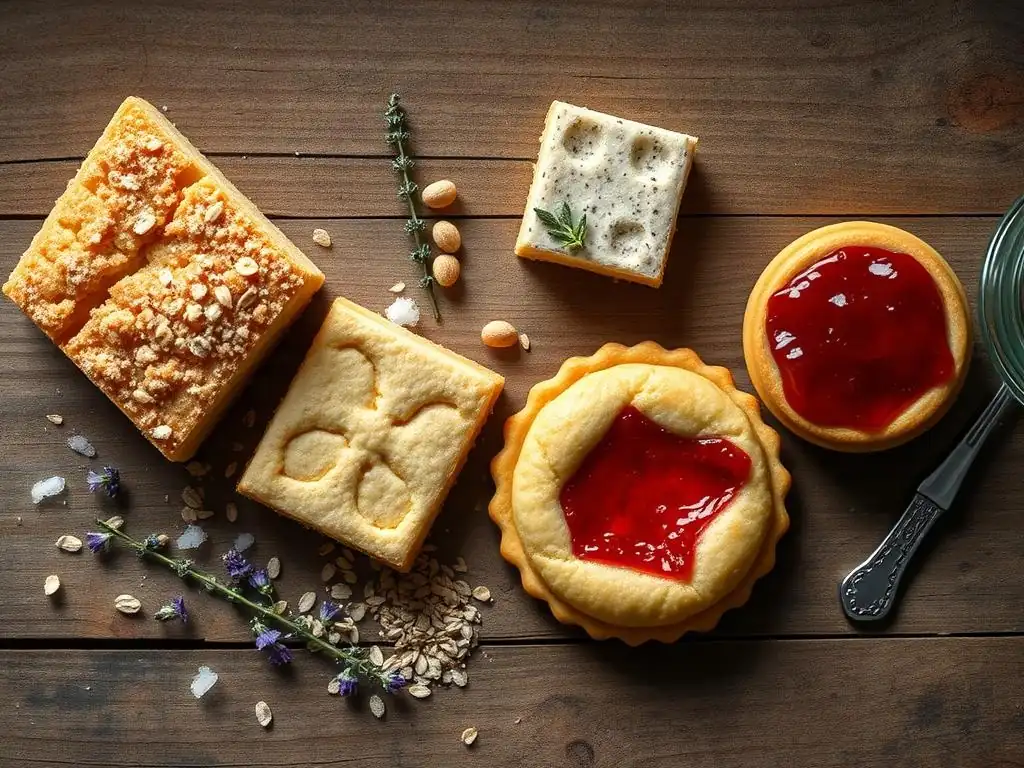
While classic Scottish shortbread celebrates the pure flavor of butter, it also serves as an excellent canvas for subtle flavor variations. You can easily infuse your Scottish shortbread recipe easy crumb with complementary notes without overpowering the core buttery taste. A common addition is vanilla extract; just a teaspoon added with the butter and sugar provides a lovely background aroma. Ensure you use pure vanilla extract for the best flavor.
Citrus zests are another popular and delightful addition. Finely grated zest from a lemon or orange can be rubbed into the sugar before creaming with the butter. The oils in the zest release their fragrance and flavor, imparting a bright, fresh note that cuts through the richness of the butter. For example, adding the zest of one medium lemon to a standard batch provides a noticeable citrus lift. Other possibilities include a pinch of ground ginger or a tiny amount of almond extract for a different dimension.
Textured Shortbread: Incorporating Oats or Rice Flour
Beyond the classic plain flour version, incorporating other dry ingredients can alter the texture of your Scottish shortbread, offering delightful variations while still aiming for an easy crumb. As mentioned earlier, substituting a portion of the plain flour with fine rice flour (typically 1 part rice flour to 6-8 parts plain flour) is a traditional technique to achieve an exceptionally fine, sandy, and tender crumb. The rice flour inhibits gluten development and absorbs fat differently than wheat flour.
Another popular variation is the inclusion of oats, creating what is often called "Oat Shortbread." Rolled oats (not instant) can be added to the dough, typically replacing a small amount of the flour (e.g., adding 50-100 grams of oats to a standard recipe). The oats add a slightly chewy texture and a nutty flavor dimension. For the best results in an oat Scottish shortbread recipe easy crumb, use fine or medium oatmeal, or pulse rolled oats briefly in a food processor before adding them to the dough.
Festive Shortbread: Decorating Ideas for Special Occasions
Scottish shortbread is often associated with celebrations, and simple decorations can make your Scottish shortbread recipe easy crumb even more festive. The most traditional decoration is a simple sprinkling of caster sugar over the shortbread immediately after it comes out of the oven and is cut. This creates a delicate, sweet crust on top.
For holidays or special events, you can enhance the presentation. Before baking, you can press edible glitter or colored sugar crystals onto the surface of the shaped dough. After baking and cooling, a simple drizzle of melted chocolate (dark, milk, or white) can add both visual appeal and a touch of extra sweetness. You can use a piping bag or a fork to create decorative lines or patterns. Remember to let the chocolate set completely before storing or serving your festive shortbread.
Storing Your Scottish Shortbread: Keeping it Fresh and Delicious
Proper Storage Techniques to Maintain Crispness
Proper storage is key to keeping your homemade Scottish shortbread recipe easy crumb tasting fresh and maintaining its delightful crumbly texture. The enemy of crisp shortbread is moisture. Once completely cooled, shortbread should be stored in an airtight container at room temperature. Metal tins are traditionally used and work very well, as do plastic containers with tight-fitting lids.
Avoid storing shortbread in the refrigerator, as this can introduce moisture and cause it to become soft or even slightly damp. Also, avoid storing it with other baked goods that have higher moisture content, like cakes or soft cookies, as the shortbread will absorb moisture from them. By keeping it in an airtight container in a cool, dry place, you protect it from humidity and oxidation, preserving its buttery flavor and signature easy crumb.
Shelf Life and Freezing Options for Shortbread
When stored correctly in an airtight container at room temperature, homemade Scottish shortbread has a surprisingly good shelf life. It will typically stay fresh and delicious for at least one to two weeks. The high butter and sugar content act as natural preservatives. While it might remain safe to eat for longer, the texture might start to change slightly, becoming less crisp over time.
If you've baked a large batch of your Scottish shortbread recipe easy crumb or want to prepare it well in advance, freezing is an excellent option. Baked and completely cooled shortbread can be frozen for up to 3-4 months. Wrap individual pieces or stacks tightly in plastic wrap, then place them in a freezer-safe bag or container.
To thaw, simply remove the shortbread from the freezer and let it come to room temperature in its wrapping to prevent condensation. Freezing does not significantly impact the texture or flavor. You can also freeze the shaped, unbaked dough; wrap it well and freeze for up to a month, then bake directly from frozen, adding a few extra minutes to the baking time.
Scottish Shortbread Recipe Easy Crumb: Your Go-To Guide for Success
Recap: Key Takeaways for Baking the Perfect Scottish Shortbread
Achieving a perfect Scottish shortbread recipe easy crumb comes down to mastering a few key principles. Firstly, prioritize high-quality unsalted butter; it's the star ingredient and dictates both flavor and texture. Ensure your butter is at the correct cool room temperature for proper creaming with the sugar. Secondly, choose the right flour, typically plain flour, and consider adding a small amount of rice flour for an even finer crumb.
Crucially, handle the dough minimally after adding the flour. Mix just until combined to avoid developing gluten, which would result in a tough shortbread. Gently shape the dough and always chill it thoroughly before baking – this step is vital for maintaining shape and contributing to the tender crumb. Bake at a moderate temperature until pale golden, not deeply browned. Finally, cut the shortbread while it's still warm from the oven and let it cool completely before handling. By following these steps, you'll consistently bake delicious, buttery Scottish shortbread with that coveted, perfectly easy crumb.
Frequently Asked Questions
What makes Scottish shortbread different from other types of shortbread?
Scottish shortbread traditionally uses a higher ratio of butter and a simpler ingredient list, often just flour, butter, and sugar. This contributes to its distinctive crumbly and buttery texture.
What is the secret to achieving the perfect crumb in a Scottish shortbread recipe?
The key to a perfect crumb lies in using cold butter and avoiding overmixing the dough. Overmixing develops gluten, which results in a tougher, less crumbly shortbread.
Can I use salted butter in a Scottish shortbread recipe?
While unsalted butter is generally recommended for baking, you can use salted butter, but you should reduce or omit any added salt in the recipe to prevent it from being too salty.
What type of sugar is best for making easy crumb Scottish shortbread?
Granulated sugar is common, but caster sugar (or superfine sugar) dissolves more easily, creating a smoother texture. Powdered sugar can also be used for an even more tender and delicate shortbread.
How should I store my Scottish shortbread to keep it fresh?
Store your baked shortbread in an airtight container at room temperature. This will help maintain its buttery crumble and prevent it from drying out for up to a week.
Final Reflection: The Enduring Allure of a Perfect Crumble
The seemingly simple act of baking Scottish shortbread holds a surprising depth, connecting generations through a shared culinary heritage and offering a comforting ritual in our increasingly fast-paced world. The perfect buttery crumble, that hallmark of a well-made shortbread, isn't just a textural delight; it's a testament to careful technique and the enduring power of tradition. This recipe, designed for ease and accessibility, aims to unlock the secrets of this beloved treat for everyone.
The influence of simple recipes like this on our cultural landscape is profound. They represent more than just food; they're anchors to memory, family gatherings, and a sense of belonging. The best things in life are simple,
a sentiment perfectly embodied by the humble shortbread. From childhood memories of warm, buttery squares to the present-day joy of sharing this treat with loved ones, the recipe transcends mere instruction; it becomes a conduit for connection and shared experience. The ease of the recipe allows more people to participate in this tradition, ensuring its continuation for generations to come.
Now, I invite you to consider the power of simple pleasures. Don't just bake this shortbread; experience it. Savor the buttery aroma as it fills your kitchen, feel the satisfying crumble beneath your teeth, and share the joy with those you cherish. Let this recipe be a reminder to slow down, appreciate the small things, and create lasting memories, one perfectly crumbly shortbread at a time.
Unlock Your Inner Baker: Master the Perfect Shortbread!
Thanks for joining us on this buttery journey! We hope you now feel confident in creating unbelievably delicious Scottish shortbread. Ready to take your baking to the next level?
- Bake a batch today! Use our tips to make your own perfect shortbread—the aroma alone is worth it!
- Share your creations! Post a picture on social media and tag us #BakeWithEaseShortbread – we’d love to see your masterpiece.
- Explore other BakeWithEase recipes for more delightful treats!
What's your favorite baking tip for achieving perfectly crumbly shortbread? Share your secrets below!