
Beyond Apple: Easy British Fruit Crumble Ideas

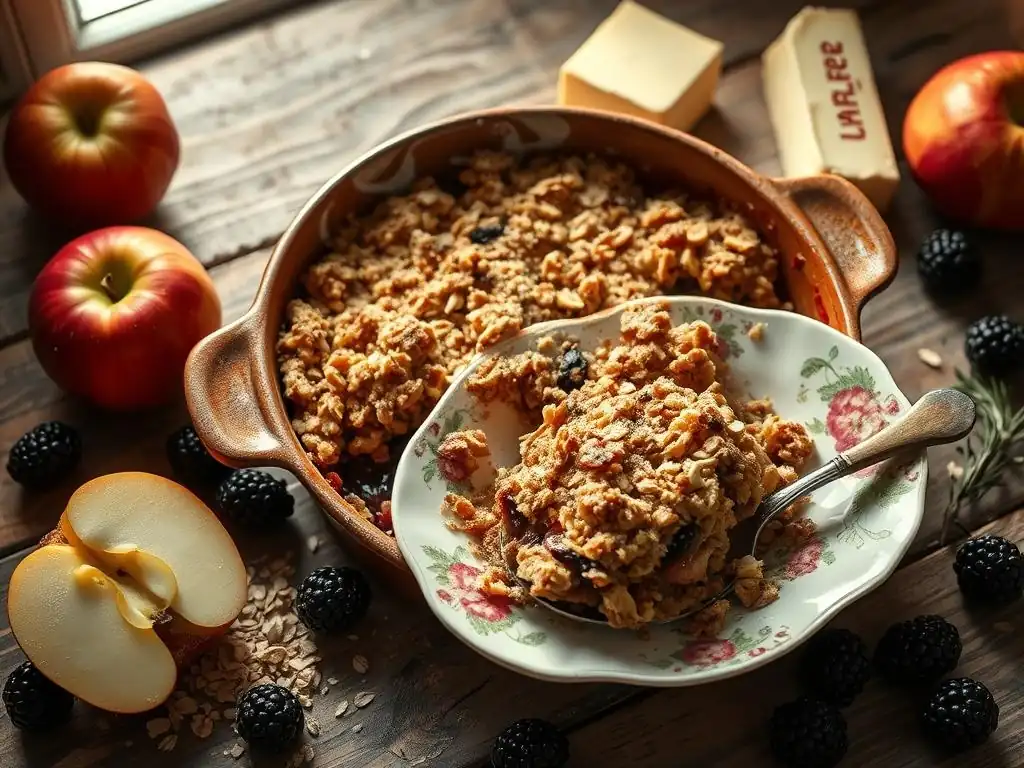
Welcome to BakeWithEase, your haven for all things baking! Ever dreamed of creating a comforting dessert that's both incredibly simple and bursting with flavor? This week we're diving deep into the world of British baking, moving beyond the classic apple crumble. Curious about how to whip up an easy British fruit crumble recipe using ingredients you probably already have? Discover inventive variations and secret tips to create a truly unforgettable crumble that will warm both heart and home. Let's get baking!
- Beyond Apple: Easy British Fruit Crumble Ideas for BakeWithEase
- Introduction to British Fruit Crumbles: More Than Just Apple
- The Ultimate Guide to Easy British Fruit Crumble Recipes
- Easy British Fruit Crumble Recipes: Apple Alternatives
- Tips for the Best British Fruit Crumble
- Serving Suggestions for Your British Fruit Crumble
- Storing and Reheating Your Easy Fruit Crumble
- Variations and Adaptations for Your British Fruit Crumble Recipe
- Troubleshooting Common Fruit Crumble Problems
- Conclusion: Embrace the Simplicity of British Fruit Crumbles
-
Frequently Asked Questions
- What makes a fruit crumble "British"?
- Can I use frozen fruit in an easy British fruit crumble recipe?
- What are some fruit combinations that work well in a British crumble, besides apple?
- What can I add to the crumble topping for extra flavor and texture?
- How can I prevent my fruit crumble from becoming too soggy?
- Final Reflection: The Enduring Charm of the British Crumble
- Unleash Your Inner Baker: Crumble Creations Await!
Beyond Apple: Easy British Fruit Crumble Ideas for BakeWithEase
Introduction to British Fruit Crumbles: More Than Just Apple
When you think of a classic British dessert, chances are a warm, comforting fruit crumble comes to mind. Often, the default fruit is apple, perhaps paired with blackberry. While apple crumble is undeniably delicious and a staple of British baking, the world of fruit crumbles is vast and exciting, offering a delightful array of flavors and textures waiting to be explored right in your kitchen. An easy British fruit crumble recipe is the perfect starting point for any home baker looking to create a simple yet satisfying dessert.
Venturing beyond the traditional apple opens up a seasonless opportunity to create vibrant and flavourful crumbles. Imagine the tartness of rhubarb in spring, the sweetness of berries in summer, or the rich depth of plums or pears in autumn and winter. Each fruit brings its unique character to the dish, transforming a familiar structure into something new and exciting. Learning a basic easy fruit crumble recipe allows you to adapt it to whatever fresh fruit is in season or readily available, making it a versatile dessert that can be enjoyed year-round.
Discover the Delicious Diversity of Fruit Crumbles Beyond Apple
While apple crumble holds a special place in the hearts of many, the sheer variety of fruits that work wonderfully in a crumble is truly impressive. From stone fruits like peaches and apricots to soft fruits like raspberries and blueberries, each offers a different profile. Pears, for example, become wonderfully soft and sweet when baked, pairing beautifully with warming spices like ginger or cinnamon. Rhubarb provides a delightful tart contrast, often balanced with a touch more sugar or paired with sweeter fruits like strawberries.
Exploring different fruit combinations can also elevate your easy fruit crumble. A mix of berries offers a complex sweetness and tang, while a pairing of plum and apple creates a lovely balance of textures and flavours. Even less common crumble fruits like cherries or figs can produce stunning results. The beauty of an easy British fruit crumble recipe lies in its adaptability; once you have the basic technique down, you can experiment endlessly with the bounty of nature's produce.
Why Fruit Crumble is a British Baking Favorite
The fruit crumble's enduring popularity in Britain is rooted in its simplicity, comforting nature, and ability to make the most of seasonal produce. Originating during World War II rationing as a simpler alternative to pastry-heavy pies, the crumble required fewer ingredients – typically just flour, butter, and sugar rubbed together to create a crumbly topping. This economical and straightforward approach resonated with home bakers and has remained a beloved method ever since.
Beyond its historical practicality, the fruit crumble embodies warmth and comfort. Served hot, often bubbling with juicy fruit underneath a golden, slightly crisp topping, it's the quintessential pudding for a chilly evening or a Sunday family meal. The contrast between the soft, sweet or tart fruit filling and the buttery, crumbly topping is incredibly satisfying. Furthermore, an easy British fruit crumble recipe is forgiving, making it accessible for bakers of all skill levels, ensuring its place as a firm favourite across generations.
The Ultimate Guide to Easy British Fruit Crumble Recipes
Crafting a delicious fruit crumble doesn't require complex techniques or fancy ingredients. At its heart, an easy British fruit crumble recipe relies on good quality fruit and a simple, buttery topping. Understanding the fundamental components and having the right tools will set you up for success, ensuring a perfect crumble every time, no matter the fruit you choose.
This guide will walk you through the essential elements, from the pantry staples that form the topping to the basic equipment you'll need. Whether you're making a classic apple variation or trying a new berry mix, these principles remain constant, making the easy fruit crumble a dependable and delightful dessert in your baking repertoire. Getting these basics right is key to unlocking the versatility of this beloved dish.
Key Ingredients for a Perfect Fruit Crumble
The magic of an easy fruit crumble recipe lies in its minimal ingredient list, typically divided between the fruit filling and the crumble topping. For the filling, you'll need your chosen fruit (around 500-700g for a standard dish), sugar (adjusting sweetness based on the fruit's natural sugars, often 50-100g), and sometimes a thickener like flour, cornstarch, or a little tapioca (1-2 tablespoons) if the fruit is particularly juicy. A squeeze of lemon juice can brighten flavours, especially with sweeter fruits.
The crumble topping is traditionally a simple mix of plain flour (around 150-200g), cold butter (about 75-100g), and sugar (granulated or caster, 50-75g). Some recipes add oats (30-50g) for extra texture and nuttiness. The key is to rub the cold butter into the flour and sugar until it resembles breadcrumbs – this is what creates that signature crumbly texture. Using cold butter is crucial for achieving the right consistency; it prevents the butter from melting too quickly and forming a dough instead of crumbs.
Essential Equipment for Baking a Fruit Crumble
You don't need a professional kitchen to bake a fantastic easy British fruit crumble recipe. The essential equipment is likely already in your home. You'll need a sturdy baking dish, typically ceramic or glass, with a capacity of around 1.5 to 2 liters. An ovenproof pie dish or a rectangular baking pan works perfectly.
For preparing the fruit, a sharp knife and a chopping board are necessary. A large bowl is essential for mixing the fruit with sugar and any thickeners. For making the crumble topping, you'll need another medium-sized bowl. While you can use a food processor for the topping, many traditional bakers prefer the 'rubbing in' method using just their fingertips – this gives you control over the texture and is quite therapeutic! Finally, an oven is, of course, indispensable for baking your crumble to golden perfection.
Easy British Fruit Crumble Recipes: Apple Alternatives
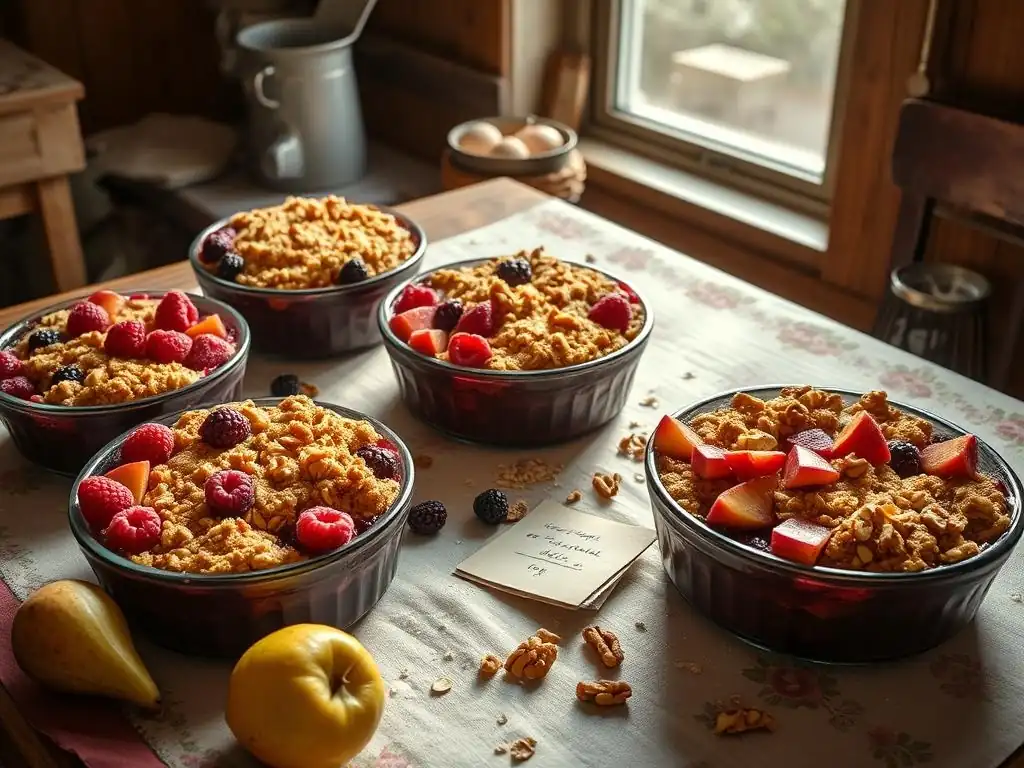
Moving beyond the classic apple crumble opens up a world of delicious possibilities, each offering a unique twist on this beloved dessert. These easy British fruit crumble recipes showcase how versatile the basic formula is, allowing you to adapt it to the fruits that are in season or simply those you love most. Each fruit brings its own flavour profile, requiring slight adjustments to sugar or thickener, but the core method remains wonderfully simple.
Whether you prefer something tangy, sweet, or a combination, there's a non-apple crumble waiting for you to discover. These recipes are designed to be straightforward, proving that an easy fruit crumble can be made with almost any fruit, offering delightful variety throughout the year. Let's explore some popular and delicious alternatives to the traditional apple.
Classic Pear Crumble Recipe: A Simple & Delicious Variation
A pear crumble is a beautifully sweet and comforting alternative to apple. Pears, especially varieties like Conference or Comice, become incredibly soft and fragrant when baked. To make an easy pear crumble, you'll need about 600g of pears, peeled, cored, and cut into chunks. Toss them with about 60-80g of sugar (adjust based on the sweetness of your pears) and a teaspoon of cinnamon or a pinch of ground ginger for warmth. If the pears are very ripe and juicy, you might add a tablespoon of plain flour or cornstarch to the fruit mixture.
Prepare a standard crumble topping with 150g plain flour, 75g cold butter (cubed), and 50g sugar, rubbing the butter into the dry ingredients until you have a breadcrumb-like consistency. Place the prepared pear mixture in a baking dish and scatter the crumble topping evenly over the top. Bake in a preheated oven at 180°C (160°C fan/Gas Mark 4) for 30-40 minutes, or until the topping is golden brown and the fruit is bubbling softly underneath. This easy fruit crumble version is particularly lovely served with custard.
Rhubarb Crumble Recipe: A Tangy British Treat
Rhubarb crumble is a quintessential British dessert, celebrated for its wonderfully tart flavour that provides a perfect contrast to the sweet crumble topping. Fresh rhubarb stalks (about 500-600g) should be washed and chopped into 2-3cm pieces – there's no need to peel young, tender stalks. Because rhubarb is quite tart, it requires more sugar than many other fruits; approximately 100-150g is usually needed, but taste a tiny piece of raw rhubarb to gauge its tartness and adjust accordingly. You can also add a tablespoon of plain flour to absorb some of the moisture.
Combine the chopped rhubarb and sugar in a bowl, let it sit for 10-15 minutes to draw out some juice, then transfer to a baking dish. Prepare the crumble topping as usual (150g flour, 75g butter, 50g sugar). Scatter the crumble over the rhubarb. Bake at 180°C (160°C fan/Gas Mark 4) for 35-45 minutes. The rhubarb should be tender and the topping golden. The vibrant pink of the rhubarb peeking through the golden crumble is visually appealing, and the tangy flavour makes this easy British fruit crumble recipe a firm favourite.
Berry Crumble Recipe: A Burst of Summer Flavors
Berry crumbles capture the essence of summer with their vibrant colours and sweet-tart flavours. You can use a single type of berry like blackberries or raspberries, or create a delightful mix. For an easy berry crumble, you'll need about 500-600g of fresh or frozen berries (strawberries, raspberries, blueberries, blackberries, redcurrants, blackcurrants). If using frozen berries, there's usually no need to thaw them first, but they might release more liquid.
Toss the berries with 50-100g sugar (adjust based on the sweetness of your berries) and 1-2 tablespoons of cornstarch or plain flour to help thicken the juices. A squeeze of lemon juice can enhance the berry flavours. Place the fruit in a baking dish. Prepare a standard crumble topping (150g flour, 75g butter, 50g sugar, perhaps adding 30g oats for texture). Sprinkle the topping over the berries. Bake at 180°C (160°C fan/Gas Mark 4) for 30-40 minutes until the topping is golden and the berry juices are bubbling. This easy fruit crumble is incredibly versatile and delicious.
Mixed Berry Crumble: A Combination of Sweet and Tart
A mixed berry crumble offers a complex flavour profile by combining different types of berries. A popular mix includes strawberries, raspberries, blueberries, and blackberries, often in roughly equal proportions totaling 500-600g. The sweetness of strawberries and blueberries balances the tartness of raspberries and blackberries.
Prepare the fruit by gently mixing the berries with 70-100g sugar and 1-2 tablespoons of cornstarch or flour. A little vanilla extract (about half a teaspoon) can also enhance the flavour. Transfer the fruit mix to your baking dish. Top with your standard crumble topping (150g flour, 75g butter, 50g sugar, maybe 30g oats). Bake as for a single berry crumble, 30-40 minutes at 180°C (160°C fan/Gas Mark 4). The result is a vibrant, flavourful, and easy British fruit crumble recipe that tastes like sunshine.
Blackberry Crumble: A Rich and Flavorful Dessert
Blackberry crumble is a classic, often paired with apple, but equally delicious on its own. Blackberries (around 500-600g) have a rich, slightly earthy flavour and varying levels of sweetness depending on ripeness. They pair wonderfully with a hint of apple or just a touch more sugar.
Toss the blackberries with 70-100g sugar and 1 tablespoon of plain flour or cornstarch. If you like, add a tiny pinch of ground nutmeg or a splash of vanilla. Place the fruit in a baking dish. Prepare your crumble topping (150g flour, 75g butter, 50g sugar). Sprinkle the topping over the blackberries. Bake at 180°C (160°C fan/Gas Mark 4) for 30-40 minutes until the topping is golden and the fruit is bubbling. This easy fruit crumble highlights the deep flavour of blackberries beautifully.
Plum Crumble Recipe: A Sweet and Slightly Tart Crumble
Plum crumble offers a delightful balance of sweetness and tang, especially when using varieties like Victoria or damsons. You'll need about 500-600g of plums, halved or quartered and pitted. Depending on the plum variety, you might need 70-120g of sugar. A pinch of ground ginger or a touch of almond extract can complement the plum flavour beautifully.
Mix the prepared plums with the sugar and flavourings in a bowl. If the plums are very juicy, add a tablespoon of plain flour or cornstarch. Transfer the fruit to a baking dish. Prepare your standard crumble topping (150g flour, 75g butter, 50g sugar). Sprinkle the crumble over the plums. Bake at 180°C (160°C fan/Gas Mark 4) for 35-45 minutes, or until the plums are soft and the topping is golden. The purple juice bubbling around the edges of this easy British fruit crumble recipe is particularly appealing.
Tips for the Best British Fruit Crumble
Making an easy British fruit crumble recipe is straightforward, but a few simple tips can elevate your dessert from good to absolutely fantastic. These pointers focus on key areas like achieving the perfect topping texture, choosing the right fruit, balancing flavours, and avoiding common pitfalls like a soggy bottom. Paying attention to these details will ensure your crumble is a consistent success, impressing everyone who tries it.
Mastering these small techniques will make your fruit crumbles shine. They aren't complicated but make a significant difference in the final outcome, ensuring that delicious contrast between the tender, flavourful fruit and the crisp, buttery topping that defines a great British fruit crumble.
Achieving the Perfect Crumble Topping Texture
The ideal crumble topping should be golden, buttery, and crumbly, with some larger clumps mixed with finer crumbs. The key to this texture is using cold butter and not overworking the mixture. When rubbing the butter into the flour and sugar, use your fingertips and lift the mixture as you rub; this incorporates air and prevents the butter from melting too quickly. Stop rubbing when the mixture resembles coarse breadcrumbs with a few larger, pea-sized lumps of butter still visible. These larger pieces are what melt during baking to create those desirable crisp clusters.
Another tip is to chill the prepared crumble topping for 15-30 minutes in the refrigerator before adding it to the fruit. This helps the butter stay cold and firm, ensuring it melts slowly in the oven, contributing to a crispier texture rather than a flat, greasy layer. Some bakers also like to sprinkle a little extra sugar (maybe a tablespoon) over the topping just before baking for added crunch and a lovely golden finish.
Choosing the Right Fruits for Your Crumble
The success of your easy British fruit crumble recipe starts with selecting the right fruit. Generally, fruits that soften well when baked are ideal. This includes apples, pears, berries, plums, peaches, apricots, rhubarb, and cherries. Avoid fruits that become mushy or watery, like watermelon. Using a mix of fruits can add complexity; consider combining a tart fruit with a sweeter one, like rhubarb and strawberry, or apple and blackberry.
Consider the moisture content of the fruit. Very juicy fruits like berries or plums might require a thickener (like a tablespoon or two of flour or cornstarch mixed with the fruit) to prevent the filling from becoming too runny. Firmer fruits like apples or pears might need a little longer baking time or can be pre-cooked slightly on the hob before going into the dish, though for an easy crumble, simply cutting them into smaller pieces usually suffices. Using seasonal fruit ensures the best flavour and freshness.
Adjusting Sweetness and Tartness in Your Fruit Filling
Balancing the sweetness and tartness is crucial for a delicious fruit crumble filling. The amount of sugar needed will vary significantly depending on the fruit used and your personal preference. Tart fruits like rhubarb, cranberries, or some varieties of plums and berries will require considerably more sugar than sweeter fruits like ripe peaches, pears, or blueberries. A good starting point is often 50-100g of sugar for 500-600g of fruit, but it's wise to taste a small piece of raw fruit (if safe) or make an educated guess based on its known flavour profile.
You can always add a squeeze of lemon juice to a filling that is too sweet to introduce a balancing tartness. Conversely, if you find the fruit is too tart even after adding sugar, pairing it with a naturally sweeter fruit (like adding some apple to rhubarb) can help. Don't be afraid to slightly adjust the sugar quantity provided in an easy fruit crumble recipe based on the specific fruit you have; it's one of the joys of home baking!
How to Prevent a Soggy Crumble Bottom
A common frustration with fruit crumbles is a soggy bottom layer where the fruit juice seeps into the topping. To prevent this, several techniques can be employed. Firstly, ensure you use a thickener (flour, cornstarch, or tapioca) especially with very juicy fruits like berries, plums, or cooked apples, mixing it thoroughly with the fruit and sugar before putting it in the dish. This helps the juices gel during baking rather than remaining liquid.
Secondly, pre-baking the fruit filling for 10-15 minutes before adding the crumble topping can help some of the initial moisture evaporate. While this adds a step, it's effective for particularly wet fillings. Thirdly, ensure your crumble topping is evenly distributed over the fruit, forming a protective layer.
Finally, bake the crumble until the fruit is visibly bubbling around the edges and the topping is deeply golden and looks dry and crisp – this ensures the fruit is cooked and the topping has fully set. Baking at the correct temperature is also key; too low, and the topping won't crisp properly before the fruit releases too much liquid.
Serving Suggestions for Your British Fruit Crumble
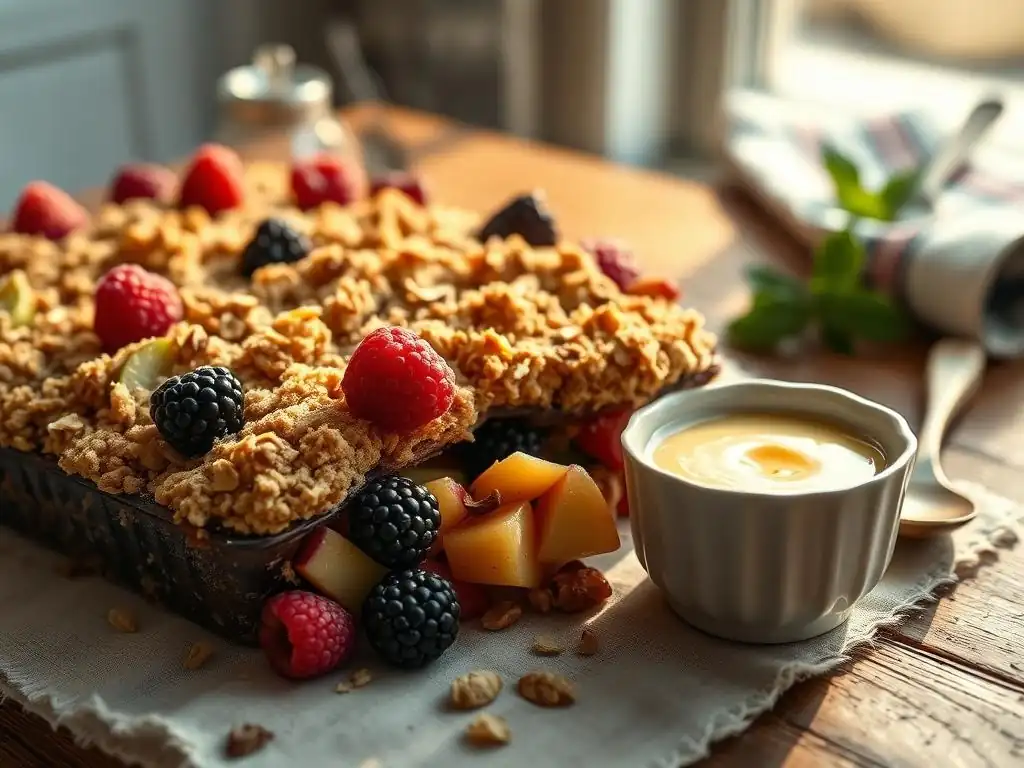
An easy British fruit crumble recipe is fantastic on its own, but its true potential is unleashed when paired with the right accompaniment. The warm, bubbling fruit and crisp topping cry out for something cool, creamy, or rich to complement the textures and temperatures. Choosing the perfect serving partner can elevate a simple dessert into a truly memorable experience.
While there are classic pairings that have stood the test of time, there's also room for creativity. Think about how different textures and flavours can enhance the crumble. Whether you stick to tradition or try something new, serving your crumble warm is almost always the best way to enjoy it.
Classic Pairings: Custard, Cream, or Ice Cream?
The traditional accompaniments for a British fruit crumble are undeniably popular for a reason. Hot, pouring custard is perhaps the most iconic pairing, its smooth, sweet creaminess providing a wonderful contrast to the hot, textured crumble. A good homemade custard takes it to the next level, but quality ready-made versions are also widely used.
Alternatively, a dollop of cold clotted cream or double cream offers a rich, indulgent contrast. The coolness of the cream against the hot crumble is particularly satisfying. For a refreshing option, especially with summer fruit crumbles, a scoop of vanilla ice cream is perfect. As it melts slightly into the warm fruit and topping, it creates a lovely, gooey texture. Often, the choice comes down to personal preference or what's available, but these three are the undisputed champions of crumble companions.
Creative Topping Ideas: Nuts, Seeds, or Spices
While the classic crumble topping is perfect as is, you can easily add extra flavour and texture. Incorporating chopped nuts like almonds, walnuts, or pecans (about 30-50g) into the flour, butter, and sugar mix adds a lovely crunch and nutty flavour that pairs well with many fruits, especially apples and pears. Seeds such as pumpkin seeds or sunflower seeds can also add a delightful bite and visual appeal.
Spices mixed into the crumble topping itself can also enhance the overall flavour. A pinch of cinnamon, nutmeg, ginger, or mixed spice can add warmth and complexity, complementing the fruit underneath. Consider adding a little ground ginger to a rhubarb crumble topping or a touch of cardamom to a plum or pear crumble topping. These small additions can transform an easy British fruit crumble recipe into something with an extra layer of flavour.
Storing and Reheating Your Easy Fruit Crumble
While fruit crumble is arguably best eaten fresh from the oven, it stores remarkably well, meaning you can enjoy leftovers the next day or even prepare it in advance. Knowing how to store and reheat your easy British fruit crumble recipe correctly ensures that the topping remains as crisp as possible and the fruit filling stays delicious.
Proper storage prevents the crumble topping from becoming soggy and keeps the fruit filling fresh. Reheating correctly brings back that wonderful warmth and aroma, making leftovers almost as good as the first serving.
Tips for Keeping Your Crumble Fresh
Allow your fruit crumble to cool completely at room temperature before storing it. Covering a warm crumble traps steam, which will make the topping soggy. Once cool, cover the baking dish tightly with cling film or aluminium foil. Alternatively, you can transfer individual portions to airtight containers.
Store the covered crumble in the refrigerator for up to 3-4 days. The crumble topping may lose some of its crispness in the fridge, but the flavour will remain excellent. For longer storage, crumble can be frozen. Cool completely, wrap the dish or portions tightly in cling film, then in foil, and freeze for up to 3 months.
Reheating Your Crumble for Optimal Flavor
The best way to reheat leftover fruit crumble to restore some crispness to the topping is in the oven. Preheat your oven to 160°C (140°C fan/Gas Mark 3). Place the crumble (either the whole dish or individual portions in an oven-safe container) in the oven.
Reheat for 15-25 minutes for a whole dish, or 10-15 minutes for individual portions, until the fruit filling is hot and bubbling and the topping feels warm and slightly refreshed. If the topping looks like it's browning too quickly, you can loosely cover it with foil. You can also reheat individual portions in a microwave, though this method will not crisp up the topping; it's quicker but results in a softer crumble.
Variations and Adaptations for Your British Fruit Crumble Recipe
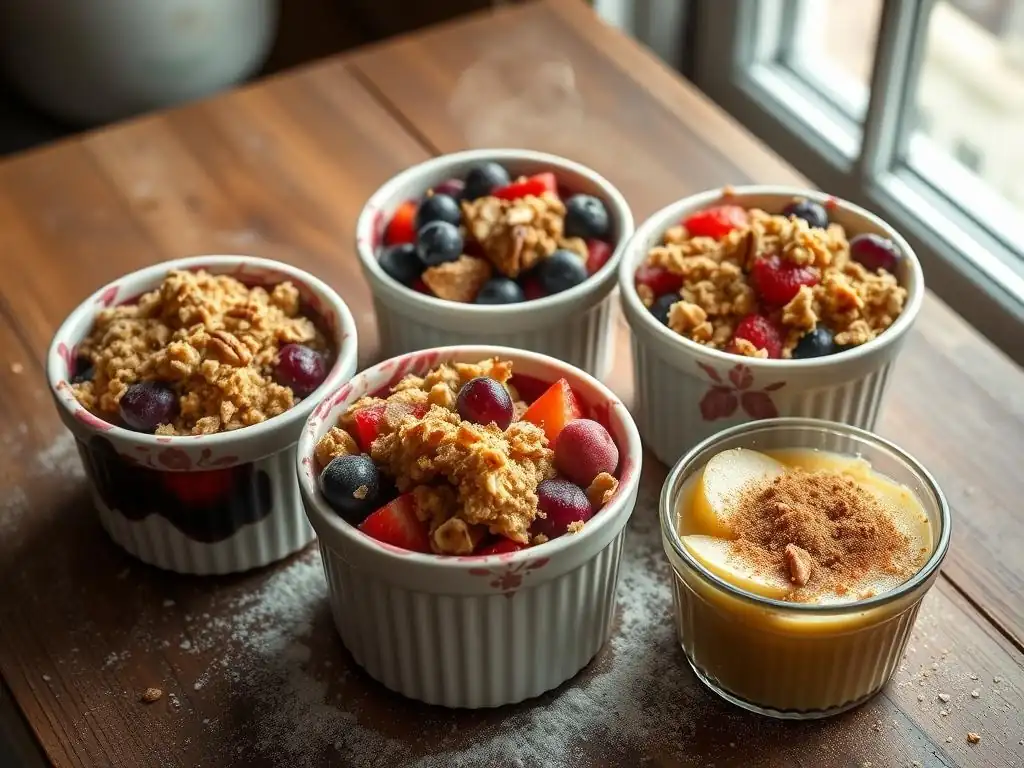
The beauty of an easy British fruit crumble recipe lies in its inherent flexibility. Once you understand the basic ratio of fruit to topping, and the simple method of rubbing butter into dry ingredients, you can easily adapt the recipe to suit different dietary needs or flavour preferences. This makes the crumble a truly inclusive dessert that can be enjoyed by almost everyone.
Exploring variations like gluten-free or vegan options, or simply adding different spices, allows you to put your own spin on this classic. These adaptations prove that the delicious simplicity of a fruit crumble is accessible with just a few thoughtful ingredient swaps or additions.
Gluten-Free Fruit Crumble Recipe Options
Creating a gluten-free easy fruit crumble recipe is straightforward. Simply substitute the plain wheat flour in the crumble topping with a gluten-free flour blend. Look for a blend that contains a mix of flours like rice flour, potato starch, and tapioca starch for the best texture. You'll need the same quantity of gluten-free flour blend as you would use of plain flour (e.g., 150g).
The method for making the topping remains the same: rub cold butter into the gluten-free flour blend and sugar until it resembles breadcrumbs. Ensure all your other ingredients (like any thickener used in the fruit filling) are also certified gluten-free. Bake as directed in the original recipe. The result is a delicious crumble that can be enjoyed by those avoiding gluten, maintaining that lovely crumbly texture.
Vegan Fruit Crumble Recipe Options
Making an easy British fruit crumble recipe vegan requires substituting the butter in the topping with a plant-based alternative. Use a solid vegan butter alternative or margarine that is suitable for baking (around 75-100g). Avoid soft margarines or oils, as they won't create the correct crumbly texture.
The method is identical: rub the cold vegan butter into the flour (plain or gluten-free) and sugar until you have a crumbly mixture. Ensure your sugar is vegan (some white sugars are processed with bone char, though this is less common in the UK). The fruit filling is naturally vegan. Bake as usual. This simple swap allows everyone, including vegans, to enjoy a warm, comforting fruit crumble.
Adding Spices and Flavors to Your Crumble
While fruit shines in a crumble, adding spices and other flavourings can enhance the overall taste profile. Cinnamon and nutmeg are classic pairings for apple and pear crumbles, adding warmth and depth. A pinch of ground ginger or mixed spice works well with stone fruits like plums or apricots, and is essential for rhubarb.
Consider adding flavourings like vanilla extract (a teaspoon in the fruit or a few drops in the topping), almond extract (especially good with cherry or plum), or the zest of a lemon or orange (brightens berry or apple crumbles). These additions can be stirred into the fruit filling along with the sugar or mixed into the dry ingredients of the crumble topping before adding the butter. Experiment with small amounts to see what combinations you enjoy!
Troubleshooting Common Fruit Crumble Problems
Even with an easy British fruit crumble recipe, occasionally things might not turn out exactly as planned. A topping that's too dry, a filling that's too runny, or uneven baking are common issues. Don't worry – these problems are usually easy to fix, and understanding the causes will help you achieve perfect results next time.
Knowing how to troubleshoot these minor hiccups means you can save your crumble and learn from the experience. Baking is as much about problem-solving as it is about following instructions, and these tips will help you handle common crumble challenges.
What to Do if Your Crumble Topping is Too Dry
If you've finished making your crumble topping and it looks too dry and powdery, lacking those desirable clumps, it usually means there wasn't enough fat (butter or vegan alternative) or the fat wasn't distributed correctly. The easiest way to fix this is to add a little more cold, cubed butter (maybe 10-20g) and gently rub it in again, focusing on incorporating it into the driest parts of the mixture.
Alternatively, you can sprinkle a tablespoon or two of ice-cold water over the mixture and gently mix it in with your fingertips until some clumps form. Be careful not to add too much liquid, as you don't want to create a dough. The goal is just enough moisture to help the crumbs clump together slightly. Next time, ensure your butter is cold and you use the correct amount specified in your easy fruit crumble recipe.
Fixing a Runny Fruit Filling
A runny fruit filling means there was too much liquid released by the fruit during baking, and not enough thickener (or none was used). If you notice this during baking, there's not much you can do other than let it bake longer, hoping some liquid evaporates and the thickener (if used) activates.
If you taste the fruit mixture before baking and suspect it will be too juicy (e.g., very ripe berries, cooked apples), make sure you've added a tablespoon or two of plain flour, cornstarch, or tapioca starch and mixed it thoroughly with the fruit and sugar. For future reference, remember that fruits like berries, plums, and rhubarb often need a thickener. Also, cutting fruit into roughly equal-sized pieces helps them cook evenly and release juices more predictably.
Ensuring Even Baking in Your Fruit Crumble
Uneven baking can result in a crumble topping that's golden on one side but pale on the other, or a fruit filling that's undercooked in the middle. This is often due to uneven oven temperature or the position of the baking dish.
To ensure even baking, always preheat your oven fully before putting the crumble in. Place the baking dish in the centre of the oven on the middle shelf. If your oven has hot spots, you might need to rotate the dish halfway through the baking time (e.g., after 20 minutes). Ensure the fruit is spread in an even layer in the dish before adding the topping. Bake until the topping is uniformly golden brown and you can see the fruit juices bubbling evenly around the edges of the dish, indicating the fruit is cooked through.
Conclusion: Embrace the Simplicity of British Fruit Crumbles
The easy British fruit crumble recipe is a testament to the beauty of simple, comforting desserts. It's a dish that relies on quality ingredients and a straightforward technique, proving that you don't need complexity to achieve delicious results. Moving beyond the classic apple opens up a world of flavour possibilities, allowing you to enjoy this beloved pudding with a variety of fruits throughout the year.
Whether you're a novice baker or looking for a reliable, crowd-pleasing dessert, the fruit crumble is an excellent choice. Its adaptability, ease of preparation, and comforting nature make it a staple in British homes and a wonderful addition to your baking repertoire. So grab your favourite fruit, rub together that simple topping, and prepare to enjoy a truly satisfying treat.
Enjoying the Versatility of Easy Fruit Crumble Recipes
One of the greatest joys of an easy fruit crumble recipe is its incredible versatility. It adapts effortlessly to the seasons, allowing you to use the freshest, most flavourful fruit available. From the tartness of spring rhubarb to the sweetness of summer berries, the richness of autumn plums and pears, or even frozen fruits in winter, the crumble welcomes them all.
This adaptability extends beyond just the fruit; you can tweak the sweetness, add different spices, incorporate nuts or oats into the topping, and even cater to dietary needs with gluten-free or vegan versions. Each small change creates a slightly different, yet equally delightful, dessert. Embracing this versatility means you'll never tire of making or eating fruit crumble.
We love seeing what you bake! The BakeWithEase community is all about sharing the joy of creating delicious treats, and your easy British fruit crumble recipe experiments are no exception. Whether you've stuck to a classic pear or ventured into a mixed berry masterpiece, we encourage you to share your successes.
Did you discover a fantastic new fruit combination? Did you perfect your gluten-free topping? Share photos and tell us about your experience. Your creations can inspire other bakers to try new variations and build confidence in their own kitchens. Let's celebrate the simple pleasure of a warm, homemade fruit crumble together!
Frequently Asked Questions
What makes a fruit crumble "British"?
British fruit crumbles traditionally feature a crumbly topping made from flour, butter, and sugar, often with oats. The filling usually consists of locally sourced fruits, like apples, berries, or plums, and a touch of warming spices.
Can I use frozen fruit in an easy British fruit crumble recipe?
Yes, you can! Frozen fruit is a great alternative, especially when fresh fruit isn't in season. Just be sure to thaw and drain any excess liquid before adding it to your crumble.
What are some fruit combinations that work well in a British crumble, besides apple?
Consider using berries like raspberries and blackberries, or stone fruits like peaches and plums. A mix of rhubarb and ginger is also a classic British combination that works beautifully in a crumble.
What can I add to the crumble topping for extra flavor and texture?
Adding oats to the crumble topping gives it a chewier texture. You can also incorporate chopped nuts like almonds or pecans, or a sprinkle of cinnamon or nutmeg for added warmth.
How can I prevent my fruit crumble from becoming too soggy?
Tossing the fruit with a little cornstarch or flour helps to thicken the juices. Also, be careful not to overcook the crumble; the fruit should be tender but not mushy.
Final Reflection: The Enduring Charm of the British Crumble
The humble fruit crumble, a cornerstone of British baking, remains surprisingly relevant in today's fast-paced world. Its simplicity, adaptability, and comforting warmth offer a welcome respite from the complexities of modern life. More than just a dessert, the crumble represents a connection to tradition and a celebration of seasonal ingredients, a timeless appeal that continues to resonate with home cooks worldwide.
The enduring power of the crumble lies not just in its deliciousness, but in its ability to evoke feelings of nostalgia and comfort. It's a recipe passed down through generations, a shared experience uniting families and friends around a warm, comforting dessert. As the great British chef, Mary Berry, once said, A good crumble is all about the topping – crisp, golden, and buttery.
This simple statement encapsulates the essence of the crumble's charm: its ability to deliver simple pleasure through masterful execution of basic ingredients.
Now, I invite you to consider your own culinary traditions and explore the possibilities of this versatile dessert. Perhaps you'll experiment with different fruits, spices, or topping variations, creating your own unique crumble masterpiece. More importantly, consider the power of simple pleasures and the joy of sharing a homemade treat with loved ones. The crumble, in its unassuming way, reminds us of the importance of slowing down, connecting with our heritage, and savoring the simple things in life. Go forth and crumble!
Unleash Your Inner Baker: Crumble Creations Await!
Thanks for joining us on this delicious journey into the world of British fruit crumbles! We hope you've discovered some inspiring new ways to enjoy this classic dessert. Ready to take your baking to the next level?
- Master your first crumble: Choose your favourite fruit (apples are classic, but be adventurous!) and dive into creating your own perfect crumble topping. It's easier than you think!
- Share your crumble triumph: Post a picture of your creation on social media and tag us – we'd love to see your baking masterpieces! Use #BakeWithEaseCrumbles to join the community.
- Experiment with exciting flavor combinations: Think beyond apples! What other fruits or spices could elevate your crumble game? Let your creativity run wild!
So, what unique fruit and spice pairing will you try first to create your signature crumble?