
The Simplest Shortbread Recipe You'll Ever Need

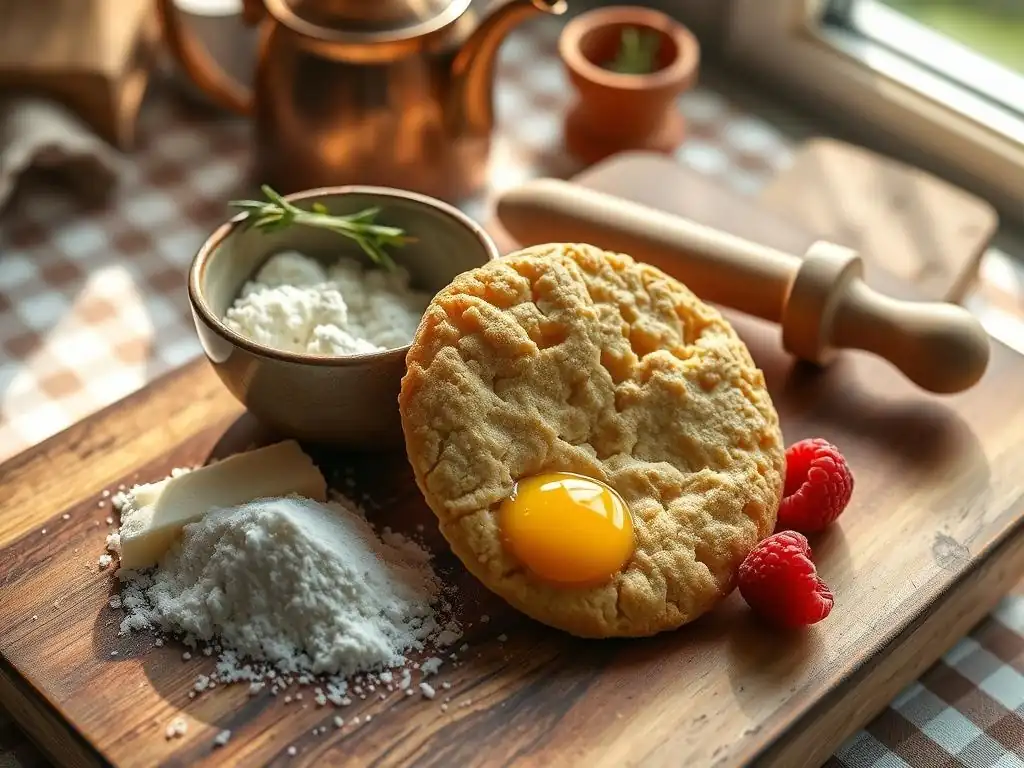
Welcome to BakeWithEase, your haven for unlocking the secrets of delicious baking! Ever dreamt of creating melt-in-your-mouth shortbread? You're in the right place. Today, we're diving into an easy, buttery shortbread recipe for beginners that's so simple, you'll wonder why you haven't made it before. Get ready to discover a foolproof method that delivers perfect results every time – but what's the secret to achieving that signature crumbly texture? Let's find out...
- The Simplest Shortbread Recipe You'll Ever Need - BakeWithEase
- Introduction to Easy Shortbread Baking for Beginners
- Mastering the Art of Shortbread: Ingredients & Equipment
- BakeWithEase's Step-by-Step Guide to Perfect Shortbread
- Tips & Tricks for Baking the Best Shortbread
- Serving and Storing Your Homemade Shortbread
- Why This is the Ultimate Easy, Buttery Shortbread Recipe for Beginners
- Frequently Asked Questions
- Final Reflection: The Enduring Allure of Simple Baking
- Unleash Your Inner Baker: Make This Shortbread Today!
The Simplest Shortbread Recipe You'll Ever Need - BakeWithEase
Introduction to Easy Shortbread Baking for Beginners
Discover the Joy of Simple Shortbread: A Beginner's Guide
Baking can sometimes feel intimidating, especially when you're just starting out. Complex recipes with long ingredient lists and intricate steps can quickly make you feel overwhelmed. However, some classic treats are incredibly forgiving and perfect for building confidence in the kitchen. Shortbread is one such delight, a staple of British baking that requires only a few basic ingredients and minimal technique, making it an ideal starting point for anyone learning to bake. Its simple preparation belies its rich, satisfying flavor and wonderfully crumbly texture.
This guide is specifically designed to walk you through creating a truly easy, buttery shortbread recipe beginners can tackle with confidence. We'll break down each step, explain the 'why' behind what you're doing, and share simple tips to ensure your very first batch of shortbread turns out beautifully. You'll discover that mastering this classic treat is not only achievable but also incredibly rewarding, opening the door to exploring other simple British baking favorites. Get ready to enjoy the simple pleasure of homemade shortbread!
Why This Buttery Shortbread Recipe is Perfect for New Bakers
This particular buttery shortbread recipe stands out as an excellent choice for those new to baking because it minimizes common pitfalls. Unlike cakes that require precise leavening agents and careful mixing to avoid toughness, shortbread relies on a high ratio of butter to flour, which naturally creates a tender, crumbly texture. There's no need for yeast, baking powder, or complex folding techniques. The process involves straightforward steps like creaming butter and sugar, mixing in flour, shaping, and baking – actions that are fundamental to many baking disciplines.
Furthermore, the ingredients needed for this easy, buttery shortbread recipe beginners will use are pantry staples you likely already have: butter, sugar, and flour. There's no need for special trips to the grocery store for obscure items. The minimal equipment required also simplifies things; you don't need a stand mixer or specialized pans, just a bowl, a spoon or spatula, and a baking sheet. This accessibility and simplicity make this recipe a fantastic entry point into the world of baking, proving that delicious results are possible even with the most basic methods and ingredients.
Mastering the Art of Shortbread: Ingredients & Equipment
Essential Ingredients for Your First Shortbread Batch
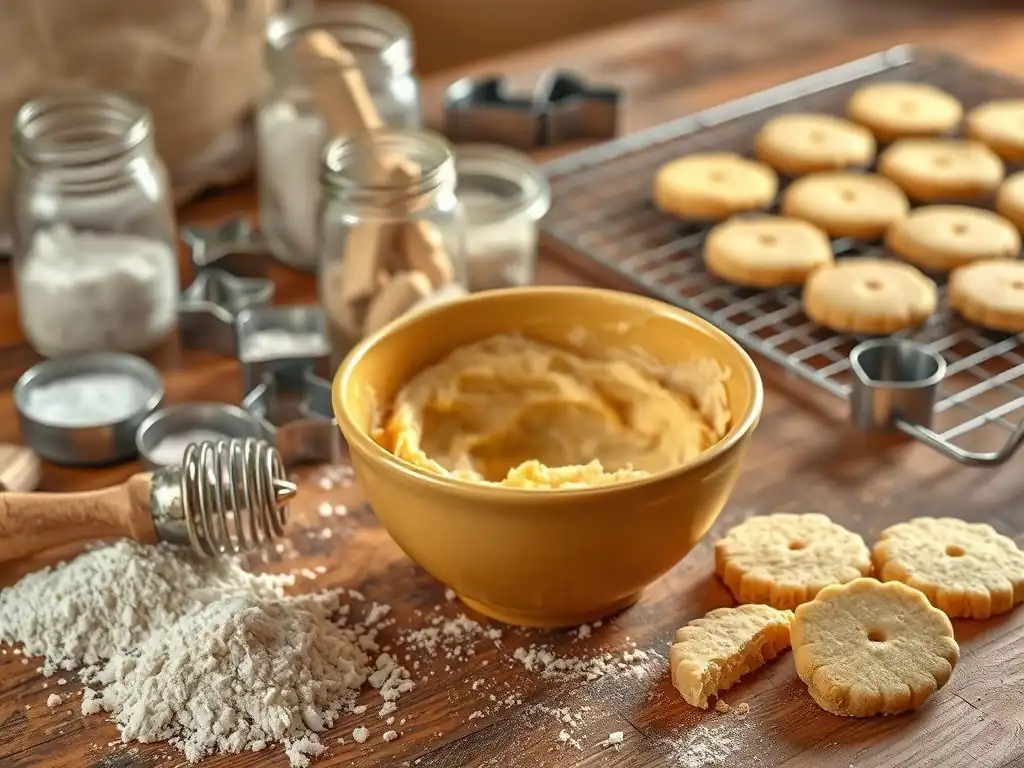
Creating a truly delicious easy, buttery shortbread recipe beginners can master starts with understanding the role of each simple ingredient. You'll need just three core components: butter, sugar, and flour. For the best results, use high-quality unsalted butter. The butter provides the rich flavor and contributes significantly to the texture. Using unsalted butter gives you control over the saltiness, allowing you to add a pinch if desired to balance the sweetness, though traditionally shortbread uses just the three core ingredients.
The sugar in shortbread is typically caster sugar (superfine sugar) or granulated sugar. Caster sugar dissolves more easily, leading to a slightly smoother texture, while granulated sugar can result in a slightly crisper bite. For this easy shortbread recipe, either works well, so use what you have on hand. The flour is usually plain or all-purpose flour. The ratio of these ingredients is key, often following a 1:2:3 ratio by weight (sugar:butter:flour). For example, a common starting point might be around 100g sugar, 200g butter, and 300g flour, yielding a generous batch of buttery shortbread.
Simple Equipment Needed for Easy Shortbread Baking
One of the many reasons this easy, buttery shortbread recipe beginners will love is its minimal equipment requirements. You absolutely do not need fancy gadgets or professional tools to make perfect shortbread. The most crucial items are simply a mixing bowl and something to mix with, like a wooden spoon or a sturdy spatula. An electric hand mixer can speed up the creaming process but is by no means essential.
You will also need a baking sheet. Lining it with parchment paper is highly recommended to prevent sticking and make cleanup a breeze. Depending on how you choose to shape your shortbread, you might use a rolling pin and cookie cutters, or simply pat the dough into a rectangle or circle on the baking sheet. A knife or pastry wheel is useful for scoring the dough before baking, which helps create neat pieces once baked and cooled. That's really it! With just these basic kitchen items, you are well-equipped to bake your first batch of simple, buttery shortbread.
BakeWithEase's Step-by-Step Guide to Perfect Shortbread
Step 1: Creaming the Butter and Sugar for Shortbread
The first step in our easy, buttery shortbread recipe beginners will follow involves creaming the butter and sugar. Begin with your unsalted butter at room temperature. It should be soft enough to easily indent with your finger, but not melted or greasy. Place the softened butter in your mixing bowl. Add the sugar (caster or granulated) to the bowl with the butter.
Using your spoon, spatula, or electric mixer, beat the butter and sugar together until the mixture is light and fluffy and has a pale yellow color. This process incorporates air into the mixture, which contributes to the tender texture of the finished shortbread. Aim to cream for about 3-5 minutes if using an electric mixer, or 5-8 minutes if doing it by hand. Scrape down the sides of the bowl occasionally to ensure everything is evenly combined. Don't rush this step; proper creaming is fundamental to achieving that classic shortbread texture.
Step 2: Incorporating the Flour for a Tender Shortbread Crumb
Once your butter and sugar are light and fluffy, it's time to add the flour. For a batch using 200g butter and 100g sugar, you'll typically add around 300g of plain flour. It's often recommended to sift the flour before adding it to the butter mixture. Sifting helps to aerate the flour and remove any lumps, which can contribute to a lighter texture in your shortbread.
Add the sifted flour to the creamed butter and sugar. Mix on a low speed if using an electric mixer, or gently fold it in with your spoon or spatula. Mix just until the flour is incorporated and the mixture comes together to form a soft dough. Be careful not to overmix at this stage. Overmixing develops the gluten in the flour, which can result in tough shortbread instead of the desired crumbly texture. The dough might seem a little crumbly at first, but it should come together easily when you press it with your hands.
Step 3: Shaping and Preparing Your Shortbread for Baking
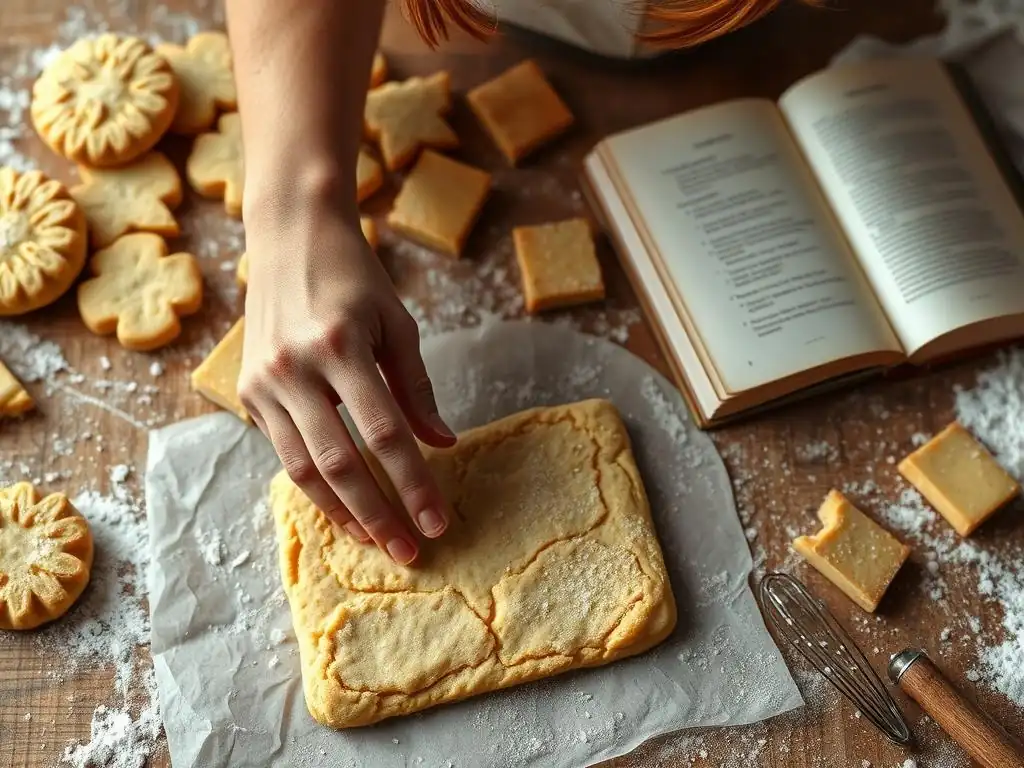
With the dough ready, the next step in making this easy, buttery shortbread recipe beginners will love is shaping. You have a few simple options here. You can gather the dough and gently press it into a disc or rectangle about 1-1.5 cm thick directly on your parchment-lined baking sheet. Alternatively, you can lightly flour a surface, roll the dough out to the desired thickness using a rolling pin, and then cut out shapes using cookie cutters or a knife.
If pressing the dough onto the sheet, use your hands or a spatula to create even edges and a uniform thickness. This ensures the shortbread bakes evenly. Before baking, it's traditional to prick the surface of the dough all over with a fork (called "docking").
This allows steam to escape during baking, preventing the shortbread from puffing up and helping it maintain its shape and texture. For traditional shortbread fingers or rounds, you can score the dough with a knife or pastry wheel, cutting almost all the way through the dough but leaving it intact as one piece on the baking sheet.
Step 4: Baking Your Easy, Buttery Shortbread to Golden Perfection
Baking shortbread requires a relatively low temperature to ensure it cooks through slowly and evenly without browning too much, maintaining its pale color and tender crumb. Preheat your oven to around 160°C (320°F) or 140°C (280°F) for fan ovens. Place your prepared baking sheet with the shaped shortbread dough into the preheated oven.
The baking time will vary depending on the thickness of your shortbread and your oven, but typically ranges from 15 to 25 minutes. You are looking for the shortbread to be set and firm to the touch, with the edges just starting to turn a very pale golden color. The center should remain quite pale.
Do not wait for it to turn deeply golden brown like a cookie, as this indicates it's likely overbaked and will be hard rather than crumbly. Once baked, carefully remove the baking sheet from the oven. If you scored the shortbread before baking, you can now cut through the scores completely while it's still warm using a sharp knife.
Tips & Tricks for Baking the Best Shortbread
Achieve a Perfectly Crumbly Texture in Your Shortbread
The signature characteristic of great shortbread is its wonderfully crumbly texture. This is primarily achieved through the high proportion of butter and the method of mixing. Using softened, but not melted, butter is crucial in Step 1, as it allows for proper creaming and air incorporation without creating a greasy dough. Overworking the dough after adding the flour is the most common mistake that leads to tough shortbread. Remember to mix just until the flour is incorporated and the dough comes together.
Another factor influencing texture is the type of sugar and flour used. While plain flour is standard, some recipes call for a small amount of rice flour or cornstarch (cornflour in the UK) in addition to or instead of some of the plain flour. For example, substituting about 1/4 of the plain flour with rice flour can enhance the crumbliness.
Baking at a low temperature also helps maintain the delicate structure created by the butter and minimal gluten development. Cooling the shortbread on the baking sheet for a period before moving it is also important, as it is quite fragile when hot.
Troubleshooting Common Shortbread Baking Problems
Even with an easy, buttery shortbread recipe beginners might encounter a few bumps. If your shortbread spreads too much during baking, it could be that your butter was too soft or even slightly melted when you started creaming, or perhaps the dough wasn't chilled slightly before baking (though chilling isn't strictly necessary for this simple recipe, it can help with shape). Ensuring your butter is just softened is key. If the shortbread is hard or tough instead of crumbly, it's almost certainly due to overmixing the dough after the flour was added.
If your shortbread is unevenly baked, check that your oven temperature is accurate and that the dough was of uniform thickness when shaped. Using an oven thermometer can help verify your oven's true temperature. If the edges are burning before the center is cooked, your oven might be too hot, or the shortbread might be too thin at the edges. Baking on a lower rack or covering the edges loosely with foil partway through baking can help. Don't be discouraged by a less-than-perfect first batch; baking is a learning process, and small adjustments make a big difference!
Flavor Variations: Elevate Your Simple Shortbread Recipe
While the classic three-ingredient shortbread is perfect in its simplicity, this easy, buttery shortbread recipe beginners can master also serves as a fantastic base for exploring simple flavor variations. Adding a subtle hint of citrus or a touch of extract can elevate your shortbread without making the recipe overly complicated. These small additions can transform the simple biscuit into something slightly different yet equally delightful.
Consider adding these variations after the butter and sugar are creamed, or incorporate them directly into the flour before mixing. Start with small amounts and adjust in future batches based on your preference. Remember, the goal is to complement the rich, buttery flavor, not overpower it. Experimenting with these simple additions is a fun way to personalize your baking and discover new favorite flavors.
Adding Citrus Zest to Your Beginner Shortbread
One of the easiest and most refreshing flavor additions is citrus zest. The oils in the zest from lemons, oranges, or even limes can brighten the rich, buttery flavor of the shortbread. For a batch made with 300g flour, the zest of one medium lemon or half an orange is usually sufficient.
To incorporate citrus zest, add it to the butter and sugar during the creaming step. The friction helps release the oils from the zest, infusing the butter with flavor from the beginning. Make sure to zest only the colored part of the peel, avoiding the bitter white pith underneath. The result is a shortbread with a lovely, subtle citrus aroma and taste that pairs beautifully with a cup of tea.
Infusing Your Shortbread with Vanilla or Almond Extract
Another simple way to add flavor is by using extracts. Vanilla extract is a classic choice that enhances the sweetness and richness. Almond extract provides a distinct, slightly nutty flavor that works wonderfully with butter. For a standard batch of shortbread, about 1 teaspoon of vanilla extract or 1/2 teaspoon of almond extract is usually enough.
Add the extract along with the flour in Step 2. Mix it in gently until just combined. Be mindful that extracts, especially almond extract, are potent, so start with a small amount. Using pure vanilla extract will give a better flavor than imitation. These extracts add another layer of depth to the simple shortbread, offering a subtle complexity that makes each bite even more enjoyable.
Serving and Storing Your Homemade Shortbread
Serving Suggestions for Your Delicious Shortbread
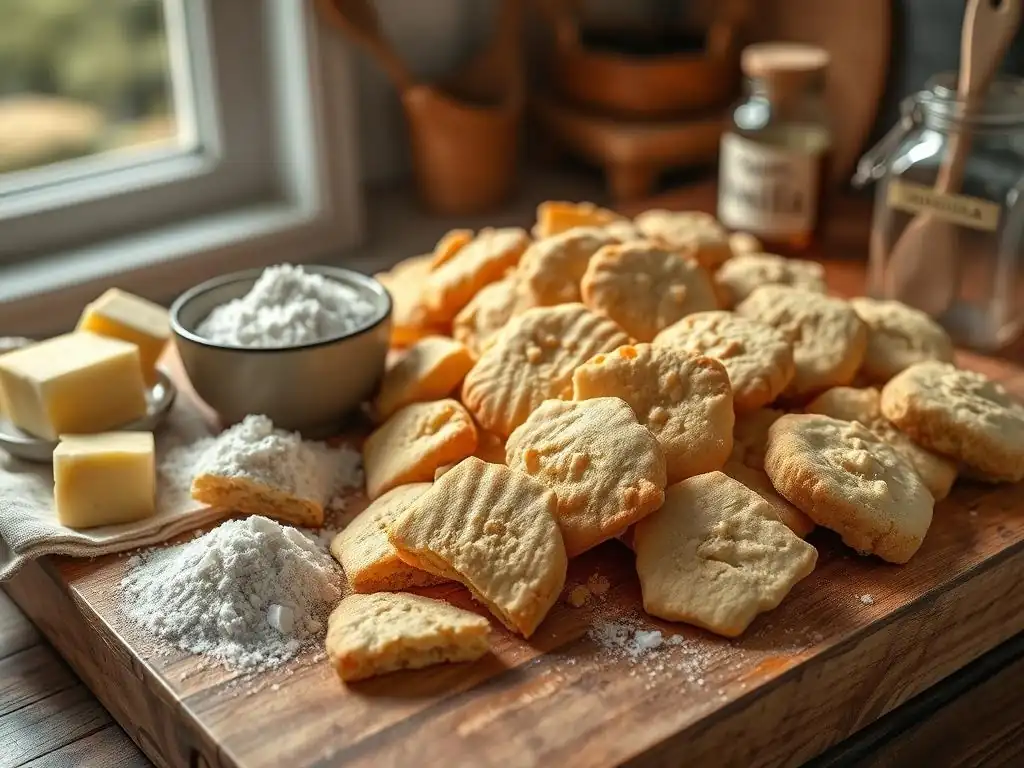
Your freshly baked easy, buttery shortbread recipe beginners have just mastered is incredibly versatile. It's perfect enjoyed simply on its own, perhaps with a cup of tea or coffee – a quintessential British pairing. The rich, crumbly texture and buttery taste make it a satisfying snack or a lovely accompaniment to a warm beverage.
Beyond enjoying it plain, shortbread can be served as part of a dessert platter, alongside fresh berries, a dollop of whipped cream, or even a scoop of ice cream. Its sturdy texture makes it a great base for crumbling over trifles or parfaits. For a festive touch, you can dust the cooled shortbread with a little powdered sugar. However you choose to serve it, the simple elegance of homemade shortbread is sure to be appreciated.
How to Properly Store Shortbread to Maintain Freshness
Proper storage is key to keeping your homemade shortbread tasting its best. Once the shortbread has cooled completely on the baking sheet, transfer the individual pieces to an airtight container. Storing it in an airtight container protects it from moisture and air, which can cause it to lose its crispness or absorb unwanted odors.
Store the container at room temperature in a cool, dry place, away from direct sunlight. Properly stored shortbread can maintain its quality and delicious buttery flavor for up to 1-2 weeks. Avoid refrigerating shortbread, as the moisture in the fridge can alter its texture. If you've made a large batch using this easy, buttery shortbread recipe beginners can make ahead, it also freezes well; wrap cooled pieces tightly in plastic wrap and place in a freezer-safe container for up to 3 months. Thaw at room temperature before serving.
Why This is the Ultimate Easy, Buttery Shortbread Recipe for Beginners
Simple Ingredients, Big Flavor: The Secret to Our Shortbread
The magic of this easy, buttery shortbread recipe beginners can confidently bake lies in its simplicity. By using just a few high-quality ingredients – butter, sugar, and flour – you allow their natural flavors to shine. The high proportion of butter isn't just for texture; it's the primary source of that rich, decadent taste that defines shortbread. There are no complex flavorings or leavening agents to distract from the pure, comforting taste of butter baked into a tender crumb.
This focus on minimal, quality ingredients makes the recipe approachable and ensures consistent, delicious results. It demonstrates that you don't need an extensive pantry or advanced techniques to create something truly special. It's a perfect example of how mastering the basics, like proper creaming and gentle mixing, can lead to outstanding flavor and texture, making it an ideal starting point for anyone new to the world of baking.
BakeWithEase: Your Partner in Mastering British Baking Favorites
At BakeWithEase, our goal is to demystify baking and make it accessible and enjoyable for everyone, especially beginners. This easy, buttery shortbread recipe is just one example of how we aim to provide clear, simple guides to classic treats. We believe that starting with foundational recipes like shortbread helps build confidence and understanding of basic baking principles.
Exploring British baking favorites doesn't have to be complicated. Our resources are designed to help you navigate recipes with ease, offering tips, troubleshooting advice, and step-by-step instructions just like the ones you've followed here. Whether you're interested in scones, crumpets, or other simple bakes, BakeWithEase is here to support your journey in the kitchen, proving that anyone can master delicious regional and cultural baking with the right guidance.
Frequently Asked Questions
What makes this shortbread recipe so easy for beginners?
This shortbread recipe relies on just a few basic ingredients and a simple mixing method, making it incredibly approachable even for those new to baking. No fancy equipment or complicated techniques are required!
Can I substitute any of the ingredients in this shortbread recipe?
While substitutions can be made, they may affect the texture and flavor of the shortbread. We recommend sticking to the recipe for the best results, especially if you're a beginner.
How do I prevent my shortbread from becoming too dry?
Avoid over-mixing the dough, as this can develop the gluten and lead to a tougher, drier shortbread. Also, be careful not to overbake the cookies; they should be lightly golden.
What's the best way to store leftover shortbread?
Store your baked shortbread in an airtight container at room temperature. This will help maintain its crispness and prevent it from becoming stale.
Can I add flavors or decorations to this basic shortbread recipe?
Absolutely! This recipe serves as a fantastic base for adding flavors like vanilla extract, lemon zest, or even chocolate chips. You can also decorate with sugar or sprinkles before baking.
Final Reflection: The Enduring Allure of Simple Baking
The humble shortbread cookie, a testament to the power of few, carefully chosen ingredients, remains a comforting constant in a world of ever-increasing complexity. Its simplicity belies a depth of flavor and satisfaction that transcends generations, proving that sometimes, less truly is more. This recipe, designed for beginners, opens a door to a world of culinary creativity, demonstrating that even the most novice baker can achieve delicious results.
The influence of simple, comforting recipes like this shortbread extends far beyond the kitchen. It represents a connection to tradition, a shared experience across cultures, and a reminder of the joy found in creating something beautiful and delicious with your own hands. Baking is at once child's play and adult joy. And love, of course.
This quote perfectly encapsulates the feeling of baking this simple shortbread – a childlike wonder at the process, and the deep satisfaction of sharing the results with loved ones.
Now, I invite you to take this simple recipe and make it your own. Experiment with different flavors, share your creations with friends and family, and rediscover the joy of baking. Don't be afraid to get your hands a little messy; the most rewarding experiences often come from embracing the process, not just the outcome. Let the aroma of warm, buttery shortbread fill your home, a sweet reminder of the simple pleasures life has to offer.
Unleash Your Inner Baker: Make This Shortbread Today!
Thanks for taking the time to explore this super-simple shortbread recipe! We hope you’ve found a new go-to dessert that's both delicious and easy. Ready to get baking?
- Bake a batch of this shortbread this week! It's easier than you think, and the smell alone is worth it.
- Share your baking journey – show us your creations on social media using #BakeWithEaseShortbread. We love seeing your results!
- Experiment with different flavors! Add a pinch of cinnamon, some vanilla extract, or even chocolate chips – the possibilities are endless!
So, what unique twist will you add to your perfect shortbread? Let us know in the comments below!