
Simple Guide to Baking Spiced Fig and Orange Bread


Welcome to BakeWithEase, your trusted companion in the delightful world of baking! Ever wondered how to infuse the warmth of the holidays into a single loaf? Dive into our Simple Guide to Baking Spiced Fig and Orange Bread and unlock the secrets to creating a flavor explosion that's both comforting and sophisticated. But what makes this recipe so effortlessly delicious? Keep reading to discover our foolproof method and elevate your seasonal baking today!
- Introduction to Spiced Fig and Orange Bread: A Winter Baking Delight
- Gathering Your Ingredients for Spiced Fig and Orange Bread
- Step-by-Step Baking Instructions for Spiced Fig and Orange Bread
- Tips and Tricks for Baking the Best Spiced Fig and Orange Bread
- Serving Suggestions for Spiced Fig and Orange Bread
- Storing Your Spiced Fig and Orange Bread for Freshness
- Conclusion: Your Journey to Spiced Fig and Orange Bread Baking Success
-
Frequently Asked Questions
- What makes Spiced Fig and Orange Bread from BakeWithEase different from other bread recipes?
- Can I substitute ingredients in the Spiced Fig and Orange Bread recipe?
- How long does it take to bake the Spiced Fig and Orange Bread?
- What are some tips for preventing the Spiced Fig and Orange Bread from being dry?
- How should I store the Spiced Fig and Orange Bread to keep it fresh?
- Final Reflection: The Enduring Sweetness of Simple Baking
- Unlock the Flavor: Bake Your Own Spiced Fig & Orange Bread!
Introduction to Spiced Fig and Orange Bread: A Winter Baking Delight
Baking a loaf of spiced fig orange bread is more than just following a recipe; it's an invitation to fill your home with warmth and delightful aromas, especially as the colder months approach. This particular bread combines the natural sweetness and slightly chewy texture of dried figs with the bright, zesty notes of fresh orange, all tied together by comforting winter spices. It's a perfect project for a cozy afternoon in the kitchen, resulting in a loaf that's wonderful for breakfast, a snack, or even dessert.
The beauty of making spiced fig and orange bread lies in its simplicity, making it accessible even for novice bakers. Unlike some complex pastries, this bread relies on straightforward techniques and readily available ingredients. The process of mixing, kneading, and watching the dough rise offers a truly satisfying experience. The final product, a fragrant, moist loaf, is incredibly rewarding and a testament to the simple magic of baking.
Embrace Winter Flavors: Figs, Oranges, and Warm Spices
Winter baking is often characterized by the use of ingredients that evoke warmth and comfort, and figs, oranges, and spices are quintessential examples. Dried figs, harvested in late summer or fall, bring a dense, honeyed sweetness that pairs wonderfully with the tartness and bright aroma of citrus. Oranges, typically in season during winter, provide that much-needed burst of freshness.
When you combine these fruits with warming spices like cinnamon, nutmeg, cloves, and ginger, you create a flavor profile that is deeply comforting and festive. These spices not only add complex layers of taste but also fill your kitchen with an inviting fragrance as the spiced fig orange bread bakes. It's a sensory experience that truly captures the essence of the season.
BakeWithEase's Easy Spiced Fig and Orange Bread Recipe
At BakeWithEase, we believe that delicious baking should be simple and achievable for everyone. Our recipe for spiced fig and orange bread is designed with ease in mind, breaking down each step into manageable parts. We focus on clear instructions and helpful tips to ensure your baking journey is smooth and successful, regardless of your experience level.
This recipe utilizes common baking techniques and standard kitchen equipment. You won't need any specialized tools to create a beautiful and flavorful spiced fig and orange bread. We guide you through everything from activating your yeast correctly to checking if your bread is perfectly baked, empowering you to create a loaf you'll be proud to share (or keep all to yourself! ).
Gathering Your Ingredients for Spiced Fig and Orange Bread
Successful baking starts with having all your ingredients measured and ready. For our spiced fig and orange bread, this means gathering everything from your pantry staples to the star fruits and spices. Taking a few minutes to organize your ingredients ensures a smooth baking process and helps prevent any last-minute rushes or omissions.
Using fresh, high-quality ingredients will significantly impact the final flavor and texture of your spiced fig and orange bread. For instance, vibrant orange zest provides a much stronger citrus punch than dried zest, and fresh spices are more aromatic than those that have been sitting in your cupboard for years. Let's look at the essential components you'll need.
Essential Ingredients List: Ensuring Baking Success
Having a comprehensive list helps you stay organized and focused before you even start mixing. For this spiced fig and orange bread recipe, you'll need a mix of dry goods, fresh produce, and leavening agents. Checking off each item as you prepare ensures nothing is missed.
- [ ] All-purpose flour
- [ ] Active dry yeast
- [ ] Granulated sugar
- [ ] Salt
- [ ] Ground cinnamon
- [ ] Ground nutmeg
- [ ] Ground ginger
- [ ] Ground cloves (optional, but recommended)
- [ ] Unsalted butter
- [ ] Warm milk
- [ ] Large eggs
- [ ] Dried figs
- [ ] Fresh oranges (for zest and juice)
- [ ] Water (for activating yeast)
Flour Selection: The Foundation of Your Bread
The type of flour you choose forms the basic structure of your spiced fig and orange bread. All-purpose flour is a versatile choice that works well for this recipe, providing enough gluten development for a soft, chewy crumb without being overly dense. It typically has a protein content ranging from 10% to 12%, which is suitable for many types of bread.
While you could experiment with bread flour for a chewier texture (it has a higher protein content, around 12% to 14%), or a mix of all-purpose and whole wheat for added nuttiness, sticking to standard all-purpose flour as specified in the recipe is the simplest path to success for this particular spiced fig orange bread. Ensure your flour is fresh and stored in a cool, dry place.
Dried Figs: Choosing the Right Variety
Dried figs are the star of the show alongside the orange and spices. Different varieties of dried figs offer slightly different flavors and textures. Common types include Black Mission figs, which are very sweet and slightly jammy, and Calimyrna figs, which are larger, lighter in color, and have a nuttier flavor.
For this spiced fig and orange bread, either variety works well. Black Mission figs might contribute a deeper, richer sweetness, while Calimyrna figs offer a milder sweetness. What's most important is that the figs are plump and relatively soft. If your dried figs feel very hard, you can soak them in warm water or orange juice for about 10-15 minutes, then drain and pat them dry before chopping. Aim for about 1 cup of chopped dried figs for a standard loaf.
Fresh Oranges: Zest and Juice for Flavor
Using fresh oranges is crucial for the vibrant citrus flavor in your spiced fig and orange bread. You'll need both the zest and a small amount of juice. The zest contains concentrated oils that provide the main orange aroma and flavor, while a little juice adds moisture and brightness to the dough.
Choose oranges that feel heavy for their size, indicating they are juicy, and have bright, unblemished skin. Wash the oranges thoroughly before zesting. Use a microplane or fine grater to remove only the brightly colored outer layer, avoiding the bitter white pith underneath. You'll likely need the zest of one large orange or two smaller ones, yielding about 1-2 tablespoons of zest.
Spices: Creating a Warm and Inviting Aroma
The blend of warm spices is what truly makes this a spiced fig orange bread. Cinnamon is non-negotiable, offering its classic warmth. Nutmeg adds a slightly sweet, pungent note. Ginger provides a hint of peppery warmth, and cloves, used sparingly, add depth and intensity.
Ensure your ground spices are relatively fresh for the best flavor. Spices lose potency over time; a good rule of thumb is to replace ground spices annually. The recipe typically calls for a total of about 2-3 teaspoons of mixed spices, with cinnamon being the most prominent. You might use 1.5 tsp cinnamon, 0.5 tsp nutmeg, 0.5 tsp ginger, and a tiny pinch of cloves ( < 0.25 tsp). Adjust the ratios slightly to your personal preference.
Other Key Ingredients: Yeast, Sugar, and Butter
Yeast is the leavening agent that makes your spiced fig and orange bread light and airy. Active dry yeast needs to be proofed in warm liquid before being added to the dry ingredients. Ensure your yeast is not expired; expired yeast will not activate, and your dough won't rise.
Sugar serves multiple purposes: it feeds the yeast, contributes to browning, and adds sweetness. Salt is essential for flavor balance and helps control the yeast activity. Butter adds richness, tenderness, and flavor to the dough. Using unsalted butter gives you better control over the total salt content in your bread. Milk provides liquid and contributes to a softer crumb than water alone. Eggs add richness, structure, and help create a tender texture.
Step-by-Step Baking Instructions for Spiced Fig and Orange Bread
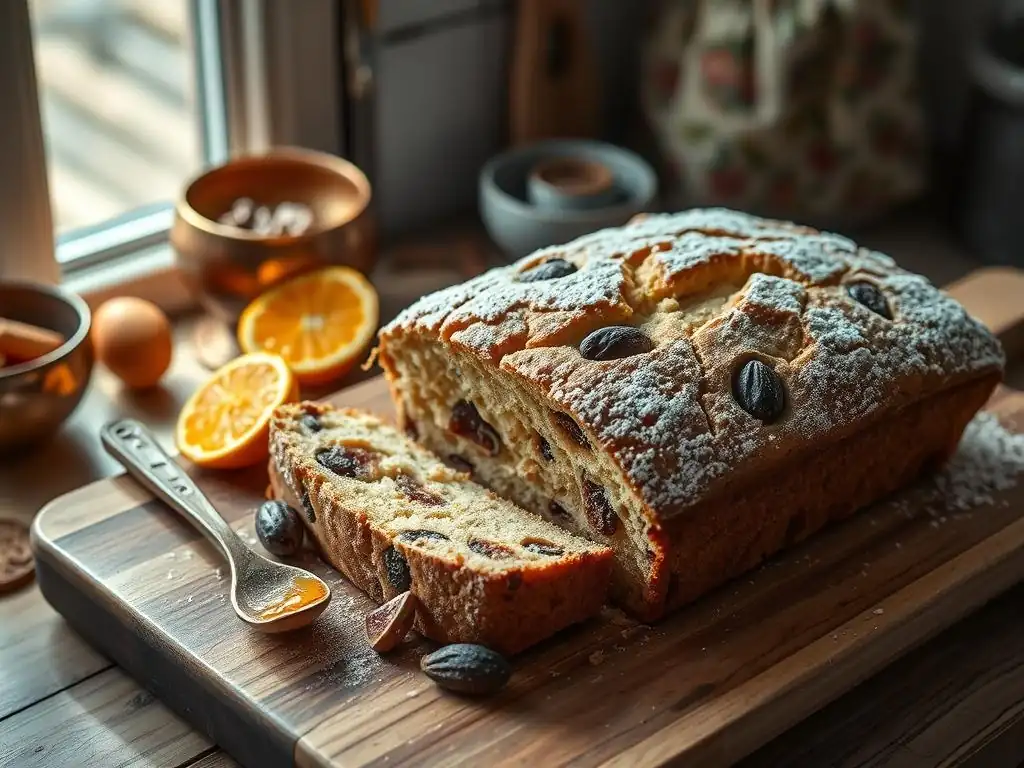
Baking bread is a process that requires patience and attention to detail, but it's not overly complicated. Our step-by-step guide simplifies the process of making spiced fig and orange bread, ensuring you know exactly what to do at each stage. Following these instructions carefully will lead to a perfectly baked loaf.
From activating the yeast to the final cooling, each stage plays a vital role in the outcome. Don't rush the steps, especially the rising times, as these are crucial for developing flavor and texture. Let's begin with preparing the dough.
Preparing the Dough: A Simple Guide
Mixing the dough for your spiced fig and orange bread involves combining the wet and dry ingredients to form a cohesive mass that can be kneaded. This stage is where all the flavors start to come together. Precision in measurement is important here, particularly with the liquid, to achieve the correct dough consistency.
Start with your dry ingredients in one bowl and your wet ingredients (including the activated yeast) in another. Gradually combining them allows you to control the hydration level of the dough. The goal is to create a dough that is slightly sticky but manageable for kneading.
Activating the Yeast: The First Step
Activating active dry yeast is a crucial initial step. It ensures your yeast is alive and ready to work, and it gives it a head start. You'll need warm liquid (milk or water, typically around 105°F to 115°F or 40°C to 46°C) and a pinch of sugar. The sugar provides food for the yeast.
Combine the warm liquid and sugar in a small bowl, then sprinkle the yeast over the top. Stir gently and let it sit for 5-10 minutes. You should see a foamy layer form on the surface; this indicates the yeast is active. If no foam appears, your liquid might not have been warm enough, too hot, or the yeast is expired, and you'll need to start again with fresh yeast.
Combining Dry Ingredients: Achieving the Right Consistency
While the yeast is proofing, whisk together your dry ingredients in a large mixing bowl. This includes the flour, salt, sugar (the main portion), and all the ground spices (cinnamon, nutmeg, ginger, cloves). Whisking helps distribute these ingredients evenly throughout the flour.
This step ensures that the salt doesn't come into direct contact with the yeast initially (as salt can inhibit yeast activity if concentrated) and that the spices and sugar are well-mixed before the wet ingredients are added. Proper distribution of dry ingredients is key to consistent flavor and texture in your spiced fig and orange bread.
Incorporating Wet Ingredients: Blending Flavors
Once your yeast is active and foamy, it's time to combine the wet and dry ingredients. Add the yeast mixture, melted butter, and lightly beaten eggs to the bowl with the dry ingredients. You can also add the orange zest and a splash of orange juice at this stage.
Use a wooden spoon or a sturdy spatula to mix everything together until a shaggy dough forms. All the flour should be hydrated, and there should be no dry pockets remaining at the bottom of the bowl. This initial mixing doesn't need to be perfectly smooth; the next step, kneading, will develop the dough's structure.
Kneading the Dough: Developing Gluten Strength
Kneading is the process of working the dough to develop gluten, the protein network that gives bread its structure and elasticity. You can knead by hand on a lightly floured surface or use a stand mixer with a dough hook. Kneading typically takes 8-12 minutes by hand or 6-8 minutes in a mixer.
During kneading, the dough will transform from a sticky, shaggy mass into a smooth, elastic ball. It should become less sticky and pass the "windowpane test" – if you can gently stretch a small piece of dough thin enough to see light through it without it tearing, the gluten is well-developed. Proper kneading is essential for a well-textured spiced fig and orange bread.
First Rise: Allowing the Dough to Expand
The first rise, or bulk fermentation, is a critical stage where the yeast produces carbon dioxide, causing the dough to expand and develop flavor. The time this takes varies greatly depending on the ambient temperature. A typical rise might be 1 to 2 hours in a warm kitchen ( 70-75°F or 21-24°C).
Place the kneaded dough ball in a lightly oiled bowl, turning it to coat. Cover the bowl tightly with plastic wrap or a damp kitchen towel to prevent the surface from drying out and forming a crust. Find a warm, draft-free spot for the dough to rise. This could be on a counter, inside a turned-off oven with the light on, or even in a proofing box if you have one.
Creating the Ideal Environment for Rising
A warm, consistent temperature is key to a successful first rise for your spiced fig and orange bread dough. Temperatures that are too cool will slow the yeast activity significantly, potentially prolonging the rise time to several hours. Temperatures that are too hot can cause the yeast to work too quickly, resulting in less flavor development and a less desirable texture.
Aim for a temperature range of 70-80°F ( 21-27°C). If your kitchen is cool, the oven-with-light-on method works well, creating a gentle warmth. Avoid placing the dough in direct sunlight, which can create hot spots and cause the dough to dry out.
Monitoring Dough Volume: Knowing When It's Ready
The primary indicator that your dough is ready after the first rise is its volume. It should have roughly doubled in size. The exact time isn't as important as this visual cue.
To check if it's properly risen, gently poke the dough with a floured finger. If the indentation remains, the dough is ready. If the indentation springs back quickly, it needs more time. If it deflates completely, it might be slightly over-proofed, but you can often still proceed. This first rise develops much of the flavor and structure of your spiced fig and orange bread.
Shaping the Spiced Fig and Orange Bread
After the first rise, you "punch down" the dough to release the gases. This helps redistribute the yeast and gluten and makes the dough easier to handle for shaping. Gently turn the dough out onto a lightly floured surface.
Now is the time to incorporate the chopped dried figs and orange zest (if you didn't add it earlier, although adding it with wet ingredients is recommended). Gently fold or knead the figs and zest into the dough until they are evenly distributed. Avoid overworking the dough at this stage.
Dividing the Dough: Creating Loaves or Rolls
Decide whether you want to make one large loaf of spiced fig and orange bread or several smaller rolls. For a standard loaf pan ( 9x5 inches), the recipe yields one loaf. If making rolls, divide the dough into equal portions, typically weighing around 3-4 ounces each.
Use a bench scraper or knife to divide the dough cleanly. If making multiple items, weighing the portions ensures they are uniform in size, which leads to even baking.
Incorporating Figs and Orange Zest: Even Distribution
While you can add the zest and chopped figs during the initial mixing, some bakers prefer to add the figs after the first rise during the punch-down stage. If you choose this method, flatten the dough into a rectangle and sprinkle the chopped figs and zest over the surface. Fold the dough over itself several times and gently knead or fold until the inclusions are evenly distributed throughout the dough.
Be careful not to tear the dough excessively when incorporating the figs, as this can damage the gluten structure you've worked to develop. Distributing them evenly ensures every slice of your spiced fig orange bread has wonderful pockets of fruit and citrus flavor.
Shaping Techniques: Achieving Desired Bread Form
The way you shape your dough determines the final appearance of your spiced fig and orange bread. For a standard loaf, gently pat or roll the dough into a rectangle roughly the width of your loaf pan. Starting from one short end, tightly roll the dough into a log, sealing the seam by pinching it together. Tuck the ends under to create a neat shape.
Place the shaped loaf seam-side down in a greased or parchment-lined loaf pan. If making rolls, shape each portion into a tight ball by pulling the edges underneath and rolling it against the counter with a cupped hand. Proper shaping helps the bread rise evenly and creates a nice structure.
Second Rise: Preparing for Baking
The second rise, or proofing, is when the shaped dough expands again before baking. This rise is crucial for a light and airy texture. It typically takes less time than the first rise, often around 30-60 minutes, depending on the temperature.
Cover the shaped dough loosely with plastic wrap or a light kitchen towel. Again, place it in a warm, draft-free spot. The dough should visibly increase in size, becoming puffy.
Proofing the Shaped Bread: A Crucial Step
Proofing allows the yeast to produce more gas, causing the shaped spiced fig and orange bread to lighten up and expand. If the dough is under-proofed, it may burst or crack unevenly in the oven and result in a dense crumb. If it's over-proofed, it can collapse in the oven or have a poor texture.
The dough is ready to bake when it looks significantly larger and feels light and airy. The "poke test" differs slightly from the first rise: gently poke the dough with a floured finger. If the indentation springs back slowly and only partially, it's ready. If it springs back immediately, it needs more time. If it doesn't spring back at all and feels fragile, it might be slightly over-proofed.
Baking the Spiced Fig and Orange Bread to Perfection
Baking is where the magic happens – the heat causes the dough to expand rapidly (oven spring), sets the structure, develops the crust, and finishes cooking the interior. Preheat your oven well in advance to ensure it reaches and maintains the correct temperature.
For this spiced fig and orange bread, a moderate oven temperature is typically used to allow the inside to cook through without the crust burning too quickly. Baking time will vary depending on the size of your loaf or rolls and your specific oven.
Oven Temperature and Baking Time: Achieving a Golden Crust
Preheat your oven to 375°F ( 190°C). Once preheated, carefully place the proofed spiced fig and orange bread in the center of the oven. A standard loaf typically bakes for 30-40 minutes. Smaller rolls will take significantly less time, perhaps 18-25 minutes.
The bread should develop a deep golden-brown crust and sound hollow when tapped on the bottom. If the crust is browning too quickly, you can loosely tent the top with aluminum foil about halfway through the baking time.
Checking for Doneness: Using a Thermometer
The most accurate way to determine if your spiced fig and orange bread is fully baked is by checking its internal temperature using an instant-read thermometer. Insert the thermometer into the center of the loaf, avoiding any large pieces of fig.
The bread is done when the internal temperature reaches 190-200°F ( 88-93°C). Baking to the correct internal temperature ensures that the crumb is fully cooked and set, preventing a gummy interior.
Cooling and Slicing Your Spiced Fig and Orange Bread
Once baked, resist the urge to slice into your spiced fig and orange bread immediately. Cooling is a vital step that allows the internal structure to set and the flavors to meld.
Remove the loaf from the pan and place it on a wire rack to cool completely. Cooling on a rack allows air to circulate around the entire loaf, preventing the bottom from becoming soggy from trapped steam.
Allowing the Bread to Cool Completely
Cooling bread is not just about letting it reach a comfortable temperature for handling; it's an essential part of the baking process. As the bread cools, residual heat continues to cook the interior gently, and moisture redistributes throughout the loaf.
Slicing hot bread can result in a gummy texture and uneven slices. Allow the spiced fig and orange bread to cool for at least 1-2 hours, preferably until it reaches room temperature. This patience is rewarded with a better texture and flavor.
Slicing and Serving: Enjoying the Flavors
Once completely cool, your beautiful spiced fig and orange bread is ready to be sliced and enjoyed. Use a serrated bread knife for clean cuts without squishing the loaf.
Slice the bread to your desired thickness. Take a moment to admire the beautiful swirl of figs and orange zest within the soft crumb. The aroma alone is a treat! Now it's time to savor the fruits of your labor.
Tips and Tricks for Baking the Best Spiced Fig and Orange Bread

Even with a simple recipe, a few extra tips can elevate your spiced fig and orange bread from good to truly exceptional. These pointers cover everything from achieving the perfect texture to troubleshooting common issues that might arise during the baking process.
Remember that baking is also about experimentation and learning. Don't be discouraged if your first loaf isn't absolutely perfect. Each attempt helps you understand the process better and fine-tune your technique.
Achieving the Perfect Texture: Soft and Moist
A great spiced fig and orange bread should have a soft, tender crumb and a slightly chewy crust. Several factors contribute to this ideal texture. Ensuring proper hydration of the dough during mixing is key; too little liquid results in dry, dense bread.
Proper kneading develops sufficient gluten for structure, but avoid over-kneading, which can make the bread tough. Allowing adequate rising time (both first and second rises) is crucial for a light texture. Finally, incorporating fat like butter adds tenderness and moisture, while the figs themselves also contribute to moisture retention. Baking to the correct internal temperature prevents a dry loaf.
Enhancing the Flavor: Spice Variations and Additions
While the classic combination of cinnamon, nutmeg, ginger, and cloves is wonderful for spiced fig orange bread, feel free to customize the spice blend to your taste. You could add a pinch of cardamom for an exotic touch or increase the ginger for more warmth.
Consider adding other complementary ingredients. A handful of chopped walnuts or pecans can add a lovely crunch and nutty flavor. A tablespoon of orange liqueur or vanilla extract could further enhance the flavor profile. Just be mindful of how additions might affect the dough's consistency and adjust accordingly.
Troubleshooting Common Baking Problems
Baking bread can sometimes present challenges, but most common issues have simple solutions. Understanding why a problem occurred is the first step to preventing it in the future.
Let's look at a few typical issues you might encounter when baking spiced fig and orange bread and how to address them.
Dough Not Rising: Identifying the Cause
If your spiced fig and orange bread dough isn't rising, the most likely culprit is inactive yeast. This could be because the yeast was expired, the liquid used to activate it was too hot (killing the yeast) or too cold (not activating it), or it didn't have enough food (sugar) or time to become active.
To avoid this, always check the expiration date on your yeast. Use a thermometer to ensure your liquid is within the 105-115°F ( 40-46°C) range for active dry yeast. If your yeast doesn't foam after 10 minutes in warm, sugared liquid, discard it and start again with a fresh packet. Ensure your rising environment is warm enough.
Bread Too Dense: Solutions and Prevention
Dense spiced fig and orange bread can result from several factors. Insufficient kneading is a common cause, as gluten development is necessary for a light structure. Not allowing adequate rising time (under-proofing) means the yeast hasn't produced enough gas to lighten the dough.
Conversely, over-proofing can also lead to a dense texture because the gluten structure weakens and collapses after rising too much. Using too much flour during kneading or mixing can also make the dough heavy. Ensure you measure flour accurately (preferably by weight) and knead until the dough is smooth and elastic. Pay close attention to the visual cues and poke tests for proper rising.
Burnt Crust: Adjusting Baking Techniques
A burnt crust on your spiced fig and orange bread while the inside is still undercooked indicates that the oven temperature is too high or the baking time is too long for the crust. Oven temperatures can vary, so it's a good idea to use an oven thermometer to check your oven's accuracy.
If the crust is browning too quickly, especially the top, loosely tent the loaf with aluminum foil about halfway through the baking time. If the bottom crust is burning, try placing a baking sheet on the rack below your bread pan to shield the bottom from direct heat. Ensure the oven rack is in the correct position (usually the middle rack).
Serving Suggestions for Spiced Fig and Orange Bread
Your freshly baked spiced fig and orange bread is incredibly versatile. Its sweet, spicy, and citrusy notes make it suitable for various pairings and occasions. Here are a few ideas to inspire you.
Whether served warm or at room temperature, this spiced fig orange bread is sure to be a hit.
Pairing with Cheese and Wine
The combination of fruit, spice, and bread makes this loaf a natural fit for a cheese board. The sweetness of the figs pairs beautifully with tangy or creamy cheeses.
Consider serving slices of spiced fig and orange bread with goat cheese, cream cheese, brie, or even a sharp cheddar. A drizzle of honey can enhance the sweetness. Pair it with a glass of dessert wine, a sweet Riesling, or even a light-bodied red wine that complements fruity flavors.
Enjoying with Coffee or Tea
A slice of spiced fig and orange bread makes a delightful accompaniment to your morning coffee or afternoon tea. The warm spices and comforting texture are perfect for a cozy beverage break.
Serve it simply sliced, perhaps with a smear of butter or cream cheese. The aroma and flavors enhance the overall experience of your hot drink.
Making Toast or Sandwiches
While delicious fresh, this spiced fig and orange bread also makes fantastic toast. Toasting brings out the flavors of the figs and spices and gives the bread a pleasant crispness.
Try it toasted and spread with butter, jam, or nut butter for a quick breakfast or snack. You can even use slightly thicker slices as the base for open-faced sandwiches featuring complementary flavors like ricotta and honey or smoked turkey and cranberry sauce.
Storing Your Spiced Fig and Orange Bread for Freshness

Proper storage is key to keeping your homemade spiced fig and orange bread fresh and delicious for as long as possible. Without the preservatives found in commercial breads, homemade loaves tend to dry out more quickly.
Here are the best ways to store your bread to maintain its wonderful texture and flavor.
Proper Storage Techniques: Maintaining Flavor and Texture
Once your spiced fig and orange bread has cooled completely, store it at room temperature. The best way to keep the crust from getting soft and the interior from drying out too quickly is to wrap it properly.
A bread box is an excellent option as it provides a balance of air circulation and containment. Alternatively, you can wrap the cooled loaf tightly in plastic wrap, then place it in a resealable plastic bag or aluminum foil. Storing it cut-side down after slicing can also help prevent that exposed surface from drying out. Avoid refrigerating yeast breads, as this can actually make them stale faster. A properly stored loaf should stay fresh for 2-4 days.
Freezing for Later Enjoyment: Extending Shelf Life
If you won't finish your spiced fig and orange bread within a few days, freezing is an excellent way to preserve its freshness. You can freeze the entire loaf or slice it first. Freezing sliced bread allows you to thaw only what you need.
To freeze, ensure the bread is completely cool. Wrap it tightly in plastic wrap, then wrap it again in aluminum foil or place it in a freezer-safe bag. Label with the date. Frozen spiced fig orange bread can be stored for up to 2-3 months. Thaw a whole loaf at room temperature, or pop frozen slices directly into a toaster.
Conclusion: Your Journey to Spiced Fig and Orange Bread Baking Success
You've now walked through the process of creating a truly special loaf of spiced fig and orange bread. From gathering your ingredients to the final cooling and slicing, each step contributes to the delicious outcome. The combination of sweet figs, bright orange, and warm spices creates a bread that is both comforting and invigorating – a perfect treat for the winter season or any time you crave its unique flavor profile.
Remember the joy of the process: the aroma filling your kitchen, the feel of the dough as it transforms, and the satisfaction of pulling a golden loaf from the oven. Baking is a skill that improves with practice, and each loaf you bake, including this spiced fig orange bread, adds to your experience and confidence in the kitchen.
Enjoy the Aroma and Taste of Homemade Bread
There's nothing quite like the smell of fresh bread baking, and spiced fig and orange bread adds an extra layer of aromatic pleasure with its blend of fruit and spice. Savor that moment when you slice into the loaf and the fragrant steam rises.
Whether you enjoy it warm with butter, toasted for breakfast, or paired with cheese, take the time to appreciate the flavors and textures you've created. This spiced fig orange bread is a testament to the simple yet profound rewards of homemade baking.
BakeWithEase: Your Partner in Baking Excellence
At BakeWithEase, our goal is to make baking accessible, enjoyable, and successful for everyone. This guide to baking spiced fig and orange bread is just one example of how we aim to simplify techniques and empower you in the kitchen.
We hope this recipe inspires you to explore more seasonal flavors and baking projects. Continue to visit BakeWithEase.com for easy-to-follow recipes, helpful tips, and guidance on all your baking adventures. Happy Baking!
Frequently Asked Questions
What makes Spiced Fig and Orange Bread from BakeWithEase different from other bread recipes?
The BakeWithEase recipe focuses on simplicity and clear instructions, making it accessible for bakers of all skill levels. It also emphasizes fresh, easily sourced ingredients and a detailed step-by-step guide.
Can I substitute ingredients in the Spiced Fig and Orange Bread recipe?
While substitutions are possible, it's important to understand their impact. For example, using dried cranberries instead of figs will alter the flavor profile. Experimenting with substitutions can be fun, but follow the recipe closely for your first attempt.
How long does it take to bake the Spiced Fig and Orange Bread?
The baking time typically ranges from 50-60 minutes, but it's crucial to check for doneness using a toothpick. A clean toothpick inserted into the center indicates the bread is fully baked.
What are some tips for preventing the Spiced Fig and Orange Bread from being dry?
Over-baking is a common cause of dryness. Ensure you monitor the baking time closely and avoid over-mixing the dough. Adding a tablespoon of olive oil can also help retain moisture.
How should I store the Spiced Fig and Orange Bread to keep it fresh?
Wrap the cooled bread tightly in plastic wrap or store it in an airtight container at room temperature. This helps prevent it from drying out. You can also freeze slices for longer storage.
Final Reflection: The Enduring Sweetness of Simple Baking
The art of baking, particularly with ingredients as evocative as figs and oranges, transcends mere culinary skill; it's a connection to tradition, a celebration of the senses, and a potent reminder of the simple joys in life. This simple guide to spiced fig and orange bread aimed to demystify the process, showing that even seemingly complex recipes can be approachable and rewarding. The result, hopefully, is not just a delicious loaf, but a newfound confidence in the kitchen.
The enduring appeal of this particular bread lies in its ability to evoke feelings of warmth, comfort, and nostalgia. The fragrant spices, the juicy sweetness of the figs, and the bright zest of the oranges combine to create a sensory experience that resonates deeply. Baking is at once child's play and adult joy. And love, of course.
This quote perfectly encapsulates the magic of baking, a sentiment that is amplified tenfold when sharing the fruits (or should I say, bread!) of your labor with loved ones.
Now, I invite you to consider the power of simple acts. Don't be intimidated by recipes; embrace the process. Try your hand at this spiced fig and orange bread, or any recipe that sparks your interest. The journey of creating something delicious with your own hands is a rewarding one, and the memories created around a shared loaf are even more precious. So, gather your ingredients, preheat your oven, and let the sweet aroma of baking fill your home – and your heart.
Unlock the Flavor: Bake Your Own Spiced Fig & Orange Bread!
Thanks for joining us on this delicious journey into the world of spiced fig and orange bread! We hope you've gained the confidence to tackle this rewarding recipe. Now it's time to bring those fragrant flavors to life in your own kitchen.
- Bake your own loaf: This is the ultimate step! Gather your ingredients, preheat your oven, and let the magic happen. Don't forget to share a picture of your creation with us!
- Experiment with variations: Try adding different nuts, spices, or even a drizzle of honey for a unique twist. The possibilities are endless!
- Spread the baking love: Share this recipe with your friends and family – let them experience the joy of homemade goodness.
What exciting flavor combinations will you create with your next loaf of spiced fig and orange bread?