
BeginnerFriendly Recipes for Spiced Almond and Orange Pastries


Welcome to BakeWithEase, your guide to unlocking the delicious world of baking! Are you ready to fill your kitchen with the warm, inviting aroma of freshly baked goods? This season, we're diving into the delightful simplicity of Easy Spiced Almond Orange Pastries—a recipe so approachable, even baking novices can achieve impressive results. But what's the secret to that perfect balance of spice and citrus? Read on to discover our beginner-friendly recipe and learn how to create these irresistible treats!
- Beginner-Friendly Recipes for Gluten-Free Almond Orange Shortbread
- Introduction to Easy Gluten-Free Almond Orange Shortbread
- Why This Gluten-Free Almond Orange Shortbread Is Perfect for Beginners
- Essential Ingredients for Your Gluten-Free Almond Orange Shortbread
- Step-by-Step Recipe for Easy Gluten-Free Almond Orange Shortbread
- Variations and Additions to Your Gluten-Free Almond Orange Shortbread
- Tips for Storing Your Gluten-Free Almond Orange Shortbread
- Conclusion: Enjoying Your Homemade Gluten-Free Almond and Orange Shortbread
-
Frequently Asked Questions
- What makes these spiced almond orange pastries easy to bake?
- What kind of spices are typically used in these almond orange pastries?
- Where can I find the ingredients for these pastries?
- Can I substitute any of the ingredients in the spiced almond orange pastries?
- How long does it take to bake these beginner-friendly pastries?
- Final Reflection: The Sweet Symphony of Simple Baking
- Unleash Your Inner Pastry Chef!
Beginner-Friendly Recipes for Gluten-Free Almond Orange Shortbread
Introduction to Easy Gluten-Free Almond Orange Shortbread
Baking can seem daunting, especially when you're just starting out or trying new dietary restrictions like gluten-free. But imagine biting into a tender, crumbly shortbread cookie infused with the bright zest of orange and the nutty richness of almond – sounds like a perfect treat, doesn't it? This easy gluten-free almond orange shortbread recipe is designed specifically with beginners in mind, offering a simple path to delicious results without the fuss. It's a delightful way to introduce yourself to gluten-free baking, proving that you don't need complex techniques or unusual ingredients to create something truly special.
Whether you're looking for a sweet treat to enjoy with your afternoon tea or a simple dessert for a gathering, this beginner-friendly gluten-free almond orange shortbread fits the bill. The combination of almond and orange is a classic, evoking warmth and comfort, making these easy gluten-free almond orange shortbread cookies perfect for any season, though they truly shine during the cooler months. We'll walk you through each step, from gathering your ingredients to the simple joy of taking your first bite of homemade goodness.
Baking Basics: Your Guide to Holiday Baking
Holiday baking often conjures images of elaborate cookies and complex pastries, but mastering a few basic techniques is the real key to success. Understanding the role of ingredients like flour, fat, and sweeteners is fundamental. For shortbread, the ratio of fat to flour is crucial; a high fat content is what gives it that signature crumbly texture. When working with gluten-free flours, it's important to remember they behave differently than traditional wheat flour, often requiring specific blends or binders to achieve the desired structure without the gluten network.
Temperature management is another foundational baking basic. Ingredients like butter (or in this case, coconut oil) need to be at the right consistency – often chilled or melted as specified – to contribute correctly to the dough's texture. Baking at the correct oven temperature ensures even cooking and prevents burning while allowing the flavors to meld beautifully.
For shortbread, a moderate temperature, often around 325°F to 350°F (160°C to 175°C), is typically used to bake them slowly, resulting in a tender interior and a slightly golden exterior without becoming hard. Mastering these basics makes creating delicious treats like easy gluten-free almond orange shortbread accessible to everyone.
Discover the Joy of Almond and Orange Flavors
The pairing of almond and orange is a culinary classic, celebrated across many different types of pastries and desserts worldwide. Almonds provide a subtle nutty depth and a tender texture, especially when used as almond flour, while oranges contribute a bright, zesty, and slightly tangy note that cuts through the richness of the shortbread.
This combination is particularly popular in winter baking, as the citrus notes of orange feel festive and refreshing against the backdrop of warm spices often associated with the season, making it a perfect choice for easy spiced almond orange pastries (though our focus here is on the gluten-free shortbread! ).
Exploring this flavor profile opens up a world of possibilities in your baking. Beyond shortbread, almond and orange are found together in cakes, biscotti, and even savory dishes. The natural oils in orange zest are incredibly fragrant and flavorful, providing a concentrated burst of citrus that complements the mellow, sweet taste of almonds beautifully. Using fresh orange zest, rather than just juice or extract, is key to achieving that vibrant flavor that makes this beginner-friendly gluten-free almond orange shortbread truly stand out.
Why This Gluten-Free Almond Orange Shortbread Is Perfect for Beginners

This recipe for easy gluten-free almond orange shortbread is specifically tailored for those new to baking or gluten-free cooking. It simplifies traditional shortbread methods while ensuring delicious results. Unlike some more complex pastries, shortbread requires minimal handling of the dough, which is a common pitfall for beginners that can lead to tough results. The straightforward steps, forgiving nature of the ingredients, and the delightful outcome make this an ideal starting point for building confidence in the kitchen.
The appeal for beginners also lies in the relatively short time commitment. From mixing the dough to baking and cooling, you can have fresh shortbread ready to enjoy in under two hours, including chilling time. This quick turnaround provides satisfying and immediate results, encouraging novice bakers to try more recipes. The clear instructions and lack of intricate techniques mean you're less likely to encounter frustrating issues, making the process enjoyable and rewarding.
Simple Ingredients for Delicious Results
One of the reasons this recipe is so beginner-friendly is its reliance on simple, readily available ingredients. You won't need obscure flours or specialized equipment. The core components include almond flour, a gluten-free flour blend, a sweetener like maple syrup, and a fat source such as melted coconut oil or butter. Fresh oranges provide the essential citrus flavor through both zest and juice. You might also include a pinch of salt and perhaps a touch of vanilla extract, common pantry staples.
Using ingredients like almond flour not only makes the shortbread gluten-free but also contributes to its tender texture and rich flavor without requiring creaming butter or complex mixing methods. Maple syrup offers a liquid sweetener that blends easily into the dough, simplifying the process compared to granulated sugars that might need creaming. This focus on minimal, accessible ingredients ensures that anyone can easily gather what they need to make this easy gluten-free almond orange shortbread without a special trip to a gourmet store.
Easy-to-Follow Recipe Steps
The process for making this shortbread is designed to be intuitive and easy for beginners to follow. It typically involves combining dry ingredients, then adding wet ingredients, mixing until just combined, chilling the dough, shaping, and finally baking. There are no complex techniques like kneading, proofing, or multiple folding steps often found in more advanced pastry recipes. The method is very direct: mix, chill, shape, bake.
For instance, shaping the shortbread can be as simple as pressing the dough into a pan and cutting it into fingers, or rolling it out and using cookie cutters. These straightforward steps minimize the chances of error and build confidence. The chilling step, while requiring patience, is passive time where the refrigerator does the work, making the dough easier to handle and resulting in better-textured shortbread. This focus on simplicity ensures that even someone who has never baked before can successfully create delicious beginner-friendly gluten-free almond orange shortbread.
A Taste of the Holidays: Citrus and Nutty Goodness Combined
The combination of almond and orange flavors in shortbread is particularly evocative of festive seasons and cozy gatherings. The bright, slightly tart notes from the orange zest and juice provide a beautiful contrast to the rich, comforting nuttiness of the almond flour. This pairing is a classic for a reason – it's balanced, aromatic, and universally appealing. It’s a flavor profile often associated with Mediterranean and European holiday baking traditions, bringing a touch of warmth and festivity into your home.
This delightful flavor combination elevates the simple shortbread into a special treat. While the structure provided mentions "spiced almond orange pastries" as the keyword, this easy gluten-free shortbread embodies the core flavors of almond and orange, and can easily be adapted with spices (like cinnamon or cardamom) in the variations section to align even more closely with that profile. The inherent deliciousness of the almond-orange pairing makes this a rewarding recipe for beginners, ensuring that their first attempts are not only successful in texture but also incredibly flavorful.
Essential Ingredients for Your Gluten-Free Almond Orange Shortbread
Crafting perfect easy gluten-free almond orange shortbread starts with understanding the role each ingredient plays. While the exact proportions would be found in a specific recipe, knowing the function of the key components helps in achieving success. Each ingredient is chosen not just for flavor but also for how it contributes to the shortbread's unique crumbly texture and structure, especially in a gluten-free context.
Using high-quality ingredients is always recommended for the best flavor, but the beauty of this recipe is that even with standard pantry items, you can achieve delicious results. The interplay between the flours, fat, sweetener, and citrus is what transforms simple components into delightful shortbread cookies. Let's look closer at some of the star ingredients that make this shortbread special.
Almond Flour: The Key to Tender Shortbread
Almond flour is a fundamental ingredient in this gluten-free shortbread, providing both flavor and a unique texture. Unlike wheat flour, almond flour contains no gluten, which is the protein network that gives baked goods elasticity and chewiness. In shortbread, you typically want minimal gluten development to achieve that desired crumbly, melt-in-your-mouth texture. Almond flour naturally contributes to this by disrupting any potential gluten formation from the gluten-free blend and adding tenderness.
Furthermore, almond flour imparts a delicate nutty flavor that pairs exquisitely with the orange. It's also higher in fat than traditional wheat flour, which contributes to the richness and moisture of the shortbread. For this recipe, finely ground blanched almond flour is usually preferred as it results in a smoother texture compared to almond meal, which still contains the skins and is coarser. Approximately 50% or more of the total 'flour' content in many gluten-free shortbread recipes might come from almond flour to ensure that signature tenderness.
Fresh Oranges: Zest and Juice for a Burst of Flavor
Fresh oranges are indispensable for delivering the vibrant citrus flavor that defines this easy gluten-free almond orange shortbread. Both the zest and a little juice are typically used. The zest contains concentrated oils that carry the most intense orange aroma and flavor. It's important to use a fine grater or microplane to capture only the colored outer layer of the peel, avoiding the bitter white pith underneath.
A small amount of fresh orange juice can also be added to the dough. While too much liquid can make shortbread tough or cause it to spread excessively during baking, a tablespoon or two can enhance the citrus flavor and help bring the dough together, especially in gluten-free recipes which can sometimes be dry. The combination of fragrant zest and tangy juice ensures a bright, authentic orange taste that perfectly complements the almond notes.
Sweetener: Maple Syrup for a Refined Sugar-Free Option
Using maple syrup as the primary sweetener offers a refined sugar-free alternative and contributes to the texture of the beginner-friendly gluten-free almond orange shortbread. Unlike granulated sugars which need to dissolve or cream with fat, liquid sweeteners like maple syrup are easily incorporated into the dough, simplifying the mixing process. Maple syrup also adds its own subtle, warm flavor which harmonizes well with almond and orange.
The amount of maple syrup used is carefully balanced. Too much liquid sweetener can make the dough sticky and difficult to handle, and can also affect the final texture of the shortbread, making it less crumbly. Using approximately 1/4 to 1/3 cup for a typical batch provides enough sweetness without compromising the classic shortbread structure. Its natural properties also help in achieving a lovely golden color during baking.
Gluten-Free Flour Blend: Ensures Proper Structure
While almond flour provides tenderness, a gluten-free all-purpose flour blend is usually necessary to provide enough structure to the shortbread dough so it holds its shape during baking. These blends are typically a mix of different flours (like rice flour, potato starch, tapioca starch) and sometimes contain binders like xanthan gum. The blend helps absorb moisture and provides a framework that prevents the shortbread from crumbling apart entirely.
The specific composition of the gluten-free blend can affect the final texture. Some blends are designed to mimic wheat flour more closely than others. Using a blend specifically recommended for baking cookies or pastries is often a good starting point for beginners. The amount used, usually roughly equal to or slightly less than the almond flour quantity, is crucial for achieving the right balance between crumbly tenderness and structural integrity in your easy gluten-free almond orange shortbread.
Step-by-Step Recipe for Easy Gluten-Free Almond Orange Shortbread
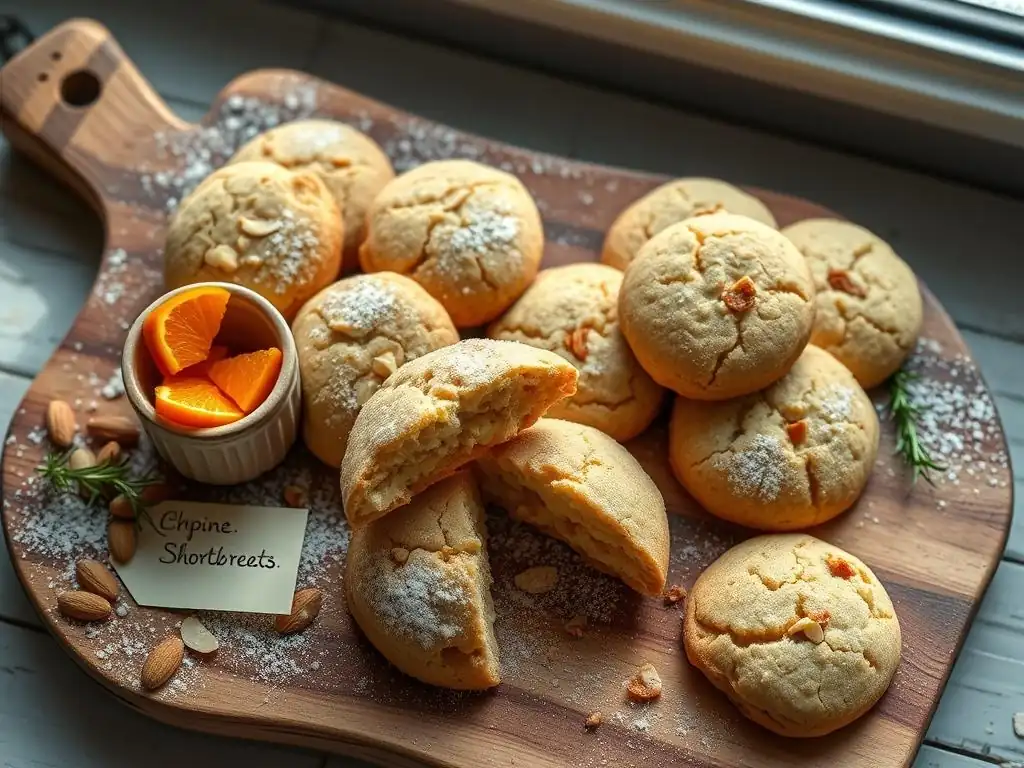
Creating delicious easy gluten-free almond orange shortbread is a straightforward process when you break it down into simple steps. Each stage plays a vital role in ensuring the final cookies have that perfect crumbly texture and vibrant flavor. Following these steps patiently will lead to successful baking, even if you're new to the kitchen.
Remember that baking is also about feel and observation. Pay attention to the dough's consistency and how it behaves during mixing and chilling. This recipe is designed to be forgiving, but a little mindfulness goes a long way in achieving the best results from your beginner-friendly gluten-free almond orange shortbread.
Preparing the Dough: A Beginner's Guide
Preparing the dough for this shortbread is quite simple, requiring minimal effort and no special equipment beyond mixing bowls and a spatula or wooden spoon. The key is gentle handling to avoid overworking the dough, which is especially important in gluten-free baking to prevent a tough texture (though less of a risk here due to the lack of gluten). The process typically starts with combining the dry ingredients.
Once the dry ingredients are mixed, the wet ingredients are added. For shortbread, this usually involves melted fat (like coconut oil or butter) and the liquid sweetener (maple syrup), along with the orange juice. These are mixed in until the dough just comes together. It might seem crumbly at first, but gentle mixing will bring it into a cohesive mass that can be shaped. This minimal mixing approach is perfect for beginners and helps ensure that signature shortbread texture.
Combining Almond Flour, Gluten-Free Blend, and Orange Zest
The first step in mixing the dough is usually to combine the dry ingredients in a medium bowl. This includes the almond flour and the gluten-free all-purpose flour blend. It's often recommended to whisk these together briefly to ensure they are well combined and any larger lumps are broken up. This initial mixing helps distribute the different flours evenly throughout the dough.
Next, the star flavor component, the fresh orange zest, is typically added to the dry ingredients. Rubbing the zest into the flour mixture with your fingertips for a few seconds before adding the wet ingredients can help release its fragrant oils and distribute the flavor more thoroughly. This simple technique ensures that every bite of your easy gluten-free almond orange shortbread is infused with bright orange flavor.
Adding Maple Syrup and Melted Coconut Oil
After the dry ingredients are combined with the orange zest, the wet ingredients are introduced. This usually involves pouring in the melted coconut oil (or butter) and the maple syrup. These liquid components provide the necessary moisture and fat to bind the dry ingredients together into a dough.
Using melted fat, rather than softened or cold butter as in some traditional shortbreads, simplifies the mixing process significantly for beginners. It integrates easily with the dry ingredients without requiring creaming. The mixture is then stirred gently with a spatula or wooden spoon until it just comes together into a soft, cohesive dough. Avoid overmixing; stop as soon as no dry streaks remain.
Chilling the Dough for Easy Handling
Chilling the dough is a crucial, non-negotiable step for making successful shortbread, especially gluten-free versions. Once the dough is mixed, it needs to be wrapped tightly, often in plastic wrap or beeswax wrap, and refrigerated for a minimum of 30 minutes, though 60 minutes or more is often better. This allows the fat to solidify, making the dough much firmer and easier to handle for rolling and cutting.
Chilling also allows the flavors to meld and the flours to hydrate properly, which can improve the texture of gluten-free baked goods. Skipping this step will result in a very soft, sticky dough that is impossible to roll or cut neatly and will likely spread excessively during baking, resulting in thin, misshapen cookies. Patience during the chilling phase pays off with perfectly shaped beginner-friendly gluten-free almond orange shortbread.
Shaping the Shortbread: Simple Techniques
Shaping shortbread is one of the most straightforward parts of the process, making it ideal for beginners. Unlike cookies that require scooping or rolling into balls, shortbread dough is typically pressed or rolled out and then cut into shapes. This allows for uniform thickness, which is important for even baking.
You have several simple options for shaping your easy gluten-free almond orange shortbread. You can press the dough directly into a square or rectangular pan and then cut it into fingers or squares after baking (or partially baked). Alternatively, you can roll the dough out on a lightly floured surface (using gluten-free flour) and cut out shapes using cookie cutters. Both methods are beginner-friendly and yield beautiful results.
Rolling Out the Dough
If you choose to roll out the dough, ensure it is properly chilled and firm. You can roll it directly on a piece of parchment paper or a lightly floured surface (use a little extra gluten-free flour blend or rice flour). Place another piece of parchment paper or plastic wrap on top of the dough before rolling; this prevents sticking to the rolling pin and keeps your surface cleaner.
Roll the dough evenly to a thickness of about 1/4 to 1/3 inch (approximately 6-8 mm). Aim for uniform thickness across the entire sheet of dough to ensure all your shortbread pieces bake at the same rate. If the dough becomes too soft or sticky during rolling, simply pop it back into the refrigerator for 10-15 minutes to firm up again before continuing. This step is key for getting cleanly cut shapes for your easy gluten-free almond orange shortbread.
Cutting Out Shapes: Stars, Circles, or Squares
Once the dough is rolled to the desired thickness, you can cut out your shapes. Simple shapes work best, especially for beginners. Classic shortbread fingers are made by cutting the rolled dough (or dough pressed into a pan) into rectangles. Squares are also easy to achieve with a knife or pastry wheel.
Using cookie cutters is another fun and simple option. Stars, circles, or even simple flower shapes are easy to cut out. Dip your cookie cutter in a little gluten-free flour between cuts if the dough seems to stick. Carefully transfer the cut shapes to a baking sheet lined with parchment paper using a spatula. Any dough scraps can be gently pressed back together, re-chilled briefly if needed, and rolled out again. This part of making beginner-friendly gluten-free almond orange shortbread allows for creativity and fun!
Baking to Perfection: Achieving Golden Brown Shortbread
Baking shortbread correctly is key to achieving its signature tender, crumbly texture. Unlike many cookies that bake quickly and spread significantly, shortbread bakes at a moderate temperature for a longer time. This slow baking process helps the shortbread hold its shape while cooking through evenly and developing a slight crispness without becoming hard or overly browned.
Monitoring the shortbread as it bakes is important, as oven temperatures can vary. You're looking for visual cues that indicate they are done. Proper baking ensures your easy gluten-free almond orange shortbread is perfectly cooked and ready to enjoy with that delightful texture.
Oven Temperature and Baking Time
For most shortbread recipes, including gluten-free ones, a baking temperature between 325°F and 350°F (160°C to 175°C) is standard. This lower temperature range helps prevent the edges from browning too quickly before the center is cooked. The baking time will vary depending on the thickness and size of your shortbread pieces, as well as your specific oven.
Typically, easy gluten-free almond orange shortbread baked at 325°F-350°F will take anywhere from 15 to 25 minutes. Thicker shortbread fingers might take closer to 20-25 minutes, while thinner cut-outs might be done in 15-18 minutes. It's crucial to start checking for doneness around the 15-minute mark to avoid overbaking.
Monitoring the Shortbread for Doneness
Knowing when shortbread is perfectly baked comes down to observing its appearance. You are looking for the edges to be lightly golden brown. The center should still look pale or only very slightly golden, and it should look set, not wet or doughy. The surface might show some small cracks, which is typical for shortbread.
If you gently touch the center of a piece, it should feel relatively firm. Shortbread does not puff up significantly like some other cookies. Once the edges are golden and the centers look set, remove the baking sheet from the oven. The shortbread will continue to cook slightly on the hot pan after removal. Let them cool on the baking sheet for 5-10 minutes before carefully transferring them to a wire rack to cool completely. This cooling process is vital for your beginner-friendly gluten-free almond orange shortbread to firm up to the correct texture.
Variations and Additions to Your Gluten-Free Almond Orange Shortbread
While the classic easy gluten-free almond orange shortbread is delicious on its own, there are many ways to customize it and add extra layers of flavor or texture. Exploring variations allows you to put your own spin on the recipe and cater to different tastes or occasions. These simple additions can transform your basic shortbread into something even more special, demonstrating the versatility of this beginner-friendly recipe.
Adding spices, glazes, or chocolate are popular ways to enhance shortbread. These variations are also relatively easy to incorporate and are suitable for bakers of all levels. They provide opportunities to experiment and discover new favorite flavor combinations, making your beginner-friendly gluten-free almond orange shortbread a canvas for creativity.
Adding a Glaze: Orange Glaze Recipe with Powdered Sugar and Orange Juice
A simple glaze can add extra sweetness and a beautiful finish to your shortbread. A classic choice is an orange glaze, which doubles down on the citrus flavor. This glaze is typically made by whisking together powdered sugar (also known as confectioners' sugar) with a small amount of fresh orange juice until a smooth, pourable consistency is achieved.
For a standard batch of shortbread, you might start with about 1 cup of powdered sugar and add orange juice, a teaspoon at a time, until the desired thickness is reached. You want it thick enough to coat the shortbread but thin enough to drip slightly. Once the shortbread is completely cooled, you can drizzle the glaze over them using a spoon or dip one edge of each cookie into the glaze. This adds a lovely visual appeal and an extra burst of tangy sweetness to your easy gluten-free almond orange shortbread.
Dipping in Dark Chocolate
For chocolate lovers, dipping the shortbread in melted dark chocolate is a fantastic variation. The slight bitterness of dark chocolate pairs wonderfully with the sweet almond and bright orange flavors. Use high-quality dark chocolate with a cocoa percentage of 60% or higher for the best flavor contrast.
Simply melt the dark chocolate in a heatproof bowl set over a pot of simmering water (a double boiler) or carefully in the microwave, stirring frequently until smooth and glossy. Once the shortbread is completely cooled, dip one end or the entire bottom of each cookie into the melted chocolate. Let the excess chocolate drip off, then place the dipped shortbread on parchment paper to set.
You can sprinkle them with a little extra orange zest or flaky sea salt before the chocolate hardens for added flair. This simple step transforms your beginner-friendly gluten-free almond orange shortbread into a decadent treat.
Experimenting with Different Citrus: Lemon or Grapefruit
While orange is the classic pairing for almond in this recipe, you can easily experiment with other citrus fruits to create different flavor profiles. Lemon zest and juice offer a more tart and intensely bright flavor, resulting in a zesty lemon-almond shortbread. Grapefruit, on the other hand, provides a slightly more bitter and complex citrus note that can be surprisingly delicious with almond.
To substitute, simply use the zest and juice from a fresh lemon or grapefruit in the same quantities as you would for the orange. Be mindful that lemon is more acidic than orange, so you might need a tiny bit less juice. This willingness to experiment with different citrus adds a new dimension to your baking skills and shows how versatile the basic easy gluten-free almond orange shortbread recipe can be, allowing you to create easy spiced almond citrus pastries (using other citrus) adapted from this base.
Tips for Storing Your Gluten-Free Almond Orange Shortbread

Proper storage is essential to keep your homemade easy gluten-free almond orange shortbread fresh and maintain its delightful texture. Shortbread, by nature of its high fat content and low moisture, tends to have a relatively good shelf life compared to some other cookies, but following a few simple guidelines will ensure they stay delicious for as long as possible.
The goal is to protect them from moisture and air, both of which can cause them to become stale or lose their crispness. Whether you plan to enjoy them over a few days or save some for later, these storage tips will help you preserve the quality of your beginner-friendly gluten-free almond orange shortbread.
Keeping Shortbread Fresh
To keep your baked and completely cooled shortbread fresh at room temperature, store them in an airtight container. A cookie tin or a plastic container with a tight-fitting lid works well. Arrange the shortbread in a single layer if possible, or separate layers with parchment paper to prevent them from sticking together, especially if they are glazed or dipped in chocolate.
Store the container in a cool, dry place away from direct sunlight or heat sources, as warmth can cause the fat in the shortbread to soften and potentially affect the texture. Stored correctly at room temperature, easy gluten-free almond orange shortbread typically stays fresh and delicious for about 5-7 days. You can often tell if they are starting to go stale if they lose their crumbly texture and become harder or chewier.
Freezing for Later Enjoyment
Shortbread freezes exceptionally well, making it a great cookie to bake ahead of time. This is particularly useful if you've made a large batch of beginner-friendly gluten-free almond orange shortbread or want to have some on hand for unexpected guests or future cravings. Ensure the shortbread is completely cooled before freezing.
To freeze, place the cooled shortbread in a single layer on a baking sheet and flash freeze them for about 30-60 minutes until they are firm. This prevents them from sticking together when transferred to a container. Once frozen, transfer the shortbread to a freezer-safe airtight container or a heavy-duty freezer bag. Remove as much air as possible to prevent freezer burn. Label the container with the date. Frozen easy gluten-free almond orange shortbread can last in the freezer for up to 3 months. Thaw them at room temperature for about 30 minutes before serving.
Conclusion: Enjoying Your Homemade Gluten-Free Almond and Orange Shortbread
Congratulations! You've successfully baked a batch of delicious easy gluten-free almond orange shortbread. This beginner-friendly recipe has guided you through simple steps to create a delightful treat bursting with the classic flavors of almond and orange. Whether you followed the basic recipe or experimented with variations like glazes or chocolate, you've experienced the joy and satisfaction of homemade baking.
This shortbread is perfect for enjoying with a cup of tea or coffee, sharing with friends and family, or simply savoring as a personal treat. Its tender, crumbly texture and vibrant citrus-nutty flavor make it a comforting and elegant addition to any moment. Remember the simple techniques you've learned – they are building blocks for exploring many other baking adventures, including creating other easy spiced almond orange pastries in the future.
We love seeing what you bake! Sharing your results is a fun part of the baking journey. Take a photo of your beautiful beginner-friendly gluten-free almond orange shortbread and share it with others. You can talk about how easy the process was, how much you enjoyed the flavors, or any variations you tried.
Sharing not only celebrates your success but also inspires others to give baking a try, especially those who are new to gluten-free cooking or baking in general. Your experience with this easy gluten-free almond orange shortbread can show others that delicious and satisfying results are well within reach for beginners.
Embrace the Flavors of Holiday Baking
The flavors of almond and orange are deeply rooted in the traditions of holiday and winter baking around the world. Creating this easy gluten-free almond orange shortbread is a wonderful way to connect with those traditions and fill your home with warm, inviting aromas. It's a reminder that baking is about more than just making food; it's about creating moments, sharing warmth, and celebrating comforting flavors.
As you enjoy your homemade shortbread, consider exploring other recipes that feature these beloved flavors or incorporating spices like cinnamon, cardamom, or ginger into your next batch to lean into the "spiced" aspect of easy spiced almond orange pastries. Baking is a continuous journey of learning and discovery, and this beginner-friendly recipe is a fantastic starting point for countless delicious creations to come.
Frequently Asked Questions
What makes these spiced almond orange pastries easy to bake?
The recipes on BakeWithEase focus on simple steps and easily accessible ingredients. We break down complex techniques into manageable steps, making it perfect for beginners.
What kind of spices are typically used in these almond orange pastries?
Common spices include cinnamon, nutmeg, and cloves. You can adjust the amounts to your preference, creating a personalized flavor profile.
Where can I find the ingredients for these pastries?
Most ingredients are readily available at local grocery stores. BakeWithEase recipes prioritize common pantry staples.
Can I substitute any of the ingredients in the spiced almond orange pastries?
Yes, BakeWithEase encourages experimentation. For example, you could substitute different nuts for the almonds or use mandarin oranges instead of regular oranges.
How long does it take to bake these beginner-friendly pastries?
The baking time varies depending on the recipe, but most beginner-friendly pastries on BakeWithEase will take approximately 20-30 minutes to bake.
Final Reflection: The Sweet Symphony of Simple Baking
The accessibility of delicious baking is not a luxury, but a fundamental joy. This article explored the surprisingly simple process of creating spiced almond and orange pastries, proving that achieving culinary excellence doesn't require years of experience or a professional kitchen. The recipes presented offer a gateway to the satisfying world of baking, regardless of skill level.
The enduring appeal of homemade treats lies not just in their taste, but in the connection they foster. Baking, even something as seemingly straightforward as these pastries, offers a tangible link to tradition and creativity. It's a chance to share a piece of yourself with others, a sentiment beautifully captured by the words of Julia Child: Find something you're passionate about and keep tremendously interested in it.
These pastries, in their simplicity, embody this passion, allowing anyone to experience the joy of creation and the satisfaction of sharing something delicious.
Now, I invite you to roll up your sleeves, gather your ingredients, and embark on your own baking adventure. Don't be intimidated by the process; embrace the simplicity, the aroma of warm spices, and the satisfaction of creating something beautiful and delicious from scratch. The journey of baking, like life itself, is best enjoyed one sweet, spiced pastry at a time.
Unleash Your Inner Pastry Chef!
Thanks for joining us on this delicious journey into the world of spiced almond and orange pastries! We hope you've gained the confidence to tackle these delightful treats. Now it's time to put your newfound skills to the test!
- Bake your own batch: Grab your ingredients and follow the recipe – you'll be amazed at how easy it is to create these exquisite pastries. This is your chance to shine!
- Share your creations: Post a picture of your finished pastries on social media and tag us @BakeWithEase – we’d love to see your baking masterpieces!
- Surprise someone special: These pastries make a fantastic homemade gift. Imagine the joy on their faces!
Ready to transform your kitchen into a pastry paradise? What unique twist will you add to your spiced almond and orange pastries?