
Easy Blueberry & Lemon Scones


Welcome to BakeWithEase, where baking becomes a joy, not a chore!
Ever dreamt of whipping up bakery-worthy treats without the fuss? You're in the right place. This season, we're diving into the delights of seasonal baking, and what better way to start than with a burst of sunshine? Get ready to discover our easy blueberry lemon scones recipe – a simple yet irresistible treat that's guaranteed to impress. Intrigued? Let's get baking!
- Easy Blueberry & Lemon Scones: The Perfect Summer Bake
- Introduction to Easy Blueberry Lemon Scones
-
Mastering the Easy Blueberry Lemon Scones Recipe: Step-by-Step
- Gathering Your Ingredients for Blueberry Lemon Scones
- Step 1: Combining the Dry Ingredients for Perfect Scones
- Step 2: Cutting in the Cold Butter for Flaky Layers
- Step 3: Adding the Wet Ingredients and Blueberries
- Step 4: Shaping the Scones for Baking
- Step 5: Baking Your Blueberry Lemon Scones to Golden Perfection
- Tips and Tricks for the Best Blueberry Lemon Scones
- Serving Suggestions for Your Freshly Baked Scones
- Troubleshooting Common Scone Baking Problems
- Elevate Your Summer Baking with More Berry Recipes from BakeWithEase
- Frequently Asked Questions
- Final Reflection: The Simple Joy of Baking
- Unleash Your Inner Baker: Make These Scones Today!
Easy Blueberry & Lemon Scones: The Perfect Summer Bake
Introduction to Easy Blueberry Lemon Scones
Why This Easy Blueberry Lemon Scone Recipe is Perfect for Summer
Summer calls for light, bright, and unfussy baking, and this easy blueberry lemon scones recipe fits the bill perfectly. The combination of sweet, juicy blueberries and tangy lemon zest evokes the essence of warm weather and sunshine. Unlike heavier pastries, scones offer a delightful texture – crumbly yet tender – that pairs wonderfully with a morning coffee on the patio or an afternoon tea break. This recipe is designed to be straightforward, minimizing complicated steps so you can spend less time in a hot kitchen and more time enjoying the season.
Furthermore, blueberries are typically at their peak during the summer months, offering the freshest and most flavorful fruit for your baking endeavors. Using seasonal produce not only enhances the taste but often means they are more readily available and potentially more affordable. An easy blueberry lemon scones recipe allows you to capture that peak freshness in a simple, satisfying treat. The bright citrus notes from the lemon cut through the richness of the butter, creating a balanced flavor profile that is incredibly refreshing during warmer temperatures.
BakeWithEase' Guide to Simple Scones
At BakeWithEase, we believe that everyone can enjoy the rewarding process of baking, regardless of their experience level. Our approach focuses on demystifying techniques and providing clear, step-by-step instructions that build confidence. This easy blueberry lemon scones recipe exemplifies our philosophy, breaking down the scone-making process into manageable stages. We emphasize understanding the 'why' behind each step, from handling the dough gently to ensuring your ingredients are at the correct temperature, which is crucial for achieving that coveted flaky texture.
Our guides are designed to be accessible and encouraging. We anticipate common questions and challenges bakers face, offering practical tips and troubleshooting advice right within the recipe context. For instance, we'll explain why cold butter is non-negotiable for a good scone and how to incorporate delicate ingredients like blueberries without crushing them. By following the BakeWithEase method for this easy blueberry lemon scones recipe, you're not just learning to make a specific treat; you're building foundational baking skills that can be applied to countless other recipes.
Mastering the Easy Blueberry Lemon Scones Recipe: Step-by-Step
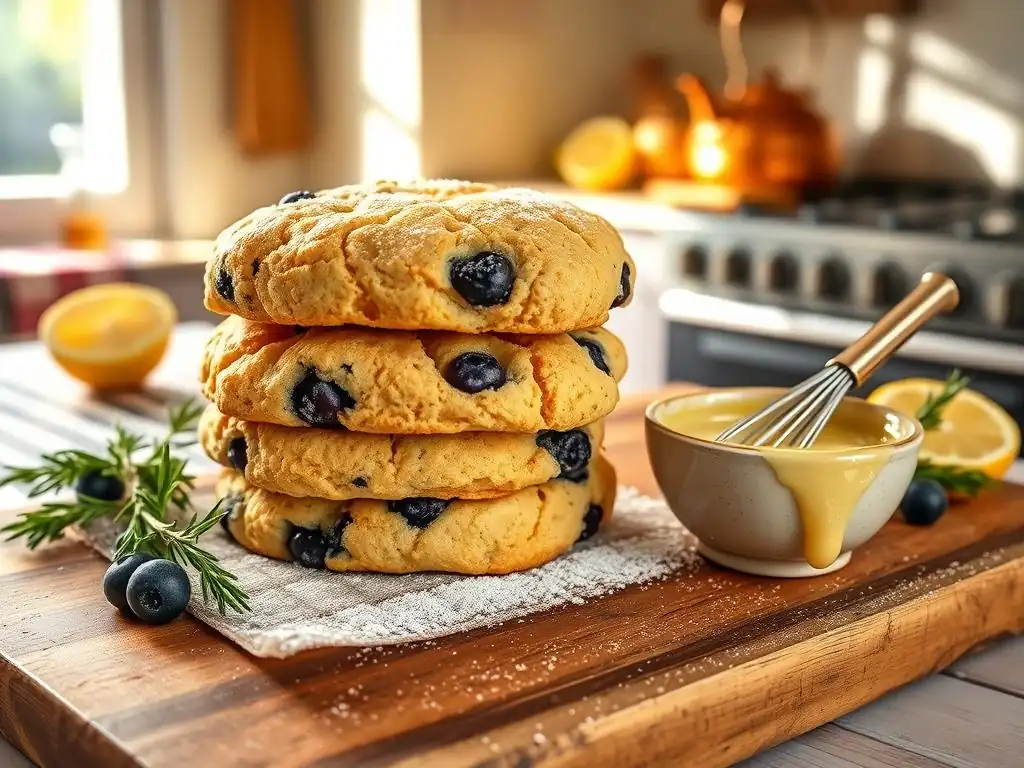
Gathering Your Ingredients for Blueberry Lemon Scones
Before you even turn on the oven, gathering and preparing your ingredients is a critical first step for any successful baking project, especially when making blueberry lemon scones. Having everything measured out and ready (a process known as "mise en place") ensures a smoother and less stressful baking experience. For scones, accuracy in measurement is particularly important for achieving the right dough consistency. You'll need standard pantry staples like all-purpose flour, granulated sugar, baking powder, salt, and cold butter, alongside the star ingredients: fresh or frozen blueberries and fresh lemons.
Beyond just listing ingredients, understanding their role is key to mastering this easy blueberry lemon scones recipe. Baking powder is your primary leavening agent, providing lift. Salt balances the sweetness. Sugar not only sweetens but also contributes to the crust color and tenderness. The fat (butter) is crucial for texture, and the liquid (often milk, buttermilk, or cream) binds everything together. And, of course, the blueberries and lemon provide the signature flavor profile that makes these scones so delightful, especially in the summer.
Fresh or Frozen Blueberries: Which to Choose?
Both fresh and frozen blueberries can be used in an easy blueberry lemon scones recipe, but there are slight considerations for each. Fresh blueberries, ideally in season, offer the best flavor and texture. They should be gently rinsed and patted completely dry before adding them to the dough to prevent adding excess moisture, which can lead to a tougher scone. Using fresh berries allows their natural shape and burst of flavor to shine through.
Frozen blueberries are a convenient option, available year-round. The key when using frozen berries is not to thaw them before adding them to the dough. Add them directly from the freezer. Adding them frozen helps them hold their shape better during mixing and baking and prevents the dough from turning an odd greenish-blue color from the berry juice bleeding out prematurely. You might need to add a minute or two to the baking time when using frozen berries, as they will slightly cool the dough.
The Importance of Cold Butter in Scone Baking
Using very cold butter is arguably the most crucial technique for achieving flaky, tender scones in any easy blueberry lemon scones recipe. As the cold pieces of butter melt in the hot oven, they create steam pockets within the dough. This steam pushes the layers of dough apart, resulting in that desirable light and flaky texture. If the butter is too warm or melted into the dough, you'll end up with a cake-like or dense scone instead of a flaky one.
To ensure your butter is cold enough, keep it refrigerated until the moment you are ready to use it. Many bakers even recommend cubing the butter and placing it back in the freezer for 10-15 minutes before cutting it into the dry ingredients. The goal is to have visible pieces of butter, roughly pea-sized or slightly larger, distributed throughout the dough. These cold pockets are what create the magic during baking for perfect, easy blueberry lemon scones.
Lemon Zest and Juice: Enhancing the Flavor Profile
Lemon zest is where the majority of the lemon flavor and aroma reside, thanks to the oils in the peel. For an easy blueberry lemon scones recipe, you'll want to use a microplane or fine grater to zest only the yellow part of the lemon peel, avoiding the bitter white pith underneath. Incorporate the zest directly into the dry ingredients, perhaps rubbing it into the sugar, to release its fragrant oils before adding the wet components.
While lemon zest provides the intense flavor, a little bit of fresh lemon juice can also be used in the wet ingredients. Lemon juice adds acidity, which reacts with the baking powder to aid in leavening and also brightens the overall taste profile. However, use lemon juice sparingly, as too much acidity can affect the texture. For easy blueberry lemon scones, the zest is the primary source of citrus punch, beautifully complementing the sweet blueberries.
Step 1: Combining the Dry Ingredients for Perfect Scones
The first step in making this easy blueberry lemon scones recipe involves whisking together all the dry ingredients in a large bowl. This typically includes all-purpose flour, granulated sugar, baking powder, and salt. It's essential to whisk these ingredients thoroughly to ensure that the leavening agent (baking powder) and salt are evenly distributed throughout the flour. Uneven distribution can lead to scones that don't rise properly or have pockets of saltiness.
Using a large bowl gives you plenty of room to work in the subsequent steps, especially when cutting in the butter and adding the wet ingredients. Some bakers also like to add the lemon zest at this stage, rubbing it into the sugar with their fingertips. This helps release the lemon oils and distribute the flavor evenly through the dry mix before any wet ingredients are introduced, enhancing the vibrant taste of your blueberry lemon scones.
Step 2: Cutting in the Cold Butter for Flaky Layers
This is a crucial step for achieving the desired texture in your easy blueberry lemon scones recipe. The goal is to break the cold butter into small pieces and distribute them throughout the dry ingredients. You can do this using a pastry blender, two forks, or even your fingertips. The key is to work quickly to prevent the butter from warming up too much from the heat of your hands. The mixture should resemble coarse crumbs, with some pieces of butter still visible, roughly the size of small peas or almonds.
Alternatively, for an even easier method, you can grate the cold butter using a box grater directly into the dry ingredients. This creates very small shards of butter that are easy to distribute evenly and remain cold. Whichever method you choose, avoid overworking the mixture. Once the butter is adequately incorporated and the mixture looks like coarse sand with visible butter pieces, you've successfully completed this step for your easy blueberry lemon scones.
Step 3: Adding the Wet Ingredients and Blueberries
Once the dry ingredients and butter mixture are ready, it's time to incorporate the wet ingredients. This usually involves a combination of cold milk, buttermilk, or heavy cream, often mixed with any liquid lemon juice if using. Pour the wet ingredients into the center of the dry mixture. Using a fork or a spatula, gently stir just until the ingredients are just combined. The dough will look shaggy and perhaps a bit dry in places – this is exactly what you want. Avoid overmixing, as this develops gluten and leads to tough scones.
Immediately after or just before the dough comes together, gently fold in the blueberries. If using fresh berries, be very gentle to avoid crushing them. If using frozen, they can be added directly. The goal is to distribute the blueberries relatively evenly without mashing them or overworking the dough further. A few gentle folds are usually sufficient at this stage of making blueberry lemon scones.
Step 4: Shaping the Scones for Baking
Unlike bread dough, scone dough should not be kneaded. Overworking the dough develops gluten, resulting in tough scones. Instead, turn the shaggy dough out onto a lightly floured surface. Gently bring the dough together and pat it into a disc or rectangle about 3/4 to 1 inch thick. Use your hands or a rolling pin very gently if needed. The less you handle the dough, the more tender your easy blueberry lemon scones will be.
From the disc or rectangle, you can cut the scones into various shapes. A traditional shape is wedges cut from a round disc, yielding about 6-8 scones depending on size. You can also use a biscuit cutter or cookie cutter for uniform rounds, though this method results in more scraps that need to be gently re-patted (handle these scraps minimally). Place the cut scones onto a baking sheet lined with parchment paper, leaving some space between them.
Step 5: Baking Your Blueberry Lemon Scones to Golden Perfection
Before placing the scones in the oven, you might want to brush the tops with a little milk, cream, or an egg wash. This helps promote a beautiful golden-brown crust and adds a slight richness. A sprinkle of coarse sugar on top can also add a lovely sparkle and a hint of crunch. Ensure your oven is fully preheated to the specified temperature before putting the scones in.
Bake the scones until they are well-risen, golden brown on top, and cooked through. The exact baking time will vary depending on your oven and the size and thickness of your scones, but it typically falls within a range of 15 to 25 minutes. A helpful indicator is the color – you want a rich golden hue across the tops and sides. A toothpick inserted into the center should come out clean, though this isn't always easy with soft fruit inside. The internal temperature should be around 200-210°F (93-99°C).
Oven Temperature and Baking Time for Scones
A common temperature for baking scones is between 375°F and 425°F (190°C to 220°C). A hotter oven, like 400°F or 425°F, encourages a good rise and a quickly set crust, helping the interior stay tender. For this easy blueberry lemon scones recipe, aiming for a temperature around 400°F (200°C) is generally effective.
The baking time for scones of average size (like wedges from an 8-inch disc) is typically between 18 and 22 minutes at 400°F. Smaller or thinner scones might take as little as 15 minutes, while larger or thicker ones could require up to 25 minutes. Always check for doneness by looking at the color and perhaps gently lifting one to see if the bottom is also golden.
Achieving a Golden-Brown Crust
A beautiful golden-brown crust is not just for aesthetics; it indicates that the scone is fully baked and contributes to its texture and flavor. Brushing the tops with a wash (milk, cream, or egg wash) before baking is the most effective way to achieve this. The fat and protein in the wash caramelize and brown in the heat of the oven.
Baking at a sufficiently high temperature also helps develop a good crust. If your oven is too cool, the scones might spread more and bake unevenly without developing that desirable golden color. Keep an eye on them during the last few minutes of baking; they can go from perfectly golden to over-browned quite quickly.
Tips and Tricks for the Best Blueberry Lemon Scones

Preventing Soggy Scones: Key Techniques
Soggy scones can be disappointing, and excess moisture is usually the culprit. One primary way to prevent this, especially in a blueberry lemon scones recipe, is to ensure your blueberries are as dry as possible if using fresh ones. After rinsing, pat them thoroughly with paper towels. If using frozen, add them directly from the freezer without thawing, as thawed berries release more juice.
Another crucial technique is avoiding overmixing the dough. Overmixing develops gluten, which makes the dough tougher and less likely to absorb moisture properly during baking, sometimes leading to a dense or slightly gummy texture. Handle the dough minimally when combining wet and dry ingredients and when shaping. Baking at the correct temperature (usually on the higher side, like 400°F) also helps the scones set quickly and prevents them from sitting in the oven and potentially becoming dense or soggy.
Adding Variations: Other Berries and Citrus
This easy blueberry lemon scones recipe is wonderfully adaptable. While blueberries and lemon are a classic pairing, you can easily substitute other berries or citrus fruits. Consider using raspberries (handle gently as they are fragile), blackberries, or even chopped strawberries. If using very juicy berries like raspberries, you might consider tossing them lightly in a tablespoon of flour before adding them to the dough to help absorb some of the moisture.
For citrus variations, swap lemon for orange zest and juice for a blueberry-orange scone, or use lime zest for a tangier twist. You could also combine berries, like blueberries and raspberries, for a mixed berry scone with lemon. Just ensure the total amount of fruit remains roughly the same as specified in the recipe to maintain the correct dough consistency.
Storing and Reheating Your Homemade Scones
Homemade scones are best enjoyed fresh, ideally within a few hours of baking. However, you can store them to enjoy later. Once completely cooled, store scones in an airtight container at room temperature for up to 2-3 days. To maintain their texture, avoid refrigerating them, as this can dry them out.
For longer storage, scones can be frozen. Once cooled, wrap individual scones tightly in plastic wrap, then place them in a freezer-safe bag or container. They can be frozen for up to 2-3 months. To reheat, thaw frozen scones at room temperature for an hour or two, then warm them in a preheated oven at 300°F (150°C) for about 8-10 minutes until heated through. Room-temperature scones can be warmed briefly in a toaster oven or microwave (though the microwave can make them a little soft).
Serving Suggestions for Your Freshly Baked Scones
Pairing Your Blueberry Lemon Scones with Tea or Coffee
Freshly baked easy blueberry lemon scones are the quintessential companion to a warm beverage. Their slightly sweet, fruity, and tangy profile pairs beautifully with a wide range of teas. A classic English Breakfast tea provides a robust contrast, while a lighter black tea like Earl Grey complements the citrus notes. Herbal teas, such as chamomile or mint, offer a refreshing pairing, especially during the summer.
For coffee lovers, these scones are equally delightful. A medium roast coffee provides a balanced flavor that won't overpower the delicate scone. A latte or cappuccino adds a creamy element that works well with the tender texture of the scone. Whether you prefer tea or coffee, the simple act of enjoying a warm scone with your favorite drink is a moment of pure comfort.
Delicious Topping Ideas for Scones
While delicious on their own, blueberry lemon scones can be elevated with simple toppings. A dollop of clotted cream or whipped cream is a luxurious addition, adding richness and a smooth texture that contrasts with the scone's slight crumb. A good quality jam, particularly a complementary berry jam like raspberry or blackberry, or even a lemon curd, can add another layer of fruity sweetness or tartness.
Lemon Glaze Recipe
A simple lemon glaze is a perfect finish for easy blueberry lemon scones, enhancing the lemon flavor and adding a touch of sweetness and moisture. To make a quick glaze, whisk together about 1 cup of powdered sugar with 2-3 tablespoons of fresh lemon juice. Start with less juice and add more until you reach your desired consistency – a thick but pourable glaze. You can add a tiny bit of lemon zest for extra punch. Drizzle or spread the glaze over the cooled scones.
Whipped Cream and Fresh Berries
For a fresh and light topping, especially fitting for summer, serve your blueberry lemon scones with freshly whipped cream and a few extra fresh blueberries or mixed berries. Whip cold heavy cream with a little powdered sugar and a splash of vanilla extract until soft or medium peaks form. The cool, airy cream and the burst of fresh berries provide a delightful contrast to the warm, tender scone.
Troubleshooting Common Scone Baking Problems

Dry Scones: Causes and Solutions
Dry scones are often a result of too much flour, not enough liquid, or overmixing the dough. When measuring flour, spoon it into your measuring cup and level it off, rather than scooping directly from the bag, which can compact the flour and lead to using too much by weight (potentially 20-30% more). Ensure you use the specified amount of liquid in your easy blueberry lemon scones recipe.
If your dough feels too dry and isn't coming together even after adding the specified liquid, you can add a tiny bit more milk or cream, a teaspoon at a time, until it just barely comes together. Avoid the temptation to keep mixing; just bring it together gently. Also, remember that different flours and environmental conditions can affect moisture absorption.
Flat Scones: Achieving Height and Fluffiness
Flat scones typically occur when the leavening agent (baking powder) is old or not enough is used, or when the butter is not cold enough or overworked into the dough. Ensure your baking powder is fresh; you can test it by adding a teaspoon to a small amount of hot water – it should fizz vigorously. Use the correct amount specified in the easy blueberry lemon scones recipe.
Crucially, make sure your butter is very cold and that you leave visible pieces of butter in the dough when cutting it in. These cold butter pieces create steam pockets that lift the scones. Also, avoid overworking or kneading the dough, as this develops gluten, which makes the dough dense and prevents a good rise. Cutting the scones too thin (less than 3/4 inch) can also lead to flatter results.
Burnt Scones: Preventing Over-Browning
Burnt bottoms or tops on scones usually mean the oven temperature is too high or the baking time is too long. Ovens can be inaccurate, so using an oven thermometer can help verify the true temperature. If the tops are browning too quickly before the inside is cooked, you can loosely tent the scones with aluminum foil for the last part of the baking time.
Using a baking sheet lined with parchment paper helps prevent the bottoms from burning by providing a protective layer and promoting even heat distribution. If your oven has a hot spot, rotate the baking sheet halfway through the baking time. Always start checking for doneness a few minutes before the minimum time specified in the easy blueberry lemon scones recipe, as ovens vary.
Elevate Your Summer Baking with More Berry Recipes from BakeWithEase
Other Easy Recipes Using Blueberries
If you enjoyed making these easy blueberry lemon scones, you'll find blueberries are incredibly versatile for summer baking. Beyond scones, they shine in simple muffins, quick breads, and cobblers. Consider exploring recipes for blueberry crumb bars, which are simple to assemble and transport, or a classic blueberry buckle, a cake-like dessert with a streusel topping.
Blueberries also pair well with other fruits in pies and tarts. A simple blueberry pie with a lattice top or a no-bake blueberry cheesecake are fantastic ways to use this seasonal fruit. Many of these recipes, like the easy blueberry lemon scones, focus on minimal fuss to let the natural flavor of the berries come through.
Explore Seasonal Baking Recipes
Summer offers an abundance of fresh fruits beyond blueberries, perfect for expanding your baking repertoire. Look for recipes featuring strawberries, raspberries, cherries, peaches, and plums. BakeWithEase offers a range of seasonal recipes designed to be accessible and enjoyable for bakers of all levels.
From a simple strawberry shortcake that highlights peak-season berries to a rustic peach galette that requires no fancy pan, there are numerous ways to incorporate summer's bounty into your baking. Exploring seasonal recipes like this easy blueberry lemon scones recipe allows you to work with the freshest ingredients and celebrate the flavors of the season.
Frequently Asked Questions
What makes this blueberry lemon scone recipe easy?
This recipe emphasizes simple ingredients and straightforward instructions, making it accessible even for beginner bakers. It avoids complex techniques and readily available components.
Can I substitute ingredients in this scone recipe?
While we recommend sticking to the recipe for best results, you can often substitute the blueberries with other berries and lemon zest with orange zest for a similar flavor profile.
How do I prevent my scones from being dry?
Avoid overmixing the dough. Overmixing develops gluten, leading to tough, dry scones. Gently combine the ingredients until just moistened.
What is the best way to store leftover blueberry lemon scones?
Store leftover scones in an airtight container at room temperature for up to two days. For longer storage, you can freeze them for up to two months.
What can I serve with my blueberry lemon scones?
These scones are delicious on their own, but they also pair well with clotted cream, lemon curd, or your favorite jam. A cup of tea or coffee complements them perfectly.
Final Reflection: The Simple Joy of Baking
The seemingly simple act of baking a scone, especially one as bright and flavorful as a blueberry lemon scone, offers a profound connection to comfort, creativity, and shared experiences. These scones, with their delicate crumb and burst of juicy blueberries, are more than just a recipe; they're a gateway to a richer, more mindful approach to everyday life. The ease of the recipe itself underscores this point, proving that deliciousness doesn't require hours of complicated techniques.
The enduring appeal of baking lies in its ability to bring people together, fostering a sense of community and shared accomplishment. From the aroma filling the kitchen to the satisfaction of sharing the warm scones with loved ones, the process transcends mere culinary creation. It's a tangible representation of care and connection. Baking is at once child's play and adult joy. And love, of course.
This quote perfectly captures the essence of what these simple scones represent. The act of making them, and sharing them, is an act of love, a small gesture with a large impact.
Now, I invite you to step away from the screen, gather your ingredients, and experience the magic for yourself. Don't be intimidated by the simplicity; embrace it. Let the process of creating these blueberry lemon scones be a moment of mindful creation, a pause in the everyday rush, and a chance to savor the small joys life offers. The recipe is a starting point; let your creativity flourish and adapt it to your own tastes. Most importantly, share the joy – the warm scones, the delicious aroma, and the feeling of accomplishment – with those you cherish.
Unleash Your Inner Baker: Make These Scones Today!
Thanks for joining us on this delicious journey! We hope you've gained the confidence to tackle these delightful blueberry lemon scones. Ready to take your baking skills to the next level?
- Bake a batch of these scones this weekend! The recipe is simpler than you think, and the results are incredibly rewarding.
- Share your baking masterpiece on social media using #BakeWithEase and tag us – we'd love to see your creations!
- Explore other easy recipes on BakeWithEase.com – discover your next favourite treat!
So, what delicious adventure will your baking skills take you on next?