
Shelf Life Savvy: Storing Finished Bakes Safely for Your Business

Welcome to BakeWithEase, your essential guide to unlocking baking success!
Ever wondered how to maintain that just-baked freshness, especially when running a home baking business? This article dives deep into the secrets of shelf life and teaches you how to properly store baked goods. Discover the expert techniques that not only preserve flavor and texture but also ensure your creations stay safe and appealing to your customers. Are you ready to extend the deliciousness? Let's get started!
- Introduction: Ensuring Freshness and Safety in Your Baking Business
- Understanding the Shelf Life of Different Baked Goods
- Best Practices for Storing Baked Goods to Extend Freshness
- Preventing Common Storage Mistakes That Shorten Shelf Life
- Maintaining Food Safety Standards for Your Baking Business
- Tips for Refreshing Stored Baked Goods
- Conclusion: Maximizing Freshness and Minimizing Waste
-
Frequently Asked Questions
- How long can I safely store most baked goods at room temperature?
- What are the best containers for storing baked goods to maintain freshness?
- How does refrigeration affect the quality of different baked goods?
- Can I freeze baked goods to extend their shelf life significantly?
- What are some signs that a baked good has gone bad and should be discarded?
- Final Reflection: The Enduring Sweetness of Safe Storage
- Unlock Your Baking Business's Potential: Extend Shelf Life, Expand Reach!
Introduction: Ensuring Freshness and Safety in Your Baking Business
Starting or running a home baking business brings the joy of sharing your delicious creations, but it also comes with the critical responsibility of ensuring every item reaches your customer in perfect condition. This means not just baking with quality ingredients and techniques, but also mastering the art of post-bake care. Properly storing baked goods is paramount not only for maintaining their taste, texture, and appearance – the qualities that keep customers coming back – but also, and most importantly, for food safety.
The shelf life of a baked good isn't just a suggestion; it's a crucial factor in preventing spoilage and potential foodborne illnesses. For a small business, a single issue with an improperly stored product can damage your reputation and lead to significant waste. Learning how to properly store baked goods is an investment in your business's success and your customers' health and satisfaction. This article will guide you through the essential techniques and considerations for storing your finished bakes safely and effectively, helping you deliver quality every time.
Understanding the Shelf Life of Different Baked Goods
Factors Affecting the Freshness of Baked Items
The freshness and safety timeline of a baked good are influenced by a complex interplay of factors, starting with its composition. Ingredients like fats (butter, oil) and sugar can actually extend shelf life by retaining moisture and inhibiting microbial growth.
For instance, a rich butter cake or a batch of chewy cookies high in sugar will generally stay fresh longer than a lean, low-fat bread or a simple sponge cake. The moisture content is another critical factor; higher moisture levels in items like muffins, fruit pies, or certain breads create a more hospitable environment for mold and bacteria, thus shortening their shelf life compared to drier items like biscotti or crackers.
Processing and handling also play significant roles. Thorough baking to the correct internal temperature (often around 200-210°F for bread, 180-190°F for muffins) reduces microbial load. Proper cooling is essential; packaging warm goods traps steam, creating condensation which accelerates spoilage. Even the environment where ingredients are stored before baking can impact the final product's shelf life. Understanding these variables helps you predict how long your specific baked goods will remain safe and delicious when you properly store baked goods after they are baked.
Shelf Life Guidelines for Common Baked Goods
The typical shelf life of baked goods varies widely depending on their type, ingredients, and how they are stored. These are general guidelines for items stored correctly at room temperature, unless otherwise specified.
-
Cakes: Storage tips for different cake types (sponge, butter, chocolate).
Lighter sponge cakes, especially those without much fat or frosting, are prone to drying out quickly and typically last 2-3 days at room temperature. Richer butter or chocolate cakes, particularly those with frosting (which acts as a barrier), can often stay fresh for 3-5 days. Cakes containing perishable fillings like fresh cream or fruit curd must be refrigerated and consumed within 1-2 days.
To properly store baked goods like cakes, ensure they are completely cooled before wrapping or boxing. Unfrosted cakes can be tightly wrapped in plastic wrap. Frosted cakes are best stored in a cake carrier or box to protect the decoration while minimizing air exposure.
-
Cookies: Best practices for storing cookies to maintain crispness or softness.
Crisp cookies, like shortbread or gingersnaps, rely on low moisture content and can last 5-7 days or even longer at room temperature if stored in an airtight container away from humidity. Chewy or soft cookies, such as chocolate chip or oatmeal cookies, have higher moisture and typically remain fresh for 3-5 days.
To maintain the desired texture when you properly store baked goods like cookies, store crisp and soft cookies separately. Adding a slice of bread or an apple wedge to a container of soft cookies can help maintain their chewiness by sharing moisture, while crisp cookies need a truly airtight seal to prevent them from absorbing moisture and becoming stale.
-
Breads: Extending the shelf life of various bread types (yeast, sourdough, banana bread).
Lean, crusty yeast breads and sourdoughs are best enjoyed within 1-2 days at room temperature before the crust softens and the interior stales. Enriched breads (with milk, butter, eggs), like challah or brioche, tend to stay softer longer, typically 3-4 days. Quick breads, such as banana bread or muffins, due to their higher moisture and often fruit content, usually last 3-4 days at room temperature.
Avoid refrigerating most breads as it accelerates staling. Store crusty breads in a paper bag to maintain the crust, while softer loaves or quick breads can be kept in a bread box or a loosely tied plastic bag at room temperature to retain softness. For longer storage, freezing is the best option.
-
Pastries: How to keep pastries fresh and prevent sogginess (croissants, danishes).
Delicate, flaky pastries like croissants and danishes are best consumed the day they are baked to enjoy their signature texture. Stored at room temperature, they typically lose their crispness within 1-2 days. Filled pastries, especially those with cream or fruit fillings, often require refrigeration and should be eaten within 1-2 days. To properly store baked goods like pastries overnight, place them in a paper bag to allow some air circulation, which helps prevent them from becoming completely soggy, though they will lose some flakiness. Reheating in a toaster oven can help restore some crispness.
-
Muffins: Storing muffins to prevent dryness.
Muffins, like quick breads, have a moderate shelf life, typically staying fresh for 2-4 days at room temperature. Their primary enemy is drying out, especially if they contain less fat or moisture-retaining ingredients. Muffins with fresh fruit or cream cheese fillings should be refrigerated. Store cooled muffins in an airtight container lined with paper towel (to absorb excess moisture) at room temperature. Avoid refrigerating plain muffins unless necessary, as it can dry them out.
Best Practices for Storing Baked Goods to Extend Freshness
Cooling Baked Goods Properly Before Storage
One of the most critical steps in learning how to properly store baked goods is ensuring they are completely cooled before any packaging or storage begins. Hot or even warm baked goods release steam. If they are placed in a container or wrapped while still warm, this steam condenses into moisture on the inside of the packaging. This trapped moisture creates a humid environment that is an ideal breeding ground for mold and bacteria, drastically shortening the item's shelf life and potentially leading to spoilage within hours rather than days.
Allowing bakes to cool fully on a wire rack ensures air circulates around the entire item, allowing heat and steam to dissipate efficiently. For larger items like cakes or loaves of bread, this might take several hours. Cookies and smaller pastries cool much faster, often within 30-60 minutes. Patience during this cooling phase pays dividends in the form of extended freshness and reduced risk of spoilage, making it a non-negotiable step for any baking business prioritizing quality and safety.
Choosing the Right Storage Containers
Selecting the appropriate container is fundamental to properly store baked goods and maintain their quality and safety. The choice depends heavily on the type of bake and the desired outcome (e.g., crispness vs. softness).
-
Airtight Containers: Benefits and When to Use Them.
Airtight containers, made of plastic or glass with tight-fitting lids, are excellent for preventing air exchange. This is beneficial for keeping moist items (like soft cookies, brownies, or quick breads) from drying out and for preventing dry items (like crisp cookies or crackers) from absorbing moisture and becoming stale or soggy. They also protect against absorbing odors from the surrounding environment, which is particularly important if storing items in the refrigerator. Use them for most cookies, muffins, brownies, and unfrosted cakes or quick breads being stored at room temperature or refrigerated.
-
Wrapping Options: Plastic Wrap, Foil, Parchment Paper – Which Is Best?
Plastic wrap is superb for creating a tight seal directly around items, preventing moisture loss and air exposure. It's ideal for wrapping individual cake layers, loaves of bread before freezing, or unfrosted cakes. Aluminum foil provides a good barrier against air and light and is particularly useful for wrapping items going into the freezer, as it helps prevent freezer burn.
Parchment paper offers less of an airtight seal but is useful for layering between cookies in a tin to prevent sticking or for loosely wrapping crusty breads to preserve their texture while allowing some airflow. Combining methods, like wrapping a cake tightly in plastic wrap followed by a layer of foil, offers maximum protection for freezing.
-
Cake Storage: Specific container recommendations for decorated cakes.
Decorated cakes require special consideration to protect delicate frosting and embellishments while maintaining freshness. Cake carriers with domed lids are ideal as they provide ample space around the cake and often have a base that allows for easy transport. If a dedicated carrier isn't available, a large airtight container can work, provided the cake fits without touching the sides or lid.
For tiered cakes or those with tall decorations, sometimes a large, sturdy box (like a cake box from a supplier) is the only option; while not airtight, it protects the structure. For maximum freshness and protection of decoration when you properly store baked goods like decorated cakes, some bakers use the box and then carefully wrap the entire box in plastic wrap.
Optimal Storage Locations and Conditions
Where you store your baked goods is just as important as how you package them. Temperature, humidity, and light all impact shelf life and safety.
-
Room Temperature Storage: Ideal Conditions and Limitations.
Room temperature storage (typically considered 68-72°F or 20-22°C) is suitable for many baked goods, including most breads, cookies, muffins, and unfrosted cakes, provided they don't contain perishable fillings. The ideal location is a cool, dry place away from direct sunlight, which can cause items to dry out or, in the case of chocolate, melt. A pantry or a countertop away from the oven or windows works well.
However, high humidity can significantly shorten the room temperature shelf life of many items by encouraging mold growth, even if properly sealed. If your business operates in a humid climate, you may need to rely more on refrigeration or freezing.
-
Refrigeration: When and How to Refrigerate Baked Goods Safely.
Refrigeration (typically 35-40°F or 1-4°C) is necessary for baked goods containing perishable ingredients such as fresh cream, custard, fresh fruit fillings, cream cheese frosting, or meat/cheese fillings in savory bakes. While refrigeration slows microbial growth and extends the safety of these items, it can also accelerate staling in lean breads and cause some cakes and cookies to dry out or develop a less desirable texture. When you properly store baked goods in the fridge, ensure they are well-wrapped or in airtight containers to prevent them from absorbing odors from other foods and to minimize moisture loss.
-
Freezing: Long-Term Storage Solutions for Your Baked Goods.
Freezing (0°F or -18°C or below) is the best method for long-term storage, preserving freshness and quality for weeks or even months. Most baked goods freeze exceptionally well, including bread loaves and rolls, cookies (baked or dough), muffins, unfrosted cakes, and many pastries. The key to successful freezing is preventing freezer burn, which occurs when air comes into contact with the food, causing dehydration and off-flavors. To properly store baked goods in the freezer, wrap items tightly in plastic wrap, then in aluminum foil or place them in a freezer-safe bag or container, pressing out as much air as possible.
Label clearly with the contents and date. Most items maintain good quality in the freezer for 1-3 months, though they may remain safe for longer. Thaw items wrapped at room temperature or in the refrigerator to minimize condensation.
-
Decorated Items: Considerations for Storing Decorated Cakes and Cookies.
Storing decorated items requires balancing temperature needs with the stability of the decorations. Cakes with buttercream or ganache can often be stored at cool room temperature or refrigerated if they contain perishable fillings. Cakes decorated with fondant are less susceptible to drying out in the fridge but can develop condensation when moved to warmer temperatures.
Cookies decorated with royal icing are quite stable at room temperature once the icing is fully dry, lasting several weeks in an airtight container. However, cookies with glazes or softer icings may need refrigeration and have a shorter shelf life. Always consider the most perishable component when deciding how to properly store baked goods that are decorated.
Preventing Common Storage Mistakes That Shorten Shelf Life
Avoiding Moisture Buildup in Storage Containers
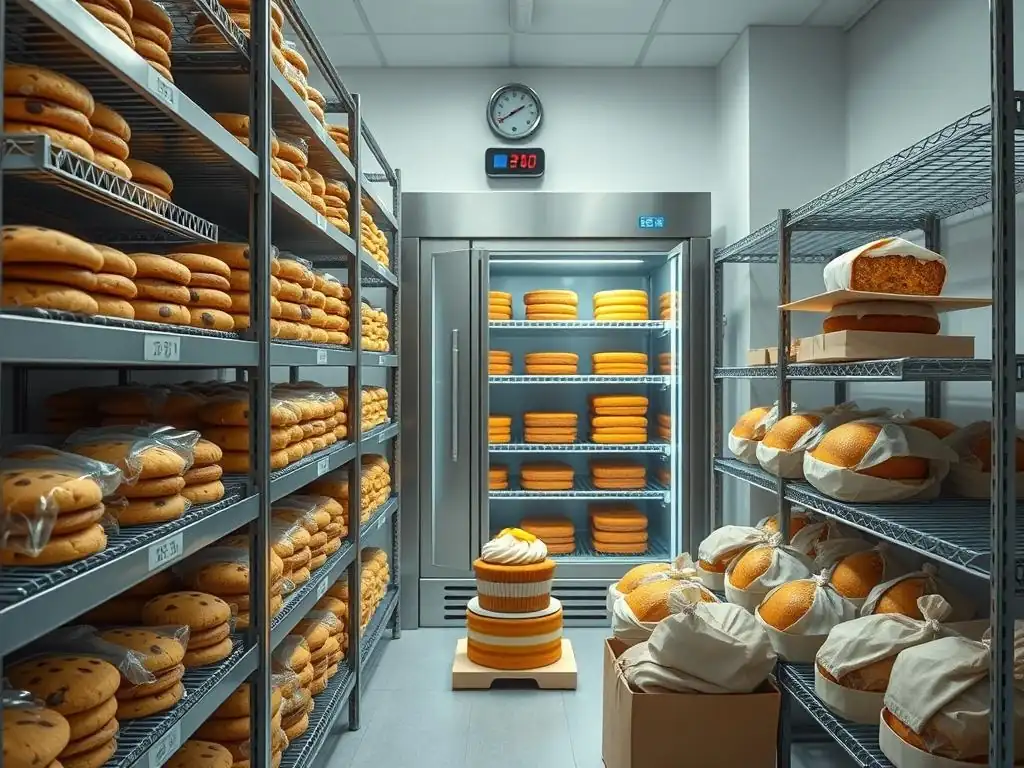
Moisture is a double-edged sword in baking storage. Too little leads to dryness and staling, while too much encourages mold and spoilage. The most common storage mistake is trapping excess moisture inside the container, usually by packaging items before they're fully cool or by not using appropriate packaging for the item's moisture level. For example, placing a still-warm muffin into an airtight plastic container will guarantee condensation and a soggy, mold-prone bake. Similarly, storing a very moist banana bread in a container without any airflow can lead to a damp surface that quickly develops mold.
To combat moisture buildup when you properly store baked goods, always ensure items are completely cool. For items prone to releasing moisture (like fruit-filled muffins or moist cakes), lining the container with a paper towel can help absorb excess humidity. For crusty breads, avoiding airtight plastic altogether and opting for paper or a bread box allows necessary air circulation. Regularly checking stored items for condensation is also a good practice; if you see significant moisture inside a container, it may be necessary to change the packaging or storage method.
Protecting Against Pests and Contamination
Beyond spoilage from microbes, baked goods must be protected from physical contaminants and pests. A home baking environment, even the cleanest one, can be susceptible to ants, rodents, or common kitchen pests if food is left exposed or improperly stored. Contamination can also come from dust, airborne particles, or even contact with unclean surfaces or hands after baking. For a business, such contamination is not only unappalling but a serious health hazard that can lead to customer illness and legal issues.
Properly storing baked goods means using containers that form a secure barrier against the outside world. Airtight containers are excellent for this purpose. Storage areas like pantries or shelves should be clean, dry, and free of any signs of pest activity. Regularly inspect storage areas and containers. Ensure all containers are washed and thoroughly dried before use. Simple practices like keeping storage areas tidy, storing items off the floor, and sealing containers immediately after putting bakes away are fundamental steps in preventing pests and contamination.
Labeling and Dating Your Stored Bakes
Implementing a clear labeling system is a simple yet incredibly effective practice for any baking business focused on food safety and inventory management. Guessing how long an item has been stored or what type of cake is in an opaque container is a recipe for potential waste and safety risks. Labels should include at a minimum: the name of the baked good (e.g., "Chocolate Chip Cookies"), the date it was baked, and potentially a "use by" or "freeze by" date based on your established shelf life guidelines for that item.
This practice helps you rotate stock using the "first-in, first-out" (FIFO) method, ensuring older items are used or sold before newer ones, minimizing the chance of selling or consuming expired goods. It also makes it easy to quickly identify contents, saving time and reducing the need to open containers unnecessarily (which can expose bakes to air and temperature fluctuations). Consistent and accurate labeling is a cornerstone of properly storing baked goods for business efficiency and safety.
Maintaining Food Safety Standards for Your Baking Business
Understanding Local Food Safety Regulations
Operating a home baking business means adhering to local food safety regulations, which vary significantly by location (state, county, city). These regulations often dictate requirements for handling, storage, labeling, and even the types of baked goods that can be sold from a home kitchen. For instance, some areas have strict rules about selling items that require refrigeration, like cheesecakes or cream-filled pastries, from a home setting due to the higher risk of bacterial growth if not properly handled and stored throughout the process, including transport.
It is crucial to research and understand the specific regulations in your area. Many health departments offer resources, guidelines, or even classes for home-based food businesses. Compliance ensures you are operating legally and safely, protecting both your business and your customers. Understanding these rules will directly inform how you must properly store baked goods, package them for sale, and advise your customers on storage.
Minimizing the Risk of Foodborne Illness
Foodborne illness is a serious threat to any food business. For a home baker, maintaining rigorous food safety standards is paramount. This starts with proper ingredient sourcing and storage, ensuring your raw materials are safe. During baking, cooking items to the correct internal temperatures kills most harmful bacteria. However, post-bake handling and storage are equally critical steps where contamination or bacterial growth can occur.
Minimizing risk involves several practices: always wash hands thoroughly before handling finished bakes; use clean utensils and surfaces; prevent cross-contamination by keeping raw ingredients (especially eggs or uncooked dough) away from finished products; cool items rapidly before storage if they are potentially hazardous (those requiring temperature control); and, as emphasized, properly store baked goods at the correct temperature (room, fridge, or freezer) in clean, appropriate containers. Educating customers on how to properly store the items after purchase is also a vital part of minimizing risk once the product leaves your hands.
Tips for Refreshing Stored Baked Goods
Even when you properly store baked goods, some items may lose a bit of their initial texture over time. Thankfully, many can be revived!
Reviving Stale Bread and Pastries
Stale bread often just needs a little moisture and heat to become palatable again. A whole or partial loaf can be quickly refreshed by running it under cold water or lightly misting it, then placing it in a hot oven (around 300-350°F or 150-175°C) for 5-10 minutes. The water turns to steam, rehydrating the crumb, while the heat crisps the crust.
This works best for lean, crusty breads. Stale croissants or danishes can also benefit from a brief reheat (3-5 minutes at 350°F) in a toaster oven or regular oven to help restore some flakiness, though they won't be quite like fresh-baked. Avoid microwaving bread or pastries to revive them, as this often makes them rubbery.
Cookies that have gone soft but were intended to be crisp can sometimes be crisped up again by placing them on a baking sheet in a low oven (around 300°F or 150°C) for just a few minutes (3-5). Watch them closely to prevent burning.
If soft cookies have gone hard, and you want to restore chewiness, storing them in an airtight container with a slice of bread or a marshmallow overnight often works wonders by transferring moisture. These refreshing techniques can help reduce waste and ensure customers enjoy every last bite, even if they don't eat them immediately after purchase.
Conclusion: Maximizing Freshness and Minimizing Waste
Mastering the art of properly storing baked goods is an essential skill for any home baking business aiming for success and sustainability. It's not merely about extending shelf life; it's about consistently delivering quality products that taste as good as they look, ensuring customer safety, and minimizing costly waste. By understanding the factors that affect freshness, utilizing appropriate storage containers and conditions, diligently preventing common mistakes like moisture buildup or pest contamination, and adhering to food safety regulations, you build a strong foundation for your business.
Implementing practices like proper cooling, using airtight storage for most items, knowing when to refrigerate or freeze, and clearly labeling everything transforms storage from an afterthought into a strategic component of your operation. These steps, combined with tips for refreshing items, empower you to manage your inventory effectively and ensure that every cookie, cake, and loaf leaving your kitchen meets the highest standards of freshness and safety. Investing time in learning and applying these storage savvy techniques is investing in the reputation and future of your baking business.
Frequently Asked Questions
How long can I safely store most baked goods at room temperature?
Generally, most baked goods, like cookies and cakes without creamy fillings, can be stored at room temperature for 1-2 days. However, this depends on the humidity and ingredients used.
What are the best containers for storing baked goods to maintain freshness?
Airtight containers are crucial! Use airtight containers or resealable bags to prevent baked goods from drying out. For crusty breads, consider a bread box to maintain the crust's texture.
How does refrigeration affect the quality of different baked goods?
Refrigeration can dry out some baked goods, but it's necessary for items with perishable fillings like cream cheese frosting. Wrap items tightly to minimize moisture loss in the fridge.
Can I freeze baked goods to extend their shelf life significantly?
Yes, freezing is a great option! Wrap baked goods tightly in plastic wrap, then place them in a freezer bag or airtight container. They can usually be frozen for 2-3 months without significant quality loss.
What are some signs that a baked good has gone bad and should be discarded?
Look for mold growth, a sour smell, or a sticky texture. If you notice any of these signs, it's best to discard the baked good to avoid potential foodborne illnesses.
Final Reflection: The Enduring Sweetness of Safe Storage
The proper storage of baked goods isn't just about extending shelf life; it's about preserving the integrity of your craft and ensuring customer satisfaction. A single instance of foodborne illness can irrevocably damage a bakery's reputation, highlighting the critical importance of understanding and implementing safe storage practices. This isn't merely a matter of following regulations; it's a commitment to quality and a testament to your dedication to your customers.
The impact of proper food handling and storage extends far beyond the immediate preservation of baked goods. It speaks to a broader cultural shift towards food safety awareness and consumer protection. This heightened awareness is vital for building trust and maintaining a positive brand image. As the old adage goes, A good reputation is more valuable than money.
This rings especially true in the food industry, where trust is the cornerstone of success. My own experiences in baking, both personally and professionally, have underscored the importance of meticulous storage – a single spoiled batch can be a costly lesson, but the knowledge gained is invaluable.
Now, consider your own baking practices. Are you confident in your storage methods? Take a moment to review your current techniques. Are you proactively minimizing risks, or are you relying on outdated methods?
This article serves as a springboard for improvement, a call to action to elevate your baking business through the implementation of best practices. By prioritizing safe storage, you're not just extending the shelf life of your creations; you're investing in the longevity and success of your entire enterprise. Embrace the challenge, refine your techniques, and let the enduring sweetness of your baked goods be a testament to your commitment to quality and safety.
Unlock Your Baking Business's Potential: Extend Shelf Life, Expand Reach!
Thanks for taking the time to learn about extending the shelf life of your delicious bakes! You've now got the knowledge to keep your treats fresh and safe, maximizing your business potential. Ready to put this new expertise into action?
- Prioritize your most perishable items: Identify your fastest-selling baked goods and implement the most effective preservation strategies first to minimize waste and maximize profits.
- Share your newfound knowledge: Discuss the best storage practices for your specific bakes with your team or in online baking communities. This could lead to collaborative solutions!
- Experiment with new preservation methods: Try a new technique from the article and track its impact on your products' shelf life. Detailed notes will help you refine your approach and optimize your baking process.
What's one small change you'll make to your baking business to extend the shelf life of your delicious creations?