
It's Not Just Cake: Pricing the Experience of Your Unique Baked Goods

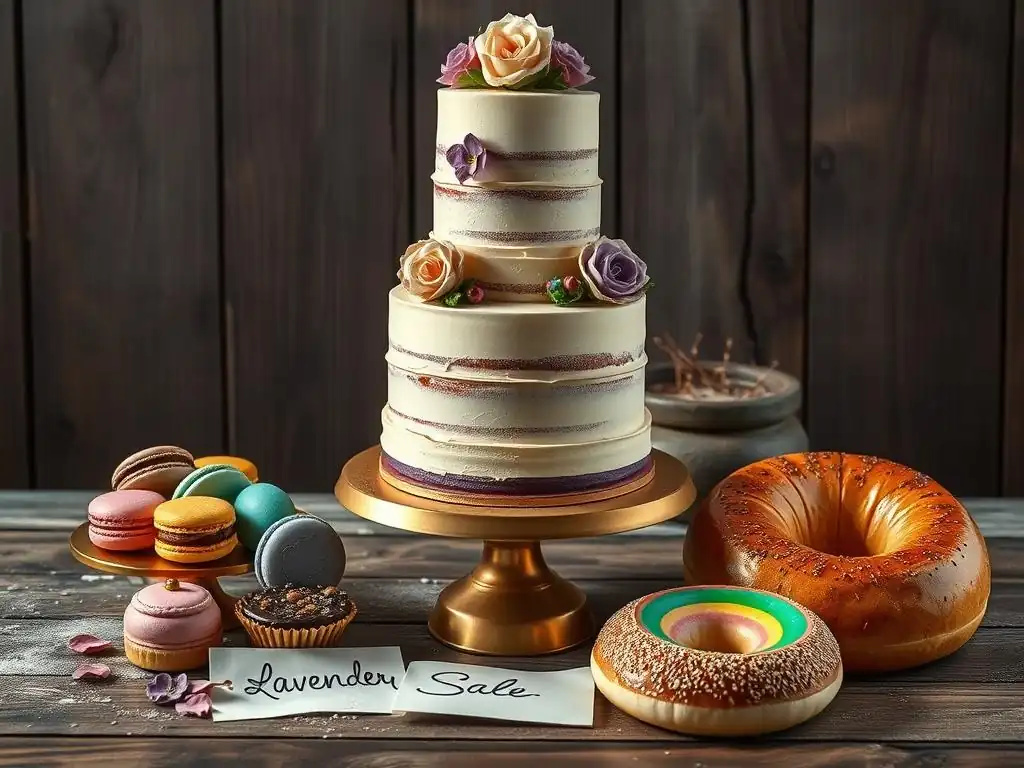
Welcome to BakeWithEase, where the joy of baking meets practical business savvy! Ever wondered if you're really capturing the value of your delicious creations? Dive in and discover a unique baked goods pricing strategy that goes beyond ingredients and labor. We'll explore how to price the experience of your baking, unlocking the true potential of your home baking business. Ready to make your passion profitable?
Beyond Ingredients: Defining the "Artisan" in Your Baked Goods
The term "artisan" implies more than just the sum of flour, sugar, and eggs. It speaks to the skill, creativity, and personal touch poured into each creation. Think about a simple vanilla cake: a home baker might follow a basic recipe, but an artisan baker elevates it with techniques like reverse creaming for a finer crumb, infusing milk with scraped vanilla beans for deeper flavor, or crafting a flawless Swiss meringue buttercream.
This level of detail, the mastery of technique honed over countless hours of practice and perhaps formal training, is a significant part of the value proposition for your unique baked goods. It’s the difference between a mass-produced item and a handcrafted piece of edible art.
Furthermore, the "artisan" label encompasses the unique vision and innovation you bring to the table. This could be developing signature flavor combinations that are entirely your own, like a lavender honey cake with lemon curd filling, or specializing in complex designs that require advanced skills, such as sculpted cakes or multi-tiered wedding cakes with intricate piping.
It's the dedication to perfecting a single type of pastry, like mastering the elusive flaky layers of a croissant or achieving the ideal chewy-crisp texture of a macaron. This commitment to uniqueness and quality, the result of your passion and expertise, is what sets your baked goods apart and justifies a premium price point in your unique baked goods pricing strategy.
Identifying Your Target Customer and Their Appreciation for Quality
Your ideal customer for unique baked goods isn't typically someone looking for the cheapest option at the grocery store. They are individuals who value quality, taste, and often, a personal connection to the product. They might be celebrating a special occasion – a birthday, anniversary, or engagement – and want a centerpiece dessert that is both delicious and visually stunning.
They appreciate knowing where their food comes from and are willing to pay more for premium, often locally sourced or organic ingredients. These customers are often found browsing farmers' markets, specialty food shops, or following local food artisans on social media.
Understanding this customer means recognizing that they are buying an experience, not just a dessert. They are purchasing the peace of mind that comes with knowing their cake will be exactly as they envisioned, the delight of a flavor profile they can't find anywhere else, and the joy of supporting a local, passionate baker. This customer segment values the story behind your business, the care that goes into each batch, and the reliability of receiving a high-quality product consistently. Their appreciation for these intangible elements is crucial when developing your unique baked goods pricing strategy.
- Beyond Ingredients: Defining the "Artisan" in Your Baked Goods
- Identifying Your Target Customer and Their Appreciation for Quality
- What factors should I consider besides ingredients when pricing my unique baked goods?
- How can I determine the perceived value of my unique baked goods?
- What is a "cost-plus" pricing strategy, and is it suitable for unique baked goods?
- How do I factor in marketing and branding when pricing my baked goods?
- What are some common pricing mistakes to avoid when selling unique baked goods?
Developing an Artisan Baked Goods Pricing Strategy: A Multi-Faceted Approach
Calculating the Cost of Goods Sold (COGS) for Small-Batch Baking
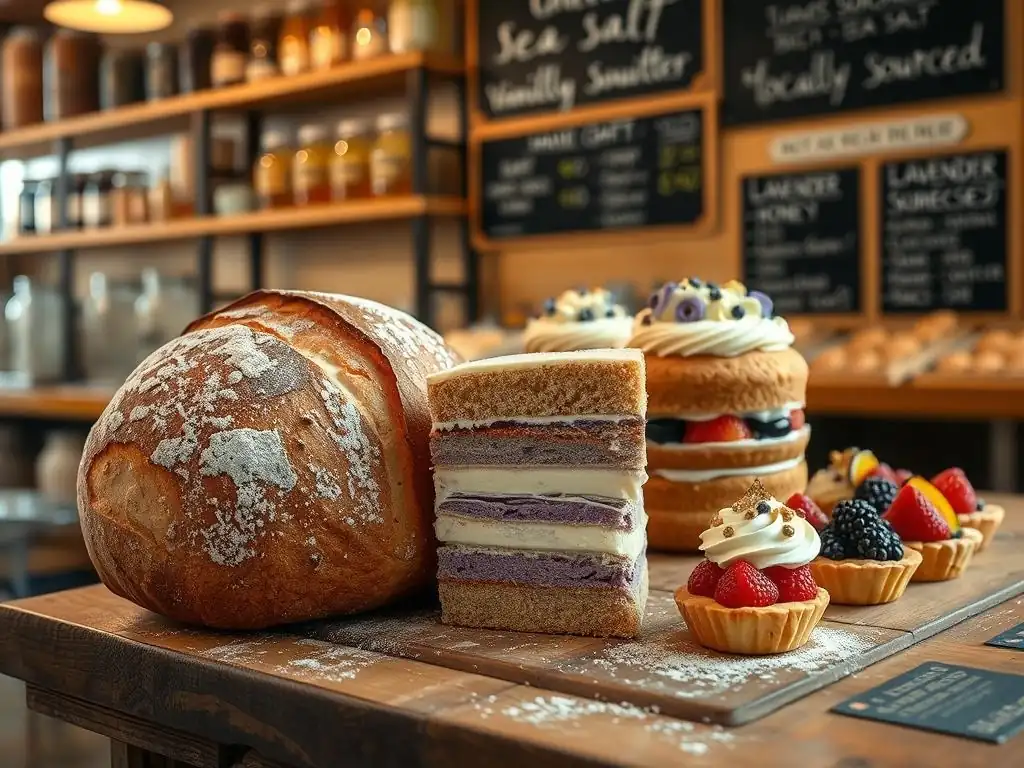
Calculating your Cost of Goods Sold (COGS) is the foundational step in setting a profitable unique baked goods pricing strategy. COGS includes all direct costs associated with producing your baked goods. This isn't just the obvious ingredients; it also covers packaging materials, labels, and potentially even utilities directly tied to baking time (though utilities can be tricky to allocate precisely).
For a small batch of 12 gourmet cupcakes, for example, you need to track the exact cost of the fraction of the bag of flour, the number of eggs, grams of sugar, milliliters of extract, and grams of butter used. Ignoring even small costs like a pinch of salt or baking powder will lead to underpricing.
A detailed COGS calculation helps you understand the baseline cost of production before you even consider your time or desired profit. For a batch of artisanal chocolate chip cookies, the cost might include premium chocolate chunks at $10/lb, high-fat butter at $7/lb, and organic flour at $3/lb, totaling significantly more per cookie than using standard ingredients. Tracking these costs meticulously, perhaps in a spreadsheet, allows you to see exactly how much it costs to make one unit of each product you offer. This is indispensable for informed decision-making in your unique baked goods pricing strategy.
Detailed Breakdown of Ingredient Costs: Locally Sourced Butter and Organic Eggs
Ingredient costs can vary dramatically based on quality and sourcing. Using locally sourced butter from a small dairy, for instance, might cost $7-$9 per pound compared to conventional butter at $4-$5 per pound. Similarly, organic, free-range eggs could run $6-$7 per dozen, while standard eggs are often $3-$4. While the per-unit difference might seem small initially, across a large batch or multiple orders, these premium ingredients add up significantly. For a cake requiring 1.5 lbs of butter and 6 eggs, opting for premium ingredients could add $5-$7 just to the ingredient cost compared to using standard options.
Tracking these specific costs is vital for your unique baked goods pricing strategy. It's not enough to know you used "butter"; you need to know which butter and how much it cost you per gram or ounce. Maintaining a price list of your commonly used ingredients, updated periodically (perhaps quarterly), ensures your COGS calculations remain accurate. This level of detail allows you to confidently explain to customers why your price reflects the quality of ingredients used, like mentioning "made with creamy European-style butter" or "using farm-fresh organic eggs."
Packaging and Presentation Costs: Eco-Friendly Boxes and Custom Ribbons
Packaging is a critical, often underestimated, cost component in your unique baked goods pricing strategy, especially for artisan products where presentation is key. Standard white cake boxes might cost $1-$2 each, but sturdy, eco-friendly boxes made from recycled materials with a window could cost $3-$5 or more. Adding custom touches like branded stickers ($0.10-$0.50 each), satin ribbons ($0.20-$0.80 per item), or custom-printed labels ($0.30-$0.60 each) further increases the cost per item.
Consider a box of a dozen gourmet cupcakes. The box itself might be $3. Adding custom cupcake liners ($0.20 each), a branded sticker to seal the box ($0.30), and a decorative ribbon ($0.50) adds an extra $3.20 to the packaging cost for that single box. This packaging doesn't just protect the product; it enhances the perceived value and contributes to the overall customer experience. Incorporating these costs accurately into your COGS is essential to ensure your unique baked goods pricing strategy is sustainable and profitable.
Incorporating Labor Costs: Valuing Your Baking and Artistic Skills
Your time is valuable, and failing to account for it is a major pitfall in home baking businesses. Labor costs include all the time you spend on tasks directly related to fulfilling an order: mixing batter, baking, cooling, decorating, packaging, and even cleanup. For a custom-decorated cake, the baking might take 1-2 hours, but the intricate decoration work – piping elaborate designs, creating sugar flowers, or sculpting figures – could easily take an additional 5-10 hours or even more, depending on complexity. Ignoring this time means you are essentially working for free.
To incorporate labor into your unique baked goods pricing strategy, you need to assign an hourly rate to your time. This rate should reflect your skill level, experience, and what you would ideally earn. Don't just aim for minimum wage; consider your expertise as a skilled artisan. If a specific custom cake takes you 8 hours from start to finish (baking included) and you value your time at $25/hour, you need to add $200 to the cost of that cake before considering ingredients, packaging, or profit.
Determining Your Hourly Rate for Baking and Intricate Decoration
Setting an hourly rate for your baking and decoration time requires careful consideration. Start by thinking about what you want to earn per hour, considering your skill level and experience. A good starting point might be above your local minimum wage, perhaps $15-$25 per hour for general baking, and potentially higher, $30-$50+ per hour, for highly specialized or intricate decoration work like complex sugar art, airbrushing, or detailed sculpting. Track the time spent on different types of tasks for a few orders to get an average.
Once you have an hourly rate, apply it to the estimated time each product takes. A batch of 24 standard cookies might take 1 hour total (mixing, baking, packaging), adding $15-$25 in labor. A highly detailed wedding cake could take 20-30 hours of focused work, adding $600-$1500+ in labor costs alone. This might seem high initially, but it reflects the true cost of your skilled craftsmanship and is vital for a sustainable unique baked goods pricing strategy.
Accounting for Recipe Refinement and Sourcing Unique Ingredients
Beyond the direct labor of baking, your time is also spent on essential, but less obvious, tasks like recipe development, testing, and sourcing unique ingredients. Perfecting a complex recipe, like a multi-component entremet or gluten-free sourdough, can involve dozens of trial batches and many hours of experimentation and refinement. This research and development time is an investment in your product quality and uniqueness.
Sourcing specialty ingredients, such as finding the best single-origin cocoa powder, tracking down rare spices, or locating suppliers for organic edible flowers, also takes time and effort. You might spend hours researching vendors, comparing quality and prices, and coordinating deliveries. While this isn't tied to a single order's production, it's a necessary part of offering unique baked goods. You can account for this by slightly increasing your hourly rate to cover administrative/sourcing time or by adding a small percentage markup to your COGS to cover overhead like R&D.
Competitive Analysis: Researching Prices for Similar Artisan Baked Goods
Understanding what others are charging for similar unique baked goods in your market is crucial for setting your own prices. This doesn't mean you should just copy their prices, but it gives you a benchmark and helps you position your products. Look at businesses with a similar quality level, target audience, and product complexity. Are you comparing your intricate custom cakes to grocery store sheet cakes or to cakes from high-end local patisseries? Be realistic about where your products fit in the market.
Researching competitors involves more than just checking their websites for price lists (which aren't always public). Look at their social media to see the types of custom work they showcase and the perceived value. If possible, inquire about pricing for specific items. Note not just the base price but also what's included (e.g., simple decoration vs. complex). This analysis helps you ensure your unique baked goods pricing strategy is competitive while still reflecting your specific costs and value.
Identifying Your Direct Competitors: High-End Patisseries and Specialty Shops
Your direct competitors for unique baked goods are typically not large commercial bakeries. Instead, they are other home-based bakers specializing in custom work, local high-end patisseries, bespoke cake shops, and specialty bakeries focusing on niche items (like vegan or gluten-free artisan goods). These businesses likely share a similar target audience willing to pay a premium for quality and uniqueness.
Spend time researching these specific businesses in your geographic area or online if you ship. Look at their websites, social media feeds (especially Instagram, which is popular for showcasing visual baked goods), and any online reviews. Note the range of products they offer, the complexity of their designs, and any publicly available pricing information or price guides. This focused research provides valuable insights into the market's willingness to pay for high-quality, unique baked goods.
Analyzing Pricing Trends for Premium Cakes and Pastries
Once you've identified competitors, analyze their pricing trends for specific types of premium items. For example, what is the typical price range for a custom 8-inch round cake with buttercream and moderate decoration in your area? You might find prices ranging from $80 to $150+, depending on the baker's reputation and complexity. How much do gourmet cupcakes sell for individually or by the dozen? A single high-end cupcake might be $4-$6, while a dozen could be $45-$60+.
Look at their pricing models. Do they charge per serving for cakes? Do they have minimum order values? Are complex decorations priced separately? This analysis helps you understand common practices in the premium market and informs how you structure your own unique baked goods pricing strategy. Remember that these are benchmarks; your final price must still cover your specific costs and desired profit.
Pricing Psychology: Influencing Customer Perception of Value
Pricing isn't purely mathematical; it's also psychological. How you present your prices and your products significantly influences how customers perceive their value. A higher price, when justified by clear quality and unique features, can actually enhance the perceived value of your goods. Customers often associate higher prices with higher quality, especially for luxury or artisan items.
Leveraging pricing psychology means focusing on communicating the value you offer, not just the price tag. This involves everything from your branding and website aesthetics to the descriptions of your products and how you interact with customers. Your unique baked goods pricing strategy should be presented in a way that makes the customer feel they are making a worthwhile investment in a special experience.
Exquisite presentation is paramount when selling unique baked goods and is a powerful tool for justifying premium pricing. A cake that is perfectly frosted, has sharp edges, and features intricate, clean piping or beautifully crafted sugar flowers immediately communicates a high level of skill and attention to detail. This visual appeal alone elevates the product from a simple dessert to a work of art.
Think about how high-end patisseries display their pastries in pristine cases or how custom cake designers showcase their creations in professional photographs. The visual quality reinforces the artisan nature of the product and supports a higher price point. Investing in good photography to showcase your work is essential. When a customer sees a stunning image of a cake you created, the higher price tag becomes more understandable because they can visually appreciate the craftsmanship involved. This is a key component of a successful unique baked goods pricing strategy.
Creating a Sense of Exclusivity: Pre-Orders and Limited Availability
Creating a sense of exclusivity can also influence customer perception and support a higher price. Offering special flavors for a limited time only, announcing pre-orders for holiday specials (like elaborate Christmas cookie boxes or unique Easter pastries), or having limited slots available for custom cake orders makes your products feel more desirable and exclusive.
When customers know that your unique baked goods are not always available on demand, they perceive them as more special and are often willing to pay a premium to secure them. This strategy works well for seasonal items or highly labor-intensive creations. Announcing "Pre-orders open Tuesday at 9 AM, limited quantities available!" builds anticipation and leverages the psychological principle of scarcity, reinforcing the value in your unique baked goods pricing strategy.
Bundling and Upselling Strategies for Increased Order Value
While focusing on individual item pricing is key, consider strategies to increase the overall order value through bundling and upselling. Offering complementary items as add-ons can encourage customers to spend more. For example, if a customer is ordering a custom cake, you could offer a discounted dozen of matching cupcakes, a box of gourmet cookies as favors, or coordinating cake pops.
Creating curated bundles, such as a "Dessert Table Package" that includes a small cake, cupcakes, and macarons, can also be appealing and simplifies the ordering process for the customer while increasing your average transaction value. Upselling involves suggesting a higher-priced or more complex option when a customer is inquiring – perhaps suggesting a more elaborate decoration style for their cake order. These strategies, while not directly changing the base price of an item, optimize your overall revenue within your unique baked goods pricing strategy.
Implementing Your Artisan Baked Goods Pricing Strategy
Setting Initial Prices and Monitoring Customer Interest
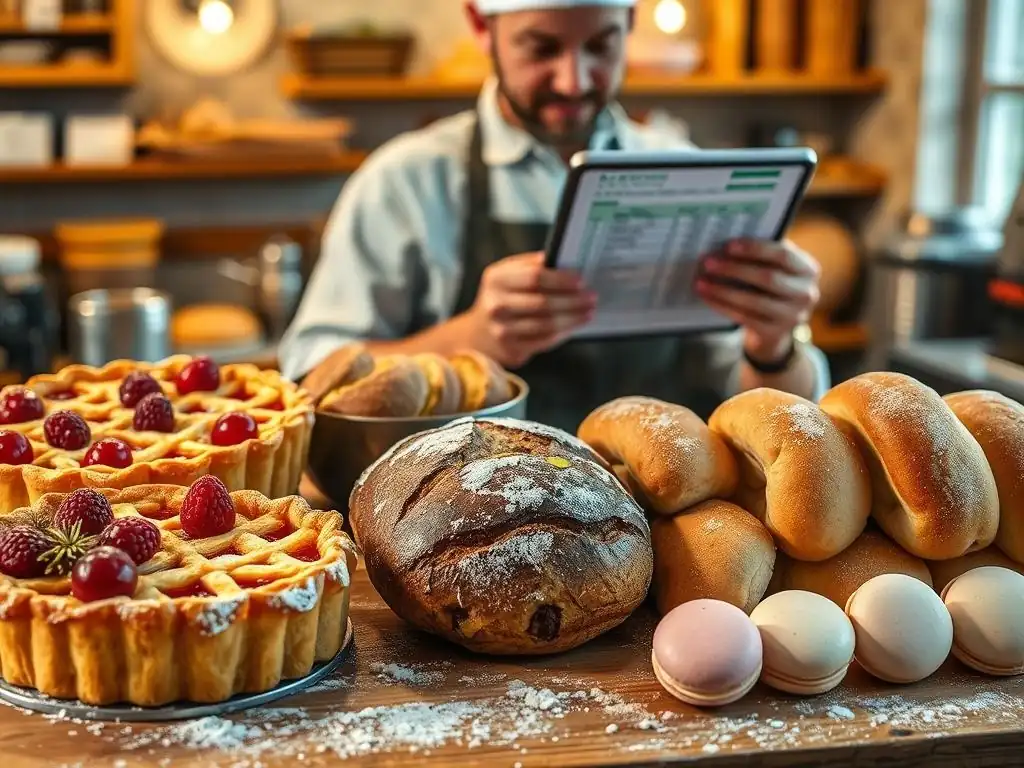
Once you've calculated your costs, determined your desired profit margin, and researched competitors, it's time to set your initial prices. It's often wise to start slightly on the conservative side, perhaps at the lower end of the competitive range for comparable quality, while still ensuring you cover costs and make a profit. Clearly list your prices or provide a detailed guide on how custom orders are priced (e.g., base price per serving + decoration fees).
After setting prices, actively monitor customer response. Are you getting inquiries? Are orders being placed? Is there any feedback about pricing being too high or too low? Pay attention to which items sell well and which don't. Initial pricing is rarely permanent; it's a starting point for your unique baked goods pricing strategy that you will refine based on real-world feedback and sales data. Don't be afraid to adjust as you learn more about your market.
Adjusting Prices Based on Ingredient Costs and Seasonal Demand
Your unique baked goods pricing strategy isn't static; it needs to be flexible to account for fluctuations in costs and demand. Ingredient prices can change significantly due to seasonality, weather, or global supply chain issues. For example, the cost of vanilla beans can be highly volatile, sometimes doubling or tripling in price over a year. Dairy and egg prices also fluctuate.
Regularly reviewing your COGS (perhaps quarterly) and adjusting prices accordingly is essential to maintain profitability. Similarly, demand for certain items might surge during holidays (e.g., pies for Thanksgiving, decorated cookies for Christmas). While you might not increase the base price drastically, you might introduce limited-edition, higher-priced holiday items or implement minimum order values during peak seasons. This adaptability is key to a successful long-term unique baked goods pricing strategy.
Communicating Your Value Proposition to Customers
Simply stating a price isn't enough; you need to effectively communicate why your unique baked goods are worth that price. This involves highlighting the quality of your ingredients, the care and skill that goes into each item, and the unique aspects of your creations. Use your website, social media, and conversations with customers as opportunities to tell your story and emphasize your value proposition.
Instead of just listing "Chocolate Cake," describe it as "Decadent Chocolate Cake made with 70% Belgian dark chocolate and organic butter." Share photos and videos of your process, showcasing the intricate decoration work or the fresh, high-quality ingredients you use. Educating your customers about what makes your baked goods special helps them understand and accept your unique baked goods pricing strategy.
Highlighting the Source and Quality of Ingredients
Customers who seek out artisan goods often care deeply about the origin and quality of their food. Make it a point to highlight the premium ingredients you use. Mentioning that you use "local farm-fresh eggs," "sustainable, ethically sourced chocolate," or "organic flour from a regional mill" adds significant value in the eyes of these customers.
You can include brief descriptions on your menu or website, or mention it when discussing custom orders. Sharing photos of the high-quality butter or fresh fruit you're using reinforces the message. This transparency builds trust and justifies your unique baked goods pricing strategy by demonstrating that the higher cost is directly tied to superior inputs.
Showcasing Awards, Recognition, and Positive Customer Feedback
Social proof is a powerful tool in validating your prices and building trust. If your unique baked goods have received any awards, mentions in local publications, or positive recognition (e.g., winning a baking competition), prominently display this information. Testimonials and positive reviews from satisfied customers are also incredibly valuable.
Share glowing feedback on your website or social media (with permission). A quote like, "The wedding cake Sarah made was the most beautiful and delicious cake we've ever had!" - Emily & John, speaks volumes about the quality and experience you provide. Highlighting positive experiences and accolades reinforces your reputation as a skilled artisan and helps potential customers feel confident in your unique baked goods pricing strategy.
Tools and Resources for Pricing Your Home Baking Business
Spreadsheet Software for Cost Analysis and Profit Margin Tracking
Simple spreadsheet software like Microsoft Excel, Google Sheets, or even Apple Numbers is an invaluable tool for managing your unique baked goods pricing strategy. You can create detailed spreadsheets to track ingredient costs per recipe, calculate COGS per item, and track your labor time.
Set up columns for ingredient, unit cost, quantity used in a recipe, and cost per recipe. Then, divide the recipe cost by the yield (e.g., number of cookies or servings) to get the COGS per unit. You can also add columns for labor cost per item, packaging cost, and desired profit margin to easily calculate your selling price. This allows you to see your profit margin for each product and make informed decisions about pricing adjustments.
Inventory Management Systems for Tracking Ingredients and Supplies
Maintaining an accurate inventory helps you track ingredient usage, reduce waste, and ensure your COGS calculations are based on current stock costs. For a small home baking business, a simple notebook, a spreadsheet, or a basic app can function as an inventory system.
Record ingredients when they are purchased (along with their cost) and track their usage as you bake. This helps you know when to reorder and provides real-time data for your costing. Knowing exactly how much flour or sugar you have on hand and its cost is fundamental to accurately calculating COGS for your unique baked goods pricing strategy.
Platforms like Instagram, Facebook, and Pinterest are essential visual tools for promoting your unique baked goods. High-quality photos and videos showcasing your creations are crucial for attracting customers who appreciate artisan work. Use these platforms to tell the story behind your baking, highlight your premium ingredients, and share customer testimonials.
Engage with your audience, respond to comments, and use relevant hashtags to reach potential customers interested in custom cakes, gourmet cookies, or specialty pastries. While not a pricing tool itself, effective social media marketing increases demand and reinforces the perceived value of your products, supporting your unique baked goods pricing strategy.
Avoiding Common Pricing Mistakes for Home Bakers
Undervaluing the Time Spent on Intricate Designs
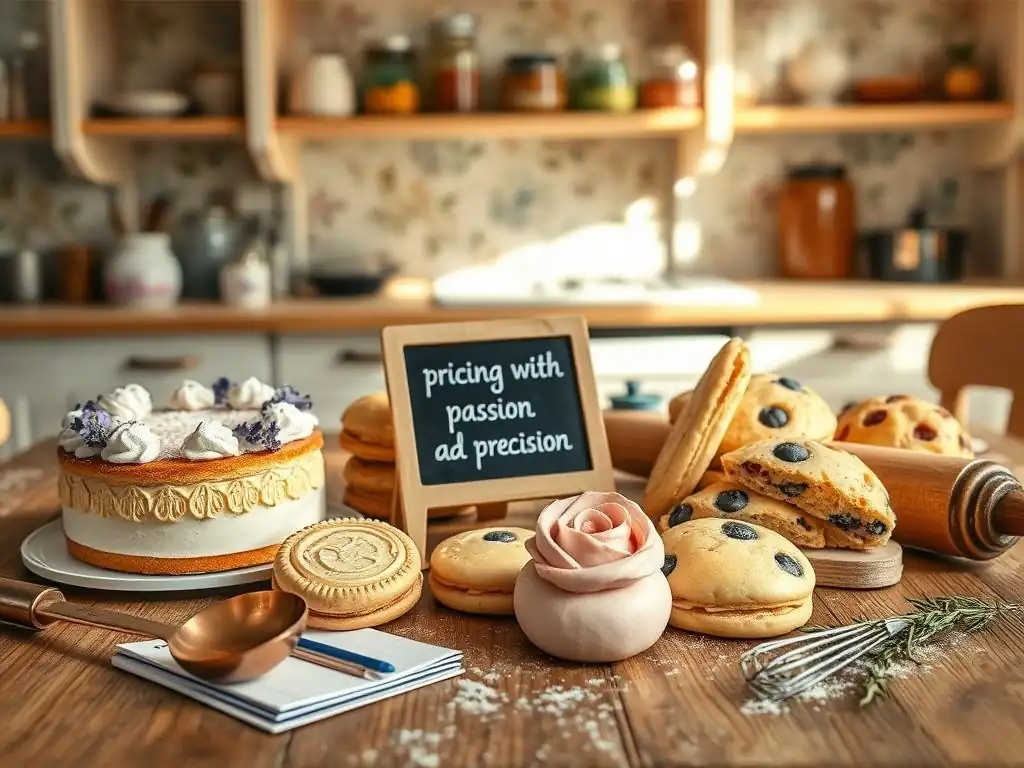
One of the most frequent mistakes home bakers make is severely underestimating or completely ignoring the value of their time, especially for intricate designs. A cake with complex sugar flowers, hand-painted details, or sculpted elements can take many hours – sometimes days – to complete. If you charge only for ingredients and a small markup, you are essentially paying to practice your skills rather than running a profitable business.
Remember that the customer isn't just paying for the ingredients; they are paying for your years of practice, your artistic talent, and the labor involved in creating something truly unique. Always track your time on custom projects and ensure your unique baked goods pricing strategy includes a fair hourly rate for your skilled labor.
Ignoring the Cost of High-Quality and Specialty Ingredients
Using premium ingredients is often what makes your unique baked goods stand out, but these ingredients come at a higher cost. Failing to accurately track and incorporate the cost of specialty items like imported chocolate ($15-$20/lb), real vanilla bean paste ($10-$15/oz), or organic fruit ($4-$6/lb) into your pricing will erode your profit margins.
It's easy to round down or estimate ingredient costs, but precision is key. Keep receipts, track unit costs, and use accurate measurements in your recipes. Your unique baked goods pricing strategy must reflect the true cost of the high-quality components that differentiate your products.
Failing to Adjust Pricing for Inflation and Market Fluctuations
The cost of ingredients, packaging, and even utilities can increase over time due to inflation or market conditions. Forgetting to review and adjust your prices periodically means your profit margins will shrink as your costs rise. For example, if flour and sugar costs increase by 10% over a year, and you don't raise your prices, that 10% comes directly out of your potential profit.
Make it a habit to review your unique baked goods pricing strategy at least annually, and ideally quarterly, especially for core ingredients. Stay aware of market trends and competitor pricing. Don't be afraid to implement small price increases when necessary, but be prepared to communicate the reasons to loyal customers if asked.
Conclusion: Mastering the Art of Pricing Your Artisan Baked Goods
Frequently Asked Questions
What factors should I consider besides ingredients when pricing my unique baked goods?
Beyond ingredient costs, consider the time invested, the skill required, and the uniqueness of your offering. These contribute to the overall experience you're selling, not just the product.
How can I determine the perceived value of my unique baked goods?
Research your target market to understand their willingness to pay. Consider comparable items (if any exist) and factor in the rarity and artistry of your creations.
What is a "cost-plus" pricing strategy, and is it suitable for unique baked goods?
Cost-plus pricing involves calculating all costs and adding a markup. While useful, it may undervalue unique creations that offer an exceptional experience. Consider a value-based approach instead.
How do I factor in marketing and branding when pricing my baked goods?
A strong brand and effective marketing increase perceived value. Higher prices can be justified if you create a premium brand image and effectively communicate the unique qualities of your baked goods.
What are some common pricing mistakes to avoid when selling unique baked goods?
Underselling your creations is a major mistake. Don't be afraid to price competitively based on the value you offer, even if it's higher than mass-produced alternatives. Also, avoid inconsistent pricing across different channels.
Final Reflection: The Sweet Success of Pricing Your Passion
The art of pricing unique baked goods isn't just about the cost of ingredients; it's about recognizing and valuing the experience you offer. In a market saturated with mass-produced treats, understanding your unique selling proposition and translating that into a profitable pricing strategy is crucial for survival and, more importantly, thriving. This isn't just about making a living; it's about ensuring your passion project can sustain itself and continue to delight customers.
The impact of thoughtfully crafted pricing extends far beyond the immediate transaction. It shapes the perception of your brand, influencing customer loyalty and attracting those who appreciate the artistry and dedication behind each creation. The price is not just a number; it's a statement of value.
This quote resonates deeply because it highlights how pricing reflects not only the cost of production but also the intangible elements – the time, skill, creativity, and passion poured into each baked good. The pricing strategy discussed in this article directly impacts a baker's ability to invest in growth, experiment with new recipes, and ultimately, continue to create the unique experiences that customers crave.
Now, consider your own unique offerings. What makes your baked goods special? What experience are you selling beyond the taste? Don't undervalue your skills and passion. Take the time to analyze your costs, understand your target market, and confidently price your creations to reflect the true value you bring. Embrace the journey of building a sustainable and fulfilling business around your passion for baking. The sweet taste of success awaits those who dare to price their unique creations accordingly.
Unlock Your Baking Business's True Potential!
Thanks for diving into the world of profitable pricing! You've just learned how to value your unique baked goods beyond mere ingredients. Now, it's time to put that knowledge into action.
Here's how to take the next step:
- Develop your pricing strategy: Use the formulas and tips from the article to calculate profitable prices for your signature creations. Don't undervalue your artistry and hard work!
- Test and refine: Try out your new pricing on a small scale, gathering feedback from your customers to see what resonates best. Don't be afraid to adjust!
- Share your pricing journey: Tell us about your experience! What challenges did you overcome? What successes did you celebrate? We'd love to hear from you in the comments.
Ready to bake your way to greater success? What’s your biggest pricing hurdle, and how will you overcome it?