
MakeAhead & Freezable EggFree Bakes: Tips to Save Time and Stay Fresh

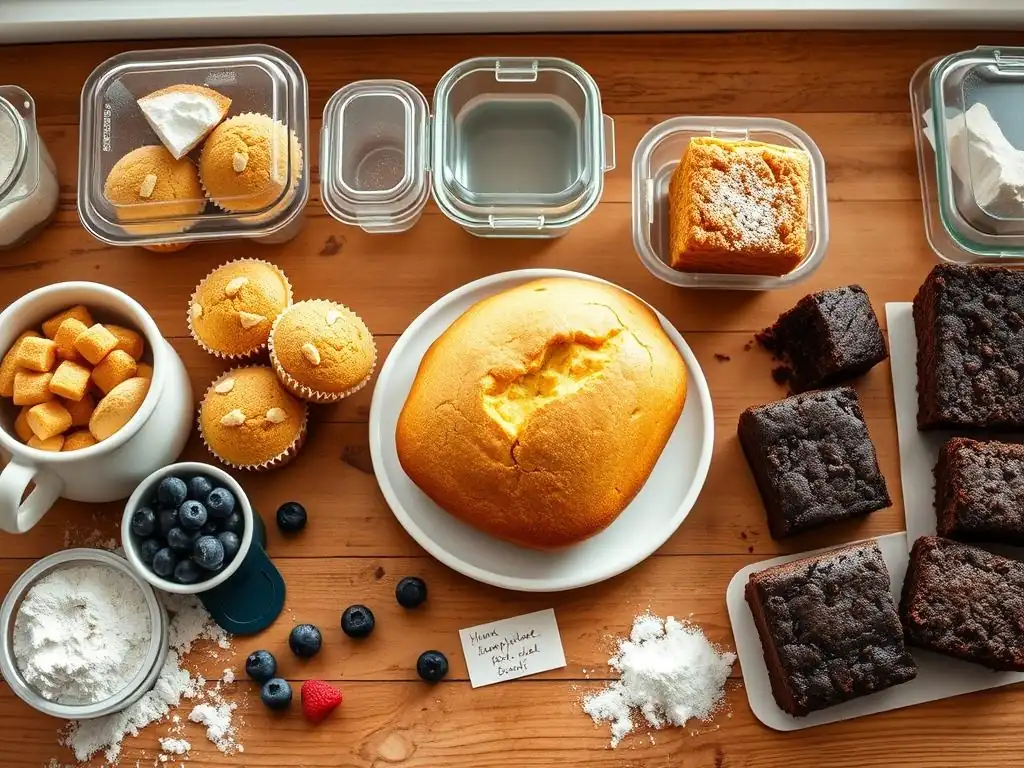
Welcome to BakeWithEase, where delicious baking meets effortless simplicity!
Ever dreamt of enjoying freshly baked, egg-free treats without the fuss? Dive into our latest guide, " MakeAhead & Freezable EggFree Bakes: Tips to Save Time and Stay Fresh," and unlock the secrets to planning ahead. Discover practical eggfree baking freezing tips that will transform your baking routine and ensure you always have a delightful, allergy-friendly treat ready to enjoy. Curious to learn how to keep your egg-free creations perfectly fresh and freezer-ready? Let's get baking!
- BakeWithEase Presents: Mastering Egg-Free Baking with Freezing Techniques
- Essential Tips for Freezing Egg-Free Bakes Successfully
- Freezing Specific Egg-Free Baked Goods: A Detailed Guide
- Thawing and Reheating Egg-Free Frozen Baked Goods
- Troubleshooting Common Egg-Free Freezing Problems
- Egg-Free Baking Freezing: A Summary for BakeWithEase Home Bakers
-
Frequently Asked Questions
- How can I adapt a traditional baking recipe to be egg-free and still freeze well?
- What are some common ingredients used in egg-free baking that freeze well?
- What's the best way to freeze egg-free baked goods to prevent freezer burn?
- How long can I safely store egg-free baked goods in the freezer?
- What's the best method for thawing frozen egg-free baked goods?
- Final Reflection: Unlocking the Joy of Effortless Egg-Free Baking
- Unlock Your Baking Freedom: Effortless Egg-Free Treats
BakeWithEase Presents: Mastering Egg-Free Baking with Freezing Techniques
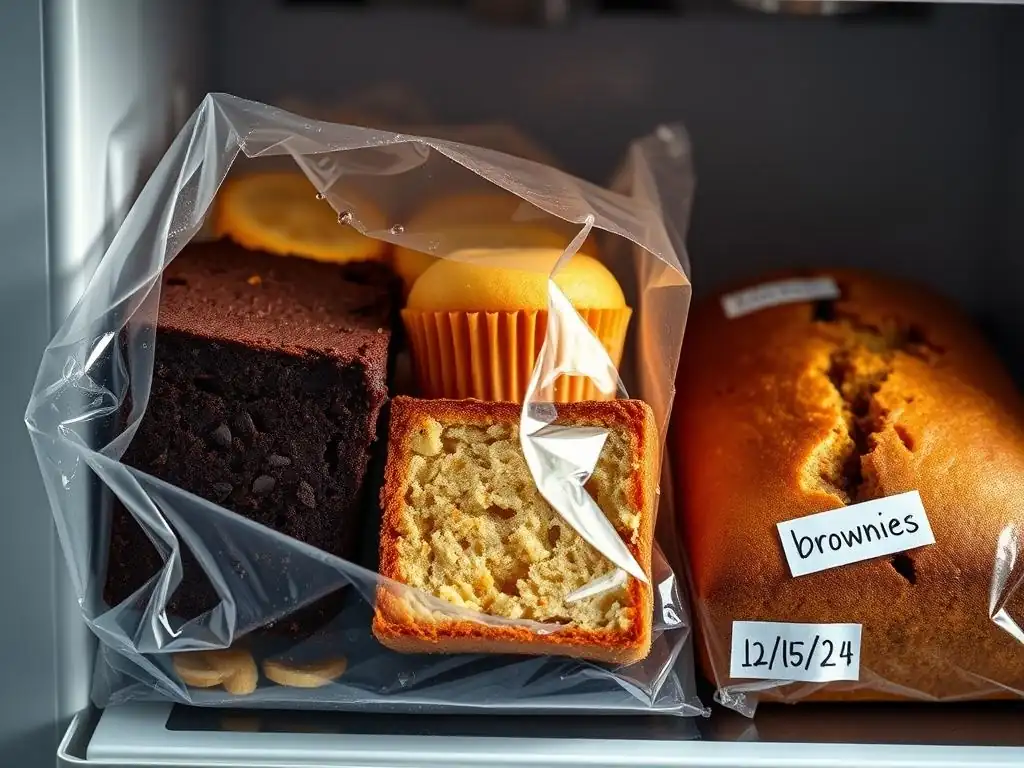
The Convenience of Make-Ahead Egg-Free Baking
One of the biggest advantages of incorporating freezing into your egg-free baking routine is the incredible time savings. Imagine having a batch of your favorite egg-free chocolate chip cookies or a loaf of moist egg-free banana bread ready to go at a moment's notice. By dedicating a few hours on a weekend to bake multiple items or larger batches, you can stock your freezer with delicious treats that require minimal effort during busy weekdays. This make-ahead strategy is particularly useful for packed lunches, unexpected guests, or simply satisfying a sudden craving without starting from scratch.
This approach to egg-free baking freezing tips allows for significant flexibility. For instance, you could bake a double batch of egg-free muffins on a Sunday evening – perhaps 24 muffins instead of 12. After cooling, half can be enjoyed fresh, while the other half are carefully packaged and frozen. Throughout the week, you can grab a muffin or two directly from the freezer to thaw for breakfast or a snack, saving you the 30-40 minutes it would take to mix and bake a fresh batch. This efficiency is key for busy home bakers navigating dietary needs.
Extending Shelf Life: Freezing for Optimal Freshness in Egg-Free Recipes
Freezing is a remarkable way to preserve the quality and extend the shelf life of your egg-free baked goods far beyond their typical counter or refrigerator life. While an egg-free cake might stay fresh at room temperature for 2-3 days or in the fridge for 5-7 days, freezing can maintain its quality for 4-6 months, sometimes even longer if properly packaged. This drastic extension means you don't have to worry about your delicious bakes going stale or bad before you have a chance to enjoy them all.
Proper egg-free baking freezing tips focus on locking in moisture and preventing spoilage. For example, a batch of egg-free sugar cookies might last only a week in a cookie jar. However, if you freeze them correctly, they can remain tasting nearly as fresh as the day they were baked for up to 6 months. This preservation method is vital for minimizing food waste and ensuring that the effort you put into baking provides enjoyment over an extended period. It’s like having a personal bakery stocked with your favorite egg-free treats, always on demand.
Essential Tips for Freezing Egg-Free Bakes Successfully
Choosing the Right Recipes for Egg-Free Freezing
Not all egg-free recipes are equally suited for freezing. Generally, denser baked goods tend to freeze and thaw better than lighter, airier ones. Think about items like muffins, quick breads, cookies, brownies, and most types of cakes (especially loaf cakes or sheet cakes). These items typically retain their texture and moisture well after freezing. Recipes that rely heavily on delicate textures, like meringue or some very light sponge cakes, might not fare as well, potentially becoming rubbery or collapsing upon thawing.
When selecting recipes, consider those with a good amount of fat (butter or oil), as fat helps keep the baked goods moist during the freezing process. Recipes with frosting or glazes can also be frozen, though some frostings (like meringue-based ones) may change texture. Simple buttercreams or ganaches usually freeze quite well. Experimenting with small batches is a great way to discover which of your favorite egg-free bakes hold up best to freezing using these eggfree baking freezing tips.
Proper Cooling Techniques Before Freezing Egg-Free Treats
One of the most critical steps before freezing any baked good, especially egg-free ones, is ensuring it is completely cooled. Freezing warm or even slightly warm items can lead to condensation forming inside the packaging. This moisture will then turn into ice crystals, which are the primary culprit behind freezer burn and can significantly degrade the texture of your bake, making it dry or crumbly.
Allow cakes, breads, muffins, and cookies to cool fully on a wire rack. For larger items like cakes or loaves of bread, this might take several hours. Cookies cool much faster, often within 30-60 minutes. You can even place fully cooled items in the refrigerator for a short period (30-60 minutes) just before packaging to ensure they are thoroughly chilled, which can help speed up the initial freezing process and minimize ice crystal formation. This attention to cooling is a fundamental part of effective eggfree baking freezing tips.
Best Packaging Methods for Freezing Egg-Free Baked Goods
Effective packaging is paramount to protecting your egg-free bakes from the harsh freezer environment. The goal is to create an airtight barrier that prevents moisture loss and keeps out freezer odors. Using the right materials and techniques will ensure your treats taste just as good when thawed as they did fresh out of the oven.
A combination of plastic wrap, aluminum foil, and freezer-safe bags or containers is often recommended. For delicate items like cakes or muffins, wrapping them individually before placing them in a larger container adds an extra layer of protection and allows for thawing only what you need. For cookies or bread, double wrapping is a standard practice among those who successfully implement eggfree baking freezing tips.
Preventing Freezer Burn in Egg-Free Cakes, Cookies, and Breads
Freezer burn occurs when air comes into contact with the surface of your frozen food, causing dehydration and oxidation. This results in dry, discolored spots that have an unpleasant texture and flavor. To prevent this in your egg-free bakes, minimize air exposure as much as possible during packaging.
For cakes or loaves of bread, start by wrapping the completely cooled item tightly in plastic wrap, ensuring the wrap is directly against the surface of the bake to leave no air pockets. Follow this with a layer of heavy-duty aluminum foil or place the plastic-wrapped item into a freezer bag, pressing out as much air as possible before sealing.
For cookies, stack them with parchment paper in between layers and then place the stack in a freezer bag or airtight container, again removing excess air. This double-layer protection is a key strategy in eggfree baking freezing tips to combat freezer burn.
Airtight Containers vs. Freezer Bags: What to Use for Egg-Free Baking
Both airtight containers and freezer bags have their place when freezing egg-free baked goods, and the best choice often depends on the item's shape and fragility. Rigid plastic or glass airtight containers offer excellent protection against crushing for delicate items like frosted cupcakes or layered cakes. They also stack neatly in the freezer.
Freezer bags, on the other hand, are highly effective at conforming to the shape of the item, making it easier to remove excess air. They are ideal for freezing individual cookies, muffins wrapped in plastic, or slices of bread. Using a vacuum sealer with freezer bags provides the ultimate air removal, significantly reducing the risk of freezer burn. Often, a combination is best: wrap items individually in plastic wrap, then place them inside a freezer bag or an airtight container for maximum protection, combining the best attributes of both methods for optimal eggfree baking freezing tips.
Freezing Specific Egg-Free Baked Goods: A Detailed Guide
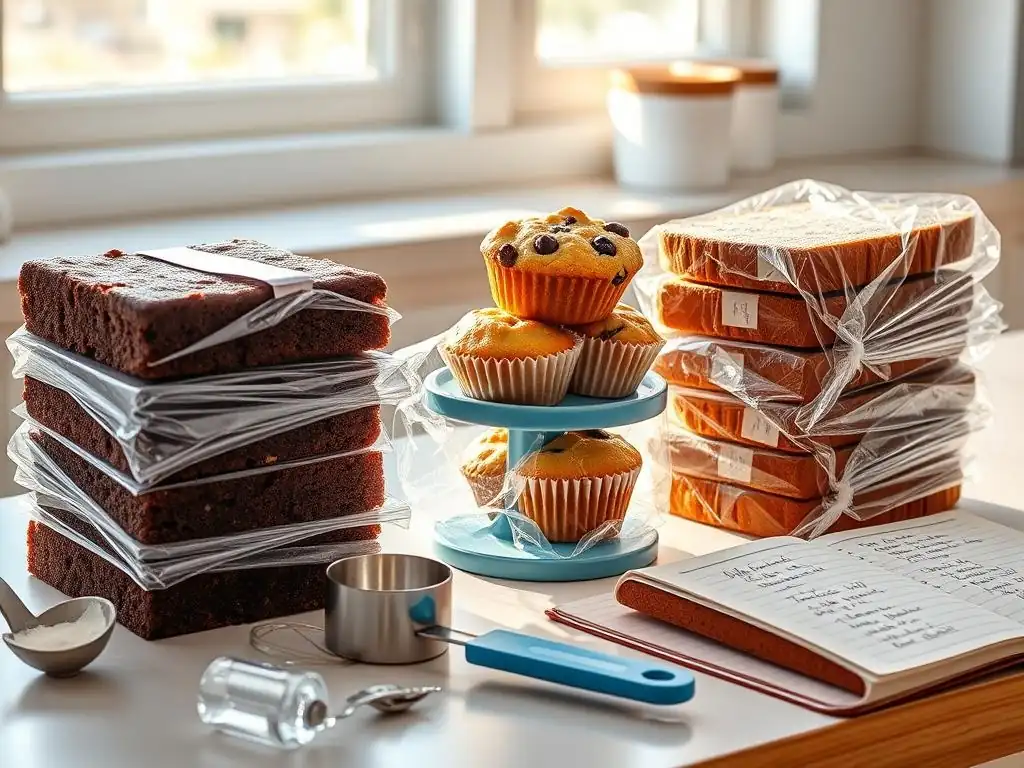
Freezing Egg-Free Cakes: Maintaining Moisture and Texture
Freezing egg-free cakes requires careful handling to ensure they remain moist and retain their structure. Denser cakes, like pound cake or chocolate cake, generally freeze better than lighter sponges. The key is to prevent moisture loss and protect the cake from ice crystals and freezer odors.
Begin by ensuring the cake is completely cooled. If the cake is unfrosted, wrap it tightly in plastic wrap, followed by a layer of aluminum foil or a freezer bag. For frosted cakes, it's often best to flash freeze them first: place the unwrapped frosted cake (or slices) on a baking sheet in the freezer for about 30-60 minutes until the frosting is firm.
Then, wrap the firm cake tightly in plastic wrap and foil or place it in a freezer container. This prevents the frosting from sticking to the wrapping. Proper packaging is essential for maintaining quality following eggfree baking freezing tips.
Tips for Layer Cakes: Freezing Individual Slices vs. Whole Cakes (Egg-Free)
Deciding whether to freeze a whole egg-free layer cake or individual slices depends on how you plan to use it. Freezing a whole cake is convenient if you anticipate needing the entire cake for a future event. Wrap the cooled, unfrosted layers individually or flash-freeze a frosted assembled cake before wrapping tightly. Thawing a whole cake takes longer but results in a grand presentation.
Freezing individual slices offers maximum convenience for portion control and spontaneous treats. Simply cut the cooled cake into desired slices, flash freeze them on a baking sheet, and then wrap each slice tightly in plastic wrap before placing them in a freezer bag or container. This method is excellent for reducing waste and allows you to enjoy just one piece at a time, making it a practical application of eggfree baking freezing tips for busy households.
You have two main options when freezing egg-free cookies: freezing the dough or freezing the baked cookies. Both methods are effective and offer different advantages depending on your needs. Freezing dough is fantastic for having freshly baked cookies on demand, while freezing baked cookies means instant gratification after thawing.
The best method for you depends on your baking habits. If you love the aroma of fresh cookies and don't mind the baking step later, freezing dough is perfect. If you prefer to bake everything at once and have ready-to-eat treats, freezing baked cookies is the way to go. Both are viable strategies when applying eggfree baking freezing tips.
Freezing Egg-Free Cookie Dough: Types and Best Practices
Most types of egg-free cookie dough freeze well, especially drop cookies (like chocolate chip or oatmeal), slice-and-bake (like shortbread or sugar cookies), and cut-out cookies. For drop cookie dough, scoop individual portions onto a baking sheet lined with parchment paper and flash freeze until solid (about 1-2 hours). Then, transfer the frozen dough balls to a freezer bag or container.
For slice-and-bake or cut-out dough, shape the dough into logs or discs, wrap tightly in plastic wrap, and then in foil or a freezer bag. This allows you to easily slice or roll and cut the dough later. Freezing dough typically keeps well for 3-6 months. Remember to label the packaging with the type of cookie and the date, a crucial element of organized eggfree baking freezing tips.
Freezing Baked Egg-Free Cookies: Preventing Crumbling
Freezing baked egg-free cookies is straightforward, but preventing them from crumbling requires careful handling and packaging. Ensure the cookies are completely cooled before freezing. Stack them with parchment paper in between layers to prevent sticking and protect delicate decorations.
Place the stacked cookies in a sturdy airtight container or a freezer bag. If using a bag, try to remove as much air as possible without crushing the cookies. While baked cookies can last 6-12 months in the freezer, their quality is best within the first 3-6 months. Freezing baked cookies is ideal for varieties that don't require reshaping or cutting, offering a quick solution when following eggfree baking freezing tips.
Freezing Egg-Free Breads and Muffins: Keeping Them Soft and Delicious
Egg-free breads and muffins freeze exceptionally well, often retaining their soft texture beautifully. Quick breads, yeast breads, rolls, and muffins are all excellent candidates for the freezer. The key is to wrap them properly to prevent them from drying out or developing freezer burn.
Ensure the bread or muffins are completely cool before wrapping. Warm items will create condensation, leading to ice crystals. For best results, wrap loaves of bread or individual muffins tightly in plastic wrap, followed by a layer of aluminum foil or a freezer bag. This double layer is highly effective at maintaining moisture and preventing freezer burn, essential practices for eggfree baking freezing tips.
Slicing vs. Whole Loaf: The Best Way to Freeze Egg-Free Bread
Freezing an egg-free bread loaf whole is suitable if you plan to use the entire loaf at once. Wrap the cooled loaf very tightly in plastic wrap, pressing out all the air, and then wrap it again in foil or place it in a freezer bag. Thawing a whole loaf takes several hours at room temperature.
Freezing sliced bread offers much more convenience. Slice the cooled loaf before freezing. You can then freeze the entire sliced loaf, wrapped as described above, or freeze smaller portions of slices. Freezing sliced bread allows you to take out just the amount you need, which thaws quickly. This method is particularly useful for toast or sandwiches and is a highly recommended approach in eggfree baking freezing tips for bread.
Freezing Egg-Free Muffins: Individual Wrapping for Easy Portions
Freezing egg-free muffins individually is the most convenient method for portion control. Once the muffins are completely cool, wrap each one tightly in plastic wrap. This prevents them from sticking together and protects them from freezer burn.
After individual wrapping, place the wrapped muffins in a freezer bag or an airtight container. This secondary layer of protection is crucial for maintaining their quality. You can then easily grab just one or two muffins from the freezer to thaw as needed. This simple individual wrapping technique is a cornerstone of practical eggfree baking freezing tips for muffins.
Thawing and Reheating Egg-Free Frozen Baked Goods
Best Thawing Practices for Different Egg-Free Baked Items
Properly thawing your frozen egg-free bakes is just as important as the freezing process itself. Rushing the thaw or using incorrect methods can ruin the texture you worked so hard to preserve. Most baked goods are best thawed slowly to allow moisture to redistribute evenly.
Small items like cookies or muffins can often thaw at room temperature relatively quickly. Larger items like cakes or loaves of bread require more time and are often best thawed in the refrigerator first. Avoid thawing items in the microwave unless you plan to eat them immediately, as this can lead to uneven heating and a tough texture. Following recommended thawing times is key to successful eggfree baking freezing tips.
Room Temperature Thawing vs. Refrigerator Thawing: Which is Best for Egg-Free Baking?
Room temperature thawing is suitable for most cookies, muffins, brownies, and individual slices of cake or bread. Simply remove the item from the freezer, keep it in its wrapping initially to prevent condensation on the surface, and let it sit at room temperature for 1-3 hours, depending on size. Once thawed, remove the wrapping.
Refrigerator thawing is recommended for whole cakes, loaves of bread, or anything with delicate frosting. Transfer the wrapped item from the freezer to the refrigerator and let it thaw slowly, often overnight or for 6-12 hours for a large item. This gradual thawing helps maintain texture and prevents condensation issues. This method, though slower, is often preferred for larger or more delicate egg-free items as part of comprehensive eggfree baking freezing tips.
Reheating Egg-Free Breads and Muffins: Restoring Warmth and Texture
Once thawed, egg-free breads and muffins can often benefit from a gentle reheating to restore their fresh-baked warmth and soft texture. This is particularly true for items like yeast breads or quick breads.
For a whole loaf of bread or several muffins, you can reheat them in a preheated oven at a low temperature, around 300°F (150°C), for 10-20 minutes, depending on size, until warmed through. Individual muffins can also be gently warmed in a microwave for 20-40 seconds. Reheating properly is the final step in maximizing the benefit of eggfree baking freezing tips for these items.
Egg-free cakes and cookies generally don't require reheating after thawing, but a few tricks can help restore their fresh appeal. For cakes, especially unfrosted ones, the texture should be good after thawing in the refrigerator. If thawing slices at room temperature, keep them wrapped until fully thawed to trap moisture.
Baked cookies thawed at room temperature should regain their original texture. If they seem a little soft, you can briefly warm them in a low oven (around 300°F / 150°C) for 5-10 minutes to crisp them up slightly. For frosted cakes, ensuring they thaw slowly in the refrigerator is key to keeping the frosting intact and the cake moist, completing the process of applying eggfree baking freezing tips.
Troubleshooting Common Egg-Free Freezing Problems
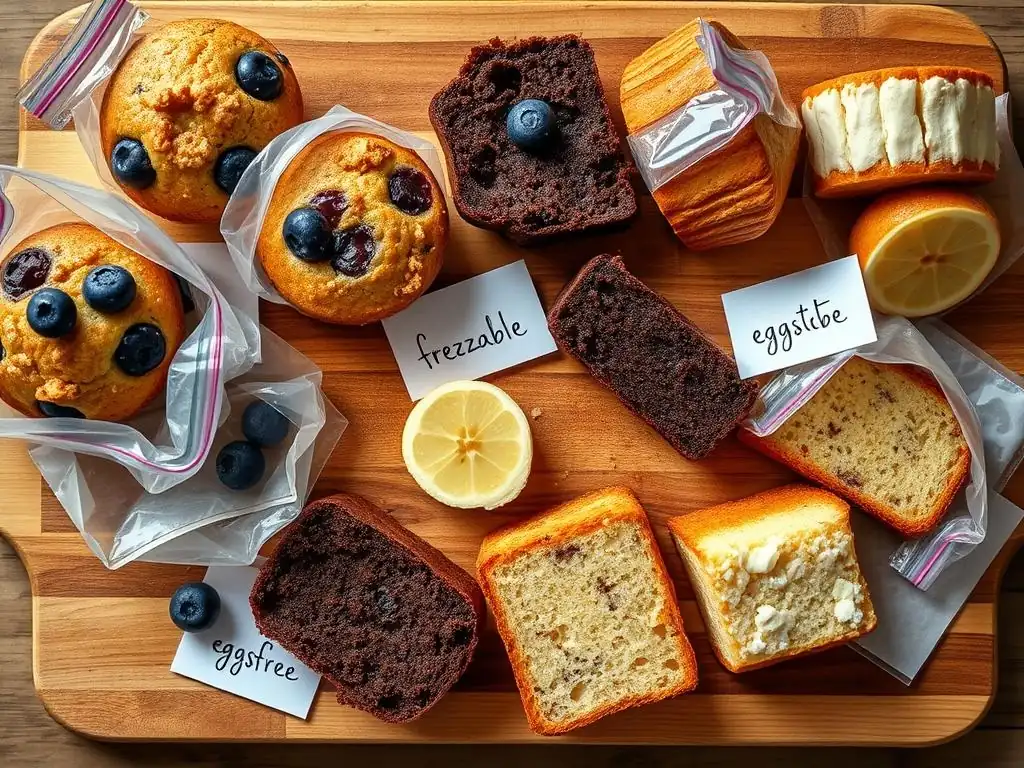
Preventing Ice Crystals in Egg-Free Frozen Desserts
Ice crystals are a common issue when freezing baked goods and are usually caused by moisture escaping the bake and freezing on the surface or inside the packaging. This leads to freezer burn and a dry texture. The best way to prevent them is through vigilant packaging.
Ensure your baked goods are completely cool before wrapping. Wrap items very tightly, pressing out all air. Use moisture-resistant materials like plastic wrap, heavy-duty foil, or freezer-specific bags and containers. Double-wrapping provides extra protection. Freezing items quickly also helps; a colder freezer (0°F / -18°C or below) is more efficient. Mastering airtight packaging is a core component of successful eggfree baking freezing tips.
Addressing Texture Changes After Freezing Egg-Free Bakes
Sometimes, despite best efforts, egg-free bakes might experience slight texture changes after freezing and thawing, such as becoming slightly drier or more crumbly. This is often related to moisture migration within the product.
While complete prevention can be difficult for some recipes, choosing recipes known to freeze well (like those with more fat or moisture) helps. Proper cooling and airtight packaging are the most effective preventative measures. If a bake is slightly dry after thawing, a gentle reheating or adding a glaze or syrup can help improve the texture, providing a solution using eggfree baking freezing tips.
What to Do if Your Egg-Free Bake is Dry After Thawing
If you find your egg-free bake is a bit dry after thawing, don't despair! There are ways to salvage it. For breads or muffins, a quick steam or gentle reheat in a slightly humid environment (like wrapping in a damp paper towel before microwaving briefly) can add back some moisture.
For cakes, especially slices, a simple syrup (equal parts sugar and water, heated until sugar dissolves) can be brushed onto the cake layers before frosting or serving. Glazes or sauces can also mask dryness in cakes and other desserts. Even slightly dry cookies can sometimes be improved by serving them with a beverage or using them in a trifle or crust where texture is less critical. These are practical fixes within the realm of eggfree baking freezing tips.
Egg-Free Baking Freezing: A Summary for BakeWithEase Home Bakers
Quick Reference Guide: Freezing Times for Common Egg-Free Bakes
Knowing how long your egg-free bakes can stay in the freezer while maintaining good quality is helpful for managing your frozen stash. While items might remain safe to eat for longer, their taste and texture are best within certain periods.
Here's a general guideline for properly packaged egg-free baked goods at 0°F (-18°C):
- Cookies (baked or dough): 3-6 months
- Muffins: 2-3 months
- Quick Breads (loaves): 2-3 months
- Yeast Breads (loaves or rolls): 2-3 months
- Cakes (unfrosted or with stable frosting): 4-6 months
- Brownies/Bars: 3-6 months
Remember to label everything with the contents and date to keep track of freshness, a vital part of effective eggfree baking freezing tips.
Key Takeaways: Mastering Egg-Free Baking and Freezing for Convenience
Mastering egg-free baking freezing techniques is a game-changer for home bakers. It offers unparalleled convenience, allowing you to enjoy your favorite treats on demand and significantly reduces food waste by extending shelf life. From preparing cookie dough ahead of time to having a frozen cake ready for a celebration, the possibilities are vast.
Remember the core principles: choose appropriate recipes, cool completely, package meticulously to prevent air exposure, and thaw correctly. By following these eggfree baking freezing tips, you can confidently fill your freezer with delicious, high-quality egg-free bakes, making your baking journey easier and more rewarding. Happy freezing from BakeWithEase!
Frequently Asked Questions
How can I adapt a traditional baking recipe to be egg-free and still freeze well?
Successfully adapting a recipe requires understanding the role of eggs in that recipe. Common substitutes include applesauce, flaxseed meal, or commercial egg replacers. Remember to test a small batch before committing to a large, freezable quantity.
What are some common ingredients used in egg-free baking that freeze well?
Many egg-free baking ingredients freeze exceptionally well. Think of fruit-based recipes, those using nut butters as binders, or recipes relying on gluten-free flour blends designed for freezing.
What's the best way to freeze egg-free baked goods to prevent freezer burn?
Proper wrapping is crucial. Use double layers of plastic wrap, followed by a freezer bag or airtight container. Aim to minimize air exposure to prevent freezer burn and maintain the texture of your baked goods.
How long can I safely store egg-free baked goods in the freezer?
Most egg-free baked goods can be stored in the freezer for 2-3 months without significant loss of quality. Label each item with the date to ensure you're using them within the recommended timeframe.
What's the best method for thawing frozen egg-free baked goods?
The best method is to thaw them slowly in the refrigerator overnight. This helps maintain their texture and prevents them from becoming soggy. You can also thaw at room temperature, but monitor closely.
Final Reflection: Unlocking the Joy of Effortless Egg-Free Baking
The ability to create delicious, egg-free baked goods without sacrificing time or freshness is no longer a distant dream; it's a reality achievable through smart planning and freezing techniques. This article has explored practical strategies to streamline your egg-free baking journey, demonstrating that delicious, allergy-friendly treats can be both convenient and satisfying. The time saved and the consistent quality achieved are game-changers for busy individuals and those with dietary restrictions alike.
The impact of accessible egg-free baking extends far beyond individual kitchens. It empowers individuals with allergies to participate fully in culinary traditions and celebrations, fostering a sense of inclusion and belonging often overlooked. This simple act of adapting recipes and embracing freezing techniques can significantly improve quality of life for many. Food is symbolic of love when words are inadequate.
- Alan D. Wolfelt. This rings especially true when considering the emotional connection we have with food, particularly baked goods, and how easily accessible recipes can bridge divides and create joy.
Now, consider your own baking routine. What adjustments can you make to incorporate these make-ahead and freezing techniques? Perhaps you'll plan your weekend baking session to create a month's worth of muffins or cookies, or maybe you'll experiment with freezing individual portions of your favorite cake for a quick and easy dessert. Embrace the freedom and flexibility that these methods offer, and discover the joy of effortless, delicious, and allergy-friendly baking. The possibilities are as limitless as your imagination.
Unlock Your Baking Freedom: Effortless Egg-Free Treats
Thanks for diving into our tips on making ahead and freezing egg-free bakes! We hope you discovered new ways to save time and enjoy delicious, allergy-friendly treats. Now it's time to put your newfound knowledge into action:
- Embrace your freezer: Start with one of the recipes mentioned in the article – pick your favorite and give it a try! Freezing portions for future use is the key to effortless baking.
- Share the deliciousness: Inspire your friends and family by sharing this article and your baking successes on social media! Let's build a community of egg-free baking enthusiasts.
- Explore further: Dive deeper into egg-free baking by checking out our other egg-free recipes and resources on BakeWithEase (We'll even show you some fun, unexpected substitutions! ).
What's your favorite egg-free baking swap or make-ahead trick? Share your insights in the comments below!