
7 Pro Tips for Adding Richness to DairyFree Cakes Without Oil

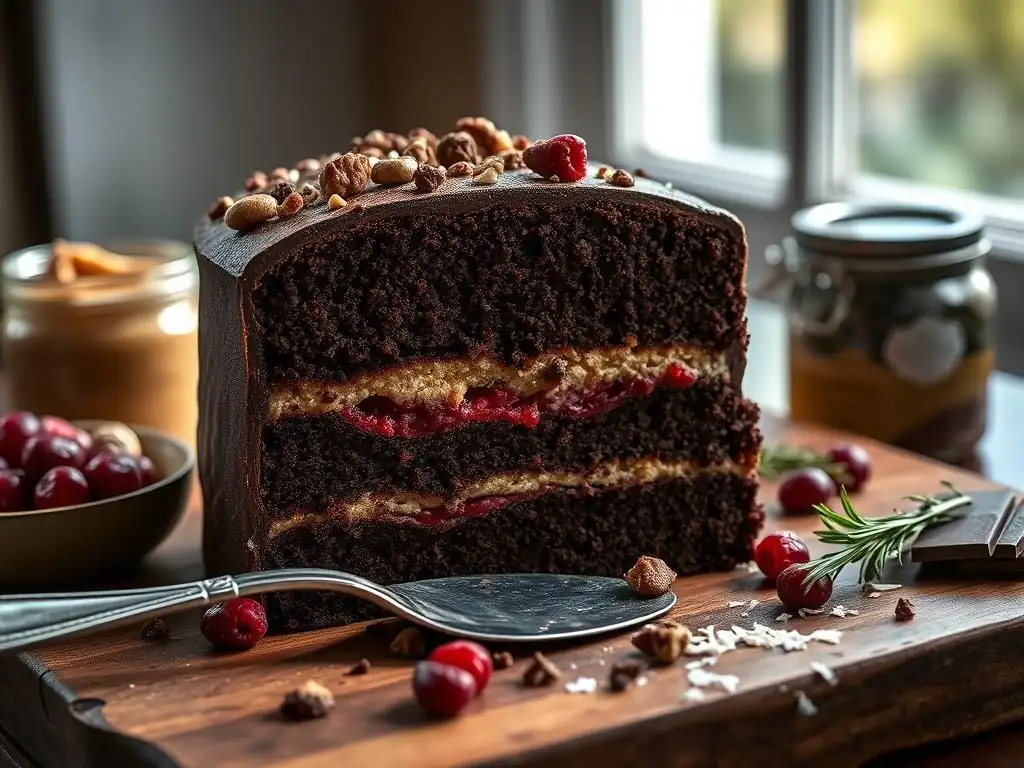
Welcome to BakeWithEase, your companion on the journey to baking brilliance! Ever wondered how to achieve that decadent, moist texture in a dairy-free cake without relying on excessive oil? Then you're in the right place. Discover our 7 Pro Tips for Adding Richness to DairyFree Cakes Without Oil and unlock the secrets to incredible flavor and texture. Get ready to bake cakes that are both delicious and diet-friendly – let's get started!
- Introduction: Elevating Your Dairy-Free Cakes
- Tip 1: Embrace Nut Butters for Creamy Texture and Flavor
- Tip 2: Leverage the Power of Coconut Cream
- Tip 3: Utilize Avocado for Moistness and Depth
- Tip 4: Incorporate Dairy-Free Yogurt Alternatives
- Tip 5: Add Fruit Purees for Natural Sweetness and Moisture
- Tip 6: Experiment with Seed Butters for a Unique Twist
- Tip 7: Master the Art of Dairy-Free Chocolate Ganache
- Conclusion: Mastering Dairy-Free Cake Richness
-
Frequently Asked Questions
- How can I achieve a rich flavor in a dairy-free cake without using oil?
- What are some good dairy-free substitutes for milk in cakes to enhance richness?
- Can adding fruits contribute to the richness of a dairy-free cake?
- Are there any alternative fats besides oil that can improve the texture and richness of dairy-free cakes?
- How important is the quality of ingredients when aiming for a rich dairy-free cake?
- Final Reflection: Baking Beyond Limitations: The Sweetness of Dairy-Free, Oil-Free Cakes
- Unlock the Secret to Luscious Dairy-Free, Oil-Free Cakes!
Introduction: Elevating Your Dairy-Free Cakes
The Challenge of Oil-Free Dairy-Free Baking
Creating delicious, moist cakes without dairy is a fantastic achievement, but removing oil from the equation presents a unique set of challenges. Oil, or other fats, plays a critical role in cake structure and texture. It coats flour particles, preventing excessive gluten development which can lead to a tough cake.
Fat also contributes significantly to moisture, tenderness, and that desirable "rich" mouthfeel. When you strip away both dairy fats (like butter or milk fat) and added oils, you risk ending up with a dry, crumbly, or dense cake that lacks the luxurious quality we expect. This is a common hurdle for bakers exploring healthier or allergen-specific options.
Many traditional oil-free recipes rely heavily on simple sugar-water mixtures or minimal fat substitutes, often resulting in cakes that are light but ultimately lacking in depth of flavor and satisfying texture. Without the lubricating and tenderizing properties of fat, the cake crumb can become tight and dry quickly after baking. Achieving genuine dairy-free cake richness requires understanding the functions of fat and finding alternative ingredients that can replicate these effects, providing moisture, tenderness, and a pleasant mouthfeel without relying on liquid oils.
BakeWithEase's Guide to Rich, Flavorful Dairy-Free Cakes
At BakeWithEase, we believe everyone should be able to enjoy decadent cakes, regardless of dietary restrictions. That's why we've compiled these expert dairyfree cake richness tips, specifically focusing on how to achieve that sought-after moist and tender crumb without using oil. Our approach centers on leveraging the natural fats and moistening properties of whole food ingredients and specific dairy-free alternatives. We aim to equip you with the knowledge to transform potentially dry, oil-free, dairy-free bakes into moist, flavorful masterpieces.
This guide delves into seven distinct strategies, each offering a unique way to boost moisture, improve texture, and add depth to your dairy-free cake recipes. We'll explore how ingredients like nut butters, coconut cream, and fruit purees can act as powerful allies in your quest for rich, satisfying cakes. By understanding the science behind these substitutions and how to properly incorporate them, you'll be well on your way to mastering dairy-free cake richness, opening up a world of delicious, guilt-free baking possibilities.
Tip 1: Embrace Nut Butters for Creamy Texture and Flavor
Understanding Nut Butter's Role in Dairy-Free Cake Structure
Nut butters, such as almond or cashew butter, are fantastic additions for enhancing dairy-free cake richness. They provide a significant source of natural fats (a tablespoon of almond butter contains roughly 9-10 grams of fat), which are essential for tenderizing the cake crumb. The fat coats the flour particles, much like oil or butter would, inhibiting gluten development and ensuring a softer, more delicate texture. Beyond fat, nut butters also contain protein and fiber, which can contribute to a slightly denser, more satisfying crumb structure compared to cakes made without any added fat source.
When incorporated into batter, the creamy consistency of nut butter helps distribute moisture evenly throughout the cake. Unlike liquid oil, which can sometimes pool or separate, the emulsified nature of smooth nut butter helps create a more stable batter. This leads to a more consistent bake and a cake that stays moist longer. Consider using about 1/4 to 1/2 cup of smooth nut butter in an 8-inch cake recipe as a starting point to see a noticeable improvement in texture and moisture retention, contributing directly to dairy-free cake richness.
Best Nut Butter Choices for Dairy-Free Cake Richness (Almond, Cashew, etc.)
The choice of nut butter can significantly impact both the texture and flavor profile of your dairy-free cake. Smooth, creamy nut butters are generally preferred over crunchy varieties, as they blend more seamlessly into the batter, ensuring a uniform texture. Almond butter is a popular choice due to its relatively neutral flavor, which works well in vanilla or mild-flavored cakes without overpowering other ingredients. A high-quality, natural almond butter (one with minimal added sugar or oil) provides clean fats and a subtle nutty undertone.
Cashew butter is another excellent option, known for its exceptionally creamy texture and mild, slightly sweet flavor. It's perhaps the most neutral of the common nut butters, making it ideal for delicate cakes where you don't want a strong nutty taste. For recipes where a distinct flavor is desired, peanut butter can add a classic taste (though be mindful of peanut allergies), while pecan or walnut butter can introduce richer, deeper notes perfect for spice or chocolate cakes. Always opt for natural, unsweetened versions to control the sugar content and avoid unwanted additives.
Tip 2: Leverage the Power of Coconut Cream
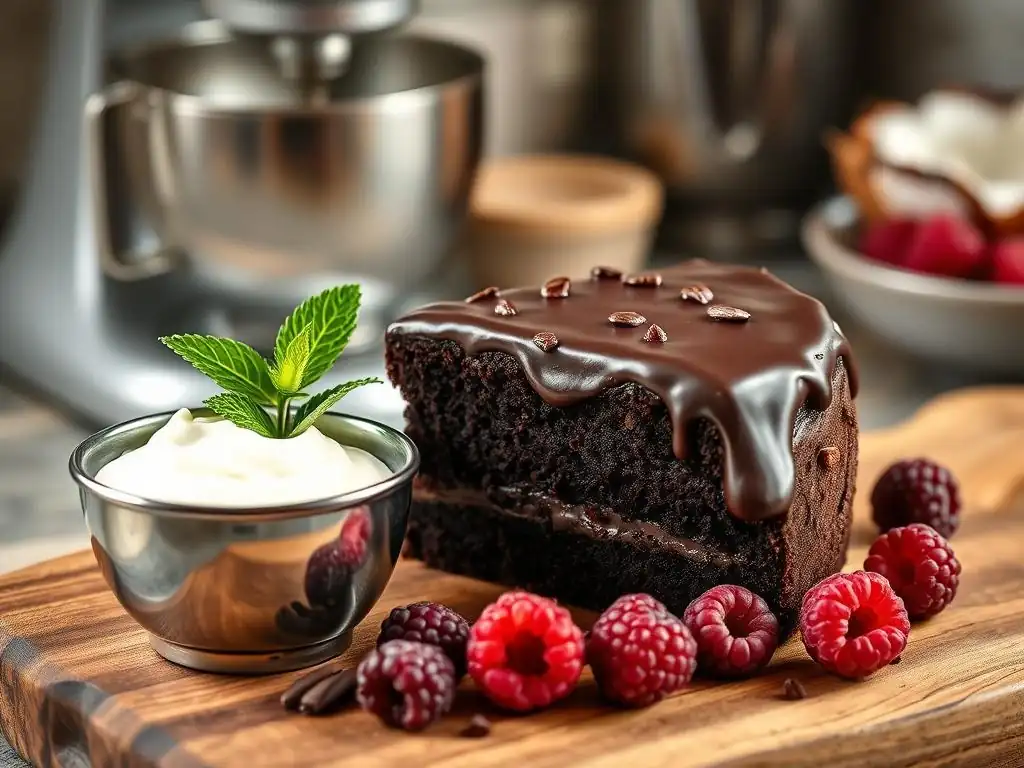
How Coconut Cream Mimics Dairy Cream in Cakes
Coconut cream, the thick, solid part skimmed from the top of a can of full-fat coconut milk that has been refrigerated, is a revelation in dairy-free baking, particularly for achieving dairy-free cake richness. Its high fat content – often upwards of 20-25% fat – makes it an exceptional substitute for heavy cream or even butter in certain applications.
When whipped, it can form stiff peaks similar to dairy whipped cream, and when incorporated into cake batter, it provides a lush, moist texture and a subtle sweetness. The saturated fats in coconut cream also contribute to a tender crumb and help the cake hold its structure.
Using coconut cream introduces a wonderful richness that liquid plant milks simply cannot provide on their own. It adds body and density to the batter, resulting in a cake that feels substantial and moist. In many recipes, you can substitute a portion of the liquid called for with chilled, solid coconut cream. For example, replacing 1/2 cup of the plant milk with 1/2 cup of solid coconut cream in an average cupcake recipe can dramatically improve the texture, making the cupcakes noticeably softer and more decadent.
Achieving the Perfect Coconut Cream Consistency for Dairy-Free Cake Recipes
To effectively use coconut cream for dairy-free cake richness, achieving the right consistency is key. Start by refrigerating full-fat canned coconut milk overnight. This allows the solid cream to separate from the liquid coconut water. Carefully open the can without shaking it and scoop out the thick, solid cream from the top. Reserve the liquid for other uses (like smoothies or soups) or add a little back if your recipe needs more liquid.
For cake batter, you typically want the solid cream. If the recipe requires melted fat, you can gently warm the scooped cream. If it requires creamed fat (like butter), you might need to whip the solid cream slightly until it's smooth and pliable before incorporating it. The goal is a smooth, homogenous texture that blends easily into the batter. Be mindful that coconut cream does impart a mild coconut flavor, which pairs beautifully with chocolate, vanilla, tropical flavors, and many spices, enhancing the overall dairyfree cake richness.
Tip 3: Utilize Avocado for Moistness and Depth
The Secret of Avocado in Dairy-Free Baking
Avocado might seem like an unconventional ingredient for cakes, but it's a fantastic secret weapon for adding moisture and richness in dairy-free, oil-free baking. Ripe avocados are packed with monounsaturated fats, similar to olive oil, which contribute significantly to a moist and tender crumb. A medium avocado contains approximately 21 grams of fat, providing a substantial fat source without the need for added oil. The creamy texture of mashed avocado also helps create a smooth batter, ensuring even distribution of moisture throughout the cake.
Beyond moisture, avocado can add a subtle depth of flavor, particularly in chocolate cakes where its mild taste is easily masked by cocoa. It also contributes a lovely green hue to lighter cakes, which can be fun for certain themes, although it's less noticeable in darker batters. Using about 1/4 to 1/2 cup of mashed avocado can replace a significant amount of oil or dairy fat in many recipes, resulting in a cake that is surprisingly moist and tender, boosting that crucial dairy-free cake richness.
Preparing Avocado for Seamless Integration into Cake Batter
For best results when using avocado to enhance dairy-free cake richness, ensure the avocado is very ripe – it should mash easily with a fork to a completely smooth, lump-free consistency. Any chunks will result in uneven texture in the final cake. Peel and pit the avocado, then mash it thoroughly in a bowl using a fork or a potato masher until it is completely smooth. For an even silkier texture, you can process it in a food processor or blender until it forms a smooth puree.
It's essential to integrate the avocado puree fully into the wet ingredients of your cake batter. Whisk it together with plant milk, sweeteners, and extracts until the mixture is homogenous and the green color is evenly distributed. While the green color might be visible in the raw batter, it often fades significantly during baking, especially in chocolate cakes. Start with a small amount, perhaps replacing half the oil called for in a standard recipe with an equal amount of mashed avocado, and adjust in future bakes based on your desired level of moisture and richness.
Tip 4: Incorporate Dairy-Free Yogurt Alternatives
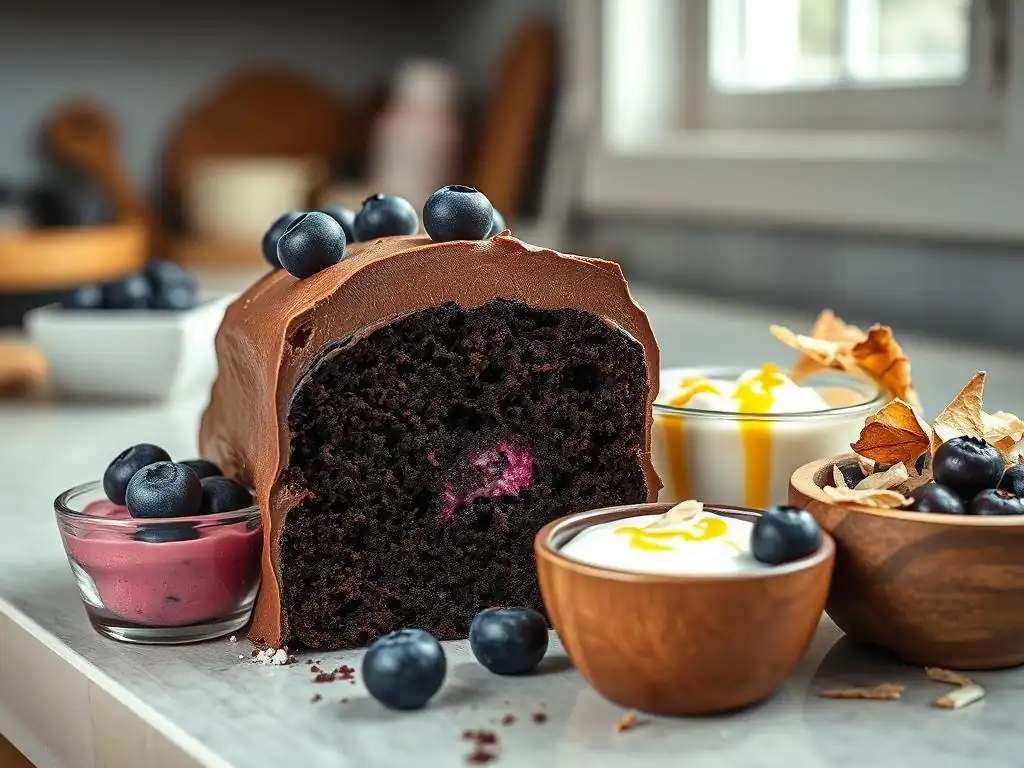
Yogurt's Contribution to Moisture and Tang in Dairy-Free Cakes
Dairy-free yogurt alternatives are excellent for adding moisture, tenderness, and a pleasant tang to cakes, contributing significantly to dairy-free cake richness. Like dairy yogurt, plant-based yogurts (made from soy, coconut, almond, or oat) contain protein and a small amount of fat, which help create a soft, moist crumb. The acidity in yogurt also reacts with baking soda, providing lift and contributing to a lighter texture compared to cakes without this acidic component. This acidity also helps tenderize the gluten, preventing the cake from becoming tough.
Using dairy-free yogurt adds a slight tang that can balance the sweetness of the cake, resulting in a more complex flavor profile. A thicker, Greek-style dairy-free yogurt will contribute more body and richness than a thinner, pourable variety. Incorporating about 1/2 cup of plain, unsweetened dairy-free yogurt into a standard cake recipe can dramatically improve its moisture level and introduce a subtle, desirable tang, enhancing the overall dairy-free cake richness.
Selecting the Right Dairy-Free Yogurt for Optimal Results (Soy, Coconut, Almond)
Choosing the right dairy-free yogurt alternative is crucial for achieving the best results in your cakes. Opt for plain, unsweetened varieties to control the sugar level and avoid unwanted flavors. Soy yogurt is often a good choice due to its relatively neutral flavor and smooth texture, and it tends to be higher in protein than some other options. It works well in most cake recipes without imparting a strong flavor.
Coconut yogurt, especially the thicker, full-fat versions, provides excellent richness and a creamy texture. It will add a subtle coconut flavor, which is a plus if you enjoy that taste. Almond yogurt is another option, usually lighter in texture and flavor than soy or coconut yogurt. Oat yogurt is becoming more widely available and offers a creamy texture and mild flavor. Whichever you choose, ensure it's a type that you enjoy the taste of, as a hint of its flavor may come through in the final cake, adding to the dairyfree cake richness.
Tip 5: Add Fruit Purees for Natural Sweetness and Moisture
Exploring Fruit Purees as Natural Sweeteners in Dairy-Free Cakes
Fruit purees are a fantastic way to add natural sweetness and abundant moisture to dairy-free cakes without relying on oil or excessive added sugar. Purees like unsweetened applesauce, mashed banana, or pumpkin puree are rich in water and natural sugars, which help keep the cake moist and tender during baking and storage. The natural pectin and fiber in fruit also contribute to structure and moisture retention, preventing the cake from drying out quickly.
Using fruit purees allows you to reduce the amount of added fat and sugar in a recipe while still achieving a moist and flavorful result. For instance, replacing 1/2 cup of oil with 1/2 cup of unsweetened applesauce in a spice cake recipe not only cuts down on fat but also enhances the spice flavors and ensures a tender crumb. The natural sweetness of the fruit can also allow for a slight reduction in granulated sugar, contributing to a healthier profile while boosting dairy-free cake richness through moisture.
Best Fruit Puree Options for Richness and Flavor (Applesauce, Banana, Pumpkin)
Several fruit purees work exceptionally well for adding moisture and enhancing dairy-free cake richness. Unsweetened applesauce is perhaps the most common and versatile. It has a relatively neutral flavor that pairs well with many cake types, from vanilla to chocolate to spice. Ensure you use unsweetened varieties to control the sweetness of your cake.
Mashed ripe banana is excellent for adding intense moisture and a distinct flavor. It works beautifully in banana bread-style cakes, muffins, or chocolate cakes. The riper the banana, the sweeter and more moistening it will be. Pumpkin puree, while technically a vegetable, functions similarly to fruit purees in baking. It adds incredible moisture, a lovely color, and a mild, earthy flavor that is perfect for fall-spiced cakes. Using about 1/4 to 1/2 cup of any of these purees can significantly improve the moisture and texture of your oil-free, dairy-free cakes.
Tip 6: Experiment with Seed Butters for a Unique Twist
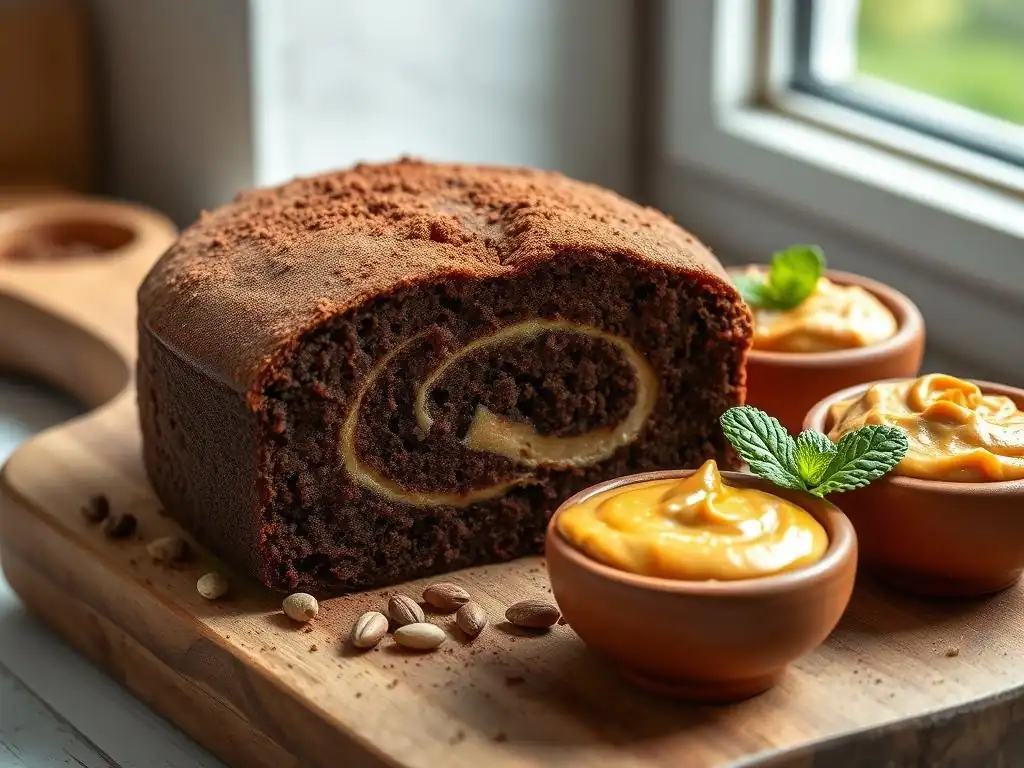
Introducing Seed Butters as a Dairy-Free Baking Alternative
Seed butters offer another avenue for adding fat and richness to dairy-free cakes, especially for those with nut allergies. Like nut butters, they provide natural fats that contribute to a moist and tender crumb. Seed butters are made from ground seeds, such as sunflower seeds, sesame seeds (tahini), or pumpkin seeds. They can add a unique flavor profile depending on the seed used, offering an interesting alternative to traditional nut butters or oils when focusing on dairy-free cake richness.
Using seed butters can be a great way to add complexity and depth to your cakes. Sunflower seed butter, for example, has a distinct, slightly toasted flavor that works well in chocolate or spice cakes. Tahini, made from sesame seeds, has a more earthy, slightly bitter taste that can be surprisingly delicious in baked goods, pairing particularly well with chocolate or citrus. These butters provide essential fats for tenderness while also infusing the cake with unique flavors.
Unlocking the Flavor Potential of Sunflower and Tahini in Cakes
Sunflower seed butter is a popular choice for its versatility and nut-free status. It has a creamy texture similar to peanut butter and a flavor that is somewhat reminiscent of sunflower seeds, which can be quite pleasant. Be aware that sunflower seed butter can sometimes react with baking soda or baking powder, causing a green tint in the baked goods. This is harmless and doesn't affect the taste, but it's something to note for appearance. Using about 1/3 cup in a standard recipe can replace oil and add a lovely, subtle flavor.
Tahini, while more potent in flavor, can add incredible depth to cakes, contributing significantly to dairy-free cake richness. Its slightly bitter, earthy notes pair beautifully with sweet elements. Consider using tahini in chocolate cakes, lemon cakes, or even paired with dates or figs. A smaller amount, perhaps 1/4 cup, might be sufficient to impart flavor and moisture without overwhelming the cake. Start with smaller quantities when experimenting with seed butters to understand how their unique flavors interact with your other ingredients.
Tip 7: Master the Art of Dairy-Free Chocolate Ganache
Creating a Decadent Dairy-Free Chocolate Ganache
While not mixed into the batter, a rich dairy-free chocolate ganache is one of the best ways to add luxurious richness and moisture to the outside of your dairy-free cake, providing a professional finish and enhancing the overall dairy-free cake richness experience. Traditional ganache is made with chocolate and heavy cream, but a simple and decadent dairy-free version can be made with high-quality dairy-free chocolate and full-fat coconut cream or a thick dairy-free plant milk.
To make a basic dairy-free ganache, you typically heat the liquid (coconut cream or thick plant milk) just until it simmers, then pour it over finely chopped dairy-free chocolate. Let it sit for a few minutes to melt the chocolate, then whisk until smooth and glossy. A common ratio is 1:1 chocolate to liquid by weight for a pourable ganache or 2:1 chocolate to liquid for a thicker, frosting-like consistency. For example, using 8 ounces of chopped dairy-free chocolate and 8 ounces of full-fat coconut cream will yield a beautiful pourable ganache perfect for glazing.
Using Dairy-Free Ganache to Enhance Cake Richness and Visual Appeal
Applying a dairy-free chocolate ganache adds a layer of intense chocolate flavor and creamy texture that dramatically elevates the richness of an oil-free, dairy-free cake. As it sets, it forms a slightly firm, glossy coating that seals in moisture, further preventing the cake from drying out. A warm, pourable ganache can be drizzled or poured over a cooled cake for a simple yet elegant glaze.
For a thicker frosting or filling, allow the ganache to cool and thicken at room temperature or in the refrigerator until it reaches a spreadable consistency. Whipping the cooled ganache can create a lighter, fluffier frosting similar to whipped cream. The visual appeal of a smooth, dark ganache coating is undeniable, making your dairy-free cake look as impressive as it tastes. It provides a concentrated burst of fat and flavor on the exterior, perfectly complementing the lighter texture of the oil-free cake within and significantly contributing to the perception of dairy-free cake richness.
Conclusion: Mastering Dairy-Free Cake Richness
Recap of Key Tips for Oil-Free Dairy-Free Cakes
Achieving rich, moist dairy-free cakes without relying on oil is entirely possible with the right ingredients and techniques. We've explored seven powerful strategies to help you overcome the challenges of fat-free, dairy-free baking. These dairyfree cake richness tips include leveraging the natural fats and moistening properties of nut butters and seed butters for tenderness and flavor, utilizing the creamy consistency of coconut cream as a stand-in for dairy fat, and incorporating the healthy fats and moisture from mashed avocado.
Furthermore, we discussed how dairy-free yogurt alternatives can add moisture, tang, and help with lift, and how fruit purees like applesauce and banana can provide natural sweetness and essential moisture retention. Finally, we looked at how a decadent dairy-free chocolate ganache can add external richness, moisture sealing, and visual appeal. By experimenting with these ingredients and understanding their roles, you can consistently bake delicious, moist, and rich dairy-free cakes.
Further Exploration of Dairy-Free Baking Techniques on BakeWithEase.com
Mastering dairy-free cake richness is just one step in your journey through the world of allergen-specific baking. At BakeWithEase.com, we offer a wealth of resources to help you expand your skills and confidence in creating delicious baked goods for various dietary needs. Explore our extensive collection of dairy-free recipes, many of which incorporate the techniques discussed here to ensure moist and flavorful results without traditional dairy or excessive oil.
Dive deeper into specific ingredients with our detailed guides on working with plant milks, egg substitutes, and gluten-free flours in dairy-free contexts. Learn advanced techniques for frosting, decorating, and troubleshooting common issues in dairy-free baking. Whether you're perfecting your dairy-free vanilla cake or experimenting with complex layered creations, BakeWithEase.com is your trusted companion, providing simple, step-by-step guidance to help you achieve baking success and create delicious treats that everyone can enjoy.
Frequently Asked Questions
How can I achieve a rich flavor in a dairy-free cake without using oil?
You can enhance the flavor by using ingredients like nut butters or coconut cream. These provide healthy fats and a depth of flavor that mimics the richness of dairy.
What are some good dairy-free substitutes for milk in cakes to enhance richness?
Instead of milk, try using full-fat coconut milk or cashew cream. These options contribute to a moist and decadent texture, similar to traditional cakes.
Can adding fruits contribute to the richness of a dairy-free cake?
Absolutely! Ingredients like mashed bananas or applesauce not only add moisture but also enhance the sweetness and overall perceived richness of the cake.
Are there any alternative fats besides oil that can improve the texture and richness of dairy-free cakes?
Yes, consider using avocado puree or dairy-free yogurt. These provide a creamy texture and contribute to a richer mouthfeel without relying on oil.
How important is the quality of ingredients when aiming for a rich dairy-free cake?
Using high-quality ingredients is crucial for flavor development. Choose premium dairy-free chocolate, vanilla extract, and other flavorings to elevate the overall richness of your cake.
Final Reflection: Baking Beyond Limitations: The Sweetness of Dairy-Free, Oil-Free Cakes
The pursuit of decadent, moist dairy-free and oil-free cakes is no longer a niche endeavor; it's a burgeoning culinary movement. These recipes, once considered challenging, are now accessible and increasingly popular, reflecting a growing demand for healthier and more inclusive baking options. The seven pro tips outlined in this article provide a roadmap for bakers to achieve unparalleled richness and texture, proving that deliciousness doesn't require compromise.
The journey of creating these cakes has been a personal one, highlighting the power of experimentation and the unexpected rewards of embracing limitations. The process of discovering innovative techniques to achieve richness without relying on traditional ingredients has been incredibly rewarding. It's a testament to the creativity and resourcefulness of the baking community. The best things in life are often found when you least expect them,
a sentiment that perfectly captures the surprising delights of dairy-free, oil-free baking.
Now, it's your turn. Take these tips, adapt them, and experiment! Don't be afraid to deviate from the recipe, to explore different flavor combinations, and to discover your own unique approach to creating luxuriously moist and flavorful cakes without dairy or oil. The possibilities are endless, and the satisfaction of crafting a truly exceptional cake, free from limitations, is a reward in itself. Embrace the challenge, and let your creativity flourish in the kitchen.
Unlock the Secret to Luscious Dairy-Free, Oil-Free Cakes!
Thanks for joining us on this delicious journey into the world of oil-free, dairy-free baking! We hope you've discovered some exciting new techniques to elevate your cake game. Ready to put your newfound knowledge into practice?
- Bake your dream cake today! Try one of the recipes mentioned above, and let your creativity run wild with flavor combinations. This is your chance to experiment and create something truly unique.
- Share your baking triumph! Snap a photo of your masterpiece and share it on social media using #BakeWithEaseDairyFree. Let's inspire each other!
- Explore more dairy-free recipes: Dive deeper into our recipe collection on BakeWithEase.com to discover even more delicious possibilities.
What exciting flavor profile will you create with your first oil-free, dairy-free cake?