
DairyFree Cinnamon Rolls with Coconut Milk Glaze

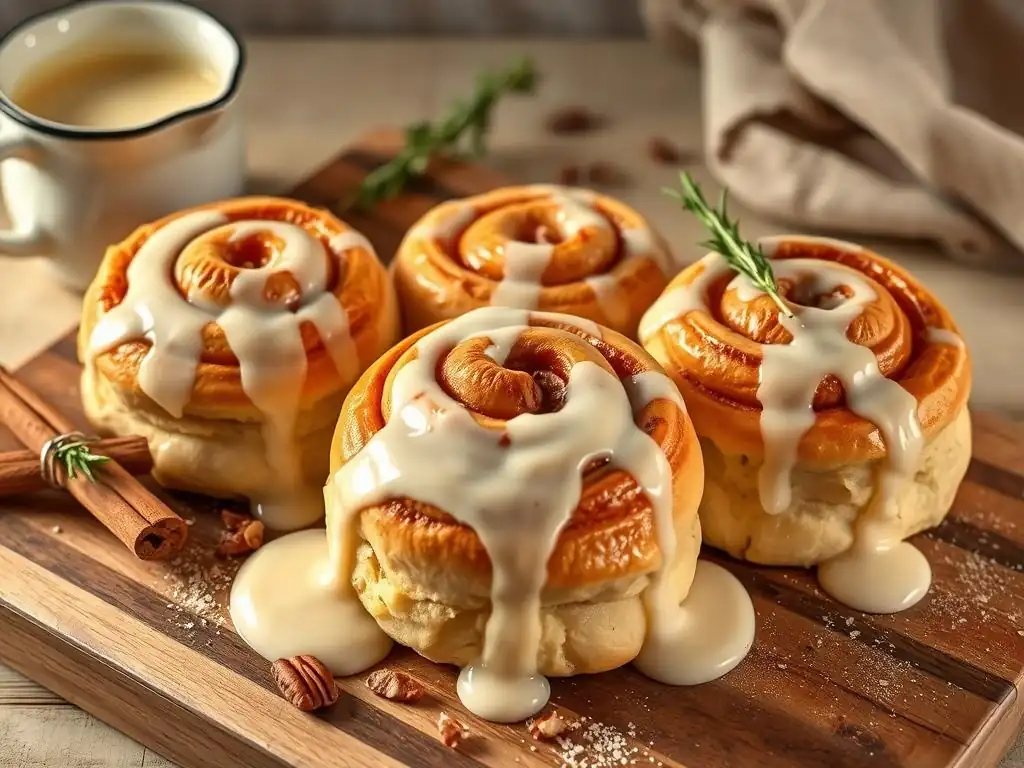
Welcome to BakeWithEase, your haven for delicious baking adventures! Ever dreamed of perfectly soft, gooey cinnamon rolls but thought dairy was off-limits? Prepare to be amazed. In this article, we're unraveling the secrets to a luscious DairyFree Cinnamon Rolls Recipe that will redefine your breakfast (or dessert!) game. Intrigued? Keep scrolling to discover how we achieve irresistible flavor and texture, all without a drop of dairy!
- Dairy-Free Cinnamon Rolls with Coconut Milk Glaze: A BakeWithEase Recipe
- Introduction: Indulge in Dairy-Free Cinnamon Rolls
- Why Choose This Dairy-Free Cinnamon Roll Recipe?
- Ingredients for Dairy-Free Cinnamon Rolls
- Step-by-Step Guide to Making Dairy-Free Cinnamon Rolls
- Achieving the Perfect Cinnamon Roll Texture
- Baking Dairy-Free Cinnamon Rolls: Tips and Tricks
- Dairy-Free Cinnamon Roll Variations and Add-Ins
- Serving and Storing Your Dairy-Free Cinnamon Rolls
- Dairy-Free Baking Resources and Further Reading
- Conclusion: Enjoy Your Homemade Dairy-Free Cinnamon Rolls
-
Frequently Asked Questions
- How can I make cinnamon rolls without dairy?
- What makes this cinnamon roll recipe stand out from others?
- Are the ingredients easy to find for this dairy-free cinnamon roll recipe?
- Can I substitute other plant-based milks for coconut milk?
- How do I ensure my dairy-free cinnamon rolls are soft and fluffy?
- Final Reflection: The Sweetness of Inclusion, One Roll at a Time
- Unleash Your Inner Baker: Make These Amazing Dairy-Free Cinnamon Rolls!
Dairy-Free Cinnamon Rolls with Coconut Milk Glaze: A BakeWithEase Recipe
Introduction: Indulge in Dairy-Free Cinnamon Rolls
Discover the Joy of Baking Dairy-Free Cinnamon Rolls at Home
Creating warm, gooey cinnamon rolls from scratch is a deeply satisfying experience, and making them dairy-free means everyone can enjoy this classic comfort food. This Dairyfree cinnamon rolls recipe is designed to be accessible, allowing you to fill your kitchen with the irresistible aroma of cinnamon and warm dough without any dairy ingredients. It's a perfect project for a weekend morning or a special treat to share, proving that dietary restrictions don't mean sacrificing flavor or texture. You'll learn the simple steps to achieve beautifully soft rolls and a luscious dairy-free glaze.
Baking dairy-free might seem daunting if you're used to traditional recipes, but this guide breaks down the process. We'll explore the role of dairy substitutes in achieving that signature fluffy dough and rich filling. By the end, you'll feel confident tackling this dairy-free cinnamon rolls recipe, ready to pull a pan of golden-brown perfection from your oven, ready to be drizzled with a sweet coconut milk glaze. It's about bringing the joy of baking into your home, one delicious, dairy-free roll at a time.
Why Choose This Dairy-Free Cinnamon Roll Recipe?
The Perfect Dairy-Free Treat for Any Occasion
Whether it's a holiday brunch, a casual Sunday morning, or just because you're craving something sweet and comforting, this dairy-free cinnamon rolls recipe fits the bill. It caters specifically to those avoiding dairy, but the result is so delicious, everyone will love them. The soft, tender dough spirals around a generous cinnamon-sugar filling, creating layers of flavor and texture that are utterly delightful. They make a fantastic centerpiece for a special gathering or a simple pleasure enjoyed with a cup of coffee.
Moreover, preparing these homemade dairy-free cinnamon rolls allows you to control the ingredients, ensuring they meet your dietary needs precisely. You can choose your preferred dairy-free milk, butter alternative, and sugar, customizing the recipe slightly to your taste or specific allergies. This level of control is often missing when purchasing pre-made baked goods, making this homemade version a reliable and delicious option for any occasion where dairy needs to be avoided.
Easy Dairy-Free Cinnamon Rolls for Beginners
Don't let the idea of working with yeast or dough intimidate you; this Dairyfree cinnamon rolls recipe is crafted with beginners in mind. The steps are straightforward, focusing on simple techniques that yield impressive results. We guide you through activating the yeast, kneading the dough, rolling it out, and shaping the rolls with clear instructions. The recipe uses common kitchen tools and readily available dairy-free ingredients, making it approachable even for those new to baking.
The process is broken down into manageable stages, from mixing the dough to the final bake and glaze. We've included tips to help you troubleshoot common issues, like dough not rising or rolls becoming dry. By following these steps, you'll build confidence in your baking skills and discover that making delicious homemade dairy-free cinnamon rolls is absolutely within your reach, even if it's your first time baking with yeast.
Delicious and Allergy-Friendly Cinnamon Roll Alternative
For individuals with dairy allergies or lactose intolerance, finding truly satisfying baked goods can be a challenge. This Dairyfree cinnamon rolls recipe provides a fantastic solution, offering all the indulgence of traditional cinnamon rolls without any dairy. We utilize dairy-free butter alternatives and coconut milk, which contribute richness and moisture similar to their dairy counterparts, ensuring the rolls are soft, flavorful, and utterly satisfying.
Beyond dairy, this recipe can often be adapted further for other allergies. While the core recipe focuses on being dairy-free, the use of plant-based milk and butter alternatives makes it easier to substitute other ingredients if needed (though this specific guide focuses on the dairy-free aspect). It means that people who previously had to miss out on fresh cinnamon rolls can now enjoy them warm from the oven, making this recipe a valuable addition to any allergy-friendly baking repertoire.
Ingredients for Dairy-Free Cinnamon Rolls
Dairy-Free Dough Ingredients
The foundation of great dairy-free cinnamon rolls is a tender, enriched dough. This recipe typically calls for about 3 to 3.5 cups of all-purpose flour, though the exact amount can vary slightly depending on humidity. For the liquid component, we use a dairy-free milk alternative, such as warm almond milk or soy milk, usually around 1 cup, warmed to activate the yeast. Granulated sugar, approximately 1/4 cup, provides sweetness and helps the yeast thrive, while active dry yeast, typically 2 and 1/4 teaspoons (one standard packet), is the leavening agent that gives the rolls their rise and fluffiness.
To replace dairy butter, we incorporate about 1/4 cup of melted dairy-free butter alternative. Look for sticks designed for baking, as they often have a fat content similar to dairy butter, contributing richness and tenderness to the dough. A pinch of salt, around 1/2 teaspoon, balances the sweetness and enhances the flavors. Some recipes also include an egg, or an egg substitute like a flax egg or applesauce for an egg-free version, to add richness and structure, though a simple dairy-free dough can also be made without it.
Cinnamon Filling and Coconut Milk Glaze Ingredients
The heart of any cinnamon roll is its filling. For this dairy-free version, the classic combination of ground cinnamon and sugar remains central. You'll need approximately 1 to 1.5 tablespoons of ground cinnamon mixed with about 1/2 cup of brown sugar (light or dark, depending on your preference for depth of flavor). To bind this mixture and create that gooey texture, we use melted dairy-free butter alternative, typically around 2 to 4 tablespoons, which is brushed over the rolled-out dough before adding the cinnamon-sugar.
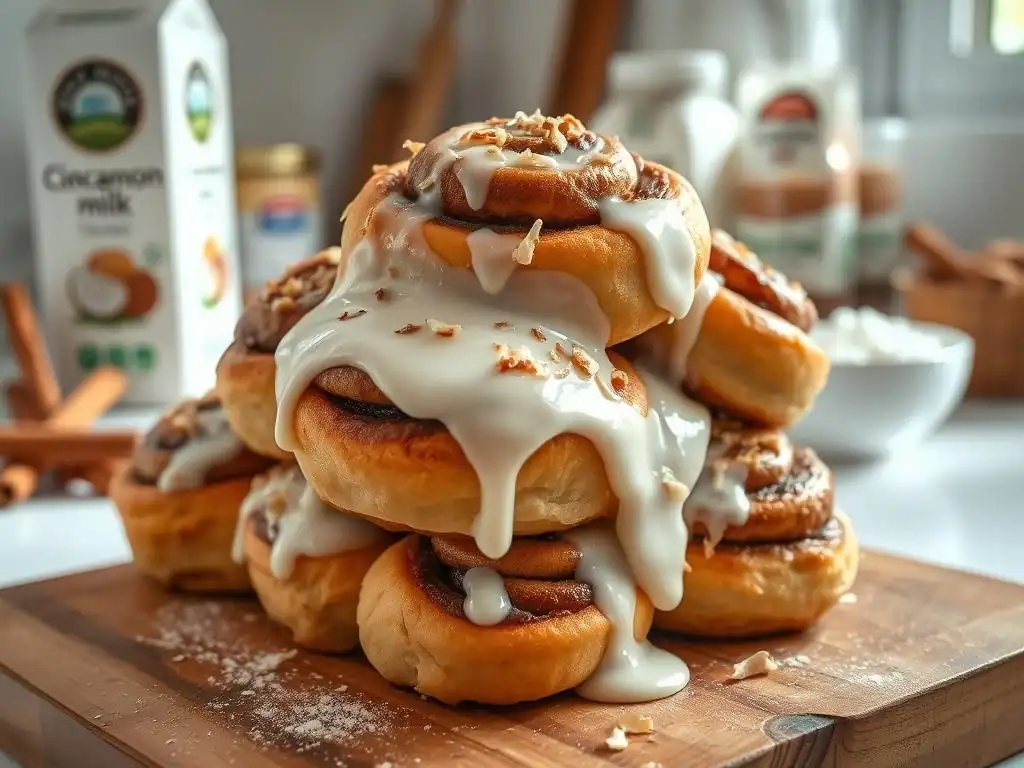
The signature Coconut Milk Glaze adds a sweet, creamy finish. This glaze is wonderfully simple, requiring just three main ingredients: powdered sugar (confectioners' sugar), approximately 1.5 to 2 cups, for sweetness and body; full-fat canned coconut milk, starting with about 3-4 tablespoons and adding more as needed to reach the desired consistency; and a touch of vanilla extract, about 1/2 teaspoon, for flavor. Ensure you use full-fat coconut milk from a can, as the creaminess is essential for a rich glaze; carton coconut milk is usually too thin.
Ingredient Substitutions and Tips for Dairy-Free Baking
When making this dairy-free cinnamon rolls recipe, understanding ingredient substitutions is key. For the dairy-free milk, while almond and soy milk are common, oat milk or cashew milk can also work, just ensure it's unsweetened and plain flavored so it doesn't interfere with the cinnamon roll taste. The dairy-free butter alternative can be stick margarine specifically labeled dairy-free, or a blend designed for baking.
Avoid soft tub margarines as they often have a lower fat content and can make dough difficult to work with. Coconut oil can sometimes be used in place of dairy-free butter in the dough or filling, but it can yield a slightly different texture, sometimes less tender.
For the coconut milk glaze, if you prefer a less pronounced coconut flavor, you can use another dairy-free milk alternative mixed with a small amount of melted dairy-free butter or coconut cream for richness, though the texture might be slightly thinner. Always measure your flour carefully, using the spoon-and-level method (spooning flour into the measuring cup and leveling off the excess with a straight edge) to avoid adding too much, which can result in dry rolls. Ensure your yeast is fresh by testing it in warm liquid with a pinch of sugar; it should become foamy within 5-10 minutes.
Step-by-Step Guide to Making Dairy-Free Cinnamon Rolls
Preparing the Dairy-Free Dough
Begin by activating your yeast. In a large mixing bowl, combine the warm dairy-free milk (around 105-115°F or 40-46°C) with the granulated sugar and active dry yeast. Stir gently and let it sit for 5-10 minutes until the mixture is foamy and bubbly, which indicates the yeast is alive and active. If it doesn't foam, your milk might not have been warm enough, or your yeast may be expired, and you'll need to start over with fresh yeast.
Once the yeast is active, stir in the melted dairy-free butter alternative and salt. Gradually add the flour, about a cup at a time, mixing with a wooden spoon or a stand mixer with a dough hook until the dough comes together.
Once most of the flour is incorporated, turn the dough out onto a lightly floured surface and knead for 8-10 minutes, or use a stand mixer on medium speed for 6-8 minutes, until the dough is smooth, elastic, and springs back when gently poked. Place the kneaded dough in a lightly greased bowl, cover it with plastic wrap or a damp kitchen towel, and let it rise in a warm place for 60-90 minutes, or until it has doubled in size.
Shaping and Proofing the Dairy-Free Cinnamon Rolls
After the first rise, punch down the dough to release the air. Turn it out onto a lightly floured surface and roll it into a large rectangle, approximately 18 inches wide by 12 inches tall, aiming for a thickness of about 1/4 inch. This shape is crucial for getting nice, even spirals in your homemade dairy-free cinnamon rolls. Once rolled, brush the entire surface of the dough with the melted dairy-free butter alternative for the filling, leaving a small border free along one long edge.
In a small bowl, combine the brown sugar and ground cinnamon. Sprinkle this mixture evenly over the buttered dough, making sure to cover the surface thoroughly. Starting from the long edge opposite the border you left free, tightly roll up the dough into a log. Pinch the seam gently to seal it.
Use a sharp knife or dental floss to cut the log into individual rolls, approximately 1 to 1.5 inches thick. Arrange the cut rolls in a greased baking pan (a 9x13 inch pan is standard for about 12 rolls), leaving a small space between them to allow for expansion. Cover the pan and let the rolls proof (rise again) in a warm place for another 30-45 minutes, or until they look puffy and are nearly touching.
Baking Your Dairy-Free Cinnamon Rolls to Golden Perfection
Preheat your oven to 375°F (190°C). Baking at the correct temperature is vital for achieving that perfect balance of a soft interior and a lightly golden exterior in your dairy-free cinnamon rolls. While the oven preheats and the rolls are proofing, you can prepare the coconut milk glaze by whisking together the powdered sugar, full-fat canned coconut milk, and vanilla extract in a small bowl until smooth. Adjust the consistency by adding a tiny bit more coconut milk if too thick, or a little more powdered sugar if too thin.
Once the oven is preheated and the rolls have finished proofing, place the pan in the center rack of the oven. Bake for 20-25 minutes, or until the tops are lightly golden brown and the centers are baked through. You can gently press on a roll in the center; it should feel set, not squishy. Avoid overbaking, as this can lead to dry rolls. Remove the pan from the oven and let the rolls cool in the pan for 5-10 minutes before drizzling generously with the prepared coconut milk glaze. Serving them warm is highly recommended!
Achieving the Perfect Cinnamon Roll Texture
Creating Soft and Fluffy Dairy-Free Cinnamon Rolls
Achieving a soft and fluffy texture in dairy-free cinnamon rolls largely depends on proper dough development and proofing. Kneading the dough sufficiently, typically for 8-10 minutes by hand or 6-8 minutes in a stand mixer, is crucial. This develops the gluten structure, which traps the gases produced by the yeast, resulting in a light and airy crumb. Over-kneading can make the dough tough, while under-kneading won't allow for proper rise.
Equally important is allowing the dough to proof adequately in a warm environment. The first rise should double the dough in size, usually taking 60-90 minutes. The second rise, after shaping the rolls, should make them look visibly puffy and nearly fill the pan, typically taking 30-45 minutes.
Ensure the rising environment is warm (around 75-85°F or 24-30°C) and free from drafts. A slightly humid environment can also help; placing the covered bowl or pan in a turned-off oven with a pan of hot water on the rack below can work wonders. Sufficient rising time allows the yeast to produce enough carbon dioxide to create that desired fluffy texture.
Ensuring a Gooey Center in Your Dairy-Free Cinnamon Rolls
The secret to a gooey center in your homemade dairy-free cinnamon rolls lies primarily in the filling and baking time. A generous amount of the cinnamon-sugar-dairy-free butter mixture is essential. When rolling out the dough, ensure you brush the melted dairy-free butter alternative evenly over the surface and then sprinkle the cinnamon-sugar mixture edge-to-edge, leaving only a small border for sealing. This creates plenty of filling layers within each roll.
During baking, the sugar and butter in the filling melt together, creating a syrupy, gooey layer. Baking just until the tops are golden and the centers are set, but not hard, is key. Overbaking will dry out the filling and the dough.
Aim for a bake time of around 20-25 minutes at 375°F (190°C). You can test a center roll by gently probing it; it should feel cooked but still soft. Removing them from the oven slightly before they seem "fully" baked can also help retain moisture and gooiness, as they will continue to cook slightly from residual heat in the pan.
Adjusting Baking Time for Desired Cinnamon Roll Texture
The baking time for your dairy-free cinnamon rolls will significantly impact their final texture, ranging from incredibly soft and slightly underbaked in the center to firmer and more evenly cooked throughout. For ultra-soft and gooey rolls, aim for the lower end of the suggested baking time, perhaps 20-22 minutes, or until the tops are just turning golden and the rolls are puffy. The centers might seem slightly soft when you gently press them, but they will firm up slightly upon cooling.
If you prefer a more consistently baked roll with a firmer, but still tender, texture throughout, bake for the full 24-25 minutes, or until the tops are a deeper golden brown. Always keep an eye on the rolls during the last few minutes of baking, as ovens can vary. If the tops are browning too quickly but the centers aren't done, you can loosely tent the pan with foil. Use visual cues and gentle probing as guides, alongside the suggested time range, to achieve your preferred texture for these dairy-free cinnamon rolls.
Baking Dairy-Free Cinnamon Rolls: Tips and Tricks
Ensuring Even Baking in Dairy-Free Cinnamon Rolls
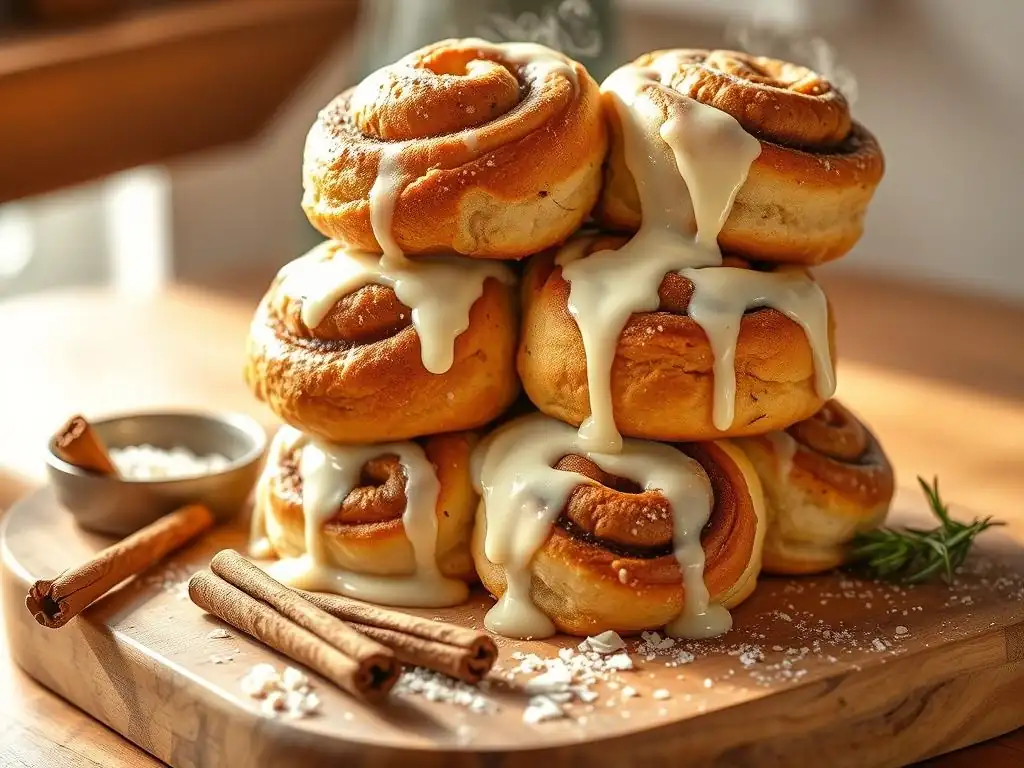
To ensure your dairy-free cinnamon rolls bake evenly, leading to a consistent texture and color across the pan, proper oven setup and pan placement are important. Always preheat your oven fully before placing the rolls inside; baking in a cold or partially heated oven can lead to uneven rising and baking. Use an oven thermometer to verify your oven's actual temperature, as they can often be off by 25°F (about 15°C) or more.
Place the baking pan on the center rack of the oven. This position allows for the most even heat distribution from both the top and bottom elements. If your oven has hot spots, you might need to rotate the pan halfway through the baking time, around the 10-12 minute mark.
Using a light-colored metal pan can also help with even browning compared to dark pans, which absorb more heat and can cause the bottoms to brown faster. Don't overcrowd the pan; leave a bit of space between the rolls during the second proofing (though they will expand to fill the pan) to allow hot air to circulate around them.
Preventing Dryness in Dairy-Free Cinnamon Rolls
One common challenge in dairy-free baking can be preventing baked goods from becoming dry, as dairy butter contributes significant moisture and richness. For this dairy-free cinnamon rolls recipe, ensuring the dough is well-hydrated initially is key. Don't add too much flour during kneading; the dough should be slightly sticky but manageable after sufficient kneading. Use the spoon-and-level method when measuring flour.
During baking, avoid overbaking at all costs. As mentioned earlier, bake just until the rolls are lightly golden and the centers are set. You can also add a pan of water to the rack below the rolls in the oven during baking; the steam created can help keep the rolls moist. After baking, glazing the rolls while they are still warm helps the glaze melt and seep into the rolls, adding moisture and sweetness. Storing cooled rolls properly in an airtight container also prevents them from drying out.
Achieving the Perfect Cinnamon Roll Shape and Rise
The shape of your dairy-free cinnamon rolls is determined during the rolling and cutting stages. When rolling the dough into a rectangle, aim for even thickness throughout. This ensures that each layer of the spiral is consistent. When rolling up the log, roll it tightly and evenly to create well-defined spirals. A loose roll will result in rolls that spread out rather than rise upwards.
Cutting the log cleanly is also important. Using a sharp serrated knife or, preferably, dental floss (unwaxed, unflavored) creates clean cuts without squishing the dough layers. To use floss, slide a piece under the log, cross the ends over the top, and pull to slice through. For the rise, providing a warm, draft-free environment for both proofing stages is critical. The rolls should visibly increase in size and puff up. If your kitchen is cool, using a proofing box setting on your oven or the warmed oven with water method can help significantly.
Dairy-Free Cinnamon Roll Variations and Add-Ins
Adding Nuts and Fruits to Your Dairy-Free Cinnamon Rolls
Elevating your dairy-free cinnamon rolls recipe with additional flavors and textures is easy with nuts and fruits. Chopped pecans or walnuts are classic additions to the cinnamon filling, providing a delightful crunch. Toasting the nuts lightly before adding them can enhance their flavor. Simply sprinkle about 1/2 cup of chopped nuts over the cinnamon-sugar mixture before rolling up the dough.
Dried fruits like raisins, cranberries, or chopped dried apples can also be added for bursts of sweetness and chewiness. If using raisins or cranberries, soaking them in warm water or a splash of rum for about 10 minutes and then draining them can plump them up and prevent them from drying out during baking. Add about 1/2 cup of dried fruit along with the nuts, distributing them evenly over the filling before rolling. These additions make for an even more complex and satisfying homemade dairy-free cinnamon rolls experience.
Experimenting with Different Extracts in Your Dairy-Free Cinnamon Roll Recipe
While vanilla extract is a standard in the dough and glaze, experimenting with other extracts can add interesting flavor dimensions to your dairy-free cinnamon rolls. Almond extract, used sparingly (just a few drops in the dough or glaze), can complement the flavor of almond milk if you used it, or add a subtle nutty note regardless. Maple extract can enhance the brown sugar notes in the filling.
For a more festive touch, a dash of orange extract or lemon extract in the glaze can add a bright, citrusy contrast to the rich cinnamon flavor. You could also add a hint of rum extract to the filling or glaze for a warm, comforting undertone. When substituting or adding extracts, start with a small amount (like 1/4 teaspoon) and adjust to your preference, as some extracts can be quite potent. This simple tweak allows you to personalize your dairy-free cinnamon rolls recipe.
Adding Spices to Dairy-Free Cinnamon Rolls
Beyond just cinnamon, incorporating other warming spices can add depth and complexity to the filling of your dairy-free cinnamon rolls. A pinch of nutmeg, ground cloves, or ground ginger mixed into the cinnamon-sugar filling can create a spice blend reminiscent of gingerbread or speculoos. Start with just 1/4 teaspoon of these stronger spices, as they can easily overpower the cinnamon.
Cardamom is another excellent addition, especially in baked goods. About 1/2 to 1 teaspoon of ground cardamom added to the cinnamon-sugar mix imparts a fragrant, slightly floral note that pairs beautifully with cinnamon and sugar. You can also consider adding a tiny pinch of black pepper or cayenne pepper for a subtle warmth that enhances the sweetness without making the rolls spicy. These spice variations turn a classic Dairyfree cinnamon rolls recipe into something uniquely yours.
Serving and Storing Your Dairy-Free Cinnamon Rolls
Serving Suggestions for Dairy-Free Cinnamon Rolls
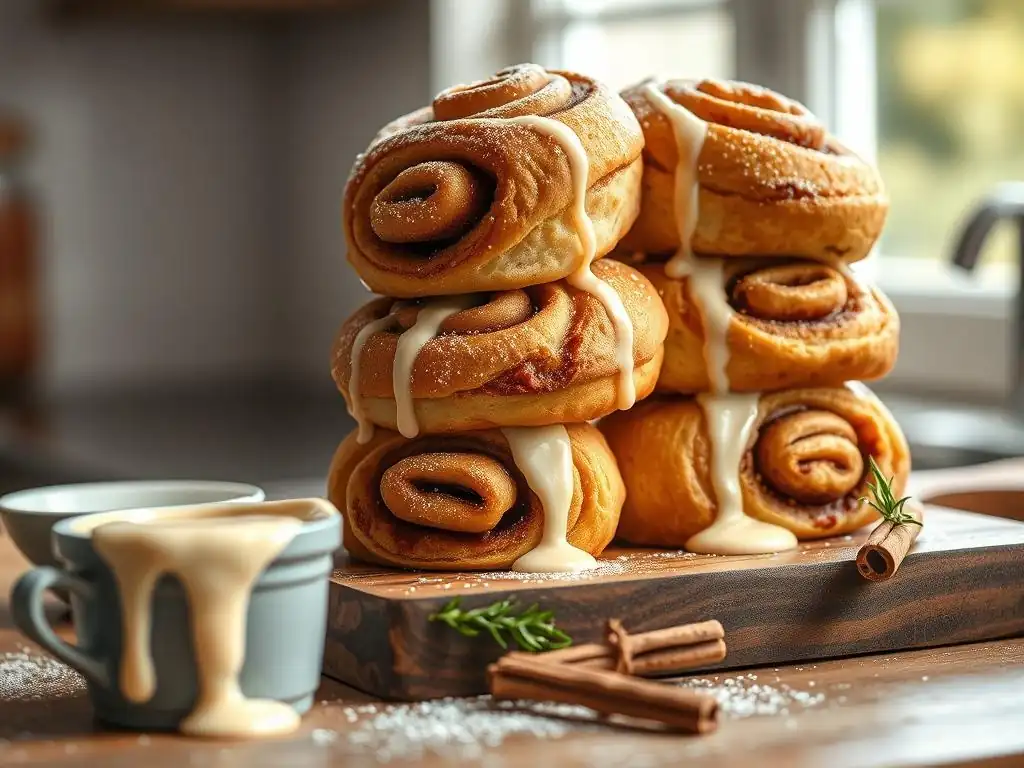
The best way to enjoy homemade dairy-free cinnamon rolls is undoubtedly warm, fresh from the oven, generously coated in that luscious coconut milk glaze. The warmth enhances the soft texture and melts the glaze into a delightful, sweet coating. Serve them as a special breakfast or brunch item, perhaps alongside some fresh fruit or a cup of dairy-free coffee or tea.
For a more decadent dessert, you could serve a warm roll with a scoop of dairy-free vanilla ice cream or a dollop of dairy-free whipped cream. The contrast of warm roll and cold topping is divine. They also make a wonderful treat for an afternoon snack. The simple pleasure of pulling apart a warm, gooey roll is a comforting experience that this Dairyfree cinnamon rolls recipe delivers perfectly. Don't be shy with the glaze – it's part of what makes them so irresistible!
Storing Leftover Dairy-Free Cinnamon Rolls for Optimal Freshness
If you happen to have any leftover dairy-free cinnamon rolls (a rare occurrence! ), proper storage is key to maintaining their moisture and freshness. Allow the rolls to cool completely before storing. Place them in an airtight container at room temperature. They will stay fresh and soft for 2-3 days. Avoid refrigerating them if possible, as refrigeration can sometimes dry out yeast-leavened baked goods.
For longer storage, you can freeze the baked and cooled rolls, either glazed or unglazed. Wrap individual rolls tightly in plastic wrap, then place them in a freezer-safe bag or container. They can be frozen for up to 2-3 months. The coconut milk glaze can be stored separately in the refrigerator for a few days or frozen. If freezing glazed rolls, the glaze texture might change slightly upon thawing, but the flavor will still be good.
Reheating Dairy-Free Cinnamon Rolls to Retain Moisture
Reheating leftover dairy-free cinnamon rolls properly helps bring back their soft texture and warmth, making them taste almost as good as fresh. The best method is often in the oven or a toaster oven. Preheat the oven to a low temperature, around 300-325°F (150-160°C). Place the rolls in an oven-safe dish, possibly covered loosely with foil to prevent drying, and heat for 10-15 minutes, or until warmed through.
Alternatively, you can reheat individual rolls in the microwave for 20-30 seconds on medium power. Be careful not to overheat, as this can make them tough. If the rolls were frozen, thaw them overnight in the refrigerator or at room temperature first before reheating. If the glaze was stored separately or needs refreshing, you can gently warm it or make a fresh batch to drizzle over the reheated rolls. This ensures your homemade dairy-free cinnamon rolls are always served warm and delicious.
Dairy-Free Baking Resources and Further Reading
Exploring Other Dairy-Free Baking Recipes on BakeWithEase
Once you've mastered this Dairyfree cinnamon rolls recipe, you might be eager to explore more dairy-free baking adventures. BakeWithEase.com offers a variety of other recipes specifically designed for dairy-free diets. You can find guides for making flaky dairy-free pie crusts using shortening or dairy-free butter sticks, recipes for moist dairy-free cakes and cupcakes using plant-based milks and oil or dairy-free butter, and even dairy-free cookie recipes that use alternative fats and egg substitutes if needed.
Look for recipes categorized under "Dairy-Free Baking" or within our "Dietary & Allergen-Specific Baking" section. Each recipe provides detailed instructions and tips tailored to dairy-free ingredients and techniques, helping you expand your repertoire of delicious baked goods that everyone can enjoy. Trying different recipes is a great way to become more comfortable with dairy-free substitutions and learn how different ingredients behave in baking.
Understanding Dairy-Free Baking Ingredients and Techniques
Becoming a proficient dairy-free baker involves understanding the role of traditional dairy ingredients (like butter, milk, and cream) and how their dairy-free substitutes function differently. Dairy butter provides fat, flavor, and helps create flaky or tender textures depending on how it's used; dairy-free butter alternatives, especially sticks, are formulated to mimic these properties but can sometimes behave slightly differently due to varying fat blends. Dairy milk adds moisture, richness, and helps activate yeast; plant-based milks serve a similar purpose but may have different protein or fat contents affecting the final result.
Learning techniques like emulsifying fats and liquids when making batters, or understanding how different dairy-free fats affect dough consistency, is beneficial. For example, using melted dairy-free butter or oil in a cake batter often results in a moist crumb, while creaming solid dairy-free butter alternative with sugar is essential for aerating cookie dough. Pay attention to ingredient temperatures and mixing methods outlined in recipes, as these are often adjusted to work best with dairy-free components.
Exploring Dairy-Free Milk Alternatives on BakeWithEase
Choosing the right dairy-free milk alternative is crucial in dairy-free baking, as different types can impact the flavor, moisture, and texture of your baked goods. BakeWithEase.com features resources dedicated to understanding the various dairy-free milk options available. We discuss the pros and cons of using almond milk, soy milk, oat milk, cashew milk, rice milk, and coconut milk (both carton and canned) in different baking applications.
For yeast doughs like this Dairyfree cinnamon rolls recipe, unsweetened, plain varieties of almond or soy milk are often preferred as they have a neutral flavor and provide enough protein to support gluten development. Oat milk is also a popular choice due to its creamy texture. Understanding the fat content (full-fat canned coconut milk is much higher in fat than carton coconut milk, for instance) and how different milks react to heat and acidity will help you make informed choices for all your dairy-free baking projects.
Conclusion: Enjoy Your Homemade Dairy-Free Cinnamon Rolls
Frequently Asked Questions
How can I make cinnamon rolls without dairy?
We use dairy-free alternatives like coconut milk in the dough and glaze for a delicious, dairy-free experience. The recipe replaces traditional dairy with plant-based options.
What makes this cinnamon roll recipe stand out from others?
This recipe features a delicious coconut milk glaze and a dough designed to be completely dairy-free. It still delivers the classic cinnamon roll flavor and texture.
Are the ingredients easy to find for this dairy-free cinnamon roll recipe?
Yes, most ingredients are readily available in supermarkets. You'll need common baking staples plus coconut milk and potentially dairy-free butter alternatives.
Can I substitute other plant-based milks for coconut milk?
While coconut milk provides a rich flavor and texture, you can experiment with other plant-based milks like almond milk or oat milk. However, the results may vary slightly in terms of richness and moisture.
How do I ensure my dairy-free cinnamon rolls are soft and fluffy?
Be sure to proof the dough properly until it has doubled in size. Also, avoid over-baking the rolls, checking for doneness with a toothpick.
Final Reflection: The Sweetness of Inclusion, One Roll at a Time
Dairy-free baking isn't just a dietary restriction; it's a delicious invitation to expand culinary horizons and create inclusive spaces. The recipes shared in this article demonstrate that delicious, comforting treats like cinnamon rolls can be enjoyed by everyone, regardless of dietary needs or preferences. This isn't just about avoiding dairy; it's about embracing creativity and finding joy in the process of baking something truly special.
The shift towards more inclusive food options reflects a broader societal change, a growing awareness of the importance of accommodating diverse needs and preferences. This isn't simply a trend; it's a movement towards greater understanding and acceptance. Food is symbolic of love when words are inadequate.
- Alan D. Wolfelt. This quote beautifully encapsulates the power of sharing food, especially when it's crafted with care and consideration for others. The simple act of baking dairy-free cinnamon rolls can be a powerful gesture of inclusivity, demonstrating that deliciousness knows no boundaries.
Now, I invite you to take this recipe and make it your own. Experiment with different spices, glazes, and even fillings. Most importantly, share the joy of baking these delicious rolls with your loved ones, regardless of their dietary needs. Let this recipe be a reminder that creating something delicious and inclusive is not only possible, but also incredibly rewarding. The sweetness of these rolls is a metaphor for the sweetness of connection and the power of shared experiences. Go forth and bake!
Unleash Your Inner Baker: Make These Amazing Dairy-Free Cinnamon Rolls!
Thanks for joining us on this delicious journey! We hope you’ve gained the confidence to tackle dairy-free baking and create something truly special. Ready to roll up your sleeves and get baking?
- Bake your own batch of these incredible cinnamon rolls: The recipe is designed for ease, even for beginners. Don't be intimidated; you've got this!
- Share your baking success: Tag us on social media with your gorgeous creations – we can't wait to see them!
- Explore other dairy-free recipes on our site to expand your baking horizons. You might discover your new favorite treat!
What delicious dairy-free adventure will you embark on next?