
How to Substitute Butter in Baking: 8 DairyFree Options That Work

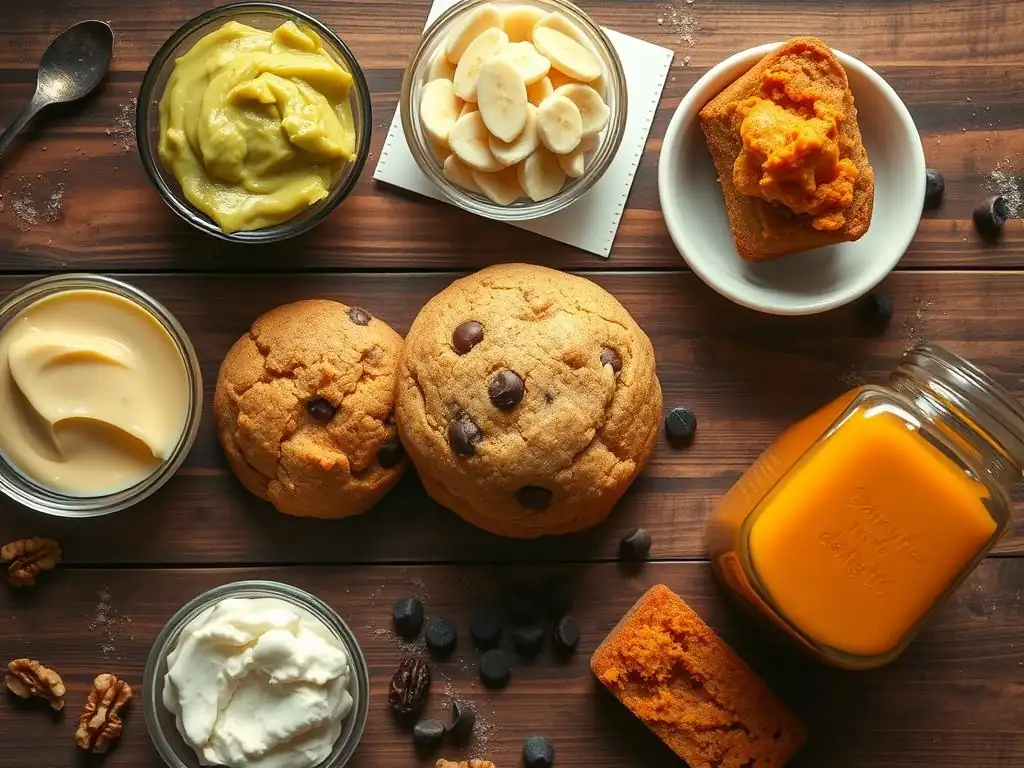
Welcome to BakeWithEase, your haven for all things baking! Ever wondered if you could achieve that same rich, buttery flavor without the dairy? This week, we're diving deep into the world of dairy-free butter baking substitutions. Discover 8 fantastic alternatives that will transform your recipes and open up a whole new realm of delicious possibilities. Intrigued? Let's get baking!
- Baking Dairy-Free: Mastering Butter Substitutions for Delicious Results
- Understanding the Role of Butter in Baking and Why You Need a Substitute
-
8 Effective Dairy-Free Butter Substitutions for Baking
- 1. Coconut Oil: A Versatile Dairy-Free Butter Replacement
- 2. Olive Oil: Adding a Unique Flavor Profile to Your Bakes
- 3. Vegan Butter Sticks: The Closest Dairy-Free Butter Alternative
- 4. Applesauce: A Healthy and Naturally Sweet Butter Substitute
- 5. Avocado: A Creamy and Nutritious Option for Baking
- 6. Vegetable Shortening: A Classic Dairy-Free Option for Certain Bakes
- 7. Nut Butters (Almond, Cashew, Peanut): Adding Flavor and Moisture
- 8. Dairy-Free Yogurt: A Tangy and Moist Butter Alternative
- Dairy-Free Butter Substitutions: A Comparison Table
- Tips for Successful Dairy-Free Butter Baking Substitutions
- Dairy-Free Butter Baking: Achieving the Perfect Texture and Flavor
- Conclusion: Enjoy Delicious Dairy-Free Baking with Confidence.
-
Frequently Asked Questions
- How can I make my baked goods dairy-free using butter substitutes?
- What are the best dairy-free butter substitutes for baking cookies?
- Can I use applesauce as a butter substitute in all baking recipes?
- Are there any special considerations when using plant-based butter in baking?
- How does coconut oil affect the taste and texture of baked goods when used as a butter substitute?
- Final Reflection: Unlocking Dairy-Free Baking's Delicious Potential
- Unleash Your Dairy-Free Baking Potential!
Baking Dairy-Free: Mastering Butter Substitutions for Delicious Results
Venturing into dairy-free baking opens up a world of possibilities, allowing everyone to enjoy delightful treats regardless of dietary restrictions or allergies. At its core, dairy-free baking often involves finding effective dairyfree butter baking substitutions. Butter plays a crucial role in almost every baked good, contributing significantly to flavor, texture, and structure. Understanding how to replace it successfully is the first step towards creating delicious dairy-free versions of your favorite recipes.
Mastering dairy-free butter alternatives for baking requires knowledge of how different substitutes behave. Each option brings unique properties to the table, affecting everything from the crispness of a cookie to the tenderness of a cake. With the right techniques and the best dairy-free butter baking substitutions, you can achieve results that are just as satisfying, if not more so, than traditional recipes. This guide explores eight popular and effective options, offering insights into their best uses and potential impacts on your final product.
Understanding the Role of Butter in Baking and Why You Need a Substitute
Butter is a cornerstone ingredient in countless baking recipes, valued for its complex composition of fat, water, and milk solids. These components interact uniquely during the baking process, contributing essential qualities that are difficult to replicate with a single substitute. When seeking dairyfree butter baking substitutions, it's vital to understand what butter actually does in your dough or batter.
The need for dairy-free butter alternatives arises from various reasons, primarily addressing dietary needs. Lactose intolerance affects a significant portion of the population worldwide, with estimates suggesting up to 70% of people may experience some degree of difficulty digesting lactose after infancy. Dairy allergies, while less common than intolerance, can cause severe reactions, necessitating the complete avoidance of dairy products. Furthermore, lifestyle choices such as veganism or simply a preference for plant-based options drive the demand for reliable dairyfree butter baking substitutions.
The Functions of Butter in Baking: Flavor, Texture, and Structure
Butter brings a rich, creamy flavor that is characteristic of many baked goods. Its fat content carries and enhances other flavors, creating a more complex taste profile. Beyond flavor, butter is critical for texture. As butter melts during baking, its water content turns to steam, creating pockets of air that contribute to flakiness in pastries and lightness in cakes. The fat coats flour particles, inhibiting gluten development, which results in a tender crumb rather than a tough one.
Structurally, butter contributes to leavening and spread. In recipes like cookies, the creaming of butter with sugar incorporates air, which expands during baking. The melting point of butter also influences how much a cookie spreads. Finding dairyfree butter baking substitutions that can mimic these multiple functions is the key challenge. Substitutes vary widely in their fat composition, water content, and melting points, meaning a direct 1:1 swap isn't always ideal for achieving the desired outcome.
Why Choose Dairy-Free Butter Alternatives? Addressing Allergies and Dietary Preferences
Choosing dairy-free butter alternatives is often a necessity for individuals with dairy allergies. A true dairy allergy involves an immune system response to proteins found in milk, such as casein and whey. Even small amounts of dairy can trigger symptoms ranging from hives and digestive issues to anaphylaxis, a severe, life-threatening reaction. For these individuals, finding safe and reliable dairyfree butter baking substitutions is not just a preference but a critical health requirement.
Beyond allergies, lactose intolerance is a common digestive issue where the body doesn't produce enough lactase, the enzyme needed to break down lactose sugar in milk. While less severe than an allergy, consuming dairy can lead to uncomfortable symptoms like bloating, gas, and diarrhea. Opting for dairy-free butter baking substitutions allows individuals with lactose intolerance to enjoy baked goods without discomfort. Furthermore, the growing popularity of vegan and plant-based diets means more people are seeking non-animal-derived ingredients for ethical, environmental, or health reasons, making knowledge of dairy-free butter alternatives for baking increasingly valuable.
8 Effective Dairy-Free Butter Substitutions for Baking
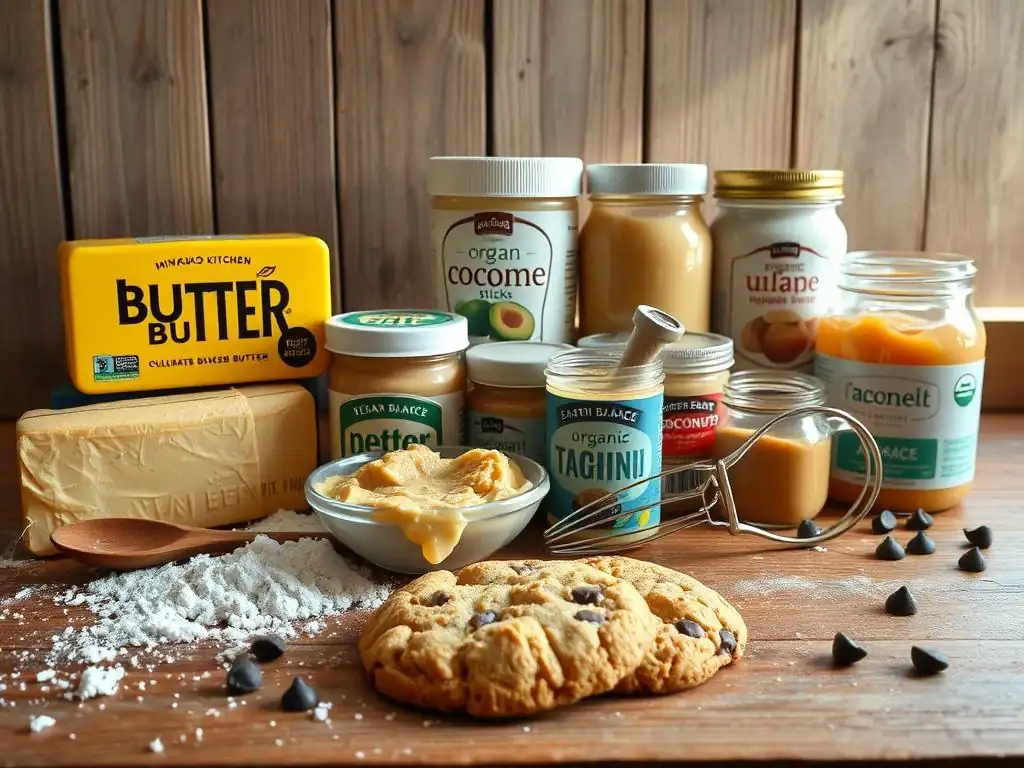
Finding the right dairyfree butter baking substitutions can transform your baking. Here are eight options commonly used, each with its own characteristics and best applications.
1. Coconut Oil: A Versatile Dairy-Free Butter Replacement
Coconut oil is a popular choice among dairy-free butter alternatives for baking due to its versatility. It's a plant-based fat that behaves similarly to butter in many recipes, solidifying at room temperature (especially virgin coconut oil) and melting when heated. Its high saturated fat content provides structure and richness, making it a good candidate for various baked goods.
When using coconut oil as a dairyfree butter baking substitution, consider its distinct coconut flavor. Refined coconut oil has a neutral taste, while virgin or unrefined coconut oil imparts a noticeable coconut aroma and flavor. This can be a welcome addition in some recipes, like tropical-inspired cakes or certain cookies, but may be undesirable in others where a neutral fat is preferred, such as delicate shortbread. It typically substitutes butter at a 1:1 ratio by volume or weight, though some recipes may require slight adjustments depending on the oil's consistency.
Using Coconut Oil in Baking: Best Applications and Considerations
Coconut oil works well in recipes where butter is melted, such as brownies or quick breads, as it integrates easily into the batter. When used in recipes requiring creaming with sugar, like cookies, it's best if the coconut oil is solid but pliable, similar to room-temperature butter. Chilling solid coconut oil before cutting it into flour is effective for flaky crusts and biscuits.
One consideration is coconut oil's melting point, which is around 76°F (24°C). This is lower than butter's, meaning baked goods made with coconut oil might spread more or have a softer texture at room temperature compared to those made with butter. Adjusting chilling times for doughs can help manage spread. For cakes and muffins, coconut oil contributes moisture and tenderness.
Coconut Oil Chocolate Chip Cookies Recipe
This section would typically provide a recipe demonstrating how to use coconut oil as a dairyfree butter baking substitution in classic chocolate chip cookies, highlighting ingredient ratios and method adjustments needed for this specific alternative.
2. Olive Oil: Adding a Unique Flavor Profile to Your Bakes
Olive oil, particularly extra virgin olive oil, is another effective dairy-free butter alternative that adds moisture and a unique flavor. While its distinct taste might not suit every recipe, it pairs beautifully with citrus, herbs, and certain fruits, making it excellent for cakes, muffins, and some rustic breads.
Unlike solid fats, olive oil is liquid at room temperature, which affects how it functions in baking. It doesn't contribute to leavening through the creaming method like butter does. However, its liquid fat content helps tenderize baked goods and prevents them from drying out. When using olive oil as a dairyfree butter baking substitution, a general guideline is to use about 3/4 the amount of butter called for, as it is 100% fat compared to butter's approximately 80% fat and 20% water/solids.
Baking with Olive Oil: Tips for Successful Substitution
Olive oil is best used in recipes where liquid fat is acceptable or preferred, such as those made using the muffin method (wet ingredients mixed separately from dry, then combined). It's fantastic in cakes, quick breads, and some types of cookies that don't rely on creaming for lift or structure. Its flavor intensity varies by type; a mild or light olive oil might be better for delicate flavors, while a robust extra virgin olive oil can be a featured flavor note.
Because it's liquid, olive oil won't work as a direct substitute in recipes requiring solid or creamed butter for structure, like shortbread or flaky pie crusts. Its high monounsaturated fat content makes baked goods moist and can extend their shelf life slightly compared to those made with butter or saturated fats. Experimenting with different types of olive oil can yield interesting flavor variations in your dairyfree butter baking substitutions.
Olive Oil Cake Recipe
This section would describe a recipe for an olive oil cake, illustrating how olive oil functions as a dairyfree butter baking substitution to create a moist, tender crumb with a subtle, pleasant flavor profile.
3. Vegan Butter Sticks: The Closest Dairy-Free Butter Alternative
Vegan butter sticks are specifically formulated to mimic the properties of dairy butter, making them one of the most straightforward dairyfree butter baking substitutions. They are typically made from a blend of plant-based oils (like palm, soy, or canola oil) and sometimes include ingredients to replicate butter's texture and flavor, such as lecithin or natural flavorings.
These products are designed to be used in a 1:1 ratio like traditional butter in most recipes. They often come in stick form, making them easy to measure and handle for tasks like creaming with sugar or cutting into flour for pastry. The goal of vegan butter manufacturers is to create a product that behaves as similarly as possible to dairy butter across various baking applications, from flaky pie crusts to fluffy cakes and spreadable cookies.
Choosing the Right Vegan Butter: Brands and Considerations
The market offers numerous brands of vegan butter, and their compositions can vary, affecting performance. Some brands might contain more water or different fat blends, which can influence spread, flakiness, or how well they cream. Reading reviews or trying a few different brands is recommended to find one that performs well for your specific baking needs and tastes.
Look for vegan butter sticks labeled specifically for baking, as these are usually formulated to have a fat content and consistency similar to dairy butter (around 80% fat). Spreads sold in tubs often have a higher water content and are less suitable for recipes where the fat content and structure are critical, such as puff pastry or certain cookies. Using high-quality vegan butter is key to successful dairyfree butter baking substitutions in recipes that heavily rely on butter's structure.
Vegan Butter Sugar Cookies Recipe
This section would detail a recipe for sugar cookies using vegan butter sticks, demonstrating how this dairyfree butter baking substitution can closely replicate the texture and spread of traditional butter-based cookies.
4. Applesauce: A Healthy and Naturally Sweet Butter Substitute
Applesauce is a popular dairy-free butter alternative often used to reduce fat and add moisture to baked goods. It's a purée of cooked apples, primarily composed of carbohydrates and water, with very little fat. Using applesauce significantly changes the nutritional profile of a baked item, making it a choice often favored for 'lightened' or healthier recipes.
While applesauce adds moisture, it doesn't provide the fat necessary for tenderness, flakiness, or structure in the same way butter does. It's typically used in recipes where moisture is a primary concern, like muffins, quick breads, or some cakes. A common substitution ratio is 1:1 for butter, but it's often recommended to only substitute a portion of the butter (e.g., half) to retain some of the original texture provided by fat. Substituting all the butter with applesauce can result in a denser, gummier texture and a less rich flavor.
Using Applesauce as a Butter Replacement: Moisture and Density
Applesauce works well in baked goods where moisture is paramount and a slightly denser texture is acceptable. It can also add a subtle sweetness, potentially allowing for a slight reduction in added sugar. Its high water content contributes to moisture but doesn't create the air pockets needed for lightness or flakiness.
When using applesauce as a dairyfree butter baking substitution, be mindful of the overall fat content. Recipes relying heavily on butter for tenderness (like biscuits or shortbread) will not work well with applesauce alone. It's best reserved for recipes that are more forgiving, such as those leavened primarily by baking soda or baking powder. The natural pectin in applesauce can sometimes contribute to a slightly chewier texture.
Applesauce Muffins Recipe
This section would outline a recipe for muffins incorporating applesauce as a dairyfree butter baking substitution, illustrating how it adds moisture and natural sweetness while affecting the final texture compared to butter.
5. Avocado: A Creamy and Nutritious Option for Baking
Avocado is a unique dairy-free butter alternative known for its creamy texture and healthy monounsaturated fats. When mashed or pureed, it can provide moisture and richness to baked goods, similar to how butter does in certain applications. Its mild flavor generally bakes out, making it a surprisingly versatile option, especially in chocolate recipes where its green hue is masked.
Like applesauce, avocado adds moisture and healthy fats but doesn't offer the same structural properties as solid butter. It's typically used as a substitute in a 1:1 ratio for butter in recipes like brownies, quick breads, or certain cookies. However, due to its density and moisture content, it can sometimes lead to a heavier final product if not used carefully.
Baking with Avocado: Achieving the Right Consistency
Avocado works best in dense or dark-colored baked goods where its color and texture are less noticeable. Brownies, chocolate cakes, and some types of cookies are excellent candidates. Ensure the avocado is ripe and mashed completely smooth to avoid chunks in the finished product.
When using avocado as a dairyfree butter baking substitution, you might find the baked goods are incredibly moist but lack the crisp edges or flaky layers that butter provides. It contributes to a tender crumb but doesn't facilitate creaming for aeration. It's an excellent option for adding nutrition and moisture without dairy, but it requires recipe adjustments to achieve the desired texture in many cases.
Avocado Brownies Recipe
This section would detail a recipe for brownies using avocado as a dairyfree butter baking substitution, demonstrating how its creaminess and fat content contribute to a fudgy texture, often masking the avocado flavor and color.
6. Vegetable Shortening: A Classic Dairy-Free Option for Certain Bakes
Vegetable shortening is a solid fat made from hydrogenated vegetable oils. It is naturally dairy-free and has been used as a dairy-free butter alternative for decades, particularly valued for its high melting point and ability to create flaky textures in pie crusts and tender cookies.
Shortening is 100% fat (compared to butter's ~80%), which means it can produce different results in terms of spread and tenderness. It creams well with sugar, incorporating air for leavening, similar to butter. However, shortening lacks the flavor complexity of butter and contains no water or milk solids, which impacts how it behaves during baking, especially concerning browning and flavor development. It's often used in a 1:1 substitution ratio for butter, but the higher fat content might require minor adjustments in flour or liquid.
Using Vegetable Shortening: Best for Cookies and Pie Crusts
Vegetable shortening excels in recipes where flakiness and tenderness are paramount, such as pie crusts and certain cookies. Its high melting point means it stays solid longer in the oven, creating steam pockets within the dough as the water content from other ingredients evaporates, resulting in flaky layers. For cookies, shortening can help maintain shape and prevent excessive spread.
Because shortening has a neutral flavor, baked goods made solely with it can sometimes taste a bit bland compared to those made with butter. Many recipes that use shortening also include flavorings like vanilla extract to compensate. It's a reliable dairyfree butter baking substitution for texture, but you might sacrifice some depth of flavor unless other ingredients are used to enhance taste.
Vegetable Shortening Pie Crust Recipe
This section would describe a recipe for a flaky pie crust using vegetable shortening, highlighting its role as a dairyfree butter baking substitution in creating tender, layered pastry due to its high fat content and melting point.
7. Nut Butters (Almond, Cashew, Peanut): Adding Flavor and Moisture
Nut butters like peanut butter, almond butter, and cashew butter can serve as flavorful dairy-free butter alternatives, especially in recipes where their distinct taste is welcome. They provide fat and moisture, contributing to a rich, tender texture.
The composition of nut butters varies depending on whether they are natural (just nuts and maybe salt) or processed (containing added sugars, oils, or stabilizers). This affects their consistency and how they perform in baking. Natural nut butters, with their oil separation, might require stirring and can lead to slightly different textures than stabilized versions.
When using nut butters as a dairyfree butter baking substitution, expect a noticeable nutty flavor and a potentially denser or chewier texture, particularly in cookies. A common starting point for substitution is a 1:1 ratio, but adjustments might be needed based on the nut butter's consistency and the desired outcome.
Baking with Nut Butters: Adjusting for Sweetness and Texture
Nut butters work exceptionally well in cookies, brownies, and some bars where their flavor is a key component. They add moisture and fat but don't contribute to leavening in the same way as creamed butter. Recipes often need slight adjustments in flour or liquid to account for the thickness and oil content of the nut butter.
Consider the sweetness and saltiness of the nut butter you choose, as this will impact the final flavor of your baked goods. Using unsweetened, unsalted natural nut butter gives you more control over the recipe's flavor profile. While they provide fat and moisture, nut butters won't create the same flakiness as butter or shortening. They are best used as dairyfree butter baking substitutions in recipes designed to feature their unique properties.
Peanut Butter Cookies Recipe
This section would outline a recipe for classic peanut butter cookies, demonstrating how peanut butter functions as a primary fat source and flavor agent, acting as a dairyfree butter baking substitution.
8. Dairy-Free Yogurt: A Tangy and Moist Butter Alternative
Dairy-free yogurt (made from soy, almond, coconut, or oat milk) can be used as a dairy-free butter alternative to add moisture and a slight tanginess to baked goods, particularly cakes and muffins. It's lower in fat than butter and contains water and some protein, which affects the final texture.
Using dairy-free yogurt as a dairyfree butter baking substitution is similar to using applesauce or avocado – it primarily adds moisture and tenderness but does not contribute to richness, flakiness, or creaming for aeration. It works best in recipes that are already quite moist or those where a slightly denser, more tender crumb is desired. A typical substitution might be replacing half the butter with yogurt, though some recipes specifically formulated for yogurt might use it more extensively.
Using Dairy-Free Yogurt in Baking: Best for Cakes and Muffins
Dairy-free yogurt is excellent in cakes, muffins, and quick breads, where its moisture content helps create a tender, soft crumb. The acidity in some yogurts can also interact with baking soda, aiding in leavening and producing a lighter texture than might be expected from a low-fat substitute.
Choose plain, unsweetened dairy-free yogurt for most baking applications to control the sweetness and flavor. Greek-style dairy-free yogurts, being thicker, might perform differently than thinner varieties. When using dairy-free yogurt as a dairyfree butter baking substitution, remember that it won't provide the same richness or help create flaky layers. It's best used in conjunction with a smaller amount of oil or another fat for recipes that require some level of richness or tenderness from fat.
Dairy-Free Yogurt Coffee Cake Recipe
This section would describe a recipe for a coffee cake using dairy-free yogurt as a dairyfree butter baking substitution, illustrating how it contributes to a moist crumb and potentially interacts with leavening agents for a tender texture.
Dairy-Free Butter Substitutions: A Comparison Table
Understanding the nuances of each dairyfree butter baking substitution can be simplified by comparing their key characteristics side-by-side.
Dairy-Free Butter Substitution Comparison: Flavor, Texture, and Use Cases
| Substitute | Primary Function in Baking | Flavor Profile | Texture Contribution | Best Use Cases | Common Substitution Ratio (vs. Butter) |
|---|---|---|---|---|---|
| Coconut Oil | Fat, Moisture, Structure | Neutral (refined) or Coconut (virgin) | Tender, Flaky (if solid), Moist | Cookies, Brownies, Pie Crusts, Muffins, Quick Breads | 1:1 |
| Olive Oil | Moisture, Tenderness | Distinct (fruity/peppery) | Moist, Tender, Dense | Cakes, Muffins, Quick Breads | ~3/4:1 |
| Vegan Butter Sticks | Fat, Structure, Flavor | Neutral/Buttery | Tender, Flaky, Creamable | Cookies, Cakes, Pastries, Any recipe calling for butter | 1:1 |
| Applesauce | Moisture, Sweetness | Apple | Moist, Dense, Less tender | Muffins, Quick Breads, Cakes (partial substitution) | 1:1 (often partial) |
| Avocado | Moisture, Fat | Mild (bakes out) | Moist, Fudgy, Dense | Brownies, Chocolate Cakes, Muffins (dark colored) | 1:1 |
| Vegetable Shortening | Fat, Structure | Neutral | Tender, Flaky, Less spread | Pie Crusts, Certain Cookies | 1:1 |
| Nut Butters | Fat, Moisture, Flavor | Nutty (Peanut, Almond, etc.) | Moist, Chewy, Dense | Cookies, Brownies, Bars | 1:1 (adjust as needed) |
| Dairy-Free Yogurt | Moisture, Tenderness | Tangy/Neutral | Moist, Tender, Softer crumb | Cakes, Muffins, Quick Breads (often partial) | Varies (often partial) |
This table provides a quick overview of how different dairyfree butter baking substitutions stack up, helping you choose the best option for your specific recipe goals. Remember that these are general guidelines, and successful dairy-free butter baking often involves experimenting with slight variations based on the specific substitute and recipe.
Tips for Successful Dairy-Free Butter Baking Substitutions
Making dairyfree butter baking substitutions can be straightforward with the right approach. Success often lies in understanding how the substitute will affect the balance of wet and dry ingredients and the overall structure of the baked good.
Adjusting Recipes for Dairy-Free Baking: Moisture and Fat Content
When using dairy-free butter alternatives, especially those that differ significantly from butter in fat and water content (like applesauce or yogurt), you may need to adjust other ingredients. If using a substitute with less fat and more water (like applesauce), you might need to slightly reduce other liquids or increase flour to maintain the correct consistency. Conversely, if using a substitute that is 100% fat (like shortening or oil) in a recipe designed for butter (which is ~80% fat and ~20% water/solids), you might need to add a tiny amount of liquid or slightly reduce the fat substitute.
- Consider the original recipe's reliance on butter: Is it for creaming, flakiness, or just moisture/richness?
- Assess the substitute's composition: Is it solid or liquid? High fat? High water?
- Make small adjustments: Start with a direct 1:1 substitution where appropriate, and if the texture is off, adjust liquids or dry ingredients incrementally in subsequent attempts.
Dairy-Free Baking Ingredient Ratios: Finding the Right Balance
Achieving the perfect texture in dairy-free butter baking hinges on maintaining the correct ingredient ratios. While vegan butter sticks are often a 1:1 swap, other dairyfree butter baking substitutions require more careful consideration. For instance, substituting liquid oil for solid butter in a recipe that requires creaming won't work without significant recipe modification, as the oil won't incorporate air in the same way.
Understanding the function of each ingredient helps. Flour provides structure, leaveners create lift, sugar adds sweetness and aids in browning/spread, eggs bind and add richness (if not also substituted), and fat (butter or substitute) adds tenderness, moisture, and flavor. When you change the fat source, you potentially alter the balance of these functions. For example, using applesauce adds moisture but removes fat, requiring a different approach than using a high-fat vegan butter. Researching specific recipes designed for your chosen dairy-free butter alternative can provide reliable starting ratios.
Common Mistakes to Avoid When Using Butter Alternatives
One common mistake is expecting a perfect 1:1 substitution with any dairyfree butter baking substitution in any recipe. While it works for some (like vegan butter sticks in many cases), it fails for others (like using applesauce in flaky pastry). Another error is not considering the flavor impact of the substitute; refined coconut oil is neutral, but virgin coconut oil or olive oil will impart noticeable flavor.
- Don't substitute liquid fats for solid fats in recipes relying on creaming or cut-in methods without significant modification.
- Be mindful of moisture levels: Substitutes high in water (applesauce, yogurt) can make baked goods too dense if not balanced. Substitutes that are 100% fat (shortening, oil) can make them too dry if not balanced with other liquids.
- Consider the flavor profile: Ensure the substitute's flavor complements or is neutral in your recipe.
- Adjust baking time/temperature: Sometimes, dairy-free butter baking substitutions can affect how quickly or evenly a baked good browns, potentially requiring slight adjustments to avoid over or under-baking.
Dairy-Free Butter Baking: Achieving the Perfect Texture and Flavor
Successfully using dairyfree butter baking substitutions means aiming for the desired texture and flavor profile of the original recipe while accommodating dietary needs. This involves choosing the right substitute for the job and potentially fine-tuning the recipe through practice.
Choosing the Best Dairy-Free Butter Substitute for Specific Baking Projects
The best dairyfree butter baking substitution depends entirely on the type of baked good you are making. For flaky items like pie crusts or biscuits, a solid fat like vegan butter sticks or vegetable shortening is usually the most effective. For moist cakes or muffins where creaming isn't the primary leavening method, liquid oils, applesauce, or dairy-free yogurt can work well. For cookies, the choice influences spread and chewiness; vegan butter sticks often mimic traditional butter best, while shortening limits spread, and nut butters add chewiness.
- For Flaky Pastry (pie crusts, biscuits): Vegan Butter Sticks, Vegetable Shortening
- For Creamed Cakes (pound cake): Vegan Butter Sticks
- For Moist Cakes/Muffins (quick breads): Oil, Applesauce (partial), Dairy-Free Yogurt (partial), Melted Coconut Oil
- For Cookies (that spread and are crisp/chewy): Vegan Butter Sticks, Coconut Oil, Nut Butters, Vegetable Shortening (for shape)
- For Brownies (fudgy): Melted Coconut Oil, Avocado, Nut Butters
Selecting the substitute that most closely aligns with the required function of butter in the specific recipe is the most critical step in successful dairyfree butter baking.
Dairy-Free Baking Recipes: Inspiration and Ideas
Finding recipes specifically developed for dairy-free butter baking substitutions can significantly ease the process. Many bloggers and cookbook authors specialize in dairy-free baking and have already done the experimentation to perfect ratios and techniques for various substitutes. Look for recipes that call for the specific dairy-free butter alternative you plan to use, rather than trying to adapt a traditional recipe from scratch, especially when starting out.
Examples of recipes showcasing effective dairyfree butter baking substitutions include:
- Vegan chocolate chip cookies using vegan butter sticks for classic spread and chew.
- Olive oil cake highlighting the oil's contribution to moisture and a unique flavor.
- Fudgy avocado brownies that leverage avocado's creaminess.
- Flaky vegan pie crusts made with shortening or vegan butter.
- Moist applesauce muffins that reduce fat while adding sweetness.
Exploring these types of recipes provides practical examples of how different dairy-free butter alternatives for baking are used successfully.
Conclusion: Enjoy Delicious Dairy-Free Baking with Confidence.
Frequently Asked Questions
How can I make my baked goods dairy-free using butter substitutes?
You can use a variety of dairy-free alternatives like plant-based butter sticks, coconut oil, or even applesauce to achieve a similar texture and flavor in your baking. The specific choice depends on the recipe and desired outcome.
For cookies, plant-based butter sticks designed for baking or refined coconut oil often work best. They provide a similar fat content and texture, leading to cookies with a satisfying chew and spread. Avoid using olive oil as it can impart a strong flavor.
Can I use applesauce as a butter substitute in all baking recipes?
While applesauce works well in some recipes, especially cakes and muffins, it's not a universal substitute. It adds moisture and can make baked goods denser. It's best used in recipes where a slightly moister texture is desired and the ratio is carefully considered.
Are there any special considerations when using plant-based butter in baking?
Yes, plant-based butters can vary in their fat and water content. Look for varieties specifically formulated for baking and follow the recipe closely. Some may require chilling the dough or batter before baking.
How does coconut oil affect the taste and texture of baked goods when used as a butter substitute?
Coconut oil can impart a subtle coconut flavor, especially if unrefined. It also tends to create a denser and slightly chewier texture compared to butter. Refined coconut oil has a more neutral flavor.
Final Reflection: Unlocking Dairy-Free Baking's Delicious Potential
The demand for dairy-free baking is no longer a niche trend; it's a mainstream movement. More and more people are seeking delicious, inclusive recipes that cater to dietary restrictions and preferences, and the ability to successfully substitute butter is key to unlocking that potential. This shift reflects a growing awareness of both personal health and the wider ethical implications of our food choices.
This exploration into dairy-free butter alternatives has been a journey of discovery, not just for me as the writer, but hopefully for you, the reader, as well. The sheer variety of options available – from applesauce to avocado – highlights the ingenuity and adaptability of baking. It underscores the fact that deliciousness isn't tied to any single ingredient. The best recipes are those that allow for creativity and adaptation, reflecting the unique tastes and needs of the baker.
This quote perfectly encapsulates the spirit of dairy-free baking, emphasizing the importance of experimentation and finding what works best for you.
Now, it's your turn. Don't be afraid to experiment with these alternatives, to tweak recipes, and to discover your own perfect dairy-free butter substitute. Embrace the challenge, celebrate the successes, and most importantly, enjoy the delicious results. The world of dairy-free baking awaits – go forth and create!
Unleash Your Dairy-Free Baking Potential!
Thanks for joining us on this delicious journey into dairy-free baking! We hope you've discovered some amazing butter substitutes to expand your culinary creativity. Now it's time to put your newfound knowledge to the test.
- Bake your heart out! Try one of the recipes mentioned above, substituting your favorite dairy-free option. This is your chance to experiment and find what you love.
- Share your creations! Show us your delicious dairy-free masterpieces on social media using #BakeWithEaseDairyFree. We'd love to see what you bake!
- Explore further! Dive deeper into our extensive library of dairy-free recipes on BakeWithEase.com to find your next baking adventure.
What incredible dairy-free treat will you create first?