
Decadent DairyFree Chocolate Cake Recipe for Beginners

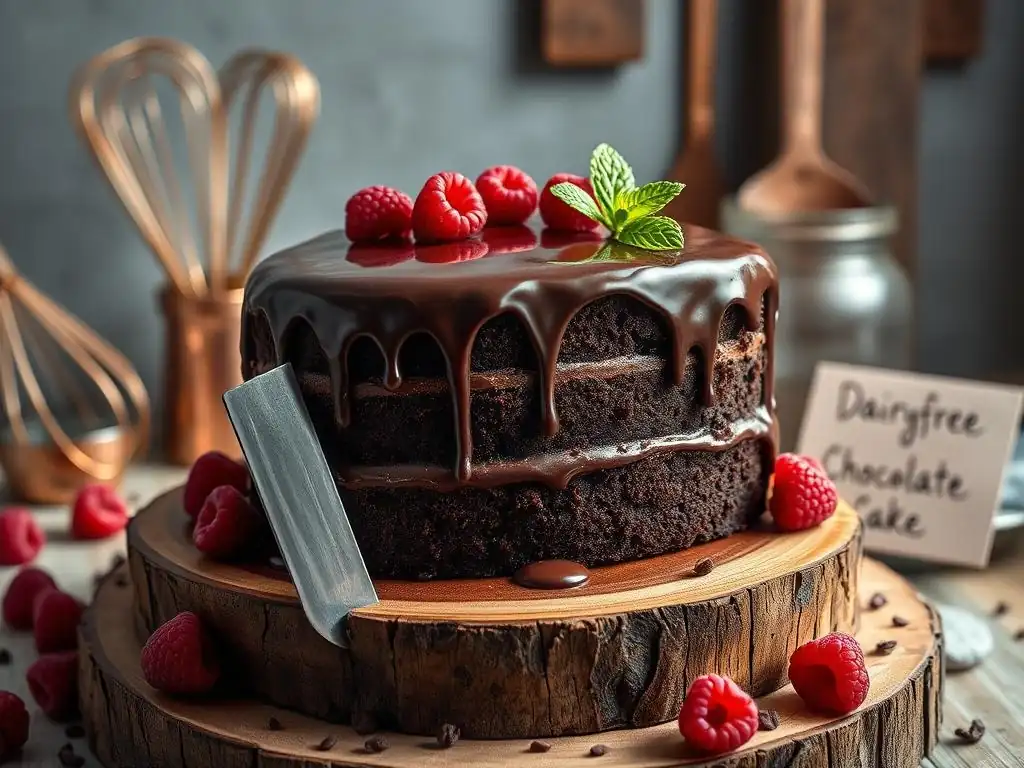
Welcome to BakeWithEase, your guide to confident baking! Ever dreamt of a decadent chocolate cake that's also dairy-free? You're in the right place! Discover our beginner-friendly Dairyfree chocolate cake recipe that proves indulgence doesn't have to be complicated. Get ready to unlock a world of flavor and learn how easy it can be to create allergy-friendly treats that everyone will love. Intrigued? Let's get baking!
- Decadent Dairy-Free Chocolate Cake Recipe for Beginners | BakeWithEase
- Introduction to Dairy-Free Baking: The Perfect Chocolate Cake
- The Ultimate Dairy-Free Chocolate Cake Recipe: A Step-by-Step Guide
- Preparing the Dairy-Free Chocolate Cake Batter
- Baking Your Dairy-Free Chocolate Cake to Perfection
- Creating a Delicious Dairy-Free Chocolate Frosting
- Assembling and Decorating Your Dairy-Free Chocolate Cake
- Tips and Tricks for a Flawless Dairy-Free Chocolate Cake
- Variations and Additions to Your Dairy-Free Chocolate Cake Recipe
- Enjoying Your Decadent Dairy-Free Chocolate Cake
- Dairy-Free Chocolate Cake Recipe: Printable Version
-
Frequently Asked Questions
- What makes this chocolate cake recipe "dairy-free"?
- Is this recipe difficult to follow for someone new to baking?
- Can I substitute other types of milk for the almond milk in the recipe?
- What can I use instead of coconut oil if I don't like the taste of coconut?
- How should I store the dairy-free chocolate cake to keep it fresh?
- Final Reflection: The Sweetness of Inclusion
- Unlock Your Inner Baker: Bake This Dairy-Free Delight!
Decadent Dairy-Free Chocolate Cake Recipe for Beginners | BakeWithEase
Introduction to Dairy-Free Baking: The Perfect Chocolate Cake
Welcome to Dairy-Free Baking with BakeWithEase
Embarking on the journey of dairy-free baking opens up a world of delicious possibilities, and there's no better place to start than with a classic: chocolate cake. At BakeWithEase, we believe that dietary restrictions shouldn't mean sacrificing flavor or texture. Our goal is to demystify dairy-free baking, providing you with the knowledge and confidence to create treats that everyone can enjoy. This guide to crafting a decadent dairy-free chocolate cake recipe is designed specifically for beginners, breaking down each step into manageable parts, ensuring a smooth and successful baking experience from start to finish.
Many people turn to dairy-free baking for various reasons, whether due to lactose intolerance, a dairy allergy, or simply lifestyle choices. Historically, dairy was seen as essential for moisture and richness in cakes. However, with advancements in dairy-free alternatives and a better understanding of ingredient interactions, achieving a moist, tender, and flavorful cake without any dairy is not only possible but can sometimes yield even better results. We'll explore how simple pantry staples and readily available substitutes can come together to create a truly indulgent dairy-free chocolate cake.
Why Choose a Dairy-Free Chocolate Cake?
Choosing a dairy-free chocolate cake offers significant benefits, particularly for individuals with dairy sensitivities or allergies. According to estimates, lactose intolerance affects a substantial portion of the global population, potentially ranging from 65% to 75%. For these individuals, consuming traditional dairy products can lead to uncomfortable digestive issues. A dairy-free option provides a safe and enjoyable way to partake in celebratory moments and everyday treats without adverse reactions.
Furthermore, opting for a dairy-free chocolate cake can be a fantastic inclusive choice when baking for groups. If you're hosting a party or bringing a dessert to a potluck, making a dairy-free version ensures that guests with diverse dietary needs or preferences aren't left out. It demonstrates thoughtfulness and allows more people to share in the simple pleasure of a slice of rich chocolate cake. Plus, many dairy-free alternatives, like plant-based milks and butters, can impart unique subtle flavors and textures that enhance the overall profile of the cake, proving that dairy-free doesn't mean flavor-free.
The Ultimate Dairy-Free Chocolate Cake Recipe: A Step-by-Step Guide
Gathering Your Ingredients for the Best Dairy-Free Chocolate Cake
Creating a superb dairy-free chocolate cake recipe starts with selecting the right ingredients. You'll need foundational dry ingredients like all-purpose flour (around 2 cups, approximately 240 grams), granulated sugar (about 1 ¾ cups, roughly 350 grams), unsweetened cocoa powder (around ¾ cup, about 65 grams), baking soda (about 1 ½ teaspoons), and salt (approximately 1 teaspoon). These standard baking components form the backbone of your cake's structure and flavor profile. Ensure your cocoa powder is unsweetened and of good quality for a deep chocolate taste.
For the essential wet ingredients that replace dairy, you'll need dairy-free milk (such as almond, soy, oat, or cashew milk, about 1 cup or 240 ml), vegetable oil (like canola or sunflower oil, approximately ½ cup or 120 ml), pure vanilla extract (about 2 teaspoons), and crucially, hot brewed coffee (around 1 cup or 240 ml). The hot coffee is a secret ingredient that not only enhances the chocolate flavor but also contributes significantly to the cake's moistness and tender crumb. Using a neutral-flavored oil ensures the chocolate flavor remains prominent.
Essential Baking Tools for a Perfect Dairy-Free Cake
Having the right tools makes the process of creating this dairy-free chocolate cake recipe much smoother, especially for beginners. You'll need standard kitchen equipment including measuring cups and spoons to ensure accuracy with your ingredients. A large mixing bowl is essential for combining the dry ingredients, and a separate medium bowl will be needed for whisking together the wet components.
For mixing the batter, a whisk is perfectly adequate, though an electric hand mixer or a stand mixer fitted with the whisk attachment can make the job quicker and easier, ensuring all ingredients are well incorporated without overmixing. You will also need two 8-inch round cake pans or one 9x13 inch rectangular pan. Prepare these pans by greasing and flouring them (using dairy-free butter or oil and cocoa powder instead of flour for chocolate cakes helps prevent white residue) or lining them with parchment paper.
A rubber spatula is invaluable for scraping down the sides of the bowl and folding ingredients gently. Finally, a cooling rack is necessary for allowing the cakes to cool properly after baking.
Preparing the Dairy-Free Chocolate Cake Batter
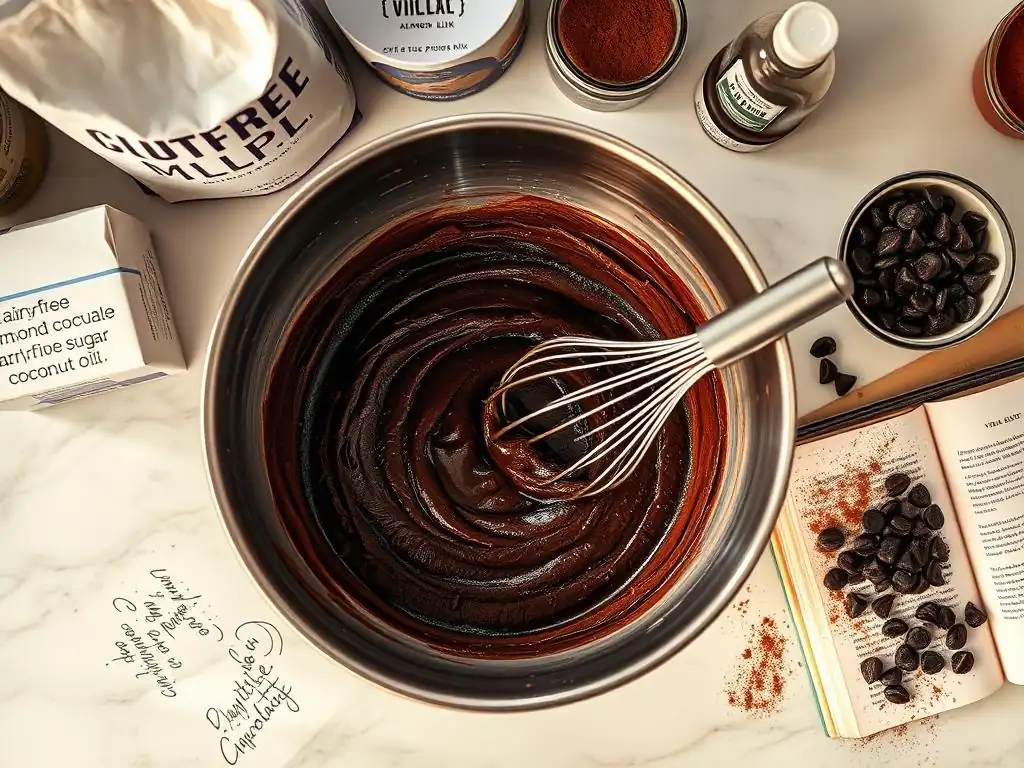
Combining Dry Ingredients: Flour, Cocoa, and More
The first step in preparing your dairy-free chocolate cake batter is to accurately measure and combine all the dry ingredients. In your large mixing bowl, whisk together the measured all-purpose flour, granulated sugar, unsweetened cocoa powder, baking soda, and salt. It's important to whisk these ingredients thoroughly for about 30 seconds to 1 minute. This step is crucial because it helps to evenly distribute the leavening agent (baking soda) and the cocoa powder throughout the flour, preventing pockets of unmixed ingredients in the final cake.
Sifting the dry ingredients before whisking is an optional but recommended step, especially for the cocoa powder which can sometimes be clumpy. Sifting helps to aerate the flour and break up any lumps in the cocoa, resulting in a smoother batter and a finer crumb in your finished dairy-free chocolate cake. Ensure all ingredients are weighed or measured accurately using standard kitchen scales or measuring cups and spoons for consistent results every time you make this dairy-free chocolate cake recipe.
Mixing Wet Ingredients: Dairy-Free Alternatives for Rich Flavor
In a separate medium bowl, you will combine the wet ingredients that provide the richness and moisture in this dairy-free chocolate cake recipe. Whisk together the dairy-free milk of your choice (such as almond, soy, or oat milk), the vegetable oil, and the vanilla extract. Ensure these are well combined before adding them to the dry ingredients. The type of dairy-free milk you choose can subtly influence the flavor; for example, oat milk can add a slight creaminess, while almond milk is quite neutral.
Once the initial wet ingredients are mixed, you will carefully whisk in the hot brewed coffee. Be cautious when handling hot liquids. The hot coffee reacts with the cocoa powder, blooming its flavor and creating a more intense chocolate taste. It also helps create a very liquid batter, which might seem unusual if you're new to this type of dairy-free chocolate cake recipe, but this thin consistency is key to achieving an incredibly moist crumb. Whisk until everything is just combined; overmixing wet ingredients can sometimes lead to a tougher cake texture.
The Secret to a Moist Dairy-Free Chocolate Cake
The remarkable moistness of this dairy-free chocolate cake recipe stems from a few key factors working in harmony. Firstly, the generous amount of vegetable oil used provides richness and moisture that dairy butter typically would. Unlike butter, which contains water and milk solids, oil is 100% fat, which coats the flour particles more effectively, inhibiting gluten development and resulting in a tender cake crumb. Studies and baking experiments often show that oil-based cakes tend to stay moist longer than butter-based cakes.
Secondly, the addition of hot coffee plays a critical role. Beyond enhancing the chocolate flavor, the hot liquid helps to dissolve the cocoa powder and sugar fully, creating a smooth batter. More importantly, it contributes significant moisture and reacts with the baking soda to create a very light and tender texture.
The use of baking soda as the primary leavener in combination with the acidic components often found in cocoa powder and coffee helps create a significant lift, contributing to a light, airy, yet incredibly moist final product. This specific combination is a widely recognized technique in many popular chocolate cake recipes, including this dairy-free adaptation.
Baking Your Dairy-Free Chocolate Cake to Perfection
Oven Temperature and Baking Time for Dairy-Free Cakes
Proper oven temperature and baking time are paramount for achieving a perfectly baked dairy-free chocolate cake. Preheat your oven to 350°F (175°C). It's vital to allow your oven to fully preheat for at least 15-20 minutes before placing the cakes inside. An accurately preheated oven ensures the cake begins to rise immediately and bakes evenly. Using an oven thermometer can help verify that your oven is reaching and maintaining the correct temperature, as many home ovens can be off by 25°F or more.
The baking time will vary depending on the size and depth of your cake pans. For two 8-inch round cake pans, expect a baking time of approximately 30-35 minutes. If using a single 9x13 inch rectangular pan, the time might be slightly longer, around 35-40 minutes. Factors like the specific pan material, your oven's calibration, and even altitude can influence the exact time needed. Start checking for doneness at the lower end of the time range to avoid overbaking, which is a common cause of dry cakes, dairy-free or otherwise.
How to Check for Doneness: The Toothpick Test
The most reliable method for checking if your dairy-free chocolate cake is fully baked is the classic toothpick test. Once the cake has been baking for the estimated time and the edges appear set and slightly pulled away from the sides of the pan, gently insert a clean toothpick or a thin skewer into the center of the cake. Be careful not to insert it too close to the edge, as the outer parts bake faster.
If the toothpick comes out clean, with no wet batter attached, your cake is done. You might see a few moist crumbs clinging to the toothpick, which is perfectly fine and indicates a moist cake. However, if the toothpick comes out with wet batter, the cake needs more time in the oven. Check again in 2-3 minute intervals until the toothpick test is successful. Overbaking can quickly lead to a dry cake, so rely on the toothpick test rather than solely on the clock.
Creating a Delicious Dairy-Free Chocolate Frosting
Ingredients for a Smooth and Creamy Dairy-Free Frosting
No decadent dairy-free chocolate cake recipe is complete without a luscious frosting. For a smooth and creamy dairy-free chocolate frosting, you'll need a few key ingredients. Start with a base of dairy-free butter, softened to room temperature (about 1 cup, approximately 225 grams). Ensure it's a stick-style dairy-free butter designed for baking, as tub varieties often have too much water content. You'll also need powdered sugar (confectioners' sugar), sifted to remove lumps (around 3-4 cups, approximately 360-480 grams, depending on desired consistency).
To achieve the chocolate flavor, use unsweetened cocoa powder (about ½ cup, approximately 45 grams). For liquid, you'll need a splash of dairy-free milk (2-4 tablespoons, 30-60 ml) and pure vanilla extract (about 1 teaspoon). A pinch of salt (about ¼ teaspoon) helps to balance the sweetness and enhance the chocolate flavor. Some recipes also call for melted and slightly cooled dairy-free chocolate for an extra rich flavor and firmer texture, but this simpler version is perfect for beginners making their first dairy-free chocolate cake recipe.
Mixing the Frosting: Achieving the Perfect Consistency
Mixing the dairy-free chocolate frosting requires a bit of patience to achieve that perfect smooth and creamy consistency. Start by beating the softened dairy-free butter in a large bowl using an electric mixer (hand or stand) until it is light and fluffy, usually for 2-3 minutes. This aeration is key to a light frosting texture. Gradually add the sifted powdered sugar, one cup at a time, mixing on a low speed until just combined before adding the next cup. Adding sugar too quickly can result in a cloud of sugar dust!
Once all the sugar is incorporated, the mixture will be quite thick and crumbly. Now, add the unsweetened cocoa powder, vanilla extract, and salt. Mix on low speed until everything is blended. Finally, add the dairy-free milk, starting with the smaller amount (2 tablespoons).
Mix on medium speed, adding more milk a teaspoon at a time only if needed, until you reach your desired spreading consistency. Beat on medium-high speed for another 1-2 minutes to ensure it is smooth and lump-free. If it's too thick, add a tiny bit more milk; if too thin, add a tablespoon or two more sifted powdered sugar.
Assembling and Decorating Your Dairy-Free Chocolate Cake
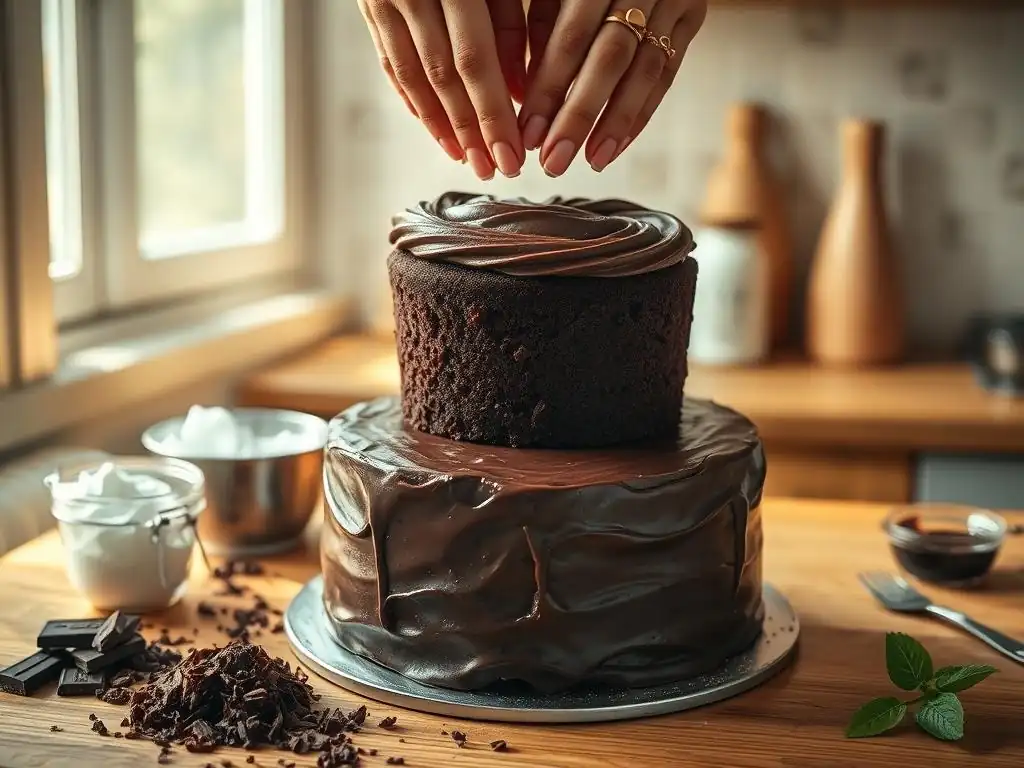
Frosting Techniques for a Professional Finish
Once your dairy-free chocolate cake layers have cooled completely on a wire rack (this is crucial; warm cakes melt frosting), it's time to assemble and frost. If your cake layers have a slight dome, you can level them using a serrated knife for a flatter surface, though this isn't strictly necessary for a beginner's dairy-free chocolate cake recipe. Place the first cake layer on your serving plate or cake stand.
Apply a generous amount of dairy-free chocolate frosting to the top of the first layer and spread it evenly using an offset spatula or the back of a spoon. Place the second cake layer on top. Apply a thin "crumb coat" of frosting all over the cake – sides and top. This thin layer traps any loose crumbs.
Chill the cake in the refrigerator for about 15-20 minutes until the crumb coat is firm. Then, apply the final layer of frosting, using your spatula to smooth the sides and top. For simple swirls, use the tip of your offset spatula or the back of a spoon. For sharper edges, use a bench scraper held against the side of the cake while rotating it.
Dairy-Free Cake Decoration Ideas
Decorating your dairy-free chocolate cake allows you to add a personal touch and make it truly special. Since this is a dairy-free chocolate cake recipe, keeping it simple often highlights the rich flavor. A classic decoration is simply smoothing the frosting and perhaps creating some swirls or peaks with a spatula or piping bag fitted with a large star tip.
For added visual appeal and texture, consider sprinkling dairy-free chocolate shavings or chips around the base or on top of the cake. Fresh berries like raspberries or strawberries pair wonderfully with chocolate and are naturally dairy-free. You could also use chopped nuts (if no nut allergies are present) or dairy-free sprinkles. For a more elegant look, dust the top lightly with extra cocoa powder using a fine-mesh sieve. Edible flowers or fresh mint sprigs can also add a beautiful, simple garnish to your homemade dairy-free chocolate cake.
Tips and Tricks for a Flawless Dairy-Free Chocolate Cake
Troubleshooting Common Dairy-Free Baking Issues
Even with a straightforward dairy-free chocolate cake recipe, beginners might encounter minor issues. One common problem is a cake that sinks in the middle. This can be caused by opening the oven door too early, inaccurate oven temperature, or incorrect measurement of leavening agents. Ensure your oven is properly preheated and avoid opening the door until the minimum baking time has passed. Double-check your baking soda measurement. Another issue is a dry cake, which is often due to overbaking. Always use the toothpick test and remove the cake promptly once it's done.
If your dairy-free frosting seems greasy or separated, it might be due to using a dairy-free butter with too high a water content or not beating it enough initially. Ensure your dairy-free butter is softened but not melted. If it looks separated, try adding a tablespoon of cold dairy-free milk and beating vigorously, or in extreme cases, gently warming a small portion of the frosting and whisking it back in. Following the recipe steps closely and measuring accurately are your best defenses against most baking woes when making this dairy-free chocolate cake recipe.
Storing Your Dairy-Free Chocolate Cake for Optimal Freshness
Proper storage is essential to keep your delicious dairy-free chocolate cake moist and fresh. An unfrosted dairy-free cake layer can be wrapped tightly in plastic wrap after it has cooled completely. It can be stored at room temperature for 1-2 days or frozen for up to 2-3 months. Thaw frozen layers in the refrigerator overnight before frosting.
Once frosted, the assembled dairy-free chocolate cake should ideally be stored in an airtight cake carrier or covered loosely with plastic wrap to prevent it from drying out. It can typically be kept at room temperature for 2-3 days. If your kitchen is particularly warm, or if the frosting contains ingredients that might spoil (though standard dairy-free butter frosting is quite stable), refrigeration is advisable. Refrigerated cake is best enjoyed after letting it sit at room temperature for 20-30 minutes to allow the frosting and cake to soften slightly.
Variations and Additions to Your Dairy-Free Chocolate Cake Recipe
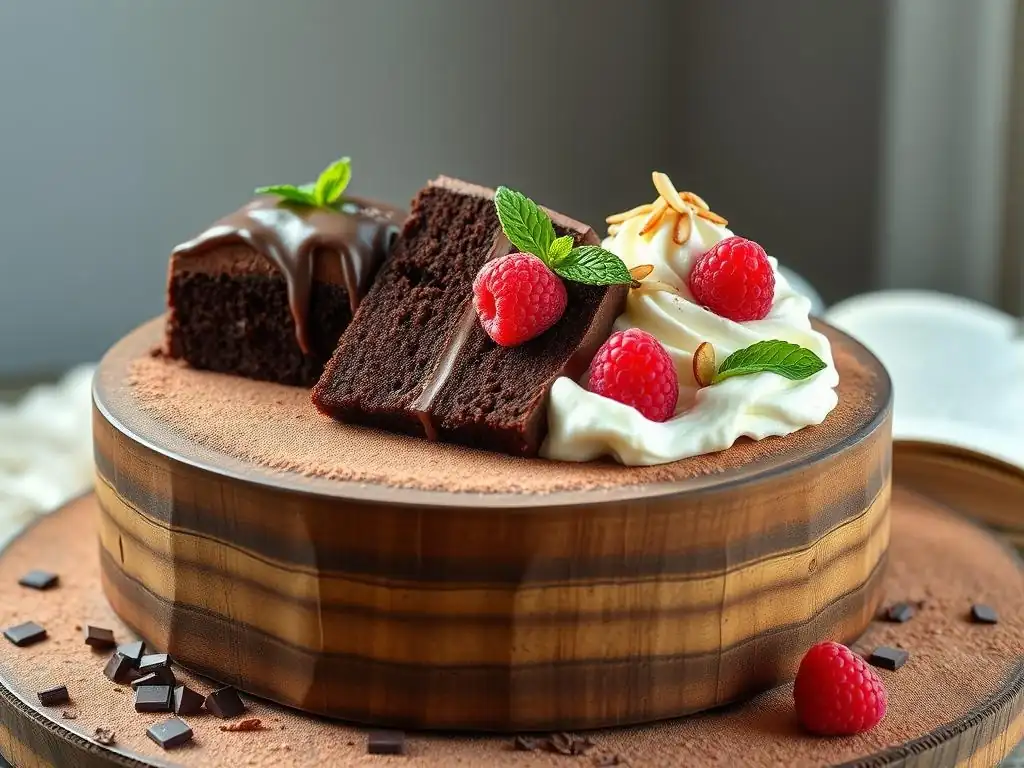
Experimenting with Flavors: Dairy-Free Chocolate Orange Cake
One delightful variation on the classic dairy-free chocolate cake recipe is to infuse it with citrus notes, creating a bright and zesty dairy-free chocolate orange cake. This is easily achieved by adding the zest of one large orange to the wet ingredients along with the vanilla extract. Orange zest contains potent oils that complement the richness of chocolate beautifully.
For an even stronger orange flavor, you can replace some of the dairy-free milk with fresh orange juice (perhaps ¼ cup orange juice and ¾ cup dairy-free milk, maintaining the total liquid volume). Be mindful that adding acidic juice might slightly alter the leavening reaction, but in this recipe, it generally works well. You could also incorporate a few drops of food-grade orange extract into the batter or the dairy-free chocolate frosting. Decorate with candied orange slices or extra orange zest for a visually appealing and flavorful twist on your dairy-free chocolate cake.
Adding Texture: Nuts and Chocolate Chips
Incorporating nuts or dairy-free chocolate chips is a simple way to add delightful texture and extra flavor to your dairy-free chocolate cake recipe. If allergies are not a concern, chopped walnuts or pecans can be folded into the batter just before pouring it into the pans. About ½ cup (approximately 50-60 grams) of finely chopped nuts is usually sufficient to provide a pleasant crunch without weighing down the cake.
Similarly, adding dairy-free chocolate chips provides pockets of melted chocolate goodness within the cake. Use about ½ cup (approximately 80-90 grams) of dairy-free semi-sweet or dark chocolate chips. Fold them gently into the batter using a spatula. You can also sprinkle a few chips on top of the batter in the pans before baking. These simple additions transform the basic dairy-free chocolate cake into a more complex dessert experience, offering different textures in every bite.
Enjoying Your Decadent Dairy-Free Chocolate Cake
Serving Suggestions for Your Dairy-Free Dessert
Your freshly baked and frosted decadent dairy-free chocolate cake is ready to be enjoyed! Serve slices at room temperature for the best flavor and texture. The richness of the chocolate cake pairs wonderfully with a variety of dairy-free accompaniments.
Consider serving a slice with a scoop of your favorite dairy-free vanilla ice cream or a dollop of dairy-free whipped topping. A simple dusting of powdered sugar or a drizzle of dairy-free chocolate sauce can also enhance the presentation. For a touch of freshness, a side of fresh berries, such as raspberries or strawberries, provides a lovely contrast to the deep chocolate flavor. A warm beverage like coffee or tea makes for a perfect pairing with this indulgent dairy-free dessert.
We love seeing your baking creations! After mastering this dairy-free chocolate cake recipe, we encourage you to share your success. Take a photo of your beautiful dairy-free chocolate cake and share it with our community.
Sharing your experience not only celebrates your achievement but also inspires other beginners who might be hesitant to try dairy-free baking. Let us know how your cake turned out, what dairy-free milk you used, or any variations you tried. Baking is a journey, and sharing our experiences, including the occasional mishap and the many triumphs, makes the process more rewarding. This dairy-free chocolate cake recipe is just the beginning of your adventures in inclusive baking!
Dairy-Free Chocolate Cake Recipe: Printable Version
Here is a summary of the core components for your dairy-free chocolate cake recipe, designed for easy reference:
Yields: Approximately 12 servings Prep time: 20 minutes Bake time: 30-40 minutes
Ingredients:
- Dry:
- ~2 cups (240g) All-Purpose Flour
- ~1 ¾ cups (350g) Granulated Sugar
- ~¾ cup (65g) Unsweetened Cocoa Powder
- ~1 ½ tsp Baking Soda
- ~1 tsp Salt
- Wet:
- ~1 cup (240ml) Dairy-Free Milk (Almond, Soy, Oat, etc.)
- ~½ cup (120ml) Vegetable Oil
- ~2 tsp Pure Vanilla Extract
- ~1 cup (240ml) Hot Brewed Coffee
- Dairy-Free Chocolate Frosting:
- ~1 cup (225g) Dairy-Free Butter, softened
- ~3-4 cups (360-480g) Powdered Sugar, sifted
- ~½ cup (45g) Unsweetened Cocoa Powder
- ~2-4 tbsp Dairy-Free Milk
- ~1 tsp Pure Vanilla Extract
- ~¼ tsp Salt
Instructions Summary:
- Preheat oven to 350°F (175°C). Grease and flour (with cocoa) two 8-inch round pans or one 9x13 inch pan.
- Whisk together dry ingredients (flour, sugar, cocoa, baking soda, salt) in a large bowl.
- In a separate bowl, whisk together wet ingredients (dairy-free milk, oil, vanilla). Carefully whisk in hot coffee.
- Pour wet ingredients into dry ingredients. Whisk until just combined. Batter will be thin.
- Pour batter evenly into prepared pans.
- Bake 30-40 minutes, or until a toothpick inserted into the center comes out clean.
- Cool cakes in pans for 10 minutes, then transfer to a wire rack to cool completely.
- Prepare frosting: Beat dairy-free butter until fluffy. Gradually add powdered sugar, then cocoa, vanilla, and salt. Add dairy-free milk until desired consistency is reached. Beat until smooth.
- Once cakes are completely cool, level if desired, then assemble and frost. Decorate as desired.
- Store properly and enjoy your delicious dairy-free chocolate cake!
Frequently Asked Questions
What makes this chocolate cake recipe "dairy-free"?
This recipe uses dairy-free alternatives like almond milk and coconut oil instead of traditional ingredients like butter and milk, making it suitable for those with dairy allergies or intolerances.
Is this recipe difficult to follow for someone new to baking?
No, the recipe is designed for beginners. It provides step-by-step instructions and utilizes easy-to-find ingredients readily available in most supermarkets.
Can I substitute other types of milk for the almond milk in the recipe?
Yes, you can substitute other plant-based milks such as soy milk, oat milk, or cashew milk. Just be mindful that the flavor profile might slightly alter the final taste of the cake.
What can I use instead of coconut oil if I don't like the taste of coconut?
You can substitute the coconut oil with another neutral-flavored oil like vegetable oil, canola oil, or even melted dairy-free butter. This will minimize any coconut flavor.
How should I store the dairy-free chocolate cake to keep it fresh?
Store the cake in an airtight container at room temperature for up to three days, or in the refrigerator for up to a week. This helps to maintain its moisture and flavor.
Final Reflection: The Sweetness of Inclusion
The demand for delicious, dairy-free desserts is not a fleeting trend; it's a reflection of a growing need for inclusive and accessible culinary experiences. This recipe, designed for beginners, aims to prove that creating a decadent dairy-free chocolate cake doesn't require specialized skills or obscure ingredients. It's a testament to the power of adaptation and the joy of sharing delicious treats with everyone.
This journey into dairy-free baking has been a personal one, highlighting the importance of considering dietary restrictions and allergies when creating recipes. It's not just about avoiding dairy; it's about expanding the possibilities of what's considered "delicious" and ensuring that everyone can participate in the simple pleasure of enjoying a truly satisfying chocolate cake. Food is symbolic of love when words are inadequate.
- Alan D. Wolfelt. This sentiment rings especially true when we consider the joy of sharing a perfectly crafted cake, regardless of dietary needs.
Now, I invite you to step into your kitchen and embrace the challenge. Don't be intimidated by the "dairy-free" label; see it as an opportunity to experiment, to learn, and to create something truly special. This recipe is just a starting point; let it inspire you to explore the world of dairy-free baking and discover the endless possibilities that await. Share your creations, adapt the recipe to your own tastes, and most importantly, savor the sweetness of inclusion.
Unlock Your Inner Baker: Bake This Dairy-Free Delight!
Thanks for joining us on this delicious dairy-free journey! We hope you gained confidence in tackling decadent desserts without compromise. Ready to take the next step?
- Bake the cake! Grab your ingredients and create this rich, moist chocolate cake. It's easier than you think! Let us know how it turns out.
- Share your creation: Show off your baking masterpiece on social media using #BakeWithEaseDairyFree. We’d love to see it!
- Explore more dairy-free recipes: Dive into our collection of delightful dairy-free recipes on BakeWithEase.com for even more inspiration.
What's your favorite dairy-free ingredient to bake with? Let's chat in the comments!