
DairyFree Carrot Cake with Cashew Cream Cheese Frosting

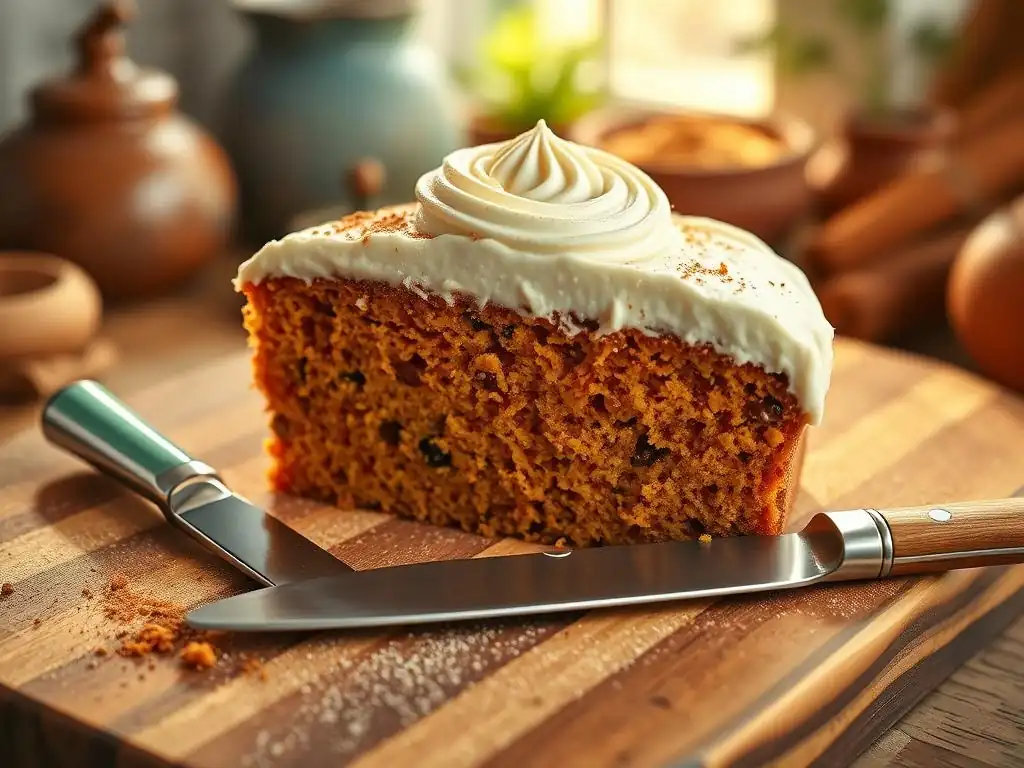
Welcome to BakeWithEase, your haven for confident baking! Ever dreamt of a decadent carrot cake that everyone can enjoy, regardless of dietary restrictions? Prepare to be amazed! We're diving into the secrets of creating a luscious, dairy-free carrot cake with cashew cream cheese frosting that tastes just as indulgent as the classic. Curious how to achieve that perfect creamy texture without any dairy? Keep reading to unlock the secrets and bake a cake that will wow your taste buds!
- Introduction: Indulge in a Dairy-Free Cashew Frosting Carrot Cake
- Crafting the Perfect Dairy-Free Carrot Cake Base
- Mastering the Cashew Cream Cheese Frosting (Dairy-Free & Vegan)
- Assembling Your Dairy-Free Cashew Frosting Carrot Cake
- Tips and Tricks for Dairy-Free Carrot Cake Success
- Dairy-Free Carrot Cake Variations and Customizations
- The Joy of Dairy-Free Baking: A BakeWithEase Perspective
- Frequently Asked Questions
- Final Reflection: The Sweetness of Inclusion, One Carrot Cake at a Time
- Unleash Your Inner Baker: Create This Dairy-Free Delight!
Introduction: Indulge in a Dairy-Free Cashew Frosting Carrot Cake
BakeWithEase Presents: A Deliciously Dairy-Free Carrot Cake Recipe
Welcome to BakeWithEase, where we believe that dietary needs shouldn't limit your dessert options! Today, we're thrilled to share a recipe that's sure to become a favorite: our DairyFree Carrot Cake with Cashew Cream Cheese Frosting. This isn't just any carrot cake; it's a moist, flavorful masterpiece topped with a rich, tangy frosting made entirely from cashews – a perfect alternative for those avoiding dairy.
We've crafted this recipe to be straightforward and accessible, ensuring that even novice bakers can achieve spectacular results. Forget complicated substitutions and bland flavors; this dairyfree cashew frosting carrot cake delivers on taste and texture.
Creating a truly exceptional dairy-free cake requires understanding how non-dairy ingredients interact. For this carrot cake, we've focused on using plant-based milks, oils, and clever egg alternatives (or minimal eggs, if preferred, though many versions are fully vegan). The star, however, is the cashew cream cheese frosting.
Unlike some dairy-free frostings that can be overly sweet or greasy, a well-made cashew frosting offers a delightful tanginess and incredibly smooth, thick texture that mimics traditional cream cheese frosting beautifully. It's the ideal complement to the warm spices and tender crumb of the carrot cake, making every slice of this dairyfree cashew frosting carrot cake a pure delight.
Why Choose This Dairy-Free Carrot Cake with Cashew Cream Cheese Frosting?
Opting for this dairy-free cashew frosting carrot cake isn't just about accommodating dietary restrictions; it's about embracing vibrant flavors and wholesome ingredients. Traditional carrot cake is a beloved classic, and this dairy-free version ensures that everyone can enjoy it without compromise. The use of cashews in the frosting provides healthy fats and a protein boost, making this treat feel a little more nourishing. Furthermore, learning to make a dairyfree cashew frosting carrot cake expands your baking repertoire, giving you confidence in creating delicious desserts for friends and family with various needs.
Beyond the health aspects, the flavor profile of this cake is simply outstanding. The natural sweetness of carrots, combined with cinnamon, nutmeg, and often a hint of ginger, creates a comforting warmth. When paired with the slightly tangy, rich cashew cream cheese frosting, the result is a balanced, decadent dessert.
Case studies in plant-based baking show that cashew-based frostings are among the most popular dairy-free alternatives due to their superior texture and ability to take on a cream cheese-like tang with the addition of lemon juice or apple cider vinegar. This recipe leverages those qualities to give you the best dairyfree cashew frosting carrot cake experience possible.
Crafting the Perfect Dairy-Free Carrot Cake Base
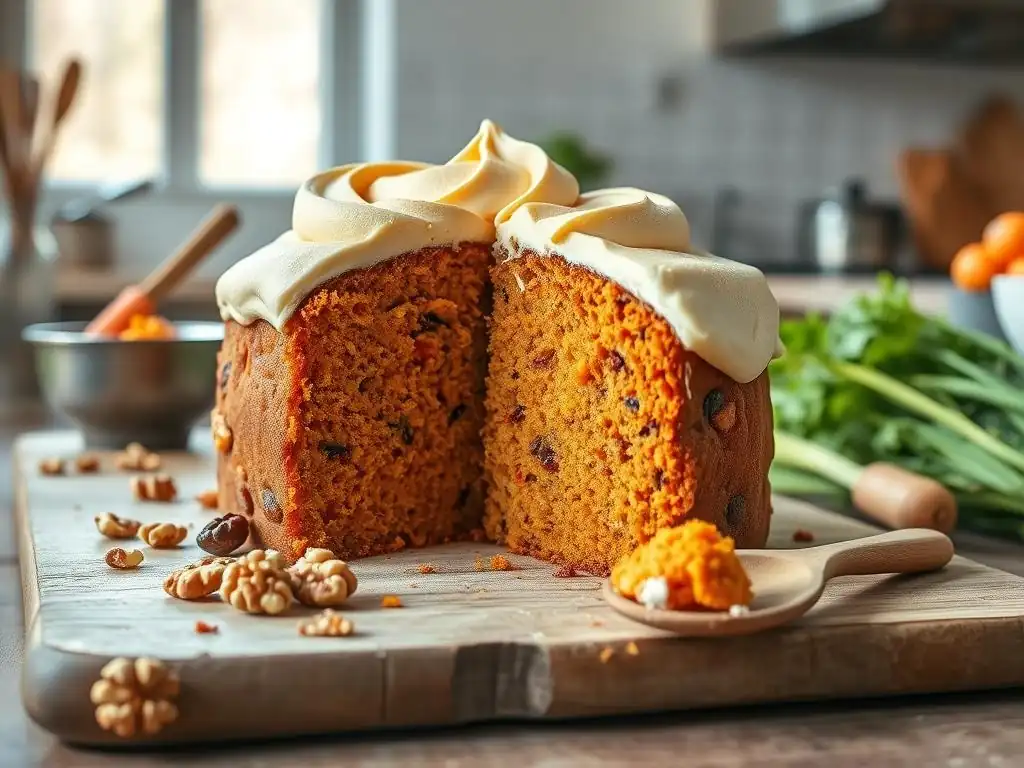
Gathering Your Ingredients for the Dairy-Free Carrot Cake
Essential Ingredients for the Cake (Dairy-Free Version)
To create a moist and flavorful dairy-free carrot cake, you'll need a blend of wet and dry ingredients carefully selected to perform without dairy. For the dry components, expect to use all-purpose flour (unless making it gluten-free), baking soda, baking powder, salt, cinnamon, nutmeg, and possibly a pinch of ground ginger or cloves for extra warmth. The sweetness comes from granulated sugar and often brown sugar for moisture and depth of flavor.
Wet ingredients typically include a neutral-flavored oil like vegetable or canola oil (approximately 1 cup for a standard 9x13 inch cake or two 8-inch rounds), a dairy-free milk alternative such as almond milk or soy milk (around 1/2 to 3/4 cup), vanilla extract, and often a flax egg or applesauce as an egg replacer (if making it fully vegan). And, of course, finely grated carrots are essential – typically about 2 cups packed.
The beauty of a dairy-free carrot cake is that many of the core components are naturally dairy-free already. The key substitutions lie in the liquid and binding agents. Using oil instead of butter provides consistent moisture, crucial for a tender crumb.
Dairy-free milks integrate seamlessly, and egg replacers like flax eggs (1 tablespoon flaxseed meal mixed with 3 tablespoons water per egg) or a half cup of unsweetened applesauce per egg work effectively to bind the cake and add moisture without relying on animal products. Ensuring your baking soda and powder are fresh (test by adding a pinch to vinegar/hot water – it should fizz) is vital for proper leavening, giving your dairyfree cashew frosting carrot cake a lovely rise.
Flour Blend Notes: e.g., All-Purpose or Gluten-Free Option
For this particular dairy-free carrot cake recipe, we primarily focus on using standard all-purpose flour, which provides a reliable structure and tender crumb. A typical recipe might call for around 2 cups of all-purpose flour. However, if you need a gluten-free dairy-free carrot cake, you can substitute the all-purpose flour with a high-quality gluten-free all-purpose flour blend.
Look for blends that contain a mix of rice flour, tapioca starch, and potato starch, as these tend to mimic the texture of wheat flour best in cakes. You might need to add a binder like xanthan gum (usually 1/2 teaspoon per cup of GF flour blend) if the blend doesn't already contain it, to prevent the cake from being crumbly.
When using a gluten-free blend for your dairyfree cashew frosting carrot cake base, it's often beneficial to let the batter sit for 10-15 minutes before baking. This allows the starches in the blend to hydrate fully, resulting in a moister cake. Be aware that different gluten-free blends absorb liquid differently, so you might need slight adjustments to the dairy-free milk quantity.
For instance, a blend heavy in rice flour might need a touch more liquid than one with more tapioca starch. Always measure your flour by spooning it into the measuring cup and leveling it off, rather than scooping directly from the bag, to ensure accuracy and prevent a dense cake.
Step-by-Step Instructions for Baking the Dairy-Free Carrot Cake
Preparing the Baking Pan
Proper pan preparation is the first crucial step to ensure your dairy-free carrot cake releases cleanly after baking. For a standard 9x13 inch rectangular cake, you'll want to lightly grease the bottom and sides of the pan with dairy-free butter or a neutral oil spray. After greasing, line the bottom of the pan with parchment paper.
This creates a non-stick barrier and makes it significantly easier to lift the cake out. For round cake pans, typically 8 or 9 inches, grease the sides and bottom, then cut a circle of parchment paper to fit the bottom exactly. For two layers, prepare two pans in this manner.
Using parchment paper is particularly helpful with dairy-free cakes, as they can sometimes be slightly more delicate than their traditional counterparts. A well-prepared pan prevents sticking, which can cause the cake to break when inverted. Ensure the corners are also greased if using a rectangular pan. Some bakers also lightly flour the greased pan after adding the parchment paper (using gluten-free flour if applicable), tapping out the excess, for an extra layer of insurance, though parchment paper usually suffices for a dairyfree cashew frosting carrot cake.
Mixing the Dry Ingredients
In a large bowl, whisk together all of your dry ingredients. This typically includes your flour (all-purpose or GF blend), granulated sugar, brown sugar, baking soda, baking powder, salt, cinnamon, nutmeg, and any other desired spices like ginger or cloves. Whisking for about 30-60 seconds ensures that the leavening agents and spices are evenly distributed throughout the flour. This step is vital because it means every part of your dairy-free carrot cake batter will rise properly and have consistent flavor.
Do not skip this step, as simply adding dry ingredients separately to the wet can result in pockets of baking soda or salt, leading to uneven texture and flavor. Use a balloon whisk for best results in incorporating air and distributing ingredients thoroughly. Break up any clumps of brown sugar before adding it to the bowl. This dry mix is the foundation of your dairy-free carrot cake's structure and flavor profile before the wet elements and carrots are introduced.
Combining Wet and Dry Ingredients
In a separate medium bowl, whisk together your wet ingredients: the neutral oil, dairy-free milk, vanilla extract, and any egg replacers like flax eggs or applesauce. Whisk until well combined. Now, add the wet ingredients to the bowl containing the whisked dry ingredients. Using a rubber spatula or wooden spoon, gently fold the wet and dry ingredients together until just combined. Be careful not to overmix the batter. Overmixing can develop the gluten in the flour (if using all-purpose) or create a tough texture even with GF blends. Some small lumps are perfectly acceptable.
Finally, fold in your finely grated carrots. You can also fold in optional additions like chopped nuts (walnuts or pecans are classic) or raisins at this stage. Ensure the carrots and any additions are evenly distributed throughout the batter. The goal is a thick, moist batter ready to be poured into your prepared pan(s) for your dairyfree cashew frosting carrot cake. Remember, the consistency should be scoopable but not stiff.
Baking Time and Temperature
Preheat your oven to 350°F (175°C). Pour the batter evenly into your prepared baking pan(s). If making layers, divide the batter as equally as possible between the two pans. Bake time will vary depending on the size and type of pan used. A 9x13 inch cake typically bakes for 35-45 minutes, while 8 or 9-inch round layers might take 25-35 minutes. Cupcakes will bake even faster, around 18-22 minutes.
To test for doneness, insert a toothpick into the center of the cake. If it comes out clean or with a few moist crumbs attached, the cake is ready. If it comes out wet with batter, continue baking for a few more minutes before testing again. Avoid opening the oven door frequently during baking, especially in the first 20 minutes, as this can cause the cake to sink. The edges should look set and slightly pulled away from the sides of the pan. Achieving the correct baking time is key to a moist dairyfree cashew frosting carrot cake base.
Cooling the Carrot Cake Layers
Once the cake is baked, remove the pan(s) from the oven and place them on a wire rack. Allow the cake to cool in the pan for about 15-20 minutes. This allows the cake to set and become firm enough to handle without breaking. Trying to remove it too soon can result in the cake falling apart.
After the initial cooling in the pan, carefully invert the cake onto the wire rack to cool completely. If using parchment paper, you can gently peel it off at this stage. Ensure the cake is placed right-side up on the rack to finish cooling. It is absolutely essential that the cake layers are completely cool before you attempt to frost them with the dairyfree cashew frosting carrot cake topping.
Frosting a warm cake will cause the frosting to melt into a messy puddle. This cooling process can take 1-2 hours, depending on the size and thickness of the cake. Patience here ensures a beautifully frosted dairyfree cashew frosting carrot cake.
Mastering the Cashew Cream Cheese Frosting (Dairy-Free & Vegan)
Ingredients for the Cashew Cream Cheese Frosting
Soaking the Cashews for Optimal Creaminess
The foundation of a smooth, creamy dairy-free cashew cream cheese frosting is properly soaked cashews. You will need raw cashews, not roasted or salted. For enough frosting to generously cover a two-layer cake or a 9x13 inch cake, plan to use about 1.5 to 2 cups of raw cashews. Soaking softens the cashews, making them easier to blend into a silky-smooth consistency, free of graininess. There are two primary methods for soaking: overnight or quick-soak.
For the overnight method, place the raw cashews in a bowl and cover them with cool water by about an inch. Let them soak at room temperature for at least 6-8 hours, or preferably in the refrigerator overnight. For the quick-soak method, place the cashews in a bowl and cover them with boiling water. Let them soak for just 30-60 minutes. The overnight method generally yields a slightly creamier result, but the quick soak works well when you're short on time. Regardless of the method, drain the cashews thoroughly before using them for the dairyfree cashew frosting carrot cake.
Sweetener Options: e.g., Maple Syrup, Agave
To sweeten your dairy-free cashew cream cheese frosting, you have several options beyond refined sugar. Maple syrup and agave nectar are popular choices as they are liquid sweeteners that blend easily into the creamy base and contribute a subtle flavor. Start with about 1/4 to 1/2 cup and adjust to your preferred sweetness level. These liquid sweeteners also help achieve a smooth consistency.
Another option is using powdered sugar (ensure it's vegan if needed, as some contain bone char). If using powdered sugar, you might need to add a splash of dairy-free milk or lemon juice to achieve the desired consistency. Coconut sugar or date paste can also be used for a less refined option, though they will impart more color and a distinct flavor to the frosting. Experiment to find the sweetener that best complements your dairyfree cashew frosting carrot cake. Remember to taste and adjust as you blend.
Making the Cashew Cream Cheese Frosting: A Step-by-Step Guide
Draining and Blending the Cashews
After soaking, drain the cashews completely using a fine-mesh sieve. Rinse them briefly under cool water if desired. Transfer the drained cashews to a high-powered blender or food processor. For the best results and smoothest texture, a high-speed blender like a Vitamix or Blendtec is highly recommended. You'll need to add a small amount of liquid to help the cashews blend – typically 1/4 to 1/2 cup of dairy-free milk (like almond or soy milk) or water. Start with the smaller amount and add more only if necessary to get the mixture moving.
Blend the cashews and liquid on high speed, using the tamper (if your blender has one) to push the mixture down towards the blades. You will need to scrape down the sides of the blender frequently with a spatula to ensure everything gets blended evenly. This process can take several minutes, depending on your blender's power. Blend until the mixture is incredibly smooth and creamy, with absolutely no gritty texture remaining. This smooth base is critical for achieving the perfect dairyfree cashew frosting carrot cake topping.
Achieving the Smooth and Creamy Texture
Achieving the ideal smooth and creamy texture is paramount for a dairy-free cashew cream cheese frosting that pipes and spreads beautifully. As you blend the soaked cashews with liquid, the mixture will gradually transform from a thick paste into a luxurious cream. Patience is key here; resist the urge to add too much liquid too quickly, as this will result in a runny frosting. Blend until the mixture is completely uniform and has the consistency of thick pudding or soft-serve ice cream.
If your blender is struggling, stop and scrape down the sides, or add just a tablespoon or two more liquid at a time. High-powered blenders generate heat, so if your mixture becomes warm, stop and let it cool slightly before continuing. A truly smooth consistency is what elevates a good dairyfree cashew frosting carrot cake to a great one, providing that melt-in-your-mouth experience that mimics traditional cream cheese.
Adding Sweeteners, Flavorings, and Tang
Once the cashew base is perfectly smooth, it's time to add the remaining ingredients to give it that classic cream cheese flavor and sweetness. Add your chosen sweetener (maple syrup, agave, or powdered sugar), vanilla extract (about 1-2 teaspoons), and the crucial element for the tangy "cream cheese" flavor: lemon juice or apple cider vinegar (start with 1-2 tablespoons). You can also add a pinch of salt to balance the sweetness.
Blend again until all the ingredients are thoroughly incorporated and the frosting is homogenous. Taste the frosting and adjust the sweetness, tanginess (add more lemon juice/vinegar), or vanilla as needed. For a thicker frosting, you can add a tablespoon of melted, refined coconut oil and blend again; it will firm up as it chills. Once seasoned to perfection, transfer the dairyfree cashew frosting carrot cake topping to a bowl, cover, and chill in the refrigerator for at least 2-3 hours before frosting the cake. Chilling is essential for the frosting to firm up to a spreadable consistency.
Assembling Your Dairy-Free Cashew Frosting Carrot Cake
Preparing the Carrot Cake Layers for Frosting
Leveling the Cake Layers
Before you can beautifully frost your dairy-free carrot cake, you might need to level the cake layers. Often, cakes bake with a slight dome in the center. To create flat surfaces that stack neatly, use a serrated knife or a cake leveler to carefully slice off the top dome from each cooled cake layer. Hold the knife parallel to the counter and use a gentle sawing motion.
Removing the dome ensures your stacked dairyfree cashew frosting carrot cake is stable and doesn't lean. These trimmed-off cake scraps are often called "cake tops" and make a delicious snack! Ensure your cake layers are completely cool before attempting to level them, as warm cake is too fragile and will crumble easily. A flat surface is key for a professional-looking finish when applying the dairyfree cashew frosting carrot cake topping.
Frosting the Dairy-Free Carrot Cake
Applying the Cashew Cream Cheese Frosting
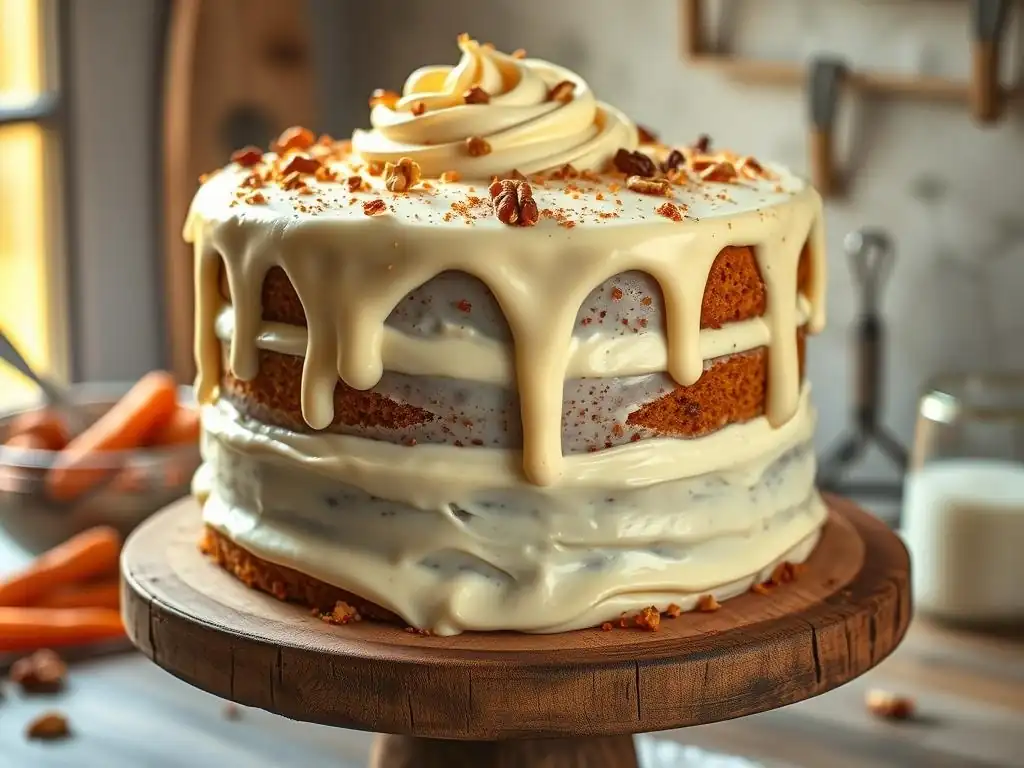
Once your cake layers are level and completely cool, and your dairy-free cashew cream cheese frosting is well-chilled and firm, you're ready to assemble. If making a two-layer cake, place the first layer onto your serving plate or cake stand. Dollop a generous amount of frosting onto the center of the bottom layer. Use an offset spatula to spread the frosting evenly across the top, extending slightly beyond the edge.
Carefully place the second cake layer on top of the first, aligning the edges. Gently press down to secure it. Now, apply a thin "crumb coat" of frosting all over the top and sides of the entire cake. This traps any loose crumbs and creates a smooth base for the final layer of frosting. Chill the cake in the refrigerator for 20-30 minutes until the crumb coat is firm. Then, apply the remaining, thicker layer of dairyfree cashew frosting carrot cake topping, using the offset spatula to spread and smooth it over the top and sides.
Creating Decorative Swirls or Designs
With the final layer of dairy-free cashew cream cheese frosting applied, you can leave it smooth for a clean look or add decorative swirls and designs. For simple swirls, use the tip of your offset spatula or the back of a spoon to create swooping motions around the cake. You can also use a piping bag fitted with a large star tip to pipe rosettes or borders around the top and bottom edges.
For a rustic look, simply use the offset spatula to create textured peaks and valleys in the frosting. Get creative! The firm but spreadable texture of chilled dairyfree cashew frosting carrot cake topping makes it surprisingly good for simple decorations. Practice on a piece of parchment paper first if you're new to piping.
Garnishing Your Dairy-Free Masterpiece
Garnish Suggestions: e.g., Chopped Walnuts, Toasted Coconut Flakes
Adding a garnish provides the finishing touch to your dairyfree cashew frosting carrot cake, enhancing both its appearance and flavor. Classic carrot cake garnishes work beautifully here. Finely chopped walnuts or pecans are traditional and add a lovely crunch that contrasts with the soft cake and creamy frosting. You can press them gently into the sides of the frosted cake or sprinkle them around the top edge.
Other popular dairy-free garnishes include toasted shredded coconut flakes, which add a subtle sweetness and tropical note. Candied ginger pieces offer a spicy kick, while a sprinkle of cinnamon or nutmeg can enhance the cake's warm spices. Small, edible sugar carrots are also a fun, classic decoration. Choose garnishes that complement the flavors and textures of your dairyfree cashew frosting carrot cake.
Tips and Tricks for Dairy-Free Carrot Cake Success
Achieving the Perfect Texture in Your Dairy-Free Carrot Cake
Achieving a perfectly moist and tender texture in a dairy-free carrot cake relies on a few key factors. Firstly, don't overmix the batter after combining wet and dry ingredients; this develops gluten and can lead to a tough cake. Secondly, ensure you use enough oil (or dairy-free butter if substituting) as fat is crucial for moisture in dairy-free baking. Using brown sugar in addition to granulated sugar also helps retain moisture.
Properly grated carrots are also important – aim for fine shreds rather than thick chunks, as they distribute more evenly and soften better during baking. Baking at the correct temperature and not overbaking is critical; an overbaked cake will always be dry. Use the toothpick test and err on the side of slightly underdone rather than overdone, as the cake continues to cook slightly from residual heat after being removed from the oven. These steps help ensure your dairyfree cashew frosting carrot cake is wonderfully moist.
Troubleshooting Common Dairy-Free Baking Issues
One common issue in dairy-free cakes is a gummy texture, often caused by overmixing, too much liquid, or using the wrong type of flour (especially with GF blends). Ensure you measure accurately and follow the mixing instructions precisely. If using GF flour, letting the batter rest can help. Another issue is a cake that sinks in the middle, which can happen if the oven door is opened too early, the cake is underbaked, or there's too much leavening. Ensure your baking powder/soda are fresh and resist the urge to check the cake too soon.
Frosting issues with dairy-free cashew cream cheese can include a grainy texture (usually due to insufficient soaking or blending time/power) or a runny consistency (too much liquid added during blending or not enough chilling time). Always soak cashews well and use a high-powered blender if possible. If the frosting is too thin after chilling, you can try blending in a tablespoon of melted, chilled dairy-free butter or refined coconut oil one at a time until it reaches the desired thickness, then re-chilling. Patience and proper technique are key to a successful dairyfree cashew frosting carrot cake.
Storing Your Dairy-Free Carrot Cake with Cashew Cream Cheese Frosting
Once assembled and frosted, your dairyfree cashew frosting carrot cake should be stored properly to maintain freshness and texture. Because the cashew cream cheese frosting is made from perishable ingredients, the finished cake should be stored in an airtight container in the refrigerator. It will keep well for typically 3-4 days.
If you need to store it longer, dairy-free carrot cake freezes quite well. You can freeze individual slices or the entire cake (unfrosted layers freeze even better). Wrap the cake tightly in plastic wrap, then in a layer of aluminum foil, and place it in a freezer-safe bag or container. The cake can be frozen for up to 2-3 months. Thaw frozen cake in the refrigerator overnight before serving. For the best texture of the dairyfree cashew frosting carrot cake, it's often best enjoyed within the first couple of days.
Dairy-Free Carrot Cake Variations and Customizations
Adding Pineapple and Raisins to Your Dairy-Free Carrot Cake
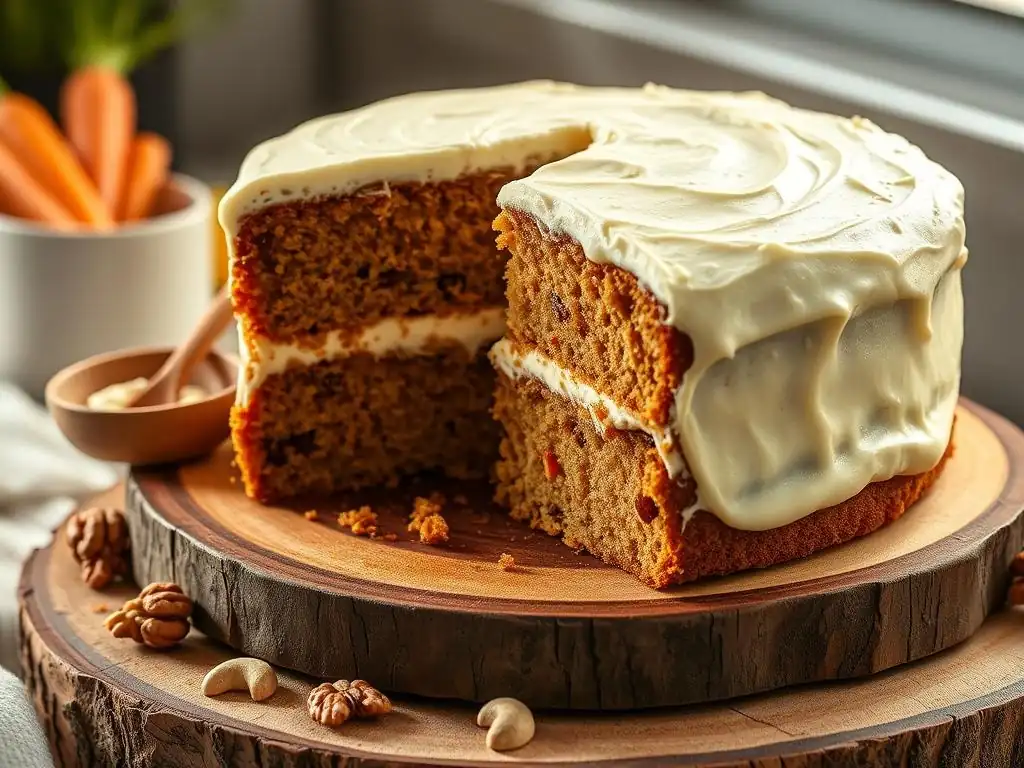
Classic additions to carrot cake, pineapple and raisins, can easily be incorporated into your dairy-free version. Adding crushed pineapple (well-drained to avoid adding too much moisture) contributes extra sweetness and a tropical tang, enhancing the overall flavor profile. About 1/2 to 1 cup of crushed pineapple is usually sufficient for a standard cake recipe. Raisins, whether regular or golden, add chewy pockets of sweetness.
If adding raisins, you might want to soak them in hot water or orange juice for 10-15 minutes before draining and adding them to the batter. This plumps them up and prevents them from sinking to the bottom of the cake during baking. Fold the drained pineapple and raisins into the batter at the same time as the grated carrots. These additions create an even more complex and moist dairyfree cashew frosting carrot cake.
Exploring Different Spices for a Unique Flavor Profile
While cinnamon and nutmeg are the standard spices for carrot cake, you can easily customize the flavor profile by adding other warm spices. A pinch of ground ginger adds a bit of gentle heat, which pairs wonderfully with the sweetness of the cake and frosting. Ground cloves or allspice can contribute a deeper, more complex warmth.
Consider adding a touch of cardamom for an aromatic, slightly floral note, or even a tiny pinch of black pepper to surprisingly enhance the sweetness and warmth. Adjust the quantities based on your preference; start with 1/4 teaspoon of an additional spice and increase if desired. Experimenting with spices allows you to personalize your dairyfree cashew frosting carrot cake and make it uniquely yours.
Exploring Nut-Free Alternatives for Dairy-Free Carrot Cake
While our star recipe features cashew cream cheese frosting, we understand that nut allergies are common. It is possible to make a delicious dairy-free carrot cake that is also nut-free. The cake base itself can easily be made nut-free by simply omitting any optional chopped walnuts or pecans from the batter.
For the frosting, you would need to use a different dairy-free, nut-free alternative. Options include a frosting made from chilled coconut cream (the thick part from a can of full-fat coconut milk), which can be whipped with powdered sugar and vanilla. Another possibility is a frosting based on sunflower seeds (soaked and blended similarly to cashews, though the flavor is distinct) or a simple powdered sugar glaze made with dairy-free milk and vanilla. While it won't be a dairyfree cashew frosting carrot cake, you can still enjoy a wonderful dairy-free and nut-free version.
The Joy of Dairy-Free Baking: A BakeWithEase Perspective
Exploring More Dairy-Free Baking Recipes on BakeWithEase.com
Mastering this dairyfree cashew frosting carrot cake is just the beginning of your dairy-free baking journey with BakeWithEase. Our website is filled with a wide variety of recipes designed to make baking without dairy easy, fun, and delicious. From flaky dairy-free pie crusts and rich chocolate cakes to simple cookies and fluffy muffins, we cover all the bases.
Each recipe on BakeWithEase.com comes with detailed instructions, tips for substitutions, and troubleshooting advice, empowering you to bake with confidence. We constantly research and test new techniques and ingredients to bring you the best possible results. Whether you're avoiding dairy for health reasons, ethical choices, or simply exploring plant-based options, you'll find plenty of inspiration to keep your kitchen buzzing with delicious aromas. Dive into our collection and discover your next favorite dairy-free treat!
One of the greatest joys of baking is sharing your creations with others. This dairyfree cashew frosting carrot cake is perfect for potlucks, birthdays, holidays, or simply treating yourself and loved ones. Don't hesitate to share your success! Take photos of your finished cake and share them on social media.
We love seeing what our community bakes! Tag us @BakeWithEase (if applicable, hypothetical tag) and use hashtags like #DairyFreeBaking #CarrotCake #CashewFrosting to connect with other dairy-free bakers. Sharing your experiences, tips, and even challenges helps everyone grow and learn. Celebrate your delicious dairyfree cashew frosting carrot cake – you've earned it!
Frequently Asked Questions
How can I make a carrot cake dairy-free?
You can make a carrot cake dairy-free by substituting dairy products like butter and milk with plant-based alternatives. For example, use dairy-free butter substitutes and plant-based milk like almond or oat milk.
What is cashew cream cheese frosting?
Cashew cream cheese frosting is a dairy-free frosting option made from blended cashews, lemon juice, sweetener, and other flavorings. It provides a tangy and creamy texture similar to traditional cream cheese frosting.
Are cashews suitable for everyone with nut allergies?
No, cashews are not suitable for everyone with nut allergies. If you have a tree nut allergy, you should avoid cashew-based products like cashew cream cheese frosting to prevent allergic reactions.
What kind of sweetener works best in dairy-free cashew frosting?
The best sweetener depends on your preference. Powdered sugar blends easily for a smooth texture, while maple syrup or agave adds a subtle flavor. Consider using a sugar-free alternative for a healthier option.
Can I freeze a dairy-free carrot cake with cashew frosting?
Yes, you can freeze a dairy-free carrot cake with cashew frosting. Wrap it tightly in plastic wrap and then foil to prevent freezer burn. Thaw it in the refrigerator before serving for the best texture and flavor.
Final Reflection: The Sweetness of Inclusion, One Carrot Cake at a Time
Dairy-free baking isn't just a trend; it's a testament to the power of culinary creativity and inclusivity. This recipe, designed to be both delicious and accessible, demonstrates how simple substitutions can open up a world of flavor to those with dietary restrictions or preferences. The creamy cashew frosting, a delightful alternative to traditional dairy-based options, proves that indulgence doesn't have to come at the expense of well-being.
The journey of creating this dairy-free carrot cake has been a personal exploration of how food can connect us, regardless of dietary needs. It's a reminder that deliciousness knows no bounds, and that adapting recipes to accommodate different lifestyles can enrich the culinary experience for everyone. Food is symbolic of love when words are inadequate.
- Alan D. Wolfelt. This quote resonates deeply, as sharing this cake becomes an act of sharing care and consideration.
Now, I invite you to embrace the spirit of this recipe. Don't just bake this cake; bake it with intention. Consider the joy it will bring, the possibilities it unlocks for those with dietary restrictions, and the simple act of sharing something delicious with loved ones. Let this recipe be a springboard for your own culinary adventures, inspiring you to explore new ingredients and create your own inclusive and delectable treats. The world of dairy-free baking awaits!
Unleash Your Inner Baker: Create This Dairy-Free Delight!
Thanks for joining us on this delicious journey! We hope you've gained some inspiration and confidence in tackling a dairy-free carrot cake masterpiece. Now it's time to put those skills to the test!
- Bake your own dairy-free carrot cake today! Use our recipe as a guide, but feel free to experiment with your favorite spices and additions. Imagine the satisfaction of creating something so delicious and unique.
- Share your creation! Snap a photo of your finished cake and tag us on social media – we'd love to see your baking brilliance!
- Explore other dairy-free recipes on our site – discover a world of flavor possibilities without compromising taste or texture.
Ready to transform your kitchen into a dairy-free haven? What's the first ingredient you'll grab to start your baking adventure?