
How to Use DairyFree Yogurt in Baked Goods for Extra Moisture


Welcome to BakeWithEase, your trusted guide to effortless baking! Unlock a world of flavor and texture with our accessible recipes and expert advice. Are you intrigued by the possibilities of dairy-free baking? This week, we're diving into Dairyfree yogurt baking tips to show you how to achieve unparalleled moisture and tenderness in your favorite treats. Discover the secrets and elevate your baking game – you might be surprised at the delicious results!
- Introduction to Dairy-Free Yogurt Baking
- Dairy-Free Yogurt Baking Tips for Moist Cakes
- Using Dairy-Free Yogurt in Bread Recipes
- Dairy-Free Yogurt for Cookies: A Secret Ingredient?
- Dairy-Free Yogurt in Muffins and Scones
- Dairy-Free Yogurt Baking Troubleshooting Guide
- Recipes Using Dairy-Free Yogurt
- Conclusion: Mastering Dairy-Free Baking with Yogurt
-
Frequently Asked Questions
- How does dairy-free yogurt contribute to the moisture content of baked goods?
- What are the best types of dairy-free yogurt to use in baking?
- Can I substitute dairy-free yogurt directly for dairy yogurt in baking recipes?
- What are some common mistakes to avoid when baking with dairy-free yogurt?
- Will using dairy-free yogurt change the baking time or temperature?
- Final Reflection: The Unexpected Magic of Dairy-Free Yogurt in Baking
- Unlock Dairy-Free Baking Bliss!
Introduction to Dairy-Free Yogurt Baking
Why Bake with Dairy-Free Yogurt? Exploring the Benefits
Using dairy-free yogurt in your baking is a fantastic way to add moisture, tenderness, and a subtle tang to your creations, often with fewer calories and saturated fat compared to traditional fats like butter or oil. It acts as a binder, similar to eggs, and its acidity can react with baking soda to produce a lighter, fluffier texture. For those following a dairy-free or vegan diet, it's an essential ingredient that opens up a world of possibilities in the kitchen, offering excellent dairyfree yogurt baking tips for enhancing texture and flavor.
Beyond moisture, dairy-free yogurt can also contribute to a longer shelf life for baked goods. The active cultures in some yogurts, even after baking, can slightly alter the structure, keeping cakes and muffins softer for longer. It's also a great way to reduce reliance on eggs in vegan recipes, providing structure and richness. Many bakers find that incorporating dairy-free yogurt helps achieve that coveted moist crumb in cakes and muffins, making it a valuable addition to their dairyfree yogurt baking arsenal.
Understanding Different Types of Dairy-Free Yogurt for Baking
The world of dairy-free yogurt is diverse, with options made from soy, almond, coconut, oat, cashew, and even pea protein. Each type brings different characteristics to baking. Soy yogurt is often higher in protein and has a neutral flavor, making it versatile. Almond yogurt is typically lower in fat and protein but offers a light texture. Coconut yogurt is rich and creamy due to its higher fat content, ideal for adding richness, though its distinct flavor might affect delicate bakes.
Oat yogurt is growing in popularity and offers a smooth texture and mild flavor, working well in most recipes. Cashew yogurt is another creamy option, often used for its richness. When considering dairyfree yogurt baking tips, the type of yogurt matters significantly. Unsweetened, plain varieties are generally preferred for baking to control the sugar content and avoid unwanted flavors. The consistency also varies; thicker yogurts are better for adding structure, while thinner ones might require slight recipe adjustments.
Dairy-Free Yogurt Baking Tips for Moist Cakes
Choosing the Right Dairy-Free Yogurt for Cakes
For moist cakes, a dairy-free yogurt with a good balance of moisture and thickness is key. Unsweetened, plain varieties made from soy, oat, or cashew are often excellent choices. Soy yogurt offers structure and moisture without a strong flavor. Oat yogurt provides a smooth texture and mild taste that won't overpower delicate cake flavors. Cashew yogurt is rich and creamy, contributing to a luxurious crumb, particularly in denser cakes like pound cake.
Avoid overly thin yogurts, as they can add too much liquid, potentially resulting in a gummy texture. Similarly, heavily flavored or sweetened yogurts can throw off the sugar balance and introduce artificial tastes. Look for yogurts with a consistency similar to traditional dairy yogurt. Many successful dairyfree yogurt baking tips for cakes highlight the importance of selecting a plain, unsweetened, medium-thickness yogurt to ensure predictable results and optimal moisture.
Dairy-Free Yogurt Substitution Ratios in Cake Recipes
A common dairyfree yogurt baking tip for cakes involves substituting a portion of the fat or liquid with yogurt. A general guideline is to replace up to half of the oil or butter in a recipe with an equal amount of dairy-free yogurt by volume. For instance, if a recipe calls for 1 cup of oil, you could use 1/2 cup of oil and 1/2 cup of dairy-free yogurt. This reduces fat while adding significant moisture.
Alternatively, you can replace eggs. One large egg can often be substituted with about 1/4 cup (approximately 60g) of dairy-free yogurt. This substitution works well for moisture but might require additional leavening (like a bit more baking powder or soda, reacting with the yogurt's acidity) as yogurt doesn't provide the same lift as eggs. Experimentation is key, but starting with these ratios provides a solid foundation for applying dairyfree yogurt baking tips to your favorite cake recipes.
Baking Dairy-Free Cakes: Achieving the Perfect Texture
Achieving the perfect texture in dairy-free cakes using yogurt involves careful mixing and temperature control. Overmixing can develop gluten, leading to a tough cake, especially when using flour. Mix just until the ingredients are combined. The acidity from the yogurt, when paired with baking soda, creates air pockets that contribute to a tender crumb, so ensure your leavening agents are fresh.
Baking temperature is also crucial. Cakes with higher moisture content, like those using yogurt, might benefit from a slightly lower baking temperature (e.g., 325°F instead of 350°F) for a slightly longer time. This allows the cake to bake through evenly without drying out the edges before the center is done. Using dairyfree yogurt baking tips effectively means understanding how the yogurt interacts with other ingredients and adjusting your technique accordingly for a beautifully moist result.
Using Dairy-Free Yogurt in Bread Recipes
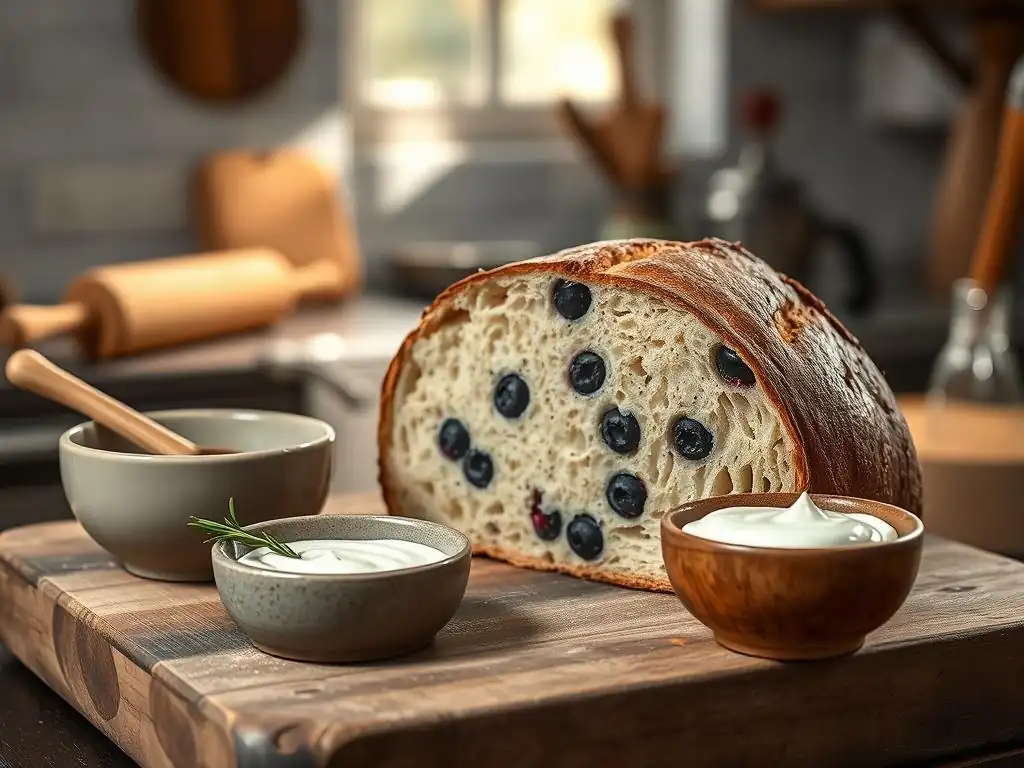
Adding Moisture to Dairy-Free Bread with Yogurt
Dairy-free yogurt can be a secret weapon for adding moisture and improving the texture of dairy-free bread. Its liquid content hydrates the flour, while its slight acidity can help tenderize the gluten, resulting in a softer crumb. Unlike water or milk alone, the fats (in some types) and solids in yogurt contribute to richness and a more complex texture. This is particularly useful in recipes for quick breads or yeasted loaves that tend to dry out quickly.
Incorporating yogurt into bread dough can also enhance its fermentation. While dairy-free yogurts don't contain the same lactose that yeast feeds on in traditional recipes, their moisture and acidity can still create a favorable environment for yeast activity, leading to better rise and a more open crumb structure. Many dairyfree yogurt baking tips for bread focus on how this ingredient can transform a potentially dense loaf into something wonderfully soft and flavorful.
Best Dairy-Free Yogurt Varieties for Bread Baking
For bread baking, plain, unsweetened dairy-free yogurts are generally the best choice. Soy, oat, and almond yogurts work well. Soy yogurt provides good structure due to its protein content and is quite neutral in flavor. Oat yogurt offers a smooth consistency and mild taste that integrates seamlessly into most bread recipes. Almond yogurt, while lower in protein, can still add moisture and tenderness, especially in quick breads.
Thicker yogurts are often preferred as they add moisture without making the dough too wet. However, if a recipe calls for a specific hydration level, you might need to adjust the amount of other liquids based on the yogurt's consistency. For a richer bread, coconut yogurt can be used, but be mindful of its distinct flavor and higher fat content, which might require slight adjustments to baking time or temperature. Applying dairyfree yogurt baking tips means selecting a yogurt that complements the desired bread texture and flavor profile.
Dairy-Free Yogurt Bread Recipe Adaptations
Adapting bread recipes to include dairy-free yogurt is relatively straightforward. You can often replace a portion of the liquid (milk or water) with an equal amount of dairy-free yogurt. For instance, substituting 1/4 to 1/2 cup of liquid with yogurt in a standard loaf recipe can make a noticeable difference in moisture. In yeasted bread, ensure the yogurt is at room temperature so it doesn't shock the yeast.
For quick breads like cornbread or soda bread, yogurt can replace buttermilk or a portion of the milk/fat. Its acidity reacts with baking soda, providing lift. If replacing buttermilk, use an equal amount of plain dairy-free yogurt. If replacing milk, you might use slightly less yogurt depending on its thickness or increase the dry ingredients slightly. These dairyfree yogurt baking tips help ensure successful conversions, leading to softer, more flavorful dairy-free bread.
Using dairy-free yogurt in cookies might seem unusual, but it can significantly impact their texture and flavor, often acting as a secret ingredient for certain types of cookies. It adds moisture, which can result in chewier cookies, particularly in recipes that tend to be dry. The slight tang from the yogurt can also add a subtle complexity to the flavor profile, balancing sweetness, especially in fruit-based or spice cookies.
However, the high moisture content means you need to be careful with the quantity. Too much yogurt can lead to cookies that spread excessively, are cakey rather than chewy, or don't crisp up properly. It works best in recipes where a softer, more tender texture is desired, rather than thin, crispy cookies. Incorporating dairyfree yogurt baking tips for cookies is about finding the right balance to achieve the desired outcome.
For cookies, plain, unsweetened dairy-free yogurt is again the best choice. The type of yogurt can influence the outcome. Thicker yogurts, like those made from soy or cashew, are often preferable as they add less excess liquid. Coconut yogurt can add richness but also a distinct flavor and might make cookies spread more due to its fat content.
Consider the desired cookie texture. For soft, cakey cookies, a slightly thinner yogurt might work. For chewier cookies, a thicker yogurt used in moderation is better. Avoid yogurts with added thickeners or gums if possible, as they can sometimes give an artificial texture. Following dairyfree yogurt baking tips involves selecting a yogurt whose properties align with the cookie style you are aiming for.
When using dairy-free yogurt in cookie recipes, adjustments are necessary. You can often replace a portion of the butter or oil (maybe 1/4 to 1/3) with yogurt to reduce fat and add chewiness. For example, in a recipe calling for 1 cup of butter, you might try using 3/4 cup butter and 1/4 cup dairy-free yogurt. If replacing an egg, use about 1/4 cup of yogurt per egg, but be prepared for a potentially softer cookie.
You may need to slightly increase the dry ingredients (like flour) to compensate for the added moisture. Start by adding a tablespoon or two more flour until the dough reaches the desired consistency – it should be scoopable or rollable, not overly sticky. Baking time might also need a slight increase, or you might bake at a slightly higher temperature (e.g., 375°F instead of 350°F) for a shorter time to encourage browning and setting before they spread too much. These dairyfree yogurt baking tips for cookies help manage the moisture balance for better results.
Dairy-Free Yogurt in Muffins and Scones
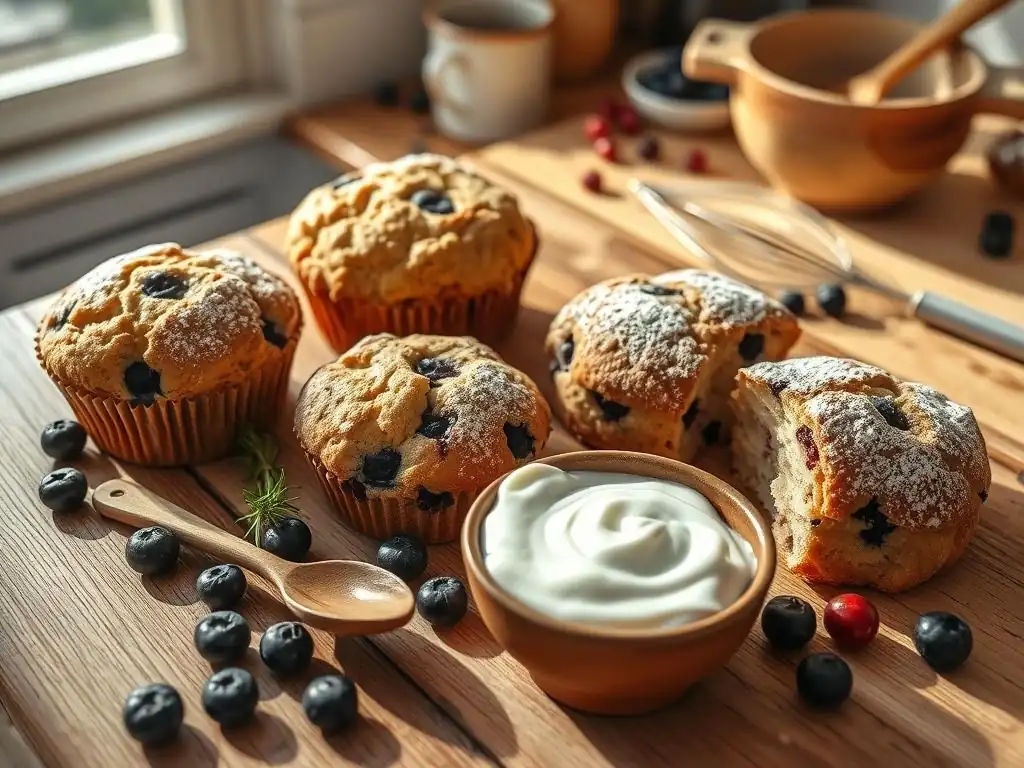
Enhancing Muffins and Scones with Dairy-Free Yogurt
Dairy-free yogurt is a fantastic ingredient for muffins and scones, contributing significantly to moisture, tenderness, and a lovely rise. In muffins, it helps create a soft, fluffy crumb and prevents them from drying out. In scones, its acidity reacts with baking soda to give a good lift and a tender interior, similar to using buttermilk or sour cream in traditional recipes.
It also adds a subtle tang that complements many muffin and scone flavors, from berries and citrus to chocolate and spices. Using yogurt allows you to reduce the amount of oil or butter while still achieving a rich texture. This makes it a staple ingredient when applying dairyfree yogurt baking tips to these quick bread favorites.
Dairy-Free Yogurt Choices for Muffins and Scones
For muffins and scones, plain, unsweetened dairy-free yogurt with a medium to thick consistency is ideal. Soy, oat, and almond yogurts work very well. Soy yogurt provides good structure and a neutral base. Oat yogurt is smooth and blends seamlessly. Almond yogurt is lighter but still adds sufficient moisture.
Thicker yogurts are generally better for scones as they contribute to the dough's structure, which is important for achieving flaky layers. For muffins, a slightly thinner yogurt is acceptable, but avoid anything watery. Coconut yogurt can add richness, especially in scones, but its flavor is more pronounced. Prioritizing plain, unsweetened options is a core dairyfree yogurt baking tip for these items to ensure flavor control.
Dairy-Free Yogurt Muffin and Scone Baking Techniques
When incorporating dairy-free yogurt into muffins, the key is not to overmix the batter. Combine wet and dry ingredients gently until just combined; a few lumps are fine. The yogurt's acidity will work with leavening agents to create a tender crumb. Fill muffin liners about two-thirds full for even baking.
For scones, cold ingredients are crucial for flakiness. Ensure your dairy-free yogurt is cold from the refrigerator. Cut the cold yogurt into the dry ingredients along with cold dairy-free butter or shortening, similar to traditional scone making. Mix minimally until the dough just comes together. Overworking the dough will result in tough scones. Baking at a relatively high temperature (like 400°F) helps the scones rise quickly and develop a crisp exterior while the interior remains tender, a technique enhanced by the moisture from the yogurt. These dairyfree yogurt baking tips help achieve perfect texture in muffins and scones.
Dairy-Free Yogurt Baking Troubleshooting Guide
Common Dairy-Free Baking Issues and Solutions
Baking dairy-free, especially when using yogurt, can sometimes present challenges. One common issue is baked goods that are too dense or heavy. This can happen if the leavening agents aren't active (check expiry dates!) or if the batter/dough is overmixed, developing too much gluten. Ensure your baking soda reacts with the yogurt's acidity by mixing it into the wet ingredients just before combining with the dry.
Another issue is dryness. While yogurt adds moisture, using too little or baking for too long can still result in dry bakes. Ensure you're using enough yogurt and check for doneness using a toothpick test, but don't rely solely on time. If a recipe consistently turns out dry, consider adding a bit more yogurt (maybe 1-2 tablespoons) in future attempts. These dairyfree yogurt baking tips help identify and fix common problems.
Adjusting Recipes for Dairy-Free Yogurt's Consistency
Dairy-free yogurts vary widely in thickness, which directly impacts the final baked good. A recipe developed with thick Greek-style dairy-free yogurt will behave differently if you use a thin, pourable almond yogurt. If your yogurt is significantly thinner than what the recipe seems to expect (or what you've used successfully before), you may need to slightly reduce other liquids or slightly increase the dry ingredients (like flour) by a tablespoon or two.
Conversely, if your yogurt is much thicker, you might need to add a splash of dairy-free milk or water to achieve the right batter or dough consistency. It's often helpful to start by adding the yogurt and other liquids gradually, observing the consistency of the batter or dough and stopping when it looks right. Paying attention to consistency is a key dairyfree yogurt baking tip for consistent results.
Troubleshooting Dense Dairy-Free Baked Goods
If your dairy-free baked goods are coming out dense, several factors could be at play. First, re-evaluate your leavening. Ensure baking powder and soda are fresh. The yogurt's acidity is crucial for activating baking soda; confirm you're using enough soda relative to the acidic ingredients. For example, a recipe might need 1/2 teaspoon of baking soda for every cup of acidic ingredient like yogurt or lemon juice.
Second, check your mixing technique. Overmixing develops gluten, making cakes and muffins tough and dense. Mix only until ingredients are just combined. For breads and scones, avoid excessive kneading or handling. Third, verify your oven temperature with an oven thermometer; an oven that isn't hot enough can prevent proper rise. Finally, ensure you are using the recommended type and consistency of dairy-free yogurt, as discussed in dairyfree yogurt baking tips, as using the wrong type can impact structure.
Recipes Using Dairy-Free Yogurt
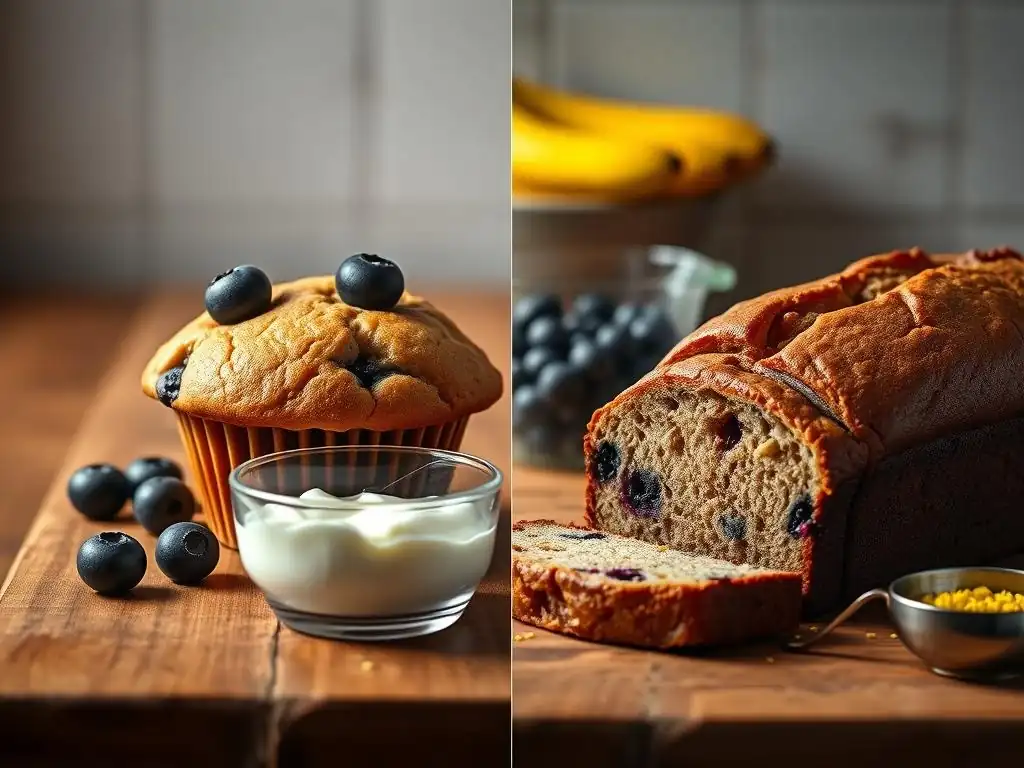
Vegan Lemon Yogurt Cake
This recipe uses plain dairy-free soy or oat yogurt to achieve a wonderfully moist and tender crumb with a bright lemon flavor. Typically, it involves creaming together vegan butter and sugar, then incorporating dairy-free yogurt, lemon zest, and juice, followed by dry ingredients (flour, baking powder, baking soda, salt). The yogurt replaces eggs and adds moisture, with the acidity activating the baking soda for lift. Baking at around 350°F (175°C) for 45-55 minutes usually yields a perfect cake.
Dairy-Free Yogurt Flatbread
A simple flatbread recipe benefiting from the moisture and slight tang of dairy-free yogurt. Often made with just flour, dairy-free yogurt, baking powder, and salt, it comes together quickly without yeast. The yogurt provides elasticity and softness to the dough. Small balls of dough are rolled out and cooked on a hot griddle or pan until puffed and lightly browned, usually only a few minutes per side. This is a great application for dairyfree yogurt baking tips focusing on quick, moist results.
These cookies often use almond flour or a blend of grain-free flours, bound and moistened by dairy-free yogurt. Ingredients might include almond flour, dairy-free yogurt, a sweetener (like maple syrup or coconut sugar), dairy-free butter or oil, vanilla extract, and baking powder. The yogurt adds chewiness and helps hold the grain-free structure together. They are typically baked at 350°F (175°C) for 10-15 minutes until the edges are set and the centers are slightly soft, resulting in a tender, moist cookie.
Conclusion: Mastering Dairy-Free Baking with Yogurt
Recap of Dairy-Free Yogurt Baking Tips and Tricks
Mastering dairy-free baking with yogurt is about understanding its unique properties and how it interacts with other ingredients. We've covered how it adds essential moisture, tenderness, and structure to various baked goods, from cakes and muffins to breads and cookies. Key dairyfree yogurt baking tips include choosing plain, unsweetened varieties, adjusting substitution ratios carefully (replacing a portion of fat, liquid, or eggs), and being mindful of the yogurt's consistency.
We also explored troubleshooting common issues like density or dryness, emphasizing the importance of proper leavening, gentle mixing, and checking oven temperature. Using dairy-free yogurt effectively allows you to create delicious, moist baked goods that cater to dietary needs without sacrificing taste or texture. It's a versatile ingredient that, with a little practice, can elevate your dairy-free baking.
Encouragement for Experimenting with Dairy-Free Yogurt in Baking
Now that you're equipped with these dairyfree yogurt baking tips, it's time to get into the kitchen and experiment! Don't be afraid to try substituting dairy-free yogurt in your favorite recipes. Start small, perhaps replacing a quarter of the fat or an egg in a familiar recipe, and observe the results. Note down your adjustments and findings – did it make the cake moister? Was the bread softer? Did the cookies spread differently?
Every dairy-free yogurt brand and type will behave slightly differently, so finding what works best for you and your recipes is part of the fun. Embrace the process of learning and adaptation. With practice, incorporating dairy-free yogurt will become second nature, allowing you to consistently bake wonderfully moist and delicious dairy-free treats for yourself, your family, and your friends. Happy baking!
Frequently Asked Questions
How does dairy-free yogurt contribute to the moisture content of baked goods?
Dairy-free yogurt adds moisture due to its high water content and the lactic acid which helps to retain moisture during baking. This results in a softer, more tender crumb. It's a great way to keep your baking moist.
What are the best types of dairy-free yogurt to use in baking?
Coconut yogurt and soy yogurt are generally considered the best for baking due to their creamy texture and relatively neutral flavor. However, almond and oat yogurts can also work, though they may impart a slight flavor.
Can I substitute dairy-free yogurt directly for dairy yogurt in baking recipes?
In most cases, yes, you can use dairy-free yogurt as a 1:1 substitute for dairy yogurt. Be mindful of the flavor profile of the dairy-free yogurt you choose, as it may slightly alter the final taste.
What are some common mistakes to avoid when baking with dairy-free yogurt?
Avoid overmixing the batter after adding the dairy-free yogurt, as this can lead to a tough texture. Also, be sure to use yogurt that isn't too watery; strain it if necessary.
Will using dairy-free yogurt change the baking time or temperature?
Generally, using dairy-free yogurt should not significantly alter the baking time or temperature. However, it's always best to check for doneness using a toothpick test, as slight variations can occur.
Final Reflection: The Unexpected Magic of Dairy-Free Yogurt in Baking
The creamy texture and subtle tang of dairy-free yogurt aren't just delicious on their own; they're a game-changer in baked goods, offering unparalleled moisture and a surprising depth of flavor. This isn't just a trend; it's a solution for bakers seeking healthier, more delicious alternatives, and a way to cater to a growing population with dietary restrictions. The versatility of dairy-free yogurt opens up a world of possibilities for both experienced and novice bakers.
The shift towards plant-based alternatives is more than just a dietary choice; it's a reflection of our growing awareness of sustainability and health. It's exciting to see how readily dairy-free yogurt integrates into traditional recipes, proving that deliciousness and ethical considerations can coexist seamlessly. The best things in life are unexpected,
and this is certainly true of the delightful results achieved by incorporating dairy-free yogurt into your baking repertoire.
Now, it's your turn to experiment! Don't be afraid to try different types of dairy-free yogurt – coconut, almond, soy – and see how they impact the texture and taste of your favorite recipes. Embrace the unexpected, explore the possibilities, and discover the joy of creating moist, flavorful, and ethically conscious baked goods. The kitchen is your laboratory; go forth and bake!
Unlock Dairy-Free Baking Bliss!
Thanks for diving into the world of moist, delicious dairy-free baking! You've just learned how to elevate your recipes with the creamy magic of dairy-free yogurt. Now it's time to put your new knowledge into practice.
- Bake your dream dairy-free treat! Grab your favorite recipe and swap in dairy-free yogurt – the results will amaze you. Don't be afraid to experiment!
- Share your creations! Post a photo of your masterpiece on social media and tag us – we'd love to see what you bake.
- Challenge yourself: Try adapting a recipe you've always wanted to perfect, but were hesitant to attempt dairy-free.
What delicious dairy-free creation will you bake first?