
How to Achieve a Golden Brown Crust on DairyFree Breads

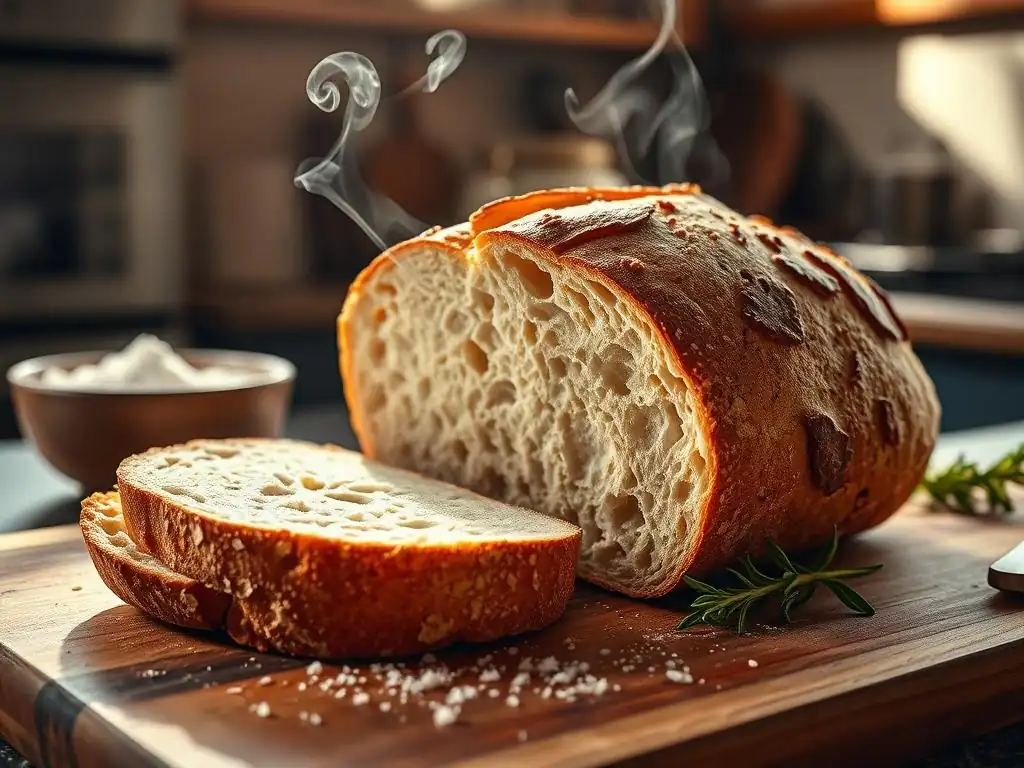
Welcome to BakeWithEase, your guide to unlocking the secrets of irresistible baking! Ever wondered how to achieve that perfect, golden brown crust on your dairy-free breads? You're in the right place. We're diving deep into the techniques and tips you need to know, so keep reading to discover how to create bakery-worthy loaves at home!
- BakeWithEase: Mastering the Art of Dairy-Free Baking
- Understanding the Challenge: Dairy-Free Baking and Crust Development
- Key Ingredients for a Golden Brown Dairy-Free Crust
- Essential Techniques for Achieving a Perfect Dairy-Free Golden Brown Crust
- Troubleshooting Common Dairy-Free Bread Crust Issues
- Dairy-Free Golden Brown Bread Recipes to Try
- Conclusion: Enjoying Perfectly Golden Brown Dairy-Free Bread
-
Frequently Asked Questions
- How can I achieve a golden brown crust on my dairy-free bread without using butter or milk?
- What are some suitable dairy-free fat alternatives for brushing my bread before baking?
- Does the type of flour I use affect the browning of my dairy-free bread crust?
- How does oven temperature impact the crust color of my dairy-free bread?
- Can I use a sugar substitute in the sugar wash for browning dairy-free bread?
- Final Reflection: The Golden Promise of Dairy-Free Baking
- Unleash Your Inner Baker: Achieve That Perfect Crust!
BakeWithEase: Mastering the Art of Dairy-Free Baking
Welcome to BakeWithEase, your guide to delicious baking for everyone, including those exploring dairy-free options. Achieving that perfect, inviting golden brown crust on your dairy-free bread might seem tricky at first glance, especially when compared to traditional loaves that rely on dairy for color and richness. But fear not! With the right ingredients and techniques, you can bake dairy-free golden brown bread that looks just as stunning and tastes incredible. This article will walk you through the science and practical steps to get that enviable crust on your dairy-free creations.
Whether you're new to dairy-free baking or looking to perfect your existing recipes, understanding how crust develops without dairy is key. We'll explore how different dairy-free ingredients interact during baking and reveal the techniques that unlock that beautiful golden hue. From selecting the best milk alternatives to mastering oven dynamics, you'll gain the knowledge to consistently produce dairy-free golden brown bread that's a feast for both the eyes and the palate. Let's dive in and make your next dairy-free loaf shine!
Understanding the Challenge: Dairy-Free Baking and Crust Development
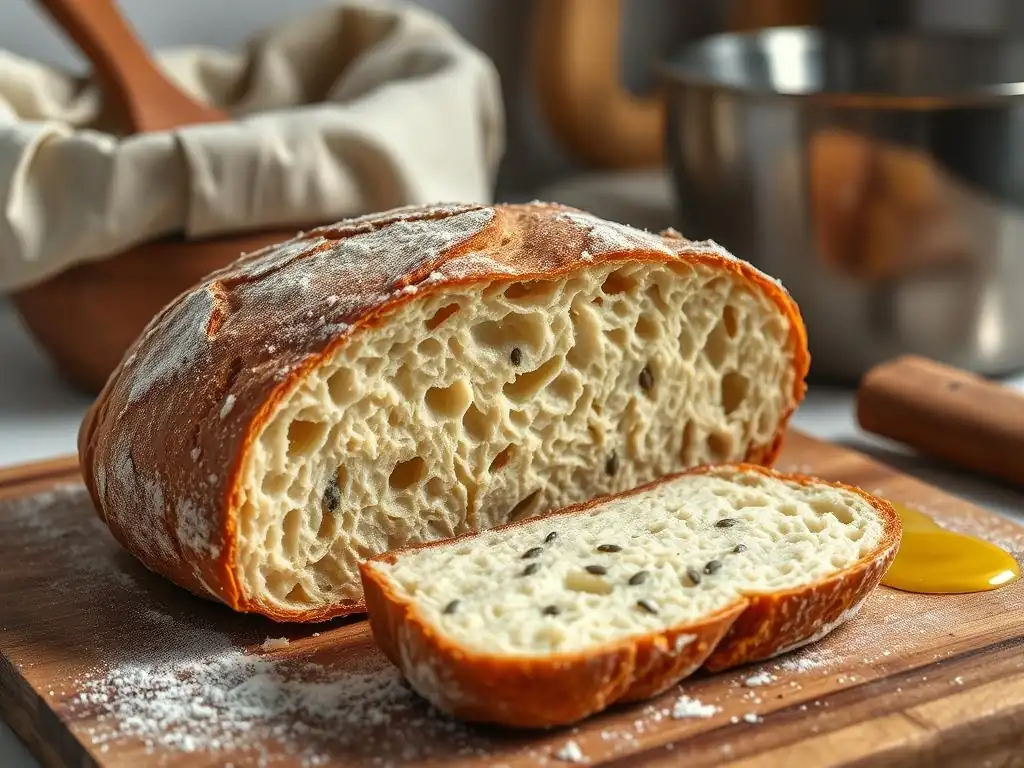
Achieving a perfect crust on any bread is a hallmark of skilled baking, but when you remove dairy, new considerations arise. Traditional bread recipes often benefit from the natural sugars and proteins found in milk and butter, which significantly contribute to the Maillard reaction and caramelization processes essential for crust color and flavor. Without these dairy components, bakers must strategically substitute ingredients and adjust techniques to compensate and still produce dairy-free golden brown bread.
The challenges extend beyond just color. Dairy fats and proteins also influence the texture and tenderness of the crust and crumb. Replicating this involves understanding how alternative fats and liquids behave under heat. A successful dairy-free golden brown bread requires a thoughtful approach to formulation and baking methods to ensure the crust is not only the right color but also possesses a desirable texture – crispy on the outside, yet yielding, not brittle or hard.
Why Dairy Matters for Bread Crust Color
Dairy, particularly milk and butter, contains lactose (a sugar) and proteins (like casein and whey). When exposed to the heat of the oven, these components undergo complex chemical reactions. Lactose caramelizes at high temperatures, contributing a sweet note and a brown color. Proteins participate in the Maillard reaction with sugars, which is a primary driver of browning and the development of hundreds of flavor compounds that give bread its characteristic aroma and taste.
For example, a traditional milk wash applied before baking provides both lactose and protein, creating a rich, dark brown crust. Butter in the dough adds fat, which helps tenderize the crust and also contributes to browning through its milk solids. Without these dairy elements, the natural sugars present in flour alone may not be sufficient or accessible enough to achieve the same depth of color and flavor development through Maillard reaction and caramelization, making the quest for dairy-free golden brown bread a specific challenge.
The Science Behind Maillard Reaction in Dairy-Free Breads
The Maillard reaction is a non-enzymatic browning process that occurs when amino acids (from proteins) react with reducing sugars under heat. This reaction is responsible for the browning of steak, roasted coffee beans, and, importantly, bread crust. In traditional bread, sugars come from flour's starch breaking down into simpler sugars during fermentation, added sugar, and lactose from dairy. Proteins come from flour (gluten) and dairy.
In dairy-free bread, the primary sources of amino acids are still flour proteins (gluten or alternative proteins), but the sugar sources might be limited to those naturally present in the flour or any added sweeteners. To achieve a robust Maillard reaction for a dairy-free golden brown bread crust, bakers must ensure sufficient reducing sugars are available on the surface of the dough when it hits the hot oven. This often involves adding specific types of sugars or applying a sugar-rich wash to the surface before baking, compensating for the absence of lactose.
Key Ingredients for a Golden Brown Dairy-Free Crust
Choosing the right ingredients is fundamental to developing a beautiful dairy-free golden brown bread crust. While the base of flour, water, yeast, and salt remains consistent, the additions you make can significantly impact the final color and texture. Paying close attention to dairy-free milk alternatives, sweeteners, and fats will give you a head start in achieving that desired golden hue.
These ingredients don't just add color; they also influence the bread's overall flavor profile and crumb structure. Understanding how each component behaves during the fermentation and baking process allows for more control over the outcome. Selecting high-quality dairy-free options tailored for baking is a crucial step towards consistently producing excellent dairy-free golden brown bread.
Dairy-Free Milk Alternatives: Choosing the Right One for Crust Color
Using a liquid other than water in your dairy-free bread dough can significantly enhance browning. Dairy-free milk alternatives contain varying amounts of sugars and proteins, which can contribute to the Maillard reaction and caramelization just like dairy milk, though often to a lesser extent. The specific composition of the milk alternative plays a large role in how much color it imparts to the dairy-free golden brown bread crust.
For instance, alternatives like oat milk or soy milk typically contain more natural sugars and proteins than almond milk or rice milk. Incorporating these into your dough or using them as a wash can help promote browning on the surface. Experimenting with different types will reveal which one gives you the best results for your specific dairy-free bread recipe in terms of both color and flavor.
Best Dairy-Free Milks for Browning: Oat Milk, Soy Milk, Cashew Milk
Certain dairy-free milk alternatives are naturally better at promoting a golden brown crust due to their composition. Oat milk, for example, often contains a good amount of natural sugars from the oats, which caramelize nicely. Soy milk has a higher protein content compared to many other alternatives, and these proteins contribute effectively to the Maillard reaction.
Cashew milk, while potentially lower in protein than soy, often has a creamy texture and can contain some natural sweetness depending on processing. Using these milks, either within the dough itself (replacing water) or as a wash applied just before baking, can noticeably improve the color development of your dairy-free golden brown bread crust compared to using just water or alternatives with less sugar/protein like unsweetened almond or rice milk.
How Different Dairy-Free Milks Affect Crust Texture
Beyond color, dairy-free milk alternatives also influence the texture of the crust and crumb. The fats and proteins present can lead to a softer crumb and a slightly less brittle crust compared to using only water. For instance, using oat milk might result in a slightly softer crust due to its carbohydrate content, while soy milk's protein might contribute to a slightly firmer structure.
The sugar content also impacts the final texture. Higher sugar content can lead to a more tender crust that browns more readily, potentially requiring slightly lower oven temperatures or shorter bake times to prevent burning. Understanding these textural nuances helps in selecting the best milk alternative not just for color, but for the overall desired outcome of your dairy-free golden brown bread.
Sweeteners: Enhancing Browning in Dairy-Free Bread
Adding a touch of sweetener to your dairy-free bread dough is one of the most effective ways to ensure a lovely golden brown crust. Sugars are direct participants in both caramelization (when sugar molecules brown) and the Maillard reaction (when sugars react with proteins). Even a small amount, like 1-2% of the flour weight, can make a significant difference in crust color without making the bread taste sweet.
The type of sugar matters, too. Simple sugars like glucose and fructose are more reactive in the Maillard reaction than sucrose (table sugar), although sucrose will break down into simpler sugars during fermentation and baking. Including a sweetener directly in the dough or in a wash applied to the surface provides readily available sugar for browning processes, vital for dairy-free golden brown bread.
The Role of Sugar in Dairy-Free Bread Color
Sugar is a key player in achieving a desirable crust color. As mentioned, it participates in caramelization and the Maillard reaction. When added to bread dough, sugar isn't just food for the yeast; any residual sugar that isn't consumed by the yeast before baking contributes to the browning of the crust in the oven's heat. A dough with slightly more residual sugar will brown more readily.
For example, a dough containing 5% added sugar will develop a darker crust than a dough with only 1% added sugar, assuming all other factors (baking time, temperature, hydration) are equal. This principle is particularly useful in dairy-free baking to compensate for the lack of lactose, ensuring your dairy-free golden brown bread gets its beautiful color.
Using Alternative Sweeteners for a Golden Hue: Maple Syrup, Agave Nectar, Brown Sugar
Different sweeteners offer varying levels of browning potential due to their sugar composition. Maple syrup and agave nectar contain significant amounts of fructose and glucose, which are highly reactive in the Maillard reaction. Including a tablespoon or two of maple syrup in a standard dairy-free bread loaf can dramatically improve crust color.
Brown sugar contains molasses, which not only adds flavor but also contributes to browning due to its sugar content and other compounds. Using a wash made with a little brown sugar dissolved in water or dairy-free milk can create a very rich, dark golden brown crust. Experimenting with these alternative sweeteners allows you to tailor the color and subtle flavor notes of your dairy-free golden brown bread.
Fats and Oils: Adding Richness and Color to Dairy-Free Crusts
Fats contribute to the tenderness of the crust and crumb, and also play a role in browning. While fats don't directly participate in the Maillard reaction or caramelization, they help conduct heat evenly across the surface of the dough, promoting uniform browning. Fats also create a barrier that slows moisture loss from the crust, allowing it to crisp up nicely without becoming too hard too quickly.
Including a dairy-free fat source in your dough or using it to grease the pan can enhance the golden hue. The type of fat can also subtly influence the flavor and texture. For a dairy-free golden brown bread with a tender, rich crust, consider incorporating a suitable dairy-free fat.
Dairy-Free Butter Alternatives for a Golden Finish: Miyoko's Kitchen Cultured Vegan Butter, Melt Organic Vegan Butter
Dairy-free butter alternatives are designed to mimic the properties of dairy butter, including its behavior in baking. Many contain a blend of plant-based oils and often some form of plant-based milk or culture that can contribute to browning. Brands like Miyoko's Kitchen Cultured Vegan Butter often have a composition that browns well due to their fat blend and potentially cultured components.
Melt Organic Vegan Butter is another popular option known for performing well in baking. Using these alternatives, either kneaded into the dough or melted and brushed onto the surface before or during baking, can help achieve a rich, golden finish similar to using dairy butter in your dairy-free golden brown bread.
Oils That Promote Browning: Coconut Oil, Avocado Oil, Olive Oil
Liquid oils can also be used to enhance crust color and texture. Oils with higher smoke points are generally good for baking at bread temperatures. Coconut oil, when melted and brushed on, can contribute to a crispy, golden crust. Avocado oil has a neutral flavor and high smoke point, making it suitable for incorporating into the dough or using as a pan grease that contacts the crust.
Olive oil, particularly extra virgin, adds a distinct flavor and can also promote browning. However, its lower smoke point means it's often better incorporated into the dough rather than used as a surface brush at very high temperatures. A common ratio might be replacing dairy butter with 75-80% the amount of oil by weight in the dough. The type of oil chosen will subtly affect the final flavor of your dairy-free golden brown bread.
Essential Techniques for Achieving a Perfect Dairy-Free Golden Brown Crust
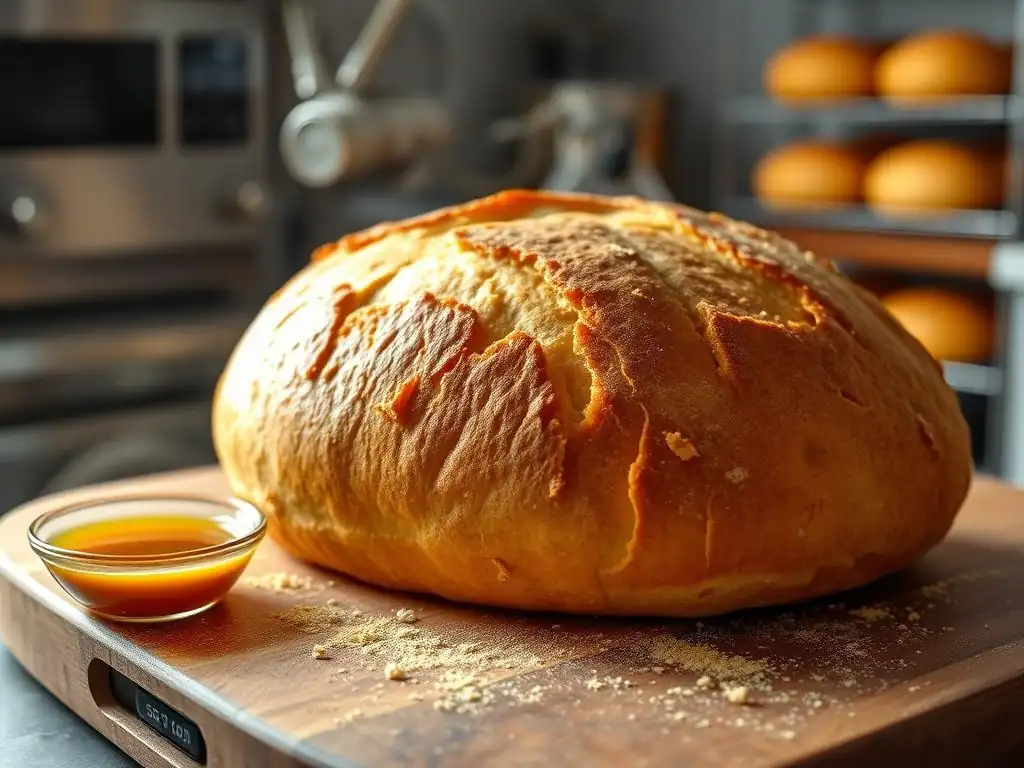
Beyond ingredients, mastering specific baking techniques is crucial for developing a beautiful crust on your dairy-free bread. How you prepare the surface, the temperature of your oven, and the presence of steam all play significant roles in the final color and texture. Implementing these techniques will elevate your dairy-free golden brown bread from good to exceptional.
Precision in these steps can make the difference between a pale, lackluster crust and one that is deep golden, crisp, and full of flavor. Don't underestimate the power of a simple wash or controlling your oven environment. These methods are accessible to home bakers and can dramatically improve your results.
Egg Wash Alternatives for Dairy-Free Breads
A traditional egg wash provides protein and fat that brown beautifully. For dairy-free golden brown bread, you need alternatives that mimic this effect. These washes are typically applied to the surface of the shaped dough just before it goes into the oven, providing a source of sugar and/or protein directly on the surface where browning is most visible.
The key is to use a liquid that contains components that will react and brown under heat. Simple water washes provide hydration but don't contribute much color. Effective dairy-free alternatives leverage sugars, proteins, or fats to promote that desirable golden hue.
Dairy-Free Egg Wash Recipes: Maple Syrup Wash, Aquafaba Wash
Several effective dairy-free washes can produce a lovely golden brown crust. A simple and popular option is a maple syrup wash: combine 1-2 tablespoons of maple syrup with about 1/4 cup of hot water or dairy-free milk. The sugars in the maple syrup caramelize beautifully.
Another excellent alternative is aquafaba, the liquid from a can of chickpeas. Whipping aquafaba slightly and brushing it onto the dough surface provides protein that participates in the Maillard reaction, resulting in a shiny, golden crust. For a richer wash, combine dairy-free milk with a pinch of sugar or a tiny bit of melted dairy-free butter alternative. Apply the wash thinly and evenly with a pastry brush just before baking for the best dairy-free golden brown bread crust.
Applying the Dairy-Free Egg Wash Effectively
Proper application of the wash is key to achieving uniform color on your dairy-free golden brown bread. Use a soft pastry brush and apply a thin, even layer over the entire exposed surface of the dough. Avoid pooling in crevices or scoring lines, as this can lead to uneven darkening or a sticky crust.
Apply the wash just before the bread goes into the oven. If you apply it too early, especially with wet washes, it can soften the crust too much or be absorbed into the dough. A single, even coat is usually sufficient. Too much wash can lead to a thick or gummy crust.
Oven Temperature and Baking Time: Optimizing for Color
Oven temperature is critical for crust development. High initial temperatures promote rapid oven spring and set the crust quickly, facilitating browning. Most lean bread doughs benefit from baking at temperatures between 450°F (230°C) and 500°F (260°C) for at least the initial phase. For dairy-free golden brown bread, ensuring the oven is fully preheated to the correct temperature is essential.
Baking time works in conjunction with temperature. While high heat starts the browning, longer baking times at slightly lower temperatures finish cooking the interior and continue to develop crust color and crispness. The total time will depend on the size and shape of your loaf, but aiming for a rich golden brown color often means baking until the internal temperature reaches 200-210°F (93-99°C).
Finding the Sweet Spot for Dairy-Free Bread Baking
For many dairy-free bread recipes, starting at a high temperature like 475°F (245°C) for the first 15-20 minutes helps achieve good oven spring and initiates rapid crust formation and browning. After this initial phase, reducing the temperature to around 425°F (220°C) allows the interior to cook through without the crust becoming too dark or burning.
Monitoring your dairy-free golden brown bread closely is crucial, as oven temperatures can vary. Use an oven thermometer to verify accuracy. The goal is sufficient time at high heat to start the browning reaction, followed by time at a moderate heat to finish the bake and deepen the color without charring.
Adjusting Baking Time for a Golden Crust
If you find your dairy-free bread crust is consistently pale, you might need to increase the total baking time slightly or keep it at a higher temperature for longer. For example, if a recipe calls for 30 minutes at 450°F then 20 minutes at 400°F, and your crust is pale, try keeping it at 450°F for 25 minutes before reducing the temperature.
Conversely, if the crust is getting too dark too quickly, you may need to reduce the initial high heat time or lower the finishing temperature further. Covering the loaf loosely with foil during the last portion of baking can also prevent the crust from burning while the interior finishes cooking. Achieving the perfect dairy-free golden brown bread crust often requires minor adjustments based on your specific oven and recipe.
Steam: Creating a Crispy, Golden Exterior
Steam in the oven during the initial phase of baking is vital for a beautiful crust on many types of bread, including dairy-free. Steam keeps the surface of the dough moist and elastic, allowing the loaf to expand fully (oven spring) before the crust sets. This expansion creates a thinner, more delicate crust.
Once the crust sets, the steam helps transfer heat efficiently to the surface, promoting the Maillard reaction and caramelization. A steamy environment results in a thinner, crisper crust that is more likely to achieve that desirable golden brown color without becoming excessively thick or tough. Without steam, the crust can set too quickly, restricting expansion and resulting in a dull, pale, and thick crust on your dairy-free golden brown bread.
How Steam Impacts Crust Formation
In a dry oven, the surface of the dough dries out rapidly and forms a hard crust prematurely. This inhibits oven spring and results in a loaf that is dense with a thick, often pale crust. Steam, introduced during the first 10-20 minutes of baking, prevents this premature setting.
The moist environment keeps the dough surface pliable, allowing it to stretch as the gases inside expand. Once the steam dissipates (typically after the first 15-20 minutes), the moist surface then dries and browns rapidly in the dry heat, leading to a thin, crisp, and golden crust. This process is key to achieving a professional-looking dairy-free golden brown bread.
Achieving Steam in a Home Oven: Water in a Hot Pan, Spraying the Dough
There are several ways to create steam in a home oven. A common method is to place a metal pan (like a cast iron skillet or broiler pan) on the bottom rack while the oven preheats. Just after placing the dough in the oven, carefully pour about 1/2 cup to 1 cup of hot water into the hot pan. Close the oven door quickly to trap the steam. Be cautious of the burst of steam.
Another method is to spray the inside walls of the oven with water using a clean spray bottle just after putting the bread in, repeating once or twice in the first 10 minutes. Some bakers also place a tray of ice cubes in a pan on the bottom rack. The melting ice creates steam. Using a baking stone or Dutch oven (discussed next) can also help manage steam effectively for your dairy-free golden brown bread.
Baking Stones and Dutch Ovens: Tools for Superior Crust
Using the right baking surface can significantly improve the heat transfer to the bottom of your loaf, contributing to a better rise and a more evenly browned crust. Baking stones and Dutch ovens are popular tools favored by bread bakers for their ability to retain and radiate heat.
These tools help mimic the conditions of a professional bread oven, providing intense, even heat that promotes excellent oven spring and crust development. Incorporating a baking stone or Dutch oven into your process can make a noticeable difference in the quality of your dairy-free golden brown bread crust.
Using a Baking Stone for Even Heat Distribution
A baking stone (or steel) is placed in the oven during preheating, typically for 30-60 minutes, to get very hot. When the dough is placed directly onto the hot stone, it receives an immediate burst of intense heat from the bottom. This promotes rapid yeast activity and oven spring before the bottom crust has a chance to set too firmly.
The stone also helps maintain a consistent temperature, preventing fluctuations that can negatively impact crust development. Baking on a preheated stone results in a well-risen loaf with a beautifully browned and crisp bottom crust, complementing the golden brown top achieved through other techniques on your dairy-free bread.
The Benefits of Baking Dairy-Free Bread in a Dutch Oven
Baking dairy-free bread in a preheated Dutch oven is an excellent way to create a controlled, steamy environment at home, perfect for developing a superior crust. The heavy lid traps the moisture released by the dough as it heats, creating steam around the loaf during the crucial initial baking phase.
After 20-30 minutes, the lid is removed, allowing the moist surface to dry out and brown in the direct heat. This method consistently produces dairy-free golden brown bread with a fantastic rise and a wonderfully crisp, golden crust without needing external steam methods. Ensure your Dutch oven is oven-safe at high temperatures (check the knob material).
Troubleshooting Common Dairy-Free Bread Crust Issues
Even with the right ingredients and techniques, you might occasionally encounter issues with your dairy-free golden brown bread crust. Identifying the problem is the first step to fixing it. Common issues include a pale crust, uneven browning, or a crust that is too thick or hard.
Don't get discouraged if your first few attempts aren't perfect. Baking is a science and an art, and often requires minor adjustments based on your specific environment, ingredients, and oven. By understanding the potential causes of these issues, you can make informed corrections for future bakes.
Pale Crust: Identifying and Addressing the Problem
A pale crust on dairy-free bread is often due to insufficient sugar on the surface, lack of a browning agent (like a wash or dairy-free milk), or insufficient heat and/or time in the oven. If your crust is consistently pale, consider adding a small amount of sugar (1-2%) to the dough or using a sugar-based wash (like maple syrup or brown sugar dissolved in water) before baking.
Ensure your oven is fully preheated, ideally with a baking stone or in a Dutch oven, and baking at a high enough temperature (450-500°F or 230-260°C) for at least the first 15-20 minutes. If the internal temperature is reached but the crust is still pale, try baking for an additional 5-10 minutes, watching carefully to prevent burning. Increasing steam in the initial phase can also help promote better browning later.
Uneven Browning: Tips for Consistent Color
Uneven browning can be caused by hot spots in your oven, uneven application of a wash, or the loaf touching the sides of the pan or oven. If you suspect hot spots, try rotating the loaf halfway through the baking time. Using a baking stone or Dutch oven can help distribute heat more evenly.
Ensure any wash is applied thinly and uniformly across the entire surface of the dairy-free golden brown bread dough. Avoid letting parts of the loaf touch the oven walls or door. If using a baking sheet, ensure it's not warped, which can cause uneven contact with the oven rack.
Thick or Hard Crust: Achieving the Right Texture
A crust that is too thick or hard is often the result of too little steam during the initial bake, baking at too low a temperature initially, or baking for too long. Insufficient steam causes the crust to set too early and thicken. Ensure you are generating enough steam in the oven for the first 15-20 minutes.
Baking at too low a temperature can dry out the crust before it has a chance to expand properly. Ensure your oven is accurately preheated to a high temperature. Finally, if the crust is hard but the interior is cooked, you may be baking for too long or at too high a temperature for the duration of the bake. Consider lowering the temperature slightly after the initial high-heat phase or reducing the total baking time once the internal temperature is reached.
Dairy-Free Golden Brown Bread Recipes to Try
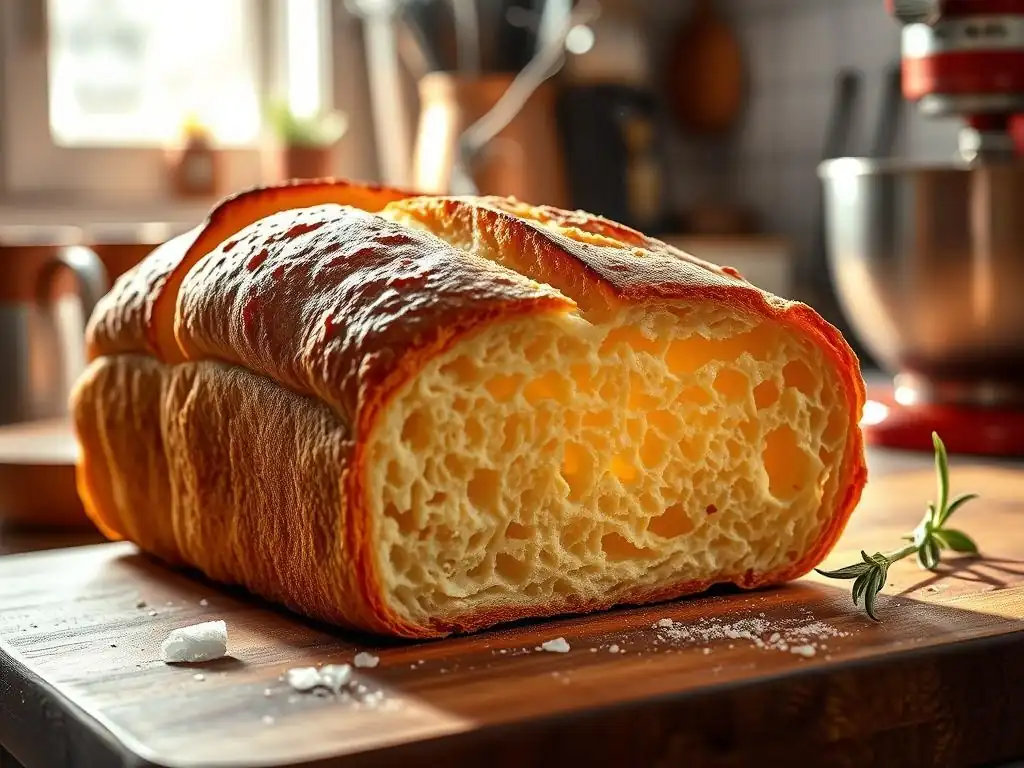
Putting theory into practice is the best way to master achieving that perfect dairy-free golden brown bread crust. Trying recipes specifically designed with dairy-free ingredients in mind can guide you through the process and demonstrate how the techniques discussed work in concert.
Below are some types of dairy-free bread where focusing on crust development is particularly rewarding. Experimenting with these will give you hands-on experience with different dough types and shaping methods, all while aiming for that beautiful golden finish.
Dairy-Free Sourdough: A Step-by-Step Guide
Dairy-free sourdough naturally lends itself to a fantastic crust due to its long fermentation, which breaks down starches into sugars, providing fuel for browning. To achieve a dairy-free golden brown crust on sourdough, focus on using a strong, active starter, ensuring adequate bulk fermentation and proofing, and utilizing a high initial oven temperature with plenty of steam (often achieved perfectly in a Dutch oven).
A typical process involves mixing flour, water, salt, and starter, allowing a long bulk ferment with folds, shaping, proofing, and then baking in a preheated Dutch oven at around 475°F (245°C) for 20-25 minutes with the lid on, followed by 20-25 minutes with the lid off at 425°F (220°C) until deeply golden brown and the internal temperature is 200-210°F (93-99°C).
Dairy-Free Challah: Achieving the Perfect Crust
Dairy-free challah, a rich, often slightly sweet bread, benefits from added fat and sometimes sugar in the dough, which naturally helps with browning. To get a beautiful dairy-free golden brown crust on challah, using a dairy-free milk alternative like oat or soy milk in the dough instead of water adds extra sugars and proteins.
Applying a dairy-free wash before baking is also crucial. A wash made from dairy-free milk and a touch of sugar, or an aquafaba wash, works wonderfully. Baking at a moderate temperature, perhaps starting at 375-400°F (190-200°C), prevents the sweeter dough from burning while still allowing it to achieve a lovely golden color over the longer baking time required for braided loaves.
Conclusion: Enjoying Perfectly Golden Brown Dairy-Free Bread
Achieving a stunning dairy-free golden brown bread crust is entirely within reach for any home baker. By understanding the science behind browning, selecting the right dairy-free ingredients like specific milk alternatives, sweeteners, and fats, and employing essential techniques such as effective washes, optimizing oven conditions with steam, and utilizing tools like baking stones or Dutch ovens, you can consistently bake beautiful loaves.
Don't be afraid to experiment and adjust based on your results. Each oven is different, and perfecting your dairy-free golden brown bread may take a few tries. With practice, you'll develop an intuition for how your dough behaves and what adjustments are needed. Enjoy the process, and soon you'll be regularly pulling perfectly golden, crisp-crusted dairy-free loaves from your oven, ready to share and savor!
Frequently Asked Questions
How can I achieve a golden brown crust on my dairy-free bread without using butter or milk?
You can achieve a beautiful golden brown crust by using plant-based milk alternatives like oat milk or soy milk, or by brushing the loaf with a sugar wash (sugar dissolved in water) before baking. Also, adjusting oven temperature can help.
What are some suitable dairy-free fat alternatives for brushing my bread before baking?
Instead of butter, try brushing your loaf with melted coconut oil or olive oil for a rich, golden color. You can also use a vegan butter alternative.
Does the type of flour I use affect the browning of my dairy-free bread crust?
Yes, the type of flour does impact browning. Flours with higher protein content tend to brown more readily. Using a bread flour or adding a small amount of vital wheat gluten can improve browning.
How does oven temperature impact the crust color of my dairy-free bread?
A higher oven temperature will generally result in a darker, more golden-brown crust. However, be careful not to burn the bread. Consider reducing the temperature slightly if the crust is browning too quickly.
Can I use a sugar substitute in the sugar wash for browning dairy-free bread?
While you can use a sugar substitute, it might not yield the exact same results as regular sugar. Regular sugar caramelizes better, contributing to a richer color and flavor. However, experiment with maple syrup or agave nectar for alternative sweetness and browning.
Final Reflection: The Golden Promise of Dairy-Free Baking
The quest for a perfectly golden-brown crust on dairy-free bread is more than just aesthetics; it's a testament to the power of understanding and mastering the nuances of gluten-free and dairy-free baking. Achieving that beautiful, deeply browned exterior signals success, not just in the visual appeal, but also in the texture and flavor profile of the final product. It signifies a triumph over the common challenges faced when baking without dairy.
This journey into the world of dairy-free bread baking has been a deeply rewarding one, highlighting the creativity and innovation required to adapt traditional techniques. It's a testament to the growing demand for inclusive recipes that cater to dietary restrictions without compromising on taste or presentation. The best things in life are worth fighting for, and a perfectly golden crust on dairy-free bread is certainly one of them.
This sentiment, while playfully exaggerated, underscores the dedication and experimentation often involved in achieving this culinary goal. The ongoing evolution of dairy-free alternatives and baking techniques continues to open up exciting possibilities for bakers and consumers alike.
Now, I invite you to take this knowledge and apply it to your own kitchen. Experiment with different flours, starches, and techniques. Don't be afraid to fail; each attempt brings you closer to mastering the art of creating that stunning, golden-brown crust. Embrace the challenge, celebrate your successes, and most importantly, enjoy the delicious results of your dairy-free baking endeavors. The golden promise awaits!
Unleash Your Inner Baker: Achieve That Perfect Crust!
Thanks for taking the time to explore the secrets of a golden-brown crust on dairy-free bread! We hope you learned valuable techniques to elevate your baking game. Now it's time to put your new skills to the test.
- Bake your dream loaf: Try the recipe variations we discussed and experiment with different flours and techniques to perfect your own dairy-free golden crust. This is your chance to shine!
- Share your success: Post a picture of your stunning creation on social media and tag us @BakeWithEase – we'd love to see your results!
- Join our community: Head over to our forums (link removed per instructions) to connect with other passionate bakers and share your tips and tricks.
Ready to create that perfect crust? What flour combination are you most excited to try?