
Vegan Custard Tart: DairyFree Pastry Cream Made Simple

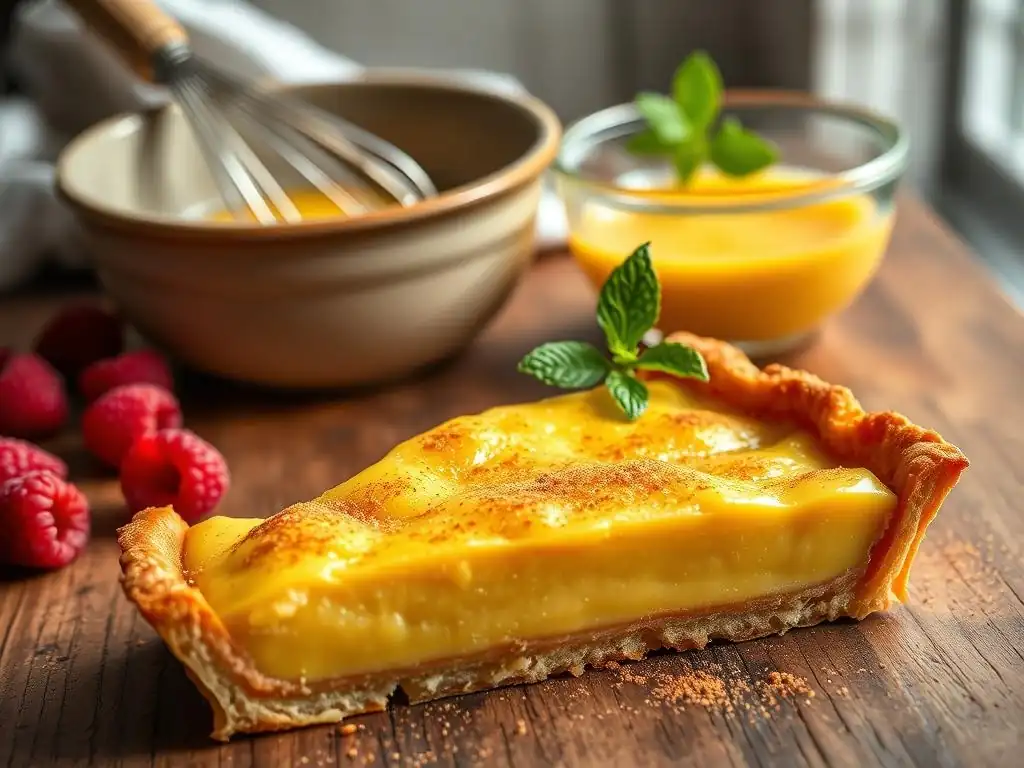
Welcome to BakeWithEase, your trusted guide to delicious homemade treats! Ever dreamt of a perfectly smooth, dairy-free custard tart that rivals the best patisseries? Get ready to unlock the secrets to our incredible Vegan Custard Tart Recipe, a surprisingly simple yet utterly decadent dessert. Curious how we achieve that creamy texture without any dairy? Let's dive in and discover the magic of vegan baking!
- Introduction to Vegan Custard Tart Baking
- Mastering the Dairy-Free Custard Filling
- The Perfect Vegan Tart Crust Recipe
- Assembling Your Vegan Custard Tart
- Baking the Vegan Custard Tart to Perfection
- Cooling and Setting Your Dairy-Free Custard Tart
- Vegan Custard Tart Variations and Flavor Ideas
- Tips & Tricks for a Successful Vegan Custard Tart
- Enjoy Your Delicious Homemade Vegan Custard Tart!
- Frequently Asked Questions
- Final Reflection: The Sweet Revolution of Plant-Based Baking
- Unleash Your Inner Pastry Chef!
Introduction to Vegan Custard Tart Baking
Discover the Delight of Dairy-Free Custard Tart
Embracing a vegan lifestyle doesn't mean saying goodbye to classic desserts. A vegan custard tart offers all the rich, creamy indulgence of its traditional counterpart but is entirely free from animal products. This delightful treat features a crisp, buttery-tasting crust filled with a smooth, luscious dairy-free pastry cream, often topped with fresh fruit or a sprinkle of spice. It's a perfect dessert for those with dairy allergies, lactose intolerance, or anyone simply exploring the wonderful world of plant-based baking. Mastering a great vegan custard tart recipe is a rewarding skill that will impress friends and family alike.
Creating a truly delightful vegan custard tart requires attention to detail, particularly in achieving the right texture for both the crust and the filling. While traditional custard relies on eggs and dairy for its structure and richness, vegan versions use clever substitutions like plant milks, cornstarch or other thickeners, and sometimes a touch of plant-based butter or cream. The result, when done right, is a custard that sets beautifully and has a silky-smooth mouthfeel, providing a perfect contrast to the flaky tart shell.
This article will guide you through each step, ensuring your first (or next!) vegan custard tart is a resounding success.
Why Choose a Vegan Custard Tart Recipe?
Opting for a vegan custard tart recipe has numerous benefits, extending beyond just dietary restrictions. For those with dairy allergies, it's a safe and delicious way to enjoy a classic dessert. Lactose intolerance affects a significant portion of the population globally – estimates suggest up to 70% of people worldwide have some degree of lactose intolerance – making dairy-free alternatives highly valuable. Furthermore, choosing plant-based options often aligns with environmental considerations, as dairy production has a larger environmental footprint compared to many plant-based alternatives.
Beyond health and environmental factors, a well-executed vegan custard tart recipe can be just as, if not more, flavorful and satisfying than a dairy-based version. The use of plant milks like almond, soy, or oat milk can add subtle nuances to the flavor profile, while plant-based butters provide richness without the heaviness sometimes associated with dairy. Developing a go-to vegan custard tart recipe means having a versatile dessert option ready for any occasion, proving that delicious baking is accessible to everyone, regardless of dietary choices.
BakeWithEase: Your Guide to Delicious Vegan Baking
At BakeWithEase, our mission is to demystify baking and make it accessible and enjoyable for everyone, including those exploring vegan options. We understand that adapting traditional recipes can sometimes feel daunting, especially when it comes to replacing key ingredients like eggs and dairy. Our approach focuses on simple techniques, clear instructions, and readily available ingredients, ensuring that even complex-sounding bakes like a vegan custard tart are within reach for bakers of all skill levels.
We provide step-by-step guides, helpful tips, and insights into ingredient substitutions, empowering you to bake with confidence. Whether you're a complete beginner making your first dairy-free pastry cream or an experienced baker perfecting your vegan tart crust, BakeWithEase offers the resources you need to succeed. Our curated recipes and techniques are designed to help you achieve delicious, consistent results every time, making your vegan baking journey smooth and rewarding.
Mastering the Dairy-Free Custard Filling
Understanding Vegan Pastry Cream Ingredients
Creating a successful vegan pastry cream, the heart of your vegan custard tart recipe, hinges on understanding the role of each ingredient. Traditional pastry cream uses egg yolks for richness, color, and thickening, and dairy milk for the base. In a vegan version, these roles are taken up by plant-based ingredients.
Plant milk provides the liquid base; common choices include soy, almond, oat, or cashew milk, each offering slightly different flavors and fat content. A good thickener is crucial – cornstarch is standard and effective, but arrowroot starch or tapioca starch can also be used, though they may result in a slightly different texture.
Sweetness comes from sugar, just like in traditional recipes. To mimic the richness and smooth texture provided by egg yolks and dairy fat, vegan pastry cream often incorporates a source of fat, such as vegan butter, coconut cream, or a neutral-flavored oil. A touch of vanilla extract is essential for classic flavor.
Some recipes might also include a pinch of turmeric for a yellow hue, though this is optional and depends on the desired appearance of your vegan custard tart. Getting the balance right between the liquid, sweetener, thickener, and fat is key to achieving a luxurious, pourable, yet set-able consistency.
Key Ingredients for a Creamy Vegan Custard
To achieve that coveted creamy texture in your dairy-free custard filling, select your ingredients carefully. The choice of plant milk significantly impacts the final result. Soy milk is often recommended for its protein content, which can contribute to a stable custard. Oat milk provides natural sweetness and creaminess, while cashew milk offers a rich, smooth base. Aim for an unsweetened variety to control the sweetness yourself. For thickening, cornstarch is reliable; a typical ratio might be around 1/4 cup (about 30g) of cornstarch per 2 cups (about 480ml) of plant milk, though this can vary based on desired thickness.
Incorporating a source of fat is vital for richness. Vegan butter or full-fat coconut milk (from a can, using the thick cream part) work well. About 2-3 tablespoons of vegan butter or 1/4 to 1/2 cup of coconut cream can significantly enhance the custard's texture and mouthfeel.
Vanilla extract is non-negotiable for classic flavor – use a good quality extract for the best results. Some bakers also add a pinch of salt to balance the sweetness. The combination of these ingredients, cooked gently and patiently, transforms simple components into a silky, decadent vegan pastry cream perfect for your vegan custard tart recipe.
Substituting Dairy in Traditional Custard Tart Recipes
Successfully converting a traditional dairy custard tart recipe to a vegan one involves more than just a simple swap of milk. The functions of dairy milk and eggs need to be addressed. Dairy milk provides liquid and some richness; this is replaced by plant milk. Eggs, particularly the yolks, perform several crucial roles: they thicken the custard, provide richness and color, and help with emulsification. Replacing these functions requires a combination of ingredients.
Thickening is primarily handled by starches like cornstarch, tapioca starch, or arrowroot. Richness and emulsification can be mimicked by adding a source of fat, such as vegan butter, coconut cream, or even silken tofu blended into the base liquid (though tofu can alter flavor). Color can be achieved with a tiny pinch of turmeric or a few drops of yellow food coloring if desired, although many prefer the natural color.
The ratio of thickener to liquid is critical and often slightly higher than in egg-based custards to ensure a firm set suitable for a tart. For instance, while an egg custard might use 2-3 yolks per cup of milk, a vegan version might require 2-3 tablespoons of cornstarch per cup of plant milk, plus added fat for richness. Experimentation with a base vegan custard tart recipe is often necessary to find the perfect balance for your preference.
The Perfect Vegan Tart Crust Recipe
Creating a Flaky Dairy-Free Tart Crust
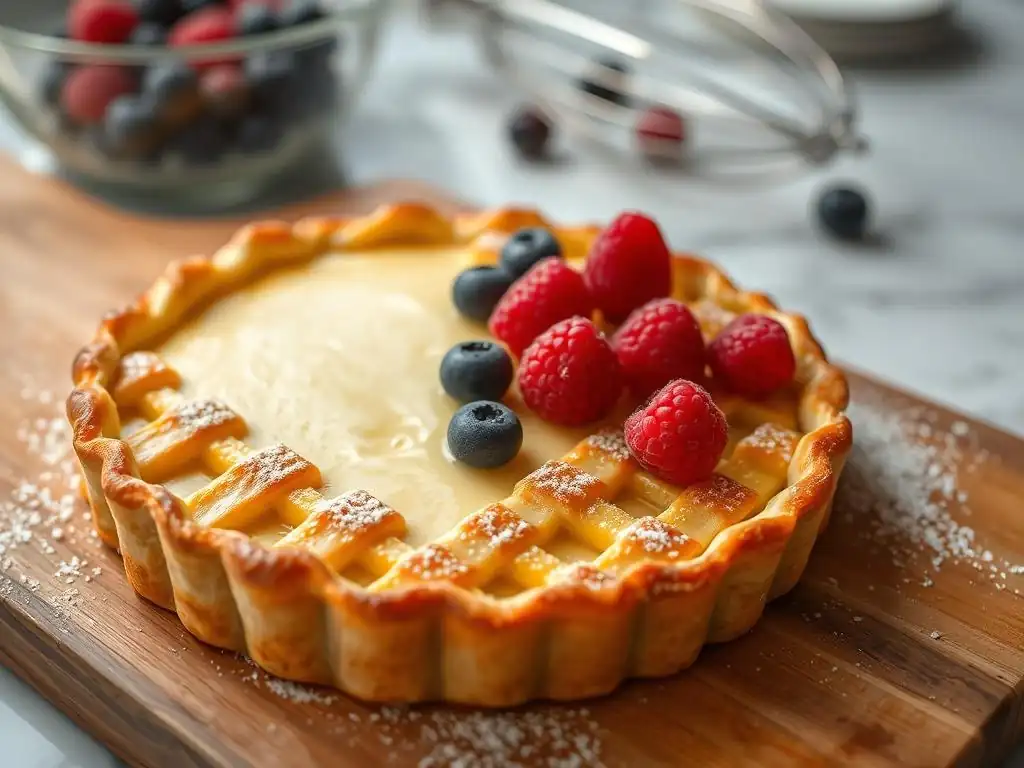
A truly great vegan custard tart recipe starts with an exceptional crust. The goal is a flaky, tender, and buttery-tasting shell that provides a delightful contrast to the smooth filling. Achieving flakiness in a vegan crust involves using cold fat and minimizing gluten development, much like traditional pastry. Vegan butter or a blend of vegan butter and vegetable shortening are excellent choices for fat.
Vegan butter provides flavor and richness, while shortening can enhance flakiness. The key is to cut the cold fat into the flour until it resembles coarse crumbs with some pea-sized pieces remaining. These larger pieces of fat create steam pockets during baking, resulting in flaky layers.
Using ice-cold water to bring the dough together is also critical. Add just enough water for the dough to barely hold together, avoiding overmixing. Overmixing develops gluten, leading to a tough crust.
After mixing, the dough should be chilled for at least 30 minutes, ideally longer (up to an hour or two). This resting period allows the gluten to relax and the fat to firm up, making the dough easier to roll and contributing to a flakier texture. Rolling the dough evenly and handling it gently are the final steps to ensure a delicate, flaky base for your vegan custard tart.
Tips for a Crispy Vegan Tart Base
Nobody wants a soggy bottom on their vegan custard tart! Achieving a crispy tart base requires a few key strategies. Firstly, ensure your dough is properly chilled before rolling and baking. Cold fat is essential for flakiness, which in turn contributes to crispness. Secondly, blind baking is highly recommended, especially for wet fillings like custard. Blind baking partially or fully bakes the crust before the filling is added, creating a barrier against moisture.
Using pie weights or dried beans to line the crust during the initial phase of blind baking prevents the sides from collapsing and the bottom from puffing up. After the initial blind bake with weights, removing them and baking for a few more minutes allows the bottom crust to dry out and crisp up directly.
Ensuring your oven is preheated to the correct temperature (often around 375-400°F or 190-200°C) is also important for proper crust development. Baking the crust until it's a light golden brown, even before adding the filling, helps guarantee a sturdy and crispy foundation for your delicious vegan custard tart recipe.
Blind Baking Your Vegan Tart Crust: A Step-by-Step Guide
Blind baking is a crucial step for many vegan custard tart recipes to prevent a soggy bottom. Here’s a simple guide:
- Prepare the Dough: Roll out your chilled vegan tart dough to fit your tart pan (usually 9-10 inches in diameter). Gently press it into the pan, ensuring it's snugly fitted into the fluted edges. Trim any excess dough, leaving a slight overhang if desired (this can be trimmed after baking).
- Chill the Lined Pan: Prick the bottom of the tart shell all over with a fork. This helps prevent the crust from puffing up. Place the lined tart pan in the freezer for at least 20-30 minutes. This step is vital as it chills the fat and helps the crust hold its shape during baking.
- Preheat and Prepare for Baking: Preheat your oven to the temperature specified in your vegan custard tart recipe, typically between 375°F and 400°F (190°C and 200°C). Line the chilled crust with parchment paper or aluminum foil, pressing it gently against the sides and bottom. Fill the liner with pie weights, dried beans, or rice, distributing them evenly to cover the bottom and extend slightly up the sides. A typical 9-inch tart pan might require 1-2 pounds of weights.
- Initial Bake with Weights: Bake for 15-20 minutes, or until the edges of the crust are starting to look set and slightly golden.
- Second Bake Without Weights: Carefully remove the weights and the parchment/foil liner. Return the tart shell to the oven and bake for another 5-10 minutes, or until the bottom is dry to the touch and lightly golden brown. This second bake ensures the base is cooked through and crispy. Let the crust cool completely before adding the filling.
Assembling Your Vegan Custard Tart
Preparing the Tart Shell for the Filling
Once your vegan tart crust has been successfully blind-baked and cooled, it's ready to receive the luscious dairy-free custard filling. Ensure the crust is completely cool before proceeding. Pouring warm or hot filling into a warm crust can lead to a soggy bottom, negating all your hard work during the blind baking step. A fully cooled crust will also help the filling set properly against the edges.
If your vegan custard tart recipe requires a fully baked crust (meaning it's baked until golden brown and completely cooked through during blind baking), you can proceed directly to filling. If the recipe calls for a partially baked crust (where it's only baked until set with weights and then briefly without), you might need to seal the bottom before adding the filling.
Some bakers brush the bottom of the partially baked crust with a thin layer of melted vegan chocolate or a glaze made from apricot jam to create an extra barrier against moisture, although this is often optional and depends on the specific vegan custard tart recipe and desired outcome.
Pouring and Setting the Vegan Custard Filling
With your cooled tart shell prepared, it's time to add the star of the show: the vegan pastry cream. Ensure your dairy-free custard filling has cooled slightly after cooking, but is still liquid enough to pour smoothly. If it has thickened too much upon cooling, you can gently whisk it or even briefly warm it over low heat (stirring constantly) to loosen it up, being careful not to scorch it. Strain the custard through a fine-mesh sieve directly into the tart shell. This removes any potential lumps and ensures a perfectly smooth texture.
Pour the custard slowly and evenly into the prepared tart shell, filling it almost to the top. Avoid overfilling, as the custard will expand slightly as it sets. Gently tap the tart pan on the counter a few times to release any air bubbles trapped in the filling and to help the surface become smooth and level. Some vegan custard tart recipes call for baking the assembled tart to fully set the custard, while others rely solely on chilling. Follow your specific recipe's instructions regarding baking or chilling times.
Achieving a Smooth and Even Custard Surface
A visually appealing vegan custard tart boasts a smooth, unblemished surface. Achieving this starts with ensuring your vegan pastry cream is lump-free before pouring. As mentioned, straining the cooked custard through a fine-mesh sieve is the most effective way to guarantee smoothness. After pouring the strained custard into the tart shell, gently tapping the tart pan on the counter helps level the surface and brings any remaining air bubbles to the top, where they can be gently popped with a toothpick.
If your vegan custard tart recipe involves baking the assembled tart, baking at a moderate temperature (often around 325-350°F or 160-175°C) helps the custard set gently and evenly, minimizing the risk of cracks. Avoid opening the oven door frequently during baking. Once baked (if required) or fully chilled, the surface should be smooth and ready for any desired toppings, completing the elegant look of your homemade vegan custard tart.
Baking the Vegan Custard Tart to Perfection
Oven Temperature and Baking Time for Vegan Custard
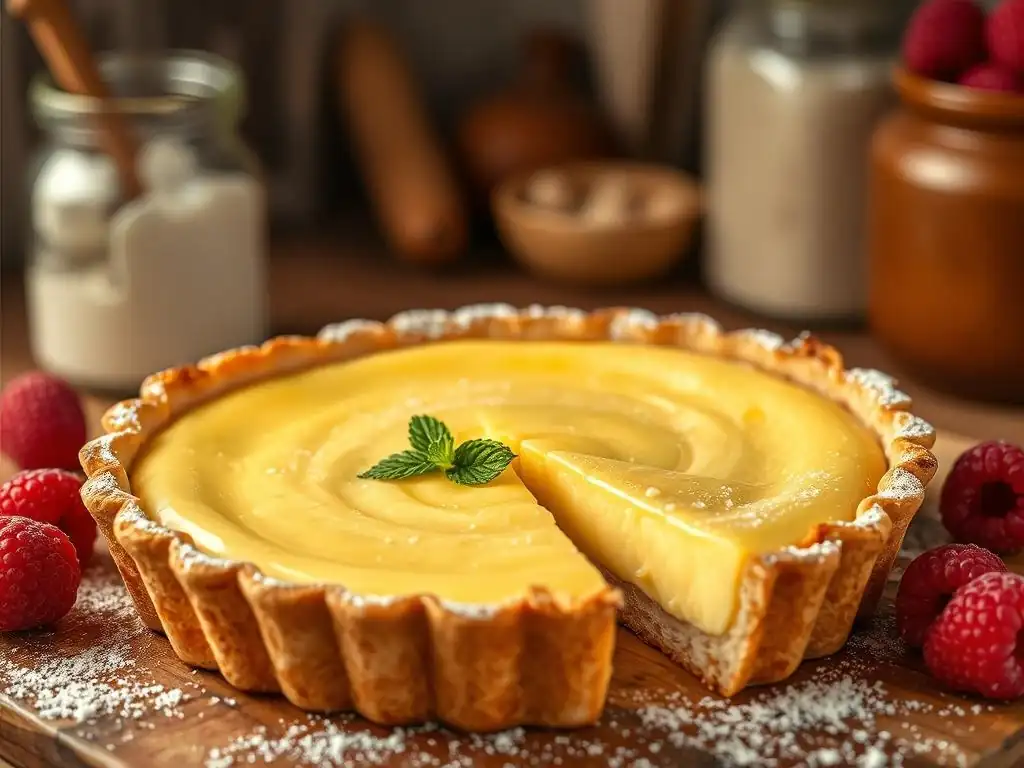
If your vegan custard tart recipe requires baking the assembled tart, the correct oven temperature and baking time are critical for achieving a perfectly set custard without overcooking the crust. Typically, custards are baked at a lower temperature than crusts to ensure a gentle, even set. A common range for baking a custard tart is between 325°F and 350°F (160°C and 175°C). This moderate heat allows the custard to solidify gradually from the edges inwards.
Baking time will vary depending on the size and depth of your tart, as well as the specific vegan custard tart recipe and your oven. For a standard 9 or 10-inch tart, baking might take anywhere from 25 to 45 minutes. It's important to monitor the tart closely, especially towards the end of the baking time. The custard should look mostly set around the edges but still have a slight wobble in the center. Overbaking can lead to a rubbery texture or cracks on the surface.
Preventing Cracks and Bubbles in Your Custard Tart
Cracks and bubbles can detract from the smooth appearance of your vegan custard tart. To prevent cracks, avoid overbaking. Cracks often form when the custard dries out or shrinks during baking. Baking at a lower temperature helps prevent this. If your oven has hot spots, rotating the tart halfway through the baking time can ensure even cooking. Some bakers also find that placing a shallow pan of water on the rack below the tart helps create a humid environment, which can reduce the risk of cracking.
Bubbles in the surface are usually caused by air trapped in the custard. Straining the custard before pouring is the best defense against this. Tapping the tart pan gently on the counter after pouring also helps release trapped air. If small bubbles still appear on the surface before baking, they can often be gently popped with a toothpick. Following these steps will help you achieve that desirable, smooth finish on your vegan custard tart recipe.
Checking for Doneness: The Jiggle Test
Determining when your vegan custard tart is perfectly baked requires a subtle test known as the "jiggle test." Unlike cakes or breads where you might insert a toothpick, the jiggle test is key for custards. Gently nudge the side of the tart pan or the oven rack. The custard should look set around the edges, perhaps an inch or two inwards, but the very center (a spot about 2-3 inches in diameter) should still have a slight, delicate wobble. It should not slosh like a liquid, but rather jiggle slightly like firm jelly.
The residual heat after you remove the tart from the oven will continue to cook the center, allowing it to set fully as it cools. If you bake until the center is completely firm in the oven, you risk overcooking it, which can result in a less creamy texture and potential cracking. Trust the jiggle test for your vegan custard tart recipe; it's the most reliable indicator of perfect doneness.
Cooling and Setting Your Dairy-Free Custard Tart
Importance of Proper Cooling Time
Proper cooling is a non-negotiable step for a successful vegan custard tart. Once the tart comes out of the oven (if baked) or is finished chilling (if no bake), it needs significant time to set fully. Hot custard is liquid and unstable. As it cools, the thickeners in the vegan pastry cream (like cornstarch) create a gel-like structure that allows the custard to firm up and hold its shape when sliced. Rushing this process will result in a runny, disappointing filling.
Allow the tart to cool at room temperature for at least 1-2 hours immediately after baking or preparation. This initial cooling phase allows the outer edges to firm up. After the initial cooling, the tart should be transferred to the refrigerator to chill and set completely. This step is crucial and often requires a minimum of 3-4 hours, but ideally, the tart should chill for at least 6 hours or even overnight. Patience during the cooling phase is rewarded with a beautifully set, sliceable vegan custard tart.
Preventing a Soggy Crust During Cooling
A common pitfall when making any custard tart, including a vegan custard tart recipe, is a soggy bottom crust that develops during the cooling process as moisture from the filling transfers to the crust. Proper blind baking is the first and most important defense. Baking the crust until it is dry and golden brown, especially on the bottom, creates a barrier.
Ensuring the tart is cooled completely before refrigeration also helps. Rapid temperature changes can sometimes cause condensation. When refrigerating, avoid covering the tart tightly until it is completely cold; covering it while still warm traps steam, which can make the crust soggy. If you must cover it, use parchment paper or wax paper lightly tented over the top, or wait until it's fully chilled before covering tightly with plastic wrap for storage. Serving the tart within 24-48 hours of chilling also helps maintain crust crispness.
Achieving the Perfect Custard Texture
The perfect vegan custard texture is smooth, creamy, and sliceable, holding its shape without being rubbery or too firm. This texture is achieved through a combination of correct ingredient ratios, proper cooking of the vegan pastry cream, and sufficient chilling time. Using the right amount of thickener (like cornstarch) is key; too little and it won't set, too much and it becomes gluey. Cooking the custard until it is visibly thickened and coats the back of a spoon ensures the starch is fully activated.
As mentioned, the chilling period is equally vital. During the 3-6+ hours in the refrigerator, the starch molecules fully hydrate and form a stable gel structure. This is where the magic happens, transforming the pourable liquid into a firm, yet creamy, filling. Adding a source of fat like vegan butter or coconut cream also contributes significantly to the luxurious mouthfeel, preventing the custard from tasting flat or purely starchy. Trust your vegan custard tart recipe's recommended chilling time for optimal texture.
Vegan Custard Tart Variations and Flavor Ideas
Adding Flavors to Your Dairy-Free Custard Filling (e.g., Vanilla, Chocolate, Lemon)
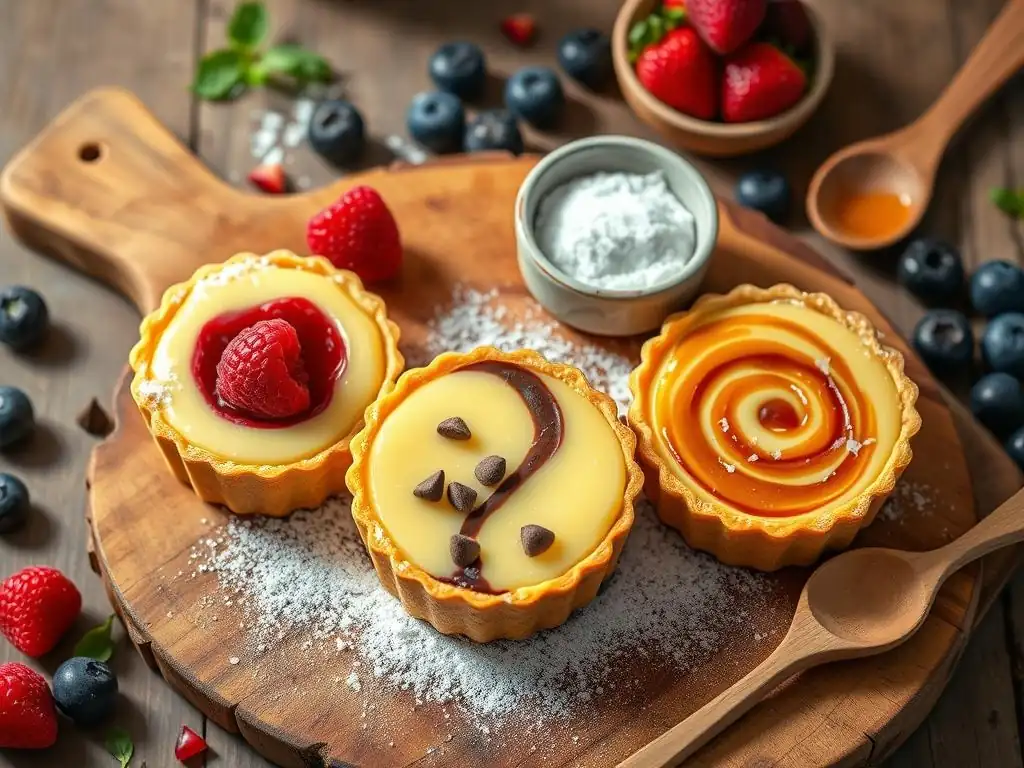
While a classic vanilla vegan custard tart recipe is delightful on its own, the dairy-free pastry cream base is incredibly versatile and can be infused with various flavors. Vanilla extract is standard, but consider using vanilla bean paste or scraping seeds from a fresh vanilla bean for a more intense, fragrant vanilla flavor. For a chocolate custard, whisk in cocoa powder or melted vegan chocolate (about 2-4 ounces per 2 cups of custard base) after the custard has thickened and been removed from the heat.
Lemon is another popular flavor. You can add lemon zest to the plant milk as it heats to infuse it, or whisk in fresh lemon juice (start with 1-2 tablespoons) after the custard has thickened and cooled slightly. Be cautious with adding too much acidic juice to a hot starch-thickened mixture, as it can sometimes thin it out. Other possibilities include adding a swirl of fruit puree, a pinch of cinnamon or nutmeg, coffee extract, or almond extract to create unique variations of your basic vegan custard tart recipe.
Topping Ideas for a Beautiful Vegan Custard Tart (e.g., Fresh Fruit, Cinnamon)
Elevating your vegan custard tart visually and texturally is easy with the right toppings. Fresh fruit is a classic and beautiful choice. Sliced berries (strawberries, raspberries, blueberries), kiwi, mango, or segments of citrus can add color, freshness, and a slight tang that contrasts wonderfully with the sweet, creamy custard. Arrange the fruit decoratively over the chilled custard just before serving.
A simple dusting of ground cinnamon or nutmeg adds warmth and aroma. You can also top with toasted flaked almonds, shredded coconut, or a drizzle of melted vegan chocolate or caramel sauce. For extra indulgence, pipe swirls of vegan whipped cream around the edge before adding fruit. The topping possibilities are vast, allowing you to customize your vegan custard tart recipe for any season or occasion.
Experimenting with Different Vegan Custard Tart Crusts (e.g., Gluten-Free, Chocolate)
While a traditional vegan butter crust is excellent, you can easily adapt your vegan custard tart recipe by using different crusts. For those needing a gluten-free option, a simple gluten-free pastry dough using a blend of gluten-free flours and vegan butter works well. Many pre-made gluten-free vegan pie crusts are also available in stores. Another popular gluten-free crust is made from crushed vegan cookies (like speculoos or graham crackers) mixed with melted vegan butter, pressed into the pan and chilled or briefly baked.
A chocolate crust adds a decadent twist. Simply replace a small portion of the flour (e.g., 1/4 cup per 1.5 cups flour) with unsweetened cocoa powder in your standard vegan tart dough recipe. Ensure the cocoa powder is sifted to avoid lumps. This creates a rich, dark base that pairs exceptionally well with vanilla or even a chocolate vegan custard filling, making your vegan custard tart recipe even more exciting.
Tips & Tricks for a Successful Vegan Custard Tart
Common Mistakes to Avoid When Making Vegan Custard Tart
Making a vegan custard tart is straightforward, but avoiding common pitfalls ensures the best results. One frequent error is not cooking the vegan pastry cream long enough; it must be cooked until thick and glossy to ensure the starch is fully activated for proper setting. Another mistake is not chilling the tart dough sufficiently before rolling and baking, which can result in a tough or shrinking crust. Skipping the blind baking step is a sure way to end up with a soggy bottom.
Overfilling the tart shell can cause the custard to overflow during setting or baking. Impatience is also a major enemy – not allowing the custard to cool and set completely in the refrigerator before slicing will lead to a runny mess. Finally, using low-fat plant milk or not adding enough fat (like vegan butter or coconut cream) to the custard can result in a thin, less satisfying texture. Pay attention to these details in your vegan custard tart recipe for optimal success.
Troubleshooting Your Vegan Custard Tart Recipe
Even with careful execution, sometimes things don't go perfectly. If your vegan pastry cream is too thin after chilling, it likely wasn't cooked long enough or didn't have enough thickener. You can try gently reheating it in a saucepan with a little extra cornstarch slurry (cornstarch mixed with cold plant milk) and cooking until thickened, then rechilling. If the crust is tough, the dough was likely overworked or not chilled enough. If the bottom crust is soggy, it indicates insufficient blind baking or inadequate cooling before refrigeration.
Cracks in the custard surface after baking usually mean it was slightly overbaked or cooled too quickly. While cosmetic, this doesn't affect the taste. If the custard has lumps, it wasn't whisked constantly while cooking or wasn't strained. Don't be discouraged by minor issues; baking is a learning process. Each attempt at a vegan custard tart recipe helps you refine your technique.
Storing Your Vegan Custard Tart for Optimal Freshness
To keep your vegan custard tart tasting its best, proper storage is essential. Once the tart is completely chilled and set, cover it loosely with plastic wrap or aluminum foil. If it has fruit or other delicate toppings, you might cover the entire tart pan with an inverted bowl or a cake dome to avoid crushing them. The tart should always be stored in the refrigerator due to the nature of the custard filling.
A vegan custard tart is best enjoyed within 2-3 days of being made. While it might last a day or two longer, the crust can start to soften over time. For optimal texture, slice and serve pieces as needed rather than leaving the entire tart sliced. This helps maintain the integrity of the remaining tart. Freezing is generally not recommended for assembled custard tarts, as the custard texture can become watery or grainy upon thawing, although some components (like blind-baked crusts) can be frozen separately.
Enjoy Your Delicious Homemade Vegan Custard Tart!
Serving Suggestions for Your Dairy-Free Dessert
Your homemade vegan custard tart is a beautiful and delicious dessert ready to be enjoyed. For serving, use a sharp knife dipped in hot water and wiped clean between slices to get clean cuts. This prevents the custard from sticking and making messy edges. A classic slice of vegan custard tart is wonderful on its own, showcasing the creamy filling and crisp crust.
Consider serving with a dollop of vegan whipped cream, a sprinkle of fresh berries, or a light dusting of powdered sugar. A drizzle of fruit coulis or a small scoop of vegan vanilla ice cream makes it even more indulgent. The simplicity of the tart allows it to pair well with various accompaniments. Presenting it on a nice serving platter makes the moment feel extra special. Enjoy the fruits of your labor!
Baking is often a joy best shared! Your successful vegan custard tart, made following our BakeWithEase guide, is perfect for bringing to potlucks, sharing with neighbors, or serving at family gatherings. It's a fantastic way to show how delicious and satisfying dairy-free baking can be. Don't be surprised if your guests are amazed that it's entirely vegan!
Sharing your creation also offers a chance to inspire others who might be exploring vegan baking or dealing with dairy allergies. Encourage them to visit BakeWithEase.com for easy-to-follow recipes and tips. Tag us on social media if you share photos – we love seeing your baking triumphs! Your beautiful vegan custard tart recipe success is a testament to the ease and delight of plant-based baking.
Celebrate the Ease of Vegan Baking
You've just created a stunning and delicious vegan custard tart, a dessert that might once have seemed challenging without dairy and eggs. This achievement highlights the core principle of BakeWithEase: that mastering plant-based baking is accessible and enjoyable. By breaking down the process into simple steps and focusing on smart ingredient substitutions, complex recipes like a vegan custard tart become entirely manageable.
Celebrate your success and the ease with which you can now create classic desserts in a dairy-free format. This vegan custard tart recipe is just one example of the many delightful bakes you can achieve. Keep exploring, keep baking, and keep enjoying the wonderful world of vegan treats with BakeWithEase as your trusted guide. Happy baking!
Frequently Asked Questions
What makes this custard tart recipe vegan?
This recipe replaces traditional dairy ingredients with plant-based alternatives like coconut milk or oat milk, and uses ingredients such as cornstarch and agar-agar to achieve the custard's texture. The crust is also made with vegan butter or oil.
What are the best substitutions for eggs in a vegan custard?
Common egg substitutes include cornstarch, which helps with thickening, and agar-agar, a seaweed-derived gelling agent. You can also consider using silken tofu blended to a smooth consistency.
Can I use a pre-made pastry crust for this vegan custard tart?
Yes, you can absolutely use a pre-made pastry crust, but be sure to check the ingredients to ensure it's vegan-friendly. Look for crusts made with vegan butter or vegetable oil.
How do I prevent my vegan custard from being lumpy?
To avoid lumps, ensure you whisk the dry ingredients thoroughly before adding the wet ingredients. Cook the custard over medium-low heat, stirring constantly until thickened.
What are some topping ideas for a vegan custard tart?
You can top your vegan custard tart with fresh fruit like berries or sliced peaches. Other options include a dusting of cinnamon, a drizzle of maple syrup, or a sprinkle of chopped nuts.
Final Reflection: The Sweet Revolution of Plant-Based Baking
The accessibility and deliciousness of vegan baking are no longer niche concepts; they're a vibrant and growing movement transforming how we approach desserts. This simple vegan custard tart recipe, designed to be easily replicated in any kitchen, is a testament to the power of plant-based alternatives to create truly satisfying and decadent treats. We've shown that creating a rich, creamy custard and a flawlessly flaky pastry crust is entirely possible without relying on dairy products.
The shift towards veganism is more than just a dietary choice; it's a reflection of evolving values surrounding animal welfare, environmental sustainability, and health. The future of food is plant-based,
a statement increasingly echoed by chefs, entrepreneurs, and consumers alike, highlights the growing momentum behind this movement. This recipe, therefore, isn't just about a delicious dessert; it's a small contribution to a larger conversation about mindful consumption and ethical food choices. It's a delicious step towards a more compassionate and sustainable future.
Now, I invite you to consider the possibilities. Don't just bake this tart; experiment! Adapt the recipe to your own tastes, explore different fruits and flavor combinations, and share your creations with others. Let this simple recipe be a springboard for your own culinary adventures, a testament to the creativity and deliciousness that plant-based baking offers. Embrace the sweet revolution, one vegan custard tart at a time.
Unleash Your Inner Pastry Chef!
Thanks for joining us on this delicious journey into the world of vegan baking! We hope you gained some confidence in creating creamy, dairy-free delights. Ready to take your baking skills to the next level?
- Craft your own Vegan Custard Tart: The recipe is yours to enjoy! Use it as a base for your own flavor explorations.
- Share your creations: Tag us on social media (@BakeWithEase) with your stunning tarts – let's inspire each other!
- Experiment with different fruits and flavors: Think beyond the classic – what exciting combinations will you dream up?
What unique twist will you add to your own vegan custard tart masterpiece?