
DairyFree Puff Pastry at Home: Light, Flaky, and ButterFree

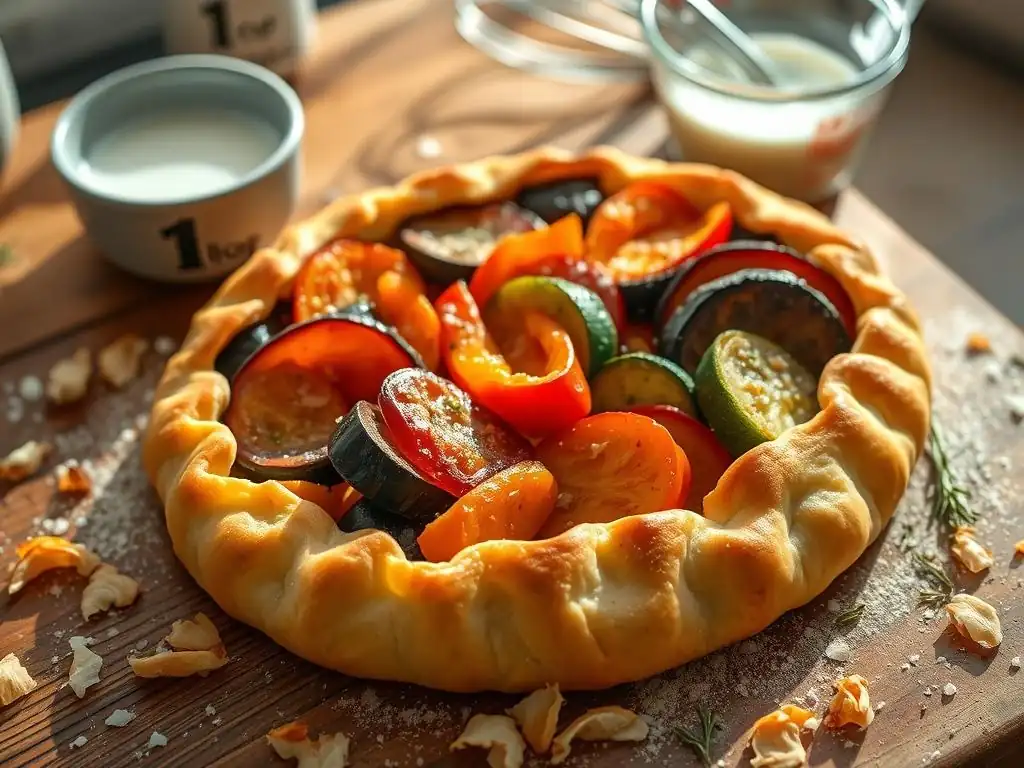
Welcome to BakeWithEase, your kitchen companion for creating delightful baked goods! Ever dreamed of crafting light, flaky puff pastry without the dairy? Our guide to a Dairyfree puff pastry recipe unlocks the secrets to achieving that perfect texture, proving that delicious baking can be accessible to everyone. Discover how to create this versatile pastry from scratch and embark on a journey of delicious possibilities, free from dairy and full of flavor!
- Homemade Puff Pastry with Olive Oil: A Dairy-Free Delight
- Introduction to Olive Oil Puff Pastry Baking
- Understanding the Science Behind Flaky Pastry (Without Butter!)
- The Ultimate Olive Oil Puff Pastry Recipe: A Step-by-Step Guide
- Tips and Tricks for Perfect Olive Oil Puff Pastry
- Delicious Olive Oil Puff Pastry Recipes to Try
- Olive Oil Baking: Expanding Your Culinary Horizons
- Conclusion: Enjoying Flaky, Olive Oil-Based Pastries
-
Frequently Asked Questions
- What makes this puff pastry recipe "DairyFree"?
- Is it difficult to make puff pastry at home, even the DairyFree version?
- What kind of dairy-free butter substitute works best in this recipe?
- Can I use this DairyFree puff pastry for both sweet and savory dishes?
- How should I store the DairyFree puff pastry dough?
- Final Reflection: The Sweet Taste of Freedom and Flaky Perfection
- Unleash Your Inner Pastry Chef!
Homemade Puff Pastry with Olive Oil: A Dairy-Free Delight
Introduction to Olive Oil Puff Pastry Baking
BakeWithEase Presents: Mastering Olive Oil Puff Pastry
Welcome to BakeWithEase, your trusted guide for simplifying the art of baking and making it accessible to everyone, regardless of dietary needs or skill level. Today, we're tackling a pastry challenge that many believe requires copious amounts of butter: puff pastry. But fear not!
We're here to show you how to create a stunningly light, incredibly flaky, and entirely dairy-free puff pastry right in your own kitchen, utilizing the liquid gold that is olive oil. This isn't just a substitute; it's a technique that yields a unique and delicious result, proving that a fantastic dairyfree puff pastry recipe is well within reach.
Achieving those coveted layers of puff and crispness without traditional solid fat like butter requires a slightly different approach and a bit of patience, primarily centered around temperature control. We'll walk you through each step, from preparing your ingredients to the final shaping, ensuring you understand the 'why' behind the methods. Get ready to impress yourself and your loved ones with homemade olive oil puff pastry that’s perfect for both sweet and savory applications.
Why Choose Homemade Olive Oil Puff Pastry?
Opting to make your dairyfree puff pastry recipe from scratch offers numerous advantages. Firstly, you have complete control over the ingredients. This is crucial for managing dairy allergies or intolerances, ensuring no hidden milk derivatives are present. While specialty dairy-free puff pastry is available in some stores, it can often be significantly more expensive, sometimes costing 30% to 50% more per sheet compared to standard versions. Making it at home is a cost-effective alternative.
Beyond dietary needs and budget, crafting your own olive oil puff pastry allows you to tailor the flavor profile slightly based on the olive oil you choose. It also guarantees ultimate freshness, which translates directly into better texture and flavor in your finished baked goods. The satisfaction of transforming simple flour, water, and oil into a beautifully layered pastry is immense and makes the effort entirely worthwhile.
Understanding the Science Behind Flaky Pastry (Without Butter!)
The Role of Fat in Puff Pastry Lamination
At the heart of classic puff pastry lies the magical interaction between layers of dough and layers of fat. When the pastry bakes at high temperatures, the water content within the fat (butter is typically around 15-18% water) quickly turns to steam. This steam gets trapped between the layers of dough, forcing them apart and causing the dramatic "puff" we all love. The solid fat also prevents the gluten layers from bonding completely during baking, allowing for distinct, separated strata.
In a traditional dairyfree puff pastry recipe using olive oil, the challenge is adapting this principle. Olive oil is liquid at room temperature and contains very little water. Simply mixing it into dough would result in a tender dough, but not a flaky, layered one. The key is to manipulate the olive oil's state through chilling to mimic the behavior of a solid fat during the crucial lamination process, creating physical barriers between the dough layers that will then separate as the dough bakes and its own moisture turns to steam.
Key Ingredients for an Olive Oil Puff Pastry Recipe
Successful olive oil puff pastry relies on a few simple ingredients, but their quality and how they are handled are paramount. Getting the right balance of flour and water, and crucially, managing the temperature of the olive oil, are fundamental steps towards achieving that desired flakiness without any dairy.
Olive Oil Selection: Which Works Best?
The type of olive oil you choose will impact both the handling of the dough and the final flavor. Extra virgin olive oil (EVOO) offers the most flavor, ranging from peppery and robust to mild and fruity depending on the varietal. For a savory application like a tart, a more flavorful EVOO might be desirable.
However, for a versatile dairyfree puff pastry recipe intended for both sweet and savory uses, a lighter or pure olive oil blend with a more neutral flavor profile is often preferred to avoid overpowering other ingredients. These oils also tend to be slightly less viscous when chilled compared to some high-quality EVOOs, which can sometimes aid in handling.
Regardless of the type, the critical factor is its temperature. The olive oil must be extremely cold – think refrigerator-cold, possibly even briefly frozen – to be incorporated and laminated effectively. Using oil straight from the pantry will not work; it will simply absorb into the dough instead of forming distinct layers.
Flour Selection for Optimal Texture in Olive Oil Baking
All-purpose flour is the standard choice for most puff pastry, including an olive oil version. Its protein content, typically ranging from 10% to 12%, provides enough gluten structure to create strong, defined layers capable of puffing, but not so much that the dough becomes overly elastic and difficult to roll thinly. Flours with very high protein (like bread flour, 12-14%) can make the dough too tough and resistant to rolling, while low-protein flours (like cake flour, 7-9%) might result in layers that are too delicate and collapse.
The way you handle the flour and dough also matters. Overworking the dough during the initial mixing phase can develop too much gluten too soon, leading to toughness. Gentle handling and sufficient resting periods, especially chilling, are essential for allowing the gluten to relax, making the dough pliable enough to roll thin without tearing or shrinking back excessively.
Importance of Cold Temperatures in Olive Oil Puff Pastry
Temperature control is perhaps the single most critical factor in a successful dairyfree puff pastry recipe using olive oil. Unlike butter, which is solid and relatively stable when cold, olive oil is liquid. To create the necessary layers of fat between dough layers, the olive oil must be kept exceptionally cold throughout the entire lamination process. This includes chilling the oil itself before starting, ensuring the water used for the dough is ice-cold, and crucially, chilling the dough between every single rolling and folding step.
Working in a cool kitchen environment helps immensely. If your kitchen is warm, the olive oil will soften quickly, increasing the risk of it melting into the dough or leaking out during rolling. Aim for ingredients and dough temperatures ideally between 35°F and 45°F (approximately 2°C to 7°C) whenever you are rolling and folding. This ensures the oil layers remain distinct and provides the necessary structure for the pastry to puff correctly in the oven.
The Ultimate Olive Oil Puff Pastry Recipe: A Step-by-Step Guide
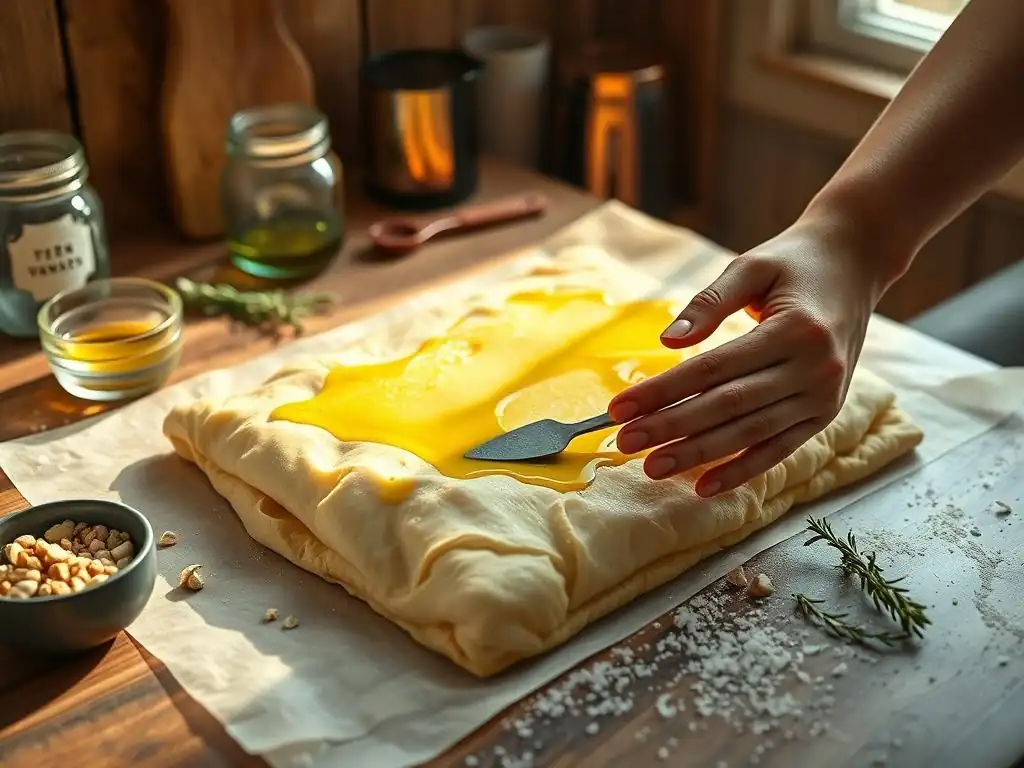
Creating your own dairyfree puff pastry recipe at home requires patience and attention to detail, particularly regarding temperature. Follow these steps carefully to achieve a beautiful, flaky result using olive oil.
Ingredients List for Your Olive Oil Puff Pastry
Gather these simple ingredients, ensuring the water and olive oil are well-chilled:
- All-purpose flour: 2 cups (approximately 240g), plus more for dusting
- Ice-cold water: 3/4 cup (approximately 180ml)
- Salt: 1/2 teaspoon
- Chilled Olive Oil: 1 cup (approximately 240ml)
Note: For best results, place the cup of olive oil in the refrigerator for at least 1-2 hours before beginning, or even in the freezer for 20-30 minutes until very cold and slightly viscous.
Step 1: Preparing the Olive Oil Block
This is a crucial, unique step for an olive oil dairyfree puff pastry recipe. Since olive oil is liquid, we need to create a temporary 'block' that can be encased in the dough.
- Pour the well-chilled olive oil into a small, shallow, parchment-lined container or dish. A square container about 6x6 inches works well.
- Place the container in the freezer. Freeze the oil for about 45-60 minutes, or until it is very firm and solid-like, but not completely frozen hard (which might cause it to shatter when rolled). The exact time will depend on your freezer temperature and the type of olive oil. It should be pliable enough to roll.
Step 2: Creating the Dough and Initial Fold
While the olive oil is chilling, prepare the dough base.
- In a medium bowl, whisk together the flour and salt.
- Pour the ice-cold water into the flour mixture. Stir with a fork or spatula just until the ingredients are combined and a shaggy dough forms. Do not knead or overmix; we want minimal gluten development at this stage.
- Turn the dough out onto a lightly floured surface and gently bring it together into a rough ball.
- Roll the dough out into a rectangle approximately 12x8 inches.
Now, retrieve your chilled olive oil block from the freezer. If it's too hard, let it sit at room temperature for just a minute or two until it's firm but rollable. Turn the chilled olive oil block out onto your work surface (it should release easily from the parchment). If needed, gently shape or roll it slightly so it covers approximately two-thirds of your dough rectangle.
Place the oil block onto two-thirds of the rolled-out dough rectangle, leaving one short end uncovered. Fold the uncovered dough third over the middle third of the oil block. Then, fold the remaining third (with the other half of the oil block) over the top, like folding a letter. This completes your first fold or "turn."
Step 3: Lamination: Folding and Rolling Techniques (Olive Oil)
Lamination is the repetitive process of rolling and folding that creates the hundreds of layers in puff pastry. With olive oil, keeping everything cold is paramount during these steps.
- Turn the dough block 90 degrees so the folded edge is now to your side.
- Lightly flour your work surface and the top of the dough. Gently but firmly roll the dough out again into the same size rectangle as before (approx. 12x8 inches). Be careful not to press so hard that you squeeze the oil out.
- Perform another fold: Fold the bottom third of the rectangle up over the middle, then the top third down over that. This is a "single" fold.
Rolling and Folding Schedule for Perfect Layers
For a classic puff pastry structure, you typically perform 4 to 6 "turns" (rolling and folding cycles). For an olive oil dairyfree puff pastry recipe, chilling time between turns is non-negotiable to keep the oil firm.
- Turn 1: Initial fold after encasing the oil block (as described in Step 2).
- Chill: Wrap the dough tightly in plastic wrap and refrigerate for at least 30-45 minutes.
- Turn 2: Unwrap, turn 90 degrees, roll to 12x8 inches, perform a single fold.
- Chill: Wrap and refrigerate for at least 30-45 minutes.
- Turn 3: Unwrap, turn 90 degrees, roll to 12x8 inches, perform a single fold.
- Chill: Wrap and refrigerate for at least 30-45 minutes.
- Turn 4: Unwrap, turn 90 degrees, roll to 12x8 inches, perform a single fold.
Four turns will yield 81 layers of dough (3^4). Performing a 5th turn gives 243 layers, and a 6th gives 729. For olive oil, 4 turns are often sufficient to achieve good puff while minimizing the risk of the oil breaking through.
Preventing the Olive Oil from Separating
Keeping the olive oil layers distinct is the biggest challenge in this dairyfree puff pastry recipe. The key is relentless temperature control.
- Ensure your olive oil is very cold when you start, ideally borderline solid.
- Work quickly during rolling and folding. The less time the dough is at room temperature, the better.
- If at any point you see the olive oil starting to leak out, or the dough feels warm and soft, stop immediately. Wrap the dough tightly and return it to the refrigerator (or even the freezer for 10-15 minutes) until it is thoroughly chilled and firm again before attempting to continue. A cool kitchen environment (below 70°F/21°C) is your best friend.
Step 4: Resting the Dough: Crucial for Gluten Relaxation
After completing all your turns, the dough needs a significant rest period. This serves two critical purposes: it allows the gluten, which has become tense from all the rolling, to relax, making the dough easy to roll out finely for shaping; and it ensures the olive oil layers are completely firm and stable before the final manipulation.
Wrap the dough block very tightly in plastic wrap, pressing out any air bubbles. Refrigerate the dough for at least 1-2 hours, or ideally, overnight. This rest is essential for achieving the best possible puff and texture in your finished dairyfree puff pastry.
Step 5: Final Roll and Shaping Your Pastry
Once the dough has rested sufficiently, it's ready to be rolled out for your specific recipe.
- Remove the dough from the refrigerator. Unwrap it and place it on a lightly floured surface.
- Roll the dough out evenly to the desired thickness for your recipe, usually about 1/8 inch (3-4mm). Try to maintain an even thickness across the entire sheet for uniform puffing. If the dough springs back too much, cover it and let it rest for 10-15 minutes in the refrigerator before continuing.
- Use a sharp knife, pastry wheel, or cookie cutters to cut the dough into your desired shapes. For best puff, make clean cuts straight down; avoid dragging the knife through the layers, as this can seal the edges and prevent them from rising properly.
- Transfer the cut shapes carefully to a baking sheet, ideally lined with parchment paper or a silicone mat. Chill the cut shapes in the refrigerator for another 15-20 minutes before baking. This final chill helps the layers firm up one last time before hitting the heat.
Tips and Tricks for Perfect Olive Oil Puff Pastry
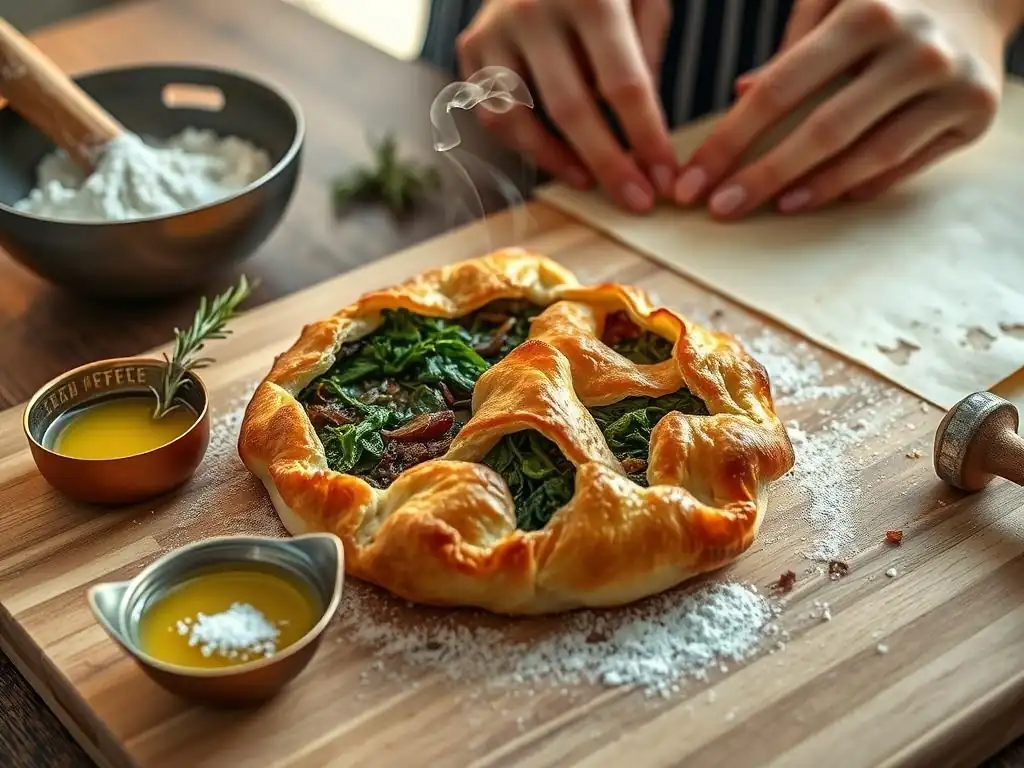
Even with a solid dairyfree puff pastry recipe, encountering small challenges is part of the baking process. Here are some tips to help you troubleshoot common issues and ensure success.
Troubleshooting Common Issues in Olive Oil Puff Pastry Making
Puff pastry, especially an olive oil based one, can be sensitive. Knowing how to react if things don't go perfectly during the lamination process is key to salvaging your dough and still achieving a great result.
Dough Too Sticky? Solutions for Olive Oil Baking
If your dough feels excessively sticky during rolling, it's likely either too warm, or you might have used slightly too much water initially.
A sticky dough is a warm dough in the world of puff pastry. Chill it down!
The primary solution is chilling. Stop working with the dough immediately, wrap it well, and place it back in the refrigerator for at least 30-60 minutes. A colder dough is much easier to handle and less likely to stick. You can also use a little extra flour on your work surface and rolling pin, but use it sparingly and brush off any excess before folding, as too much dry flour can toughen the dough or prevent layers from adhering slightly where needed.
Oil Leaking During Lamination? How to Fix It.
Seeing olive oil ooze out the sides during rolling is the most common sign that your oil layers are too warm and soft. This compromises the lamination.
- Stop rolling immediately. Do not try to force the dough further.
- Gently fold the dough back onto itself if possible without squeezing the oil out.
- Wrap the dough tightly in plastic wrap.
- Place the dough in the refrigerator for a longer chilling period – at least 45-60 minutes, or until the dough feels very firm again. If you're in a warm environment or the oil was very soft, a 15-20 minute stint in the freezer might be necessary to firm it up quickly.
- Ensure your work surface is cool and consider chilling your rolling pin if possible before resuming the process.
Storage and Freezing Instructions for Olive Oil Puff Pastry
Once you've gone through the effort of making homemade dairyfree puff pastry, you'll want to store any unused portions correctly to preserve their quality.
Unbaked dough can be stored in the refrigerator for 2-3 days. Wrap the entire block tightly in plastic wrap, then place it in a zip-top bag or airtight container to prevent it from drying out or absorbing odors.
For longer storage, your olive oil puff pastry dough freezes beautifully. Wrap the dough block following the same method (plastic wrap + airtight container/bag) and freeze for up to 2-3 months. To use frozen dough, thaw it overnight in the refrigerator. Avoid thawing at room temperature, which can cause the oil layers to melt prematurely. Baked puff pastry items, once completely cooled, can also be frozen, well-wrapped, for about a month.
Delicious Olive Oil Puff Pastry Recipes to Try
Now that you've mastered the technique for a fantastic dairyfree puff pastry recipe using olive oil, it's time to put it to use! Here are a few ideas showcasing its versatility.
Apple Galette with Olive Oil Crust: A Rustic Delight
A galette is a freeform tart, perfect for showcasing the flaky layers of your homemade olive oil puff pastry without needing a special pan. It's wonderfully rustic and forgiving.
Roll out your olive oil puff pastry dough into a rough circle, about 14-16 inches in diameter. Prepare a simple filling of thinly sliced apples (like Granny Smith or Honeycrisp) tossed with a few tablespoons of sugar (adjust to sweetness of apples), a teaspoon of cinnamon, and a squeeze of lemon juice. Pile the apple mixture onto the center of the dough, leaving a 2-3 inch border.
Gently fold the edges of the dough up and over the filling, pleating as you go. Brush the crust with a little plant-based milk or olive oil and sprinkle with sugar if desired. Bake at 400°F (200°C) for 25-35 minutes, or until the crust is golden brown and puffed, and the apples are tender and bubbly.
Savory Olive Oil Puff Pastry Tart with Roasted Vegetables
This savory application highlights how well olive oil pairs with vegetables and herbs. It makes a fantastic light lunch or appetizer.
Roll your dairyfree puff pastry dough into a rectangle or square, about 1/8 inch thick. You can leave the edges rustic or score a border about 1 inch in from the edge (don't cut all the way through). Roast your favorite vegetables – perhaps cherry tomatoes, zucchini slices, bell pepper strips, and red onion wedges – tossed with olive oil, salt, pepper, and herbs like thyme or rosemary, until slightly tender and caramelized (about 20 minutes at 400°F/200°C).
Spread a thin layer of dairy-free pesto or simply arrange the roasted vegetables evenly over the pastry dough, staying within the scored border if you made one. Bake the tart at 400°F (200°C) for 20-30 minutes, until the pastry is deeply golden brown and beautifully puffed around the edges.
Olive Oil Palmiers: A Simple and Elegant Treat
Palmiers, also known as elephant ears or palm leaves, are incredibly easy to make and demonstrate the puffing power of your dairyfree puff pastry recipe with minimal effort.
Roll your dough into a large rectangle, about 1/8 inch thick. For sweet palmiers, sprinkle the surface generously with granulated sugar. For savory, try grated dairy-free cheese, herbs, paprika, or garlic powder. Starting from one long side, tightly roll the dough towards the center. Repeat from the other long side until the two rolls meet in the middle.
You'll have a log shape with two rolls meeting. Chill this log for at least 30 minutes to firm it up. Slice the log into 1/2 inch thick pieces. Place the slices cut-side down on a parchment-lined baking sheet, leaving space between them. Bake at 400°F (200°C) for 10-15 minutes, flipping them halfway through, until they are golden brown and caramelized.
Olive Oil Baking: Expanding Your Culinary Horizons
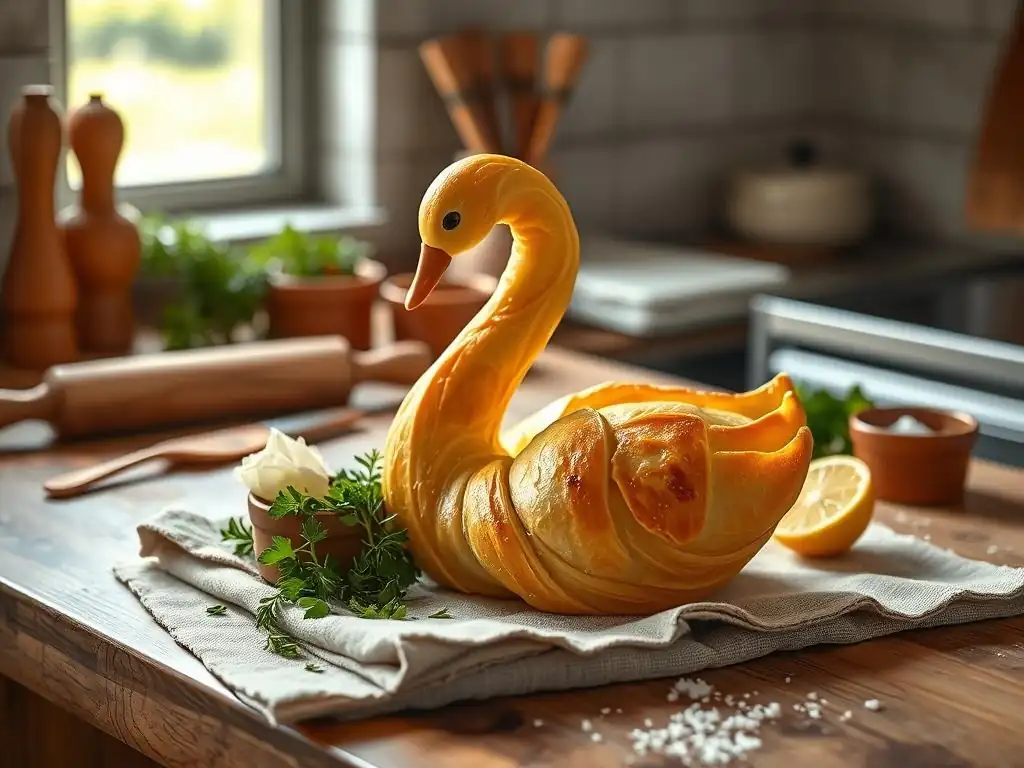
Mastering olive oil puff pastry is just one way to explore the potential of this versatile ingredient in baking. Olive oil can be a fantastic alternative to butter or other fats in many different recipes, opening up a world of dairy-free possibilities.
Exploring Other Olive Oil Pastry Recipes on BakeWithEase
At BakeWithEase, we believe in adapting classic techniques to suit various needs and preferences. While puff pastry might be the most complex, olive oil can be successfully incorporated into numerous other baked goods. It can replace liquid fats in cakes, muffins, brownies, and quick breads, often contributing moisture and tenderness.
Substituting olive oil for solid fats like butter in recipes like cookies or pie crusts requires specific adjustments, as the fat's physical state significantly impacts the final texture (chewiness vs. flakiness). Keep an eye out for other recipes on BakeWithEase that specifically call for or adapt to olive oil, offering guidance on how to make these substitutions successfully while maintaining delicious results.
The Benefits of Baking with Olive Oil
Beyond being an excellent dairy-free alternative, baking with olive oil offers other benefits. Nutritionally, olive oil is primarily composed of monounsaturated fats, considered a healthier fat choice as part of a balanced diet. While the heat of baking reduces some of the delicate antioxidants found in extra virgin olive oil compared to using it raw, it remains a favorable fat source.
From a baking perspective, olive oil can contribute to a wonderfully moist crumb in cakes and muffins, preventing them from drying out quickly. And as you've now learned, with the right technique, it can even create the structure needed for incredibly flaky layers in a dairyfree puff pastry recipe, proving that delicious, layered pastries are absolutely achievable without dairy.
Conclusion: Enjoying Flaky, Olive Oil-Based Pastries
You've Mastered Olive Oil Puff Pastry! What's Next?
Congratulations! You've successfully navigated the unique challenges of creating a homemade dairyfree puff pastry recipe using olive oil. You've learned the science behind lamination, the critical importance of temperature control when working with liquid fat, and the step-by-step process to create dozens of flaky layers. This is a significant achievement in dairy-free baking and opens up a world of possibilities for your culinary creations.
Now that you have a batch of beautiful, flaky olive oil puff pastry dough, the fun truly begins. Whether you choose to make a sweet apple galette, a savory vegetable tart, simple palmiers, or invent your own creation, you can be confident that your base pastry will be light, crisp, and utterly delicious. Continue exploring dairy-free baking on BakeWithEase, try adapting other recipes, and don't be afraid to experiment. Happy baking!
Frequently Asked Questions
What makes this puff pastry recipe "DairyFree"?
This recipe replaces traditional butter with a dairy-free alternative like coconut oil or a plant-based butter substitute, creating a flaky pastry without any dairy ingredients. It makes it suitable for those with lactose intolerance or dairy allergies.
Is it difficult to make puff pastry at home, even the DairyFree version?
While puff pastry requires patience, this recipe simplifies the process with clear, step-by-step instructions. The key is to keep the dairy-free fat cold and to follow the folding technique carefully.
What kind of dairy-free butter substitute works best in this recipe?
A high-fat, plant-based butter stick (not a spread) is recommended. Coconut oil is also a good option, but ensure it's solid and cold for best results.
Can I use this DairyFree puff pastry for both sweet and savory dishes?
Yes, absolutely! The neutral flavor of the dairy-free fat makes it versatile for both sweet applications, such as fruit tarts, and savory dishes like quiches or turnovers.
How should I store the DairyFree puff pastry dough?
Wrap the dough tightly in plastic wrap and store it in the refrigerator for up to 3 days. For longer storage, you can freeze it for up to 2 months. Thaw it in the refrigerator before use.
Final Reflection: The Sweet Taste of Freedom and Flaky Perfection
The quest for a truly delicious, dairy-free puff pastry is more than just a culinary challenge; it's a testament to the power of inclusive cooking. This recipe, born from a desire for accessible indulgence, demonstrates that deliciousness doesn't require compromise on taste or texture. We've proven that a light, flaky, and butter-free pastry is entirely achievable at home.
Creating this recipe wasn't just about finding a substitute for butter; it was about opening up the joy of baking to a wider audience. The limitations imposed by dietary restrictions shouldn't restrict access to culinary creativity. Food is symbolic of love when words are inadequate.
- Alan D. Wolfelt. This sentiment rings true for those with dietary needs; the ability to create something beautiful and delicious, free from limitations, is a powerful act of self-care and connection. The positive feedback we've received from readers who have successfully made this recipe underscores the importance of inclusive recipes and the profound impact they can have on people's lives.
Now, it's your turn. Don't be intimidated by the seemingly complex world of puff pastry. Take the leap, gather your ingredients, and experience the satisfaction of creating something truly special. This recipe is not just a set of instructions; it's an invitation to explore your culinary potential and share the joy of baking with those around you, regardless of dietary needs. Embrace the challenge, and savor the sweet taste of freedom and flaky perfection.
Unleash Your Inner Pastry Chef!
Thanks for joining us on this dairy-free baking adventure! We hope you gained some valuable tips and tricks for creating light and flaky puff pastry without the butter. Now it's time to put your newfound skills to the test!
- Bake your own dairy-free masterpiece! Use this recipe as inspiration to create your favorite pastries – quiches, croissants, or even a stunning galette. Let your creativity shine!
- Share your baking journey! Post a picture of your creation on social media and tag us @BakeWithEase – we’d love to see your results!
- Explore more dairy-free recipes on our website for even more delicious and allergen-friendly options. Perhaps try our dairy-free cream puffs next?
What incredible dairy-free pastry will you create first?