
HighProtein GlutenFree Peanut Butter Muffins for Breakfast or Snack

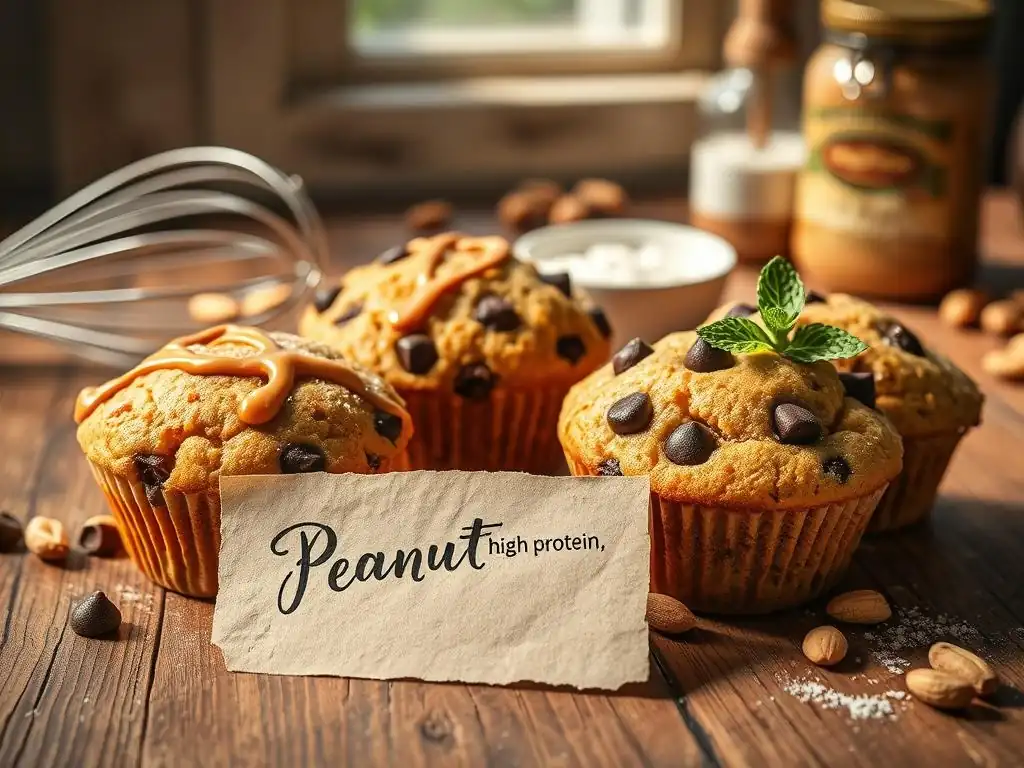
Welcome to BakeWithEase, your haven for simplifying the joy of baking! Ever wondered if you could create delicious, guilt-free treats that perfectly align with your dietary needs? Dive in and discover the surprisingly simple secret to crafting mouthwatering High Protein Gluten Free Peanut Butter Muffins – perfect for breakfast or a satisfying snack. Intrigued? Keep reading to unlock the recipe and learn how to easily adapt this treat to your unique lifestyle!
- High-Protein Gluten-Free Peanut Butter Muffins: Perfect for Breakfast or Snack
- Introduction: BakeWithEase.com's High-Protein Gluten-Free Muffin Recipe
- Understanding High-Protein Gluten-Free Baking
- Ingredients for Delicious High-Protein Gluten-Free Peanut Butter Muffins
- Step-by-Step Guide: Baking Your Gluten-Free High-Protein Muffins
- Tips for Perfect High-Protein Gluten-Free Peanut Butter Muffins
- Variations and Add-ins to Enhance Your Gluten-Free Muffins
- Nutritional Information: Fueling Your Day
- Troubleshooting Common Gluten-Free Muffin Baking Issues
- Conclusion: Enjoy Your Guilt-Free, Gluten-Free High-Protein Treat
-
Frequently Asked Questions
- What makes these muffins "High Protein Gluten Free"?
- What are some good gluten-free flour alternatives I can use in this recipe?
- Can I add other ingredients to these muffins for extra flavor or nutrition?
- How should I store these high-protein, gluten-free muffins to keep them fresh?
- Are there any substitutes for peanut butter in this recipe if I have allergies?
- Final Reflection: Nourishing Body and Soul Through Conscious Eating
- Unleash Your Inner Baker: Make These Muffins Today!
High-Protein Gluten-Free Peanut Butter Muffins: Perfect for Breakfast or Snack
Introduction: BakeWithEase.com's High-Protein Gluten-Free Muffin Recipe
Why Choose Gluten-Free Peanut Butter Muffins?
Choosing gluten-free options doesn't mean sacrificing flavor or nutrition, and these high-protein gluten-free peanut butter muffins are a perfect example. For individuals managing celiac disease, gluten sensitivity, or simply opting for a gluten-free lifestyle, finding satisfying baked goods can sometimes be a challenge. These muffins offer a delicious solution, providing the comforting taste and texture of a classic treat without any gluten-containing ingredients. They are specifically designed to be a safe and enjoyable option for those avoiding gluten, ensuring everyone can indulge in a freshly baked goodie.
Beyond just being gluten-free, the combination of peanut butter makes these muffins incredibly appealing. Peanut butter adds a rich, nutty flavor that pairs beautifully with baked goods, creating a comforting and familiar taste. For many, peanut butter evokes warmth and nostalgia, making these muffins an instant favorite. This recipe leverages that beloved flavor profile while adapting it to meet specific dietary needs, proving that restrictive diets don't have to be bland or boring. They offer a delightful way to enjoy a classic flavor in a modified format.
These Muffins Align with BakeWithEase.com's Baking Philosophy
At BakeWithEase.com, our core philosophy revolves around making baking accessible, enjoyable, and successful for everyone, regardless of skill level or dietary requirements. This recipe for high-protein gluten-free peanut butter muffins perfectly embodies that principle. We believe that understanding the 'why' behind ingredients and techniques is key to mastering baking, especially when dealing with specific dietary needs like gluten-free or high-protein baking. This recipe breaks down the process into simple, manageable steps, ensuring even beginners can achieve fantastic results.
Our goal is to empower you to bake with confidence and ease. This recipe provides clear instructions and explanations, demystifying the process of working with gluten-free flours and incorporating protein sources effectively. We focus on using readily available ingredients and straightforward methods, minimizing complexity while maximizing deliciousness. By following this guide, you'll not only bake a batch of delightful muffins but also gain valuable insights into the nuances of high protein gluten free baking, setting you up for future baking adventures.
Quick & Easy Gluten-Free Baking
One of the greatest advantages of this high protein gluten free muffin recipe is its simplicity and speed. Unlike some gluten-free baking which can be complex and time-consuming, these muffins are designed for efficiency. The preparation time is minimal, typically requiring only about 10-15 minutes to mix the batter. This makes them an ideal choice for busy mornings or when you need a quick, nutritious snack ready in under 30 minutes from start to finish, including baking time.
The ease of this recipe comes from its straightforward structure. It follows the standard muffin method: combine dry ingredients, combine wet ingredients, then mix them together just until combined. There's no complicated kneading, proofing, or elaborate shaping required. The reliance on common pantry staples like peanut butter and gluten-free flour blends simplifies ingredient sourcing. This focus on quick, easy execution ensures that even novice bakers can confidently tackle this recipe and enjoy fresh, homemade high protein gluten free muffins without stress.
Understanding High-Protein Gluten-Free Baking
The Benefits of High-Protein Breakfasts
Starting your day with a high-protein breakfast offers numerous benefits, contributing to overall health and well-being. Protein is crucial for satiety, meaning it helps you feel fuller for longer compared to meals high in carbohydrates or fat alone. This can be particularly helpful in managing appetite and reducing the urge to snack on less healthy options before lunchtime. Studies have shown that a protein-rich morning meal can significantly impact hunger levels throughout the day, potentially aiding in weight management goals.
Beyond satiety, protein plays a vital role in muscle repair and growth, which is important whether you're an athlete or simply maintaining an active lifestyle. It also helps stabilize blood sugar levels, preventing the sharp spikes and crashes that can lead to fatigue and irritability. A high protein gluten free breakfast provides sustained energy, allowing you to stay focused and productive throughout your morning. Incorporating these muffins into your routine is a delicious way to reap these benefits without compromising on taste or dietary needs.
What Makes These Muffins Gluten-Free?
These muffins are classified as gluten-free because they are made without any ingredients derived from wheat, barley, or rye, which are the primary sources of gluten. Instead of traditional wheat flour, this recipe utilizes a gluten-free flour blend. These blends are typically composed of a mix of alternative flours like rice flour, tapioca starch, potato starch, and sometimes sorghum or millet flour. The combination is formulated to mimic the texture and structure that wheat flour provides in baked goods, although gluten-free baking often requires slight adjustments in moisture and binding agents.
Furthermore, all other ingredients used in this recipe must be certified gluten-free or naturally free of gluten. This includes the baking powder, baking soda, salt, and any add-ins like chocolate chips. Cross-contamination is a critical consideration in gluten-free baking. Ensuring that all ingredients come from uncontaminated sources and that the baking environment (utensils, bowls, pans) is clean and free of gluten residue is essential to guarantee the muffins are truly gluten-free and safe for those with sensitivities.
Peanut Butter: A Protein Powerhouse
Peanut butter is a star ingredient in these high protein gluten free muffins, not just for its delicious flavor, but also for its impressive nutritional profile, particularly its protein content. On average, a standard two-tablespoon serving of smooth peanut butter contains about 7-8 grams of protein.
This makes it an excellent plant-based source of protein that contributes significantly to the overall protein count of the muffins. Using approximately 1/2 cup of peanut butter in a batch yielding 12 muffins adds roughly 28-32 grams of protein from the peanut butter alone, before accounting for other protein sources like eggs or added protein powder.
In addition to protein, peanut butter provides healthy fats, fiber, and essential vitamins and minerals like Vitamin E, magnesium, and potassium. These nutrients contribute to the muffins' overall nutritional value, making them more than just a sweet treat. The fats in peanut butter also help contribute to the moistness and richness of the muffins, which can sometimes be a challenge in gluten-free baking. Choosing a natural peanut butter with minimal added sugars and oils can further enhance the health benefits.
Ingredients for Delicious High-Protein Gluten-Free Peanut Butter Muffins
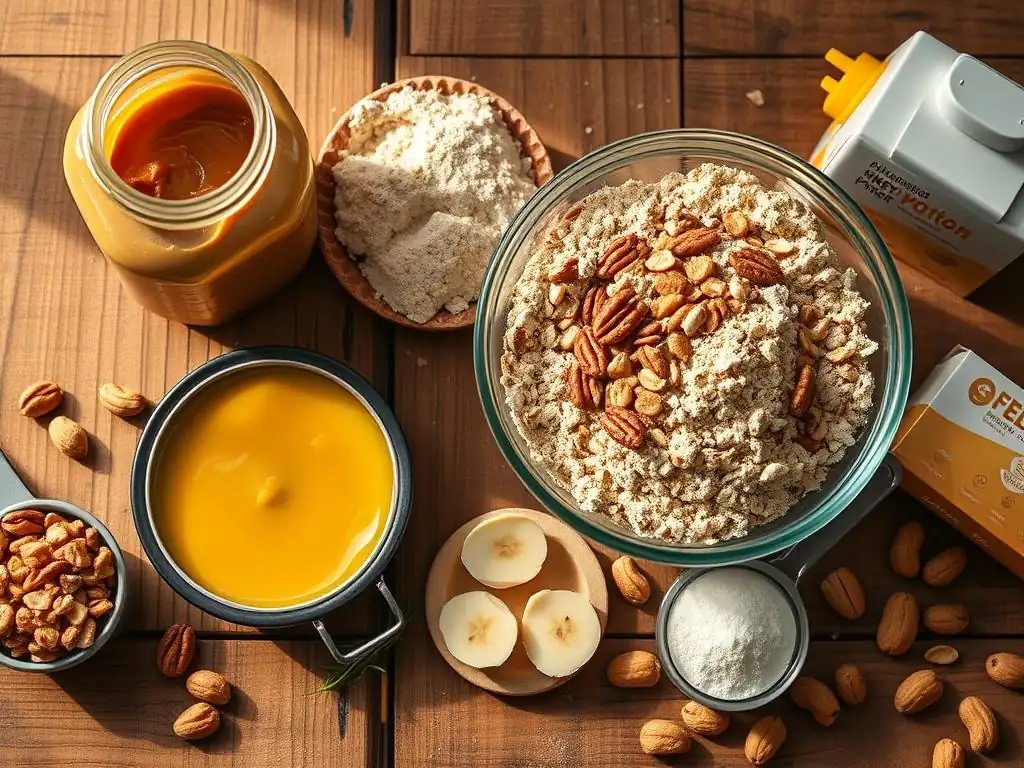
Key Ingredients Breakdown for Gluten-Free Muffins
Crafting successful gluten-free muffins requires careful selection of ingredients to ensure proper texture and structure. The base of this recipe relies on a good quality gluten-free all-purpose flour blend. These blends are formulated to replace traditional wheat flour cup-for-cup in many recipes. However, it's important to check the specific blend you are using, as some may require added binders like xanthan gum (though many good blends already include it) to prevent crumbling and provide elasticity. Approximately 1.5 cups of this blend will be the dry base.
Other critical dry ingredients include leavening agents: baking powder and baking soda. These react with acidic ingredients in the batter (like brown sugar or buttermilk, if used) to create carbon dioxide bubbles, which cause the muffins to rise and become light and airy. Typically, a recipe like this might use 1.5 teaspoons of baking powder and 0.5 teaspoons of baking soda. Salt is also essential, usually about 0.5 teaspoons, to enhance the flavors and balance the sweetness.
High-Protein Sources: Peanut Butter and Whey Protein Isolate
The primary protein powerhouses in these high protein gluten free muffins are peanut butter and optional whey protein isolate. As mentioned, peanut butter contributes a significant amount of protein, alongside healthy fats and flavor. Using approximately 1/2 cup of creamy or chunky peanut butter provides around 30 grams of protein to the batch. It also adds moisture and richness, which are crucial for a good muffin texture, especially in gluten-free baking.
To boost the protein content further, this recipe includes the option of adding whey protein isolate. Whey protein isolate is a concentrated form of protein derived from milk, known for its high protein percentage (often 80-90% protein by weight) and relatively neutral flavor, although some types can slightly alter texture.
Adding 1/4 cup of whey protein isolate can contribute an additional 20-25 grams of protein to the entire batch, significantly increasing the protein per muffin. It's important to note that adding protein powder can sometimes absorb moisture, so adjustments to wet ingredients might be necessary depending on the specific protein powder used.
Gluten-Free Flour Blend: Achieving the Right Texture
Choosing the right gluten-free flour blend is paramount for achieving the desired texture in your high protein gluten free muffins. Not all blends are created equal, and their composition (rice flour, tapioca starch, potato starch, etc.) affects the final crumb. A good all-purpose gluten-free blend that contains xanthan gum is highly recommended, as xanthan gum acts as a binder in the absence of gluten, preventing the muffins from becoming crumbly and giving them structure. Using about 1.5 cups of a reliable blend is a standard starting point for a dozen muffins.
The ratio of flours within the blend influences how much liquid it absorbs and how the muffins rise. Some blends can result in a slightly gritty texture if the rice flour is too coarse, while others might be too starchy, leading to a gummy result. Experimenting with different brands can help you find your favorite. The goal is a tender, moist crumb that holds together well, which a balanced gluten-free blend combined with the fats from peanut butter and other wet ingredients helps achieve.
Other Essential Ingredients: Maple Syrup, Baking Powder, Eggs
Beyond the main components, several other ingredients are essential for flavor, structure, and leavening in these high protein gluten free muffins. Maple syrup serves as the primary sweetener, offering a natural, warm flavor that complements the peanut butter beautifully. Unlike granulated sugar, liquid sweeteners like maple syrup also contribute moisture to the batter, which is beneficial in gluten-free baking where dryness can be an issue. Approximately 1/2 cup of maple syrup provides sweetness and aids in achieving a tender crumb.
Eggs play a crucial role as a binder, helping to hold the ingredients together in the absence of gluten's protein network. They also contribute to leavening and add richness. This recipe typically uses 2 large eggs. Baking powder and baking soda, as mentioned earlier, are the chemical leavening agents responsible for the muffins' rise.
The interaction between the baking soda (a base) and the acidity of ingredients like brown sugar or maple syrup, along with the baking powder (which contains both acid and base), creates the lift needed for light, fluffy muffins. Approximately 1.5 teaspoons of baking powder and 0.5 teaspoons of baking soda are standard amounts to ensure good rise. Other wet ingredients like milk (dairy or non-dairy) and melted butter or oil also contribute moisture and tenderness.
Step-by-Step Guide: Baking Your Gluten-Free High-Protein Muffins
Step 1: Preparing the Muffin Batter
Begin by preheating your oven to 350°F (175°C). Properly preheating is crucial for even baking and getting a good rise on your muffins. While the oven heats, prepare your muffin tin by lining it with paper liners or greasing and flouring each cup. This prevents sticking and makes removal easy. Having your equipment and oven ready before you start mixing ensures a smooth process once the batter is prepared.
Next, you'll combine your dry ingredients in a large bowl. Whisk together 1.5 cups of your chosen gluten-free all-purpose flour blend, 1.5 teaspoons of baking powder, 0.5 teaspoons of baking soda, 0.5 teaspoons of salt, and 1/4 cup of whey protein isolate (if using). Whisking ensures these ingredients are evenly distributed, which is vital for consistent leavening and flavor throughout the batch. Set this bowl aside while you prepare the wet ingredients.
Step 2: Combining Wet and Dry Ingredients
In a separate medium bowl, whisk together the wet ingredients. Start with 2 large eggs, lightly beaten. Then add 1/2 cup of maple syrup, 1/4 cup of melted unsalted butter or vegetable oil, and 1/2 cup of milk (dairy or non-dairy). Whisk these wet ingredients together until they are well combined and the mixture looks homogenous. This ensures that the sweetener, fat, and liquid are evenly distributed before being added to the dry mixture.
Now, create a well in the center of your dry ingredients and pour the wet ingredients into it. Using a spatula or wooden spoon, gently fold the wet and dry ingredients together. Mix just until no dry streaks of flour remain. Overmixing gluten-free batter can lead to tough or dense muffins, as it can activate starches in the blend in undesirable ways. A few small lumps are perfectly acceptable and often preferred. The goal is a cohesive, thick batter.
Step 3: Adding Peanut Butter and Chocolate Chips
Once the basic batter is just combined, it's time to incorporate the stars: peanut butter and any desired add-ins. Gently fold in 1/2 cup of your chosen peanut butter (creamy or chunky works well) into the batter. You can dollop spoonfuls of peanut butter into the batter and then gently swirl or fold it in, leaving some swirls visible for pockets of intense peanut butter flavor in the finished muffins. Avoid overmixing at this stage as well; a few swirls are great.
If you are adding chocolate chips, nuts, or other mix-ins, this is the time to do it. Fold in about 1/2 cup of chocolate chips (dairy-free if needed for dietary reasons) or chopped nuts. Ensure they are evenly distributed throughout the batter with just a few gentle folds. The addition of these elements adds texture and extra bursts of flavor, complementing the high protein gluten free base.
Step 4: Filling the Muffin Tin
With the batter ready, it's time to fill your prepared muffin tin. Use an ice cream scoop or two spoons to evenly divide the batter among the 12 muffin cups. Fill each cup about two-thirds to three-quarters full. Filling them too full can cause the muffins to overflow while baking, resulting in less attractive tops and potential mess. Filling them too little will result in small, flat muffins.
Ensure the tops of the batter in each cup are relatively level. You can gently tap the muffin tin on the counter a couple of times to help the batter settle and remove any large air pockets. This step ensures consistent size and shape across your batch of high protein gluten free peanut butter muffins.
Step 5: Baking to Golden Perfection
Place the filled muffin tin into the preheated oven (350°F / 175°C). Bake for approximately 18-22 minutes. Baking time can vary depending on your oven and the specific ingredients used, so it's important to test for doneness. The muffins are ready when they are golden brown on top and a toothpick inserted into the center of a muffin comes out clean or with just a few moist crumbs attached.
Avoid opening the oven door too early or too frequently, as this can cause the temperature to drop and potentially affect the muffins' rise. Once baked, remove the tin from the oven and let the muffins cool in the tin for 5-10 minutes before transferring them to a wire rack to cool completely. Cooling on a wire rack allows air circulation, preventing the bottoms from becoming soggy. Enjoying them warm is a treat, but allowing them to cool fully before storing is recommended.
Tips for Perfect High-Protein Gluten-Free Peanut Butter Muffins
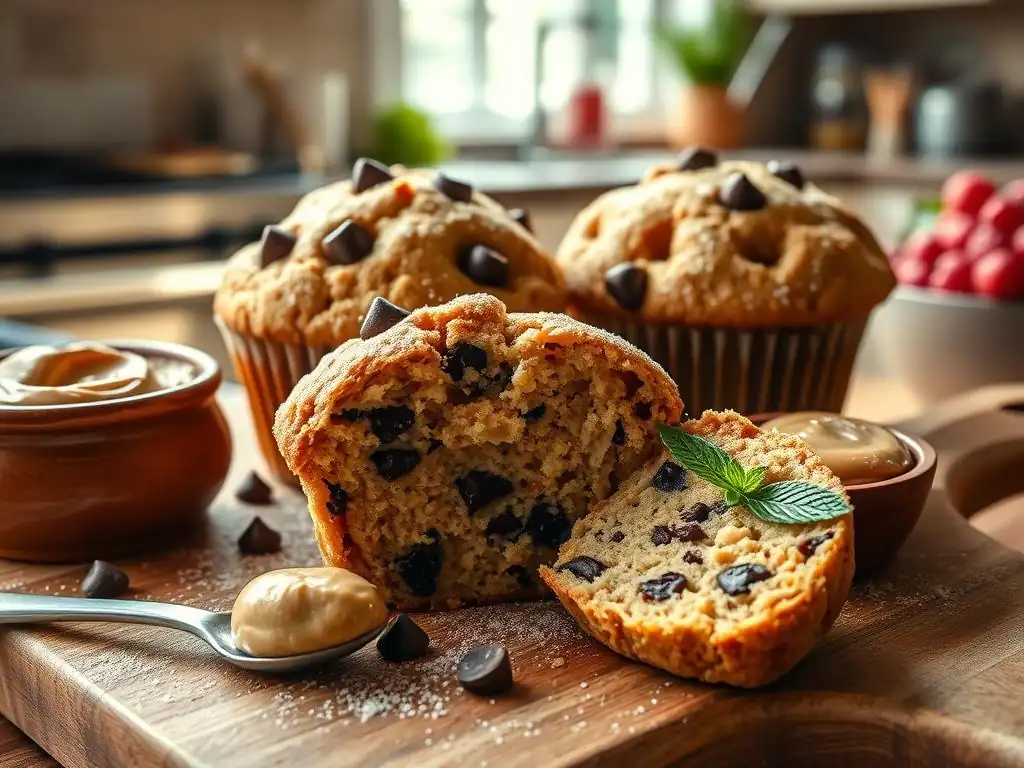
Achieving the Ideal Muffin Texture
Achieving the perfect texture in high protein gluten free muffins can sometimes be tricky, as gluten-free flours behave differently than wheat flour. The key is balancing moisture and structure. Using a good quality gluten-free all-purpose blend with xanthan gum is a strong starting point. The fats from the peanut butter and added butter or oil are crucial for tenderness and preventing a dry, crumbly texture. Using liquids like milk and maple syrup also contributes necessary moisture.
Another critical factor is not overmixing the batter. Overmixing develops starches in gluten-free flours, which can lead to a gummy or tough result. Mix only until the dry ingredients are just incorporated into the wet, leaving some small lumps. Baking at the correct temperature (350°F / 175°C) is also important; too low a temperature can result in a dense texture, while too high can cause the outside to brown too quickly before the inside is cooked through.
Preventing Dryness in Gluten-Free Baking
Dryness is a common challenge in gluten-free baking because gluten typically helps retain moisture. To combat this in your high protein gluten free muffins, ensure you use the specified amounts of wet ingredients: eggs, milk, maple syrup, and melted butter/oil. The fat from the peanut butter is also a significant contributor to moisture. Using ingredients like brown sugar (if substituting some maple syrup) or even a dollop of yogurt or sour cream can add extra moisture and richness.
Be mindful of the type of gluten-free flour blend you use; some are drier than others. If you find your muffins consistently dry, you might need to slightly increase the amount of liquid (e.g., add an extra tablespoon or two of milk) in future batches. Also, avoid overbaking. Baking just until a toothpick comes out clean is essential; even a few extra minutes in the oven can dry them out significantly.
Substituting Ingredients: Almond Flour, Honey
While this recipe is formulated for a gluten-free all-purpose blend and maple syrup, you can explore some substitutions. For the flour, if you don't have a blend, you might be able to substitute with a single flour like almond flour, but be aware that this will significantly change the texture and moisture absorption. Almond flour is denser and higher in fat and protein than most blends.
If using almond flour, you might need to reduce the amount (perhaps by 10-15%) and potentially add an extra egg or binder like psyllium husk (1-2 teaspoons) to help with structure. This would also make them grain-free.
For the sweetener, honey can generally be substituted for maple syrup cup-for-cup. Honey is slightly sweeter, so you might reduce the amount by a tablespoon or two if preferred. It also has a distinct flavor that will alter the final taste profile compared to maple syrup. Keep in mind that substituting major ingredients like the flour type or primary sweetener will likely require further adjustments and experimentation to achieve the best results for your high protein gluten free muffins.
Storage and Freezing Tips for Your Muffins
Proper storage is key to keeping your high protein gluten free peanut butter muffins fresh and moist. Once completely cooled on a wire rack, store them in an airtight container at room temperature for up to 3 days. Placing a paper towel on the bottom of the container and another one on top of the muffins can help absorb excess moisture and prevent sogginess.
For longer storage, these muffins freeze beautifully. Ensure they are completely cooled, then transfer them to a freezer-safe bag or container. You can wrap individual muffins in plastic wrap or foil before placing them in the bag for extra protection against freezer burn. Properly stored, they can last in the freezer for up to 3 months. To enjoy, simply thaw them at room temperature for a few hours or warm them gently in a microwave or oven.
Variations and Add-ins to Enhance Your Gluten-Free Muffins
Peanut Butter Variations: Chunky vs. Creamy
The base recipe calls for peanut butter, but you can easily switch between creamy and chunky varieties to alter the texture and experience of your high protein gluten free muffins. Using creamy peanut butter results in a smoother, more uniform peanut butter flavor distributed throughout the muffin crumb. This is great if you prefer a consistently soft texture.
Opting for chunky peanut butter will introduce delightful pockets of roasted peanut pieces within the soft muffin matrix. This adds a satisfying crunch and bursts of intense peanut flavor with each bite. Nutritionally, the difference is minimal, but the textural contrast can make the muffins more interesting. Ensure whichever type you choose is natural and free of added sugars or hydrogenated oils for the best flavor and health benefits in your high protein gluten free treat.
Adding Chocolate Chips or Nuts
Elevating your high protein gluten free muffins with add-ins like chocolate chips or nuts is a fantastic way to customize them. Chocolate chips, especially dark or semi-sweet, pair exceptionally well with peanut butter. About 1/2 cup folded into the batter adds sweetness and a melty texture when warm. For a dairy-free version, use dairy-free chocolate chips.
Adding chopped nuts like peanuts (for extra peanut flavor and crunch), walnuts, or pecans provides additional texture and healthy fats. About 1/4 to 1/2 cup of chopped nuts can be folded in. Be mindful of nut allergies if serving to others. These add-ins not only enhance flavor and texture but also contribute slightly to the nutritional profile, making your high protein gluten free muffins even more satisfying.
Incorporating Fruit: Banana, Blueberries
Introducing fruit can add natural sweetness, moisture, and different flavor dimensions to your high protein gluten free muffins. Mashed ripe banana is a popular choice that complements peanut butter wonderfully. About 1/2 cup of mashed banana can be added to the wet ingredients. This adds moisture and a subtle sweetness, potentially allowing you to slightly reduce the amount of maple syrup. Banana also provides extra potassium and fiber.
Blueberries are another excellent option, offering bursts of juicy sweetness. About 1/2 to 3/4 cup of fresh or frozen blueberries can be gently folded into the batter. If using frozen blueberries, don't thaw them first; just fold them in frozen to prevent bleeding into the batter. Incorporating fruit is a simple way to vary this high protein gluten free recipe and add extra nutritional benefits.
Making Mini Gluten-Free High-Protein Muffins
This recipe can easily be adapted to make mini muffins, perfect for portion control or small hands. Instead of a standard 12-cup muffin tin, use a mini muffin pan, lined with mini paper liners or greased. The baking time will be significantly reduced. Mini high protein gluten free muffins typically bake for only 12-15 minutes at 350°F (175°C).
Keep a close eye on them while baking, as they can go from perfectly done to overbaked quickly. Test for doneness by inserting a toothpick into the center of one; it should come out clean. The yield will be higher with a mini muffin pan, likely producing 24-36 mini muffins depending on the pan size and how full you fill the cups. This is a great way to make this high protein gluten free snack even more convenient.
Nutritional Information: Fueling Your Day
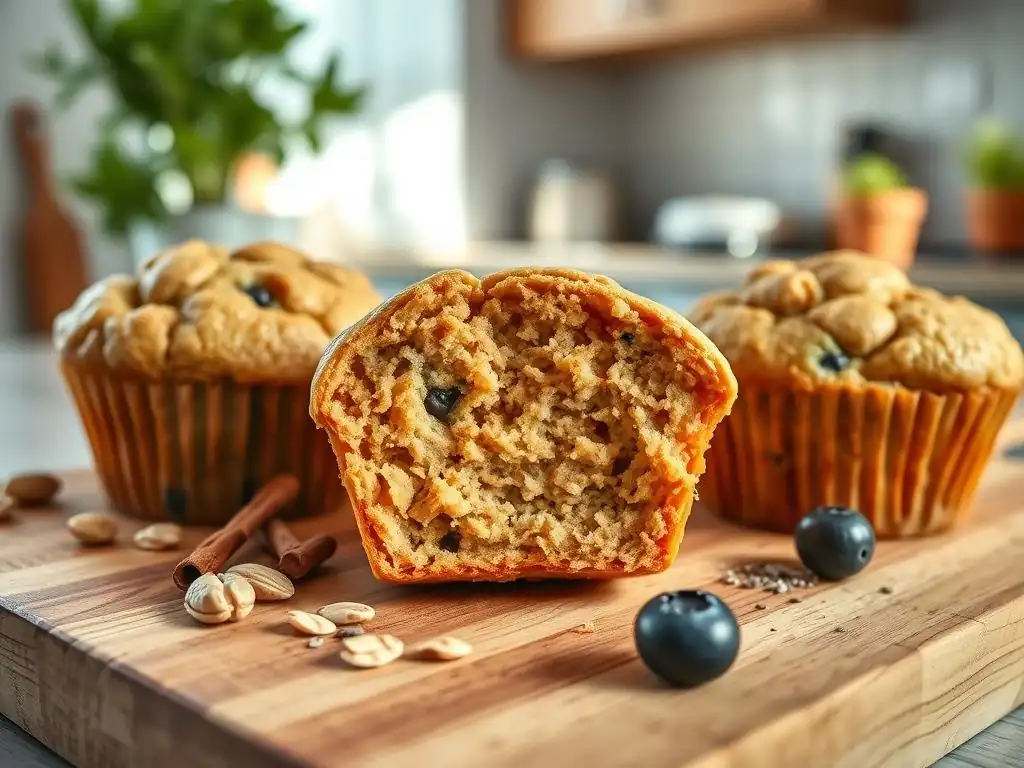
Protein Content Per Muffin
The protein content of these high protein gluten free muffins is a key benefit. While exact figures vary based on specific ingredients and brands used, we can estimate the protein contribution. Using 1/2 cup peanut butter (approx. 30g protein), 2 large eggs (approx. 12g protein), and 1/4 cup whey protein isolate (approx. 20-25g protein), the total protein from these main sources is roughly 62-67 grams for the entire batch of 12 muffins.
Dividing this by 12 muffins, each muffin provides approximately 5-6 grams of protein just from the peanut butter, eggs, and protein powder. The gluten-free flour blend, milk, and other ingredients also contribute a small amount of protein, adding perhaps another 1-2 grams per muffin. Therefore, a single high protein gluten free peanut butter muffin likely contains around 6-8 grams of protein, making it a substantial contribution to your daily protein intake compared to a standard muffin which might have only 2-3 grams.
Gluten-Free and Dietary Considerations
These muffins are designed to be safely consumed by individuals following a gluten-free diet, provided all ingredients used are certified gluten-free and cross-contamination is avoided during preparation. This makes them suitable for those with celiac disease or non-celiac gluten sensitivity. The recipe is also naturally dairy-free if using a dairy-free milk alternative (like almond or oat milk) and dairy-free chocolate chips (if using).
For those managing sugar intake, the recipe uses maple syrup, a natural sweetener. The amount can potentially be slightly adjusted downwards based on preference, though this might affect moisture. The presence of healthy fats from peanut butter and fiber from the gluten-free blend and peanut butter contribute to a more balanced macronutrient profile than many conventional baked goods. This high protein gluten free option fits well into various dietary approaches focused on whole foods and controlled sugar intake.
Calorie Count and Macronutrient Breakdown
Estimating the calorie count and macronutrient breakdown per muffin provides a clearer picture of how these high protein gluten free muffins fit into a daily diet. Using typical values: 1.5 cups gluten-free blend (approx. 600 calories), 1/2 cup peanut butter (approx. 800 calories), 1/2 cup maple syrup (approx. 400 calories), 2 eggs (approx. 140 calories), 1/4 cup butter/oil (approx. 500 calories), 1/2 cup milk (approx. 60-70 calories), 1/4 cup whey protein (approx. 100 calories). Total batch calories are roughly 2600-2700 without chocolate chips.
Divided by 12 muffins, each muffin contains approximately 215-225 calories. The macronutrient split would be roughly: Protein: 6-8g (24-32 calories), Fats: 12-15g (108-135 calories), Carbohydrates: 20-25g (80-100 calories), with Fiber contributing a good portion of the carbs (approx. 2-3g). Adding chocolate chips (approx. 70-100 calories per 1/2 cup divided by 12) would slightly increase calories and carbs/fats. This breakdown shows they are a calorie-dense, nutrient-rich option, providing a good balance of protein, fats, and complex carbohydrates, making them a satisfying high protein gluten free snack or breakfast.
Troubleshooting Common Gluten-Free Muffin Baking Issues
Muffins Are Too Dry: Solutions
If your high protein gluten free muffins turn out dry, several factors could be the cause. Overbaking is a very common culprit; even a minute or two too long in the oven can strip moisture. Ensure you test for doneness at the earlier end of the baking time range (around 18 minutes) using a toothpick. Another reason could be using a gluten-free flour blend that is particularly absorbent or lacks sufficient binders.
To remedy dryness in future batches, consider increasing the wet ingredients slightly. You could add an extra tablespoon or two of milk, a bit more melted butter/oil, or even incorporate some applesauce or mashed banana (as suggested in variations) for added moisture. Ensure your measuring cups are accurate, especially for liquids. Sometimes, simply allowing the muffins to cool completely on a wire rack helps distribute internal moisture properly.
Muffins Are Not Rising: Tips
Muffins that don't rise properly can be disappointing. The primary reason is usually related to the leavening agents: baking powder and baking soda. Ensure your baking powder and baking soda are fresh and not expired. Test them by adding a pinch to hot water (baking powder should fizz vigorously) or vinegar (baking soda should fizz). If they don't react, they need to be replaced.
Properly combining wet and dry ingredients is also key. The leavening agents need to be evenly distributed in the dry mix, and then activated when they come into contact with the wet ingredients and heat. Make sure your oven is preheated to the correct temperature (350°F / 175°C), as the heat is necessary for the chemical reaction that causes rising. Overmixing the batter can also negatively impact the rise by developing starches in a way that hinders expansion.
Muffins Are Dense and Gummy: Troubleshooting
A dense or gummy texture is another common issue in gluten-free baking. This often occurs due to overmixing the batter. When gluten-free flours are overmixed, the starches can become gelatinous, resulting in a heavy, gummy texture instead of a light, tender crumb. Remember to mix only until the dry ingredients are just incorporated and no streaks of flour remain. A few small lumps are fine.
Using a gluten-free flour blend that is too high in starches (like pure tapioca or potato starch) without enough balancing flours can also contribute to gumminess. Ensure your blend is balanced, ideally containing some whole grain gluten-free flours. Baking at too low a temperature can also lead to a dense result, as the batter doesn't get the quick lift needed before the structure sets. Ensure your oven temperature is accurate.
Conclusion: Enjoy Your Guilt-Free, Gluten-Free High-Protein Treat
BakeWithEase.com: Your Resource for Gluten-Free Baking Success
At BakeWithEase.com, we are passionate about making baking accessible and enjoyable for everyone, regardless of dietary needs. This high protein gluten free peanut butter muffin recipe is just one example of how we strive to provide reliable, delicious, and easy-to-follow guides for specific baking requirements. We understand the challenges that can sometimes arise when baking gluten-free and aim to equip you with the knowledge and techniques needed to achieve consistent success in your kitchen.
Our website is filled with resources designed to help you navigate the world of gluten-free baking, from understanding different flours to mastering various techniques. We believe that baking should be a source of joy and creativity, not frustration. Trust BakeWithEase.com to be your partner in baking, providing tested recipes and helpful tips that empower you to create wonderful baked goods, like these satisfying high protein gluten free muffins, with confidence and ease.
We love seeing your baking successes! Once you've baked a batch of these delicious high protein gluten free peanut butter muffins, we encourage you to share your creations. Baking is often a way to connect with others, whether you're sharing the finished product with family and friends or sharing photos and experiences online. Your success can inspire others who are looking for reliable high protein gluten free recipes.
Sharing your results also helps us understand what works well and provides valuable feedback. Did you make any successful substitutions? Did you add a fun ingredient? Let us know! Connect with the BakeWithEase.com community and celebrate the joy of successful high protein gluten free baking together.
Further Exploration: Other Gluten-Free Recipes on BakeWithEase.com
If you enjoyed baking these high protein gluten free peanut butter muffins and are looking to expand your gluten-free baking repertoire, BakeWithEase.com offers a wealth of other recipes. Explore our dedicated sections for Gluten-Free Cakes & Desserts and other Dietary & Allergen-Specific Baking categories. You'll find everything from flaky gluten-free pie crusts to soft gluten-free bread, decadent gluten-free cakes, and chewy gluten-free cookies.
Each recipe is crafted with the same attention to detail and focus on ease and reliability as this muffin recipe. Whether you're craving something sweet or savory, looking for breakfast ideas, or planning for a special occasion, you'll find plenty of inspiring gluten-free options. Continue your baking journey with BakeWithEase.com and discover how delicious and rewarding high protein gluten free baking can be.
Frequently Asked Questions
What makes these muffins "High Protein Gluten Free"?
These muffins are considered "High Protein Gluten Free" because they use ingredients like peanut butter and gluten-free flours such as almond or oat flour to boost protein content while remaining gluten-free.
What are some good gluten-free flour alternatives I can use in this recipe?
You can substitute with almond flour, oat flour, or a gluten-free all-purpose flour blend. Just be mindful that different flours might affect the muffin's texture.
Can I add other ingredients to these muffins for extra flavor or nutrition?
Yes, you can add ingredients such as chocolate chips, berries, or seeds for added flavor and nutrients. Just ensure they are gluten-free if needed.
How should I store these high-protein, gluten-free muffins to keep them fresh?
Store the muffins in an airtight container at room temperature for up to 3 days or in the refrigerator for up to a week. You can also freeze them for longer storage.
Are there any substitutes for peanut butter in this recipe if I have allergies?
Yes, you can substitute peanut butter with other nut butters like almond butter, sunflower seed butter, or tahini. Just be aware that the flavor will change slightly.
Final Reflection: Nourishing Body and Soul Through Conscious Eating
The demand for high-protein, gluten-free options reflects a growing awareness of the crucial link between diet and overall well-being. This isn't just a fleeting trend; it's a fundamental shift towards prioritizing nutritional choices that support both physical health and energy levels. We're increasingly recognizing the power of food to fuel our lives, not just sustain them.
The journey towards healthier eating is deeply personal, a continuous exploration of what nourishes us, both physically and emotionally. These muffins, simple as they may seem, represent a step in that journey – a delicious and convenient way to incorporate vital nutrients into a busy day. Food is symbolic of love when words are inadequate.
– Alan D. Wolfelt. This sentiment resonates deeply; choosing to prepare and consume wholesome food is an act of self-care, a demonstration of love for oneself.
Now, consider your own relationship with food. What small changes can you make to prioritize nourishment and well-being? Perhaps it's incorporating more protein into your breakfast, experimenting with gluten-free alternatives, or simply taking the time to savor a mindful meal. Start small, be consistent, and remember that every conscious choice you make contributes to a healthier, happier you. Embrace the journey, and enjoy the delicious results!
Unleash Your Inner Baker: Make These Muffins Today!
Thanks for taking the time to explore this delicious and nutritious recipe! We hope you gained some valuable baking inspiration and learned a few new tricks. Ready to get baking?
- Whip up a batch of these protein-packed muffins: The recipe is simpler than you think! Grab your ingredients and let's get started. This is your primary action - actually making the muffins!
- Share your baking triumph: Snap a photo of your finished muffins and share it on social media using #BakeWithEaseHighProtein. We'd love to see your creations!
- Explore other gluten-free delights: Discover more amazing recipes on our website – we have a whole section dedicated to gluten-free goodness!
So, what unique twist will you add to your High Protein Gluten-Free Peanut Butter Muffins? Let's hear about it in the comments below!