
SeedInfused Dinner Rolls: A NutFree Upgrade for Your Table

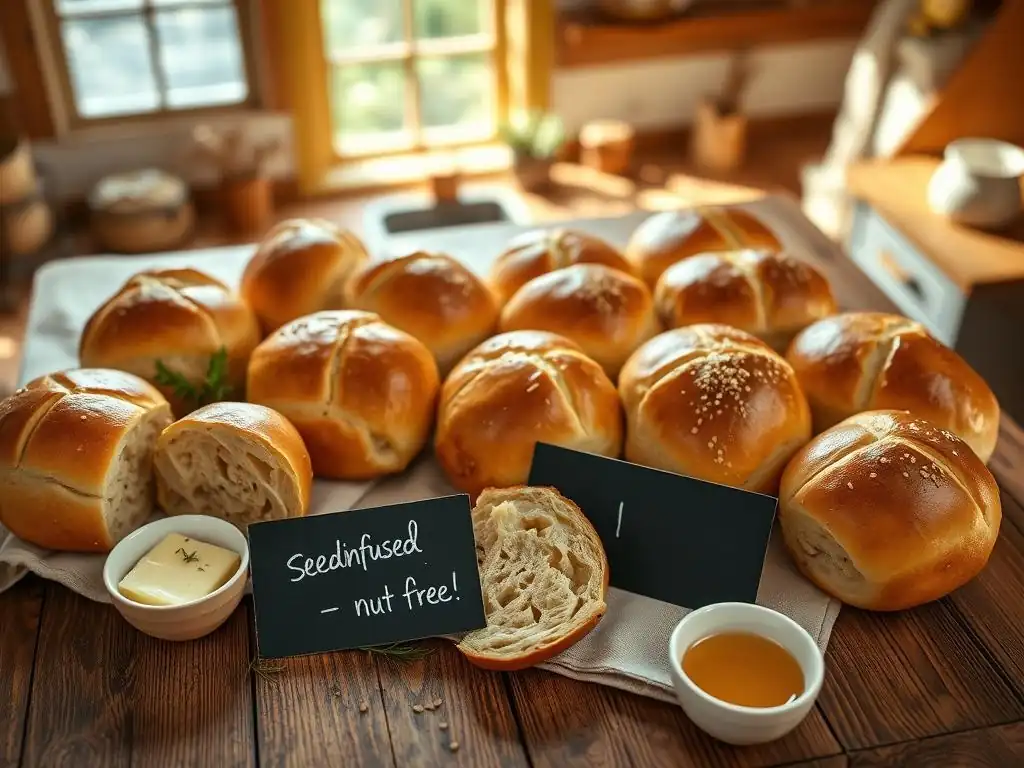
Welcome to BakeWithEase, your kitchen companion for delicious and effortless baking! Ever wished for the perfect, fluffy dinner rolls that everyone can enjoy? Discover how to create exquisite, Nut Free Dinner Rolls that are not only safe for those with allergies but also bursting with flavour and texture. Intrigued? Let's unlock the secrets to these delightful, seed-infused rolls and elevate your next meal!
- Seed-Infused Dinner Rolls: A Flavorful and Allergy-Friendly Addition to Your Table
- Introduction: Elevate Your Dinner Rolls with Seeds
- Understanding Allergy-Friendly Baking for Dinner Rolls
- The Allure of Seed-Infused Flavor and Texture
- Recipe: Baking Your Own Seed-Infused Dinner Rolls
- Tips for Baking the Best Seeded Dinner Rolls
- Serving Suggestions: Pairing Seeded Rolls with Your Meals
- Troubleshooting Common Issues in Dinner Roll Baking
- Conclusion: Enjoying Delicious and Versatile Dinner Rolls
- Frequently Asked Questions
- Final Reflection: The Bountiful Promise of Seed-Infused Baking
- Unleash Your Inner Baker: Elevate Your Dinner Rolls!
Seed-Infused Dinner Rolls: A Flavorful and Allergy-Friendly Addition to Your Table
Introduction: Elevate Your Dinner Rolls with Seeds
Dinner rolls are a beloved staple on tables everywhere, offering a warm, comforting accompaniment to countless meals. While traditional recipes are wonderful, there's a simple yet impactful way to elevate this classic: incorporating seeds. Not only do seeds add delightful texture and complex flavors, but they also provide an excellent opportunity to create delicious nut free dinner rolls, making them a safe and inclusive option for guests with nut allergies. This approach ensures everyone can enjoy a warm roll straight from the oven.
Discover Delicious and Allergy-Friendly Seeded Dinner Roll Recipes
Creating allergy-friendly baked goods requires careful attention to ingredients and preparation methods. For those seeking nut free dinner rolls, seeds offer a fantastic alternative to nuts, providing that satisfying crunch and earthy depth without the allergen risk. Many recipes for yeast-based dinner rolls can be easily adapted by simply adding a mix of safe seeds, such as poppy, sesame, sunflower, or pumpkin seeds, into the dough or sprinkled on top before baking. This adaptation opens up a world of possibilities for home bakers looking to cater to dietary needs without sacrificing flavor or enjoyment.
Successfully baking allergy-friendly rolls means sourcing ingredients carefully to avoid cross-contamination, especially if severe allergies are a concern. Look for flours, yeasts, and other components certified as nut-free or processed in dedicated nut-free facilities. A basic enriched dough recipe, typically including flour, yeast, water, a touch of sugar, salt, and a fat like butter or oil (ensuring it's nut-free), serves as the perfect base. By integrating seeds into this foundation, you transform a simple roll into a flavorful, textured, and most importantly, safe option for those needing nut free dinner rolls.
Why Choose Seed-Infused Rolls? Flavor and Texture Enhancement
The addition of seeds to dinner rolls is a game-changer when it comes to sensory appeal. Seeds introduce layers of flavor that go beyond the simple bready taste. For instance, toasted sesame seeds bring a slightly nutty, aromatic quality (without being nuts! ), while poppy seeds offer a subtle crunch and earthy undertone. Sunflower and pumpkin seeds contribute a heartier texture and a richer, more savory note. This blend of flavors creates a more complex and interesting roll compared to a plain one, making them stand out on your dinner table.
Beyond flavor, the texture provided by seeds is incredibly satisfying. Imagine biting into a soft, fluffy roll and encountering the gentle resistance and pop of seeds. This textural contrast adds depth and interest to each bite. Seeds can be incorporated in various ways: kneaded directly into the dough for an even distribution, sprinkled generously on top for visual appeal and a concentrated crunch, or even mixed into a wash brushed onto the rolls before baking. Each method yields a slightly different textural experience, but all contribute to making these nut free dinner rolls far more engaging to eat.
Understanding Allergy-Friendly Baking for Dinner Rolls
Baking for allergies, particularly creating nut free dinner rolls, requires a diligent approach to ingredient selection and kitchen hygiene. It's not just about omitting the obvious allergens but also being mindful of potential hidden sources or cross-contamination. Understanding common baking ingredients and their typical allergen profiles is the first step towards ensuring the safety of your baked goods for those with dietary restrictions. This careful process ensures that your delicious rolls are safe for everyone at the table.
Essential Ingredients for Allergy-Friendly Dinner Rolls
When baking nut free dinner rolls, the core ingredients typically include flour, liquid (water or milk), yeast, salt, and a sweetener (sugar or honey). The primary concern is ensuring these ingredients are free from nut contamination. For flour, opting for brands that guarantee their products are processed in nut-free facilities is crucial.
Similarly, check labels on yeast and other additives. If using milk, ensure it's dairy milk (if dairy isn't an issue) or a safe plant-based milk alternative like rice milk or oat milk, verifying it hasn't been cross-contaminated with nut milks. Fats like butter, vegetable oil, or olive oil are generally safe, but always double-check labels, especially for blended oils.
Beyond the basics, ingredients like eggs (if used in enriched doughs), sugar, and salt are usually safe, but vigilance is key. For example, some specialty sugars might be flavored or processed in facilities that handle nuts. Even seemingly innocuous items like sprinkles or glazes used on top could contain hidden allergens or be subject to cross-contamination. When baking nut free dinner rolls, it's best practice to use simple, single-ingredient items from trusted sources and avoid pre-mixed blends unless they are specifically certified allergen-free. This meticulous approach provides peace of mind for both the baker and those enjoying the rolls.
Identifying and Avoiding Common Allergens in Baking
The most common allergens in baking include wheat, dairy, eggs, soy, and, critically for our topic, tree nuts and peanuts. While this article focuses on nut free dinner rolls, it's important to be aware of other potential allergens depending on the recipe or the dietary needs of your guests. Tree nuts (like almonds, walnuts, pecans, cashews) and peanuts (which are legumes but treated as nuts by many with allergies) are particularly problematic due to the severity of reactions they can cause. Avoiding them means not only omitting nuts from the recipe but also preventing any contact.
Preventing cross-contamination is paramount when making nut free dinner rolls. This involves using dedicated, thoroughly cleaned equipment (bowls, mixers, baking pans) that have not recently touched nuts. Wash hands thoroughly before beginning to bake. Store nut-free ingredients separately from any nut-containing products in your pantry. Be cautious with ingredients bought in bulk bins, as cross-contamination is highly likely. When purchasing seeds for your rolls, ensure they are from a reputable source that handles them safely, ideally in a nut-free environment. Taking these precautions is vital to truly deliver safe nut free dinner rolls.
The Allure of Seed-Infused Flavor and Texture
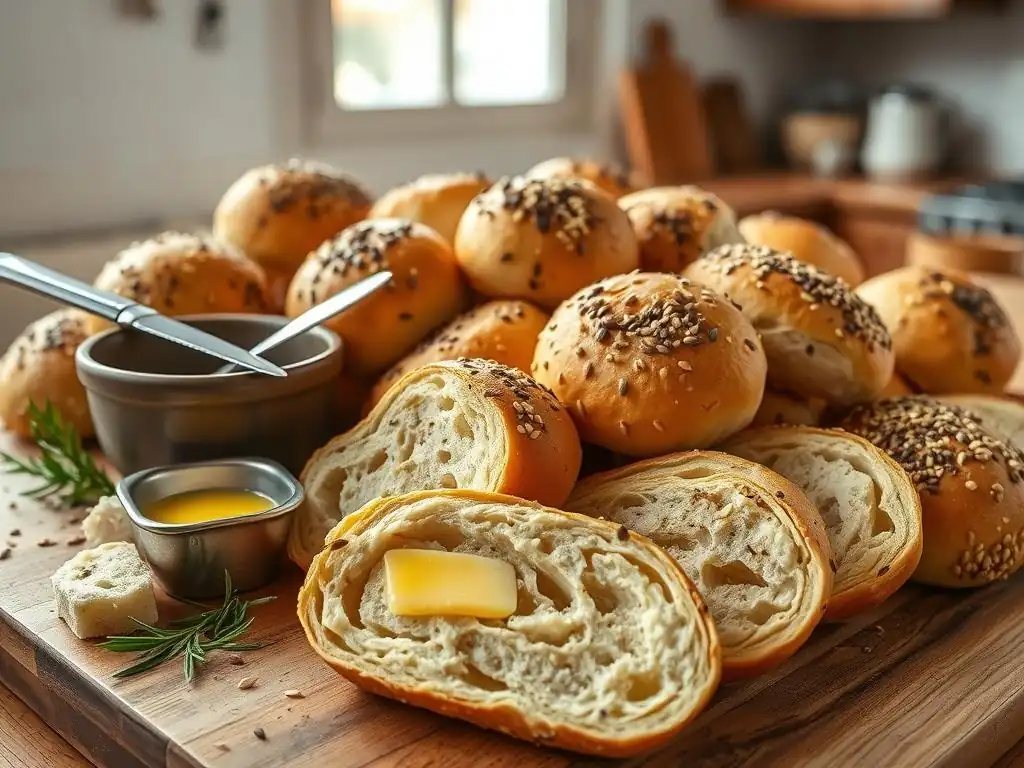
Seeds offer a fantastic palette of flavors and textures to play with in baking, making them a perfect addition to nut free dinner rolls. They can range from mild and slightly sweet to earthy and robust, each contributing a unique character to the finished roll. The subtle crunch or pop they provide adds an extra dimension that elevates the simple bread experience. Exploring the different types of seeds available is the first step to unlocking their potential in your baking.
Exploring Different Seed Varieties for Baking
A variety of seeds work wonderfully in nut free dinner rolls. Poppy seeds are small, black, and offer a delicate crunch with a slightly earthy, almost citrusy note. Sesame seeds, particularly toasted ones, provide a distinct, slightly sweet and nutty flavor (again, without being nuts) and a satisfying, slightly firmer texture. Sunflower seeds, when hulled, are larger and offer a mild, somewhat buttery flavor and a substantial crunch. Pumpkin seeds (pepitas) are similar to sunflower seeds but often have a slightly greener hue and a nuttier, sweeter taste when roasted.
Other popular seeds for baking include flax seeds and chia seeds. Flax seeds, whether whole or ground (often called flax meal), add a subtle, earthy flavor and are rich in omega-3s. When mixed with liquid, ground flax can also act as a binder, which is useful in egg-free recipes. Chia seeds are tiny powerhouses that absorb liquid and form a gel, contributing moisture and a mild, slightly nutty flavor. While whole seeds offer the most prominent texture, incorporating ground seeds can add nutritional value and a different kind of texture throughout the dough of your nut free dinner rolls.
Enhancing Flavor Profiles: Seed Combinations for Rolls
Combining different seeds allows you to create complex and appealing flavor profiles for your nut free dinner rolls. A classic blend is the "everything bagel" mix, though you'd typically omit the dried onion and garlic for a standard dinner roll, focusing on sesame seeds, poppy seeds, dried minced garlic (if desired and safe), and sometimes caraway seeds or coarse salt. A simpler yet effective combination is a mix of white and black sesame seeds for visual appeal and varied sesame flavor, or combining poppy and sesame seeds for a classic look and feel.
For a heartier, more rustic feel, consider a blend of sunflower and pumpkin seeds kneaded into the dough, perhaps with a sprinkle of oats on top. A mix of flax, chia, and sesame seeds offers a nutritional boost and a pleasant, multi-layered texture. Experimentation is key – start with equal parts of two or three seeds you enjoy and see how they complement the bread's flavor. The goal is to enhance, not overpower, the delicious taste of your freshly baked nut free dinner rolls.
Recipe: Baking Your Own Seed-Infused Dinner Rolls
Ready to bake some delicious nut free dinner rolls from scratch? This section provides a general guide and tips for creating your own seed-infused rolls. Remember that specific ingredient quantities will vary depending on the recipe you follow, but the steps and techniques for incorporating seeds remain largely consistent. Baking your own allows you complete control over ingredients, ensuring they are truly nut-free and safe.
Step-by-Step Guide to Perfect Seeded Rolls
Preparing the Dough: Flour Blends and Leavening
Start with a reliable nut-free dinner roll recipe, typically involving activating yeast in warm liquid (around 105-115°F or 40-46°C) with a pinch of sugar. Combine this with your chosen nut-free flour (all-purpose wheat flour is common, or a tested gluten-free blend), salt, and any enriching ingredients like melted butter or oil and possibly egg or milk (ensuring all are nut-free).
Mix and knead the dough until it's smooth and elastic – this can take 5-10 minutes by hand or 3-5 minutes in a stand mixer. The dough should pull away from the sides of the bowl but still be slightly tacky.
Incorporating Seeds: Techniques for Optimal Distribution
Seeds can be added at different stages. For seeds mixed throughout the dough, incorporate them during the last minute or two of kneading. This ensures they are evenly distributed without tearing the gluten structure early on. A good starting point is about 1/4 to 1/2 cup of mixed seeds per standard batch of 12-16 rolls, but adjust based on your preference. For a topping, sprinkle seeds generously onto the shaped rolls just before baking, often after brushing with an egg wash or milk for better adhesion.
Shaping and Baking: Achieving Golden-Brown Perfection
After the first rise (proofing), gently deflate the dough and divide it into equal portions (typically 2-3 ounces each for medium rolls). Shape each portion into a smooth ball or desired shape. Place the shaped rolls on a baking sheet, leaving some space for expansion.
Allow them to rise again (second proofing) until nearly doubled in size, usually 30-60 minutes depending on the warmth of your kitchen. Preheat your oven to the temperature specified in your recipe, often around 375-400°F (190-200°C). Bake for 15-25 minutes, or until the rolls are golden brown on top and sound hollow when tapped on the bottom.
Ingredient Substitutions & Variations for Seeded Rolls
Vegan Dinner Roll Options
Creating vegan nut free dinner rolls is straightforward. Substitute dairy milk with a safe plant-based alternative like unsweetened soy milk (if soy is not an issue), oat milk, or rice milk. Replace butter with a vegan butter substitute or oil (like olive or canola). If the recipe calls for eggs, you can often omit them in a standard dinner roll recipe, or use an egg substitute like a "flax egg" (1 tablespoon ground flaxseed mixed with 3 tablespoons water, let sit for 5-10 minutes until gelled) or commercial egg replacer.
Gluten-Free Dinner Roll Adaptations
Baking gluten-free nut free dinner rolls requires using a tested gluten-free flour blend. These blends often contain a mix of rice flour, tapioca starch, potato starch, and a gum like xanthan gum or guar gum to provide structure. Gluten-free doughs behave differently than wheat doughs – they are often stickier and may not require as much kneading. Follow a specific gluten-free dinner roll recipe designed for your chosen flour blend, then incorporate the seeds as described above. Be mindful that gluten-free baking times and hydration levels can differ significantly from traditional recipes.
Tips for Baking the Best Seeded Dinner Rolls
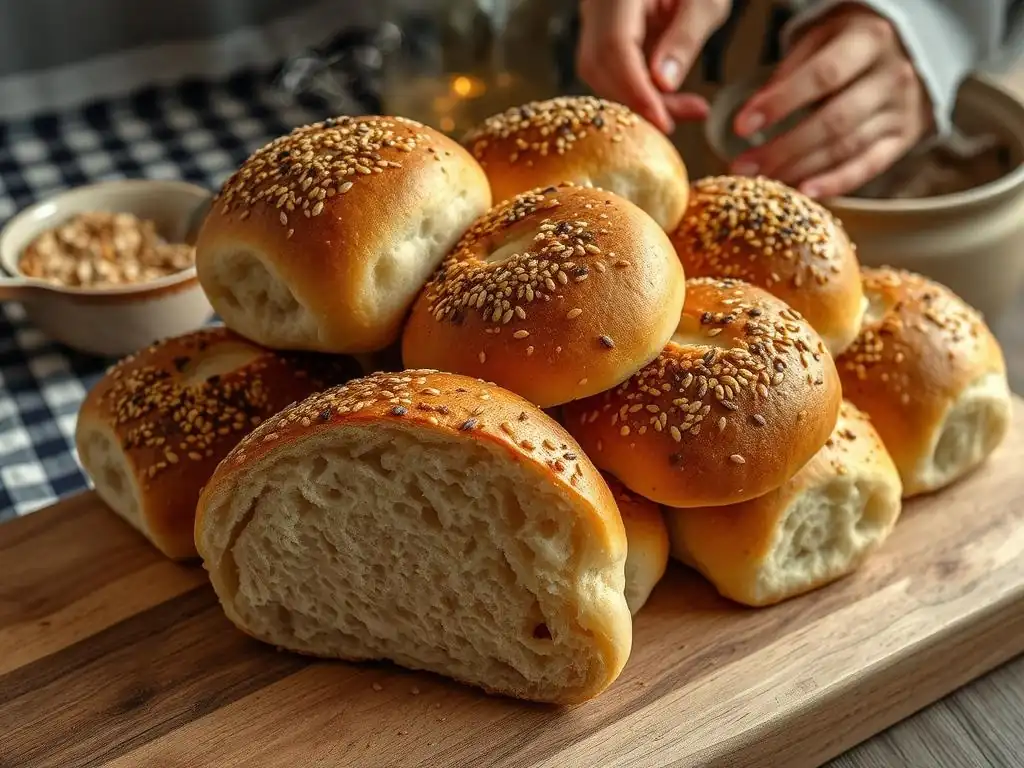
Achieving soft, flavorful, and perfectly baked nut free dinner rolls involves mastering a few key techniques. From understanding how dough rises to preventing dryness, these tips will help you consistently produce excellent results. Paying attention to the details makes a significant difference in the final outcome of your homemade rolls.
Mastering the Art of Proofing Dough
Proofing is the process where yeast ferments and produces carbon dioxide gas, causing the dough to rise. Proper proofing is crucial for light and airy rolls. For the first rise, place the kneaded dough in a lightly oiled bowl, cover it, and let it rise in a warm, draft-free place until doubled in size. This can take anywhere from 1 to 2 hours, depending on the temperature (ideal is around 75-80°F or 24-27°C). A slower, cooler rise can develop more flavor, but takes longer.
The second rise, after shaping, is equally important. Place the shaped rolls on the baking sheet and let them rise until they look puffy and nearly doubled. An easy test is the "poke test": gently poke the side of a roll with your finger. If the indentation springs back slowly, leaving a slight mark, the dough is perfectly proofed. If it springs back immediately, it needs more time. If it doesn't spring back at all and stays indented, it's likely over-proofed. Getting this right ensures your nut free dinner rolls have a good texture.
Preventing Dryness: Hydration Techniques for Soft Rolls
Dry rolls are often the result of insufficient hydration or over-baking. The amount of liquid in your dough is key – too little, and the dough will be stiff and the resulting rolls dense and dry. Ensure your recipe has an appropriate hydration level (the ratio of water to flour by weight, typically 60-70% for dinner rolls). Using enriching ingredients like milk, butter, or egg yolks adds fat and moisture, contributing to a softer crumb and helping the rolls stay moist longer.
Baking technique also plays a role in preventing dryness. Baking at the correct temperature for the specified time is vital. Over-baking will dry out the rolls. Some bakers use steam in the oven during the initial baking period to keep the crust soft and allow the rolls to expand fully before the crust hardens.
This can be achieved by placing a pan of hot water on the bottom rack of your oven when you preheat it. Cooling rolls on a wire rack immediately after baking prevents the bottom from becoming soggy from trapped steam. These steps help ensure your nut free dinner rolls are wonderfully soft.
Storing and Reheating Your Homemade Rolls
Proper storage helps keep your nut free dinner rolls fresh. Once completely cooled, store them in an airtight container or a resealable plastic bag at room temperature. They will typically stay fresh for 2-3 days. For longer storage, you can freeze baked rolls. Wrap them tightly in plastic wrap or aluminum foil, then place them in a freezer-safe bag or container. Frozen rolls can last for up to 2-3 months.
To reheat, thaw frozen rolls at room temperature or gently warm them in a microwave for a few seconds. For best results, especially from frozen, reheat them in a preheated oven at around 300-325°F (150-160°C) for 5-10 minutes, or until warmed through. This method helps crisp up the crust slightly while keeping the interior soft. Enjoying warm, reheated nut free dinner rolls is almost as good as eating them fresh from the oven!
Serving Suggestions: Pairing Seeded Rolls with Your Meals
Seed-infused nut free dinner rolls are incredibly versatile and can complement a wide array of dishes. Their added flavor and texture make them more than just a simple bread side; they can enhance the overall dining experience. Thinking about how the seeds in your rolls pair with the flavors of your meal can elevate your entire plate.
Complementary Dishes for a Complete Dining Experience
These flavorful rolls pair wonderfully with hearty, savory meals. Consider serving them alongside stews, chilis, or rich soups like a classic lentil soup or a creamy tomato bisque. The rolls are perfect for soaking up delicious sauces or broth. They are also a fantastic accompaniment to roasted meats, like chicken or beef, or alongside a holiday spread with turkey or ham. The earthy notes of the seeds often echo the flavors found in roasted vegetables or herb-infused dishes.
For a lighter pairing, serve your nut free dinner rolls with salads. A simple green salad with vinaigrette, a grain-based salad, or even a potato salad can be beautifully complemented by the texture and taste of the seeded rolls. The seeds add substance and flavor that plain bread might lack, making the combination more satisfying. They also work well with pasta dishes, particularly those with chunky sauces that can be easily scooped up.
Creative Ways to Serve Seed-Infused Dinner Rolls
Beyond serving them warm from a basket, there are creative ways to use your nut free dinner rolls. Slice them horizontally and use them as bases for mini sliders or open-faced sandwiches, filling them with safe deli meats, cheeses, or roasted vegetables. Their sturdy yet soft texture holds up well. You can also slice and toast them lightly to serve with dips like hummus, spinach-artichoke dip, or a safe bean dip.
Consider making pull-apart rolls in a baking dish, where the sides touch during baking, creating a soft, communal bread perfect for sharing. Brush the tops with melted garlic butter or herb-infused oil after baking for extra flavor. For breakfast or brunch, slice leftover rolls and use them for French toast, or simply split and spread with nut-free butter and jam. The possibilities for enjoying your delicious nut free dinner rolls extend far beyond the dinner plate.
Troubleshooting Common Issues in Dinner Roll Baking
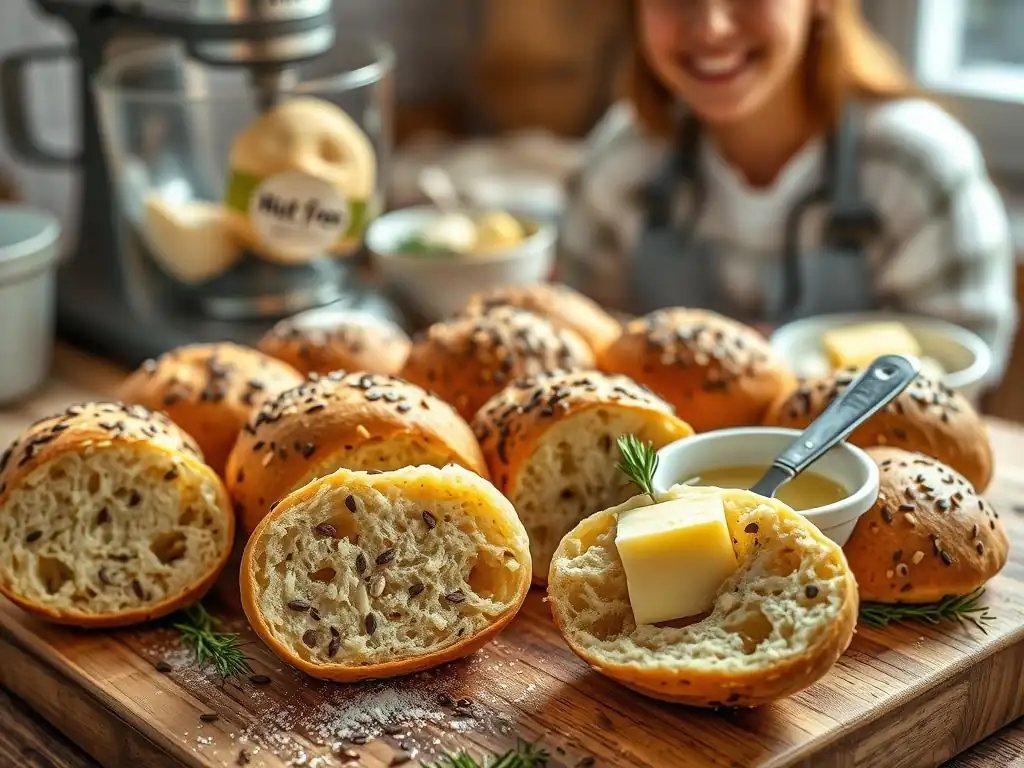
Even experienced bakers encounter challenges sometimes. Knowing how to identify and fix common issues can save your batch of nut free dinner rolls and improve your results next time. Most problems relate to dough consistency or baking time/temperature.
Addressing Dough Consistency Problems
If your dough is too sticky after kneading, resist the urge to add large amounts of flour. A slightly sticky dough is often preferable to a dry one, as it leads to softer rolls. Add flour just a tablespoon at a time, kneading after each addition, until the dough is manageable but still soft. Humidity can affect flour absorption, so you might need slightly more or less liquid or flour than specified in the recipe.
Conversely, if your dough is stiff and doesn't become smooth or elastic after proper kneading, it might be too dry. This could be due to not enough liquid or over-measuring flour. You can try kneading in a teaspoon of water or milk at a time until the dough reaches the desired consistency. Ensure your yeast is active – if the dough didn't rise at all during the first proof, the yeast might be dead, and you'll need to start over with fresh yeast. Proper dough consistency is vital for achieving soft, fluffy nut free dinner rolls.
Correcting Over- or Under-Baking Issues
Under-baked rolls will be pale, dense, and possibly gummy inside. If you suspect they are under-baked but the tops are already golden, you can loosely tent them with foil to prevent further browning and return them to the oven for a few more minutes. Use an instant-read thermometer inserted into the center of a roll – a fully baked bread roll should reach an internal temperature of around 190-200°F (88-93°C).
Over-baked rolls will be very dark on the bottom and sides, potentially hard, and dry inside. There's not much you can do to rescue seriously over-baked rolls, but you can learn from the experience. Ensure your oven temperature is accurate (an oven thermometer is a useful tool) and start checking for doneness at the lower end of the recipe's suggested baking time. Remember that ovens can vary significantly. Next time, try reducing the baking time or temperature slightly to achieve perfectly golden and soft nut free dinner rolls.
Conclusion: Enjoying Delicious and Versatile Dinner Rolls
Baking your own seed-infused nut free dinner rolls is a rewarding experience. Not only do you create a delicious and satisfying bread, but you also provide a safe and inclusive option for friends and family with nut allergies. The addition of seeds elevates the flavor and texture, transforming a simple roll into something special. With a little care in ingredient selection and technique, you can master the art of making these wonderful rolls.
Embrace the Versatility of Seed-Infused Baking
The techniques and principles learned while baking seed-infused nut free dinner rolls can be applied to many other baking projects. Consider adding seeds to your homemade sandwich bread, bagels, or even sweet quick breads and muffins (checking for appropriate seed types). The ability to incorporate flavorful, textural elements safely into baked goods opens up a wide range of possibilities in your kitchen. Don't be afraid to experiment with different seeds and combinations to find your favorites.
Further Exploration: Expanding Your Baking Repertoire [Link to other relevant articles]
Once you've mastered these seed-infused nut free dinner rolls, consider exploring other areas of allergy-friendly baking. You might delve into gluten-free bread making, dairy-free cakes, or egg-free cookies. Each presents its own set of challenges and rewards, expanding your skills and allowing you to bake safely for even more dietary needs. Continue to research safe ingredients, practice your techniques, and enjoy the process of creating delicious baked goods for everyone to share.
Frequently Asked Questions
What makes these dinner rolls a nut-free option?
These rolls are specifically designed without any nut ingredients or nut-based products. We use seeds to provide flavor and texture, ensuring a safe option for those with nut allergies.
Can I substitute the seeds used in the recipe?
Yes, you can! Feel free to experiment with your favorite seed combinations. Just ensure the seed ratio remains similar to maintain the texture and flavor profile.
Are these dinner rolls suitable for beginners in baking?
Absolutely! The recipe is designed with simplicity in mind, featuring clear instructions and easy-to-find ingredients. It's a great way to build confidence in bread baking.
What kind of flour works best for these seed-infused dinner rolls?
We recommend using all-purpose flour for its versatility and reliable results. However, you can also try bread flour for a chewier texture or a blend for added complexity.
How long will these dinner rolls stay fresh?
These rolls are best enjoyed fresh, but they can be stored in an airtight container at room temperature for up to two days. You can also freeze them for longer storage.
Final Reflection: The Bountiful Promise of Seed-Infused Baking
The rise in nut allergies necessitates creative culinary solutions, and seed-infused baking offers a delicious and inclusive alternative. These aren't just dinner rolls; they're a testament to the power of adaptation and the joy of sharing food without fear. The simple swap of seeds for nuts opens up a world of possibilities for those with allergies and those seeking a healthier, more diverse approach to baking.
The shift towards nut-free baking reflects a broader societal awareness of dietary restrictions and the importance of inclusivity. It's not just about avoiding allergens; it's about creating a space at the table for everyone. This simple recipe, therefore, transcends the realm of mere culinary instruction; it becomes a symbol of thoughtful consideration and community. Food is symbolic of love when words are inadequate.
- Alan D. Wolfelt. This sentiment rings especially true when considering the joy of sharing a meal free from anxieties about allergies.
Now, consider your own kitchen. What other traditional recipes could you adapt to be more inclusive and allergy-friendly? Experiment with different seeds, spices, and flours. The possibilities are as vast as your imagination. Don't be afraid to embrace the challenge of creating delicious and accessible food for everyone you share a meal with. Let the seed-infused dinner roll be your inspiration to bake a better, more inclusive world, one delicious roll at a time.
Unleash Your Inner Baker: Elevate Your Dinner Rolls!
Thanks for joining us on this delicious journey into the world of seed-infused dinner rolls! We hope you've gained some new inspiration and confidence in your baking abilities. Now it's time to put those skills to the test!
- Bake a batch of these incredible rolls: Use the recipe from the article as your guide, and feel free to experiment with different seed combinations! This is your chance to truly personalize the recipe.
- Share your creations: Post a picture of your masterpiece on social media and tag us! We’d love to see your seed-infused success.
- Discover more nut-free baking adventures: Explore other delicious recipes on BakeWithEase.com for more inspiration. You might be surprised at the incredible flavour possibilities!
Ready to transform your dinner table? What unique seed blend will you try first?