
Achieving Perfect Texture in LowSugar Baked Goods

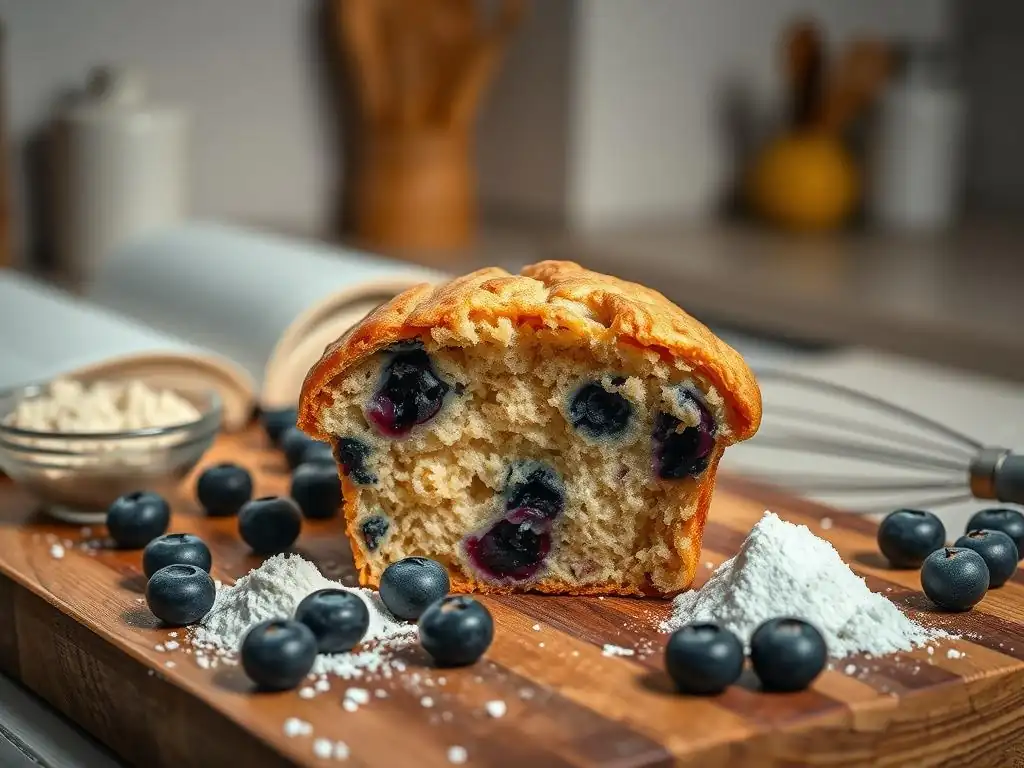
Welcome to BakeWithEase, your trusted guide to unlocking the secrets of delicious baking! Curious about crafting delectable treats without the sugar overload? Join us as we delve into the fascinating world of low sugar baking texture. Discover the techniques and secrets to achieving that perfect crumb and satisfying mouthfeel, even when minimizing sweetness. Get ready to bake beyond the sugar!
- Achieving Perfect Texture in Low-Sugar Baked Goods: A BakeWithEase Guide
- Key Ingredients for Improving Low Sugar Baking Texture
- Techniques for Optimal Low Sugar Baking Texture
- Specific Low Sugar Baking Texture Tips for Different Baked Goods
- Recipes to Practice Achieving Perfect Low Sugar Baking Texture
- Troubleshooting Common Low Sugar Baking Texture Issues
- Mastering Low Sugar Baking: Achieving Delicious Texture Every Time
-
Frequently Asked Questions
- How does reducing sugar impact the texture of baked goods?
- What are some common challenges when baking with low sugar?
- What ingredients can I use to improve the texture of low-sugar baked goods?
- How can I prevent my low-sugar baked goods from becoming too dry?
- Can I adjust baking temperatures or times to improve the texture of low-sugar recipes?
- Final Reflection: The Sweet Science of Low-Sugar Texture
- Unlock the Secrets to Perfectly Textured Low-Sugar Baking!
Achieving Perfect Texture in Low-Sugar Baked Goods: A BakeWithEase Guide
The Role of Sugar in Traditional Baking: Impact on Texture
Sugar is far more than just a sweetener in traditional baking; it's a critical structural ingredient that profoundly impacts the final texture of baked goods. Granulated sugar, for instance, interferes with gluten development, leading to a more tender crumb in cakes and breads. It also contributes significantly to moisture retention, helping cookies stay soft and cakes remain moist days after baking. During the creaming process with butter, sugar crystals cut into the fat, creating tiny air pockets that expand during baking, contributing to lift and a light texture.
Furthermore, sugar plays a vital role in the Maillard reaction and caramelization, processes that contribute to the golden-brown crust on many baked items and add depth of flavor. As sugar melts during baking, typically around 320°F (160°C), it spreads and contributes to the desired shape and texture, particularly in cookies. Without this melting and spreading property, achieving that classic cookie shape and crisp edge becomes much more difficult. Understanding these fundamental roles of sugar is the first step in tackling the unique challenges of achieving excellent low sugar baking texture.
Why Low Sugar Recipes Often Lack Ideal Texture
When sugar is significantly reduced or removed from a recipe, the functions it performs are also diminished or entirely absent. This often results in baked goods that are denser, drier, and lack the desirable tenderness and moistness found in their full-sugar counterparts. The absence of sugar's interference with gluten can lead to tougher textures, especially in recipes requiring mixing. The lack of sugar's hygroscopic nature (its ability to attract and retain moisture) contributes directly to dryness and a shorter shelf life.
Moreover, alternative sweeteners, while providing sweetness, often do not replicate sugar's other crucial functions, such as contributing to structure, aiding in leavening through creaming, promoting browning, or melting in the same way. This necessitates a different approach to recipe formulation and technique to compensate for these missing elements. Achieving a pleasant low sugar baking texture requires deliberately adding ingredients and employing methods that can stand in for sugar's multifaceted role in the baking process.
Common Texture Problems in Sugar-Reduced Baking: Dryness, Crumbliness, and Density
The most frequently encountered issues when adjusting recipes for lower sugar content are dryness, excessive crumbliness, and an unpleasantly dense texture. Dryness occurs because sugar isn't present to hold onto moisture. This can result in cakes that feel stale quickly or muffins that are dry and choke-inducing. A typical low-sugar muffin might have a moisture content several percentage points lower than a traditional one if adjustments aren't made.
Crumbliness is often a direct consequence of dryness and the lack of sugar's binding properties. Without sugar to help create a cohesive structure, baked goods can fall apart easily. Cookies might crumble excessively instead of having a slight chew, and cakes might disintegrate when sliced.
Density, on the other hand, can stem from reduced leavening (as sugar aids in creaming) or tougher gluten development due to the lack of sugar interference. A low-sugar loaf of bread might feel heavy and brick-like compared to a light, airy traditional loaf. Addressing these specific low sugar baking texture problems requires targeted ingredient substitutions and technique modifications.
Key Ingredients for Improving Low Sugar Baking Texture
Alternative Sweeteners and Their Impact on Baked Goods Texture
Choosing the right alternative sweetener is crucial for achieving good low sugar baking texture, as each behaves differently. Unlike granulated sugar, which melts smoothly and contributes to spread and browning, many sugar alcohols (like erythritol) and high-intensity sweeteners (like stevia or monk fruit) do not caramelize or melt in the same way. This can affect everything from cookie spread to the development of a desirable crust on cakes.
Furthermore, some alternative sweeteners, particularly sugar alcohols used in larger quantities, can contribute to a slightly crystalline or grainy texture if not properly dissolved or if used in recipes where sugar's melting point is critical. High-intensity sweeteners, used in much smaller amounts, provide sweetness but contribute virtually nothing to the bulk, structure, or moisture retention of the baked good, meaning other ingredients must compensate for these missing elements to improve the low sugar baking texture.
Erythritol and its Texture Considerations
Erythritol is a popular sugar alcohol sweetener often used in low-sugar baking because it has a low glycemic impact and doesn't cause digestive upset for many people in moderate amounts. However, it has a tendency to recrystallize as baked goods cool, which can result in a gritty or sandy texture. This is particularly noticeable in items like cookies or frostings where sugar crystals would typically dissolve or melt.
To mitigate the recrystallization of erythritol and improve the low sugar baking texture, using powdered or finely ground erythritol can help. Combining erythritol with other sweeteners that retain moisture better, such as a small amount of allulose or xylitol (with caution regarding pet safety), can also improve the final texture and reduce grittiness. Baking times might also need slight adjustment as erythritol doesn't brown like sugar.
Stevia and its Texture Considerations
Stevia is a high-intensity sweetener derived from the Stevia rebaudiana plant. It is significantly sweeter than sugar, meaning only tiny amounts are needed, which provides sweetness but no bulk, structure, or moisture retention. Using only stevia in a recipe designed for sugar will result in a significantly different, often inferior, low sugar baking texture that is likely dense and dry.
Because stevia contributes so little to volume, recipes using it often need bulking agents like fiber or protein powders, or increased amounts of flour or other dry ingredients, which can further impact texture. Stevia can also impart a slightly bitter aftertaste for some people, which can affect the overall perception of the baked good, including its texture profile. It's best used in combination with other sweeteners or ingredients that can provide the necessary structure and moisture for better low sugar baking texture.
Monk Fruit and its Texture Considerations
Monk fruit sweetener, like stevia, is a high-intensity sweetener derived from the monk fruit. It's also significantly sweeter than sugar and used in small quantities, meaning it contributes minimal bulk, structure, or moisture to baked goods. Similar to stevia, relying solely on monk fruit will lead to textural issues like dryness and density in recipes originally formulated with sugar.
Many commercial monk fruit sweeteners are blended with erythritol or other sugar alcohols to provide bulk and reduce the intensity of the sweetness. While these blends can behave more like sugar in terms of volume, they often inherit the textural challenges of the blending sweetener, such as the potential for crystallization from erythritol. Understanding the composition of your monk fruit blend is key to predicting its impact on low sugar baking texture.
Incorporating Moisture-Rich Ingredients for a Better Crumb
Since alternative sweeteners often don't retain moisture as well as sugar, intentionally adding moisture-rich ingredients is a key strategy for improving low sugar baking texture. These ingredients contribute liquid, fats, and sometimes fiber, all of which help to keep baked goods tender and moist. This is particularly important in recipes where dryness is a common complaint, like muffins or quick breads.
Using ingredients like mashed banana, apple sauce, yogurt, or even pureed vegetables can significantly boost the moisture content of your low-sugar baked goods. These additions also often bring natural sweetness, allowing you to potentially reduce the amount of added alternative sweetener, further improving the flavor and texture profile. They help create a softer, more pleasant crumb structure that is less likely to be dry or crumbly, contributing positively to the overall low sugar baking texture.
Using Fruit Purees for Added Moisture and Natural Sweetness
Fruit purees like unsweetened applesauce, mashed banana, or pumpkin puree are excellent additions to low-sugar recipes, particularly cakes, muffins, and quick breads. They add significant moisture, helping to counteract the drying effect of reduced sugar and some alternative sweeteners. For example, substituting a portion of the fat or liquid in a muffin recipe with applesauce can dramatically improve its moisture retention and tenderness.
Beyond moisture, fruit purees contribute natural sweetness and often a subtle flavor that complements the baked good. A half cup of unsweetened applesauce contains roughly 50-60 calories and about 13 grams of natural sugar, while also providing fiber and moisture. This helps reduce reliance on alternative sweeteners while improving the crumb structure and preventing that common dry low sugar baking texture.
The Benefits of Yogurt and Sour Cream in Low-Sugar Recipes
Yogurt (plain or Greek) and sour cream are fantastic ingredients for adding moisture, richness, and tenderness to low-sugar baked goods. Their fat content contributes to tenderness, while their liquid content adds moisture. The acidity in yogurt and sour cream can also interact with baking soda, helping to provide lift and a lighter texture, which is beneficial when sugar isn't there to assist with leavening.
Using a half cup of plain Greek yogurt in a low-sugar cake batter, for instance, can add creamy moisture and help create a very tender crumb. The tanginess also helps balance sweetness. Opt for full-fat versions when texture is the primary goal, as the fat contributes significantly to tenderness and richness, enhancing the overall low sugar baking texture.
Exploring Vegetable Purees for Enhanced Texture and Nutrition
Vegetable purees, such as cooked and mashed sweet potato, pumpkin, or even finely grated zucchini, can be surprisingly effective in improving the texture of low-sugar baked goods. Like fruit purees, they add moisture and fiber, which helps keep items moist and tender. They are particularly useful in items like muffins, brownies, or spice cakes where their flavor blends well.
A cup of cooked sweet potato puree can add significant moisture and a smooth texture to a low-sugar quick bread. While they don't add much sweetness, they contribute to a desirable moist and slightly dense crumb that avoids dryness. Ensuring the puree is smooth and free of lumps is key for an even low sugar baking texture throughout the finished product.
Techniques for Optimal Low Sugar Baking Texture
Mastering the Art of Mixing for Low Sugar Recipes
The way ingredients are mixed plays a critical role in determining the final low sugar baking texture. With less sugar present to interfere with gluten development and aid in aeration, mixing techniques become even more important. Overmixing can quickly lead to tough, dense results, especially in cakes and muffins. Conversely, undermixing can result in uneven texture or poor leavening.
For most low-sugar baked goods, particularly those aiming for a tender crumb, a gentle mixing approach is often best after the wet and dry ingredients are combined. Mixing just until the ingredients are incorporated, with perhaps a few small lumps remaining, helps prevent excessive gluten development. This mindful approach to mixing is fundamental to achieving a desirable low sugar baking texture.
The Importance of Proper Creaming Techniques
Creaming butter and sugar (or alternative sweetener blend) together is a fundamental step in many baking recipes, designed to incorporate air and contribute to structure and leavening. While some alternative sweeteners don't cream exactly like sugar, the principle of aerating the fat is still important for achieving a light low sugar baking texture. Beating softened butter with the sweetener until light and fluffy creates tiny air bubbles that expand in the oven.
Using room-temperature butter (around 65-68°F or 18-20°C) is crucial for effective creaming. If the butter is too cold, it won't incorporate enough air; if it's too warm, it will melt instead of holding air. Creaming for several minutes, scraping down the bowl periodically, ensures maximum air incorporation, which is vital for lift and a tender crumb, especially in low-sugar cakes and cookies where chemical leaveners might need assistance. This step significantly impacts the resulting low sugar baking texture.
Avoiding Overmixing to Prevent Toughness
Overmixing batter or dough is a common pitfall that leads to tough, undesirable texture, particularly in recipes with wheat flour. When wet and dry ingredients are combined, gluten begins to develop as proteins in the flour (glutenin and gliadin) link together in the presence of liquid and agitation. While some gluten development is necessary for structure, excessive mixing creates long, strong gluten strands that result in a tough, chewy texture, like that found in bread.
In low-sugar baking, where sugar isn't present to tenderize by interfering with gluten development, overmixing is even more detrimental. For cakes, muffins, and quick breads, mix wet and dry ingredients just until combined. A few lumps of flour are perfectly acceptable. For cookies, mix until ingredients are incorporated, then stop. This minimal mixing technique is essential for achieving a tender, soft low sugar baking texture.
Baking Time and Temperature Adjustments for Sugar-Reduced Treats
Sugar affects the rate of browning and how quickly heat penetrates baked goods. With less sugar, items may brown less quickly and can dry out if baked at the standard temperature and time. Adjusting baking time and temperature is often necessary to prevent dryness and ensure the correct internal texture in low-sugar recipes.
Lowering the oven temperature slightly and potentially increasing the baking time allows the inside of the baked good to cook through without the exterior becoming overbaked or dry before the center is done. Monitoring closely is key, as low-sugar items might not show the same visual cues of doneness as their full-sugar counterparts. These adjustments are crucial for achieving a moist and evenly cooked low sugar baking texture.
Lowering Baking Temperatures to Retain Moisture
Baking at a slightly lower temperature than a traditional recipe calls for can help prevent the edges and exterior of your low-sugar baked goods from drying out before the interior is fully cooked. For instance, if a recipe calls for 350°F (175°C), try baking at 325°F (160°C) instead. This allows the heat to penetrate more gently.
This technique is particularly useful for larger items like cakes or loaves of bread. While it may increase the overall baking time, the benefit is a more evenly cooked product with better moisture retention throughout. A lower temperature reduces the rate of evaporation from the surface, contributing to a softer crust and a more desirable low sugar baking texture internally.
Monitoring Baking Time for Perfect Doneness
Because low-sugar baked goods may not brown as much as those with sugar, visual cues for doneness can be misleading. Relying solely on a golden-brown crust might result in an underbaked or overbaked interior. It's essential to monitor baking time closely and use other indicators of doneness.
Use a toothpick or cake tester inserted into the center; it should come out clean or with just a few moist crumbs (depending on the recipe type). For quick breads and muffins, the top should spring back lightly when gently pressed. For cookies, look for set edges rather than significant browning. Checking a few minutes before the recipe's minimum suggested time allows you to gauge progress and prevent overbaking, which is a major cause of poor low sugar baking texture.
The Role of Gluten Development in Low Sugar Baking
Gluten provides structure to baked goods, giving them shape and preventing them from collapsing. In traditional baking, sugar helps moderate gluten development, contributing to a tender crumb. In low-sugar baking, without this moderating effect, gluten can develop more readily, potentially leading to tougher textures if not handled carefully.
Understanding how to control or manage gluten development is vital for achieving good low sugar baking texture, whether working with wheat flour or gluten-free alternatives. Techniques like using lower-protein flours, minimizing mixing after adding liquid, or incorporating fats and moisture-rich ingredients can help tenderize the crumb and counteract potential toughness.
Enhancing Gluten Development in Low Sugar Recipes
While over-development leads to toughness, some level of gluten structure is necessary, especially in low-sugar breads or more robust cakes. In recipes where a slightly chewier texture is desired or structural integrity is key, techniques to encourage gluten development can be employed. Using a bread flour (higher protein content) or incorporating a gentle kneading step (for yeast breads) will build more gluten structure.
However, even when aiming for structure, it's important to balance gluten development with tenderness. Using ingredients like eggs, fats, and liquids helps create a rich environment that prevents the gluten network from becoming overly rigid. For instance, a low-sugar yeast bread might require slightly more careful kneading than a sugary one to build structure without becoming excessively tough, impacting the final low sugar baking texture.
Gluten-Free Options for Low Sugar Baking: Texture Considerations
For those opting for gluten-free low-sugar baking, the texture challenges are different but equally important. Gluten-free flours lack the gluten proteins needed for structure and elasticity. Without the binding and structuring properties of gluten, baked goods can be crumbly, dense, or have a poor rise. Achieving good low sugar baking texture in gluten-free recipes requires alternative binders and careful formulation.
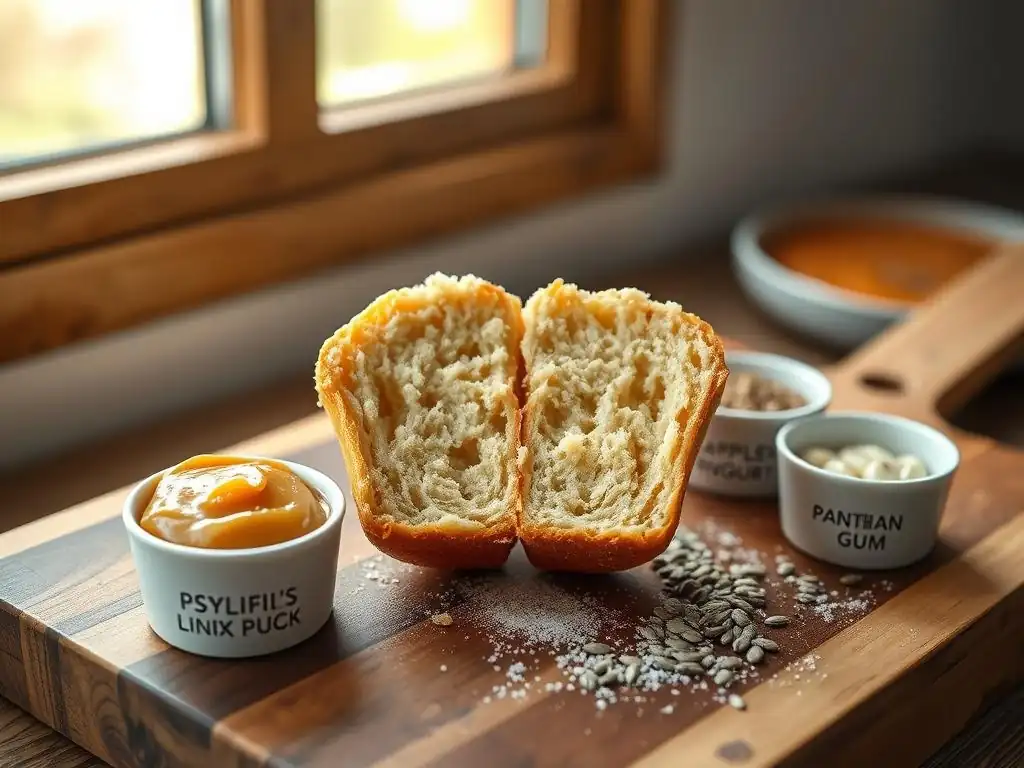
Common gluten-free binders like xanthan gum or psyllium husk powder are often necessary to provide structure and prevent crumbling. Using a blend of gluten-free flours (such as rice, almond, and oat flour) can help balance texture and flavor. Incorporating sufficient moisture and fat is also crucial, as gluten-free flours can absorb liquids differently. Mastering the use of these alternative ingredients and binders is key to achieving a pleasant low sugar baking texture in gluten-free goods.
Specific Low Sugar Baking Texture Tips for Different Baked Goods
Low Sugar Cakes: Achieving a Light and Airy Texture
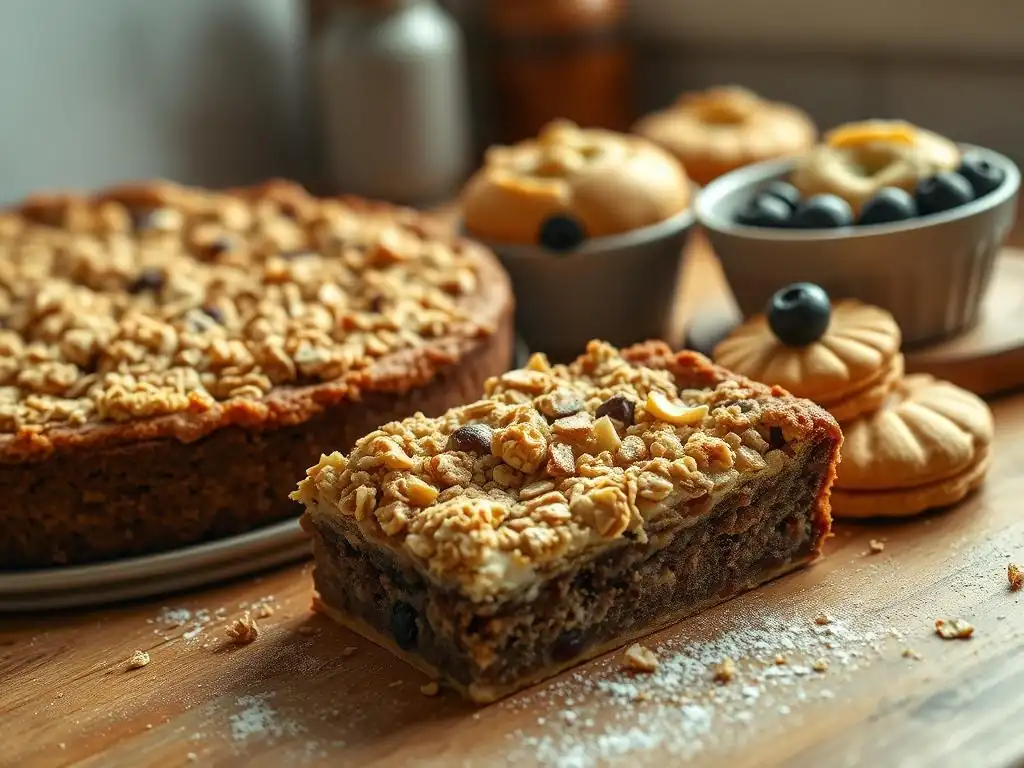
Achieving a light and airy low sugar baking texture in cakes can be challenging because sugar contributes significantly to lift and tenderness. To compensate, focus on maximizing aeration through mechanical means. Ensure butter and sweetener are creamed thoroughly until light and fluffy, incorporating plenty of air bubbles.
Whipping eggs separately until pale and thick, then gently folding them into the batter, is another excellent technique for adding air and improving the crumb structure. Using chemical leaveners like baking powder and baking soda effectively is also crucial; ensure they are fresh. Incorporating moisture-rich ingredients like yogurt or sour cream helps keep the crumb tender and moist, counteracting the drying effect of reduced sugar and contributing to a desirable low sugar baking texture.
Low-sugar cookies often struggle with spread and achieving the desired balance of crisp edges and chewy centers. Sugar's melting properties are key to cookie spread and crispness. Alternative sweeteners may not melt or spread in the same way, leading to thicker, cakier cookies. To improve low sugar baking texture in cookies, consider the type of sweetener blend used; some blends are specifically designed to mimic sugar's behavior.
Adding extra fat, like butter or oil, can help increase spread and promote a crispier edge. Using ingredients like egg yolks instead of whole eggs adds richness and chewiness. Chilling the dough before baking can help control spread and develop flavor. Experimentation with ingredient ratios and chilling times is often necessary to find the perfect balance for low sugar baking texture in your favorite cookie recipes.
Low Sugar Muffins and Breads: Preventing Dryness
Dryness is perhaps the most common issue with low-sugar muffins and quick breads. Without sugar to retain moisture, they can become crumbly and dry very quickly. The key to preventing this in low sugar baking texture is maximizing moisture content from other sources and avoiding overbaking.
Incorporate moisture-rich ingredients like fruit purees (applesauce, mashed banana), vegetable purees (pumpkin, zucchini), yogurt, sour cream, or extra oil. Using brown sugar substitutes or blends designed for moisture can also help. Ensure you don't overmix the batter, which can lead to tough gluten and reduced moisture. Most importantly, monitor baking time closely and pull the muffins or bread from the oven as soon as a tester comes out clean; even a few extra minutes can lead to a significantly drier low sugar baking texture.
Recipes to Practice Achieving Perfect Low Sugar Baking Texture
Mastering the art of achieving excellent low sugar baking texture takes practice. Working through recipes specifically developed or adapted for reduced sugar content allows you to apply the techniques and ingredient substitutions discussed. Starting with simpler recipes like low-sugar muffins or quick breads can provide a good foundation before tackling more complex items like layer cakes or delicate cookies.
Experimenting with ingredient swaps, such as substituting a portion of the fat with applesauce for added moisture or trying different blends of alternative sweeteners, will help you understand how each component impacts the final low sugar baking texture. Pay attention to how the batter or dough feels during mixing and how the baked good looks and feels when it comes out of the oven. Keep notes on your adjustments and their results.
Troubleshooting Common Low Sugar Baking Texture Issues
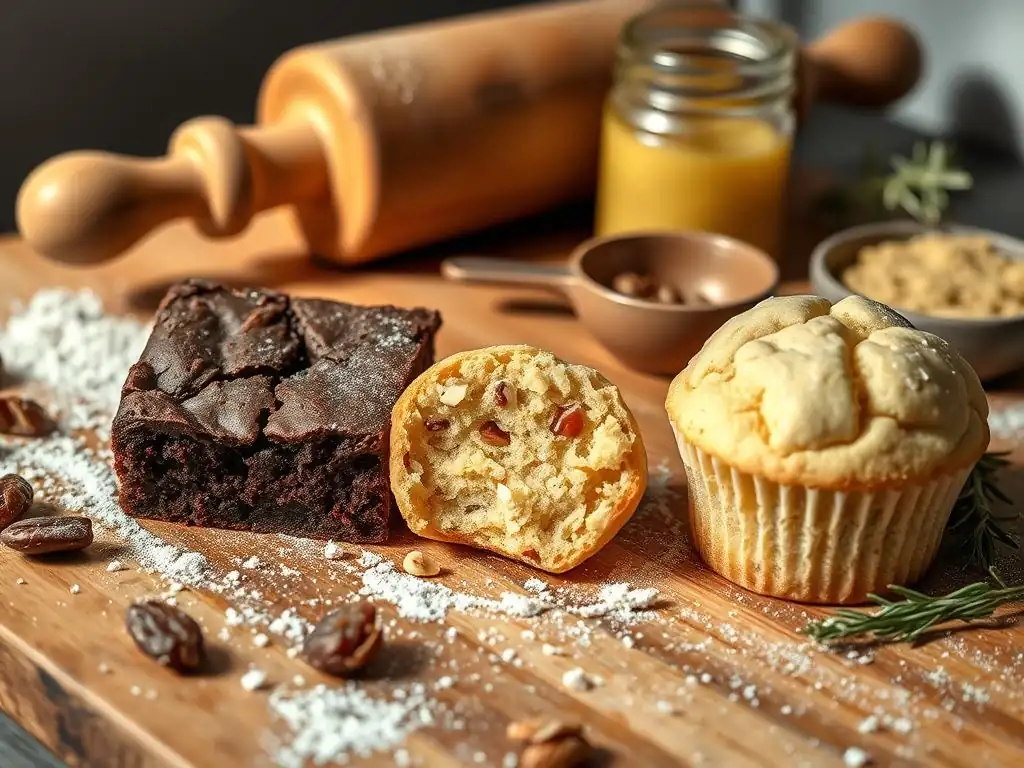
Even with the right ingredients and techniques, you might encounter texture issues in your low-sugar baking. Troubleshooting involves identifying the specific problem—dryness, density, crumbliness, gumminess—and understanding its likely cause to apply the correct fix. This iterative process is part of becoming a skilled low-sugar baker and improving your ability to achieve consistent low sugar baking texture.
Reviewing the recipe, your ingredients, and the steps you followed is crucial. Did you measure accurately? Was your oven temperature correct? Were your leaveners fresh? Consider whether the issue stems from a lack of moisture, improper mixing, incorrect baking time/temperature, or the properties of the specific alternative sweetener used. Addressing these points systematically will help you refine your approach.
Fixing Dry and Crumbly Low Sugar Baked Goods
If your low-sugar baked goods turn out dry and crumbly, the primary cause is likely a lack of sufficient moisture or fat, or overbaking. To fix this in future attempts, increase the amount of moisture-rich ingredients like yogurt, sour cream, fruit puree, or oil in the recipe. Adding an extra egg yolk can also contribute richness and moisture.
Ensure you are not over-measuring your dry ingredients, particularly flour; using a scale for accuracy is highly recommended. Reduce the baking time slightly and/or lower the oven temperature by 25°F (about 15°C). Allowing items like muffins or quick breads to cool completely before slicing can also help moisture redistribute. These adjustments directly target the causes of poor low sugar baking texture related to dryness.
Addressing Dense and Heavy Low Sugar Treats
Density in low-sugar baked goods can result from insufficient leavening, overmixing (leading to tough gluten), or a batter that is too heavy. To improve a dense low sugar baking texture, check the freshness of your baking powder and baking soda; these leaveners are critical for lift. Ensure you are creaming butter and sweetener properly to incorporate air.
Avoid overmixing the batter once the wet and dry ingredients are combined. Use a gentle hand and mix only until just incorporated. If the batter seems unusually thick, you might need to add a little more liquid (milk, buttermilk, or water). Sometimes, using a lighter flour blend or adding a small amount of protein powder can also help create a less dense crumb structure and improve the low sugar baking texture.
Preventing a Gummy Texture in Sugar-Reduced Recipes
A gummy texture, often described as slightly rubbery or sticky, can occur in low-sugar baked goods, particularly those using certain alternative flours or binders, or when the hydration level is off. This can be a frustrating low sugar baking texture issue to resolve.
Ensure you are not adding too much liquid, especially in gluten-free recipes where flours absorb differently. Overmixing gluten-free batters after adding binders like xanthan gum can sometimes lead to a gummy result; mix only until just combined. Allowing batters to rest briefly before baking can sometimes help hydrate starches evenly. Proper cooling is also important; cutting into a baked good too soon can sometimes give the impression of gumminess before the texture has fully set.
Mastering Low Sugar Baking: Achieving Delicious Texture Every Time
Achieving perfect low sugar baking texture is an ongoing learning process, but it is absolutely attainable with patience and practice. By understanding the unique challenges posed by reducing sugar, experimenting with alternative ingredients that add moisture and tenderness, and employing careful mixing and baking techniques, you can consistently produce delicious baked goods that satisfy both your sweet tooth and your desire for great texture.
Remember that each alternative sweetener and ingredient substitution will behave slightly differently, so don't be discouraged if your first attempt isn't perfect. Pay attention to the role each ingredient plays and how your techniques influence the final outcome. With dedication and a willingness to experiment, you'll soon master the art of low sugar baking texture, creating treats that are not only healthier but also wonderfully tender, moist, and satisfying.
Frequently Asked Questions
How does reducing sugar impact the texture of baked goods?
Reducing sugar can significantly impact texture by affecting moisture retention and gluten development. Sugar tenderizes baked goods, so less sugar can lead to a drier, tougher result if not addressed.
What are some common challenges when baking with low sugar?
Common challenges include dryness, a crumbly texture, and a lack of browning. You may also notice a difference in rise and overall structure compared to traditional recipes.
What ingredients can I use to improve the texture of low-sugar baked goods?
Consider using ingredients like applesauce, mashed banana, or pumpkin puree to add moisture. Also, experiment with gluten-free flours like almond flour which may give a softer texture.
How can I prevent my low-sugar baked goods from becoming too dry?
Increase the liquid content slightly, or add a source of healthy fats like olive oil or Greek yogurt. Be careful not to overbake, as this can exacerbate dryness.
Can I adjust baking temperatures or times to improve the texture of low-sugar recipes?
Yes, slightly lowering the oven temperature and carefully monitoring baking time can help prevent over-browning and dryness. Shorter baking times are often ideal for low-sugar goods.
Final Reflection: The Sweet Science of Low-Sugar Texture
The pursuit of perfect texture in low-sugar baking is not merely a culinary challenge; it's a testament to the power of understanding fundamental baking science. Achieving that delicate crumb, that satisfying chew, that delightful melt-in-your-mouth experience, even without relying on the structural support of copious amounts of sugar, is a victory both for the baker and the conscious consumer. This journey into the world of low-sugar baking reveals that deliciousness isn't solely defined by sweetness.
The impact of this exploration extends far beyond the kitchen. It reflects a broader cultural shift towards healthier eating habits and a growing awareness of the impact of sugar on our bodies and our environment. The best things in life are not sweet, but they are good.
This quote, while not directly about baking, speaks to the deeper satisfaction found in creating something delicious and wholesome, even without relying on excessive sweetness. The techniques and insights shared in this article empower bakers to create treats that are both enjoyable and mindful, contributing to a more balanced and sustainable approach to food.
Now, it's your turn. Consider the recipes and techniques discussed, and experiment with your own low-sugar creations. Don't be afraid to adjust, adapt, and discover your own perfect balance of flavor and texture. The journey of mastering low-sugar baking is a rewarding one, filled with delicious discoveries and the satisfaction of creating something truly special. Embrace the challenge, and let your baking reflect your commitment to both health and deliciousness.
Unlock the Secrets to Perfectly Textured Low-Sugar Baking!
Thanks for joining us on this delicious journey into the world of low-sugar baking! We hope you now feel empowered to create lighter, healthier treats without sacrificing texture. Ready to put your newfound knowledge into practice?
- Bake your dream low-sugar recipe today! Experiment with a new recipe, focusing on the techniques we've discussed to achieve that perfect crumb.
- Share your baking triumphs (and challenges!) with our community. Let's inspire each other and build a supportive network of low-sugar bakers.
- Consider swapping out one ingredient in a favorite high-sugar recipe for a low-sugar alternative and see how it affects the texture.
What exciting low-sugar creation will you tackle first?