
Bake Comfort: Easy Bread and Butter Pudding Recipe

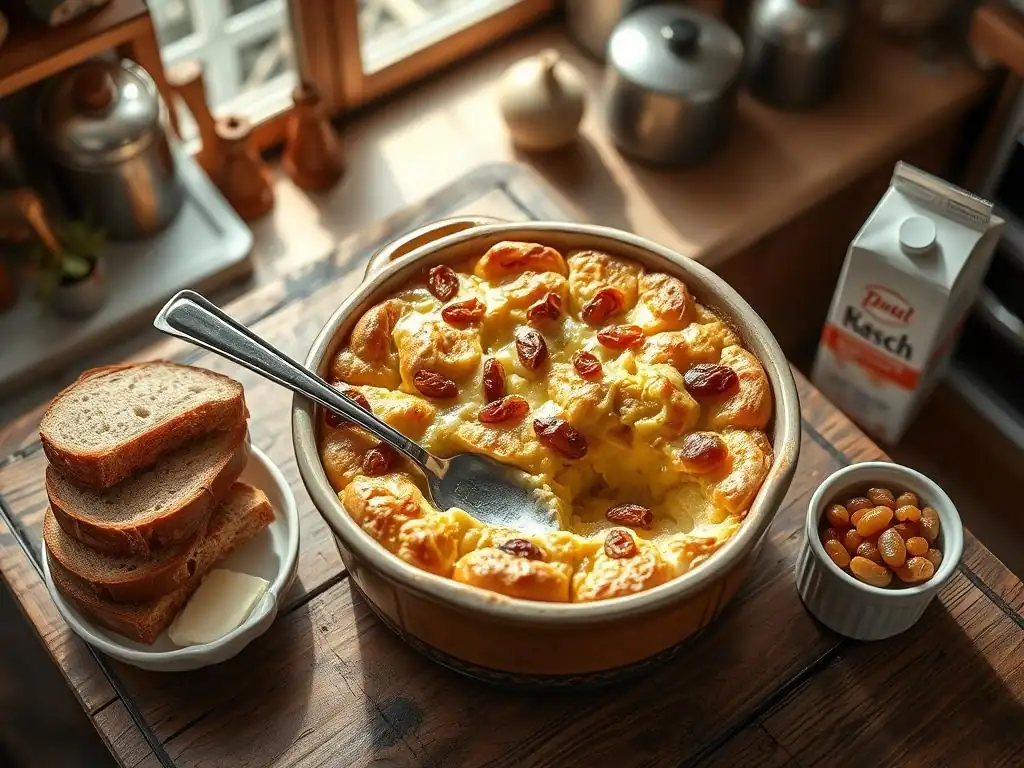
Welcome to BakeWithEase, your haven for all things baking! Ever dreamt of effortlessly whipping up a comforting classic? Then you're in the right place! Dive into our latest recipe, Easy Bread and Butter Pudding, and discover how simple it is to create this delightful dessert. But what makes this bread and butter pudding so special? Explore its origins and our unique twist to find out!
- Classic Bread and Butter Pudding Recipe
- A Traditional British Dessert
- Understanding Bread and Butter Pudding
- Step-by-Step Bread and Butter Pudding Recipe
- Variations and Customizations
- Tips and Tricks
- More British Baking Recipes
- Enjoy Your Bread and Butter Pudding!
-
Frequently Asked Questions
- What makes this bread and butter pudding recipe "easy"?
- Can I substitute any ingredients in this bread and butter pudding recipe?
- How long does it take to prepare and bake this bread and butter pudding?
- What's the best way to store leftover bread and butter pudding?
- What are some serving suggestions for this easy bread and butter pudding?
- Final Reflection: The Enduring Comfort of a Simple Pudding
- Unlock Your Inner Baker: Master the Art of Bread and Butter Pudding!
Classic Bread and Butter Pudding Recipe
A Traditional British Dessert
There are few desserts that evoke the feeling of warmth and nostalgia quite like a classic bread and butter pudding. This humble dish, deeply rooted in British culinary tradition, transforms simple, everyday ingredients into something truly special. It's the kind of dessert that has graced countless family tables, providing comfort on a chilly evening or acting as a sweet ending to a hearty meal. Its charm lies in its simplicity and the delightful contrast of textures – soft, tender bread enveloped in rich, creamy custard, often with a hint of sweetness from dried fruit and a sprinkle of spice.
Making an easy bread and butter pudding is a rewarding experience, accessible even to novice bakers. The process is straightforward, involving layering buttered bread with custard and baking until golden and set. It's a testament to the ingenuity of traditional cooking, making the most of leftover bread and pantry staples. Whether you're looking for a simple dessert to whip up quickly or want to delve into the comforting world of British baking, this easy bread and butter pudding recipe is the perfect place to start. It's a dish that satisfies both the sweet tooth and the soul.
Understanding Bread and Butter Pudding
History of Bread and Butter Pudding
The origins of bread and butter pudding can be traced back several centuries in Britain, evolving from a dish known as "poor knight's pudding" or "waste bread pudding." These early versions, documented as far back as the 17th century, were essentially a way to use up stale bread, layering it with milk or cream and perhaps some sweetener before baking.
It was a frugal dish, born out of necessity, highlighting the resourcefulness of cooks who sought to minimize waste. Over time, it became more refined, incorporating butter, eggs, and spices, transforming it from a basic sustenance food into a beloved dessert.
By the Victorian era, bread and butter pudding had become a popular nursery pudding and a staple in many households. Cookbooks from this period often featured recipes, sometimes including additions like dried fruit or citrus zest, reflecting a growing appreciation for its simple yet satisfying nature. The fundamental principle, however, remained the same: leveraging stale bread soaked in a rich, eggy custard. This historical context underscores why an easy bread and butter pudding remains a timeless classic – it's a dish with a rich heritage that continues to bring comfort and joy to generations.
Why Bread and Butter Pudding is a Comforting Dessert
Bread and butter pudding embodies comfort for several reasons. Firstly, its core ingredients – bread, butter, milk, eggs, and sugar – are simple, familiar, and readily available, evoking a sense of home and security. There's nothing exotic or intimidating about them, making the dish feel approachable and grounding. The process of baking it fills the kitchen with warm, inviting aromas of toasted bread, sweet custard, and perhaps a hint of spice like nutmeg, creating a cozy atmosphere that is inherently comforting.
Furthermore, the texture of a well-made easy bread and butter pudding is incredibly soothing. You have the slightly crisp edges of the bread on top giving way to the soft, yielding interior, all saturated with smooth, creamy custard. This delightful mouthfeel, combined with the gentle sweetness, provides a sense of indulgence without being overly rich or complicated. It's a dessert that feels like a warm hug, perfect for unwinding after a long day or sharing with loved ones on a quiet afternoon.
Step-by-Step Bread and Butter Pudding Recipe
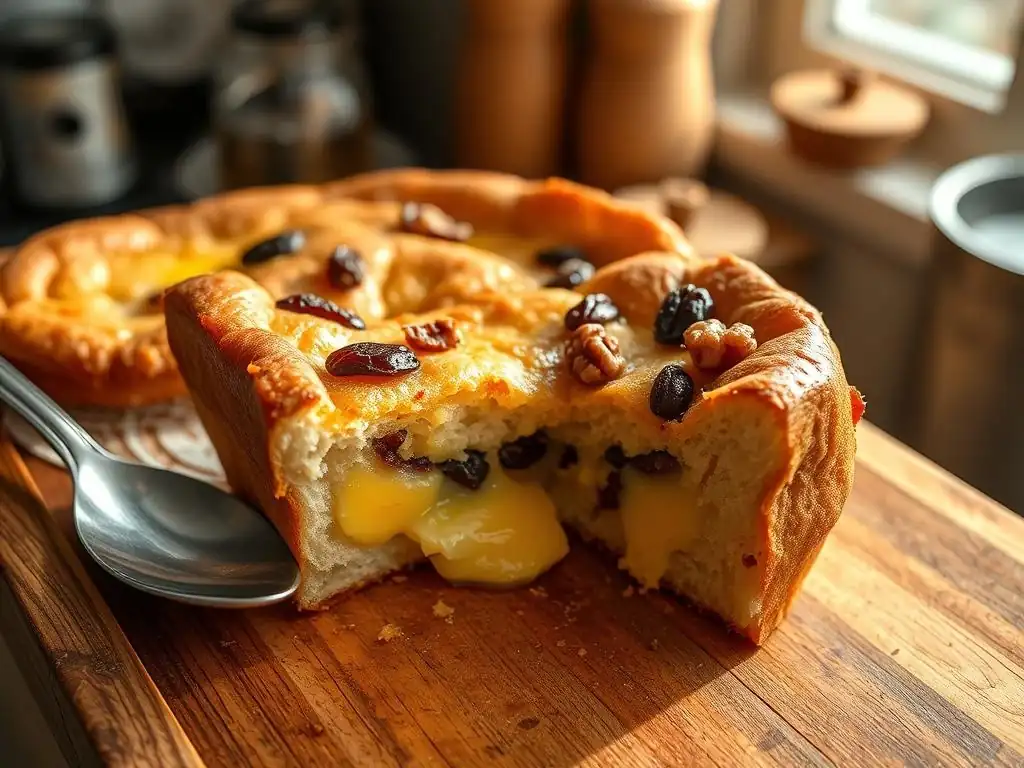
Ingredients for Authentic Bread and Butter Pudding
Creating a delicious and easy bread and butter pudding starts with selecting the right ingredients. While the base is simple, the quality and type of each component can influence the final result. You'll need slices of bread, softened butter, whole milk or a mix of milk and cream, eggs, sugar, and usually some form of dried fruit and spice. Using whole milk or adding some heavy cream will result in a richer, more luxurious custard, contributing significantly to the pudding's comforting texture.
For a typical recipe serving about 4-6 people, you might use roughly 6-8 slices of bread, about 30-40g of butter, around 500ml of milk/cream, 2-3 large eggs, and about 50-70g of sugar. These are approximate quantities, and you can adjust them based on the size of your baking dish and desired richness. Don't forget a pinch of salt to balance the sweetness and your chosen spices like nutmeg or cinnamon.
Bread and Butter Pudding Ingredients Checklist
- [ ] Slices of bread (slightly stale is ideal)
- [ ] Unsalted butter, softened
- [ ] Whole milk or a mix of milk and cream
- [ ] Large eggs
- [ ] Granulated sugar
- [ ] Dried fruit (optional, e.g., raisins, sultanas)
- [ ] Spice (optional, e.g., nutmeg, cinnamon)
- [ ] Pinch of salt
Bread Options: White Bread, Challah
The type of bread you choose significantly impacts the texture of your easy bread and butter pudding. Traditional recipes often call for plain white bread, sliced relatively thinly. The slightly stale nature of the bread is actually beneficial, as it helps absorb the custard better without becoming completely disintegrated during baking. A good quality, standard loaf works perfectly.
For a richer pudding, consider using brioche or challah bread. These types of bread are enriched with eggs and butter, giving them a softer crumb and a slightly sweeter flavour. They absorb the custard beautifully and result in a pudding with a more tender, almost cake-like texture. Sourdough isn't typically used as its tang can clash with the sweet custard, but feel free to experiment once you've mastered the classic easy bread and butter pudding.
Customizing: Raisins, Dried Cranberries
Adding dried fruit is a popular way to enhance the flavour and texture of an easy bread and butter pudding. Raisins or sultanas are traditional choices, providing little bursts of sweetness and chewiness throughout the pudding. You can soak them in a little warm water or even a splash of rum or brandy for extra flavour before adding them to the dish.
Beyond raisins, other dried fruits like dried cranberries, chopped apricots, or even mixed peel can be used. Dried cranberries offer a lovely tart contrast to the sweet custard. Simply scatter your chosen dried fruit amongst the layers of buttered bread before pouring over the custard. The heat of the oven will plump them up, making them juicy and delicious.
Preparing the Bread Base
Cutting and Buttering the Bread
Preparation is key to a successful easy bread and butter pudding. Start by slicing your bread. If you're using a standard loaf, slices about 1-1.5 cm thick are ideal. For enriched breads like brioche or challah, slightly thicker slices (around 2 cm) can also work well, as they hold their structure nicely. The bread can be fresh, but day-old or slightly stale bread is often preferred as it absorbs the custard more effectively.
Once sliced, generously butter one side of each slice of bread. Use softened butter, as it's much easier to spread evenly without tearing the bread. Ensure the butter goes right to the edges – this butter layer is crucial. It not only adds richness and flavour but also helps create that lovely slightly crisp top layer during baking. Some traditionalists even suggest trimming the crusts, but leaving them on adds texture and reduces waste, fitting with the dish's origins.
Arranging the Bread in the Dish
The arrangement of the buttered bread in the baking dish is simple but important for ensuring even cooking and custard distribution in your easy bread and butter pudding. Typically, the buttered slices are arranged in overlapping layers in a greased ovenproof dish. You can cut the slices in half diagonally or into quarters if using a smaller or round dish to make them fit neatly.
Arrange the first layer, butter-side up, covering the bottom of the dish. Then, add subsequent layers, overlapping the previous ones slightly, until you've used all the bread. Ensure there are no large gaps, allowing the custard to penetrate evenly. If adding dried fruit, scatter it between the layers of bread as you build them up. This layered structure allows the custard to soak into every piece of bread, creating that characteristic soft, pudding-like texture throughout.
Creating the Custard
Making the Custard for Bread and Butter Pudding
The heart of an easy bread and butter pudding is its creamy custard. Making the custard is straightforward. In a medium bowl, whisk together the eggs and sugar until well combined and the sugar has started to dissolve. You don't need to whisk vigorously, just enough to break up the eggs and incorporate the sugar.
In a saucepan, gently heat the milk (and cream, if using) over medium heat. Don't let it boil; you're just warming it through. Once warm, slowly pour the warm milk mixture into the egg and sugar mixture, whisking continuously. This process, called tempering, prevents the eggs from scrambling. Whisk in any flavourings like vanilla extract or spices at this stage. The resulting mixture is your liquid custard base, ready to be poured over the prepared bread.
Achieving a Smooth Custard
A smooth custard is essential for the perfect texture in your easy bread and butter pudding. The primary way to achieve this is by whisking the eggs and sugar together properly and then slowly adding the warm milk while continuously whisking. This gradual addition and constant movement ensure the eggs are gently cooked by the heat of the milk rather than curdling.
If, despite your best efforts, you notice any small lumps or feel the custard isn't perfectly smooth after mixing, you can strain the custard mixture through a fine-mesh sieve before pouring it over the bread. This extra step is quick and effective at removing any rogue bits of cooked egg or undissolved sugar, guaranteeing a silky smooth custard that will bake beautifully into your easy bread and butter pudding.
Assembling and Baking
Pouring Custard Over Bread
Once your bread is arranged in the dish and the custard is made, it's time to combine them. Carefully and slowly pour the liquid custard mixture evenly over the layers of buttered bread. Make sure the custard covers all the bread, allowing it to seep into every nook and cranny. You should see the bread immediately start to absorb the liquid.
For the best results and to ensure the bread is fully saturated, let the assembled pudding sit for about 15-30 minutes before baking. This resting period allows the bread to soak up a significant amount of the custard, leading to a more uniformly tender texture throughout the finished easy bread and butter pudding. Don't skip this step if you want a truly delicious result.
Baking Time and Temperature
Baking is where the magic happens, transforming the layered bread and custard into a glorious easy bread and butter pudding. Preheat your oven to a moderate temperature, typically around 180°C (160°C fan/350°F). Place the assembled dish in the preheated oven.
The baking time will vary depending on your oven and the depth of your dish, but it usually takes between 35 to 50 minutes. You'll know the pudding is ready when the top is golden brown and slightly puffed, and the custard has set. To check if the custard is set, gently insert a knife or skewer into the centre; it should come out mostly clean, with perhaps a little moistness from the custard. Be careful not to overbake, as this can result in a dry or rubbery texture.
Cooling and Serving
After removing your easy bread and butter pudding from the oven, it's important to let it cool slightly before serving. While it's tempting to dig in immediately, letting it rest for 10-15 minutes allows the custard to finish setting and the flavours to meld. The pudding will firm up a bit as it cools but should remain soft and yielding in the centre.
Serve the bread and butter pudding warm. It is traditionally served simply, perhaps with a dusting of icing sugar or a sprinkle of nutmeg. It's also wonderful accompanied by a variety of sauces or accompaniments. A drizzle of cream, custard (hot or cold), ice cream, or even a fruit compote makes excellent partners for this comforting dessert. Enjoy your homemade easy bread and butter pudding!
Variations and Customizations
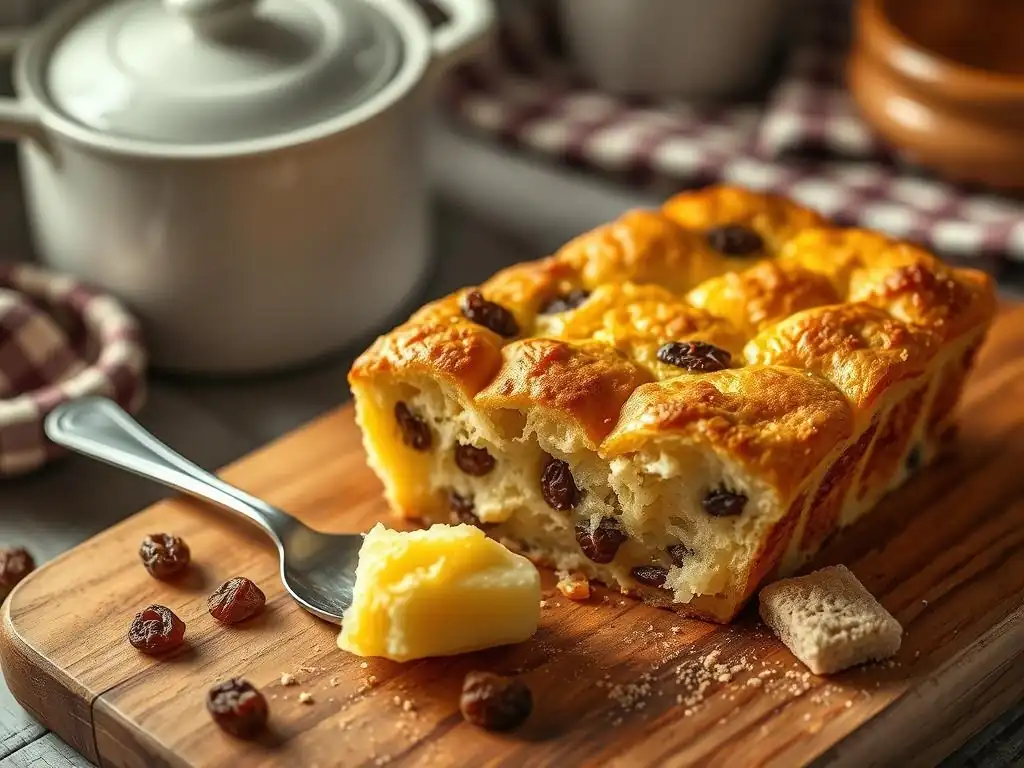
Adding Flavors and Spices
While a classic easy bread and butter pudding is delightful on its own, adding flavourings and spices can elevate it further. Vanilla extract is a common addition to the custard, enhancing its sweetness and aroma. Just a teaspoon stirred into the warm milk mixture before tempering the eggs makes a noticeable difference.
Spices like ground nutmeg or cinnamon are also traditional and complement the sweet, creamy profile beautifully. You can add a pinch of nutmeg to the custard mixture or sprinkle cinnamon over the layers of bread. A combination of cinnamon, nutmeg, and a tiny pinch of ground cloves can add a lovely warmth, particularly suited for autumn or winter. Experiment with different spices like cardamom or ginger for a unique twist on your easy bread and butter pudding.
Bread and Butter Pudding with Apples
Adding fruit like apples creates a wonderful variation on the classic easy bread and butter pudding, introducing tartness and different textures. Thinly sliced apples (such as Bramley or Granny Smith for tartness, or Braeburn or Honeycrisp for sweetness) can be layered with the buttered bread. You might want to lightly sauté the apple slices with a little butter and sugar first to soften them slightly and bring out their flavour, or simply layer them thinly and raw.
Arrange the apple slices between the layers of buttered bread and dried fruit (if using) before pouring over the custard. The apples will soften as the pudding bakes, adding a lovely fruity dimension that pairs wonderfully with the rich custard and soft bread. This apple bread and butter pudding variation is particularly comforting and feels a bit heartier than the plain version.
Chocolate Bread and Butter Pudding
For chocolate lovers, transforming the classic into a chocolate bread and butter pudding is surprisingly easy. This variation offers a decadent twist on the humble dessert. There are a couple of ways to incorporate chocolate. You can add chocolate chips or chunks amongst the layers of buttered bread along with or instead of dried fruit. Dark, milk, or white chocolate can be used depending on your preference.
Alternatively, you can make a chocolate custard. Gently melt some chocolate (around 50-100g per 500ml of milk) into the warm milk mixture before tempering it with the eggs. Or, whisk a few tablespoons of good quality cocoa powder into the dry ingredients (sugar and eggs) before adding the milk. Either method creates a rich, chocolatey custard that soaks into the bread, resulting in a truly indulgent easy bread and butter pudding experience.
Tips and Tricks
Preventing a Soggy Pudding
One common issue people encounter is a soggy bread and butter pudding. To prevent this, ensure you use bread that is slightly stale; fresh bread can become too mushy. Also, allow the assembled pudding to soak for the recommended 15-30 minutes before baking. This initial soak ensures the bread absorbs the custard evenly before hitting the heat, rather than just sitting in a pool of liquid.
Another key is the baking process itself. Make sure your oven is preheated correctly. Baking at the right temperature for the correct amount of time is crucial for the custard to set properly. If the heat is too low or the baking time too short, the custard won't set, resulting in a watery, soggy bottom. The top should be golden and the custard firm when gently prodded.
Achieving Ideal Texture
The ideal easy bread and butter pudding has a contrasting texture: a slightly crisp, golden top layer of bread giving way to a soft, creamy, custard-soaked interior. Using buttered bread is essential for the top layer to crisp up nicely. Arranging the bread slices so that some edges are exposed on the surface helps achieve this delightful texture.
Ensuring the custard is properly set is also vital for the right texture. As mentioned, don't underbake. The custard should be set but still have a slight wobble. Overbaking can make the custard rubbery and the bread dry. Using whole milk or adding cream contributes to a richer, smoother custard that sets beautifully without becoming tough.
Storage and Reheating
If you have leftovers of your delicious easy bread and butter pudding, they can be stored. Allow the pudding to cool completely, then cover the dish tightly with plastic wrap or transfer portions to airtight containers. It can be stored in the refrigerator for 2-3 days.
To reheat, individual portions can be gently warmed in a microwave until hot through. For a larger dish, cover it loosely with foil to prevent the top from burning and reheat in a moderate oven (around 160°C/140°C fan/320°F) for 15-20 minutes, or until heated through. Be careful not to overheat, as this can dry out the pudding. Reheating often makes the pudding slightly firmer, but it will still be comforting and delicious.
More British Baking Recipes
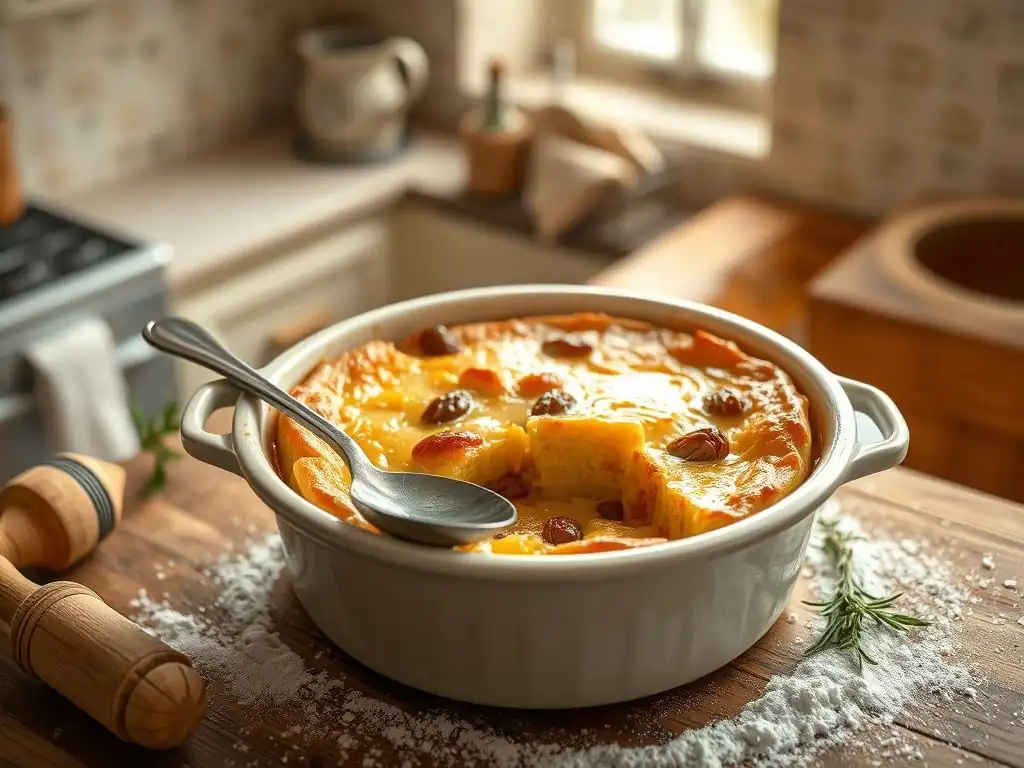
Once you've mastered the easy bread and butter pudding, why not explore other delights from British baking? Many classic British treats share that same comforting, straightforward appeal.
Easy Scone Recipe
A simple scone recipe is another must-have for any British baking enthusiast. Perfect with clotted cream and jam, scones are quick to make and wonderfully versatile.
Victoria Sponge Cake Guide
Learn how to bake a classic Victoria sponge cake, a light and airy cake filled with jam and cream, perfect for afternoon tea.
Enjoy Your Bread and Butter Pudding!
Frequently Asked Questions
What makes this bread and butter pudding recipe "easy"?
This recipe emphasizes simple ingredients and straightforward steps, making it accessible even for beginner bakers. You won't need any complicated techniques or hard-to-find ingredients.
Can I substitute any ingredients in this bread and butter pudding recipe?
Yes, within reason! You can experiment with different types of bread, like brioche or challah. For the custard, consider using different extracts to alter the flavor profile.
How long does it take to prepare and bake this bread and butter pudding?
The preparation time is minimal, usually around 15-20 minutes. Baking typically takes around 30-40 minutes, depending on your oven.
What's the best way to store leftover bread and butter pudding?
Store leftover bread and butter pudding in the refrigerator, covered, for up to 3 days. Reheat gently in the oven or microwave before serving.
What are some serving suggestions for this easy bread and butter pudding?
Serve it warm with a scoop of vanilla ice cream, a drizzle of custard, or a dollop of whipped cream. It's also delicious on its own!
Final Reflection: The Enduring Comfort of a Simple Pudding
The humble bread and butter pudding, a dish often overlooked, offers a surprisingly potent antidote to the frenetic pace of modern life. Its simplicity belies a depth of flavor and satisfaction that resonates deeply with our need for comforting, familiar tastes. In a world obsessed with culinary complexity, this recipe reminds us that sometimes, the most rewarding experiences are found in the simplest of things.
The enduring appeal of bread and butter pudding lies not just in its deliciousness, but in its ability to transform leftover bread into something truly special. It's a testament to resourcefulness and a celebration of the everyday. This recipe, passed down through generations in countless variations, speaks to a shared human experience of finding joy in simple pleasures. The best things in life are simple.
This adage rings particularly true when considering the comforting warmth of a perfectly baked bread and butter pudding.
Now, I invite you to consider the power of this simple recipe. Don't just bake it; experience it. Notice the aroma filling your kitchen, the satisfying texture, and the way it brings a sense of calm and contentment. Share it with loved ones, and create your own memories around this timeless classic. Let the ease of this recipe inspire you to find joy in the simple things, and to embrace the comforting rituals that enrich our lives.
Unlock Your Inner Baker: Master the Art of Bread and Butter Pudding!
Thanks for spending some time with us and exploring the delightful world of bread and butter pudding! We hope you discovered a new favorite comfort food recipe. Now it's time to put those baking skills to the test.
- Bake your own masterpiece: Grab your ingredients and whip up this delicious bread and butter pudding. Share a picture of your creation with us on social media – we’d love to see it!
- Experiment with flavors: Try adding different fruits, spices, or even a drizzle of honey to personalize your pudding. What unique twist will you create?
- Join our baking community: Leave a comment below and share your baking experiences, questions, or favorite bread and butter pudding variations. Let's inspire each other!
Ready to transform your kitchen into a haven of warm, comforting aromas? What unique ingredient will you add to your bread and butter pudding?