
Eggless Sponge Cake Secrets: Achieving Soft, Airy Layers Every Time

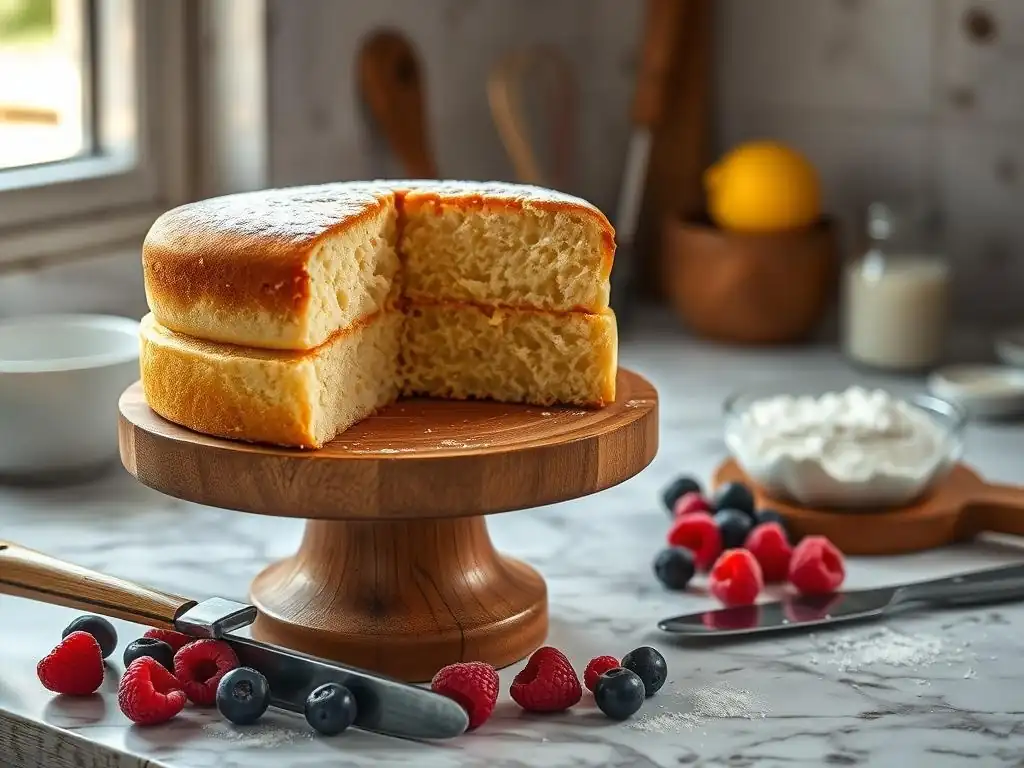
Welcome to BakeWithEase, your secret weapon for baking brilliance!
Ever dreamt of a light, airy sponge cake without the eggs? You're in the right place. Dive into our ultimate guide: " Eggless Sponge Cake Secrets: Achieving Soft, Airy Layers Every Time," and discover the surprisingly simple steps to creating a delicious, allergy-friendly masterpiece. Curious about the magic ingredient that makes it all possible? Keep reading to unlock the secrets!
- BakeWithEase Presents: Perfecting Your Eggless Sponge Cake
- Understanding the Science Behind Eggless Sponge Cake
- The Ultimate Eggless Sponge Cake Recipe Easy
- Achieving the Perfect Texture: Tips and Tricks
- Flavor Variations for Your Eggless Sponge Cake
- Troubleshooting Your Eggless Sponge Cake
- Serving and Storing Your Delicious Eggless Sponge Cake
- Mastering Egg-Free Baking: Beyond the Sponge Cake
-
Frequently Asked Questions
- What makes an eggless sponge cake rise properly?
- What are the best substitutes for eggs in an eggless sponge cake recipe?
- How can I prevent my eggless sponge cake from being dense or rubbery?
- What temperature and baking time are recommended for an "Eggless Sponge Cake Recipe Easy"?
- How do I ensure my eggless sponge cake is moist and doesn't dry out?
- Final Reflection: The Unexpected Joy of Eggless Baking
- Unlock Your Inner Baker: Master the Art of the Eggless Sponge!
BakeWithEase Presents: Perfecting Your Eggless Sponge Cake
Welcome to BakeWithEase, where we demystify baking for everyone! Today, we're diving into the delightful world of egg-free baking, specifically focusing on how to create a truly soft and airy eggless sponge cake. Many bakers believe achieving a light texture without eggs is a challenge, but with the right techniques and ingredients, it's entirely possible to bake a spectacular cake that rivals its traditional counterpart. This guide will walk you through the science, an easy eggless sponge cake recipe, essential tips, and troubleshooting, ensuring your success.
Mastering an eggless sponge cake recipe easy enough for beginners opens up possibilities for those with allergies or dietary preferences. Whether you're new to egg-free baking or looking to perfect your technique, this article provides the secrets to consistently light and fluffy results. We'll explore how common pantry staples can replace the functions of eggs and guide you step-by-step to a delicious bake.
Understanding the Science Behind Eggless Sponge Cake
Baking is often described as a science, and understanding the role of each ingredient is key to successful substitutions. In an eggless sponge cake, we need to replicate the functions that eggs typically provide: structure, leavening, moisture, and richness. This section explores what eggs do in traditional recipes and how we can effectively replace them to create a wonderful eggless sponge cake recipe easy for anyone to follow.
By grasping the 'why' behind the ingredient choices, you gain confidence in adapting recipes and troubleshooting issues. We'll look at specific ingredients that act as egg substitutes and how they contribute to the overall texture and rise of your eggless sponge cake. This foundational knowledge is crucial for consistent results in your egg-free baking journey.
The Role of Eggs in Traditional Sponge Cakes
In classic sponge cake recipes, eggs play several critical roles. The proteins in egg whites, when whipped, trap air bubbles, providing significant leavening and contributing to the cake's airy structure. As the cake bakes, these proteins coagulate, setting the structure and holding the shape of the cake. Egg yolks contribute fat and emulsifiers, adding richness, moisture, and tenderness, while also helping to bind ingredients together.
Without eggs, we lose these vital functions. A traditional sponge cake relies heavily on the volume created by whipped eggs; substituting them requires alternative methods to achieve that characteristic light and springy texture. Simply removing eggs without replacing their functions would result in a flat, dense, or crumbly cake. This is why developing an effective eggless sponge cake recipe easy to follow requires careful consideration of alternative binders, leaveners, and moistening agents.
Replacing Eggs: Key Ingredients for Eggless Baking
Successfully replacing eggs in a sponge cake involves using ingredients that can mimic their structural, leavening, binding, and moistening properties. There isn't usually one single ingredient that can do it all; often, a combination of substitutes is needed to achieve the desired texture and rise. Common replacements include plant-based options, fruit purées, yogurts, and specific leavening agents.
The effectiveness of a substitute can vary depending on the specific recipe and the primary function the egg was serving. For a light sponge, focusing on leavening and structure is paramount, while for a denser cake, binding and moisture might be the priority. For our easy eggless sponge cake recipe, we'll highlight a few key players that reliably deliver results.
Using Aquafaba for Lightness and Structure
Aquafaba, the liquid from canned chickpeas or other legumes, is a remarkable egg substitute, particularly for replicating the function of egg whites. When whipped vigorously, it forms stiff peaks similar to meringue, capable of trapping air and providing significant lift and structure to baked goods. This property makes it invaluable in recipes where a light and airy texture is crucial, like our eggless sponge cake.
Approximately 3 tablespoons of aquafaba can often replace one large egg in terms of binding and leavening. For a sponge cake, whipping the aquafaba to stiff peaks before gently folding it into the batter can dramatically improve the cake's rise and create that desired open crumb structure. While it doesn't add richness like egg yolks, its ability to provide lift is a game-changer for an easy eggless sponge cake recipe aiming for lightness.
Apple Sauce and Yogurt: Moisture and Binding
Ingredients like unsweetened apple sauce or plant-based yogurt (such as soy or coconut yogurt) serve multiple purposes in eggless baking. They add essential moisture to the batter, preventing the cake from becoming dry and crumbly, a common pitfall in egg-free recipes. Their slightly viscous texture also helps to bind the ingredients together, providing some of the structure and cohesion that eggs typically offer.
Using apple sauce or yogurt contributes to a tender crumb and can add a subtle tang or sweetness depending on the type used. About 1/4 cup of unsweetened apple sauce or yogurt can often replace one large egg in terms of moisture and binding. While they don't provide significant leavening on their own, they work synergistically with chemical leaveners to create a pleasing texture in an easy eggless sponge cake recipe.
Chemical Leaveners: Baking Powder and Baking Soda in Eggless Cakes
Chemical leaveners like baking powder and baking soda are crucial for providing lift in eggless baking, especially when substitutes don't offer much leavening on their own. Baking powder is a complete leavener, containing both an acid and a base, and reacts with liquid and heat to produce carbon dioxide gas, causing the batter to rise. Baking soda, a base, requires an acid (like vinegar, lemon juice, yogurt, or buttermilk) in the recipe to activate and produce gas.
In many eggless sponge cake recipes, you'll find a combination of baking powder and baking soda. This often ensures sufficient lift, especially when paired with acidic ingredients or moisture-rich substitutes. Using the correct balance of these leaveners is vital; too much can lead to a bitter taste or a cake that rises too quickly and then falls, while too little will result in a dense cake, defeating the purpose of an easy eggless sponge cake recipe aiming for lightness.
The Ultimate Eggless Sponge Cake Recipe Easy
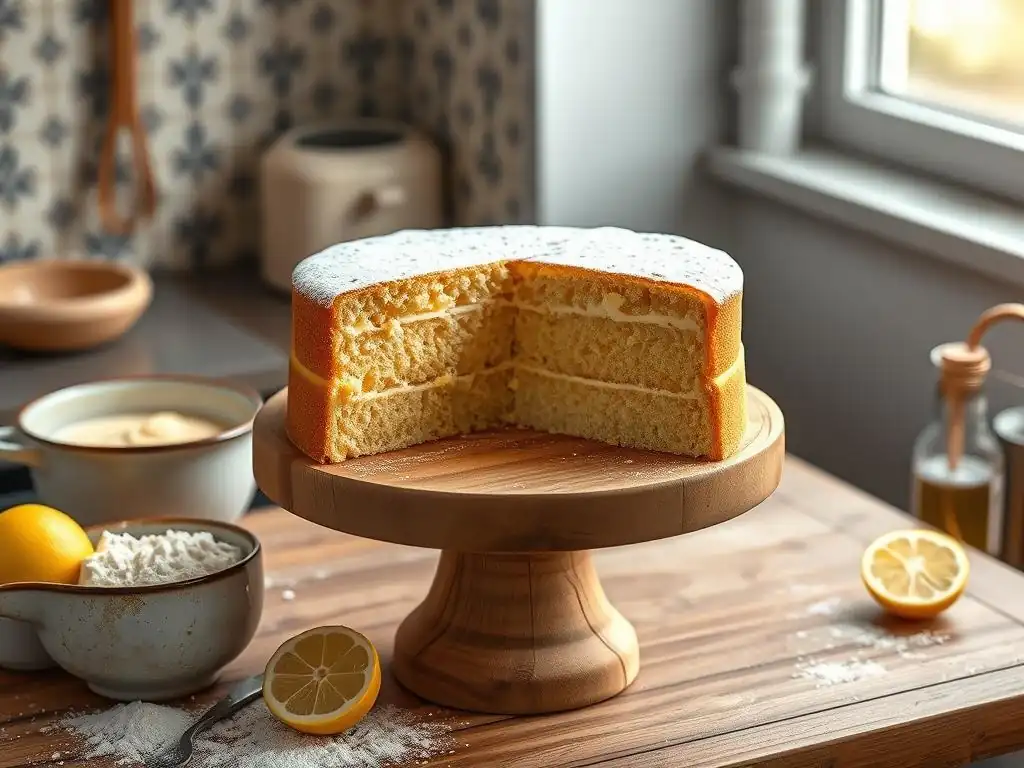
Ready to bake? This section provides a straightforward and reliable eggless sponge cake recipe easy enough for bakers of all levels. We've designed this recipe to minimize complexity while maximizing the chance of achieving a beautiful, soft, and airy result. Follow these steps closely, and you'll be enjoying a delightful slice of homemade eggless sponge cake in no time.
This recipe utilizes a combination of common egg substitutes to ensure both lift and tenderness. We'll guide you through the ingredients you'll need and then provide clear, step-by-step instructions from mixing the batter to cooling the finished cake. Get your measuring cups and bowls ready – your easy eggless sponge cake is just a few steps away!
BakeWithEase's Step-by-Step Guide to a Fluffy Eggless Sponge Cake
This guide breaks down the process into manageable steps, focusing on technique that promotes a light crumb. The key to a fluffy eggless sponge cake lies in careful mixing and proper baking temperature. We've tested this approach to provide a consistently positive outcome, making this a truly easy eggless sponge cake recipe.
Pay close attention to the mixing instructions, particularly how and when to combine wet and dry ingredients. Avoiding overmixing is crucial for preventing a tough texture. We also include tips on preparing your cake pan and checking for doneness, ensuring your cake bakes evenly and comes out perfectly every time you use this easy eggless sponge cake recipe.
Ingredient List for the Perfect Eggless Sponge Cake
Here are the simple ingredients you'll need for this easy eggless sponge cake recipe. Ensure all cold ingredients, like yogurt or plant-based milk, are at room temperature before starting; this helps them combine smoothly with other ingredients, promoting a better texture and rise in your eggless sponge cake.
- All-purpose flour: 1 and 3/4 cups (about 210 grams)
- Granulated sugar: 1 and 1/2 cups (about 300 grams)
- Baking powder: 2 teaspoons
- Baking soda: 1/2 teaspoon
- Salt: 1/4 teaspoon
- Plant-based milk (such as almond or soy): 1 cup (240ml)
- Vegetable oil (or other neutral oil): 1/2 cup (120ml)
- Unsweetened apple sauce or plant-based yogurt: 1/4 cup (60g)
- Vanilla extract: 2 teaspoons
- White vinegar or lemon juice: 1 teaspoon
Detailed Instructions: Mixing, Baking, and Cooling
Follow these steps carefully to bake your easy eggless sponge cake:
- Preparation: Preheat your oven to 350°F (175°C). Grease and flour a 9-inch round cake pan, or line the bottom with parchment paper.
- Combine Dry Ingredients: In a large bowl, whisk together the flour, sugar, baking powder, baking soda, and salt. Ensure they are well combined to distribute the leaveners evenly throughout the batter for consistent rise in your eggless sponge cake.
- Combine Wet Ingredients: In a separate medium bowl, whisk together the plant-based milk, vegetable oil, apple sauce or yogurt, vanilla extract, and vinegar or lemon juice. The acid from the vinegar/lemon juice will react with the baking soda, initiating some leavening.
- Combine Wet and Dry: Pour the wet ingredients into the bowl with the dry ingredients.
- Mix Gently: Using a spatula or wooden spoon, gently fold the ingredients together until just combined. Do not overmix! A few small lumps are okay. Overmixing develops gluten, which can lead to a tough eggless sponge cake.
- Pour and Bake: Pour the batter evenly into the prepared cake pan. Tap the pan gently on the counter a couple of times to release any large air bubbles.
- Bake: Bake for 30-35 minutes, or until a toothpick inserted into the center comes out clean. The cake should be golden brown and spring back lightly when gently pressed. Baking time can vary slightly depending on your oven.
- Cooling: Let the cake cool in the pan on a wire rack for about 10-15 minutes before inverting it onto the wire rack to cool completely. Cooling on a rack allows air circulation, preventing moisture buildup that can make the bottom soggy.
Achieving the Perfect Texture: Tips and Tricks
Getting that ideal light and airy texture in an eggless sponge cake can sometimes feel elusive. It's not just about the ingredients; technique plays a significant role. This section shares valuable tips and highlights common pitfalls to avoid, helping you achieve perfect results with your easy eggless sponge cake recipe every time.
From how you handle the batter to how you cool the finished cake, small adjustments can make a big difference. We'll delve into the science behind these techniques, explaining why they are important for creating a tender crumb and a beautiful rise in your eggless sponge cake.
Secret to a Light and Airy Eggless Sponge Cake
The primary secret to a light and airy texture in eggless sponge cake lies in maximizing leavening while minimizing gluten development. Using a combination of baking powder and baking soda with an acid (like vinegar or lemon juice, as in our easy eggless sponge cake recipe) ensures a good initial rise. Additionally, some recipes incorporate creaming butter and sugar or whipping a specific egg replacer like aquafaba to incorporate more air upfront.
Beyond leaveners, the gentle handling of the batter is paramount. Overmixing develops gluten strands from the flour, which can make the cake tough and dense. Mixing just until the dry and wet ingredients are combined preserves the delicate structure formed by the leaveners and helps maintain an open, airy crumb.
Avoiding Common Mistakes in Eggless Baking
Eggless baking has its own set of challenges, and being aware of common mistakes can save you from disappointment. Many issues that arise, such as a dense cake or one that sinks, can be traced back to a few key errors in preparation or baking. By understanding these pitfalls, you can easily avoid them and ensure your easy eggless sponge cake recipe turns out beautifully.
We'll discuss the importance of accurate measurements, the impact of oven temperature fluctuations, and how impatience during the cooling process can affect the final texture. Addressing these common issues head-on will significantly improve your success rate in egg-free baking.
Overmixing the Batter: A Common Pitfall
Overmixing is perhaps the most frequent mistake in eggless baking, especially when working with wheat flour. Flour contains proteins that form gluten when combined with liquid and agitated. While some gluten development is needed for structure, too much makes the cake tough, chewy, and dense, the opposite of the desired light and airy eggless sponge cake.
Once you add the wet ingredients to the dry, mix only until no dry streaks of flour remain. Use a gentle folding motion with a spatula rather than vigorous whisking. Small lumps are perfectly acceptable and often disappear during baking. Resist the urge to beat the batter smooth; prioritizing minimal mixing is essential for a tender crumb in your easy eggless sponge cake recipe.
Oven Temperature and Baking Time: Getting it Right
Accurate oven temperature and correct baking time are critical for any cake, but especially for an eggless sponge. If the oven is too hot, the cake may dome excessively and crack, or the outside might burn before the inside is cooked through. If the oven is too cool, the cake may not rise properly, resulting in a dense texture. An oven thermometer can help verify your oven's actual temperature.
Baking time in our easy eggless sponge cake recipe is an estimate. Always check for doneness using the toothpick test towards the end of the suggested time range. Opening the oven door too early or too frequently can cause the temperature to drop rapidly, potentially causing the cake to sink, particularly in egg-free recipes where the structure might be slightly more delicate before it's fully set.
Cooling Techniques for a Tender Cake
Proper cooling is the final, often overlooked, step in achieving a tender eggless sponge cake. Leaving the cake in the hot pan for too long can cause residual heat to continue baking it, leading to a dry texture. However, removing it too soon can cause it to break apart as the structure hasn't fully set.
Allowing the cake to cool in the pan on a wire rack for 10-15 minutes allows it to firm up slightly before you attempt to invert it. Transferring it to a wire rack immediately after removing it from the pan ensures air circulates all around the cake, preventing moisture from accumulating on the bottom and making it soggy. Allowing the cake to cool completely on the rack before slicing or frosting is essential for a clean cut and the best texture.
Flavor Variations for Your Eggless Sponge Cake
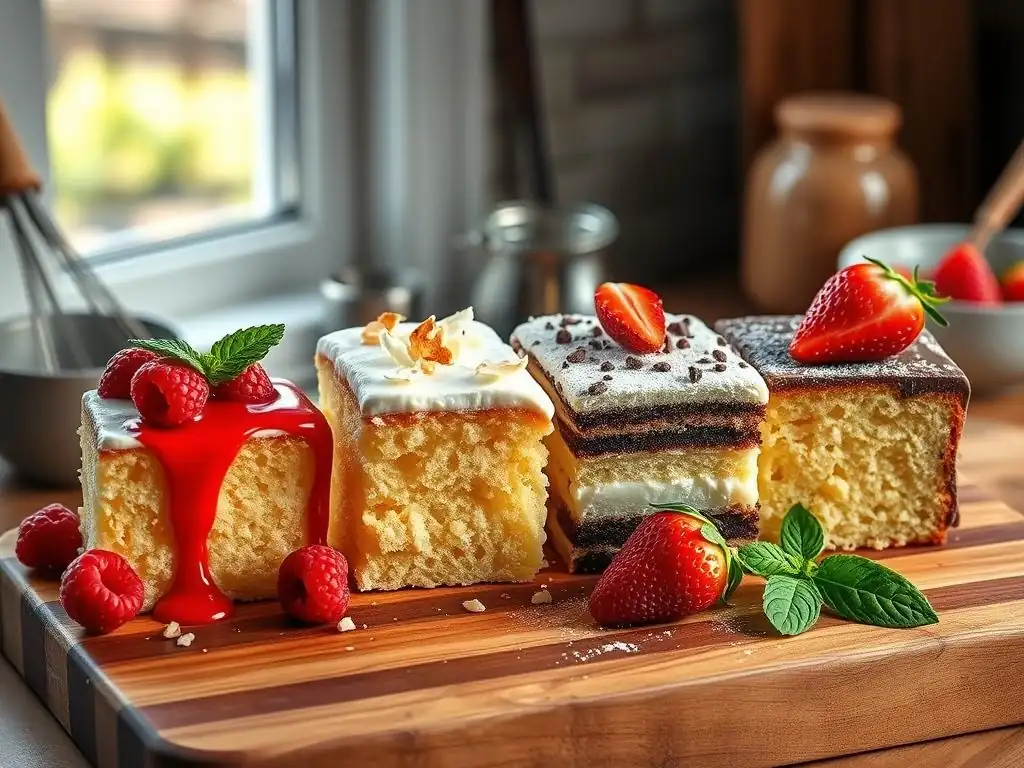
While a classic vanilla eggless sponge cake is delightful on its own, this versatile base recipe is perfect for experimenting with different flavors. Adding simple ingredients can transform your easy eggless sponge cake into a variety of delicious treats. This section explores some popular flavor variations you can easily incorporate.
From rich chocolate to bright citrus, these variations allow you to tailor your eggless sponge cake to different preferences and occasions. We'll discuss how to adapt the basic recipe to include these flavors without compromising the light and airy texture.
Vanilla Bean Eggless Sponge Cake: A Classic Choice
Elevating the classic vanilla flavor is simple and results in a more fragrant and sophisticated eggless sponge cake. Instead of or in addition to vanilla extract, you can scrape the seeds from half to a whole vanilla bean and add them to the wet ingredients. This provides tiny flecks of vanilla throughout the cake and a deeper, more complex vanilla aroma.
Another approach is to use high-quality vanilla bean paste, which offers a similar visual effect and intense flavor. The amount you use will depend on the strength of the paste, but typically 1-2 teaspoons are sufficient for this easy eggless sponge cake recipe. Ensure the vanilla is well distributed in the wet ingredients before combining with the dry.
Chocolate Eggless Sponge Cake: Rich and Decadent
Transforming your easy eggless sponge cake recipe into a rich chocolate version is very popular. This is typically done by replacing a small amount of the flour with unsweetened cocoa powder. For this recipe, substituting about 1/4 cup (20-25 grams) of the all-purpose flour with unsweetened cocoa powder usually yields a lovely chocolate flavor without significantly altering the texture.
For a deeper chocolate flavor, you can also add 1/2 teaspoon of instant espresso powder to the dry ingredients; it enhances the chocolate without adding a coffee taste. Ensure the cocoa powder is sifted with the flour to prevent lumps. The resulting chocolate eggless sponge cake is perfect for pairing with chocolate or vanilla frosting.
Lemon Eggless Sponge Cake: Zesty and Refreshing
A lemon eggless sponge cake offers a bright, refreshing twist on the classic. Incorporating lemon zest into the batter is the best way to capture the essential lemon oils and vibrant flavor. Add the zest of one to two medium lemons to the wet ingredients and whisk thoroughly to distribute the flavor throughout the batter.
You can also replace the white vinegar or lemon juice in the recipe with fresh lemon juice for an extra citrusy kick, maintaining the necessary acidity for leavening. Be mindful that using too much lemon juice might slightly alter the liquid balance, but the amount needed for leavening (around 1 teaspoon) is usually fine. A lemon glaze or frosting complements this variation beautifully.
Adding Fruits and Nuts to Your Eggless Sponge Cake
While a true sponge cake is typically plain to allow for soaking or layering, you can gently fold in small amounts of finely chopped fruits or nuts to your easy eggless sponge cake recipe for added texture and flavor. Avoid adding large or heavy pieces, as they can sink to the bottom during baking, resulting in an uneven crumb.
Think about adding 1/4 to 1/2 cup of finely chopped nuts like almonds or walnuts, or small berries like blueberries (if they are small and not too wet). Toss wet fruits like berries in a tablespoon of flour before adding them to the batter; this helps prevent them from sinking. Fold them in very gently in the final step of mixing to avoid deflating the batter or overdeveloping gluten.
Troubleshooting Your Eggless Sponge Cake
Even with a reliable easy eggless sponge cake recipe, baking can sometimes present challenges. Understanding common problems and their likely causes empowers you to fix issues in future bakes or even salvage a slightly imperfect one. This section addresses some frequent troubleshooting scenarios in egg-free baking.
Don't get discouraged if your first attempt isn't absolutely perfect. Baking, especially without traditional ingredients like eggs, often involves a learning curve. Identifying what went wrong is the first step to improvement, and many common issues have straightforward solutions that we'll outline here.
Common Problems and Solutions for Egg-Free Baking
Eggless cakes can sometimes be prone to issues like a dense texture, sinking centers, or dryness. These problems are usually related to the balance of ingredients, mixing technique, or baking conditions. Recognizing the symptoms helps you pinpoint the cause and adjust your process for the next time you bake your easy eggless sponge cake recipe.
We'll cover the most typical disappointments bakers face when omitting eggs and provide practical advice on how to prevent them. Many solutions involve paying closer attention to details like ingredient temperature, measurement accuracy, and not opening the oven door prematurely.
Cake Sinking in the Middle
A cake that sinks in the middle is often a sign that the structure wasn't fully set before cooling began. Common causes include underbaking, opening the oven door too early (causing a sudden temperature drop), or using too much leavener which causes the cake to rise too quickly and then collapse. In eggless cakes, insufficient structural support from substitutes can also contribute.
To prevent this with your easy eggless sponge cake recipe, ensure you bake it for the full recommended time or until the toothpick test comes out clean from the very center. Avoid opening the oven door during the first 25-30 minutes of baking. Check that your baking powder and soda are fresh and measured accurately; excess leavening can be detrimental. Ensure your oven temperature is accurate using a thermometer.
Dry and Crumbly Texture
A dry and crumbly eggless sponge cake usually indicates insufficient moisture or overbaking. Since eggs contribute moisture and fat, their substitutes must adequately compensate. Using the correct amount of oil, apple sauce, or yogurt as specified in the easy eggless sponge cake recipe is crucial.
Overbaking is another major culprit. Baking for too long or at too high a temperature evaporates moisture from the cake, resulting in a dry crumb. Always check for doneness at the earlier end of the suggested baking time. Ensure your measuring cups are accurate, particularly for liquids and flour, as too much flour will also absorb excess moisture.
Dense and Heavy Cake
A dense or heavy texture in an eggless sponge cake is often due to insufficient leavening or overmixing. If the leaveners (baking powder and soda) aren't fresh or are measured incorrectly, they won't produce enough gas to lift the batter. Overmixing develops gluten, which creates a tough, dense structure that traps gases and prevents a light rise.
Ensure your leaveners are active; test baking powder by adding a teaspoon to hot water (it should fizz vigorously) and baking soda by adding a teaspoon to vinegar (it should also fizz). Measure accurately using level scoops. Most importantly, mix the batter only until the dry ingredients are just incorporated into the wet, stopping as soon as no dry flour streaks are visible. This gentle approach is key to a light eggless sponge cake recipe.
Serving and Storing Your Delicious Eggless Sponge Cake
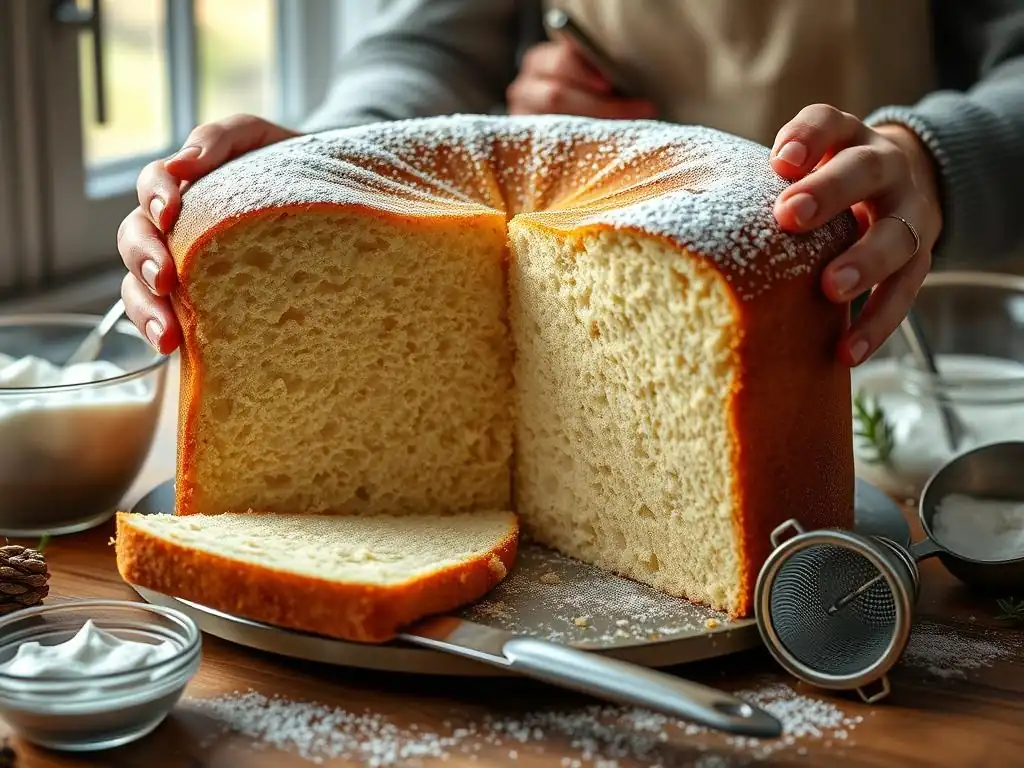
Once your beautiful, light, and airy eggless sponge cake is baked and cooled, it's ready to be enjoyed! How you choose to serve it and how you store any leftovers can enhance the experience and maintain its freshness. This section offers suggestions for presentation and practical advice for keeping your eggless sponge cake delicious.
Whether you plan to serve it plain, with a simple dusting of sugar, or as the base for a more elaborate dessert, a properly cooled and handled cake will provide the best foundation. We'll also cover how to store your easy eggless sponge cake to keep it moist and flavorful for as long as possible.
Serving Suggestions: Toppings and Frostings
A simple eggless sponge cake is wonderfully versatile. It can be served plain with a dusting of powdered sugar for a light treat. For a classic pairing, fresh berries and a dollop of egg-free whipped cream or coconut cream are perfect. The cake is also excellent served with fruit compotes or sauces, allowing the sponge to absorb some of the delicious liquid.
If you prefer frosting, an egg-free buttercream or ganache works beautifully. The light texture of the eggless sponge cake provides a lovely contrast to richer toppings. Consider layering it with jam and cream for an egg-free Victoria sponge style cake, or using it as the base for trifles by cutting it into cubes and layering with fruit and custard.
Proper Storage Techniques for Freshness
To keep your easy eggless sponge cake fresh, proper storage is essential. Once completely cooled, if the cake is unfrosted, wrap it tightly in plastic wrap or aluminum foil, or place it in an airtight cake container. This prevents air exposure, which can dry out the cake and make it stale quickly.
Store the wrapped cake at room temperature for up to 2-3 days. If it's frosted, especially with a frosting containing perishable ingredients, it may need to be stored in the refrigerator. When refrigerating, cover it well to prevent it from absorbing odors. For longer storage, unfrosted cake can be tightly wrapped and frozen for up to 2-3 months; thaw overnight in the refrigerator before bringing to room temperature to serve.
Mastering Egg-Free Baking: Beyond the Sponge Cake
Baking a successful easy eggless sponge cake is a fantastic achievement and a great stepping stone into the wider world of egg-free baking. The principles you've learned here – understanding ingredient functions, careful mixing, and proper baking techniques – are applicable to many other recipes. Don't stop here; explore the many delicious possibilities that egg-free baking offers.
BakeWithEase has a wealth of resources for bakers of all levels, including those focusing on dietary needs. Expanding your egg-free repertoire means you can create cookies, muffins, brownies, and more, all without eggs, opening up a world of treats for everyone to enjoy.
Exploring Other Egg-Free Baking Recipes on BakeWithEase
Having mastered this easy eggless sponge cake recipe, you're well-equipped to try other egg-free delights. On BakeWithEase, you can find recipes for fudgy eggless brownies that are just as rich and moist as traditional ones, or chewy eggless chocolate chip cookies that hold their shape perfectly.
We also feature guides on making egg-free muffins, cupcakes, and even breads. Each recipe utilizes different combinations of egg substitutes and techniques tailored to achieve the best possible texture and flavor for that specific type of baked good. Continue exploring and experimenting to find your new favorites.
Resources for Egg-Free Baking: Further Learning
To deepen your understanding and success in egg-free baking, consider exploring resources that explain the science behind various egg substitutes in more detail. Many culinary resources and baking books delve into the specific properties of ingredients like flax eggs, chia eggs, commercial egg replacers, and how they interact with other baking components.
Understanding ingredient ratios and how to adjust them based on the specific substitute you're using can give you the confidence to adapt traditional recipes or troubleshoot issues more effectively. Websites like BakeWithEase provide articles and guides that break down these concepts, empowering you to become a truly masterful egg-free baker.
Frequently Asked Questions
What makes an eggless sponge cake rise properly?
The rise in an eggless sponge cake relies heavily on chemical leavening agents like baking powder and baking soda. These create air bubbles that expand during baking, giving the cake its light and airy texture.
What are the best substitutes for eggs in an eggless sponge cake recipe?
Common substitutes include aquafaba (chickpea brine), applesauce, or a combination of vinegar and baking soda. These provide moisture and contribute to the cake's structure.
How can I prevent my eggless sponge cake from being dense or rubbery?
Avoid overmixing the batter, as this can develop gluten and result in a tough texture. Also, ensure your leavening agents are fresh and properly measured.
What temperature and baking time are recommended for an "Eggless Sponge Cake Recipe Easy"?
Baking temperatures usually range from 350°F to 375°F (175°C to 190°C), and baking time typically varies between 25 to 35 minutes, depending on the cake pan size. Always check for doneness with a toothpick.
How do I ensure my eggless sponge cake is moist and doesn't dry out?
Adding ingredients like oil or yogurt can enhance moisture. Avoid overbaking, and consider brushing the cake with a simple syrup after baking to lock in moisture.
Final Reflection: The Unexpected Joy of Eggless Baking
The quest for a perfect eggless sponge cake transcends mere recipe following; it's a testament to the ingenuity of baking and the surprising delights found in unexpected places. This article explored the seemingly simple task of creating a light and airy sponge cake without eggs, a challenge that many home bakers initially deem insurmountable. We've uncovered the secrets to achieving that elusive soft texture, demonstrating that delicious, impressive baking is accessible to everyone, regardless of dietary restrictions or ingredient limitations.
The journey of mastering eggless sponge cake has been a personal one, revealing the profound impact seemingly small adjustments can have on the final product. The subtle shifts in technique, the careful balance of ingredients – these are the details that elevate a good cake to a truly exceptional one. This process mirrors life itself, where attention to detail and a willingness to experiment often yield the most rewarding results. The best things in life are the simple things.
This simple adage rings true in the kitchen, as well as in life's broader tapestry.
Now, it's your turn. Don't be intimidated by the perceived complexity of baking. Embrace the challenge of creating your own eggless sponge cake masterpiece. Experiment with different flours, extracts, and even frosting techniques. Let this article be your springboard to culinary exploration, a testament to the power of creativity and the joy of sharing delicious, homemade treats with loved ones. The perfect eggless sponge cake awaits – bake it, share it, and savor the moment.
Unlock Your Inner Baker: Master the Art of the Eggless Sponge!
Thanks for taking the time to explore the secrets of the perfect eggless sponge cake! We hope you've gained valuable insights and are ready to create light, airy layers that will impress everyone. Now it's time to put your newfound knowledge into practice.
- Bake your dream eggless sponge: Grab your ingredients and try the recipe today! Remember the key tips on creaming the butter and sugar, and sifting the dry ingredients – these are your secret weapons.
- Share your baking triumph: Post a photo of your magnificent creation on social media and tag us – we’d love to see your baking masterpiece! Use #EgglessSpongeMaster
- Explore our other eggless recipes: Discover a world of delicious egg-free baking possibilities on BakeWithEase. You might be surprised by what you can create!
Ready to amaze your friends and family with a stunning eggless sponge cake? What flavour will you try first?