
Chewy GlutenFree Oatmeal Chocolate Chip Bars: Oat Flour Tips

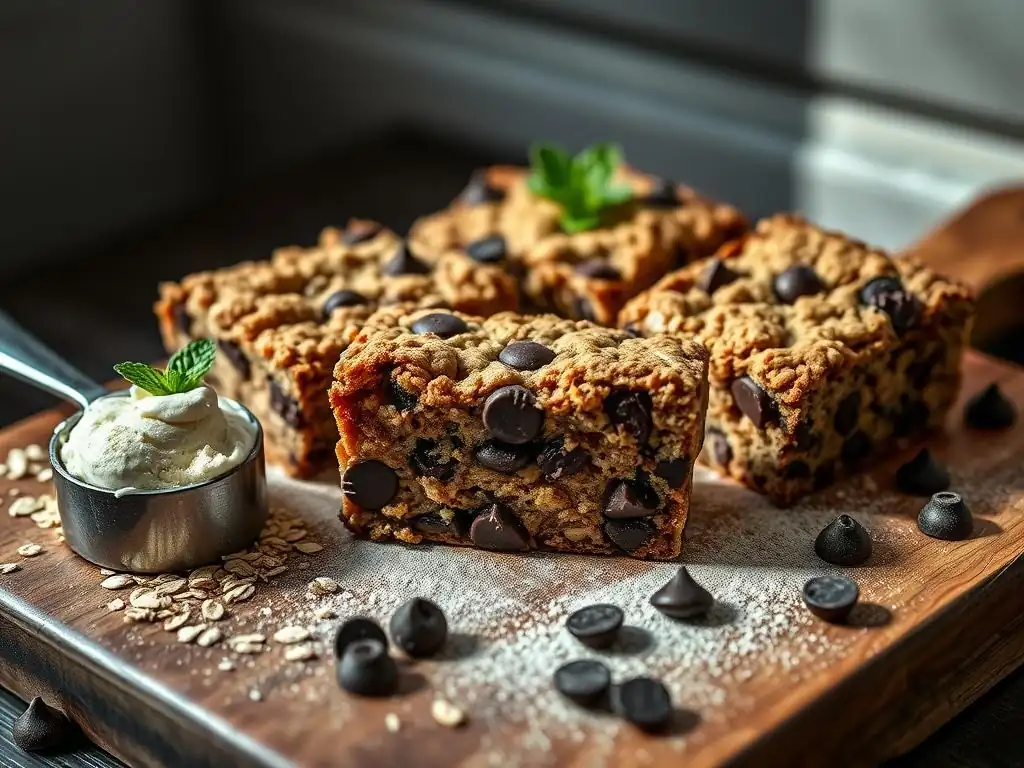
Welcome to BakeWithEase, where baking dreams become delicious realities! Ever wished for a treat that's both satisfying and caters to dietary needs? Get ready to sink your teeth into our Chewy GlutenFree Oatmeal Chocolate Chip Bars! But what's the secret to achieving that perfect, chewy texture without gluten? Dive in as we unlock the secrets of oat flour and provide expert tips to elevate your gluten-free baking game. Prepare to be amazed at how easy it is to create these irresistible bars!
- Chewy Gluten-Free Oatmeal Chocolate Chip Bars: Oat Flour Tips - BakeWithEase
- Introduction to Gluten-Free Chocolate Chip Oat Bars
- Mastering Gluten-Free Baking with Oat Flour
- The Ultimate Recipe: Chewy Gluten-Free Chocolate Chip Oat Bars
- Oat Flour Tips for Chewy Gluten-Free Bars
- Achieving the Perfect Chewy Texture in Gluten-Free Oat Bars
- Troubleshooting Common Gluten-Free Oatmeal Bar Problems
- Variations and Add-Ins for Gluten-Free Oatmeal Chocolate Chip Bars
- Storing and Serving Your Gluten-Free Chocolate Chip Oat Bars
- Conclusion: Enjoying Delicious Gluten-Free Chocolate Chip Oat Bars
-
Frequently Asked Questions
- How do I ensure my GlutenFree Chocolate Chip Oat Bars are chewy and not crumbly?
- Can I substitute other gluten-free flours for oat flour in this recipe?
- What kind of chocolate chips work best in GlutenFree Chocolate Chip Oat Bars?
- Are there any specific tips for working with gluten-free oat flour?
- How long do GlutenFree Chocolate Chip Oat Bars stay fresh?
- Final Reflection: The Enduring Appeal of Gluten-Free Baking
- Unleash Your Inner Baker: Master Gluten-Free Oatmeal Chocolate Chip Bars!
Chewy Gluten-Free Oatmeal Chocolate Chip Bars: Oat Flour Tips - BakeWithEase
Introduction to Gluten-Free Chocolate Chip Oat Bars
Why Bake Gluten-Free Oatmeal Chocolate Chip Bars?
Baking gluten-free chocolate chip oat bars is a fantastic way to enjoy a classic comfort treat while catering to dietary needs. For individuals with celiac disease, which affects roughly 1% of the global population according to recent studies, or those with non-celiac gluten sensitivity, finding delicious and safe baked goods can be a challenge.
These bars offer a delightful solution, allowing everyone to partake in the joy of a warm, chewy dessert straight from the oven. Beyond necessity, many bakers simply prefer the unique texture and slightly nutty flavor that oats bring to baked goods, making these bars a popular choice even for those without gluten restrictions.
Furthermore, incorporating certified gluten-free oats into your baking can add beneficial fiber to your diet. A typical serving of oats provides around 4 grams of fiber, including beta-glucan, known for its potential heart health benefits. By using oat flour and rolled oats, these gluten-free chocolate chip oat bars not only satisfy a sweet craving but also offer a more wholesome profile compared to traditional wheat-based versions. The relative simplicity of the ingredients and process also makes them an accessible project for bakers of all skill levels looking to venture into gluten-free baking.
BakeWithEase's Guide to Perfect Gluten-Free Oat Bars
Welcome to BakeWithEase's comprehensive guide to crafting truly exceptional chewy gluten-free chocolate chip oat bars. We understand that gluten-free baking can sometimes feel daunting, but with the right knowledge and techniques, you can achieve results that are just as delicious, if not more so, than their gluten-containing counterparts. This guide focuses specifically on leveraging the power of oat flour, a star ingredient in achieving that desirable chewy texture without relying on wheat. We'll walk you through selecting the best oat flour, understanding its properties, and incorporating it effectively into your recipe.
Throughout this article, we'll provide practical tips gleaned from years of baking experience, addressing common pitfalls and offering solutions. From ingredient ratios that promote chewiness to the ideal baking time and temperature, we've got you covered. Whether you're a beginner making your first batch of glutenfree chocolate chip oat bars or an experienced baker looking to perfect your technique, our aim is to equip you with the knowledge to bake with confidence and create bars that are consistently moist, flavorful, and wonderfully chewy, becoming a staple in your gluten-free repertoire.
Mastering Gluten-Free Baking with Oat Flour
Understanding Oat Flour for Gluten-Free Recipes
Oat flour is simply ground oats, but its behavior in baking is quite distinct from wheat flour due to the absence of gluten. Gluten is the protein network that provides structure and elasticity in traditional baked goods. Without it, gluten-free flours like oat flour require different handling and often benefit from binders to help ingredients hold together.
Oat flour has a fine, slightly sticky texture and a subtle, pleasant flavor that complements many dessert ingredients, especially chocolate and brown sugar which are key components of gluten-free chocolate chip oat bars. It absorbs liquid differently than wheat flour, often requiring slightly more moisture or a rest period for the flour to fully hydrate.
When using oat flour in gluten-free recipes, it's important to note that not all oat flour is created equal. Cross-contamination can occur during processing, so opting for certified gluten-free oat flour is crucial for individuals with celiac disease or severe sensitivities. The composition of oat flour includes a good amount of soluble fiber, which contributes to moisture retention and can help create a tender crumb.
However, too much oat flour without proper balance can lead to a dense or gummy texture. Understanding how it interacts with other ingredients, such as fats, sugars, and binding agents, is key to successful gluten-free baking.
The Benefits of Using Oat Flour in Chocolate Chip Bars
Using oat flour in gluten-free chocolate chip oat bars offers several significant advantages. Firstly, it imparts a wonderful, slightly nutty flavor that pairs exceptionally well with the sweetness of chocolate chips and brown sugar. This natural flavor enhances the overall taste profile of the bars, making them more complex and satisfying than those made with blander gluten-free flour blends. Secondly, oat flour contributes to achieving that coveted chewy texture. Its fiber content helps retain moisture, preventing the bars from becoming dry and crumbly, a common challenge in gluten-free baking.
Beyond flavor and texture, oat flour also adds nutritional value. As mentioned earlier, it's a good source of dietary fiber, including beta-glucan, which can help manage blood sugar levels and contribute to a feeling of fullness. It also contains protein, vitamins, and minerals like manganese and phosphorus. Compared to some refined gluten-free flours, oat flour offers a more nutrient-dense base for your baked goods. By choosing oat flour for your glutenfree chocolate chip oat bars, you're not just making a dietary adjustment; you're enhancing the flavor, texture, and nutritional quality of your treat.
The Ultimate Recipe: Chewy Gluten-Free Chocolate Chip Oat Bars
Ingredient List for Gluten-Free Oatmeal Bars
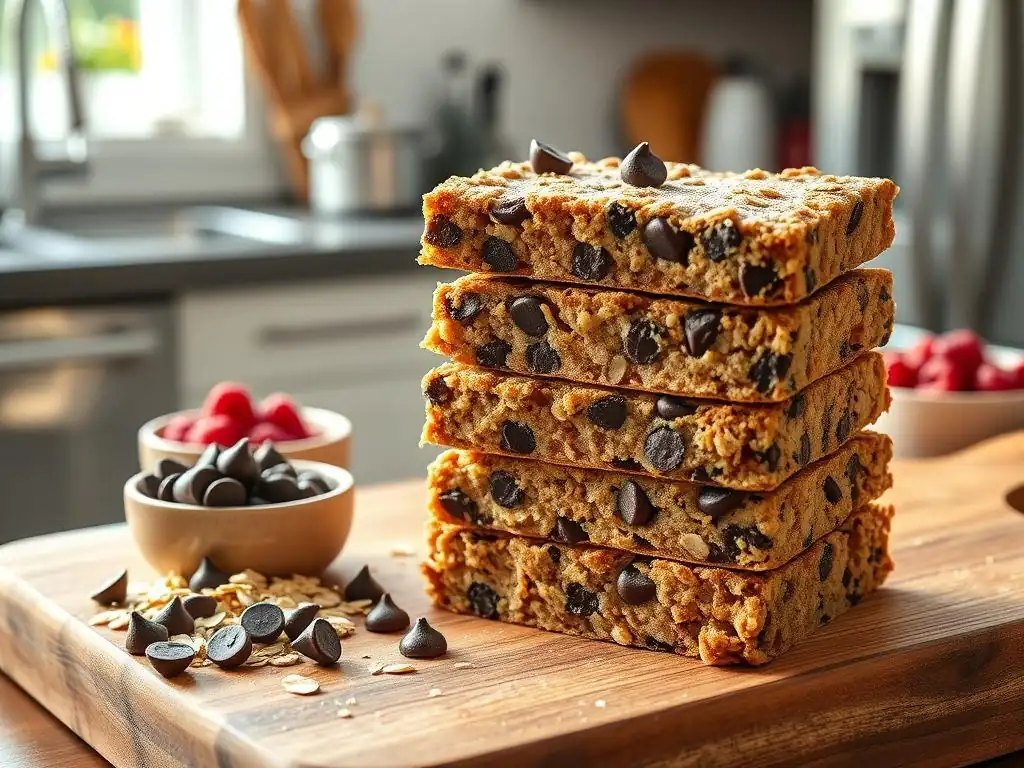
Crafting perfect chewy gluten-free oatmeal bars starts with selecting quality ingredients. You'll need approximately 1 1/4 cups of certified gluten-free oat flour, ensuring purity for those with sensitivities. Combine this with 1 cup of certified gluten-free rolled oats (not instant), which provide structure and classic texture. The fat component typically involves 1/2 cup (one stick) of unsalted butter, melted and slightly cooled, or a dairy-free alternative like melted coconut oil for a vegan option. Sweetness comes from a mix, often 1/2 cup packed light brown sugar and 1/4 cup granulated sugar, with the brown sugar being crucial for chewiness.
Binding agents are essential in gluten-free baking. You'll usually need 1 large egg, or a flax egg (1 tbsp flax meal + 3 tbsp water, rested) for a vegan version, along with 1 tsp of vanilla extract for flavor. Leavening is minimal, often just 1/2 tsp baking soda, which reacts with the brown sugar's acidity to provide a slight lift. Salt, about 1/4 tsp, balances the sweetness. And of course, the star: 1 cup of your favorite gluten-free chocolate chips. Using high-quality ingredients, like good vanilla extract or certified gluten-free chocolate chips, can significantly impact the final taste of your glutenfree chocolate chip oat bars.
Step-by-Step Baking Instructions: Gluten-Free Chocolate Chip Oat Bars
Baking chewy gluten-free chocolate chip oat bars is a straightforward process. Begin by preheating your oven to 350°F (175°C). Prepare an 8x8 inch or 9x9 inch baking pan by lining it with parchment paper, leaving an overhang on the sides. This makes lifting the baked bars out much easier. In a medium bowl, whisk together the melted butter (or oil), brown sugar, and granulated sugar until well combined. The mixture should look glossy and slightly thickened after about 30 seconds of whisking.
Next, beat in the egg (or flax egg) and vanilla extract until fully incorporated. In a separate, larger bowl, whisk together the certified gluten-free oat flour, rolled oats, baking soda, and salt. Gradually add the wet ingredients to the dry ingredients, mixing with a spatula or wooden spoon until just combined. Be careful not to overmix. Gently fold in the gluten-free chocolate chips. The dough will be thick and slightly sticky. Press the dough evenly into the prepared pan. A spatula or the bottom of a glass can help spread it smoothly. Bake for 20-25 minutes, or until the edges are lightly golden and the center appears set but still slightly soft. Allowing the bars to cool completely in the pan before cutting is crucial for achieving clean slices and the best chewy texture.
- Preheat oven to 350°F (175°C).
- Line an 8x8 or 9x9 inch pan with parchment paper.
- Whisk melted fat, brown sugar, and granulated sugar.
- Beat in egg and vanilla.
- Combine oat flour, rolled oats, baking soda, and salt in a separate bowl.
- Add wet ingredients to dry ingredients; mix until just combined.
- Fold in chocolate chips.
- Press dough into prepared pan.
- Bake 20-25 minutes.
- Cool completely before cutting.
Oat Flour Tips for Chewy Gluten-Free Bars
Choosing the Right Oat Flour for Baking
Selecting the appropriate oat flour is fundamental to the success of your chewy gluten-free chocolate chip oat bars. The most critical factor for individuals with gluten sensitivities is choosing certified gluten-free oat flour. Oats themselves are naturally gluten-free, but they are frequently processed in facilities that also handle wheat, barley, or rye, leading to cross-contamination. Look for packaging clearly marked with a "certified gluten-free" label from a reputable organization. Brands like Bob's Red Mill or King Arthur Baking offer certified options widely available in most supermarkets or online retailers.
Beyond certification, consider the type of oats used to make the flour. Oat flour can be made from rolled oats (also known as old-fashioned oats) or quick oats. While both work, flour made from rolled oats is generally preferred as it has a slightly coarser texture and more robust flavor that translates well into baked goods, contributing to a pleasant chewiness.
Avoid using "instant" oat flour if you find it, as its fine texture and processing can lead to a gummy result in dense bars like these. Investing in a good quality, certified gluten-free oat flour is a small step that makes a big difference in your gluten-free chocolate chip oat bars.
Fine vs. Coarse Oat Flour: What's the Difference?
The particle size of oat flour, whether fine or coarse, significantly impacts the texture and absorption rate in baking. Finely ground oat flour, often resembling a powdery consistency similar to wheat flour, absorbs liquid more quickly and can lead to a softer, more cake-like texture. While this might be desirable in some recipes, for chewy gluten-free chocolate chip oat bars, a slightly coarser grind is often beneficial. It provides more structure and contributes to that rustic, chewy feel characteristic of classic oatmeal bars.
Coarser oat flour, which may have more visible flecks of oat, absorbs liquids more slowly. This can require a slightly longer resting time for the dough before baking to ensure even hydration. However, this slower absorption helps prevent the bars from becoming overly dense or gummy.
If you are grinding your own oat flour, you have control over this. Aim for a texture that's finer than cornmeal but not as powdery as confectioners' sugar. Understanding this difference allows you to troubleshoot recipes or even adjust the grind if you're milling at home to achieve your desired chewiness in glutenfree chocolate chip oat bars.
How to Grind Your Own Oat Flour at Home
Grinding your own oat flour at home is a simple and cost-effective way to ensure you have fresh, certified gluten-free flour on hand, provided you start with certified gluten-free rolled oats. You'll need a high-powered blender or a food processor. Begin by measuring out the amount of certified gluten-free rolled oats required for your recipe – typically, 1 cup of rolled oats yields slightly less than 1 cup of oat flour, so measure accordingly (e.g., start with 1 1/4 cups oats to get 1 cup flour).
Place the measured oats into the blender or food processor. Process on high speed for about 30 seconds to 1 minute, pausing occasionally to scrape down the sides. Continue processing until the oats are ground into a fine, flour-like consistency. Be careful not to over-process, as this can heat the oats and result in a less desirable texture or even an oily flour. For a smoother flour, you can sift the ground oats through a fine-mesh sieve, returning any larger pieces to the processor for a second grind. Store any unused homemade oat flour in an airtight container as you would commercial flour.
Storing Oat Flour to Maintain Freshness
Proper storage is key to maintaining the freshness and quality of oat flour, whether store-bought or homemade. Due to its higher fat content compared to wheat flour, oat flour is more susceptible to oxidation and can go rancid if not stored correctly. The best place to store oat flour is in a cool, dark, and dry pantry or cupboard, away from direct sunlight and heat sources like ovens. An airtight container, such as a glass jar with a tight-fitting lid or a sealed plastic container, is essential to protect it from moisture, air, and pantry pests.
For longer-term storage, or in warmer climates, refrigerating or even freezing oat flour is highly recommended. In the refrigerator, it can last for several months, typically up to 6 months. For maximum longevity, store it in the freezer, where it can remain fresh for up to 1 year. When ready to use frozen or refrigerated oat flour, allow it to come to room temperature before measuring for your recipe. This prevents condensation, which could affect the texture of your dough. Proper storage ensures your gluten-free chocolate chip oat bars taste their best every time you bake them.
Achieving the Perfect Chewy Texture in Gluten-Free Oat Bars
The Role of Fat: Butter vs. Oil in Gluten-Free Baking
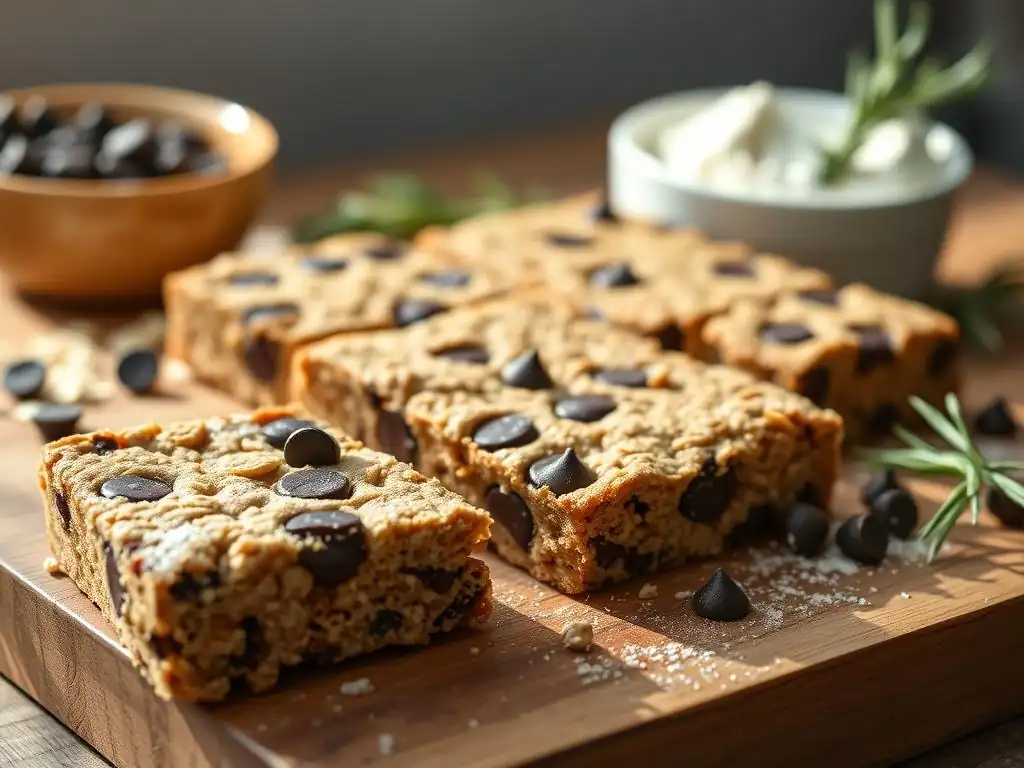
Fat plays a crucial role in developing the texture of baked goods, and in chewy gluten-free chocolate chip oat bars, its type significantly impacts chewiness. Butter, specifically melted butter, is often the preferred fat source in recipes aiming for chewiness. The combination of butterfat and milk solids in butter contributes to both flavor and structure. When melted, butter coats the flour and oats, inhibiting gluten development (though this is less of a concern in gluten-free baking) and promoting tenderness. As the bars cool, the butter solidifies slightly, contributing to a firm yet chewy bite.
Using oil, such as vegetable oil or melted coconut oil, will also create moist bars, but the texture tends to be more uniformly soft rather than distinctly chewy. Oil remains liquid at room temperature, resulting in a more tender crumb that might lack the satisfying resistance of a truly chewy bar.
While dairy-free bakers will opt for oil or vegan butter alternatives, using melted butter often provides the closest approximation to that classic chewy texture desired in gluten-free chocolate chip oat bars. Experimenting with a mix of fats, perhaps mostly melted butter with a touch of oil, can also yield interesting results.
Secret Ingredient for Extra Chewy Gluten-Free Oat Bars: Brown Sugar
If you're aiming for maximum chewiness in your gluten-free chocolate chip oat bars, brown sugar is your secret weapon. Unlike granulated white sugar, brown sugar contains molasses, which is naturally hygroscopic – meaning it attracts and retains moisture. This moisture-retaining property is key to keeping baked goods soft and chewy over time. Using a higher ratio of brown sugar to white sugar in your recipe will significantly enhance the chewiness of the final product.
For example, a standard recipe might use equal parts white and brown sugar, but increasing the brown sugar to 2 parts brown sugar for every 1 part white sugar, or even using only brown sugar, will yield a noticeably chewier bar. The molasses also adds a subtle depth of flavor that complements the oats and chocolate beautifully. Ensure you are using packed brown sugar when measuring to get the correct amount, as this density is factored into most recipes designed for chewiness. The interaction between the molasses in brown sugar and the fiber in oat flour is a dynamic duo for creating perfectly chewy gluten-free chocolate chip oat bars.
Baking Time and Temperature for Chewy Gluten-Free Bars
Achieving the perfect chewy texture in gluten-free chocolate chip oat bars relies heavily on precise baking time and temperature. Baking at 350°F (175°C) is a standard temperature that allows the bars to cook through without drying out too quickly. The baking time is where the real magic happens for chewiness. Aim for a bake time typically between 20 to 25 minutes for an 8x8 or 9x9 inch pan. The key is to slightly underbake them.
When the bars are ready, the edges should appear lightly golden and set, but the center should still look slightly soft and perhaps a tiny bit glossy. The bars will continue to cook and set as they cool in the hot pan. Overbaking, even by just a few minutes, can turn chewy bars into dry, crumbly ones. Trust the visual cues – a firm edge with a slightly soft center is the indicator that they are done. Allowing them to cool completely in the pan, ideally for at least 2-3 hours or even overnight, is also critical as this allows the internal moisture to redistribute, enhancing that desirable chewiness.
Troubleshooting Common Gluten-Free Oatmeal Bar Problems
Dry and Crumbly Gluten-Free Oat Bars: Causes and Solutions
One of the most common frustrations when baking gluten-free chocolate chip oat bars is ending up with a dry, crumbly result instead of a chewy one. This often stems from a few key issues. The most frequent culprit is over-measurement of the dry ingredients, particularly the oat flour. Gluten-free flours can be tricky to measure accurately; scooping directly from the bag can compact the flour, leading to too much being used. Using the "spoon and level" method – gently spooning the flour into the measuring cup and leveling it off with a straight edge – can help ensure accuracy. A kitchen scale providing measurements in grams (e.g., 150 grams for 1.5 cups of flour approximation) offers the most precise measurement.
Another significant cause is overbaking. As discussed, baking even a few minutes too long can evaporate too much moisture. Ensure you are pulling the bars from the oven when the center still looks slightly soft. Insufficient fat or sugar in the recipe can also lead to dryness, as these ingredients contribute moisture and tenderness. If your bars are consistently dry, consider slightly increasing the melted butter or brown sugar in your next batch, perhaps by 1-2 tablespoons. Lastly, ensuring your oven temperature is accurate using an oven thermometer can prevent accidental overbaking due to a miscalibrated thermostat.
Bars Not Holding Together: Binding Agent Tips
If your gluten-free chocolate chip oat bars are falling apart when you try to cut them, it usually points to an issue with the binding agents. Without gluten to hold everything together, gluten-free recipes rely on ingredients like eggs, xanthan gum, or psyllium husk to create structure. A typical recipe uses 1 large egg, which provides protein and fat that helps bind the ingredients. Ensure your egg is fresh and at room temperature, as this helps it incorporate better into the dough.
If using a vegan binder like a flax egg (made from 1 tbsp ground flaxseed mixed with 3 tbsp water, left to gel for 5-10 minutes), ensure it has properly gelled before adding it to the wet ingredients. Sometimes, gluten-free recipes benefit from a small amount of xanthan gum or psyllium husk powder, often just 1/4 to 1/2 teaspoon per cup of flour. These gums mimic the viscoelastic properties of gluten to some extent and can dramatically improve the structure and prevent crumbling. If your bars are crumbly, consider adding a small amount of one of these binders in future batches, starting with the smaller quantity and increasing if needed. Also, ensuring the bars are completely cooled before cutting is vital, as they firm up considerably as they cool.
Adjusting Sweetness in Gluten-Free Chocolate Chip Oat Bars
Adjusting the sweetness in gluten-free chocolate chip oat bars is possible, but it's important to understand how sugar affects not just taste but also texture. Sugar contributes to moisture, tenderness, and browning. Reducing the total amount of sugar significantly (e.g., by more than 1/4 cup in a standard recipe) can result in drier, less chewy bars that don't brown as well. If you prefer less sweet treats, try slightly reducing the granulated sugar while keeping the brown sugar amount closer to the original recipe to maintain chewiness.
Using alternative sweeteners can also impact texture. Liquid sweeteners like maple syrup or honey will add moisture but can make the bars spread more or become too soft. Granulated sugar substitutes may not provide the same moisture retention or browning properties as sugar.
If using substitutes, look for blends specifically designed for baking that mimic sugar's function. A simple way to reduce perceived sweetness without altering the dough's chemistry too much is to use bittersweet or dark chocolate chips instead of milk chocolate, as the bitterness of the chocolate contrasts with the sugar in the bars, making them seem less sweet overall.
Variations and Add-Ins for Gluten-Free Oatmeal Chocolate Chip Bars
Adding Nuts and Seeds to Your Gluten-Free Oat Bars
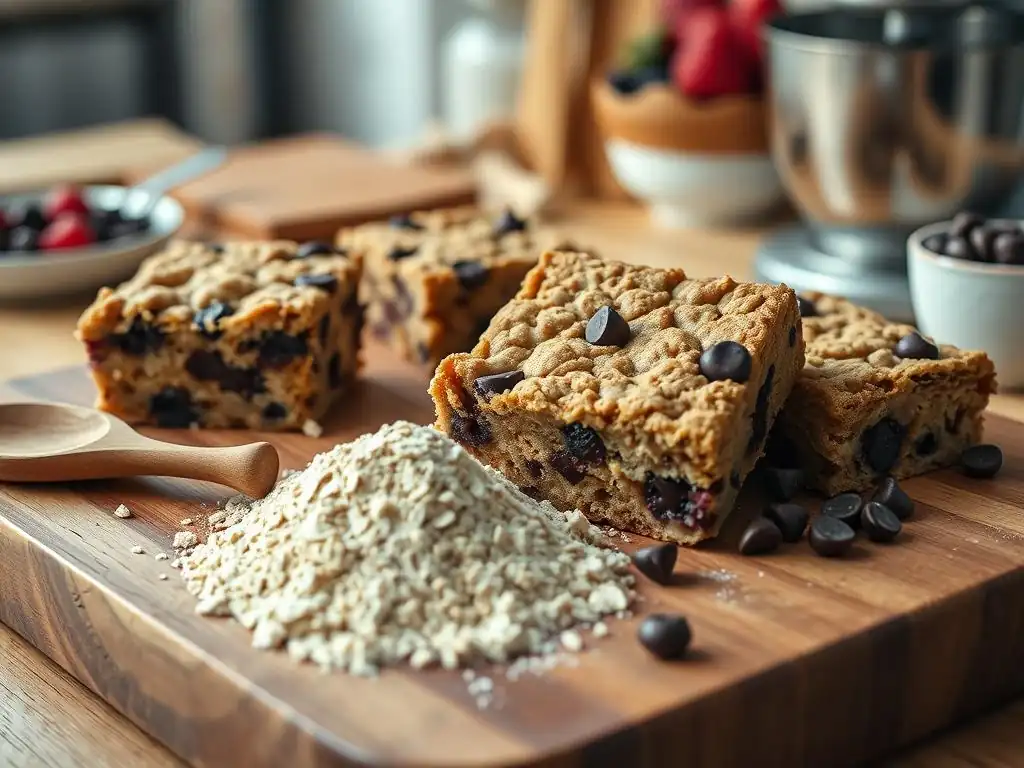
Enhancing your chewy gluten-free chocolate chip oat bars with nuts and seeds is a fantastic way to add extra flavor, texture, and nutritional value. Chopped nuts like walnuts, pecans, or almonds bring a delightful crunch that contrasts beautifully with the chewy oat base. Seeds such as pumpkin seeds (pepitas), sunflower seeds, or chia seeds also work well, adding subtle texture and healthy fats. A typical recipe can accommodate anywhere from 1/2 cup to 1 cup of chopped nuts or seeds.
For the best flavor and crunch, consider lightly toasting the nuts or seeds before adding them to the dough. Spreading them on a baking sheet and toasting in a 300°F (150°C) oven for 5-10 minutes, watching carefully to prevent burning, brings out their natural oils and enhances their nutty flavor. Allow them to cool completely before folding into the dough. Ensure any nuts or seeds you use are certified gluten-free if cross-contamination is a concern. Adding these elements makes your gluten-free chocolate chip oat bars even more satisfying and complex.
Chocolate Chip Variations: Dark, Milk, or White Chocolate?
While classic semi-sweet chocolate chips are a go-to for gluten-free chocolate chip oat bars, experimenting with different types of chocolate can open up a world of flavor possibilities. Dark chocolate chips (often 60-70% cacao) offer a richer, slightly less sweet experience that pairs wonderfully with the earthy flavor of oats and the sweetness of brown sugar. Using dark chocolate can make the bars feel more sophisticated and less like a purely kid-centric treat.
Milk chocolate chips provide a creamier, sweeter profile. If you're aiming for maximum indulgence and a very sweet bar, milk chocolate is an excellent choice. White chocolate chips, while technically not chocolate as they contain no cocoa solids, add a distinct sweet, milky flavor and a different kind of creaminess. A mix of different chocolate types, for example, half dark and half milk chocolate chips, can create a complex flavor profile. You can also use chopped chocolate bars instead of chips for pockets of melted chocolate throughout the bars. Ensure your chosen chocolate chips are certified gluten-free if necessary.
Spice Up Your Gluten-Free Bars: Cinnamon, Nutmeg, or Ginger
Adding warming spices is a simple yet effective way to elevate the flavor of your chewy gluten-free chocolate chip oat bars, making them even more comforting and aromatic. Cinnamon is a classic pairing with oats and chocolate, adding a warm, sweet note. Just 1 teaspoon of ground cinnamon folded into the dry ingredients can make a noticeable difference. For a more complex spice profile, consider adding a pinch of nutmeg ( 1/4 teaspoon) or a touch of ground ginger ( 1/2 teaspoon).
These spices complement the flavors of brown sugar, oats, and chocolate beautifully. In the fall or winter months, a blend of cinnamon, nutmeg, and a tiny pinch of cloves can create a wonderfully festive feel. Ensure your spices are fresh for the best flavor – ground spices lose potency over time, typically after about 6-12 months. Using fresh spices ensures their full aroma and flavor infuse your gluten-free chocolate chip oat bars, transforming them from simple treats into something truly special.
Storing and Serving Your Gluten-Free Chocolate Chip Oat Bars
Best Practices for Storing Gluten-Free Baked Goods
Proper storage is crucial for keeping your chewy gluten-free chocolate chip oat bars fresh and maintaining their delightful texture. Once the bars have cooled completely in the pan, lift them out using the parchment paper overhang and place them on a cutting board. Cut them into your desired size squares or rectangles. For short-term storage (up to 3-4 days), store the cut bars in an airtight container at room temperature. Layering them between sheets of parchment or wax paper can prevent them from sticking together.
If you won't be eating them all within a few days, or if you live in a warm or humid climate, refrigeration is a good option. Stored in an airtight container in the refrigerator, they can last for up to 1 week. For longer storage, gluten-free chocolate chip oat bars freeze exceptionally well. Wrap individual bars or layers of bars tightly in plastic wrap, then place them in a freezer-safe bag or container. Frozen bars will maintain their quality for up to 3 months. Thaw frozen bars at room temperature or gently warm them before serving.
Serving Suggestions: Warm vs. Cold
How you serve your chewy gluten-free chocolate chip oat bars can significantly impact the eating experience. Enjoying them at room temperature is perfect for a grab-and-go snack or lunchbox treat. At this temperature, the chewiness is most prominent, and the flavors are well-balanced. The chocolate chips will be set but soft enough to bite through easily.
For a truly indulgent dessert experience, try warming the bars slightly. A quick 10-15 seconds in the microwave or a few minutes in a low oven ( 250°F / 120°C) will soften the bars and melt the chocolate chips, creating a gooey, warm delight. Warm gluten-free chocolate chip oat bars are absolutely divine served with a scoop of vanilla ice cream or a dollop of whipped cream. Whether warm or cold, these bars are a versatile and satisfying gluten-free treat.
Conclusion: Enjoying Delicious Gluten-Free Chocolate Chip Oat Bars
Baking chewy gluten-free chocolate chip oat bars is a rewarding endeavor that yields a delicious and satisfying treat perfect for anyone, whether they require a gluten-free diet or simply appreciate the wonderful texture and flavor of oats and chocolate. By understanding the unique properties of oat flour, paying attention to key ingredients like brown sugar and fat, and controlling your baking time and temperature, you can consistently achieve bars that are wonderfully moist, rich, and perfectly chewy.
These glutenfree chocolate chip oat bars are more than just a dessert; they're a testament to the fact that dietary restrictions don't have to mean compromising on taste or texture. With the tips and techniques shared in this BakeWithEase guide, you're well-equipped to bake a batch that will disappear quickly!
Frequently Asked Questions
How do I ensure my GlutenFree Chocolate Chip Oat Bars are chewy and not crumbly?
The key is using the right ratio of wet to dry ingredients and not over-baking them. A touch of honey or maple syrup can also enhance the chewy texture.
Can I substitute other gluten-free flours for oat flour in this recipe?
While possible, using other gluten-free flours will affect the texture. Oat flour provides a specific chewiness. You may need to adjust the liquid.
What kind of chocolate chips work best in GlutenFree Chocolate Chip Oat Bars?
Semi-sweet chocolate chips are a classic choice, but feel free to experiment! Dark chocolate chips offer a richer flavor, while milk chocolate adds sweetness.
Are there any specific tips for working with gluten-free oat flour?
Gluten-free oat flour can absorb more liquid than regular flour. Be sure to measure accurately and don't be afraid to add a tablespoon of liquid if the dough seems too dry.
How long do GlutenFree Chocolate Chip Oat Bars stay fresh?
Stored in an airtight container at room temperature, these bars typically stay fresh for 3-4 days. You can also freeze them for longer storage.
Final Reflection: The Enduring Appeal of Gluten-Free Baking
The quest for delicious, satisfying gluten-free treats continues to resonate deeply with millions, and mastering the art of gluten-free baking, particularly with seemingly simple recipes like oatmeal bars, remains a rewarding challenge. The seemingly small act of substituting oat flour for traditional wheat flour opens up a world of possibilities for those with dietary restrictions or sensitivities, proving that deliciousness doesn't have to compromise health.
This journey into the world of gluten-free oatmeal chocolate chip bars has highlighted not only the technical aspects of baking with oat flour—the need for careful measurement, the importance of moisture balance, and the subtle art of achieving the perfect chewiness—but also the emotional connection we have with food. Food is symbolic of love when words are inadequate.
This quote rings true as we strive to create comforting, familiar treats that are both accessible and enjoyable for everyone. The simple act of baking, and sharing these bars, becomes a gesture of care and inclusion.
Now, I invite you to consider your own baking adventures. Perhaps you'll experiment with different types of oat flour, or explore other gluten-free flour blends. Maybe you'll adapt this recipe to create your own unique variations, adding nuts, dried fruits, or spices. More importantly, I encourage you to embrace the process, to find joy in the creation, and to share the delicious results with those you love. The journey of gluten-free baking is a continuous one, filled with learning, experimentation, and ultimately, the satisfaction of creating something truly special.
Unleash Your Inner Baker: Master Gluten-Free Oatmeal Chocolate Chip Bars!
Thanks for taking the time to explore the world of gluten-free baking with us! We hope you now feel confident in creating delicious and chewy oatmeal chocolate chip bars. Ready to take your baking skills to the next level?
- Bake a batch of your own amazing gluten-free oatmeal chocolate chip bars today! Use the recipe and tips from the article as your guide. Experiment with different add-ins – nuts, dried fruit, even sprinkles!
- Share your baking triumph! Post a picture of your creation on social media and tag BakeWithEase – we'd love to see your delicious results.
- Dive deeper into our gluten-free baking resources: Explore our other recipes and helpful tips on BakeWithEase.com for even more inspiration.
What unique twist will you add to your next batch of gluten-free oatmeal chocolate chip bars?