
The Role of Flour Type in Your Rustic Bread's Texture

Welcome to BakeWithEase!
Ever wondered how the right flour type can transform your rustic bread from ordinary to extraordinary? Unlock the secrets to achieving the perfect texture in your next loaf. Dive in and discover how simple adjustments can yield stunning results, as we explore the nuanced role of flour in crafting truly unforgettable rustic bread.
- The Role of Flour Type in Your Sourdough Bread's Texture: A Baker's Guide
- Exploring Different Flour Types for Sourdough Bread
- Gluten Content and Sourdough: A Deeper Dive
- Beyond Flour: Factors Affecting Sourdough Bread Texture
- Choosing the Right Flour for Your Sourdough Bread: Key Considerations
- Troubleshooting Common Sourdough Bread Flour Problems
- Storing Flour for Optimal Sourdough Bread Baking
- Mastering Sourdough: The Power of Flour Selection
-
Frequently Asked Questions
- How does flour type specifically impact the texture of rustic bread?
- What flour is best for achieving a truly "rustic" texture in bread?
- Can I use all-purpose flour for rustic bread, or is a specialty flour necessary?
- What role does whole wheat flour play in rustic bread baking?
- Are there other factors besides flour type that influence the rustic bread's texture?
- Final Reflection: The Flour Power in Your Rustic Loaf
- Unleash Your Inner Baker: Master Rustic Bread Texture!
The Role of Flour Type in Your Sourdough Bread's Texture: A Baker's Guide
Why Flour Choice Matters for Sourdough Baking
The type of flour you choose is arguably the single most important ingredient influencing the final texture and structure of your sourdough bread. It's not just about white versus whole wheat; the protein content, grind size, and even the way the grain was processed all play a crucial role.
Think of flour as the building blocks of your loaf – a strong foundation is needed for a tall, airy crumb, while a softer structure might result in a denser bread. For bakers aiming for that perfect crackling crust and open interior, understanding the nuances of flour type sourdough bread is fundamental.
Different flours absorb water differently and contain varying amounts of gluten-forming proteins. A high-protein flour, like bread flour, can absorb more water, leading to a more hydrated dough that develops a stronger gluten network. This network traps the gases produced by your sourdough starter, resulting in a lighter, more open crumb structure. Conversely, flours lower in protein, or those with sharper particles like whole wheat, can impede gluten development, leading to a denser loaf if not handled correctly. The flour type rustic bread texture you desire, whether chewy or tender, open or tight, starts with this critical decision.
The Connection Between Flour Gluten and Sourdough Bread Texture
Gluten is the protein network that forms when glutenin and gliadin, proteins found in wheat and some other grains, are hydrated and worked (kneaded or folded). This network is elastic and extensible, allowing the dough to stretch and expand as the yeast in the sourdough starter produces carbon dioxide. The strength and elasticity of this gluten network directly determine the bread's volume, crumb structure, and chewiness. A well-developed gluten network creates a strong balloon that can hold gas, resulting in a lofty loaf with an open, airy crumb.
Flour with a higher protein content, typically labeled as bread flour (around 12-14% protein), is ideal for developing a robust gluten structure necessary for many classic sourdough loaves. All-purpose flour has less protein (around 10-12%), resulting in a weaker network and often a slightly tighter crumb. Whole wheat and rye flours, while containing protein, also contain bran and germ particles that can cut the gluten strands, hindering development. Understanding this relationship helps bakers anticipate how a specific type of flour for rustic bread or sourdough will behave and how to adjust techniques accordingly.
Exploring Different Flour Types for Sourdough Bread
Bread Flour: Achieving a Chewy Sourdough Loaf
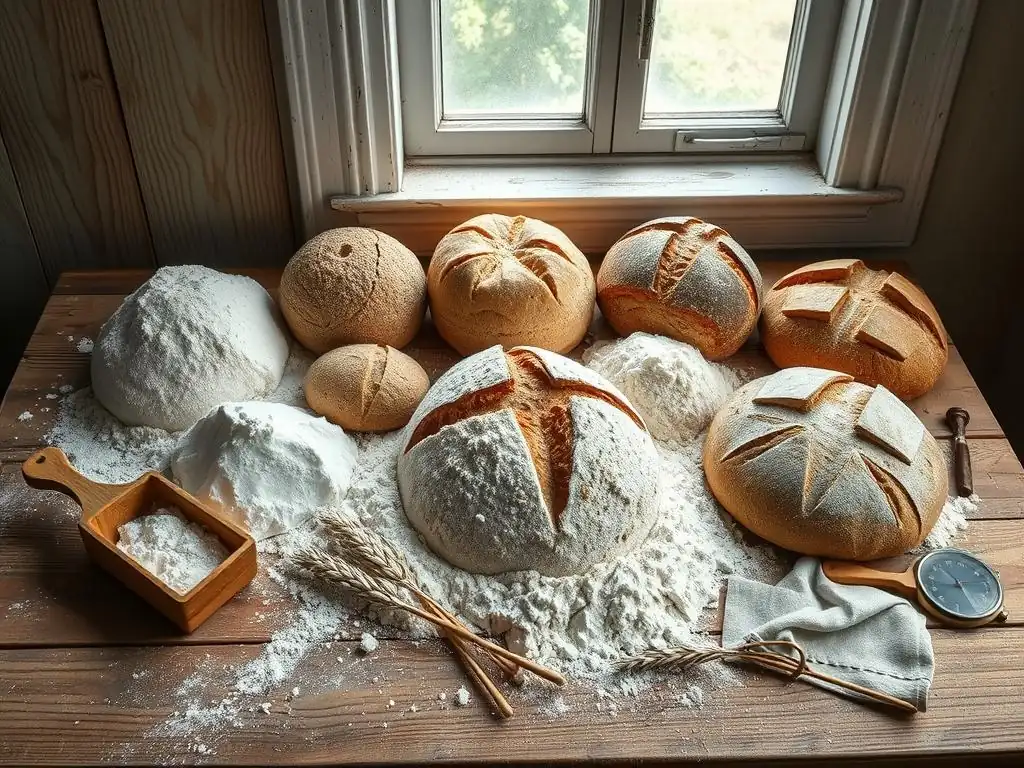
Bread flour is the go-to choice for many sourdough bakers, and for good reason. Its higher protein content, typically ranging from 12% to 14%, means it has a greater potential for developing a strong, elastic gluten network. This strength is crucial for capturing the carbon dioxide produced by the sourdough starter during fermentation and proofing. The result is often a loaf with excellent volume, a desirable open crumb structure, and that characteristic chewy texture that is the hallmark of great sourdough.
Working with bread flour usually requires a higher hydration level compared to all-purpose flour because the extra protein absorbs more water. This higher hydration further aids in gluten development and contributes to a moist crumb. For instance, a recipe using 100% bread flour might effectively handle a hydration of 75-80% or even higher, whereas an all-purpose flour might struggle beyond 70%. The best flour for rustic bread with a significant chew is often a quality bread flour, providing the necessary structure to support a long fermentation.
Bread Flour's High Gluten and its Benefits for Sourdough
The high gluten potential in bread flour translates directly into dough that is easier to handle and shape when properly developed. During kneading or folding, the gluten strands align and strengthen, creating a dough that is elastic and resilient. This elasticity allows the dough to stretch significantly without tearing, which is vital during the oven spring phase – the final burst of expansion in the hot oven.
A strong gluten network also helps prevent the dough from collapsing during the long fermentation periods common in sourdough baking. It provides the structural integrity needed to hold the shape of the loaf and support the weight of the dough as it rises. This makes bread flour particularly forgiving for beginners learning sourdough techniques and provides reliable results for experienced bakers aiming for consistent volume and crumb texture. The flour type sourdough bread success often starts with selecting a flour capable of building this strong foundation.
Whole Wheat Flour: Adding Nutty Flavor and Texture to Sourdough
Incorporating whole wheat flour into your sourdough recipe introduces a wealth of flavor, nutrition, and a distinct texture. Whole wheat flour includes the bran, germ, and endosperm of the wheat kernel, unlike white flours which only use the endosperm. This inclusion imparts a nutty, slightly sweet, and complex flavor profile to the bread that is often highly sought after in rustic bread styles.
However, the presence of bran and germ particles presents a challenge to gluten development. The sharp edges of these particles can physically cut the delicate gluten strands as they form, resulting in a dough that is less elastic and more prone to tearing. Recipes using a high percentage of whole wheat flour (say, 30% or more) often result in a denser loaf with a tighter crumb compared to 100% white bread flour loaves, unless specific techniques are used to mitigate this effect. The flour type rustic bread character from whole wheat is undeniable, but requires careful handling.
The Unique Characteristics of Whole Wheat Flour in Sourdough Dough
Beyond flavor, whole wheat flour significantly impacts dough hydration and handling. The bran and germ absorb more water than the endosperm alone, meaning whole wheat doughs often require higher hydration levels than white flour doughs to achieve a similar consistency. However, this absorbed water is held differently, and the dough can feel stickier or less cohesive initially.
The reduced gluten development potential means whole wheat doughs benefit greatly from longer autolyse periods (resting the dough after mixing flour and water but before adding salt and starter) and gentle handling during fermentation and shaping. Techniques like stretch and folds are preferred over vigorous kneading to build strength without overly damaging the fragile gluten network. Understanding these unique characteristics is key to successfully using different flours for rustic bread and achieving a desirable outcome with whole wheat.
Rye Flour: Infusing Sourdough Bread with Distinctive Flavors
Rye flour brings a deeply aromatic, tangy, and earthy flavor that is characteristic of many European rustic bread traditions. It's often used in combination with wheat flours, but can also be the primary or sole flour in dense, traditional rye loaves. Rye flour contains gluten-forming proteins, but in a different structure than wheat, and also contains pentosans, complex carbohydrates that absorb large amounts of water and contribute significantly to the dough's viscosity and texture.
Because rye protein does not form a strong, elastic gluten network like wheat, doughs with a high percentage of rye are typically much stickier, denser, and less extensible. They don't achieve the same airy volume as wheat-based loaves. Instead, rye contributes moisture, a tight crumb, and a unique tangy flavor that pairs wonderfully with the acidity of a sourdough starter. The flour type rustic bread made with rye is distinctively flavorful and moist.
Using Rye Flour for Flavor Complexity in Sourdough Baking
Even a small percentage of rye flour (5-20%) can dramatically alter the flavor profile of a sourdough loaf, adding layers of complexity and depth. This is a common technique for bakers wanting to introduce some of rye's characteristic tang and aroma without sacrificing the open crumb structure provided by wheat flour. The pentosans in rye also contribute to a moist crumb that stays fresh for longer.
When using higher percentages of rye, dough handling changes significantly. Rye doughs are often mixed rather than kneaded, as there is no strong gluten network to develop. They are also typically stickier and require techniques like using wet hands or a bench scraper for shaping. The resulting bread is usually denser and moister than wheat loaves, reflecting the unique properties of this flour type rustic bread ingredient.
Spelt Flour: A Nutritious and Flavorful Sourdough Option
Spelt is an ancient grain that offers a sweet, nutty flavor and a slightly different texture profile compared to modern wheat. It's become popular among bakers seeking alternative grains or those with mild sensitivities to modern wheat, although it does contain gluten. Spelt's gluten structure is more fragile than that of modern wheat, breaking down more easily with overmixing or long fermentation times, especially in high hydration doughs.
Using spelt flour in sourdough results in a loaf with a tender crumb and a lovely aroma. It absorbs water differently than modern wheat, often requiring slightly less hydration or careful observation of dough consistency. Its delicate gluten means it benefits from gentle handling, shorter kneading times, and potentially shorter bulk fermentation times compared to strong bread flour. The flour type rustic bread made with spelt offers a delightful alternative flavor and texture.
Spelt's Role in Sourdough Bread Texture and Flavor
Spelt flour contributes a unique tenderness to the sourdough crumb, often described as soft or cake-like, particularly when used as a significant portion of the flour blend. The flavor is mild, sweet, and nutty, complementing the tang of the sourdough starter beautifully. While it can achieve decent oven spring, it typically won't reach the same volume or open crumb structure as a loaf made primarily with high-gluten bread flour.
Bakers using spelt often find success by treating it gently. Autolyse periods should be shorter (e.g., 20-30 minutes), and mixing should stop as soon as the ingredients are combined to avoid damaging the fragile gluten. Bulk fermentation times may need to be monitored closely, as the dough can over-ferment and lose structure more quickly than strong wheat doughs. Despite these considerations, spelt offers a fantastic flour type rustic bread option for adding variety and flavor.
Gluten Content and Sourdough: A Deeper Dive
High-Gluten Flour vs. Low-Gluten Flour in Sourdough Recipes
The terms "high-gluten" and "low-gluten" flour refer primarily to the protein content, which directly correlates with the potential for gluten development. High-gluten flours, like bread flour (12-14% protein) or even specialized high-gluten flours (14-16%+ protein), are designed to create strong, elastic doughs capable of achieving high volume and an open, chewy crumb. These are ideal for traditional, airy sourdough loaves and recipes requiring long fermentation.
Low-gluten flours, such as pastry flour (around 8-9% protein) or cake flour (around 6-8% protein), are designed for tender baked goods where minimal gluten development is desired. While they aren't typically used for 100% sourdough bread (as they lack the structure), they can be incorporated in small percentages for specific textures in rolls or enriched doughs. All-purpose flour sits in the middle (10-12%), versatile but offering less strength than bread flour. Understanding this spectrum helps bakers select the right flour type sourdough bread base for their desired outcome.
Adjusting Hydration Based on Flour Type for Sourdough Bread
One of the most critical skills in sourdough baking is adjusting hydration based on the flour type. Different flours absorb water at different rates and to different extents. Factors include protein content, presence of bran/germ, and even milling process. For example, whole wheat flour typically absorbs more water than white bread flour due to the fiber content. A recipe calling for 70% hydration with white bread flour might need 75-80% hydration when substituting a significant amount of whole wheat to achieve a similar dough consistency.
- Consider these general absorption tendencies:
- White Bread Flour: Moderate to high absorption.
- Whole Wheat Flour: High absorption (due to bran/germ).
- Rye Flour: Very high absorption (due to pentosans).
- Spelt Flour: Can vary, sometimes slightly less than modern wheat depending on grind.
Starting with a hydration level slightly lower than recommended for a new flour type rustic bread can be wise, adding more water gradually until the desired dough consistency is reached. Over-hydrating dough with a weaker flour type can lead to a sticky, unmanageable mess and a flat loaf.
- [ ] Start with recipe's recommended hydration.
- [ ] Observe dough consistency after initial mix.
- [ ] If using higher absorption flour (e.g., whole wheat, rye), dough may feel stiff; add water gradually (a few grams at a time).
- [ ] If using lower absorption flour or dough feels too wet, hold back a small amount of water initially.
- [ ] Aim for a dough that is shaggy but comes together, not overly sticky for the flour type.
Beyond Flour: Factors Affecting Sourdough Bread Texture
The Importance of Water (Hydration) in Sourdough Bread
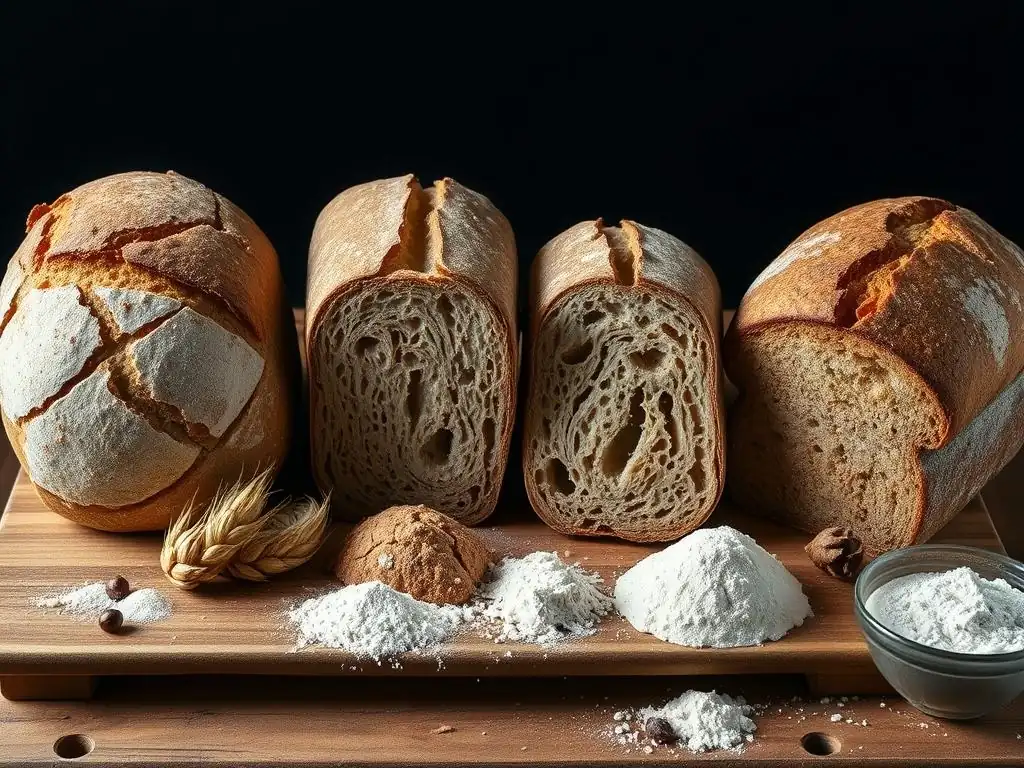
While flour is the structure, water is the catalyst. Hydration level, the ratio of water to flour by weight, profoundly impacts the dough's handling characteristics and the final bread's texture. Higher hydration doughs (e.g., 75%+) are typically stickier and more challenging to work with but yield bread with a more open, airy crumb and a crispier crust due to increased steam production during baking.
Lower hydration doughs (e.g., 65%-) are easier to handle and shape, resulting in a tighter crumb structure and a less open interior. They are often preferred for enriched doughs or certain flour type rustic bread styles where a denser crumb is desired. The interaction between the flour type rustic bread recipe calls for and the hydration level is crucial for successful gluten development and fermentation.
Sourdough Starter's Role in Bread Development
The sourdough starter is the heart of the bread, providing both leavening (carbon dioxide production) and flavor (lactic and acetic acids). A healthy, active starter is essential for achieving good oven spring and an open crumb structure. A weak or inactive starter won't produce enough gas to lift the dough, regardless of how strong the flour's gluten network is.
The starter also influences flavor. A starter fed with different flours (e.g., rye, whole wheat) or maintained at different temperatures will produce varying levels of acidity, impacting the final bread's tang. The starter's activity level and the amount used in the recipe must be balanced with the fermentation time and dough temperature, all interacting with the chosen flour type sourdough bread to determine the final texture and flavor.
Baking Techniques for Perfect Sourdough Bread Texture
Proper baking techniques are the final step in translating a well-developed dough into a perfect loaf with the desired texture. This includes everything from the initial shaping to the final bake.
- Shaping: Creates tension on the dough surface, providing structure for oven spring.
- Proofing: Allows the dough to expand before baking, influencing crumb structure. Over or under-proofing negatively impacts texture.
- Baking Vessel: Using a Dutch oven or baking stone with steam helps achieve a crispy crust and maximizes oven spring.
- Temperature: High initial temperatures (e.g., 450-500°F / 230-260°C) are crucial for oven spring and crust development.
Mastering these techniques, alongside selecting the appropriate flour type rustic bread and hydration, is key to consistent baking success.
Autolyse Techniques for Different Flour Types
Autolyse is a resting period after mixing flour and water but before adding the starter and salt. This simple step allows the flour to fully hydrate and enzymes to begin breaking down starches and proteins, which helps with gluten development and reduces mixing time. The duration of the autolyse can be adjusted based on the flour type sourdough bread recipe uses.
- High-Gluten Flours (Bread Flour): Can benefit from longer autolyse periods, sometimes 30 minutes to several hours, as the strong gluten network can handle it.
- Whole Wheat/Rye Flours: Autolyse helps hydrate the bran/germ. Shorter periods (20-40 minutes) are often sufficient.
- Spelt/Ancient Grains: Shorter autolyse (20-30 minutes) or skipping it entirely might be necessary to avoid damaging the delicate gluten structure.
This technique is a simple way to improve dough handling and crumb structure for various different flours for rustic bread.
Scoring and Baking for Optimal Crust Formation
Scoring the dough just before baking serves both aesthetic and functional purposes. Functionally, it allows the dough to expand in a controlled manner during oven spring, preventing blowouts and helping achieve maximum volume. The depth and pattern of the score influence how the loaf opens.
Baking in a hot environment, ideally with steam, is critical for crust development. The initial high heat causes rapid expansion (oven spring). Steam keeps the surface moist and flexible, allowing it to expand fully before drying out and forming a hard crust. Once the loaf has reached its maximum volume (usually after 15-20 minutes), removing the steam source (like taking the lid off a Dutch oven) allows the crust to dry and crisp up. The right flour type rustic bread will contribute to a beautiful, blistered crust when baked correctly.
Choosing the Right Flour for Your Sourdough Bread: Key Considerations
Matching Flour to Your Desired Sourdough Outcome
Selecting the right flour type is about aligning your ingredients with your baking goals. Do you want a very open, airy, and chewy loaf? High-protein bread flour is likely your primary choice. Prefer a denser, moist loaf with nutty or tangy flavors? Incorporating whole wheat or rye is essential. Aiming for something tender and slightly sweet? Spelt could be the answer. The flour type sourdough bread recipe specifies is usually chosen for a reason, but understanding the properties allows you to experiment and tailor results.
Consider the desired crumb structure, flavor profile, and crust texture. A 100% white bread flour loaf will differ significantly from one using 50% whole wheat or 20% rye. Think about the characteristics discussed for each type of flour for rustic bread and how they contribute to the final product.
Experimenting with Flour Blends for Unique Sourdough Bread
Many of the most beloved sourdough and rustic bread recipes use a blend of different flours. Blending allows bakers to combine the strengths of various flours – the structure of bread flour, the flavor and nutrition of whole wheat or rye, the tenderness of spelt. A common blend is 80% white bread flour and 20% whole wheat, offering a good balance of structure, flavor, and nutrition.
- Popular Blends:
- White Bread Flour + Whole Wheat: Adds flavor, nutrition, slight density.
- White Bread Flour + Rye: Adds tang, moisture, tighter crumb.
- White Bread Flour + Spelt: Adds sweetness, tenderness, unique aroma.
- Multiple Grains: Combining wheat, rye, and other flours like spelt or even ancient grains for complex flavors and textures.
Experimenting with different flours for rustic bread blends is a rewarding part of the sourdough journey, allowing you to create signature loaves. Start with small percentages (e.g., 10-20% of the non-wheat flour) and adjust in subsequent bakes.
Flour Recommendations for San Francisco Sourdough, Country Loaf, and Seeded Sourdough Recipes
Specific flour type sourdough bread choices often define classic styles:
- San Francisco Sourdough: Traditionally uses a high percentage of white bread flour (often high-protein) to achieve its characteristic open crumb and tangy flavor profile, which comes more from the starter activity than alternative flours. Aim for a protein content of 12.5-14%.
- Country Loaf (Pain de Campagne): Often a blend of white bread flour and a smaller percentage (10-30%) of whole wheat or rye flour. This blend provides structure from the white flour and added depth of flavor and nutrition from the darker flours. This is a quintessential flour type rustic bread combination.
- Seeded Sourdough: While seeds are key here, the base flour is typically similar to a country loaf – a blend of white bread flour with some whole wheat or rye to complement the nutty flavors of the seeds. The flour type rustic bread base needs to be strong enough to support the added weight and disruption from the seeds.
Choosing the best flour for rustic bread recipes often involves considering these traditional approaches or adapting them to your taste.
Troubleshooting Common Sourdough Bread Flour Problems
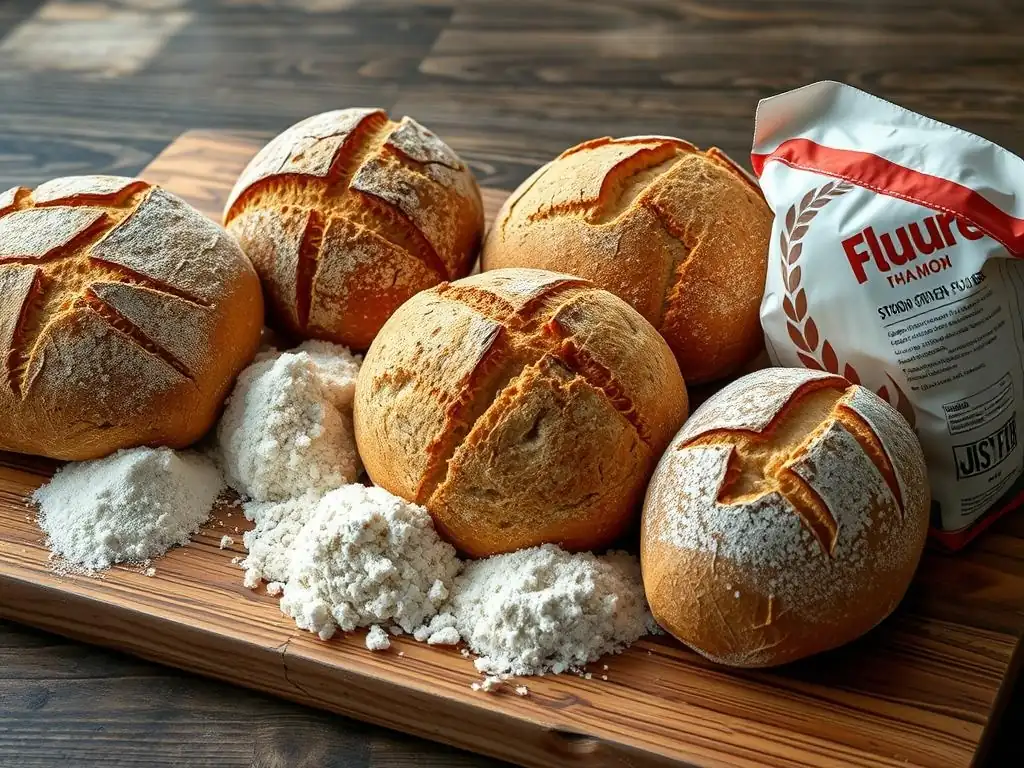
A dense crumb is a common frustration in sourdough baking and can often be linked back to the flour. If your bread is consistently dense, consider these flour-related culprits:
- Using Low-Protein Flour: All-purpose flour or flour with insufficient protein may not develop a strong enough gluten network to support the rise. Switching to a dedicated bread flour (12%+ protein) can make a significant difference.
- Insufficient Gluten Development: Even with the right flour, if the dough isn't adequately mixed, kneaded, or folded, the gluten network won't be strong enough. This is particularly relevant when using different flours for rustic bread like whole wheat, which requires careful handling.
- Using Flour with Damaged Gluten: Old or improperly stored flour can have degraded protein, leading to poor gluten development. Ensure your flour is fresh and stored correctly.
- Incompatible Flour Type for Hydration: Using a hydration level meant for high-gluten flour with a lower-gluten or whole grain flour can result in a soupy dough that collapses, leading to density.
- [ ] Check flour protein content. Is it suitable for bread?
- [ ] Review mixing/folding technique. Is gluten being developed?
- [ ] Assess flour freshness and storage.
- [ ] Verify hydration level is appropriate for the specific flour type used.
Flat Sourdough Bread: Identifying Flour Issues
Flat sourdough can stem from several issues, but flour choice and handling are often contributors. If your loaf spreads wide instead of rising up during baking, consider:
- Weak Flour: Similar to dense bread, flour with insufficient protein or damaged gluten cannot hold the dough's structure against gravity, especially during proofing and oven spring. The flour type rustic bread recipe calls for might simply be too weak for the desired shape.
- Over-Hydration for the Flour Type: Using too much water for the flour's absorption capacity results in a slack dough that lacks the tension needed to hold its shape. This is a frequent issue when experimenting with different flours for rustic bread without adjusting hydration.
- Insufficient Strength Development: Even if the flour is good, if folding or kneading is inadequate, the dough won't have the necessary strength and surface tension for a good shape and oven spring.
- Over-Proofing (Exacerbated by Weak Flour): While over-proofing itself isn't a flour issue, a dough made with weaker flour or insufficient gluten development will be more prone to collapsing if slightly over-proofed compared to a strong dough.
Addressing Sticky Dough When Using Whole Wheat or Rye Flour
Dough made with significant percentages of whole wheat or rye flour is inherently stickier than dough made purely with white bread flour. This is due to the higher water absorption of bran/germ and pentosans, as well as the different gluten structure. However, excessive stickiness that makes the dough unmanageable might indicate issues:
- Incorrect Hydration: While these flours absorb more water, adding too much can make the dough excessively sticky and difficult to handle. Re-check the hydration relative to the flour type rustic bread uses.
- Insufficient Rest/Autolyse: Allowing whole grain flours adequate time to hydrate before handling (autolyse) can make the dough less sticky and more cohesive.
- Overmixing Spelt/Ancient Grains: Overworking doughs with fragile gluten (like spelt) can cause the gluten network to break down, resulting in a sticky, glue-like consistency.
- Expectation vs. Reality: It's important to recognize that whole wheat and rye doughs will be stickier than white doughs. Using techniques like wet hands, a well-floured surface (sparingly), or a bench scraper is often necessary and normal. This is part of working with these different flours for rustic bread.
Storing Flour for Optimal Sourdough Bread Baking
Proper Flour Storage Techniques for Baking Success
Proper storage is crucial for maintaining the quality and baking performance of your flour. Flour, especially whole grain flour which contains oils in the germ, can go rancid or become infested if not stored correctly. The ideal environment is cool, dark, and dry.
- Airtight Container: Transfer flour from its paper bag into an airtight container (plastic or glass) to protect it from moisture, pests, and odors.
- Cool Location: Store flour in a pantry away from the oven or direct sunlight. Temperatures below 60°F (15°C) are ideal for long-term storage.
- Refrigeration/Freezing: For whole grain flours or if you bake infrequently, storing flour in the refrigerator or freezer is recommended to extend its shelf life significantly and prevent rancidity. Allow cold flour to come to room temperature before using in recipes.
Storing your flour type rustic bread ingredients correctly ensures they perform as expected, contributing to consistent baking results.
Recognizing Signs of Rancid Flour
Rancid flour can ruin the flavor of your sourdough bread, imparting unpleasant bitter or stale notes. While rancidity is more common in whole grain flours due to their oil content, white flour can also deteriorate over time.
- Smell Test: Fresh flour has a mild, slightly sweet or neutral aroma. Rancid flour will smell noticeably different – often described as stale, bitter, musty, or like old nuts or crayons. Trust your nose; if it smells off, don't use it.
- Taste Test (Small Amount): A tiny pinch tasted raw can reveal bitterness or an unpleasant aftertaste not present in fresh flour.
- Visual Clues: While not always indicative of rancidity, clumping or discoloration can sometimes suggest improper storage or age.
Using fresh, properly stored flour type sourdough bread ingredients is a simple step that guarantees the best possible flavor in your final loaf.
Mastering Sourdough: The Power of Flour Selection
Mastering sourdough baking is a journey of understanding the interplay between your starter, water, techniques, and most importantly, your flour. The flour type rustic bread you choose dictates much about its texture, flavor, and handling. From the chewy structure provided by high-gluten bread flour to the nutty depth of whole wheat and the tangy moisture of rye, each flour brings its unique properties to the dough.
By paying attention to protein content, hydration needs, and how different flours behave during fermentation and baking, bakers can intentionally craft loaves with specific characteristics. Experimenting with different flours for rustic bread opens up a world of possibilities, allowing you to move beyond basic recipes and develop your signature style. The confidence to select and handle various flour type sourdough bread ingredients is a hallmark of an advanced baker. So, grab a few different bags of flour, understand their potential, and start experimenting – your perfect loaf awaits!
Frequently Asked Questions
How does flour type specifically impact the texture of rustic bread?
The type of flour significantly affects the gluten development in the dough. Higher protein flours create a chewier, more robust texture, while lower protein flours result in a softer crumb.
What flour is best for achieving a truly "rustic" texture in bread?
Generally, a high-protein bread flour or a blend including whole wheat flour is recommended. These flours contribute to the characteristic chewiness and hearty flavor associated with rustic bread.
Can I use all-purpose flour for rustic bread, or is a specialty flour necessary?
While all-purpose flour can be used, it will result in a softer, less chewy texture. Using bread flour or adding vital wheat gluten will improve the structure and texture.
What role does whole wheat flour play in rustic bread baking?
Whole wheat flour adds a nutty flavor and a denser texture to rustic bread. It also contributes to a more complex flavor profile and a slightly coarser crumb.
Are there other factors besides flour type that influence the rustic bread's texture?
Yes, factors like hydration level, kneading technique, and baking time all play crucial roles. Experimenting with these elements alongside flour choice is key to achieving your desired texture.
Final Reflection: The Flour Power in Your Rustic Loaf
The choice of flour isn't merely a detail in rustic bread baking; it's the very foundation of texture, the architect of its crumb, and the key to unlocking its unique character. Understanding the nuances of different flour types—from the robust strength of whole wheat to the delicate airiness of pastry flour—is crucial for achieving that perfect rustic loaf we all crave. This knowledge isn't just for professional bakers; it empowers home bakers to elevate their craft and consistently produce bread that delights.
The journey through various flour types has been a personal revelation, highlighting the interconnectedness of ingredients and outcome. It's a testament to the enduring power of simple ingredients to create something truly extraordinary. Bread is the staff of life,
a simple phrase, yet it encapsulates the profound impact this humble food has had on cultures across the globe, and the importance of understanding its fundamental components. The subtle shifts in texture, from the chewy resilience of a high-protein flour to the tender crumb of a lower-protein blend, are a constant source of fascination and learning.
Now, consider your own baking journey. What flour type have you found to be your favorite? What textures are you striving for in your next rustic loaf? I encourage you to experiment, to explore the diverse world of flours, and to discover the unique magic each one brings to your bread. Embrace the process, learn from each bake, and savor the delicious rewards of your efforts. The perfect rustic loaf awaits, shaped by your understanding and passion.
Unleash Your Inner Baker: Master Rustic Bread Texture!
Thanks for taking the time to explore the fascinating world of flour and its impact on rustic bread texture! You've gained valuable insights into achieving that perfect crumb. Now it's time to put your knowledge to the test.
- Bake a loaf using your newfound knowledge: Try experimenting with a new flour type you learned about – notice the difference in your bread! Document your results and share your experience in the comments below!
- Explore our Flour Guide: Delve deeper into the diverse world of flours and find your new favorite baking companion. We have tons more detailed information to help elevate your baking game.
- Share your baking triumph (or challenge!): Show off your rustic bread masterpiece (or share your baking journey – even the less-than-perfect loaves are part of the fun!) on social media using #BakeWithEaseRustic.
Ready to transform your baking? What flour type are you most excited to experiment with next?