
The Best Butter for Sweet Rolls: Why It Matters

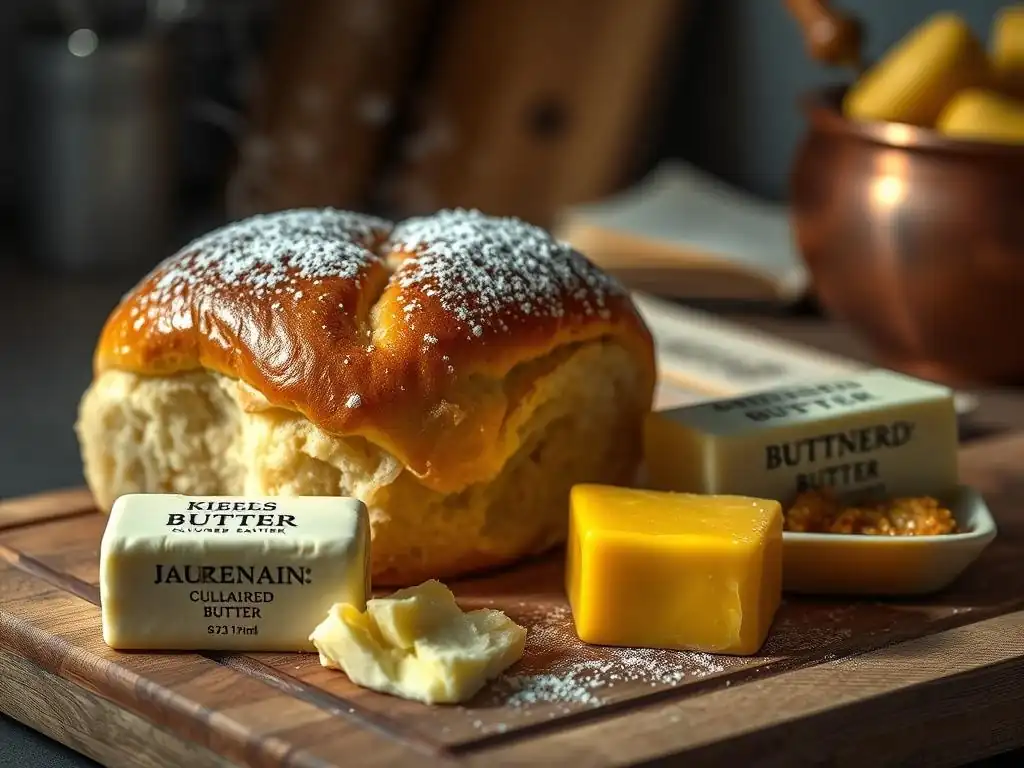
Welcome to BakeWithEase, where we demystify the delicious world of baking! Are you ready to elevate your sweet rolls from good to unforgettable? This week, we're diving deep into a seemingly simple ingredient that can make all the difference: the best butter for sweet rolls. Discover the secrets to achieving that perfect texture and rich flavor, and unlock the potential of your favorite recipe. Intrigued? Keep reading to find out why your butter choice matters more than you think!
- Introduction: Elevating Your Sweet Rolls with the Right Butter
- Why Butter Choice Matters in Sweet Roll Baking
- Exploring Butter Types: Finding the Perfect Match for Your Sweet Rolls
- Comparing Butter Brands for Sweet Rolls: A Baker's Perspective
- The Role of Butter Temperature in Sweet Roll Dough
- Butter Alternatives: When and Why to Consider Them for Sweet Rolls
- Butter Techniques for Sweet Rolls: Maximizing Flavor and Texture
- Troubleshooting: Common Butter-Related Sweet Roll Problems
- Conclusion: Mastering the Art of Sweet Rolls with the Perfect Butter Choice
-
Frequently Asked Questions
- What makes butter so important in sweet rolls?
- What type of butter is generally considered the best for sweet rolls?
- Does the temperature of the butter matter when making sweet rolls?
- Can I substitute margarine or other butter substitutes in sweet rolls?
- What's the best way to incorporate butter into sweet roll dough?
- Final Reflection: The Sweetness of the Perfect Roll
- Unlock Your Baking Potential: Master the Art of Sweet Roll Butter!
Introduction: Elevating Your Sweet Rolls with the Right Butter
Sweet rolls are a beloved treat, known for their soft, tender dough, rich filling, and often, a sweet glaze. While the yeast, flour, and technique all play crucial roles, one ingredient stands out for its profound impact on both texture and flavor: butter. Choosing the best butter for sweet rolls isn't just a minor detail; it's a fundamental decision that can transform a good roll into an exceptional one. This article explores why butter is so important and helps you navigate the options to find the perfect fit for your next baking project.
Why Butter Choice Matters in Sweet Roll Baking
Butter is more than just a fat; it contributes moisture, richness, tenderness, and flavor to baked goods. In sweet rolls, where the dough is enriched and often layered with a buttery filling, the type and quality of butter used have a magnified effect. Understanding these impacts is key to mastering your sweet roll recipe.
The Impact of Butterfat on Sweet Roll Texture
Butterfat content is a critical factor influencing the texture of your sweet rolls. Standard American butter typically contains around 80% butterfat, while the remaining percentage is mostly water and milk solids. European-style butters, on the other hand, often boast a higher butterfat percentage, ranging from 82% to 86%. This difference, though seemingly small, has significant implications.
A higher butterfat content means less water in the butter. Less water translates to a more tender crumb in the finished sweet roll. As the butter melts during baking, the fat coats the flour particles, inhibiting gluten development. This results in a softer, more delicate texture. Furthermore, the higher fat content can contribute to a richer mouthfeel and a slightly more golden crust. When seeking the best butter for sweet rolls that are exceptionally tender and rich, considering a higher butterfat option is a wise step.
How Butter Flavor Affects the Final Taste
Beyond texture, butter is a primary contributor to the overall flavor of a sweet roll. The flavor of butter comes from the milk it's made from and the process it undergoes. Standard sweet cream butter has a relatively neutral, clean flavor. Cultured butters, often associated with European styles, are made from cream that has been fermented with bacterial cultures before churning. This process develops a more complex, slightly tangy, and often nuttier flavor profile.
Using a high-quality, flavorful butter means that delicious, buttery taste will permeate every bite of your sweet roll. While sugar and spices are prominent, the underlying richness provided by butter creates depth. A cultured butter, for instance, can add a subtle complexity that complements sweet fillings like cinnamon or fruit, potentially enhancing the overall eating experience and making a strong case for its use as the best butter for sweet rolls focused on flavor.
Understanding Different Types of Butter for Baking
Navigating the butter aisle can be daunting with options like unsalted, salted, European-style, organic, and even ghee. Each type has unique characteristics that make it suitable for different baking applications. For sweet rolls, the primary considerations revolve around butterfat content, salt level, and flavor profile.
- Unsalted Butter: The standard for many bakers, offering control over salt.
- Salted Butter: Contains added salt, which can affect flavor balance and requires recipe adjustments.
- European-Style Butter: Known for higher butterfat and often cultured flavor.
- Clarified Butter (Ghee): Pure butterfat with water and milk solids removed, has a high smoke point but changes texture contribution.
Choosing among these depends on the desired outcome for your sweet rolls – whether you prioritize tenderness, specific flavor notes, or simply consistency in your baking results. The best butter for sweet rolls is often a balance of these factors.
Exploring Butter Types: Finding the Perfect Match for Your Sweet Rolls
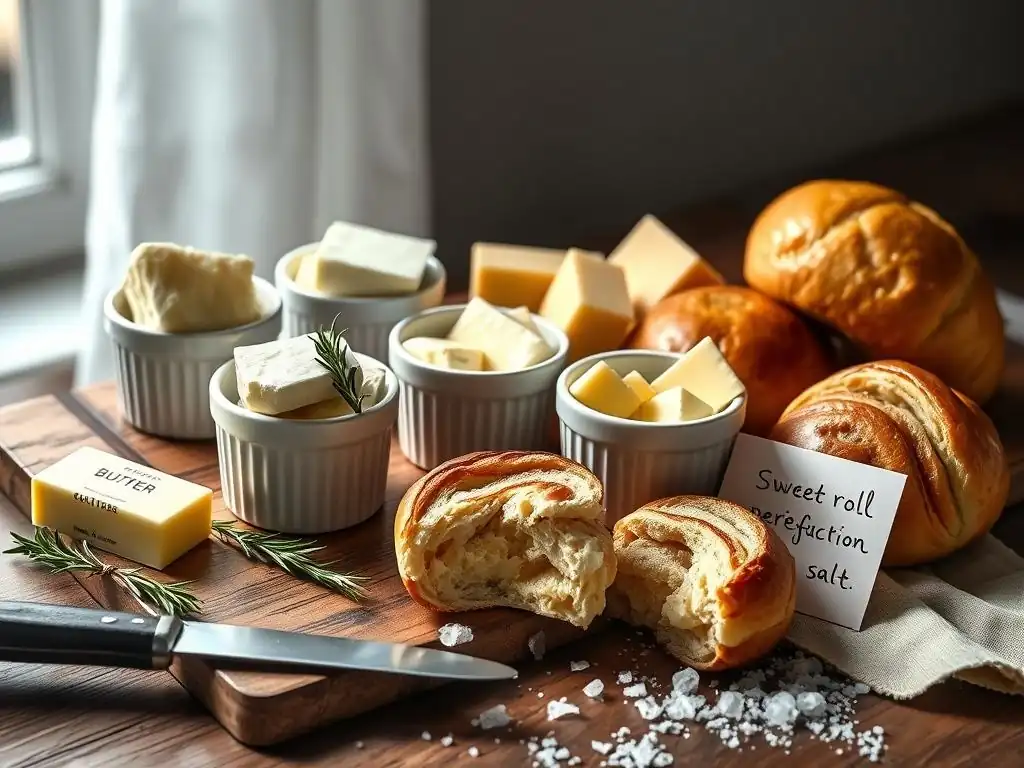
Selecting the right butter involves understanding the nuances of each type and how they interact with the other ingredients in your sweet roll dough and filling. Let's delve into the specifics.
Unsalted Butter: The Baker's Standard for Sweet Rolls
Unsalted butter is widely considered the default choice for baking, and for good reason. Its primary advantage is that it allows the baker complete control over the amount of salt in a recipe. Different brands of salted butter can have varying amounts of salt, making it difficult to achieve consistent results or precisely balance the flavors of a recipe.
When making sweet rolls, the salt level impacts not only the overall taste (balancing the sweetness) but also yeast activity. Too much salt can inhibit yeast. Using unsalted butter ensures that the only salt affecting the yeast and flavor comes from what you add directly to the dough and filling. This control is particularly valuable when developing or adapting sweet roll recipes, solidifying unsalted butter's position as a versatile and reliable option for the best butter for sweet rolls. It's a safe and effective choice for achieving predictable and delicious results.
Salted Butter: When to Consider It (and How to Adjust)
While unsalted butter offers control, salted butter can be used in sweet rolls if necessary, provided you make adjustments. Salted butter contains added salt, typically around 1/4 to 1/2 teaspoon per stick (1/2 cup or 113g). The exact amount varies by brand. Using salted butter directly in a recipe designed for unsalted butter will increase the overall salt content, potentially making the rolls too salty and possibly slowing down yeast activity.
If you must use salted butter, reduce or omit the salt specified in the recipe. A common guideline is to reduce the added salt by about 1/4 teaspoon for every stick of salted butter used. However, this is an approximation, and results may vary depending on the specific butter brand. While convenient, using salted butter sacrifices some precision compared to unsalted, which is why unsalted is generally recommended when aiming for the most consistent and best butter for sweet rolls.
European-Style Butter: The Secret to Rich, Flaky Sweet Rolls
European-style butter is often lauded by pastry chefs and serious home bakers alike, and it can be a fantastic choice for elevating your sweet rolls. Its key characteristics set it apart from standard American butter and contribute significantly to texture and flavor.
Higher Butterfat Content in European Butter
As mentioned earlier, European-style butters typically have a higher butterfat percentage (82-86%) compared to American butter (around 80%). This difference means less water is incorporated into the butter. In the context of sweet rolls, this higher fat content contributes to a more tender crumb and a richer mouthfeel. The reduced water content also means the butter handles differently; it can feel silkier and melt slightly differently.
When used in the dough, the extra fat inhibits gluten development more effectively, leading to a softer roll. When used in the filling, it creates a more luxurious, molten layer. For sweet rolls where tenderness and richness are paramount, the higher butterfat of European-style butter makes it a strong contender for the best butter for sweet rolls. Brands like Kerrygold, Plugrá, and Vermont Creamery are popular examples available in many markets.
The Flavor Difference: Why European Butter Stands Out
Beyond butterfat, many European-style butters are cultured. This means the cream is allowed to ferment slightly with lactic acid bacteria before churning. This culturing process develops more complex flavor compounds, resulting in a butter with a tangier, more aromatic, and sometimes slightly nutty profile compared to the clean, sweet flavor of standard sweet cream butter.
This developed flavor can add an extra dimension to your sweet rolls. The subtle tang can balance the sweetness of the dough and filling, while the richer aroma enhances the overall sensory experience. While a standard unsalted butter makes delicious sweet rolls, the nuanced flavor and superior texture provided by a good quality European-style butter can truly elevate them, making it a preferred choice for many seeking the absolute best butter for sweet rolls.
Clarified Butter (Ghee): An Option for Unique Sweet Roll Textures
Clarified butter, or ghee, is essentially pure butterfat with the water and milk solids removed. It has a much higher smoke point than regular butter and a distinct nutty flavor developed during the simmering process. While not a direct substitute for solid butter in most sweet roll doughs (as the milk solids and water play roles in texture and leavening), it can be used in specific ways.
Ghee can be brushed onto dough layers for added richness or used in fillings for a different flavor profile. Because it's 100% fat, it won't contribute to flakiness in the same way solid butter does when layered and melted. Its primary use might be for flavor enhancement in the filling or as a finishing touch. While not typically the best butter for the main dough structure of sweet rolls, its unique properties offer interesting possibilities for variations.
Comparing Butter Brands for Sweet Rolls: A Baker's Perspective
Choosing a brand can be overwhelming, but focusing on the type of butter (unsalted vs. salted, standard vs. European-style) is usually the most important decision. However, there can be differences between brands of the same type, particularly in flavor and handling.
Kerrygold vs. Land O'Lakes: A Taste Test for Sweet Roll Dough
Let's consider two widely available brands representing different styles: Land O'Lakes (a popular standard American unsalted butter) and Kerrygold (a well-known European-style cultured butter). Using these two in identical sweet roll recipes can highlight the impact of butter type.
- Land O'Lakes Unsalted: This butter is reliable and consistent. When used in sweet roll dough, it provides standard richness and tenderness. The flavor is clean and allows other ingredients, like cinnamon and sugar, to be the stars. It melts predictably and is easy to work with at different temperatures (softened or cold). For many, this is a perfectly suitable and accessible choice for the best butter for sweet rolls.
- Kerrygold Unsalted (or Salted, adjusted): This Irish butter is known for its higher butterfat (around 82%) and golden color, indicative of grass-fed cows. It has a richer, slightly tangier, and more complex flavor due to being cultured. In sweet roll dough, it often yields a noticeably more tender and slightly richer texture. The flavor contributes a pleasant depth that complements the sweet filling. Many bakers find the extra cost worthwhile for the improved texture and flavor.
Experimenting with different brands of the same type (e.g., comparing two different unsalted European-style butters) can reveal subtle differences in flavor and handling, helping you pinpoint your personal preference for the best butter for sweet rolls.
Butter Price vs. Quality: Finding the Sweet Spot for Your Budget
The price of butter can vary significantly, with standard supermarket brands being the most affordable and high-butterfat or artisanal butters costing more. When deciding on the best butter for sweet rolls, it's worth considering whether the increase in quality justifies the higher price for your specific baking goals.
For everyday baking or large batches, a reliable standard unsalted butter might be perfectly adequate and cost-effective. If you're baking for a special occasion, want to achieve the absolute best possible texture and flavor, or are simply passionate about the nuances of ingredients, investing in a higher-quality, potentially European-style butter can be worthwhile. Consider the impact on the final product relative to the cost – a slightly more expensive butter might make a noticeable difference in a rich sweet roll where butter is a key component, potentially justifying the extra expense for a superior result.
The Role of Butter Temperature in Sweet Roll Dough
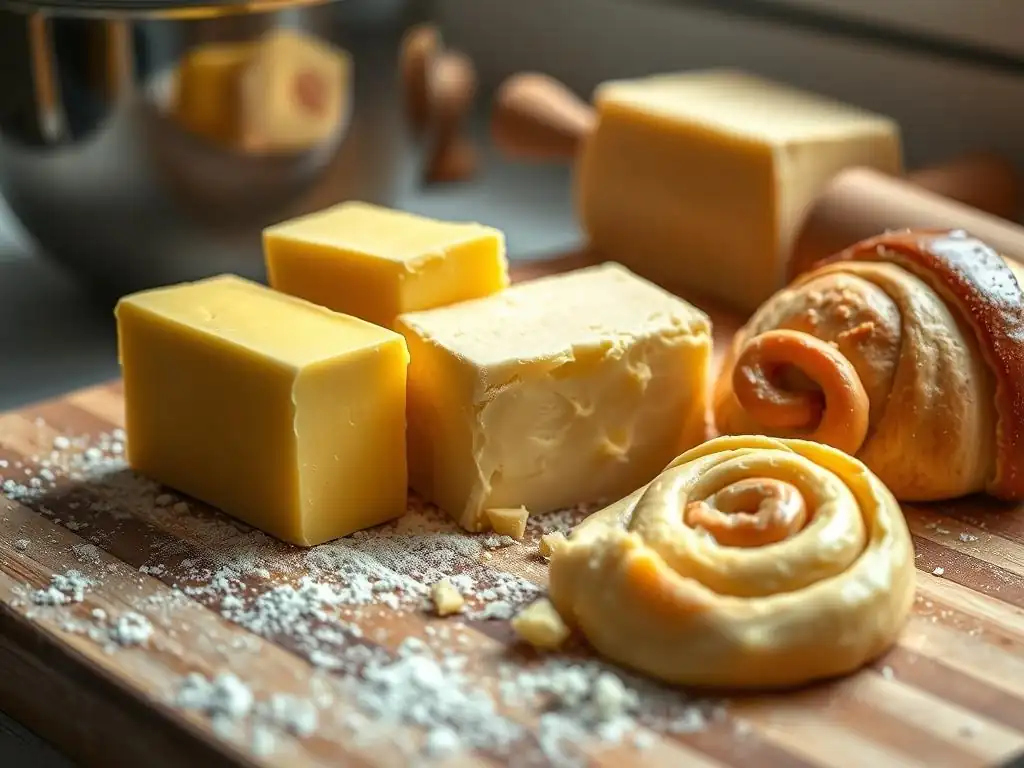
The temperature of your butter is just as important as the type you choose when making sweet rolls. Butter behaves differently depending on whether it's cold, softened, or melted, and using it at the wrong temperature can negatively impact the dough's structure and the final texture of the roll.
Cold Butter vs. Softened Butter: Which is Best for Sweet Rolls?
For most enriched doughs like those used for sweet rolls, softened butter is typically preferred for incorporating into the dough itself. Softened butter, around 65-70°F (18-21°C), creams easily with sugar (if the recipe calls for that step) and incorporates smoothly into the dough with other wet and dry ingredients. This even distribution of fat helps tenderize the dough by coating gluten strands.
Cold butter, on the other hand, is usually reserved for techniques where you want layers of fat to create flakiness, such as in croissants, puff pastry, or some biscuit recipes. While some enriched doughs might incorporate a small amount of cold butter for a slightly different texture, the standard approach for a soft, tender sweet roll dough is softened butter.
However, cold butter is often ideal for the filling – cubed or cut into the sugar and cinnamon mixture, it melts slowly in the oven, creating that gooey, buttery layer within the roll. So, the "best" temperature depends on where in the sweet roll you're using the butter.
Achieving the Perfect Butter Consistency for Optimal Results
Softened butter should be pliable but not greasy or melted. If it's too cold, it won't incorporate evenly, leading to lumps of butter in the dough. If it's too warm or melted, it can make the dough greasy and difficult to handle, and it won't provide the same tenderizing effect as evenly distributed fat.
The ideal consistency is often described as "room temperature," but this can be misleading as room temperatures vary. A better test is to gently press the butter; your finger should make an indentation easily, but the butter should still hold its shape. If your kitchen is cold, you might need to let the butter sit out longer. If it's warm, be careful not to let it get too soft. Getting the butter temperature right is a small but crucial step towards achieving the best butter for sweet rolls integration into your dough.
Butter Alternatives: When and Why to Consider Them for Sweet Rolls
While butter is the gold standard for traditional sweet rolls due to its unique flavor and properties, there are situations where alternatives might be considered. These often involve dietary restrictions or specific textural goals.
Margarine: Considering the Trade-offs
Margarine is a non-dairy spread often used as a butter substitute. It's typically made from vegetable oils, water, and emulsifiers. While it can provide moisture and richness, it lacks the complex flavor of butter and often contains a higher percentage of water and emulsifiers, which can affect texture.
Using margarine in sweet rolls will likely result in a less rich flavor and potentially a slightly different texture – perhaps less tender or with a less golden crust compared to using butter. The way margarine melts and interacts with flour differs from butter. While some margarines are formulated for baking, they generally don't replicate the results achieved with butter. For the best butter for sweet rolls in terms of traditional flavor and texture, butter remains the superior choice.
Plant-Based Butters: Baking Vegan Sweet Rolls
For those following a vegan diet, plant-based butter alternatives are necessary. These products are designed to mimic the texture and behavior of dairy butter using oils like shea, coconut, or palm oil, often blended with other plant-based ingredients. The quality and performance of plant-based butters vary significantly between brands.
When choosing a plant-based butter for vegan sweet rolls, look for products specifically marketed for baking. These often have a fat percentage closer to dairy butter (around 80%) and contain emulsifiers that help them perform similarly in dough and fillings. Some brands replicate the cultured flavor of European butter. While results may differ slightly from dairy butter, high-quality plant-based butters can yield delicious vegan sweet rolls. Researching and potentially experimenting with a few brands is key to finding the best plant-based butter for your sweet roll recipe.
Butter Techniques for Sweet Rolls: Maximizing Flavor and Texture
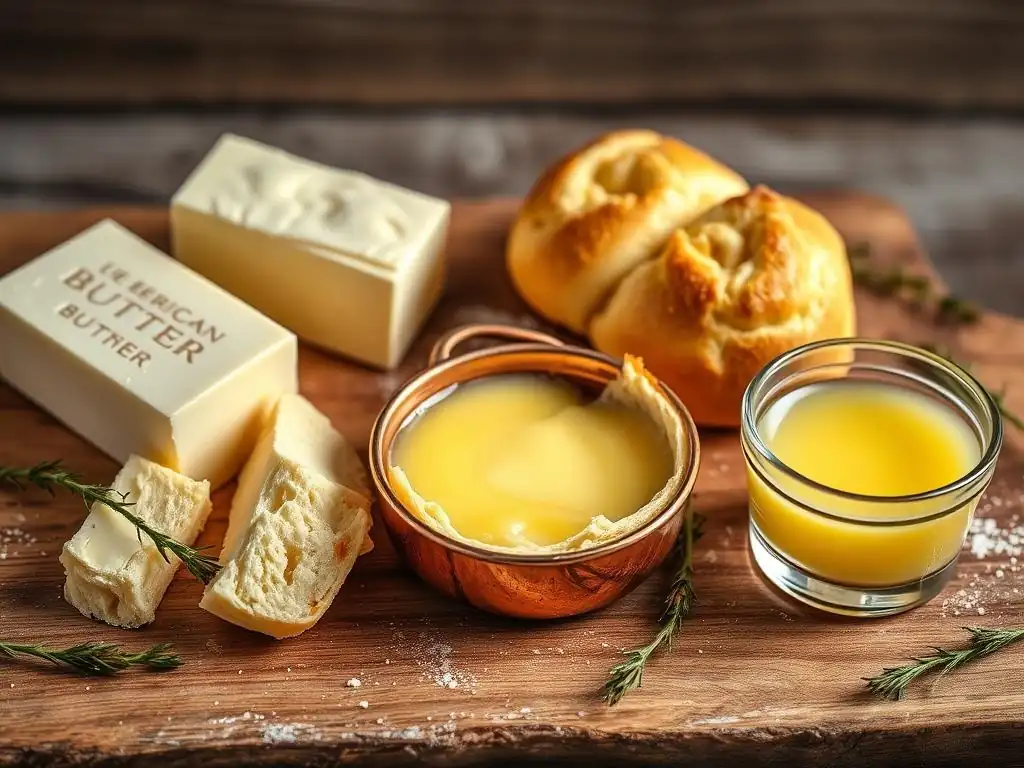
It's not just the type and temperature of butter that matter; how you incorporate it into your sweet rolls also plays a significant role in the final outcome. Different techniques can enhance flavor and refine texture.
Incorporating Butter into Sweet Roll Dough: Different Methods
The most common method for adding softened butter to enriched sweet roll dough is creaming it with sugar (if the recipe calls for sugar in this step) until light and fluffy, then adding eggs, and finally alternating dry and wet ingredients with the flour. This ensures the butter is evenly dispersed.
Another method, sometimes used for richer doughs, involves kneading softened butter into the dough gradually after the initial mixing. This technique, similar to the beurrage step in brioche making, develops gluten initially and then tenderizes it with the added fat. Both methods aim for even distribution, crucial for a tender crumb. Regardless of the method, ensuring the butter is properly softened is key for optimal incorporation and achieving the best butter for sweet rolls dough texture.
Buttering the Sweet Roll Filling: Ensuring Richness and Flavor
The filling is where butter truly shines in many sweet roll recipes. After rolling out the dough, softened or sometimes melted butter is spread generously over the surface before adding the sugar and spice mixture. As the rolls bake, this butter melts, combining with the sugar and spice to create a rich, gooey, caramelized layer that permeates the dough.
Using a flavorful butter, like a high-quality unsalted or European-style butter, in the filling is paramount. The melted butter acts as the vehicle for the spices and sugar, ensuring they stick to the dough and contribute moisture and richness. Some recipes even call for dotting the filling with small cubes of cold butter after spreading the softened butter, which can create pockets of intense richness as they melt. This simple step is vital for that signature sweet roll experience.
Using Brown Butter for a Deeper, Nutty Sweet Roll Experience
Taking your butter technique a step further, browning the butter for either the filling or the glaze can add a layer of sophisticated flavor. Brown butter is made by melting butter and cooking it gently over medium heat until the milk solids separate and brown at the bottom of the pan, releasing a nutty aroma.
This process removes some water and develops complex, nutty, toasted flavors. Using brown butter in the filling alongside the sugar and spice adds a depth that plain butter doesn't provide. It can also be whisked into a glaze for a rich, caramel-like topping. While requiring an extra step, browning butter can elevate the flavor profile of your sweet rolls significantly, offering a unique twist on achieving the best butter for sweet rolls flavor.
Even with the best butter for sweet rolls, issues can arise during baking. Understanding how butter contributes to common problems can help you diagnose and fix them.
Dough Too Oily: Correcting Butter Overload
If your sweet roll dough feels excessively oily, greasy, or won't develop properly, it could be due to using too much butter, or the butter being too warm when incorporated. Over-softened or melted butter doesn't emulsify into the dough correctly and can separate, leading to a greasy texture.
- Fix: If the dough is just slightly oily, chilling it for 30-60 minutes can help the butter firm up, making the dough easier to handle. If the dough is significantly greasy and won't come together, there might be too much fat relative to flour. Unfortunately, it's hard to remove fat once incorporated. You might try kneading in a small amount of extra flour, but this can affect the hydration balance. Prevention is key: measure butter accurately and ensure it's at the correct softened temperature before adding it to the dough.
Dough Too Dry: Adjusting Hydration for Optimal Results
While less common as a direct butter issue, insufficient fat can contribute to a dry or tough dough. If you've reduced the butter significantly or used a low-fat alternative not suited for baking, the dough might lack the richness and tenderness that butter provides.
- Fix: Ensure you are using the amount of butter specified in the recipe. If adapting a recipe, understand that butter contributes fat and some moisture (from the water content). If using a very high-butterfat butter, you might need a tiny splash more liquid (milk or water) to achieve the correct dough consistency, as it contains slightly less water than standard butter. A properly hydrated and adequately buttered dough should feel soft, pliable, and slightly tacky, not dry or stiff.
Sweet Rolls Not Rising: The Impact of Butter Temperature
Yeast activity is sensitive to temperature, and very cold or improperly incorporated butter can sometimes hinder rising. If cold lumps of butter are present in the dough, they create cold spots that can slow down yeast fermentation in those areas.
- Fix: Ensure your butter is properly softened and evenly incorporated into the dough. If the dough feels cold after mixing due to butter temperature, allow it to rest in a slightly warmer spot for the initial rise. Also, ensure your liquid ingredients (like milk) are lukewarm, not hot or cold, which also affects yeast. While butter temperature isn't the only factor in rising (yeast age, water temperature, and room temperature are critical), ensuring butter is properly softened and mixed helps create an even environment for the yeast to work effectively throughout the dough.
Conclusion: Mastering the Art of Sweet Rolls with the Perfect Butter Choice
Choosing the best butter for sweet rolls involves understanding the interplay between butterfat content, flavor, and temperature. While a reliable unsalted standard butter is a solid foundation, experimenting with high-butterfat European-style butters can unlock new levels of tenderness and richness. Paying attention to butter temperature during mixing and using quality butter in the filling are crucial steps towards achieving that perfect, gooey, flavorful sweet roll. By considering these factors and practicing your techniques, you'll be well on your way to mastering the art of baking truly exceptional sweet rolls.
Frequently Asked Questions
What makes butter so important in sweet rolls?
Butter contributes significantly to the flavor and texture of sweet rolls. It adds richness, tenderness, and helps create that desirable soft, melt-in-your-mouth quality.
What type of butter is generally considered the best for sweet rolls?
Unsalted butter is usually preferred, as it allows you to control the salt content of the recipe. Using high-quality butter with a high fat percentage will yield the best results.
Does the temperature of the butter matter when making sweet rolls?
Yes, the temperature is crucial. Many recipes call for softened butter (but not melted) to properly incorporate into the dough and create a tender crumb.
Can I substitute margarine or other butter substitutes in sweet rolls?
While possible, substituting butter will affect the flavor and texture. Butter substitutes often contain more water and less fat, potentially leading to a drier and less flavorful sweet roll.
What's the best way to incorporate butter into sweet roll dough?
Methods vary, but common techniques include creaming softened butter with sugar for richness or using cold butter cut into the flour for a flakier texture. Always follow the recipe instructions carefully.
Final Reflection: The Sweetness of the Perfect Roll
The seemingly simple choice of butter profoundly impacts the final product, elevating a good sweet roll to a transcendent experience. This isn't just about finding the "best" butter; it's about understanding the nuanced relationship between fat content, flavor profile, and the delicate texture of a perfectly baked sweet roll. The right butter isn't just an ingredient; it's the key to unlocking unparalleled flavor and a melt-in-your-mouth experience.
The quest for the perfect sweet roll transcends mere culinary pursuit; it's a reflection of our desire for comfort, tradition, and the simple pleasures in life. The act of baking, of carefully selecting ingredients, and of sharing the final product speaks volumes about our connection to food and to each other. Baking is at once child's play and adult joy. And love, of course.
This sentiment perfectly encapsulates the emotional resonance of creating something delicious, something that brings joy to oneself and others. The choice of butter, therefore, becomes a symbol of this dedication to quality and care.
Now, consider your own baking journey. What ingredients do you choose, and why? What small details elevate your creations from good to extraordinary? I encourage you to experiment, to explore different butters, and to discover the unique magic that the perfect butter brings to your own sweet rolls. Embrace the process, savor the results, and share the joy of baking with those you love. The perfect sweet roll awaits – and it all begins with the butter.
Unlock Your Baking Potential: Master the Art of Sweet Roll Butter!
Thanks for diving into the world of perfect sweet rolls with us! You've just learned how the right butter can elevate your baking game to a whole new level. Now it's time to put that knowledge into practice.
- Bake a batch of your favorite sweet rolls using your newfound butter knowledge. This is your chance to experience the difference firsthand!
- Share your sweet roll success (or even your failures – we learn from those too!) on social media using #BakeWithEaseButter. Let's build a community of baking enthusiasts!
- Explore other BakeWithEase articles for more delicious baking tips and tricks. You might just discover your new favorite recipe!
Ready to experience the buttery goodness? What kind of sweet roll will you make first?