
Why Your Cinnamon Rolls Are Dry (And How to Fix It)

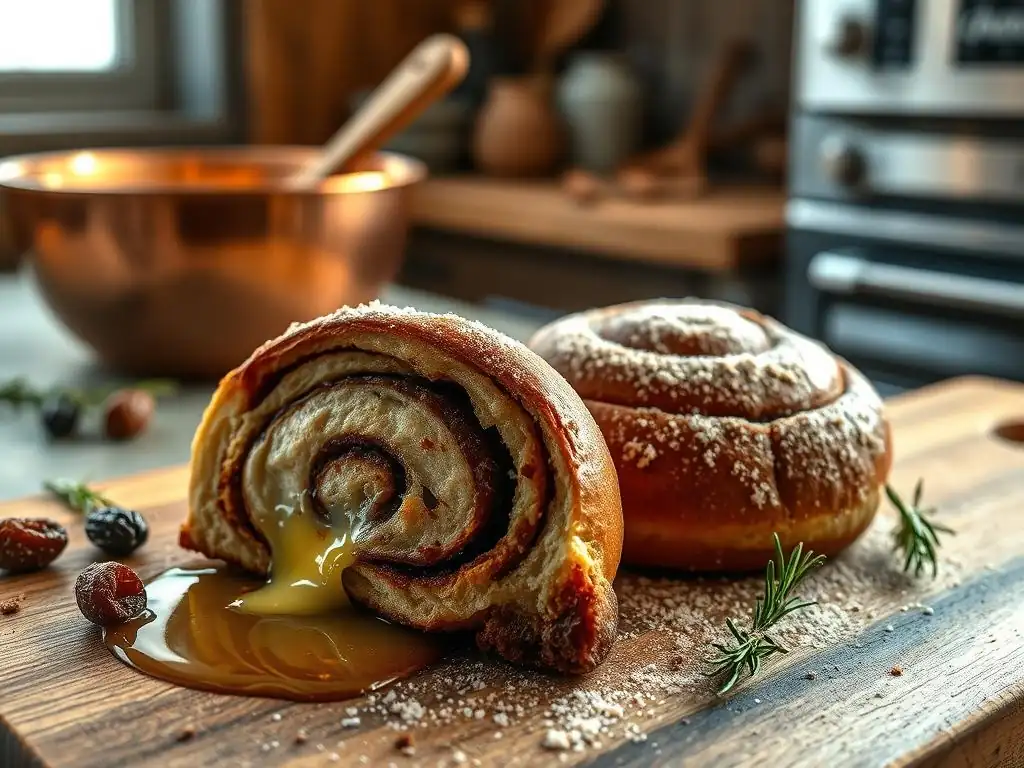
Welcome to BakeWithEase, your haven for all things baking! Ever wondered why your cinnamon rolls turn out disappointingly dry? You're not alone! This article dives deep into the common culprits behind this baking blunder and, more importantly, reveals simple yet effective fixes. Discover the secrets to achieving perfectly moist and fluffy cinnamon rolls every time – your baking journey just got a whole lot sweeter!
- Why Are My Cinnamon Rolls Dry? Troubleshooting and Solutions
- Understanding Dry Cinnamon Rolls: Common Causes
- Fixing Dry Cinnamon Rolls: Practical Solutions
- Reviving Dry Cinnamon Rolls: Rescue Techniques
- Tips for Perfect, Moist Cinnamon Rolls
-
Frequently Asked Questions
- Why are my cinnamon rolls coming out dry?
- How can I prevent my cinnamon rolls from drying out while baking?
- What type of ingredients can help make my cinnamon rolls more moist?
- Is there a specific temperature and baking time that will help avoid dry cinnamon rolls?
- Can I fix cinnamon rolls that are already dry?
- Final Reflection: The Sweet Science of a Perfect Roll
- Unlock Perfectly Moist Cinnamon Rolls!
Why Are My Cinnamon Rolls Dry? Troubleshooting and Solutions
Ah, the beloved cinnamon roll! That soft, sweet spiral of dough, rich filling, and creamy glaze is a comfort food classic. But nothing is more disappointing than biting into a roll you've lovingly baked, only to find it's dry, crumbly, or tough. Understanding why your cinnamon rolls turn out dry is the first step to achieving that perfect, moist texture every time. It's a common baking challenge, but one that's definitely solvable with a few adjustments to your technique and ingredients. Let's dive into the usual suspects behind dry cinnamon rolls and how to tackle them head-on.
Finding the culprit behind dry cinnamon rolls often involves a bit of detective work in your kitchen. Was the dough too stiff? Did the oven run too hot? Was the filling skimpy? Each step in the process, from mixing the dough to the final bake, plays a crucial role in the finished roll's texture and moisture level. By systematically examining each possibility, you can pinpoint the exact issue and learn the secrets to baking consistently moist, tender cinnamon rolls that everyone will rave about. It's all about mastering the balance of ingredients and technique.
Understanding Dry Cinnamon Rolls: Common Causes
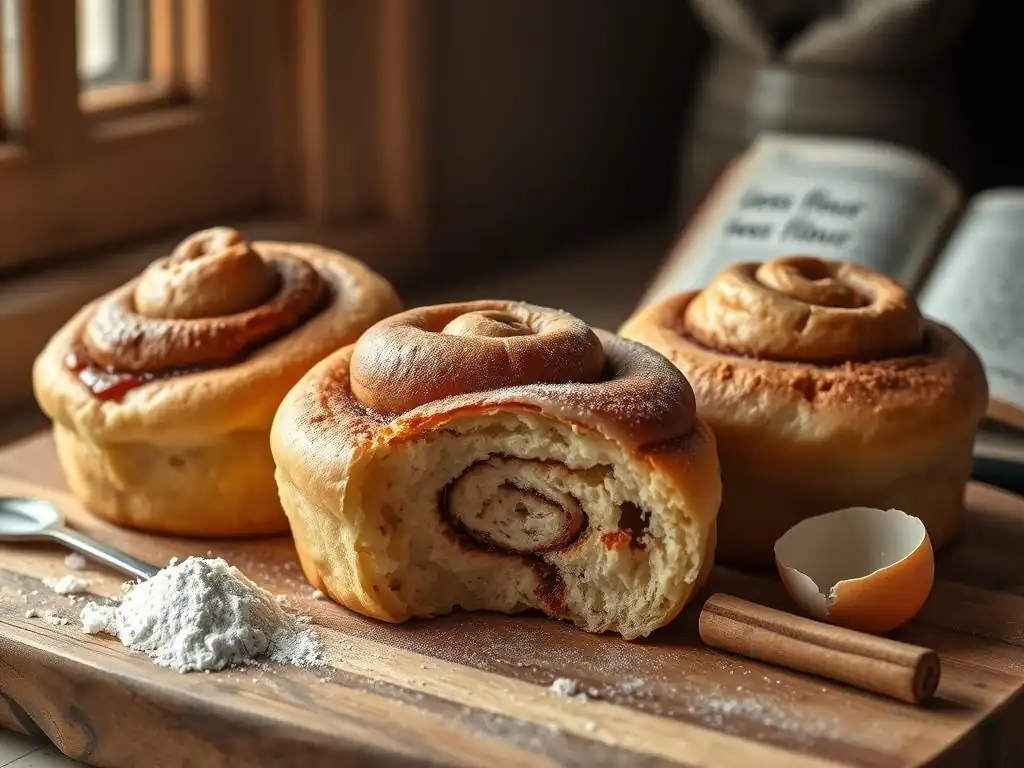
Dryness in cinnamon rolls can stem from several points in the baking process. It's not always just one thing, but often a combination of factors. Pinpointing the primary issue is key to finding the right dry cinnamon rolls fix for your specific situation. Let's explore the most frequent reasons why your rolls might lack that desirable moisture.
Identifying the root cause is essential for effectively fixing dry cinnamon rolls. Without understanding why they are dry, you might apply the wrong solution. For instance, adding more filling won't help if the dough itself was overbaked. Similarly, adjusting proofing won't solve the problem if your ingredients were stale. By breaking down the potential issues, we can approach fixing dry cinnamon rolls with precision and confidence.
Incorrect Dough Hydration
Dough hydration refers to the ratio of liquid (like milk, water, or eggs) to flour in your recipe. In enriched doughs like those used for cinnamon rolls, sufficient hydration is critical for creating a soft, pliable dough that bakes up moist and tender.
If your dough is too stiff right from the start, it likely doesn't have enough liquid, and this lack of initial moisture will carry through to the baked product, resulting in a dry roll. A common hydration range for enriched doughs might be around 50-60% of the flour weight in liquid, not including fats and eggs which also contribute moisture.
Using too little liquid prevents the flour proteins from fully hydrating and developing gluten properly. This leads to a dense, tight crumb structure that feels dry in the mouth. Imagine trying to mix flour with just enough water to form clumps – that's under-hydrated.
A properly hydrated dough for cinnamon rolls should feel soft, slightly sticky but manageable after kneading, and elastic. If you're measuring ingredients by volume instead of weight, it's very easy to accidentally use too much flour, throwing off the hydration balance and leading directly to a dry dough, which is a primary cause of dry cinnamon rolls.
Overbaking
Perhaps the most common culprit behind dry cinnamon rolls is simply leaving them in the oven for too long or baking them at too high a temperature. Heat causes moisture to evaporate. While some evaporation is necessary for the rolls to set and develop structure, excessive heat or time in the oven will wick away too much internal moisture, leaving you with a dry, sometimes hard, roll. The edges might look perfectly golden, but the inside is parched.
Think of it like cooking meat – overcooking dries it out. Baked goods behave similarly. The sugars in the filling can also caramelize and harden if exposed to high heat for too long, contributing to a tougher texture. Most enriched rolls bake best at moderate temperatures, typically between 350°F (175°C) and 375°F (190°C), for a relatively short time, often 20-30 minutes, depending on size. Exceeding this time or temperature can drastically reduce the final moisture content.
Insufficient Filling
While the dough provides the structure, the filling contributes significantly to the moisture and richness of a cinnamon roll. The classic filling is a mixture of softened butter, sugar (often brown sugar), and cinnamon. As the rolls bake, the butter melts, and the sugar dissolves, creating a luscious, moist layer between the dough spirals. This layer not only adds flavor but also helps keep the interior of the roll tender and moist.
If you skimp on the butter and sugar in the filling, there simply isn't enough moisture source within the roll to counteract the drying effects of the oven heat. The dough layers will bake directly against each other without that protective, moist barrier. Ensure your filling is generous and covers the dough adequately before rolling. A typical ratio might be 1/2 cup (1 stick) of softened butter mixed with 1 cup of brown sugar and 2 tablespoons of cinnamon for a standard batch of 12-15 rolls. Less than this might lead to a drier result.
Improper Proofing
Proofing, also known as rising, is the process where yeast ferments the sugars in the dough, producing carbon dioxide gas that makes the dough expand and become light and airy. Proper proofing is essential for developing a tender crumb structure. If your rolls are under-proofed, they will be dense and heavy, resulting in a dry texture after baking because the gluten structure hasn't fully relaxed and expanded.
Conversely, over-proofing can also lead to dryness. If the dough rises for too long or in too warm a place, the yeast can exhaust its food supply, and the gluten structure can weaken and collapse. This often happens when rolls look huge and puffy before baking but deflate slightly in the oven. The weakened structure can't hold onto moisture effectively, leading to a dry, sometimes crumbly texture. Finding the sweet spot – where the rolls are noticeably puffy and have almost doubled in size but still spring back slowly when gently poked – is key.
Stale Ingredients
The quality and freshness of your ingredients have a direct impact on the final outcome of your baked goods, including moisture levels. Flour that has been sitting on the shelf for a very long time can lose some of its natural moisture and absorb ambient odors, affecting flavor and texture. Similarly, old or inactive yeast won't produce sufficient gas for proper rising, leading to a dense, heavy dough that's prone to drying out during baking.
Using fresh, high-quality ingredients ensures they perform as expected in the recipe. Check the expiration dates on your flour and yeast. Yeast should be bubbly and active when proofed in warm liquid and sugar. Using fresh butter and dairy also contributes to richness and moisture. While seemingly minor, stale ingredients can subtly sabotage your efforts to bake moist, tender cinnamon rolls, making the path to a good dry cinnamon rolls fix more difficult.
Fixing Dry Cinnamon Rolls: Practical Solutions
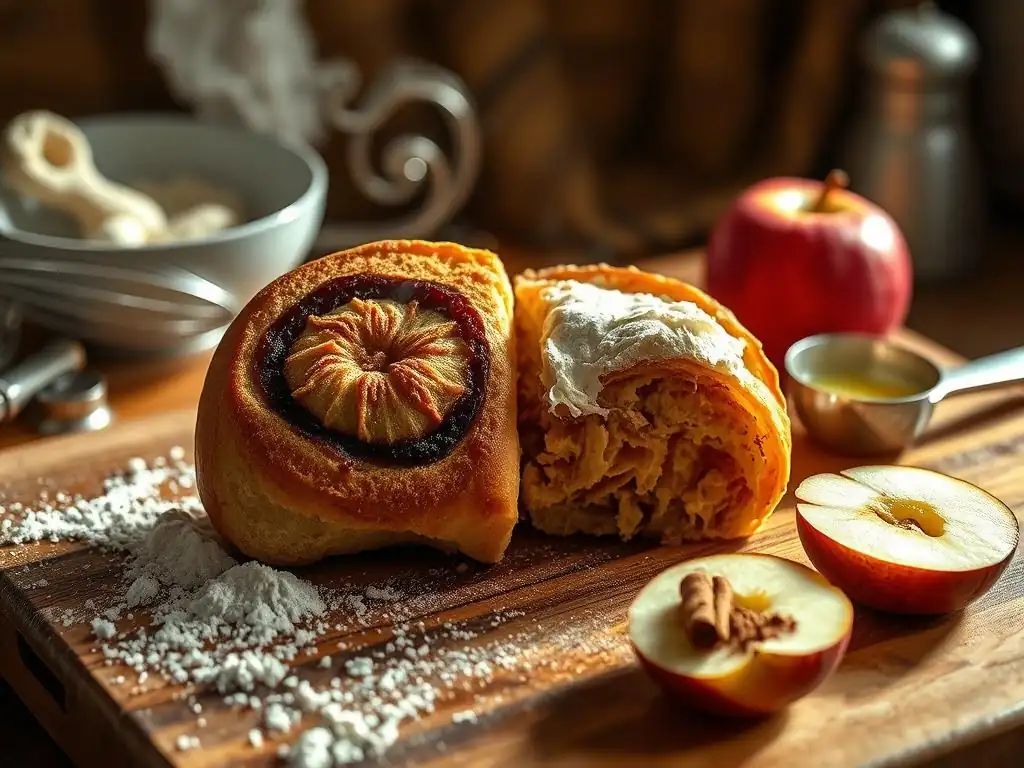
Now that we've explored the common causes of dry cinnamon rolls, let's talk about how to prevent them and achieve that perfectly moist outcome. Fixing dry cinnamon rolls is often about making small, precise adjustments to your process. These solutions address the issues we've identified, guiding you toward consistently successful baking.
Applying these practical solutions will help you solve dry cinnamon rolls issues and bake rolls that are soft, tender, and full of flavor. It's about paying attention to detail at each stage, from initial mixing to the moment they come out of the oven. Mastering these techniques is your ultimate dry cinnamon rolls fix.
Adjusting Dough Hydration: Adding More Moisture
Ensuring your dough has adequate moisture is foundational to preventing dry cinnamon rolls. If your dough feels too stiff or dry during mixing, don't be afraid to add a little extra liquid, but do so gradually. This is especially important if you live in a dry climate or are using a different type of flour than specified in the recipe, as flours absorb liquid differently.
Measuring Ingredients Accurately
Precision in baking is paramount. Using a kitchen scale to weigh your flour and other ingredients is the most accurate way to ensure you're using the correct ratios specified in the recipe. Volume measurements (using cups) can be inconsistent; for example, scooping flour directly from the bag can pack it down, resulting in significantly more flour by weight than if you spoon it lightly into the cup. Weighing ingredients helps maintain the intended hydration level of the dough.
Aim for consistency by always weighing. If a recipe calls for 4 cups of all-purpose flour, this typically weighs around 480-500 grams, depending on how it's measured. Sticking to grams ensures you're using the same amount of flour every time, making it easier to troubleshoot if your rolls turn out dry. This simple step is a powerful dry cinnamon rolls fix starter.
Adding Liquid Enhancers: Milk or Cream
If your recipe uses water, consider substituting some or all of it with milk or cream. Dairy adds fat and protein, which enrich the dough and contribute to a softer, more tender crumb that retains moisture better. Whole milk is a great option, or for extra richness, heavy cream can be used.
When mixing your dough, if it seems too dry or stiff after the initial mixing time, add a tablespoon of milk or water at a time, allowing it to incorporate before adding more. Continue until the dough reaches the desired consistency – soft, pliable, and slightly tacky. This gradual addition prevents you from making the dough too wet. This targeted adjustment is a key part of the dry cinnamon rolls fix strategy.
Preventing Overbaking: Monitoring Internal Temperature
Overbaking is a major cause of dryness. The best way to prevent this is to rely less on visual cues alone and start monitoring the internal temperature of your rolls. While a golden-brown color is desirable, it doesn't always indicate the interior is perfectly cooked without being dry.
Lowering Oven Temperature
If you consistently find your rolls are dry even when baked for the time specified in the recipe, your oven might be running hot. Try lowering the oven temperature by 15-25°F (about 8-14°C) and extending the baking time slightly. A slightly lower temperature allows the rolls to bake through more gently, without drying out the exterior too quickly.
For example, if a recipe calls for 375°F for 25 minutes, try baking at 360°F for 28-30 minutes. This slower, gentler heat helps preserve moisture. This simple adjustment can be a significant dry cinnamon rolls fix.
Using an Oven Thermometer
Oven thermostats can be inaccurate, sometimes by as much as 50°F (28°C) or more. An inexpensive oven thermometer placed inside your oven will show you the true temperature, allowing you to adjust your oven's dial accordingly. If your oven says 375°F but the thermometer reads 400°F, you'll know to set the dial lower to achieve the desired temperature.
This is a crucial tool for consistent baking results. Knowing the actual temperature ensures you're not accidentally baking at a higher heat than intended, which is a common reason for dry cinnamon rolls.
Covering During Baking
If the tops and edges of your rolls are browning too quickly while the centers are still raw, consider tenting the pan loosely with aluminum foil partway through the baking time. This shields the top from direct radiant heat, allowing the interior to finish baking without the exterior becoming overly dry or burnt.
Typically, you might cover the rolls after they have achieved a nice golden color, perhaps after the first 15-20 minutes of baking. This technique is particularly useful for larger rolls or recipes that call for a longer baking time, helping to prevent dry cinnamon rolls by ensuring even, gentle cooking.
Enhancing the Filling: Creating a Moist Center
The filling is more than just flavor; it's a source of moisture within the roll. A generous and properly made filling is essential for a moist result.
Increasing Butter Content
Butter adds richness and, importantly, fat, which contributes to tenderness and moisture. If your filling seems sparse or dry when assembled, try increasing the amount of softened butter you spread on the dough before adding the sugar and cinnamon mixture.
A thicker layer of butter melts into the dough layers during baking, creating a more substantial moist barrier. Ensure the butter is genuinely softened (spreadable, not melted) so it's easy to spread evenly without tearing the dough.
Adding Moisture to the Filling: Brown Sugar and Cream
Brown sugar contains molasses, which adds moisture compared to white sugar. Using brown sugar, or a mix of brown and white, in your filling can help. Additionally, some recipes incorporate a small amount of liquid like milk or cream into the sugar-cinnamon-butter mixture to make it more paste-like and moist.
This creates a filling that is less likely to dry out during baking and contributes more moisture to the surrounding dough. A common technique involves mixing softened butter with brown sugar and cinnamon, perhaps adding a tablespoon or two of milk or cream to make a spreadable paste. This helps solve dry cinnamon rolls by fortifying the interior moisture.
Optimizing Proofing: Achieving a Soft, Moist Dough
Proper proofing is key to developing a light, airy texture that isn't dense and dry. It requires patience and attention to the dough's state, not just the clock.
Proper Proofing Temperature
Yeast is most active in a warm environment, typically between 75-85°F (24-30°C). Proofing in a warm place, free from drafts, allows the dough to rise effectively. You can create a warm environment in a turned-off oven with the light on, or in a microwave with a cup of hot water placed inside.
Avoid proofing in too hot a place (like on top of a hot oven), as this can cause the yeast to work too quickly, potentially leading to over-proofing or developing off-flavors. A steady, warm temperature ensures an even rise.
Avoiding Over-Proofing
Monitor your rolls as they proof. While they should increase significantly in size (often doubling), they shouldn't look overly puffy or fragile. A good test is the "poke test": gently press a finger into the side of a roll. If the indentation springs back immediately, it needs more time. If it stays indented, it's likely over-proofed. If it springs back slowly, leaving a slight indentation, it's perfectly proofed and ready to bake.
Over-proofed dough has exhausted its rising power and can collapse in the oven, resulting in a dense, dry texture. Learn to recognize the signs of perfectly proofed dough for the best texture and moisture.
Selecting Fresh Ingredients: Ensuring Quality and Moisture
The foundation of great baking is quality ingredients. Using fresh flour and active yeast is non-negotiable for moist, tender rolls.
Using Fresh Yeast
Check the expiration date on your yeast packet or jar. If using active dry yeast, proof it in warm liquid with a pinch of sugar before adding it to the rest of your ingredients to ensure it's alive and active. It should become foamy and bubbly within 5-10 minutes. If it doesn't, your yeast is dead and won't make your dough rise, leading to a dense, dry roll.
Instant yeast can often be mixed directly with dry ingredients, but checking its freshness periodically is still a good idea. Using fresh, vigorous yeast ensures a proper rise, which is vital for a light, moist crumb and helps solve dry cinnamon rolls problems from the start.
Choosing High-Quality Flour
While all-purpose flour is standard for many cinnamon roll recipes, the quality can vary. Store your flour in an airtight container in a cool, dry place to prevent it from absorbing moisture or odors and prolong its freshness. Using relatively fresh flour (within a few months of purchase) helps ensure consistent results.
Consider using flour with a moderate protein content (around 10-12%) for enriched doughs, as it provides enough structure without making the rolls tough or overly dense. Fresh flour contributes to better dough development and moisture retention.
Reviving Dry Cinnamon Rolls: Rescue Techniques
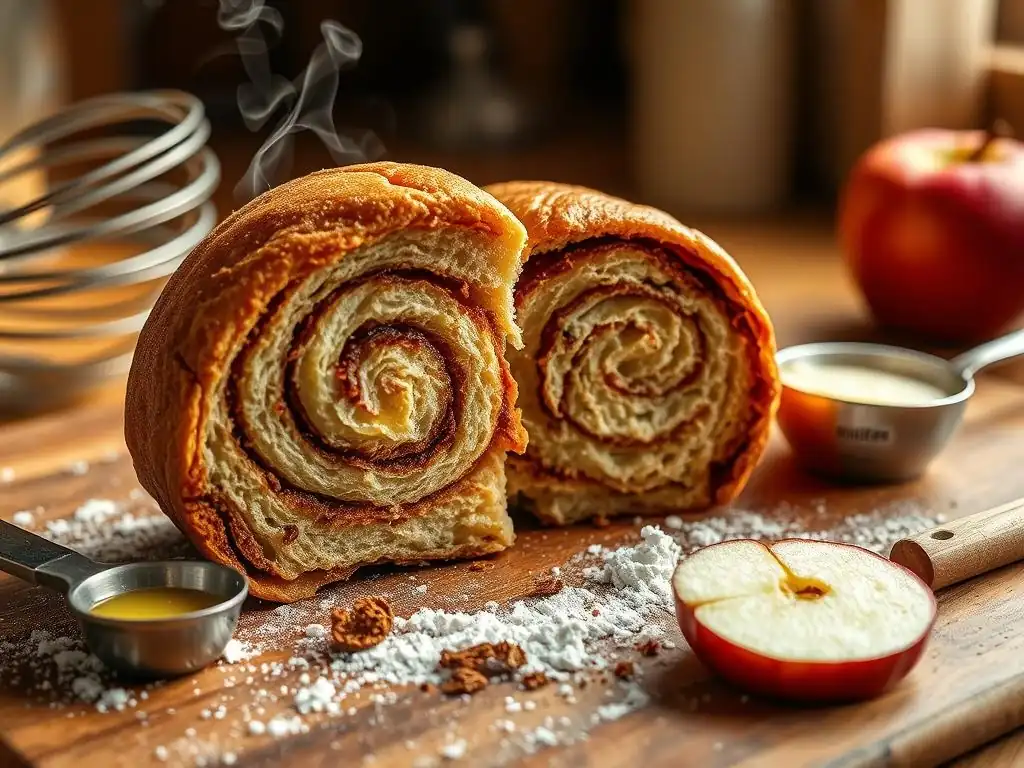
Even with the best intentions, sometimes cinnamon rolls turn out drier than desired. Don't despair! There are a few tricks you can use to add moisture back into baked rolls, making them more enjoyable. While they won't be exactly like a perfectly baked moist roll, these methods can significantly improve their texture. These are quick fixes for dry cinnamon rolls.
These rescue techniques are great for refreshing day-old rolls or attempting to salvage a batch that didn't turn out as moist as you hoped. They focus on reintroducing moisture gently.
The Steaming Method: Rehydrating with Moisture
This is one of the most effective ways to add moisture back into a dry roll. Place the dry cinnamon roll(s) on a plate or rack. Heat a small amount of water in a pot until it's steaming, or use a vegetable steamer insert. Place the plate or rack with the rolls over the steam (not touching the water) and cover loosely with a lid or foil for a few minutes.
The steam permeates the rolls, softening the crumb and adding moisture. Be careful not to over-steam, which can make them soggy. Just a few minutes is usually enough to revive them. This method is excellent for a truly effective dry cinnamon rolls fix after baking.
The Microwave Method: Quick Reheating
The microwave can quickly heat a roll, but it can also dry it out further if not done carefully. To add moisture, place the cinnamon roll on a microwave-safe plate with a small cup or bowl of water next to it, or wrap the roll loosely in a damp paper towel.
Microwave on medium power for short intervals (15-30 seconds) until heated through and softened. The water or damp towel creates a steamy environment in the microwave, helping to rehydrate the roll as it warms. This is a fast way to solve dry cinnamon rolls for immediate enjoyment.
The Oven Method: Gentle Warming
For a gentler approach, you can reheat dry cinnamon rolls in the oven. Wrap individual rolls or the entire pan loosely in aluminum foil. Place them in a preheated oven at a low temperature, around 300-325°F (150-160°C), for 10-15 minutes, or until warmed through.
The foil traps the existing moisture within the roll and allows it to redistribute as it heats, preventing further drying. This method works well for multiple rolls and helps achieve a soft texture throughout. It's a reliable dry cinnamon rolls fix for a whole batch.
Tips for Perfect, Moist Cinnamon Rolls
Achieving consistently perfect, moist cinnamon rolls is a journey. It involves understanding the science behind baking and practicing your technique. Here are some overarching tips to help you bake the best rolls every time. Incorporating these into your baking routine will help you prevent dry cinnamon rolls consistently.
Mastering these aspects of cinnamon roll baking will significantly improve your results and help you avoid the common pitfall of dry rolls.
Recipe Recommendations: Using a Tangzhong Method
Consider trying recipes that use enriched doughs with eggs, butter, and milk, as these ingredients naturally contribute to moisture and tenderness. Some advanced recipes employ techniques like the tangzhong method (a cooked milk and flour paste added to the dough) or the Yudane method (similar, using hot water).
These methods pre-gelatinize a portion of the flour, allowing it to hold significantly more liquid. This extra moisture is locked into the dough structure, resulting in exceptionally soft, moist, and tender rolls that stay fresh longer. This is a powerful technique for preventing dry cinnamon rolls.
Mastering the Dough: Hydration and Kneading
Pay close attention to the dough's consistency during mixing and kneading. It should be soft, smooth, elastic, and slightly tacky, not stiff or dry. Develop the gluten sufficiently through kneading (by hand or mixer) until you can stretch a small piece of dough thinly enough to see light through it without it tearing easily (the "windowpane test").
Proper gluten development creates a strong yet flexible network that can trap the gases produced during proofing and hold onto moisture during baking. A well-kneaded dough is less likely to result in a dense, dry roll.
Baking Techniques: Temperature and Time Control
Always preheat your oven fully and consider using an oven thermometer to verify the temperature. Bake your rolls until they reach an internal temperature of 190-200°F (88-93°C) using an instant-read thermometer inserted into the center of a roll (avoiding the filling pocket).
This internal temperature range indicates that the dough is fully cooked but hasn't dried out. This is a more reliable indicator of doneness than visual cues alone and is a key dry cinnamon rolls fix strategy during baking.
Storage Solutions: Keeping Cinnamon Rolls Moist
Once baked and cooled slightly, store cinnamon rolls properly to maintain their moisture. Store them at room temperature in an airtight container or wrapped tightly in plastic wrap. This prevents air from circulating around them, which causes them to dry out.
For longer storage, you can freeze cooled, baked rolls (glazed or unglazed) wrapped well in plastic wrap and then in foil or a freezer bag. Thaw at room temperature or reheat gently using one of the methods described above. Proper storage is the final step in ensuring your delicious rolls stay moist and enjoyable.
Frequently Asked Questions
Why are my cinnamon rolls coming out dry?
Dry cinnamon rolls are often caused by overbaking, using too much flour in the dough, or insufficient moisture during the baking process.
How can I prevent my cinnamon rolls from drying out while baking?
To maintain moisture, try covering the pan loosely with foil during part of the baking time. Adding a pan of hot water to the oven can also help.
What type of ingredients can help make my cinnamon rolls more moist?
Using ingredients like buttermilk, yogurt, or mashed potatoes in the dough can add moisture and improve the texture of your cinnamon rolls.
Is there a specific temperature and baking time that will help avoid dry cinnamon rolls?
Baking at a lower temperature (around 350°F or 175°C) for a longer time can prevent overbaking and result in more moist rolls.
Can I fix cinnamon rolls that are already dry?
Yes, you can try brushing them with melted butter or simple syrup immediately after baking. Alternatively, gently reheat them with a damp paper towel.
Final Reflection: The Sweet Science of a Perfect Roll
The quest for the perfect, moist cinnamon roll is a journey many home bakers undertake, and the subtle science behind it is often overlooked. A dry cinnamon roll isn't just a culinary disappointment; it's a missed opportunity for a truly transcendent breakfast experience. This article has explored the common culprits behind dryness – from improper ingredient ratios to rushed baking times – and offered practical solutions to achieve that coveted, melt-in-your-mouth texture.
The pursuit of the perfect cinnamon roll transcends mere baking; it's a reflection of our desire for comfort, for a taste of home, for a moment of pure indulgence. Baking is at once child's play and adult joy. And love.
– This sentiment perfectly captures the emotional connection we have with food, especially baked goods that evoke feelings of nostalgia and warmth. The techniques discussed here aren't just about fixing dry rolls; they're about understanding the process and empowering you to create something truly special.
Now, consider your own baking experiences. Have you encountered the frustration of a dry cinnamon roll? What adjustments will you make in your next attempt, armed with the knowledge gained from this article? Don't let another dry roll stand between you and baking bliss. Embrace the challenge, experiment with the techniques, and savor the reward of a perfectly moist, perfectly spiced, and utterly delightful cinnamon roll. The journey to baking mastery is a delicious one, and it starts with one perfectly risen, perfectly baked roll.
Unlock Perfectly Moist Cinnamon Rolls!
Thanks for taking the time to learn the secrets to unbelievably moist cinnamon rolls! We hope you gained valuable insights into the common pitfalls and how to avoid them. Now it's time to put your new knowledge into practice!
- Bake your best batch yet: Use your newfound knowledge to whip up a batch of perfectly moist cinnamon rolls. Don't be afraid to experiment with different techniques! We'd love to see your results!
- Share your success (or challenges!): Tag us on social media with your cinnamon roll creations—we're always eager to see what our readers bake!
- Explore other BakeWithEase recipes: Dive deeper into our collection of delicious recipes to discover more baking secrets and expand your culinary skills.
Ready to create the most incredible cinnamon rolls you've ever tasted? What small tweak are you most excited to try in your next baking adventure?