
Troubleshooting Unevenly Baked Sweet Rolls

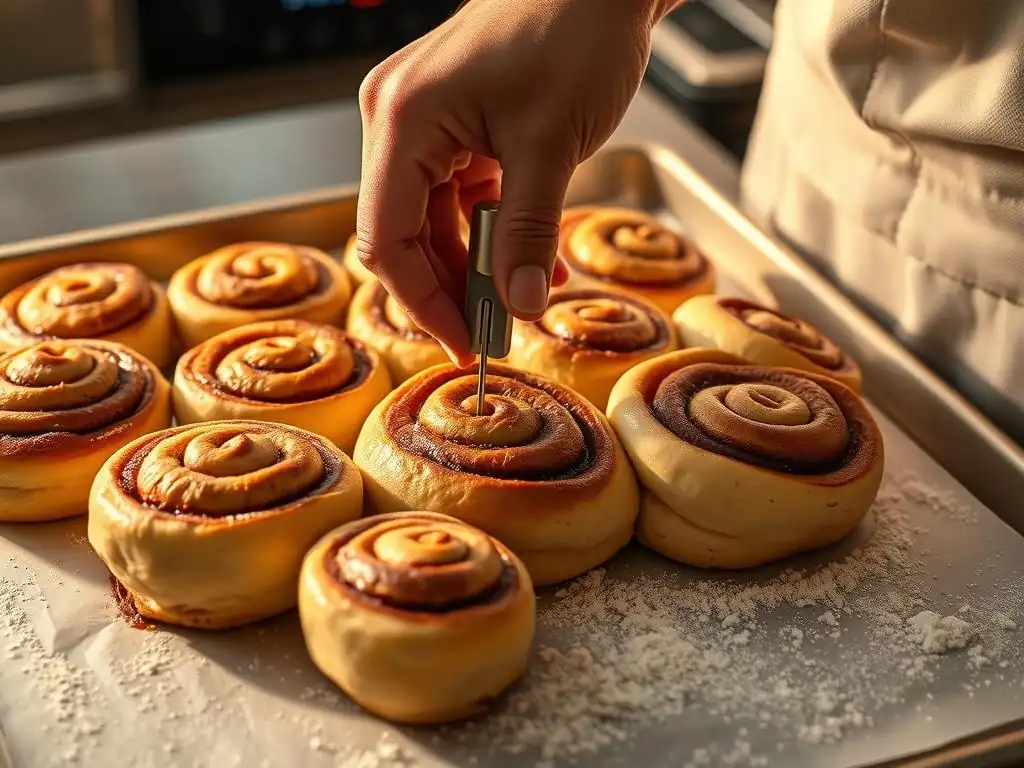
Welcome to BakeWithEase, where we transform baking challenges into delicious triumphs! Are your sweet rolls emerging from the oven with a case of the unevens? Don't despair! Dive into our latest article and discover the secrets to achieving perfectly golden, uniformly baked sweet rolls every time. We'll unlock the common culprits behind uneven baking and equip you with simple fixes to elevate your baking game. Ready to say goodbye to baking frustration and hello to sweet roll perfection? Let's get started!
- Understanding Uneven Baking
- Solutions and Techniques
- Preventing Uneven Baking
- Common Mistakes
- Achieving Perfectly Baked Sweet Rolls: A Recap
-
Frequently Asked Questions
- How can I prevent my sweet rolls from baking unevenly in the first place?
- What if the tops of my sweet rolls are browning too quickly before the centers are done?
- My sweet rolls are browning nicely, but the bottoms are getting burnt. What should I do?
- What if only some of my sweet rolls are baking unevenly, while others are fine?
- Can I fix unevenly baked sweet rolls after they've come out of the oven?
- Final Reflection: The Sweet Triumph Over Uneven Baking
- Unlock Perfectly Even Sweet Rolls!
Understanding Uneven Baking
Unevenly baked sweet rolls can be a frustrating problem for any baker. You pull a tray of beautifully risen rolls from the oven, only to find some are perfectly golden brown and soft, while others are pale, doughy, or even burnt on the bottom or edges. This inconsistency affects texture and flavor, turning a potentially delightful treat into a disappointment. Understanding the common culprits behind this issue is the first step toward achieving uniformly delicious results every time you bake.
Pinpointing the exact cause of uneven baking requires a bit of detective work in your kitchen. It could stem from issues with your oven, how you prepare the dough, or even how you arrange the rolls on the baking sheet. Addressing these factors systematically is key to mastering the unevenly baked sweet rolls fix. By becoming familiar with the signs and sources of uneven heat distribution and dough inconsistencies, you can prevent the problem before it ruins your batch.
Common Causes
Several factors frequently contribute to sweet rolls baking unevenly. One primary cause is inconsistent oven temperature; many home ovens have hot spots or fluctuate significantly during the baking cycle, sometimes varying by as much as 25-50°F (approx. 14-28°C) from the set temperature. Another major factor is the placement and spacing of the rolls on the baking sheet, as overcrowding restricts airflow and heat circulation, leading to some rolls browning faster than others.
Furthermore, variations in dough consistency or thickness when shaping the rolls can cause them to bake at different rates. A thicker roll will take longer to bake through than a thinner one. Inadequate or uneven proofing can also play a role; rolls that haven't proofed uniformly will expand differently in the oven, affecting how heat penetrates them. Recognizing these common issues is crucial for finding an effective unevenly baked sweet rolls fix.
Identifying the Problem
Identifying how your sweet rolls are baking unevenly provides valuable clues. Are they consistently browner on one side of the pan? This often indicates an oven hot spot. Are the rolls in the center paler than those around the edges? That suggests overcrowding or poor heat circulation in the middle. Is the bottom burnt while the top is still pale? This points to a heating element issue or incorrect rack placement.
Observe your rolls halfway through the baking time. Do some appear significantly puffier or browner than others? Note which positions on the baking sheet correspond to the over- or under-baked rolls. Keeping a baking journal where you record oven settings, pan placement, and the outcome can help you spot patterns over time, making it easier to diagnose the specific problem and implement the correct unevenly baked sweet rolls fix.
Solutions and Techniques
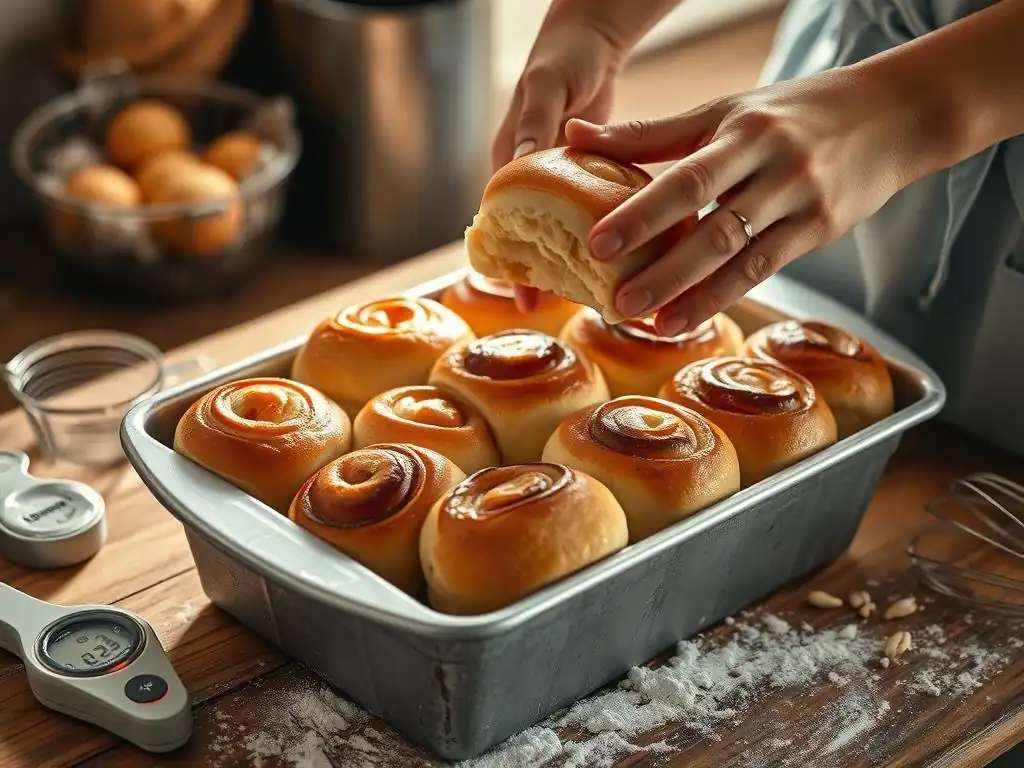
Fortunately, there are several practical solutions and techniques you can employ to combat uneven baking and achieve perfectly golden, soft sweet rolls. These methods address issues ranging from oven performance to dough handling and pan management. Implementing one or a combination of these strategies can significantly improve the uniformity of your baked goods.
Finding the right unevenly baked sweet rolls fix might involve a bit of trial and error, but the techniques outlined here are widely accepted best practices in baking. Patience and attention to detail are your allies in this process. By fine-tuning your approach based on the specific way your rolls are baking unevenly, you can overcome this common challenge.
Oven Temperature Inconsistencies
Oven temperature accuracy is paramount for consistent baking. Many home ovens are not precisely calibrated, leading to significant temperature swings or persistent hot spots. These variations mean that while your oven says it's at 350°F (175°C), it might actually be fluctuating between 325°F and 375°F (160°C and 190°C) or be consistently hotter or cooler than the setting. This inconsistency directly impacts how quickly and evenly your sweet rolls bake.
Addressing oven temperature issues is a fundamental unevenly baked sweet rolls fix. Ignoring this aspect can lead to perpetual baking problems, not just with sweet rolls but with all baked goods. Even a small discrepancy of 15-20°F (approx. 8-11°C) can mean the difference between a perfectly baked roll and one that is undercooked in the center or overcooked on the edges.
Calibrating Your Oven
If you suspect your oven temperature is consistently off, professional calibration is an option. An appliance technician can often adjust your oven's thermostat to match the set temperature more accurately. This is a long-term unevenly baked sweet rolls fix that benefits all your baking endeavors. While it involves a service call, it can resolve persistent temperature-related issues.
Before calling a professional, you can also check if your oven has a built-in calibration function in its settings menu. Many modern ovens allow for a manual temperature adjustment, typically in increments of 5°F or 10°F. Consult your oven's manual to see if this feature is available and how to use it to bring the internal temperature closer to the target.
Using an Oven Thermometer
The simplest and most immediate way to check your oven's actual temperature is by using an inexpensive, reliable oven thermometer. Place it in the center of the oven and let the oven preheat for at least 20-30 minutes to ensure it has reached its stable temperature. Compare the reading on the thermometer to your oven's display setting. This will tell you if your oven runs hot, cold, or is accurate.
If your oven consistently runs hot or cold, you can adjust your baking temperature accordingly. For example, if your oven reads 25°F (approx. 14°C) hotter than the setting, you might set it to 325°F (160°C) when the recipe calls for 350°F (175°C). An oven thermometer also helps identify significant temperature fluctuations or hot spots within the oven cavity, guiding you on where to place your sweet rolls for the most even baking.
Placement on Baking Sheet: Optimizing Heat
How you arrange sweet rolls on the baking sheet significantly impacts heat circulation around each individual roll. Overcrowding is a common mistake that prevents hot air from circulating evenly, leading to some rolls being shielded and baking slower, while others on the edges brown too quickly. Proper spacing is a critical component of the unevenly baked sweet rolls fix.
The material of your baking pan can also influence how heat is transferred to the bottom of the rolls. Dark metal pans absorb and transfer heat more quickly than lighter colored or insulated pans, potentially leading to darker bottoms if not managed correctly. Understanding these dynamics helps you choose the right pan and placement strategy.
Arranging Sweet Rolls
For optimal heat circulation, arrange sweet rolls on the baking sheet with adequate space between them – typically about 1-2 inches (approx. 2.5-5 cm). This allows hot air to flow freely around each roll, ensuring they bake and brown evenly on all sides. If your recipe yields many rolls, it's better to use two baking sheets rather than trying to fit them all onto one crowded sheet.
If you know your oven has specific hot or cool spots (identified using an oven thermometer or through past baking experiences), you can strategically place rolls. For instance, slightly larger or thicker rolls might go in a known hot spot, while smaller ones go in a cooler area. Rotating the pan halfway through the baking time is also an effective technique to compensate for uneven oven heating, ensuring all sides of the rolls are exposed to similar temperatures.
Impact of Pan Material
The material and color of your baking pan influence how heat is conducted to the bottom of your sweet rolls. Dark, heavy gauge metal pans are efficient heat conductors and can promote faster browning and crispier bottoms. While this is desirable for some baked goods, it can lead to burnt bottoms on sweet rolls if the oven temperature or baking time isn't adjusted.
Lighter colored metal pans or insulated baking sheets transfer heat more gradually, resulting in more even baking and less risk of burnt bottoms. If you consistently get dark or burnt bottoms with a dark pan, try switching to a lighter pan or reducing the oven temperature by 15-25°F (approx. 8-14°C) and potentially extending the baking time slightly. Parchment paper is also an excellent barrier that promotes even browning on the bottom and prevents sticking.
Dough Consistency and Even Baking
The uniformity of your sweet roll dough before it goes into the oven is just as important as oven conditions. Variations in dough thickness when rolling it out, or inconsistencies in how tightly the rolls are shaped, will result in rolls of different sizes and densities. These differences mean they will require different amounts of time to bake through, leading to an unevenly baked batch.
Addressing dough consistency is a fundamental unevenly baked sweet rolls fix that starts early in the process. Ensuring the dough is uniform in thickness and that all rolls are shaped to roughly the same size and tightness provides them with an equal starting point for baking, allowing them to cook at similar rates.
Ensuring Uniform Thickness
When rolling out the dough for sweet rolls (like cinnamon rolls), strive for consistent thickness across the entire sheet. Use a ruler or measuring tape if necessary to ensure the dough is the same height from edge to edge. A common target thickness for cinnamon roll dough is about 1/4 to 1/3 inch (approx. 0.6-0.8 cm). Areas that are significantly thicker will take longer to bake, potentially leaving their centers doughy while the rest of the roll is done.
Similarly, when cutting and shaping the rolls, try to make them as uniform in size and tightness as possible. Rolls that are much larger or loosely rolled will bake differently than smaller, tightly rolled ones. Using a sharp knife or even dental floss for cutting can help maintain the shape and consistency of each roll.
Addressing Proofing Issues
Uneven proofing can also contribute to uneven baking. If some rolls proof more than others, they will expand differently in the oven. Over-proofed rolls might collapse slightly or bake too quickly on the exterior, while under-proofed rolls might not rise sufficiently and remain dense. Ensure your rolls are proofing in a relatively consistent temperature and humidity environment.
Check for consistent proofing by gently pressing a finger into the side of a few rolls. If the indentation springs back slowly, leaving a slight mark, they are likely properly proofed. If it springs back immediately, they need more time. If it doesn't spring back at all, they might be over-proofed. Adjusting the proofing time based on your kitchen's conditions is part of mastering the unevenly baked sweet rolls fix.
Addressing Uneven Browning
Sometimes, sweet rolls are baked through but exhibit uneven browning on the top. Some might be beautifully golden while others remain pale or even start to burn on the edges. This is often related to the oven's heat distribution, particularly the proximity to heating elements or hot spots. It's a visual issue but can also impact texture, as over-browned areas can become dry or tough.
Fortunately, there are simple ways to manage uneven browning during the baking process. These techniques involve manipulating the position of the rolls within the oven or providing a protective barrier to areas that are browning too quickly.
Adjusting Rack Position
The position of the baking rack in the oven significantly affects browning. In most ovens, the center rack provides the most even heat distribution. However, if your rolls are browning too quickly on the top, moving the rack to a lower position increases the distance from the upper heating element. Conversely, if the tops are pale, moving the rack higher can help them brown more effectively.
Experiment with rack position to find what works best for your specific oven and sweet roll recipe. Some bakers find that starting rolls on a lower rack and moving them up for the last few minutes helps achieve a perfectly baked interior and a golden-brown top.
Using Aluminum Foil
If specific rolls or areas of your baking sheet are browning much faster than the rest, you can shield them with aluminum foil. Loosely tenting the entire pan with foil is a common technique if the tops are browning too quickly overall but the rolls aren't fully baked through. This reflects radiant heat away from the tops.
For targeted protection, you can tear small pieces of aluminum foil and lightly cover just the individual rolls or sections that are getting too dark. This allows the rest of the rolls to continue browning while protecting the already-browned ones. This simple trick is an effective part of the unevenly baked sweet rolls fix for achieving uniform color.
Preventing Uneven Baking
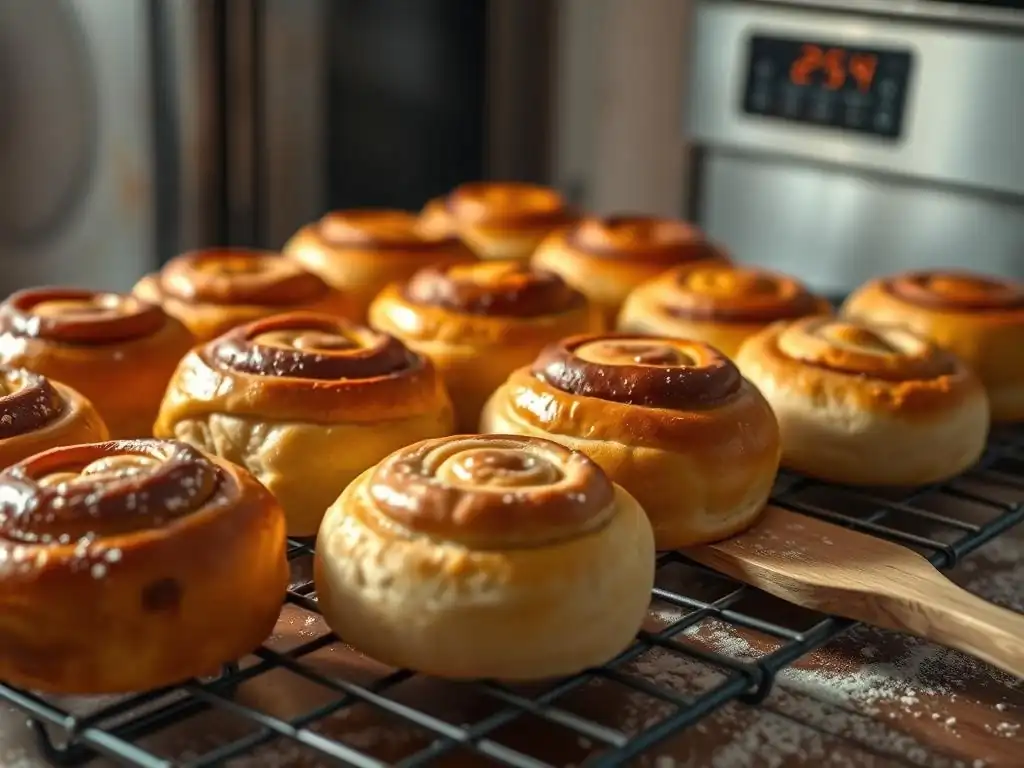
While troubleshooting existing issues is helpful, preventing unevenly baked sweet rolls from happening in the first place is the ultimate goal. This involves adopting best practices in baking, paying attention to detail at every step, and understanding your equipment. Prevention saves time, ingredients, and frustration.
By focusing on consistency in your techniques and being mindful of your oven's characteristics, you can significantly reduce the likelihood of uneven baking. Mastering these preventative measures is key to consistently producing perfect sweet rolls.
Mastering Baking Techniques
Developing consistent baking techniques is fundamental. This includes accurately measuring ingredients (preferably by weight), properly mixing the dough until the correct gluten development is achieved, and shaping rolls uniformly. Learning to recognize properly proofed dough is also crucial. These foundational skills ensure your dough is prepared optimally for even baking.
Practice makes perfect. The more often you bake sweet rolls, the better you will become at recognizing the correct dough consistency, the right proofing level, and how your specific oven behaves. Don't be discouraged by imperfect batches; view them as learning opportunities to refine your techniques and find your personal unevenly baked sweet rolls fix.
Importance of Accurate Measurements
Precise measurement of ingredients is non-negotiable in baking. Variations in the ratio of flour, liquid, sugar, and fat can significantly alter the dough's hydration, structure, and how it bakes. Too much flour, for example, can result in a dry, dense dough that bakes slower and unevenly. Too much sugar can cause excessive browning on the exterior before the interior is cooked.
Using a kitchen scale for dry ingredients (like flour, sugar, and yeast) is the most accurate method. Liquid measuring cups should be used for liquids, and dry measuring cups for dry ingredients like baking powder or soda, leveled off properly. Consistent ingredient ratios lay the groundwork for consistent dough performance and even baking.
Consistent Oven Temperature
As previously discussed, a consistent oven temperature is vital. Always allow your oven ample time to preheat (at least 20-30 minutes, often longer for higher temperatures) to ensure it reaches and stabilizes at the set temperature. Avoid opening the oven door unnecessarily during baking, as this causes significant temperature drops and can disrupt the baking process, leading to uneven results.
Consider using an oven thermometer every time you bake to monitor the temperature. If your oven has significant hot spots, you might need to rotate your baking sheet halfway through the baking time as a routine practice. Maintaining a stable and accurate oven environment is perhaps the most important unevenly baked sweet rolls fix.
Common Mistakes
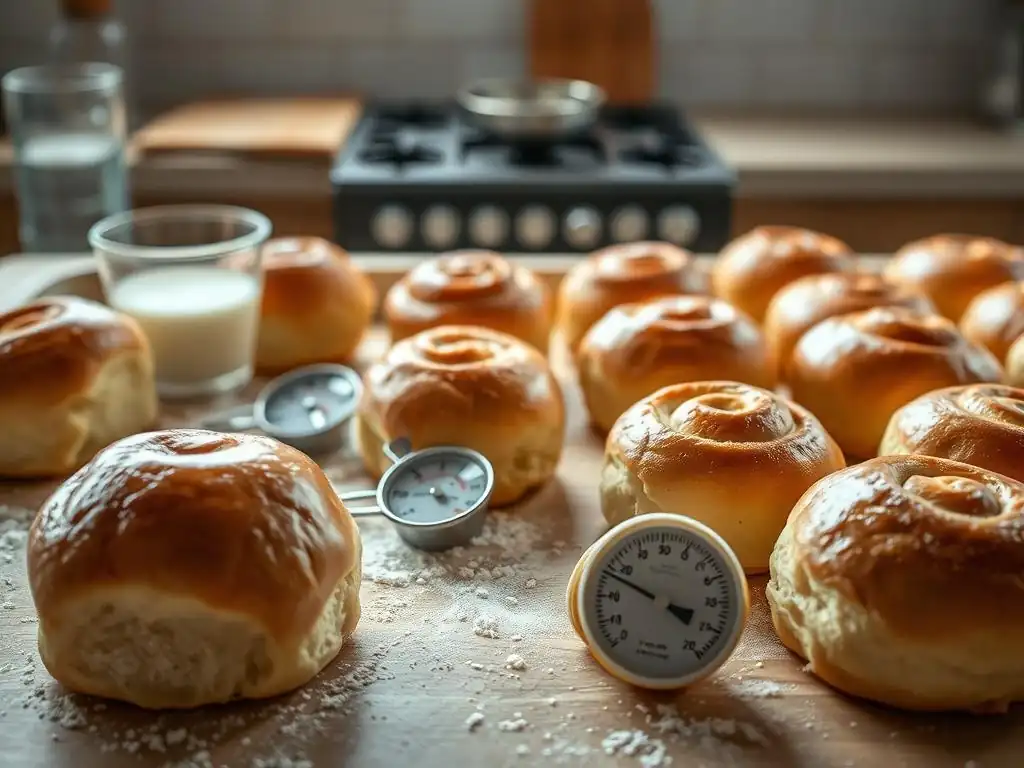
Even experienced bakers can fall prey to common mistakes that lead to unevenly baked sweet rolls. Identifying and avoiding these pitfalls is just as important as implementing solutions. Being aware of these potential issues helps you proactively prevent problems during the baking process.
Avoiding these common errors simplifies the baking process and dramatically increases your chances of achieving a perfectly uniform batch of sweet rolls. They are often simple habits that, when corrected, provide a significant improvement in baking consistency.
Overcrowding the Baking Sheet
Placing too many sweet rolls on a single baking sheet is one of the most frequent causes of uneven baking. When rolls are packed tightly together, they block the flow of hot air, creating cooler spots between them. The rolls on the edges, exposed to more circulating air and radiant heat from the oven walls, will bake and brown faster than those huddled in the center.
Always give your rolls room to breathe and grow. Follow recipe guidelines for spacing or use multiple baking sheets if necessary. Allowing adequate space is a simple yet highly effective unevenly baked sweet rolls fix. Aim for at least 1-2 inches (approx. 2.5-5 cm) between unbaked rolls to allow for expansion and proper heat circulation.
Opening the Oven Door
Resist the urge to constantly open the oven door to check on your sweet rolls, especially during the first two-thirds of the baking time. Every time you open the door, the oven temperature can drop by as much as 50-100°F (approx. 28-56°C). This temperature fluctuation disrupts the baking process and can cause uneven rising and baking.
Use your oven light and window to observe the rolls' progress. Only open the door when absolutely necessary, such as to rotate the pan or shield browning areas with foil. Minimizing door openings helps maintain a stable temperature, which is crucial for even baking and a key unevenly baked sweet rolls fix.
Ingredient Ratios Affecting Baking
While accurate measurements are vital, using incorrect ingredient ratios for the type of sweet roll you're making can also cause problems. For example, a dough with too much sugar can brown excessively before the interior is cooked. A dough that is too dry or too wet due to incorrect liquid ratios will also bake differently.
Ensure you are using a trusted recipe designed for sweet rolls and follow its measurements precisely. If you are adapting a recipe, understand how changing ingredient ratios might affect the dough's structure, hydration, and baking characteristics. Using the correct balance of ingredients is foundational for achieving even baking results.
Achieving Perfectly Baked Sweet Rolls: A Recap
Mastering the art of baking sweet rolls involves understanding and controlling several variables. Uneven baking is a common challenge, but one that can be overcome with knowledge and attention to detail. By addressing issues related to oven temperature, pan placement, dough consistency, and common mistakes, you can consistently achieve beautifully baked, uniformly delicious sweet rolls. Finding your specific unevenly baked sweet rolls fix is an achievable goal.
Remember that baking is both a science and an art. While precision is important, observation and adaptation based on your specific kitchen environment and oven are key. Don't be afraid to experiment and refine your process based on your results.
Key Takeaways
- Oven Accuracy: Use an oven thermometer to verify and potentially adjust your oven temperature. Address hot spots by rotating the pan.
- Proper Spacing: Never overcrowd the baking sheet; ensure adequate space between rolls for even heat circulation.
- Dough Uniformity: Roll out dough to even thickness and shape rolls consistently in size and tightness.
- Proofing: Ensure rolls are proofed uniformly to the correct stage.
- Managing Browning: Use aluminum foil to shield areas that brown too quickly and adjust rack position if needed.
- Minimize Door Openings: Avoid opening the oven door frequently during baking.
- Accurate Measurements: Use precise measurements, preferably by weight, for consistent dough results.
Resources
- Your oven's user manual (for calibration instructions).
- A reliable oven thermometer.
- A kitchen scale for accurate ingredient measurements.
- Parchment paper for lining baking sheets.
- A ruler or measuring tape for checking dough thickness.
- A baking journal to track results and identify patterns.
Frequently Asked Questions
How can I prevent my sweet rolls from baking unevenly in the first place?
The most common cause is uneven oven temperature. Make sure your oven is properly preheated and consider using an oven thermometer to verify its accuracy. Also, ensure your sweet rolls are evenly spaced on the baking sheet.
What if the tops of my sweet rolls are browning too quickly before the centers are done?
This indicates that the oven temperature is too high, or the rolls are too close to the heat source. Try lowering the oven temperature by 25 degrees Fahrenheit and covering the rolls loosely with aluminum foil to slow down browning.
My sweet rolls are browning nicely, but the bottoms are getting burnt. What should I do?
This often happens when the baking sheet is too thin or dark, or if the oven rack is too low. Try using a double baking sheet or moving the oven rack to a higher position.
What if only some of my sweet rolls are baking unevenly, while others are fine?
This suggests an issue with the placement of the rolls on the baking sheet. Rotate the baking sheet halfway through the baking time to ensure even heat distribution.
Can I fix unevenly baked sweet rolls after they've come out of the oven?
It's difficult to completely fix them, but you can try. If the tops are too brown, carefully trim them. If the centers are underbaked, you can try microwaving them briefly, but be careful not to overcook them.
Final Reflection: The Sweet Triumph Over Uneven Baking
The quest for perfectly golden-brown, evenly baked sweet rolls is a universal struggle, a culinary Everest for many home bakers. But as we've explored, conquering this challenge isn't about luck; it's about understanding the science behind the bake and mastering a few key techniques. From oven temperature calibration to dough consistency and even pan selection, the path to sweet roll perfection is paved with knowledge and careful attention to detail.
The frustration of unevenly baked goods transcends mere culinary disappointment; it speaks to a deeper desire for control and mastery in the kitchen. It's a reminder that even the simplest recipes can yield unexpected results if we don't pay close attention to the process. This journey of troubleshooting unevenly baked sweet rolls has been a personal one, reminding me of the importance of patience and observation in baking, and the immense satisfaction that comes from finally achieving that perfectly golden crust. The best things in life are worth waiting for, and perfectly baked sweet rolls are no exception.
Now, it's your turn. Don't let unevenly baked sweet rolls discourage you. Take the knowledge gained from this article, experiment with different techniques, and embrace the learning process. Remember the small details – the preheating, the even distribution of dough, the careful monitoring of baking time. With practice and a little patience, you too can achieve the sweet triumph of perfectly baked, golden-brown rolls, ready to be enjoyed with family and friends. The journey to baking mastery is a delicious one; embark on it with confidence and a sprinkle of joy!
Unlock Perfectly Even Sweet Rolls!
Thanks for taking the time to learn about achieving perfectly even sweet rolls! We hope you gained valuable insights into troubleshooting common baking issues. Now it's time to put your new knowledge into practice.
- Bake a test batch: Use your newfound knowledge to try baking a smaller batch of sweet rolls, focusing on the techniques discussed, and see the difference! This is the key step to mastering even baking.
- Share your results: Post a picture of your perfectly baked sweet rolls on social media and tag us @BakeWithEase – we’d love to see your success!
- Dive Deeper: Explore our other baking guides for more tips and tricks to elevate your baking game.
Ready to experience the joy of perfectly baked sweet rolls every time?