
Unlock the Secret to Soft, Fluffy Sweet Roll Dough


Welcome to BakeWithEase, your guide to baking bliss! Are you ready to unlock the secret to achieving that perfectly soft and fluffy texture in your homemade sweet rolls? Our latest article dives deep into the techniques that will transform your dough into a cloud-like masterpiece. Discover the key ingredients and proven methods that will elevate your baking game and leave everyone craving more. Intrigued? Let's get started on your journey to mastering soft fluffy sweet roll dough!
- BakeWithEase' Guide to Perfect Sweet Roll Dough
- Understanding the Foundations of Soft Sweet Rolls
- Step-by-Step: Crafting the Ultimate Soft Sweet Roll Dough
- Tips and Tricks for Achieving Extra Soft Sweet Rolls
- Delicious Variations: Beyond the Basic Sweet Roll Dough
- Storing Your Soft, Fluffy Sweet Rolls
- Enjoy Your Homemade Soft Sweet Rolls!
-
Frequently Asked Questions
- What makes BakeWithEase's sweet roll dough recipe different from other recipes?
- How important is the temperature of the ingredients when making soft, fluffy sweet roll dough?
- Can I substitute ingredients in the BakeWithEase sweet roll dough recipe?
- What are some common mistakes to avoid when making sweet roll dough?
- How do I ensure my sweet rolls stay soft and fluffy after baking?
- Final Reflection: The Enduring Allure of Perfectly Fluffy Sweet Rolls
- Unleash Your Inner Baker: Soft & Fluffy Sweet Rolls Await!
BakeWithEase' Guide to Perfect Sweet Roll Dough
Welcome to your guide to mastering the art of creating truly irresistible sweet rolls. Achieving that signature soft, fluffy texture in sweet roll dough can seem like a mystery, but with the right techniques and understanding of ingredients, it's entirely within your reach. This article will walk you through the process, demystifying the science behind soft fluffy sweet roll dough and equipping you with the knowledge to bake rolls that are tender, rich, and utterly delicious every time.
We'll explore the fundamental differences that set sweet roll dough apart from other doughs, the crucial role each ingredient plays, and provide a detailed, step-by-step process from activating yeast to baking. Whether you're aiming for classic cinnamon rolls or experimenting with new flavors, the foundation of soft, fluffy dough is key. Get ready to elevate your baking skills and delight in the results – incredibly soft sweet rolls that melt in your mouth.
Understanding the Foundations of Soft Sweet Rolls
What Makes Sweet Roll Dough Different?
Sweet roll dough distinguishes itself from lean bread dough primarily through its higher fat and sugar content. While a lean dough, like a baguette or pizza crust, relies mainly on flour, water, yeast, and salt to develop a strong gluten structure for chewiness and crust, soft fluffy sweet roll dough incorporates enriching ingredients such as butter, milk, and eggs. These additions inhibit gluten development to some extent, resulting in a more tender crumb structure rather than a chewy one.
The presence of sugar in sweet roll dough also plays a significant role. Sugar not only provides sweetness and aids in browning during baking, but it also attracts and holds onto moisture, contributing to the dough's softness and extending its shelf life. This higher sugar and fat content means the dough handles differently – it's often stickier and requires careful handling and specific kneading techniques to achieve the desired soft sweet roll dough texture.
The Importance of Ingredients for Softness
The quality and type of ingredients used are paramount in achieving that coveted soft fluffy sweet roll dough. Each component plays a specific role, and understanding these functions helps in troubleshooting and perfecting your recipe. From the type of flour to the fat content of your milk, every choice impacts the final texture and softness of your sweet rolls.
Ensuring your ingredients are fresh and measured accurately is the first step. Stale yeast, for instance, will lead to a dough that doesn't rise, resulting in dense rolls instead of fluffy sweet rolls. Similarly, using cold ingredients directly from the refrigerator can slow down yeast activity and affect the dough's development. Bringing ingredients like milk, eggs, and butter to room temperature is a common tip for consistent results and optimal soft sweet roll dough softness.
Flour Selection for Fluffy Sweet Rolls
Choosing the right flour is critical for soft fluffy sweet roll dough. All-purpose flour is a common choice for sweet rolls because it has a moderate protein content, typically ranging from 10% to 12%. This level of protein allows for sufficient gluten development to give the dough structure and elasticity, but not so much that the rolls become tough or overly chewy. The goal is a tender, yielding crumb.
Bread flour, with its higher protein content (around 12-14%), can result in a chewier texture, which is generally not desired for soft sweet roll dough. Cake flour, with a lower protein content (6-8%), might produce a very tender crumb but lacks the structure needed to support the rise of enriched dough, potentially leading to a fragile or collapsed roll. Therefore, all-purpose flour strikes the best balance for achieving both structure and the desired soft fluffy sweet roll dough texture.
The Role of Yeast in Sweet Roll Dough
Yeast is the leavening agent responsible for the rise and airy texture of soft fluffy sweet roll dough. As yeast consumes sugars in the dough, it produces carbon dioxide gas, which gets trapped by the gluten network, causing the dough to expand (rise). This process is essential for creating the light and airy structure characteristic of fluffy sweet rolls.
Active dry yeast, instant yeast, and fresh yeast are common types. Instant yeast is often preferred for its convenience as it can be mixed directly with dry ingredients and doesn't require proofing beforehand. Active dry yeast typically needs to be dissolved in warm liquid first to "activate" it. Using the correct amount of fresh, active yeast and providing the right conditions (warmth and food - sugar) ensures a vigorous rise and contributes significantly to the soft sweet roll dough softness.
Adding Richness: Butter, Milk, and Eggs
Butter, milk, and eggs are the workhorses of enrichment in soft fluffy sweet roll dough. Butter, ideally unsalted, adds flavor, tenderness, and contributes to a richer crumb. The fat in butter coats the flour particles, inhibiting some gluten development, which results in a softer texture. Using softened or melted butter, depending on the recipe's instructions, affects how it incorporates into the dough and its impact on structure.
Milk, particularly whole milk, provides liquid for hydration and contains fat and sugar (lactose) that contribute to tenderness, flavor, and browning. Warm milk is often used to help activate yeast. Eggs add richness, flavor, and structure. The yolks contribute fat for tenderness and richness, while the whites provide protein that helps build structure and stability, ensuring the soft fluffy sweet roll dough holds its shape during rising and baking.
Step-by-Step: Crafting the Ultimate Soft Sweet Roll Dough
Step 1: Activating the Yeast
Activating yeast is a crucial initial step, especially when using active dry yeast. It ensures your yeast is alive and ready to make your soft fluffy sweet roll dough rise beautifully. Typically, this involves combining the yeast with a warm liquid (like milk or water, usually between 105°F and 115°F or 40°C and 46°C) and a pinch of sugar or honey. The sugar provides food for the yeast, encouraging it to become active.
After combining, let the mixture sit for 5 to 10 minutes. You should see a foamy or frothy layer develop on the surface. This foam is a sign that the yeast is active and producing gas. If your mixture doesn't foam, your yeast may be old or the liquid temperature was incorrect. In this case, it's best to discard the mixture and start again with fresh yeast to ensure your soft sweet roll dough will rise properly.
Step 2: Combining Dry Ingredients
Once your yeast is active (or if using instant yeast), the next step is to combine the dry ingredients. This usually includes the flour, sugar, and salt. Some recipes might also include baking powder or baking soda for extra lift, although this is less common in traditional soft fluffy sweet roll dough. Sifting the flour is optional but can help aerate it, contributing slightly to a lighter texture.
Combine these dry ingredients thoroughly in a large mixing bowl. Using a whisk or a spoon ensures that the salt, which can inhibit yeast activity if in direct contact for too long, is evenly distributed throughout the flour. This preliminary mixing prepares the base for incorporating the wet ingredients and beginning the process of developing the soft sweet roll dough structure.
Step 3: Incorporating Wet Ingredients and Kneading
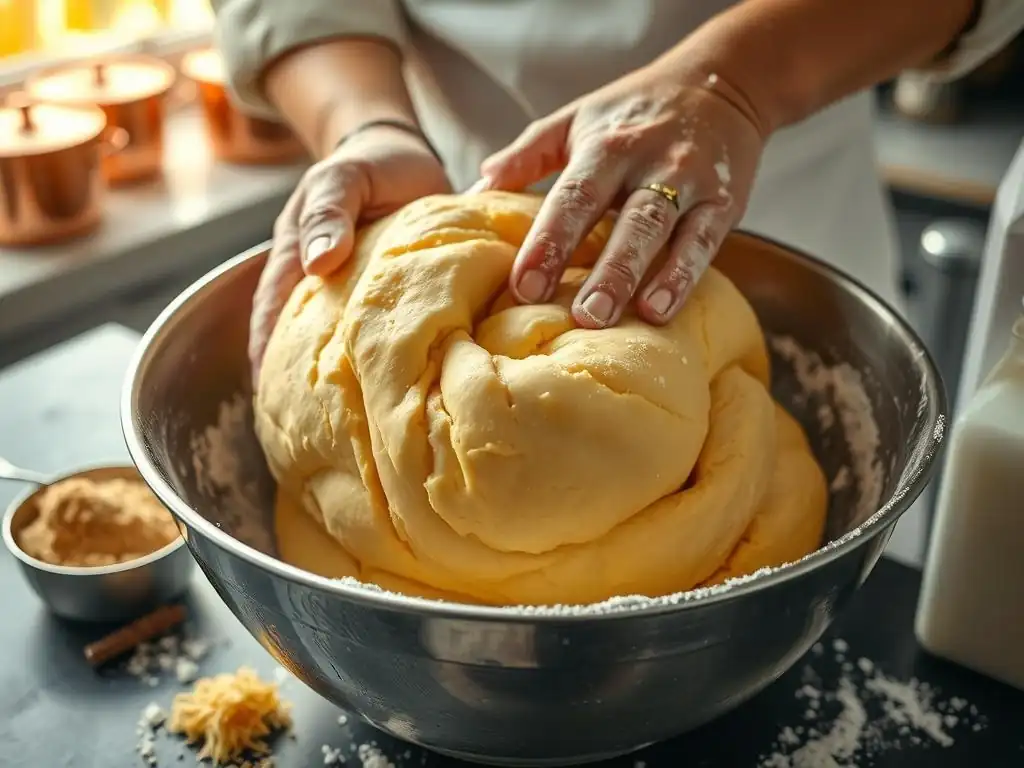
Now it's time to bring everything together. Add the activated yeast mixture (or warm milk/water if using instant yeast), melted or softened butter, eggs, and any other liquid ingredients (like vanilla extract) to the dry ingredients. Mix everything together using a spoon, spatula, or the paddle attachment of a stand mixer until a shaggy dough forms.
Once the dough comes together, switch to kneading. Kneading is essential for developing the gluten network in the flour. Gluten provides the structure that allows the dough to trap the carbon dioxide produced by the yeast, resulting in a light and airy crumb. Proper kneading is key to achieving that desired soft fluffy sweet roll dough texture.
Kneading Techniques for Soft Dough
There are two primary methods for kneading soft fluffy sweet roll dough: by hand or using a stand mixer. Kneading by hand involves folding the dough over on itself, pressing down with the heels of your hands, and rotating the dough. It's a good workout and allows you to feel the dough's development. Expect this to take 10-15 minutes.
Using a stand mixer with a dough hook is often easier, especially with sticky enriched doughs. Start on a low speed to bring the dough together, then increase to medium speed. The dough hook pulls, stretches, and folds the dough, mimicking hand kneading. This process typically takes 6-10 minutes in a mixer. The dough should start to pull away from the sides of the bowl. Regardless of the method, the goal is to develop enough gluten for elasticity without making the dough tough.
When is the Dough Kneaded Enough?
Determining when soft fluffy sweet roll dough is sufficiently kneaded is crucial. Over-kneading can make the rolls tough, while under-kneading will result in a poor rise and dense texture. A well-kneaded dough should be smooth, elastic, and slightly tacky to the touch, but it shouldn't stick excessively to your hands or the bowl.
A common test is the "windowpane test." Take a small piece of dough and gently stretch it between your fingers. If it stretches thinly enough that you can see light through it (like a windowpane) without tearing easily, the gluten is well-developed. If it tears quickly, it needs more kneading. A properly kneaded dough is fundamental to achieving soft sweet roll dough softness.
Step 4: The First Rise: Achieving Maximum Fluffiness
The first rise, also known as bulk fermentation, is a critical step where the yeast gets to work, causing the soft fluffy sweet roll dough to expand significantly. Place the kneaded dough in a lightly greased bowl, turning it to coat all sides. Cover the bowl tightly with plastic wrap or a damp cloth to prevent the surface from drying out and forming a skin.
Let the dough rise in a warm, draft-free place. Ideal temperatures are typically between 75°F and 85°F (24°C and 29°C). The rising time varies depending on the temperature and the amount of yeast used, but it usually takes 1 to 2 hours, or until the dough has roughly doubled in size. This slow expansion allows flavors to develop and contributes significantly to the soft fluffy sweet roll dough texture.
Step 5: Shaping Your Sweet Rolls
Once the soft sweet roll dough has doubled in size, gently punch it down to release the gases. Turn the dough out onto a lightly floured surface. For classic rolls like cinnamon rolls, the dough is typically rolled out into a large rectangle. The thickness will depend on the desired number of layers in your final roll – usually around 1/4 to 1/2 inch (about 0.5 to 1 cm).
Spread your filling evenly over the dough, leaving a small border clean. Then, carefully roll the dough up tightly into a log. Use a sharp knife, dental floss, or thread to cut the log into individual rolls. The thickness of the slices determines the size of your rolls, commonly 1 to 1.5 inches (2.5 to 4 cm) thick. Arrange the cut rolls in a prepared baking pan, leaving some space between them for the second rise.
Step 6: The Second Rise: Preparing for Baking
The second rise, or proofing, is just as important as the first for achieving truly soft fluffy sweet roll dough. After shaping and placing the rolls in the pan, cover them again loosely with plastic wrap or a clean towel. Allow them to rise in a warm spot for another 30 to 60 minutes, or until they are noticeably puffy and have nearly doubled in size again.
During this second rise, the yeast produces more gas, expanding the rolls and filling them with air pockets. This prepares the dough for the oven spring, the final burst of rising that happens when the rolls first hit the heat. Proper proofing ensures a light, airy texture in the final soft fluffy sweet roll dough. Be careful not to over-proof, as this can cause the rolls to collapse during baking.
Step 7: Baking to Golden Perfection
Preheat your oven to the temperature specified in your recipe, usually between 350°F and 375°F (175°C and 190°C). Baking soft fluffy sweet roll dough requires careful attention to temperature and time. Placing the rolls in a hot oven ensures a good oven spring.
Bake the rolls for 15 to 25 minutes, or until they are golden brown on top and cooked through. You can check for doneness by gently lifting a roll; the bottom should also be golden brown. An internal temperature of around 190°F (88°C) indicates they are fully baked. Remove the rolls from the oven and, if desired, brush them with a simple syrup or butter while still hot for extra moisture and shine, contributing to the soft sweet roll dough softness.
Tips and Tricks for Achieving Extra Soft Sweet Rolls
Secret Ingredients for Enhanced Softness
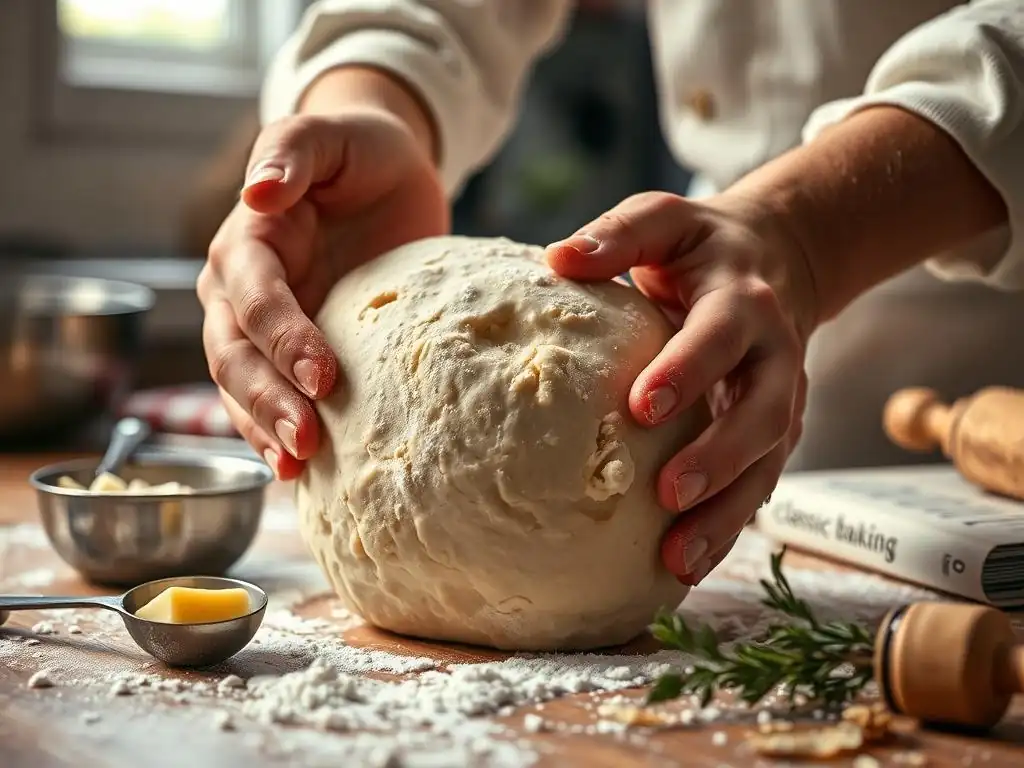
Beyond the standard butter, milk, and eggs, a few 'secret' ingredients can push your soft fluffy sweet roll dough to the next level of tenderness and moisture retention. These ingredients modify the dough structure or help hold onto moisture during baking and cooling, ensuring your fluffy sweet rolls stay soft longer.
Experimenting with these additions can transform a good sweet roll into an exceptional one. While not strictly necessary for a basic soft sweet roll dough, they are fantastic techniques for bakers looking to perfect their craft and achieve maximum soft sweet roll dough softness.
Adding Potato Flakes for Moisture
Incorporating instant potato flakes or mashed potato into soft fluffy sweet roll dough is a time-tested technique for achieving incredible softness and moisture. Potatoes contain starch that gelatinizes when heated, holding onto water within the dough structure. This extra moisture contributes to a very tender crumb and helps the rolls stay fresh and soft for several days.
Typically, a small amount (a few tablespoons of flakes or about half a cup of mashed potato per standard batch) is added along with the wet ingredients. The potato doesn't significantly alter the flavor but works wonders on the texture, making the soft sweet roll dough exceptionally moist and yielding.
Using Tangzhong (Water Roux) for Softness
The Tangzhong method, originating from Asian baking, is a technique specifically designed to create incredibly soft and fluffy bread and rolls. It involves cooking a small portion of the flour and liquid (usually milk or water) from the recipe into a thick paste or roux before adding it to the main dough ingredients.
This pre-cooking process gelatinizes the starch in the flour, allowing it to absorb and retain significantly more liquid than raw flour. When this Tangzhong is added to the dough, it introduces extra moisture without making the dough sticky or difficult to handle. This trapped moisture is released during baking, resulting in a roll with an exceptionally tender, moist, and soft fluffy sweet roll dough crumb that stays soft for a longer period compared to rolls made without this technique.
Mastering the Art of Proofing Sweet Roll Dough
Proofing is more than just waiting for the dough to rise; it's a controlled environment where yeast creates the airy structure of soft fluffy sweet roll dough. Understanding the ideal conditions is key. A warm, draft-free environment is crucial. Temperatures between 75°F and 85°F (24°C and 29°C) are generally optimal for yeast activity. Too cold, and the rise will be slow or stalled; too hot, and the yeast can become overactive, leading to off-flavors or a collapse.
Humidity also plays a role. Covering the dough prevents the surface from drying out, which would inhibit rising and create a crust. Placing the covered dough in a slightly warm oven (turned off) with a pan of hot water can create a perfect proofing environment. Learning to judge when the dough is properly proofed – usually doubled in size and springs back slowly when gently poked – is a skill developed with practice and essential for maximizing soft sweet roll dough softness.
Troubleshooting Common Sweet Roll Dough Problems
Even experienced bakers encounter issues with soft fluffy sweet roll dough. Knowing how to identify and fix common problems can save a batch and improve your technique. Don't get discouraged if your first attempt isn't perfect; baking is a learning process.
| Problem | Possible Causes | Solutions |
|---|---|---|
| Dough Too Sticky | Too much liquid, not enough flour, under-kneaded | Add small amounts of flour during kneading; knead longer to develop gluten. |
| Dough Not Rising | Inactive yeast, liquid too hot/cold, too cold room | Check yeast date; ensure liquid temp is correct; find a warmer spot for rising. |
| Rolls Too Dense | Under-kneaded, under-proofed, over-baked | Knead longer; allow sufficient rise time; check for doneness earlier. |
Addressing these issues helps ensure your soft fluffy sweet roll dough develops correctly, leading to delicious, fluffy sweet rolls.
Dough Too Sticky?
A common issue with enriched doughs like soft fluffy sweet roll dough is stickiness. This can happen if the ratio of wet to dry ingredients is slightly off, or if the dough hasn't been kneaded enough to develop sufficient gluten structure. Gluten provides the framework that makes the dough less sticky and more manageable.
If your dough is too sticky to handle after the initial mixing, resist the urge to add a lot of extra flour immediately. Instead, try kneading it for a few minutes. As gluten develops, the dough often becomes less sticky on its own. If it remains excessively sticky, add flour, but do so gradually, a tablespoon at a time, allowing it to incorporate before adding more. This prevents you from adding too much flour and making the dough tough, preserving the potential soft sweet roll dough softness.
Dough Not Rising?
If your soft sweet roll dough isn't rising, the most likely culprit is inactive yeast. Yeast is a living organism, and if it's old, exposed to too much heat or cold, or improperly stored, it can die or become dormant. Using liquid that is too hot (above 120°F/49°C) will kill the yeast, while liquid that is too cold will slow it down significantly.
Ensure your yeast is fresh (check the expiration date) and that your liquid temperature is within the recommended range (105°F-115°F or 40°C-46°C for active dry, warmer for instant only if package directs). Also, check your proofing environment – the dough needs warmth to rise. If the room is cold, find a warmer spot or create a makeshift proofing box. Starting with active yeast and a warm environment is key to achieving a good rise and soft fluffy sweet roll dough.
Rolls Too Dense?
Dense sweet rolls are often the result of insufficient rising (both the first and second rise) or under-kneading. Under-kneading means the gluten hasn't developed enough to capture the gas produced by the yeast, leading to a heavy, tight crumb. Under-proofing means the dough didn't have enough time to expand and become airy before baking.
Ensure you are kneading the dough until it passes the windowpane test (or is smooth and elastic if kneading by hand). Pay close attention to the rising times, allowing the dough to roughly double in size during both the bulk fermentation and the proofing stage. Baking at the correct temperature also matters; an oven that isn't hot enough can prevent good oven spring. Proper kneading and proofing are foundational to achieving soft fluffy sweet roll dough softness.
Delicious Variations: Beyond the Basic Sweet Roll Dough
The beauty of mastering soft fluffy sweet roll dough is its versatility. Once you have the basic technique down, you can easily adapt it to create a wide array of delicious sweet treats. The same tender, rich dough serves as the perfect canvas for countless fillings and toppings, limited only by your imagination.
Exploring variations allows you to use your perfected soft sweet roll dough in new and exciting ways. From classic comfort food to innovative dessert rolls, the possibilities are vast. Each variation simply uses the same foundational dough but introduces different flavors through the filling and glaze.
Cinnamon Roll Dough: A Classic Twist
Perhaps the most iconic use of soft fluffy sweet roll dough is the classic cinnamon roll. This variation involves rolling the dough into a rectangle, generously spreading it with a filling typically made from softened butter, brown sugar, and ground cinnamon. Sometimes a pinch of nutmeg or cardamom is added for extra warmth.
After rolling the dough into a log and slicing, the rolls are placed cut-side up in a pan. The baking process melts the butter and sugar, creating a sticky, caramelized bottom and infusing the entire roll with aromatic spice. Often finished with a rich cream cheese frosting, cinnamon rolls exemplify the delightful texture and flavor potential of perfect soft sweet roll dough.
Apple Pie Sweet Rolls
Transforming apple pie into a sweet roll is a creative way to use your soft fluffy sweet roll dough. Instead of a cinnamon-sugar filling, the dough is spread with a mixture reminiscent of apple pie filling – finely diced apples (often pre-cooked slightly to soften), cinnamon, sugar, butter, and sometimes a thickening agent like flour or cornstarch.
These rolls bake up with pockets of warm, spiced apple, offering a comforting, dessert-like experience. They can be glazed with a simple sugar glaze, a caramel sauce, or even a streusel topping before or after baking. The tender soft sweet roll dough complements the fruit filling wonderfully, creating a delightful fusion of two favorite desserts.
Cream Cheese Sweet Rolls: An Irresistible Indulgence
For those who adore the tang and richness of cream cheese frosting, building that flavor into the roll itself is a fantastic variation. One approach is to incorporate softened cream cheese directly into the dough recipe along with the other wet ingredients, adding an extra layer of richness and tang that enhances the soft sweet roll dough softness.
Alternatively, the filling can be a mixture of cream cheese, sugar, and perhaps a hint of vanilla or lemon zest, spread onto the rolled dough before shaping. These rolls bake up with a creamy, slightly tangy center that pairs beautifully with a simple vanilla glaze or even more cream cheese frosting on top. This variation highlights how adaptable soft fluffy sweet roll dough is to different flavor profiles.
Storing Your Soft, Fluffy Sweet Rolls
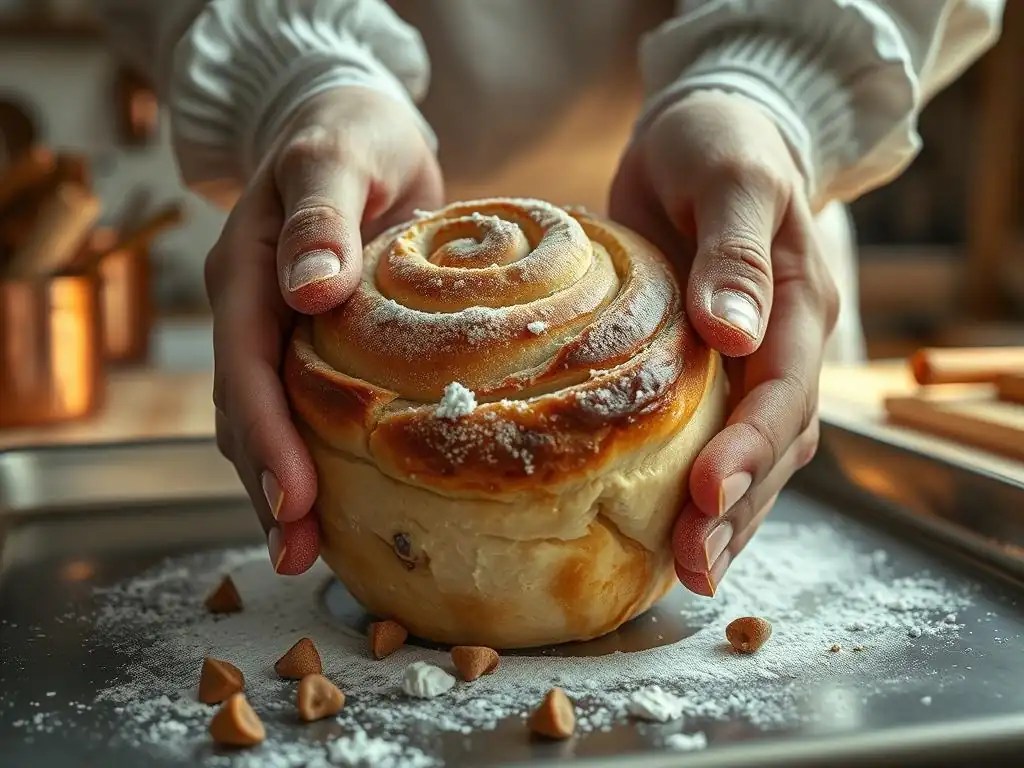
Once you've achieved perfect soft fluffy sweet roll dough and baked your delicious rolls, proper storage is key to maintaining their wonderful texture and freshness. While they are undoubtedly best enjoyed warm from the oven, you can keep them soft and delicious for a few days or even longer if stored correctly.
Understanding how to store your fluffy sweet rolls will help you enjoy your baking efforts over time, whether you made a large batch to share or just want to savor them throughout the week. The goal is to prevent them from drying out, which is the primary enemy of soft sweet roll dough softness.
Keeping Sweet Rolls Fresh for Days
To keep baked soft fluffy sweet roll dough fresh at room temperature, allow them to cool completely before storing. Warm rolls will create condensation inside a container, leading to sogginess. Once cool, store them in an airtight container or a resealable plastic bag. This minimizes exposure to air, which causes staling.
If your rolls are frosted, especially with a cream cheese frosting, they are best stored in the refrigerator due to the dairy content. Again, use an airtight container. Rolls stored at room temperature are typically best within 1-2 days, while refrigerated rolls can last 3-4 days. Gently warming them before serving will help restore some of the initial soft sweet roll dough softness.
Freezing and Reheating Sweet Rolls
Freezing is an excellent option for storing soft fluffy sweet roll dough for longer periods. You can freeze baked and cooled rolls (frosted or unfrosted) or even freeze the shaped, unbaked rolls for baking later.
To freeze baked rolls, wrap each roll individually in plastic wrap, then place them in a freezer-safe bag or container. They can be stored for up to 2-3 months. Reheat frozen baked rolls by thawing them overnight in the refrigerator or on the counter, then warming them in a low oven (around 300°F/150°C) for 10-15 minutes until heated through.
For freezing unbaked rolls, place the shaped rolls in their baking pan, cover tightly with plastic wrap and then foil, and freeze. To bake, thaw overnight in the refrigerator, then let them finish proofing at room temperature for 1-2 hours before baking as usual. This method allows you to enjoy freshly baked soft fluffy sweet roll dough anytime.
Enjoy Your Homemade Soft Sweet Rolls!
Frequently Asked Questions
What makes BakeWithEase's sweet roll dough recipe different from other recipes?
Our recipe focuses on techniques that promote maximum hydration and gluten development, resulting in a superior soft and fluffy texture. We also emphasize using simple, readily available ingredients.
How important is the temperature of the ingredients when making soft, fluffy sweet roll dough?
Temperature is crucial! Using warm milk and melted butter helps activate the yeast and creates a proper dough consistency. Cold ingredients can inhibit yeast activity.
Can I substitute ingredients in the BakeWithEase sweet roll dough recipe?
While substitutions are possible, they can affect the final result. We recommend sticking to the recipe for optimal softness and fluffiness. If you substitute, research the impact on texture and rising.
What are some common mistakes to avoid when making sweet roll dough?
Overmixing the dough can lead to tough rolls. Also, avoid over-proofing, which can cause the dough to collapse. Always use a reliable recipe and follow the steps carefully.
How do I ensure my sweet rolls stay soft and fluffy after baking?
Don't overbake the rolls! They should be golden brown but still soft to the touch. Cooling them under a towel can also help retain moisture and prevent them from drying out.
Final Reflection: The Enduring Allure of Perfectly Fluffy Sweet Rolls
The pursuit of the perfect sweet roll dough transcends mere baking; it's a quest for comfort, nostalgia, and the simple joy of a perfectly textured treat. In a world increasingly dominated by fast food and processed ingredients, the dedication to crafting a soft, fluffy sweet roll dough from scratch represents a powerful counterpoint – a return to mindful creation and the satisfaction of homemade goodness. This commitment to quality ingredients and precise technique is more relevant than ever in our current food landscape.
The influence of a perfectly executed sweet roll recipe extends far beyond the kitchen table. It evokes memories of childhood mornings, family gatherings, and the comforting aroma that fills a home with warmth and love. The act of baking itself becomes a meditative practice, a connection to tradition, and a celebration of simple pleasures. Baking is at once child's play and adult joy. And love, of course.
– This sentiment perfectly captures the emotional resonance of creating something delicious and meaningful with your own hands.
Now, consider your own baking journey. What ingredients resonate most with you? What techniques have you mastered, and which still challenge you? I invite you to embrace the process, experiment with different flours and techniques, and discover the unique magic that lies within your own perfectly fluffy sweet roll dough. Don't be afraid to fail; each attempt brings you closer to mastering this timeless art and sharing the joy of perfectly soft, fluffy sweet rolls with those you cherish.
Unleash Your Inner Baker: Soft & Fluffy Sweet Rolls Await!
Thanks for joining us on this delicious journey into the world of perfectly fluffy sweet rolls! You've just unlocked the secrets to achieving that melt-in-your-mouth texture you've always dreamed of. Now it's time to put your new skills to the test!
- Bake a batch of your own sweet rolls today! Use the recipe and tips from this article as your guide. Let the aroma of freshly baked goodness fill your kitchen!
- Share your baking success (or even your struggles!) with us in the comments below! We love hearing from our baking community.
- Experiment with different fillings and glazes: Once you master the dough, the possibilities are endless! What creative combinations will you try?
Ready to transform your baking game? What's your favorite sweet roll filling?