
Choosing the Best Cinnamon for Irresistible Rolls


Welcome to BakeWithEase, your trusted guide to baking bliss! Ever wondered how to elevate your cinnamon rolls from good to unforgettable? This week, we're diving deep into the surprisingly crucial role of your spice rack. Read on for our top cinnamon rolls baking tips and discover how choosing the right cinnamon can transform your next batch into a warm, fragrant masterpiece. Intrigued? Let's get baking!
- Choosing the Best Cinnamon for Irresistible Rolls: A Baker's Guide
- Introduction: Elevate Your Cinnamon Rolls with the Right Cinnamon
- Understanding Cinnamon Varieties: A Baker's Guide
- Cinnamon Roll Baking Tips: Exploring Different Cinnamon Profiles
- The Best Cinnamon for Cinnamon Rolls: Recommendations
- Beyond the Type: Factors Affecting Cinnamon Flavor
- Cinnamon Roll Baking Techniques: Maximizing Cinnamon Flavor
- Experimenting with Cinnamon Blends for Unique Cinnamon Rolls
- Conclusion: Mastering Cinnamon Selection for Exceptional Rolls
-
Frequently Asked Questions
- How does the type of cinnamon affect cinnamon roll flavor?
- What are some common mistakes to avoid when adding cinnamon to cinnamon rolls?
- Can I use cinnamon extract instead of ground cinnamon in my rolls?
- What's the best way to store cinnamon to maintain its flavor for baking?
- Are there any good cinnamon substitutes for those with allergies or preferences?
- Final Reflection: The Sweet Science of Cinnamon Roll Perfection
- Unleash Your Inner Baker: Craft the Perfect Cinnamon Roll!
Choosing the Best Cinnamon for Irresistible Rolls: A Baker's Guide
Introduction: Elevate Your Cinnamon Rolls with the Right Cinnamon
Why Cinnamon Choice Matters for Perfect Cinnamon Rolls
Choosing the right cinnamon is not just a minor detail; it's a fundamental cinnamon rolls baking tip that profoundly impacts the final taste and aroma of your sweet rolls. Different cinnamon varieties possess distinct flavor profiles, ranging from sweet and mild to intensely spicy and pungent.
The type of cinnamon you select will determine how prominent the spice flavor is, whether it has sweet, woody, or even citrusy undertones, and how well it complements the other ingredients like butter, sugar, and dough. Using a high-quality, appropriate cinnamon ensures the signature warmth and spice notes that make cinnamon rolls so beloved truly shine through, avoiding a bland or overpowering result.
Beyond just flavor, the volatile oils within cinnamon are responsible for its captivating aroma, a key component of the cinnamon roll experience. The concentration and composition of these oils vary significantly between types. A cinnamon with high oil content, like Saigon, will release a much more potent and lasting fragrance during baking compared to a milder Korintje. This aroma contributes significantly to the sensory pleasure of eating a fresh cinnamon roll. Therefore, understanding these differences and selecting the cinnamon that aligns with your desired flavor intensity and aromatic impact is a crucial step in mastering cinnamon rolls baking tips.
Tips: Selecting Cinnamon for Optimal Flavor
Selecting the best cinnamon for your baking requires considering several factors to ensure optimal flavor. Firstly, identify the desired flavor profile for your cinnamon rolls. Do you want a classic, comforting taste, or something more intense and spicy? This will guide you towards specific cinnamon varieties like Cassia, Saigon, or Ceylon. Secondly, pay attention to the freshness of the cinnamon. Ground spices lose potency over time; ideally, use cinnamon that is relatively recently purchased, perhaps within the last 6-12 months for ground varieties.
Another valuable cinnamon rolls baking tip when selecting cinnamon is to consider its quality and source. While store-brand cinnamons are accessible, exploring options from spice shops or reputable online retailers can introduce you to higher-quality, fresher products. Look for descriptions that mention the cinnamon's origin, as this often correlates with its type and flavor characteristics.
Lastly, don't be afraid to experiment. Purchase small quantities of different types to taste and smell them side-by-side before committing to a large batch of cinnamon rolls. This hands-on comparison is one of the most effective cinnamon rolls baking tips for finding your personal favorite.
Understanding Cinnamon Varieties: A Baker's Guide
Ceylon Cinnamon: The "True" Cinnamon and Its Baking Applications
Often referred to as "true cinnamon," Ceylon cinnamon originates primarily from Sri Lanka (formerly Ceylon). It is derived from the inner bark of the Cinnamomum verum tree. Visually, it is characterized by its thin, papery layers that curl into a scroll-like stick. Its flavor profile is notably different from the more common cinnamons found in North American grocery stores. Ceylon cinnamon is delicate, sweet, floral, and possesses subtle citrusy notes. It is much less pungent and spicy than Cassia varieties.
Due to its mild and nuanced flavor, Ceylon cinnamon is often favored in lighter desserts, beverages, and dishes where a strong, spicy kick is not desired. It's excellent for dusting on lattes, sprinkling over fruit salads, or using in delicate pastries like panna cotta or crème brûlée. While it can be used in cinnamon rolls, its subtle flavor might get lost amidst the richness of butter and sugar, especially if you prefer a prominent cinnamon taste.
For bakers seeking a very refined, less assertive cinnamon note, however, Ceylon can offer a unique elegance to their sweet rolls. Its lower coumarin content is also a factor for some health-conscious bakers.
Cassia Cinnamon: The Bold and Spicy Choice for Rolls
Cassia cinnamon is what most people in North America recognize as cinnamon. It comes from the bark of several Cinnamomum species other than verum, most commonly Cinnamomum aromaticum (Chinese Cassia) or Cinnamomum burmannii (Indonesian Cassia, or Korintje). Cassia sticks are thicker, harder, and curl inward from both sides, forming a hollow tube. Flavor-wise, Cassia is significantly bolder, spicier, and more pungent than Ceylon. It has a stronger, sometimes slightly bitter or woody undertone, and its sweetness is less pronounced.
The robust nature of Cassia cinnamon makes it an excellent choice for baked goods like cinnamon rolls, cookies, and pies, where the flavor needs to stand up to other ingredients and the heat of baking. It provides that classic, warm, spicy flavor associated with traditional American cinnamon rolls. The high concentration of volatile oils in Cassia contributes to its strong aroma and flavor retention during baking. While Cassia contains higher levels of coumarin than Ceylon, the amount typically consumed in baked goods is generally considered safe for most individuals.
Saigon Cinnamon: An Intense Option for Adventurous Bakers
Saigon cinnamon, also known as Vietnamese Cassia ( Cinnamomum loureiroi), is a type of Cassia renowned for its exceptionally intense flavor and high oil content. It is often considered one of the most potent and fragrant cinnamons available. Its flavor is distinctly sweet, spicy, and aromatic, with a powerful punch that sets it apart from standard Cassia or Korintje. If you crave a cinnamon roll where the spice truly dominates and provides a noticeable "heat," Saigon is likely the variety for you.
Using Saigon cinnamon in your sweet rolls means you'll achieve a much more pronounced cinnamon flavor with less powder compared to using regular Cassia. This intensity can be a double-edged sword; while it delivers incredible flavor, using too much can overpower the other elements of the roll. Bakers who love a strong spice profile will find Saigon cinnamon a fantastic tool, making it a specific and impactful cinnamon rolls baking tip for achieving maximum spice. Due to its quality and potency, Saigon cinnamon is often more expensive than other Cassia varieties.
Korintje Cinnamon: A Sweet and Mild Cinnamon for Delicate Flavors
Korintje cinnamon, primarily sourced from Indonesia ( Cinnamomum burmannii), is the most common type of Cassia found in many grocery stores and used in commercial baking in North America. It is often simply labeled "cinnamon" without specifying the type. Compared to Chinese or Saigon Cassia, Korintje is generally considered milder and sweeter. It offers a classic, comforting cinnamon flavor without the intense spiciness or bitterness that can sometimes be present in other Cassia varieties.
For bakers looking for a reliable, affordable, and consistently pleasant cinnamon flavor in their sweet rolls, Korintje is an excellent choice. It provides that familiar warmth and sweetness that many people associate with cinnamon rolls. While it lacks the complexity of Ceylon or the fiery punch of Saigon, its balanced profile makes it versatile for various baked goods. It's a great starting point for beginner bakers or those who prefer a less aggressive spice note. Understanding Korintje's profile is a practical cinnamon rolls baking tip for achieving a widely appealing, classic result.
Cinnamon Roll Baking Tips: Exploring Different Cinnamon Profiles
How Cinnamon Type Affects Roll Flavor and Aroma
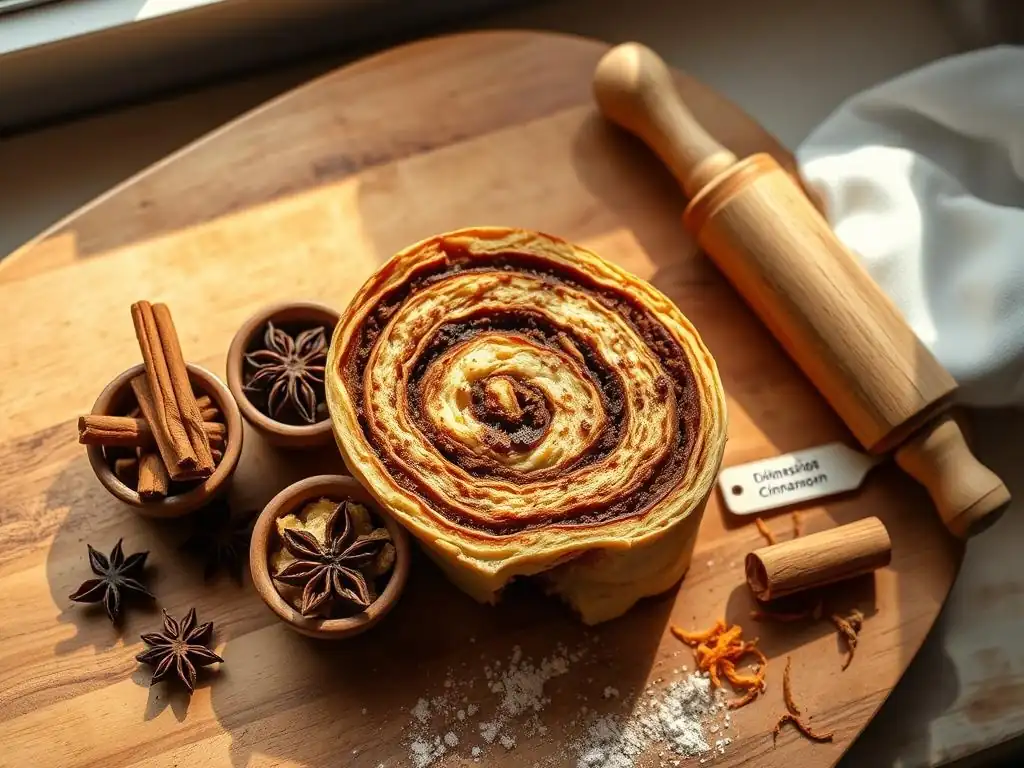
The type of cinnamon you choose fundamentally alters the flavor and aroma of your finished cinnamon rolls. A roll made with delicate Ceylon cinnamon will have a subtle, slightly floral sweetness, and its aroma will be lighter and less pungent. This might be preferred in rolls with a very light, airy dough or a less sweet frosting, allowing the nuances of the cinnamon to emerge. However, in a traditional rich, buttery roll with cream cheese frosting, Ceylon's flavor might be overwhelmed.
Conversely, using a bold Cassia, particularly Saigon, results in a much more intense and spicy flavor. The heat of baking helps release the potent volatile oils, filling your kitchen with a powerful, warm aroma. The finished roll will have a distinct spicy kick that stands up strongly against the sweetness of the filling and dough. Korintje Cassia falls somewhere in the middle, providing a classic, comforting warmth and aroma that is familiar and widely appealing without being overly aggressive. Mastering cinnamon rolls baking tips involves recognizing how these varietal differences translate into the final sensory experience.
Matching Cinnamon to Your Sweet Roll Recipe Style
Matching the cinnamon type to your specific sweet roll recipe style is a key strategy for optimizing flavor. If you're making a classic, gooey, American-style cinnamon roll with a rich butter and brown sugar filling and a generous cream cheese frosting, a robust Cassia like Vietnamese or Chinese Cassia is often the best fit. Its strong flavor can cut through the richness and sweetness, providing that essential spicy counterpoint. This is a common cinnamon rolls baking tip for achieving that beloved, nostalgic taste.
For recipes that are perhaps less sweet, use a lighter dough, or feature a delicate glaze instead of a heavy frosting, a milder cinnamon might be more appropriate. A standard Korintje provides a pleasant, balanced flavor that won't overpower the subtler elements.
If you are aiming for a gourmet or artisanal feel, or wish to highlight the unique characteristics of a specific origin, using Ceylon cinnamon could add a layer of complexity, although you may need to use a bit more or pair it with complementary flavors like cardamom. Understanding these nuances is part of advanced cinnamon rolls baking tips.
The Best Cinnamon for Cinnamon Rolls: Recommendations
Best Overall Cinnamon for Classic Cinnamon Rolls: Vietnamese Cassia
For many bakers aiming for that quintessential, bold, and sweet-spicy flavor in classic cinnamon rolls, Vietnamese Cassia (Saigon cinnamon) stands out as the best overall choice. While technically a type of Cassia, its high oil content delivers an intensity that elevates the standard cinnamon roll experience. It provides a powerful warmth and sweetness that holds up exceptionally well against rich doughs, butter, and sugar fillings. A specific example often cited is the McCormick Gourmet Saigon Cinnamon, widely available and known for its potency.
Using Vietnamese Cassia means you get a strong, aromatic punch that ensures the cinnamon flavor is a star, not just a background note. This is a highly valued cinnamon rolls baking tip among those who prioritize a pronounced spice in their baked goods. While it can be slightly more expensive than other Cassia types, a little goes a long way due to its intensity, making it a worthwhile investment for bakers serious about achieving peak cinnamon roll flavor.
Best Budget-Friendly Cinnamon for Baking: Indonesian Korintje
When budget is a primary consideration, or when baking large quantities, Indonesian Korintje Cassia is typically the most economical and widely available option. It provides a classic, comforting cinnamon flavor that is familiar and generally well-liked. Most standard grocery store "cinnamon" is Korintje. Brands like Spice Islands or McCormick's standard ground cinnamon are examples of readily accessible Korintje varieties.
While less intense than Saigon or Chinese Cassia, Korintje offers a reliable and pleasant warmth that works perfectly well in everyday cinnamon roll recipes. It's a perfectly acceptable choice for achieving a delicious result without breaking the bank. For many home bakers, mastering cinnamon rolls baking tips begins with using this accessible and versatile spice. It performs reliably in baked applications, delivering consistent flavor batch after batch.
Best Organic Cinnamon for Health-Conscious Bakers: Simply Organic Ceylon Cinnamon
For bakers prioritizing organic ingredients or seeking a cinnamon with lower coumarin levels, Simply Organic Ceylon Cinnamon is a popular and readily available choice. Simply Organic is a well-regarded brand known for its commitment to organic sourcing and quality. Their Ceylon cinnamon offers the characteristic delicate, sweet, and floral notes associated with "true" cinnamon, providing a more subtle spice profile.
Choosing organic cinnamon aligns with a desire for ingredients produced without synthetic pesticides or fertilizers, which is important to many health-conscious consumers. While Ceylon cinnamon's flavor is milder for cinnamon rolls, Simply Organic's quality ensures you get the best expression of this variety. This choice reflects specific cinnamon rolls baking tips focused on ingredient purity and alternative flavor profiles.
Best Cinnamon for Intense Flavor in Your Rolls: Saigon Cinnamon
As mentioned earlier, if your goal is to create cinnamon rolls with an exceptionally strong, sweet, and spicy cinnamon flavor that truly stands out, Saigon Cinnamon is the undisputed champion. Its high concentration of volatile oils gives it a potent aroma and a fiery kick that distinguishes it from other cinnamons. Using Saigon cinnamon is one of the most effective cinnamon rolls baking tips for maximizing spice intensity.
Brands like King Arthur Baking Company's Vietnamese Cinnamon or Penzey's Vietnamese Cinnamon are often recommended by serious bakers for their high quality and potent flavor. Be prepared to potentially use slightly less Saigon cinnamon than your recipe calls for if it was developed using a milder Cassia, as its intensity can quickly become overpowering. Start with the specified amount and adjust in future batches based on your preference for spice level.
Beyond the Type: Factors Affecting Cinnamon Flavor
Freshness Matters: How to Tell if Your Cinnamon is Still Good
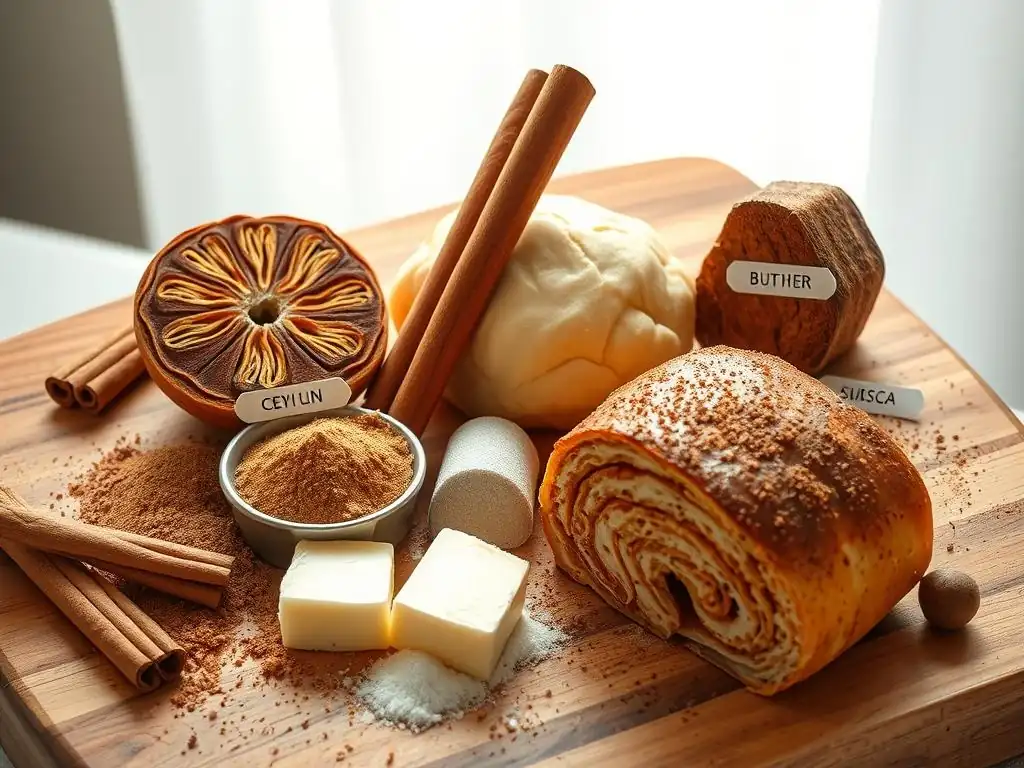
Even the best variety of cinnamon won't deliver optimal flavor if it's stale. Ground spices lose their potency over time as their volatile oils evaporate. A key cinnamon rolls baking tip is to check the freshness of your cinnamon before baking. The simplest way to tell if ground cinnamon is still good is by its aroma. Fresh cinnamon should have a strong, warm, sweet, and pungent smell. If you open the container and the scent is faint, dusty, or barely noticeable, it's likely past its prime and won't contribute much flavor to your rolls.
While there's no strict expiration date for ground cinnamon in terms of safety, its peak flavor typically lasts about 6 to 12 months when stored properly. Whole cinnamon sticks retain their flavor much longer, often for several years. If you're unsure about the age of your ground cinnamon, compare its aroma to a freshly opened container if possible, or simply purchase a new small quantity to ensure maximum flavor impact in your baking.
Storage Secrets: Preserving Cinnamon Flavor for Longer
Proper storage is crucial for preserving the flavor and aroma of your cinnamon. Exposure to air, light, heat, and moisture are the enemies of spice freshness. The best way to store ground cinnamon is in an airtight container, such as a glass jar with a tight-fitting lid or a dedicated spice tin. Avoid storing it in plastic containers, as some compounds in plastic can potentially affect the spice oils over time.
Store your airtight container of cinnamon in a cool, dark place, away from direct sunlight and heat sources like stoves or ovens. A pantry or cupboard is ideal. Refrigeration is generally not necessary and can expose the spice to moisture, which can degrade quality. Following these simple storage secrets is an essential cinnamon rolls baking tip to ensure that the cinnamon you carefully selected retains its vibrant flavor for as long as possible, yielding delicious results every time you bake.
Grinding Your Own: The Ultimate Cinnamon Freshness
For the absolute freshest and most potent cinnamon flavor, grinding your own from whole cinnamon sticks just before use is the ultimate cinnamon rolls baking tip. Whole spices preserve their volatile oils far better than their ground counterparts. When you grind the stick, you immediately release these oils, resulting in an incredibly intense aroma and flavor that cannot be matched by pre-ground cinnamon, no matter how fresh.
To grind cinnamon sticks, you'll need a spice grinder or a dedicated coffee grinder. Break the sticks into smaller pieces that fit comfortably in the grinder. Grind them into a fine powder, which may take a minute or two depending on your grinder. While this method requires a bit more effort and equipment, the difference in flavor is noticeable, providing an unparalleled depth and vibrancy to your cinnamon roll filling. This technique is favored by professional bakers and serious home cooks seeking peak flavor.
Cinnamon Roll Baking Techniques: Maximizing Cinnamon Flavor
Blooming Cinnamon: Unlocking Deeper Flavors
Blooming cinnamon is a technique used by many bakers to intensify its flavor and aroma before adding it to the filling. This involves mixing the ground cinnamon with a hot liquid or fat, such as melted butter, hot water, or a hot syrup, and letting it steep for a few minutes. The heat helps to release the volatile, fat-soluble flavor compounds from the cinnamon powder, making them more accessible and potent in the final product.
For a cinnamon roll filling, this might mean stirring the cinnamon into the melted butter and brown sugar mixture while it's still warm, allowing it to bloom for 5-10 minutes before spreading it onto the dough. This simple step is a highly effective cinnamon rolls baking tip for achieving a deeper, richer cinnamon flavor that permeates the entire roll. It ensures the spice isn't just dry powder mixed with sugar but fully integrated and activated.
Cinnamon Sugar Ratio: Achieving the Perfect Sweetness Balance
The ratio of cinnamon to sugar in your filling is another critical factor influencing the final flavor of your cinnamon rolls. A common ratio is typically 1 part cinnamon to 2-4 parts granulated or brown sugar, but this can vary widely depending on the recipe and personal preference. A higher cinnamon ratio will result in a spicier, less sweet filling, while a lower ratio will yield a sweeter filling with a more subtle cinnamon note.
Adjusting this ratio is a fundamental cinnamon rolls baking tip for tailoring the rolls to your taste. If using a very potent cinnamon like Saigon, you might want to slightly decrease the cinnamon quantity compared to a recipe designed for milder Korintje to avoid an overpowering spice level. Experimenting with the ratio across different batches, perhaps trying a 1:3 or 1:4 ratio, will help you discover the perfect balance of sweetness and spice for your ideal cinnamon roll.
Incorporating Cinnamon into the Dough vs. Filling: Pros and Cons
Most cinnamon roll recipes concentrate the cinnamon in the filling, creating a distinct swirl of intense flavor. This method provides a powerful burst of cinnamon with each bite of the swirl. However, some recipes also suggest adding a small amount of cinnamon directly to the dough itself. Adding cinnamon to the dough provides a subtle, overall warmth and aroma throughout the entire roll, not just in the swirl.
Incorporating cinnamon into the dough can add an extra layer of complexity and ensure every part of the roll has a hint of spice. This is a nuanced cinnamon rolls baking tip that can enhance the overall sensory experience. The drawback is that the flavor in the dough will be much milder than in the concentrated filling. Ultimately, deciding whether to add cinnamon only to the filling or also to the dough depends on the desired intensity and distribution of the spice flavor in your final baked good.
Experimenting with Cinnamon Blends for Unique Cinnamon Rolls
Creating Your Signature Cinnamon Roll Flavor Combination
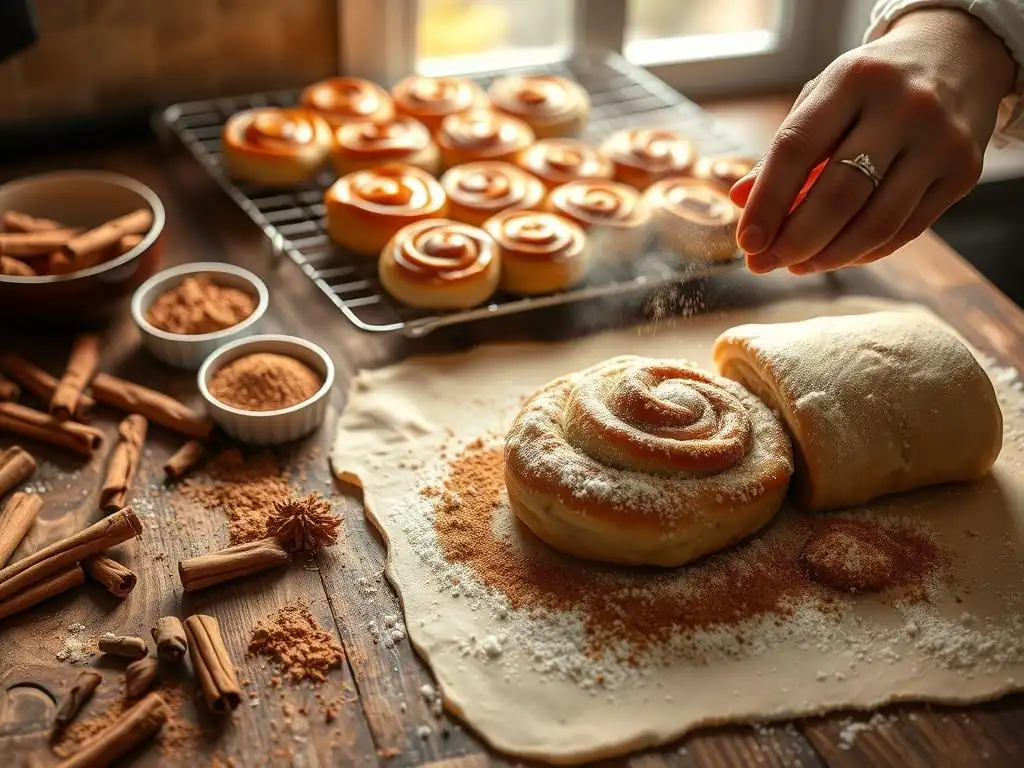
Once you understand the different cinnamon varieties and how they behave, you can begin experimenting with blending them to create your own signature cinnamon roll flavor combination. This allows you to tailor the spice profile precisely to your liking. For instance, you could use a base of reliable Korintje for classic warmth and add a small percentage of potent Saigon for an extra kick. Or, blend Cassia with a touch of delicate Ceylon for a more complex, nuanced spice blend that offers both warmth and subtle floral notes.
Creating custom blends is an advanced cinnamon rolls baking tip that allows for endless creativity. Start by mixing small quantities (e.g., 1 part Saigon to 3 parts Korintje) and tasting them dry, then perhaps mixed with a little warm butter and sugar, to gauge the resulting flavor profile before committing to a full batch of rolls. Keep notes on your ratios and results to refine your perfect blend over time.
Spice Pairings that Complement Cinnamon: Cardamom, Nutmeg, Ginger
Cinnamon plays well with other spices, and incorporating these pairings can add depth and complexity to your cinnamon rolls. Common spice pairings that complement cinnamon beautifully include cardamom, nutmeg, and ginger. Cardamom, particularly green cardamom, adds a bright, slightly citrusy, and aromatic note that lifts the warmth of cinnamon. A pinch of freshly grated nutmeg can enhance the sweetness and add a layer of comforting spice. Ginger, especially ground ginger, brings a gentle heat and pungent aroma that pairs wonderfully with cinnamon's warmth.
Consider adding a small amount of one or more of these spices to your cinnamon-sugar filling. For example, a blend of 3 parts cinnamon, 1 part brown sugar, 1/4 part cardamom, and a pinch of nutmeg is a popular variation. This is another excellent cinnamon rolls baking tip for moving beyond the basic recipe and creating truly unique and memorable sweet rolls. Start with small additions, perhaps 1/4 to 1/2 teaspoon of a complementary spice per cup of cinnamon-sugar filling, and adjust based on your taste preferences.
Conclusion: Mastering Cinnamon Selection for Exceptional Rolls
Final Thoughts on Choosing the Right Cinnamon
Choosing the right cinnamon is undeniably one of the most impactful cinnamon rolls baking tips you can implement to elevate your baking. Understanding the distinct characteristics of varieties like Ceylon, Cassia, Saigon, and Korintje allows you to make an informed decision based on the desired flavor intensity and profile for your sweet rolls. From the subtle elegance of Ceylon to the fiery punch of Saigon, each cinnamon offers a unique contribution to the final taste and aroma.
Beyond the type, paying attention to freshness, proper storage, and even considering grinding your own whole sticks are crucial steps in maximizing the flavor of your chosen cinnamon. Ultimately, the "best" cinnamon is subjective and depends on your personal preference and the specific recipe you are using. Don't hesitate to experiment with different types and blends, guided by these cinnamon rolls baking tips, to discover what creates the most irresistible rolls for you and your loved ones.
Further Cinnamon Roll Baking Resources
For bakers looking to further refine their cinnamon rolls baking tips, exploring resources beyond just cinnamon selection is highly recommended. Dive into techniques for creating the perfect dough – whether it's a rich enriched dough or a quicker no-knead version. Learn about proofing times and temperatures, as proper rising is key to soft, fluffy rolls. Study different filling ratios and how varying the amount of butter, sugar, and cinnamon affects the gooeyness.
Additionally, mastering frosting and glaze techniques can complete the perfect cinnamon roll. Experiment with classic cream cheese frostings, simple powdered sugar glazes, or even caramel sauces. Many online baking communities and reputable baking websites offer detailed guides, video tutorials, and forums where you can ask questions and share experiences. Continuous learning and practice, combined with applying key cinnamon rolls baking tips like choosing the right cinnamon, will lead you to consistently bake exceptional sweet rolls.
Frequently Asked Questions
How does the type of cinnamon affect cinnamon roll flavor?
The type of cinnamon greatly impacts the flavor profile of your rolls. Ceylon cinnamon offers a mild, delicate sweetness, while Cassia cinnamon provides a stronger, spicier kick.
What are some common mistakes to avoid when adding cinnamon to cinnamon rolls?
Avoid using too much cinnamon, which can make the rolls bitter. Also, ensure the cinnamon is freshly ground for optimal flavor and aroma. Stale cinnamon loses its potency.
Can I use cinnamon extract instead of ground cinnamon in my rolls?
While possible, it's generally not recommended. Cinnamon extract provides a different, often artificial flavor compared to ground cinnamon. Using high-quality ground cinnamon is preferred.
What's the best way to store cinnamon to maintain its flavor for baking?
Store cinnamon in an airtight container in a cool, dark place. This helps prevent the loss of essential oils and preserves its flavor and aroma.
Are there any good cinnamon substitutes for those with allergies or preferences?
Nutmeg or a blend of spices like allspice and cloves can offer a similar warm spice flavor profile. Adjust quantities carefully to achieve the desired taste balance in your rolls.
Final Reflection: The Sweet Science of Cinnamon Roll Perfection
The quest for the ultimate cinnamon roll transcends mere baking; it's a journey into flavor, texture, and the artistry of ingredient selection. Choosing the right cinnamon isn't just about following a recipe; it's about unlocking the full potential of a beloved treat, elevating it from good to unforgettable. The subtle nuances in cinnamon varieties dramatically impact the final product, proving that even the smallest detail can make all the difference.
This exploration into the world of cinnamon has been a personal journey, reminding me of the importance of appreciating the seemingly insignificant elements in cooking. The details are not the details. They make the design.
– Charles Eames. This quote perfectly encapsulates the essence of this article. The seemingly minor choice of cinnamon type profoundly affects the overall experience of baking and enjoying cinnamon rolls, highlighting the power of mindful ingredient selection in any culinary endeavor. It's a lesson that extends far beyond the kitchen, reminding us to pay attention to the small things that contribute to a larger, more satisfying outcome.
Now, I invite you to consider your own baking adventures. What seemingly small details have you overlooked? What experiments will you undertake, armed with this newfound knowledge of cinnamon's diverse profiles? The next time you reach for that spice jar, remember the power of intentionality. Embrace the challenge of discovering your perfect cinnamon, and unlock the potential for truly irresistible cinnamon rolls – a testament to your dedication and culinary curiosity.
Unleash Your Inner Baker: Craft the Perfect Cinnamon Roll!
Thanks for joining us on this cinnamon roll adventure! You've now unlocked the secrets to choosing the perfect spice for those irresistible swirls. Ready to take your baking to the next level?
- Bake a batch of award-winning rolls: Use your newfound knowledge to create the most delicious cinnamon rolls you've ever tasted. Don't be shy – experiment with different cinnamon types!
- Share your creations: Show off your baking prowess on social media! Use #BakeWithEaseCinnamonRolls and tag us – we love to see your masterpieces.
- Explore our other baking guides: Discover more tips and tricks to elevate your baking game on BakeWithEase.com.
What unique cinnamon blend will you create to impress your friends and family?