
Mastering Gooey Sticky Buns: An Intermediate Challenge

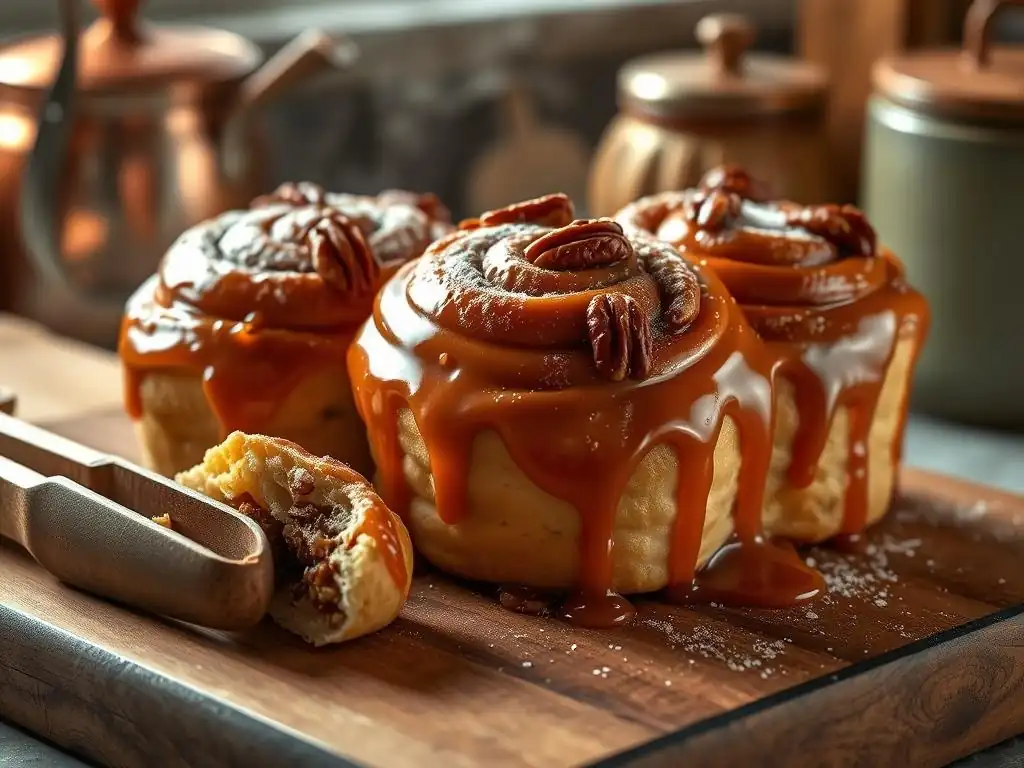
Welcome to BakeWithEase, where the joy of baking meets achievable expertise. Ready to elevate your baking game? This week, we're diving deep into the irresistible world of gooey sticky buns. But be warned: this isn't your average recipe. We'll guide you through the intermediate techniques that transform simple dough into a decadent, unforgettable treat. Are you ready to unlock the secrets to perfectly sticky, utterly divine buns? Let's get baking!
- Introduction to Elevated Baking: The Sourdough Cinnamon Roll Recipe
- Understanding the Key Ingredients for Perfect Sourdough Cinnamon Rolls
- The Dough: Crafting the Foundation of Your Sourdough Cinnamon Rolls
- The Filling: Achieving the Perfect Spice Balance
- Assembling and Baking Your Dream Sourdough Cinnamon Rolls
- Troubleshooting Common Sourdough Cinnamon Roll Baking Issues
- Serving and Storing Your Sourdough Cinnamon Rolls
- Variations and Adaptations: Exploring Cinnamon Roll Creativity
- Conclusion: Elevating Your Baking Skills with Sourdough Cinnamon Rolls
-
Frequently Asked Questions
- What makes this sticky bun recipe an intermediate challenge?
- What are the key ingredients that contribute to the "gooey" texture of these sticky buns?
- Can I substitute any ingredients in the gooey sticky bun recipe?
- How long does it typically take to make these gooey sticky buns from start to finish?
- What are some tips for ensuring the sticky buns release easily from the pan after baking?
- Final Reflection: The Sweetness of Mastery and the Joy of Baking
- Unleash Your Inner Baker: Gooey Sticky Bun Mastery Awaits!
Introduction to Elevated Baking: The Sourdough Cinnamon Roll Recipe
Beyond Basic Baking: Tackling Intermediate Techniques
Moving beyond simple quick breads and cookies opens the door to truly rewarding baking challenges. The world of yeasted doughs, and especially sourdough, introduces concepts like fermentation, gluten development, and proofing that require patience and a deeper understanding of ingredients. Mastering a sourdough cinnamon roll recipe is a fantastic intermediate step.
It builds upon basic dough handling skills but adds the complexity of working with a live culture, managing longer fermentation times, and achieving that perfect balance of structure and tenderness. This process involves observing your dough, understanding its behavior based on temperature and hydration, and adjusting your methods accordingly – skills essential for more advanced baking endeavors.
Tackling a sourdough cinnamon roll recipe means you're ready to dedicate more time and attention to your bake. Unlike commercial yeast which provides a predictable rise in an hour or two, sourdough requires several hours, sometimes even overnight, for the dough to develop flavor and rise properly.
You'll learn to perform "stretch and folds" to build dough strength, recognize when the dough has doubled in volume during bulk fermentation, and gauge the readiness of your shaped rolls before they hit the oven. These are not merely steps in a recipe; they are fundamental techniques that translate directly to success in baking sourdough loaves, brioche, and other enriched doughs, significantly expanding your baking repertoire.
Why Sourdough Cinnamon Rolls? A Deep Dive into Tangy Sweetness
Sourdough brings a unique dimension to the classic cinnamon roll. While a traditional yeasted sticky bun recipe is undeniably delicious, the sourdough starter introduces a subtle, pleasant tang that beautifully complements the sweetness of the filling and frosting. This tang is a result of the lactic and acetic acids produced by the bacteria in the starter during fermentation. It cuts through the richness, creating a more complex and balanced flavor profile that is less cloying than rolls made solely with commercial yeast.
Beyond flavor, sourdough fermentation also contributes to the texture of the final roll. The slower, longer rise results in a dough with improved structure and hydration retention. This leads to a roll that is incredibly soft, moist, and often has that desirable "gooey" center that defines a great sticky bun recipe. The developed gluten structure provides a delightful chewiness without being tough. If you're aiming for a sticky bun recipe that offers depth of flavor and a superior, moist texture, venturing into sourdough is absolutely worth the effort.
Understanding the Key Ingredients for Perfect Sourdough Cinnamon Rolls
The Importance of High-Quality Flour in Sourdough Baking
The type and quality of flour you use significantly impacts the outcome of your sourdough cinnamon rolls. For enriched doughs like cinnamon rolls, a flour with a moderate to high protein content is generally recommended. Bread flour, typically containing 12-14% protein, is excellent because it helps develop a strong gluten network capable of supporting the long fermentation process and the added fat and sugar in the dough.
All-purpose flour (around 10-12% protein) can also work, but might result in a slightly softer, less structured dough. Using a good quality, unbleached flour provides better flavor and performance. For instance, many bakers find flours with protein levels around 12.7% yield a good balance of strength and tenderness for enriched sourdough doughs.
Using high-quality flour also means it's fresh and hasn't been sitting on the shelf for too long, which can affect its performance and nutritional value. The protein in flour needs to be able to hydrate and form gluten effectively, and this is easier with fresher flour. When you combine high-quality flour with the natural acids in sourdough, you create an environment that encourages robust gluten development, leading to rolls that hold their shape, rise beautifully, and have that sought-after chewy yet tender crumb. This foundation is crucial for any successful sourdough gooey sticky bun recipe.
Maintaining a Healthy Sourdough Starter: The Heart of the Dough
Your sourdough starter is the engine that drives the entire process; its health is paramount. A healthy starter is active, bubbly, and reliably doubles (or even triples) in volume within 4-6 hours after being fed at room temperature (around 70-75°F or 21-24°C). It should smell pleasantly tangy, like yogurt or ripe fruit, not strongly alcoholic or like acetone.
To maintain it, regular feeding is essential. A common feeding ratio is 1:1:1 by weight (1 part starter, 1 part water, 1 part flour), but a 1:2:2 ratio can provide a longer window of activity. Using your starter when it's at its peak – just after it has doubled but before it starts to collapse – ensures it has the most leavening power for your dough.
Feeding your starter with the same type of flour you plan to use in your dough can also be beneficial, helping it acclimate. Consistency in feeding schedule and temperature helps maintain its vigor. If your starter seems sluggish, feeding it more frequently or moving it to a warmer spot can help revive it. A strong, active starter is non-negotiable for achieving a good rise and the characteristic sourdough flavor in your cinnamon rolls, making it the true heart of this sticky bun recipe variation.
Mastering the Cinnamon Sugar Filling: A Sweet and Spicy Essential
The filling is where the classic cinnamon roll magic happens, and getting the balance right is key to a gooey sticky bun recipe. A standard ratio for cinnamon to sugar is roughly 1 part cinnamon to 2-3 parts sugar by weight. For example, 30-40 grams of ground cinnamon mixed with 100 grams of granulated sugar provides a robust spice flavor without being overwhelmingly sweet.
Using good quality cinnamon, such as Saigon or Ceylon, makes a noticeable difference in aroma and taste compared to generic cassia cinnamon. The sugar, typically granulated or light brown sugar, provides sweetness and caramelizes slightly during baking, contributing to the gooey texture.
This dry mixture is usually combined with softened butter (not melted) to create a spreadable paste. The butter helps hold the filling in place when the dough is rolled and also contributes to the richness and moisture. Using softened butter ensures an even distribution across the dough surface. If the butter is melted, the filling is more likely to leak out during proofing and baking, resulting in a less gooey center. Achieving the correct consistency with the butter and the right balance of cinnamon and sugar is vital for that perfect sweet, spicy, and ultimately gooey core.
Choosing the Right Frosting: Cream Cheese, Vanilla, and Beyond
The frosting is the crowning glory of a cinnamon roll, adding moisture, sweetness, and a creamy contrast to the spiced filling. The classic choice for a gooey sticky bun recipe is a tangy cream cheese frosting. This is typically made by beating together softened cream cheese, softened butter, powdered sugar, and a splash of vanilla extract and sometimes a little milk or cream to reach the desired consistency. The tanginess of the cream cheese perfectly balances the sweetness of the roll and filling.
Other popular options include a simple vanilla glaze (powdered sugar mixed with milk or cream and vanilla extract), which offers a less rich but still sweet topping. Some bakers prefer a thicker, butter-based frosting similar to buttercream. The consistency of the frosting is a matter of personal preference; some like a thin glaze that soaks into the warm rolls, while others prefer a thick, pipeable frosting. Experimenting with different types allows you to find the perfect finish for your sourdough cinnamon rolls.
The Dough: Crafting the Foundation of Your Sourdough Cinnamon Rolls
Preparing the Dough: A Step-by-Step Guide
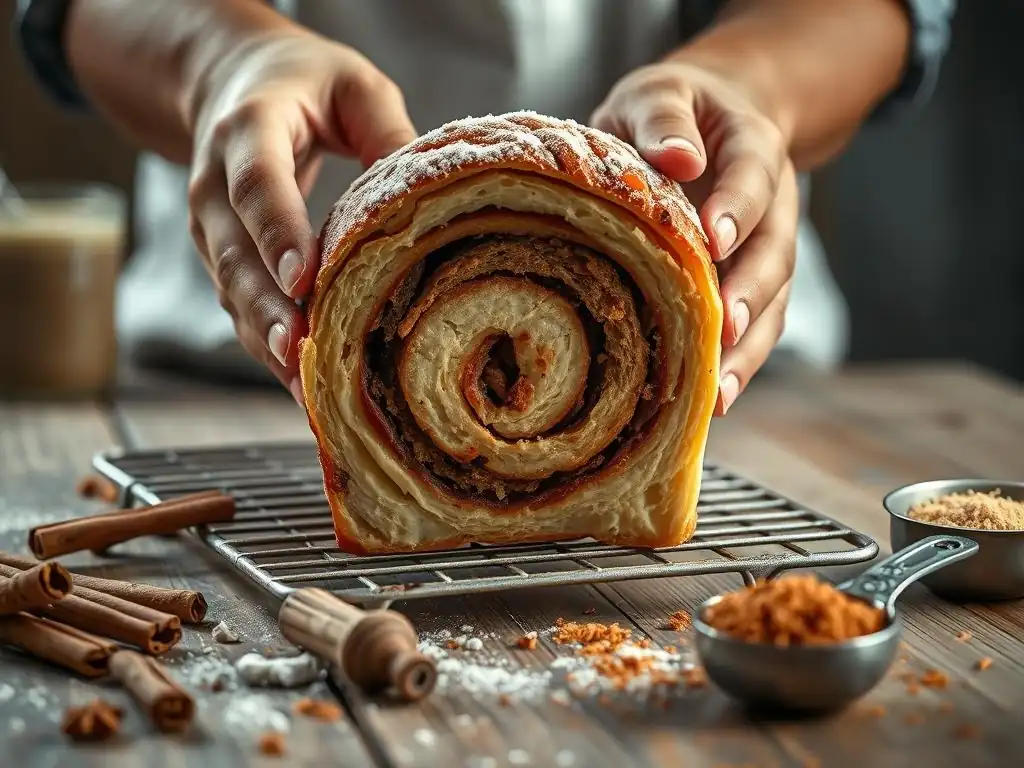
Crafting the sourdough dough for cinnamon rolls is a process that requires patience and attention to detail. It typically begins with mixing flour and water and letting it rest (autolyse) for 30 minutes to an hour; this helps the flour hydrate and gluten development begin. After the autolyse, you incorporate your active sourdough starter and salt.
Mixing can be done by hand or with a stand mixer until the dough comes together. Unlike lean bread doughs, enriched doughs like cinnamon rolls often include eggs, milk, sugar, and butter, which are usually added after the initial mix, sometimes even incorporated gradually after some initial kneading.
Kneading develops the gluten structure, making the dough elastic and smooth. You'll knead until the dough passes the "windowpane test" – you can stretch a small piece thin enough to see light through it without tearing. The hydration level for sourdough cinnamon roll dough is typically lower than for rustic bread, often ranging from 65-75%, which makes the dough easier to handle when shaping. Once kneaded, the dough is ready for its primary fermentation period.
Bulk Fermentation: Achieving Optimal Dough Development
Bulk fermentation is the crucial first rise where the sourdough starter works its magic, developing flavor and leavening the dough. This stage usually takes significantly longer than with commercial yeast, often 4-8 hours at room temperature (around 70-75°F or 21-24°C), depending on the temperature and the strength of your starter. During this time, the dough should increase significantly in volume, ideally doubling or even tripling. To build strength and ensure even fermentation, bakers often perform "stretch and folds" during the first 2-3 hours of bulk fermentation, typically every 30-60 minutes.
To perform a stretch and fold, gently wet your hand, slide it under one side of the dough, lift and stretch it upwards, and fold it over the rest of the dough. Repeat this process on all four sides. The dough should become smoother and more elastic with each set.
You'll know bulk fermentation is complete when the dough looks noticeably larger, feels airy and bubbly, and passes the "poke test" – when gently poked, the indentation springs back slowly but not completely. If you need more flexibility in your schedule, bulk fermentation can often be extended in the refrigerator for 12-24 hours or even longer, which also deepens the flavor.
Shaping and Rolling: Creating the Perfect Cinnamon Roll Swirl
Once bulk fermentation is complete, the dough is ready to be shaped. Gently turn the dough out onto a lightly floured surface. Avoid deflating it too much. Roll the dough into a large rectangle. The exact dimensions depend on your recipe yield, but a common target is around 18x12 inches or 20x14 inches, about 1/2 inch thick. Aim for an even thickness across the rectangle to ensure uniform rolls.
Next, evenly spread your prepared cinnamon sugar filling over the dough, leaving a small border (about 1/2 inch) along one long edge. This border will help seal the roll. Tightly roll the dough rectangle into a log, starting from the long edge opposite the clean border.
Rolling tightly is essential to prevent the filling from leaking out and to create well-defined swirls. Once rolled, you can cut the log into individual rolls using a sharp knife or, for cleaner cuts that don't compress the dough, a piece of dental floss. Aim for rolls that are consistently sized, typically 1.5 to 2 inches thick, for even baking.
The Filling: Achieving the Perfect Spice Balance
Cinnamon Sugar Ratio: Creating the Ideal Sweetness
The ratio of cinnamon to sugar in your filling is critical for both flavor intensity and achieving that desirable gooey center in your sticky bun recipe. While taste is subjective, a common and effective ratio is approximately 1 part ground cinnamon to 2-3 parts granulated or light brown sugar by weight.
For instance, using 30-40 grams of cinnamon for every 100 grams of sugar strikes a good balance, providing ample cinnamon flavor without being overly spicy or bitter. Too much sugar can lead to excessive caramelization and leakage during baking, resulting in a dry pan bottom rather than a gooey filling trapped within the rolls.
Using a blend of granulated and light brown sugar can add depth of flavor and moisture. Brown sugar contains molasses, which contributes a richer taste and helps create a softer, gooier texture when it melts. Regardless of the specific ratio chosen, ensuring the cinnamon and sugar are thoroughly mixed before combining with butter is key to even distribution throughout the rolls. This careful balance is fundamental to a truly successful gooey sticky bun recipe.
Butter and Spices: Enhancing the Flavor of the Filling
The butter component in the filling serves multiple purposes: it binds the dry ingredients together, adds richness, and contributes significantly to the final texture. Using softened butter (not melted) is crucial. When softened butter is spread on the dough and then covered with the cinnamon sugar mixture, it creates a barrier that helps keep the sugar and spice in place during rolling and proofing. As the rolls bake, the butter melts, combining with the sugar and cinnamon to form that luscious, gooey syrup that pools at the bottom of the rolls and soaks into the layers.
Beyond cinnamon, a pinch of other spices can elevate the flavor profile. Ground nutmeg, cardamom, or even a touch of allspice can add complexity and warmth. For a standard batch yielding 12-15 rolls, adding about 1/4 teaspoon of ground cardamom or a generous pinch of freshly grated nutmeg to the cinnamon-sugar mixture can enhance the overall aroma and taste without overpowering the classic cinnamon flavor. Ensure these spices are fresh for maximum impact.
Adding Flavors: Nutmeg, Cardamom, and Other Filling Variations
While cinnamon is the star, incorporating other flavors can add delightful variations to your sticky bun recipe. Nutmeg and cardamom are traditional partners to cinnamon in many baked goods. A small amount of freshly grated nutmeg brings a warm, slightly sweet note, while ground cardamom adds a fragrant, almost floral, and slightly citrusy undertone. Adding a quarter teaspoon of ground cardamom or a pinch of nutmeg to the standard cinnamon-sugar mix for a batch of about 12 rolls is a good starting point.
For different twists, consider adding finely grated orange or lemon zest to the filling for a bright, citrusy lift. About one tablespoon of zest from an organic orange is usually sufficient for a standard recipe. Some bakers like to add a teaspoon of espresso powder for a subtle coffee note that complements the chocolate flavor if you're making chocolate variation.
Chopped nuts, like pecans or walnuts, can also be added for crunch, though this slightly changes the texture from purely gooey. These small additions allow you to customize your sourdough cinnamon rolls and make the sticky bun recipe your own.
Assembling and Baking Your Dream Sourdough Cinnamon Rolls
Preparing the Pan: Preventing Sticking and Ensuring Even Baking
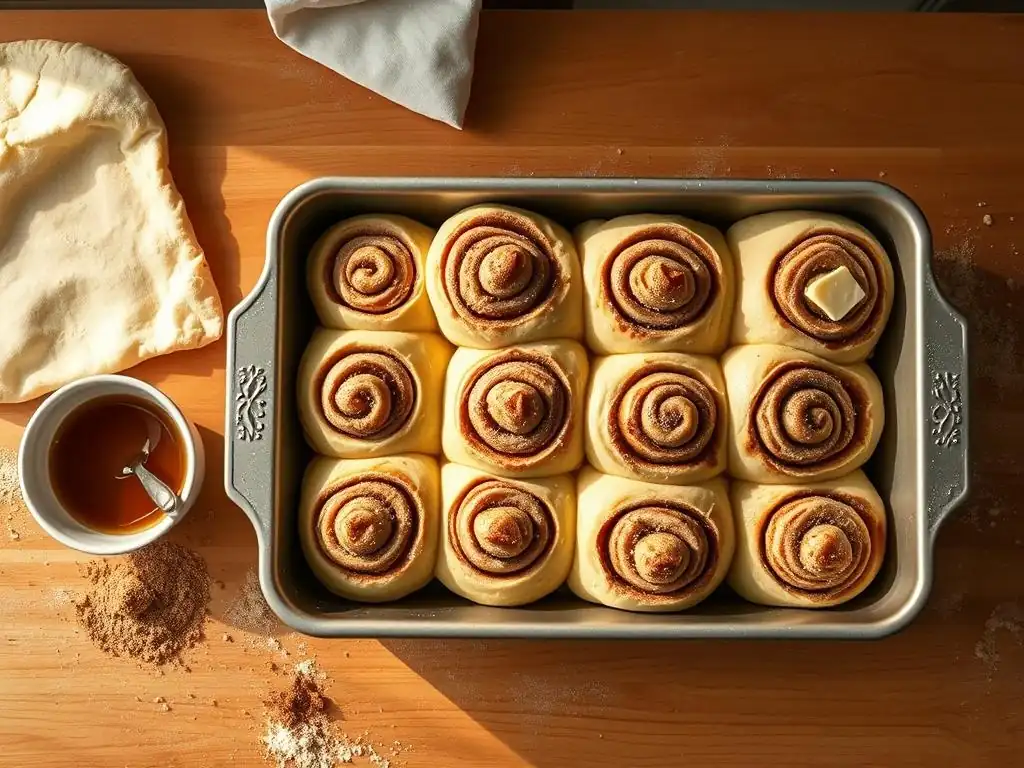
Proper pan preparation is essential to prevent your precious sourdough cinnamon rolls from sticking and to promote even baking. Generously greasing your baking pan with softened butter or baking spray is the first step. Pay attention to the corners and sides. For extra insurance and effortless removal, lining the bottom and sides of the pan with parchment paper is highly recommended. This is especially helpful if you're aiming for a very gooey sticky bun recipe, as the caramelized sugar can be particularly stubborn.
The type of pan can also influence the bake. Metal pans, particularly lighter colored ones, tend to conduct heat efficiently and promote browning. Darker pans can sometimes lead to faster browning on the bottom. Glass or ceramic pans distribute heat differently and may require a slight adjustment in baking time or temperature. Using a standard metal baking dish, such as a 9x13 inch pan for about 12-15 rolls, is a reliable choice for achieving a golden-brown exterior and a perfectly baked interior.
Arranging the Rolls: Optimizing Space for Rising
How you arrange the cut rolls in the prepared pan affects their final shape and texture. Place the rolls cut-side up in the pan, leaving a small amount of space between them, typically about 1/2 to 1 inch apart. As the rolls proof and bake, they will expand and press against each other. This close arrangement encourages them to rise upwards rather than outwards, resulting in tall, soft-sided rolls that are moist throughout.
Avoid overcrowding the pan, as this can lead to uneven baking and prevent the rolls from expanding properly. For a standard 9x13 inch pan, fitting 12 to 15 rolls is usually ideal, arranged in rows. If you have extra rolls that don't fit comfortably, bake them in a separate smaller pan or individual muffin cups. Proper spacing ensures that heat circulates evenly around the rolls during baking, contributing to a consistent texture from edge to center.
Proofing: Achieving Fluffy Perfection
Proofing is the final rise before baking, where the shaped rolls expand and become light and airy. This is a critical step in any sticky bun recipe, especially with sourdough, as it determines the final volume and tenderness of your rolls. At room temperature (around 70-75°F or 21-24°C), proofing can take 2-4 hours, depending on the warmth of your kitchen and the strength of your starter.
The rolls should look noticeably puffy and expanded, and when you gently poke one, the indentation should spring back slowly, leaving a slight mark. If it springs back immediately, it needs more time; if it doesn't spring back at all, it may be over-proofed.
For convenience and enhanced flavor development, you can also cold proof the rolls in the refrigerator overnight (8-12 hours, or even up to 24 hours). Cold proofing slows down the fermentation significantly, allowing flavors to deepen. When cold proofing, the rolls won't expand as much in the fridge, but they will puff up considerably during the first few minutes in the oven (oven spring). Ensure the pan is covered loosely with plastic wrap or a damp towel during proofing to prevent the rolls from drying out.
Baking Time and Temperature: Getting the Golden-Brown Finish
Baking time and temperature are key to achieving perfectly cooked sourdough cinnamon rolls – golden brown on the outside, fully baked but still soft and gooey on the inside. A common baking temperature is 350-375°F (175-190°C). Lower temperatures (like 350°F) might take longer but can help prevent the edges from browning too quickly before the center is cooked. Higher temperatures (like 375°F) can give a faster bake and more pronounced browning. For a standard batch of 12-15 rolls in a 9x13 inch pan, baking typically takes 20-30 minutes.
You'll know the rolls are done when the tops are a beautiful golden brown, and the internal temperature reaches 190-200°F (88-93°C) when measured with an instant-read thermometer inserted into the center of a roll (avoiding the filling). If the tops are browning too quickly, you can loosely tent the pan with aluminum foil. Over-baking will result in dry rolls, so err on the side of caution and check for doneness using temperature if possible.
Troubleshooting Common Sourdough Cinnamon Roll Baking Issues
Dough Not Rising: Identifying and Fixing the Problem
One of the most common frustrations in sourdough baking is a sluggish or inactive dough. If your cinnamon roll dough isn't rising as expected during bulk fermentation or proofing, several factors could be at play. The most likely culprit is an inactive or weak sourdough starter. Ensure your starter was recently fed, active, and used at its peak (doubled in size).
Another major factor is temperature; sourdough fermentation is significantly slower in a cold environment. The ideal temperature for bulk fermentation is around 70-75°F (21-24°C). If your kitchen is cooler, find a warmer spot, like inside a turned-off oven with the light on, which often provides a gentle warmth around 80°F (27°C).
Other issues could include using old or low-protein flour that can't support the structure, or insufficient kneading, which prevents proper gluten development needed for a good rise. Ensure you are kneading until the dough is smooth and elastic. If your dough is still sluggish, giving it more time, especially in a warmer environment, is often the solution. Patience is key with sourdough; sometimes, it just needs more time than a yeasted dough.
Filling Leaking Out: Adjusting the Recipe
A common issue with any sticky bun recipe is the filling leaking out during proofing or baking, leaving a mess in the pan and a less gooey center in the rolls. This often happens for a few reasons. Using melted butter instead of softened butter in the filling is a primary cause; melted butter is too liquid and allows the sugar and spice to seep out easily.
The consistency of the filling should be more like a paste or spread. Another reason is not rolling the dough log tightly enough after spreading the filling. A loose roll creates gaps where the filling can escape.
The amount of sugar in the filling can also contribute to leakage. Too much sugar, especially granulated sugar, can melt rapidly and run out. Ensure your cinnamon-sugar ratio is balanced (around 1 part cinnamon to 2-3 parts sugar). If you consistently have issues, slightly reducing the amount of sugar or increasing the proportion of cinnamon can help. Using parchment paper in the pan will at least contain the leaked filling and make cleanup easier, preserving some of the gooeyness around the rolls.
Rolls Sticking to the Pan: Prevention and Solutions
Rolls sticking to the pan is incredibly frustrating after all your hard work, especially with a gooey sticky bun recipe where caramelized sugar is involved. This issue is almost always due to insufficient pan preparation. The best prevention is generous greasing of the pan. Use softened butter or a good quality baking spray, ensuring all surfaces the rolls will touch are well-coated.
For maximum assurance, especially with a potentially very gooey filling, lining the pan with parchment paper is the most effective solution. Cut the parchment to fit the bottom and extend up the sides of the pan. Even if some filling leaks, it will caramelize on the parchment, allowing you to lift the entire batch of rolls out of the pan easily after baking.
If rolls are slightly stuck after baking, let them cool in the pan for only a few minutes before attempting to remove them. Waiting too long can cause the caramelized sugar to harden and act like glue. If they are still stuck, gently run a thin spatula around the edges of the pan.
Achieving Even Baking: Tips and Tricks
Achieving an even golden-brown color and consistent doneness throughout the batch of sourdough cinnamon rolls can be tricky. One common culprit is oven hot spots, where certain areas of your oven are significantly hotter than others. Using an oven thermometer can help you understand if your oven is heating accurately and consistently. If you know your oven has hot spots, rotating the pan halfway through the baking time (e.g., at the 10-15 minute mark) can help ensure all rolls bake evenly.
Ensure the rolls are spaced relatively evenly in the pan. Overcrowding can restrict heat circulation. Also, make sure the rolls are cut to a consistent thickness (1.5-2 inches is standard) so they all require roughly the same amount of time to bake through.
Baking temperature plays a role too; if the outside is browning too quickly while the inside is undercooked, try slightly lowering the temperature and increasing the baking time. Conversely, if they aren't browning, a slightly higher temperature might be needed. Using a light-colored metal pan often promotes more even heat distribution compared to dark metal or glass.
Serving and Storing Your Sourdough Cinnamon Rolls
Serving Suggestions: Warm, Fresh, and Irresistible
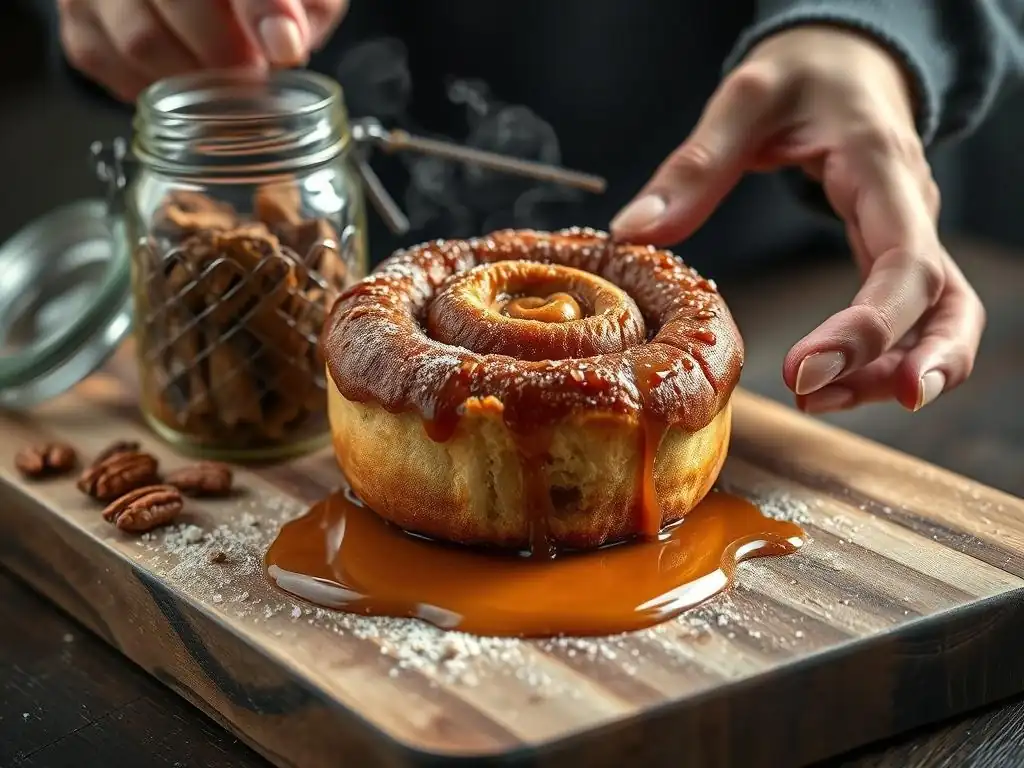
Sourdough cinnamon rolls are best enjoyed warm, preferably shortly after they've cooled enough to handle but while the frosting is still slightly melty and the center is wonderfully gooey. The aroma of warm cinnamon and sourdough is irresistible! Remove the rolls from the oven and let them cool in the pan for about 10-15 minutes before applying your chosen frosting. This allows them to set slightly but ensures they are still warm enough for the frosting to melt into the crevices, enhancing that gooey sticky bun recipe experience.
You can frost the entire pan at once, or frost individual rolls just before serving. Serving them warm maximizes the soft texture and the rich, complex flavors developed during the long sourdough fermentation. A simple way to serve is directly from the pan, allowing everyone to enjoy the communal aspect of pulling apart the gooey rolls.
Storing Leftovers: Maintaining Freshness and Flavor
Proper storage is key to keeping your sourdough cinnamon rolls fresh and delicious. Once they have cooled completely and are frosted, the best way to store them is in an airtight container at room temperature. They will remain soft and enjoyable for 1-2 days. If you need to store them for longer, transfer them to the refrigerator in an airtight container, where they will keep for up to 5 days.
For longer-term storage, you can freeze baked and cooled rolls. Place unfrosted rolls in a single layer on a baking sheet to freeze solid, then transfer them to a freezer-safe bag or container for up to 2-3 months. Frosted rolls can also be frozen, though the frosting texture might change slightly upon thawing. Wrap individual rolls tightly in plastic wrap before placing them in a container to prevent freezer burn.
Reheating Tips: Bringing Back the Softness
Reheating leftover sourdough cinnamon rolls helps restore their soft, warm texture and brings back that fresh-baked feel. If the rolls are at room temperature or refrigerated, the microwave is a quick option for individual rolls. Heat them on medium power in short bursts (15-30 seconds) until warm, being careful not to overheat, which can make them tough.
For a batch of rolls, the oven is often the best method for reheating. Place the rolls in an oven-safe dish. If they are unfrosted, you can add a small pat of butter to the top of each roll. Cover the dish tightly with aluminum foil to trap moisture and prevent drying. Reheat in a preheated oven at a low temperature, around 300°F (150°C), for 10-15 minutes, or until warmed through. This gentle heating method ensures the rolls become soft and gooey again without drying out. Add frosting after reheating if the rolls were stored unfrosted.
Variations and Adaptations: Exploring Cinnamon Roll Creativity
Adding Fruit: Apple, Cranberry, and More
Adding fruit to your sourdough cinnamon roll filling can introduce new flavors and textures. Finely diced apples, especially varieties that hold their shape like Granny Smith or Honeycrisp, can be lightly cooked with a pinch of cinnamon and sugar before being spread over the dough. This adds moisture and a tender bite. For a batch of 12-15 rolls, about 1 cup of finely diced, lightly cooked apple is a good amount.
Dried fruits like cranberries, raisins, or chopped apricots can also be incorporated into the filling. Soak dried fruits in hot water or rum for about 15-20 minutes first to plump them up before draining and mixing them into the cinnamon-sugar mixture. About 1/2 to 3/4 cup of plumped dried fruit works well for a standard recipe. These fruit additions provide bursts of flavor and a pleasant chewiness that complements the soft dough and gooey filling of this sticky bun recipe.
Chocolate Cinnamon Rolls: A Decadent Twist
For chocolate lovers, transforming your sourdough cinnamon rolls into a decadent treat is simple. You can add cocoa powder to the dough itself, substituting a small amount of flour (e.g., 20-30 grams) with unsweetened cocoa powder, ensuring you maintain the overall hydration. This gives the dough a subtle chocolate flavor and color.
The filling is where the chocolate can truly shine. Mix unsweetened cocoa powder (e.g., 20-30 grams) into your cinnamon-sugar mixture, adjusting the sugar slightly if the cocoa is very bitter. You can also add mini chocolate chips or chopped chocolate (dark, milk, or white) directly onto the buttered dough before adding the cinnamon-sugar mix, or sprinkle them over the cinnamon-sugar. About 1/2 to 3/4 cup of chocolate chips or chopped chocolate is usually sufficient for a batch. Top with a chocolate glaze or a standard cream cheese frosting for a delightful combination.
Savory Cinnamon Rolls: Expanding Your Baking Horizons
While the term "sticky bun recipe" inherently suggests sweetness, the sourdough cinnamon roll structure is versatile enough for savory adaptations, though they won't be gooey or sticky in the traditional sense. Instead of the sweet cinnamon-sugar filling, you can create savory fillings using ingredients like cheese, herbs, garlic, pesto, or sun-dried tomatoes.
For example, spread softened butter mixed with minced garlic and chopped fresh herbs like rosemary and thyme over the dough. Then, sprinkle generously with grated cheese, such as sharp cheddar, Gruyère, or Parmesan. Roll, slice, and bake as usual. These savory rolls make a wonderful accompaniment to soups or salads, or can be enjoyed on their own. This demonstrates the adaptability of the sourdough roll technique beyond the classic sweet sticky bun recipe.
Conclusion: Elevating Your Baking Skills with Sourdough Cinnamon Rolls
Celebrating Your Baking Achievement: Sharing the Joy
Successfully baking sourdough cinnamon rolls is a notable achievement on your intermediate baking journey. You've navigated the nuances of sourdough fermentation, mastered enriched dough handling, and created a truly delicious treat with complex flavor and a wonderfully soft, gooey texture. Take a moment to appreciate your efforts! The best way to celebrate is often by sharing the fruits of your labor. Offer your warm, frosted rolls to family and friends. There's immense joy in seeing others enjoy something you've created from scratch, especially a homemade sticky bun recipe.
Sharing also provides valuable feedback. Pay attention to comments on texture, flavor, and gooeyness – this helps you refine your technique for future bakes. Your success with this recipe is a testament to your growing skills and patience in the kitchen.
Next Steps: Furthering Your Intermediate Baking Journey
Mastering the sourdough cinnamon roll opens up a world of possibilities for your baking. The skills you've honed – managing sourdough activity, understanding bulk fermentation and proofing times, handling enriched doughs, and achieving specific textures like the gooey center in this sticky bun recipe – are transferable to many other bakes. Consider tackling other enriched sourdough doughs, such as brioche or challah, which build on similar principles but introduce new shaping techniques.
You could also experiment with adding different ingredients to your sourdough bread loaves, incorporating grains, seeds, or fruits. Or, explore other types of sweet rolls and pastries using your active starter. Each new recipe you try will reinforce your understanding of sourdough dynamics and dough manipulation, solidifying your position as a confident intermediate baker ready to take on even more challenging and rewarding projects.
Frequently Asked Questions
What makes this sticky bun recipe an intermediate challenge?
This recipe is considered intermediate due to the required kneading technique for the enriched dough and the precise timing needed for the proofing process. It also involves creating a specific caramel sauce.
What are the key ingredients that contribute to the "gooey" texture of these sticky buns?
The gooey texture comes primarily from the brown sugar and butter-based caramel sauce. Using enough butter is crucial.
Can I substitute any ingredients in the gooey sticky bun recipe?
While some substitutions are possible, like using maple syrup instead of some brown sugar, be cautious. Changes to the dough ingredients can significantly affect the bun's texture and rise.
How long does it typically take to make these gooey sticky buns from start to finish?
Expect the process to take around 3-4 hours, including dough preparation, proofing, baking, and cooling time. The proofing stage is the longest.
What are some tips for ensuring the sticky buns release easily from the pan after baking?
Grease the pan very thoroughly with butter and ensure the caramel sauce is evenly distributed. Letting the buns cool slightly before inverting also helps with clean release.
Final Reflection: The Sweetness of Mastery and the Joy of Baking
The pursuit of the perfect gooey sticky bun isn't just about a delicious treat; it's a metaphor for the rewarding journey of mastering any skill. The seemingly simple act of baking these delectable pastries reveals layers of complexity, demanding precision, patience, and a willingness to experiment. This journey, as detailed in this article, highlights the importance of understanding the nuances of ingredients and technique to achieve truly exceptional results.
The enduring appeal of baking, and specifically the creation of gooey sticky buns, lies in its ability to connect us to something larger than ourselves. It's a tradition passed down through generations, a source of comfort and celebration, and a testament to the power of human creativity. The satisfaction derived from transforming simple ingredients into something so exquisite is deeply personal and profoundly rewarding. Baking is at once child's play and adult joy. And love, of course.
- This sentiment perfectly captures the essence of this baking experience.
Now, I invite you to consider your own "gooey sticky bun" – that challenge, that skill, that passion that requires dedication and patience to truly master. What ingredients are you working with? What adjustments do you need to make to achieve your desired outcome? Embrace the process, savor the journey, and don't be afraid to get your hands a little sticky along the way. The sweetness of success, like the perfect gooey sticky bun, is well worth the effort.
Unleash Your Inner Baker: Gooey Sticky Bun Mastery Awaits!
Thanks for joining us on this delicious journey into the world of gooey sticky buns! We hope you gained some valuable baking insights and feel inspired to tackle this intermediate challenge. Now it's time to put your new skills to the test.
- Bake a batch of your own masterpiece! Use the recipe and tips from this article to create your perfect sticky buns. Don’t be afraid to experiment with different flavor combinations!
- Share your baking triumph with us and the BakeWithEase community on social media – we’d love to see your creations! Use #BakeWithEaseStickyBuns.
- Challenge a friend to a sticky bun bake-off – friendly competition always adds to the fun!
Ready to experience the pure joy of perfectly gooey, cinnamon-sugar perfection? What unique twist will you add to your next batch of sticky buns?