
How to Store Sweet Rolls to Keep Them Soft and Fresh

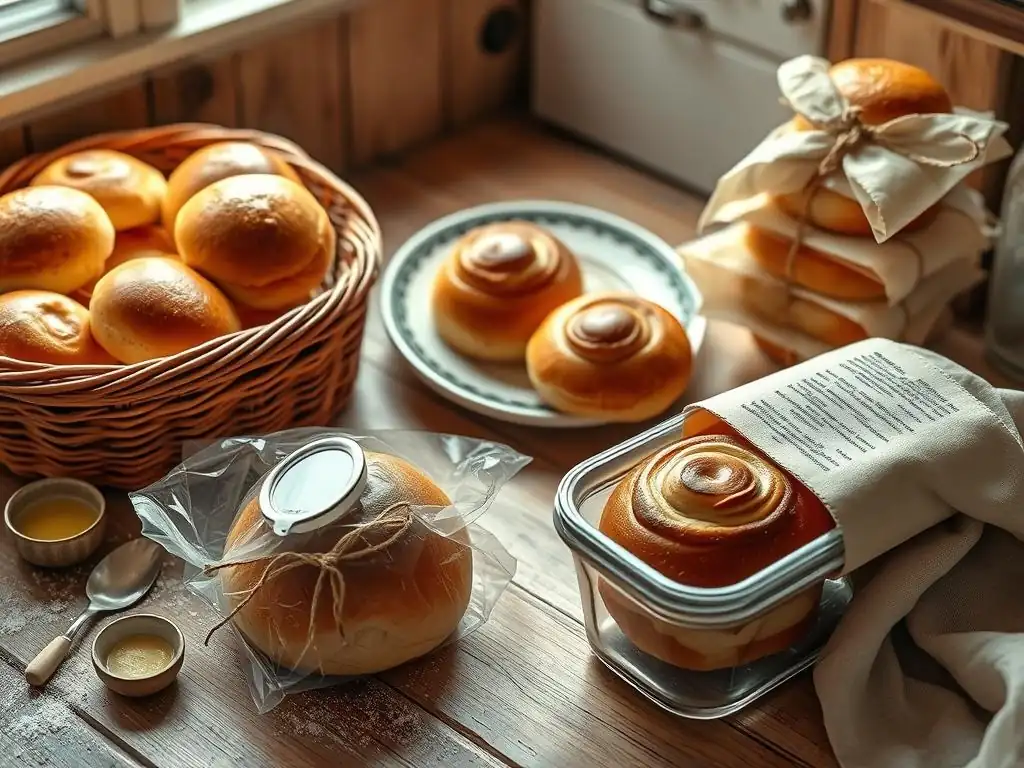
Welcome to BakeWithEase! Ever wondered how to keep those delicious, soft sweet rolls tasting as fresh as the day they were baked? You've come to the right place. Discover our expert soft sweet rolls storage tips and unlock the secret to enjoying bakery-quality treats at home, anytime. Ready to prevent those sweet rolls from turning stale? Let's dive in!
- How to Store Cinnamon Rolls to Keep Them Soft and Fresh: Baker's Delight Guide
- Introduction: Keeping Your Cinnamon Rolls Delicious
- Understanding Cinnamon Roll Freshness: Why Proper Storage Matters
- The Ultimate Guide to Soft Cinnamon Roll Storage Tips
- Methods for Maintaining Cinnamon Roll Softness
- Reviving Cinnamon Rolls: Techniques to Restore Softness
- Troubleshooting Cinnamon Roll Storage Problems
- Advanced Cinnamon Roll Storage Techniques
- Conclusion: Enjoying Fresh and Soft Cinnamon Rolls Every Time
- Frequently Asked Questions
- Final Reflection: The Enduring Delight of Perfectly Soft Sweet Rolls
- Unlock the Secret to Soft Rolls: Keep Your Baking Fresh!
How to Store Cinnamon Rolls to Keep Them Soft and Fresh: Baker's Delight Guide
Introduction: Keeping Your Cinnamon Rolls Delicious
There's little that compares to the joy of a warm, soft cinnamon roll straight from the oven. That delightful combination of sweet dough, cinnamon sugar filling, and often, a luscious glaze or frosting, is pure comfort. However, the magic can quickly fade if not stored correctly. Stale, dry cinnamon rolls are a baker's disappointment. This guide is dedicated to helping you preserve that freshly baked goodness, ensuring every bite is as soft and delicious as the first. Mastering soft sweet rolls storage tips is key to enjoying your homemade treats for days.
Proper storage isn't just about preventing spoilage; it's primarily about maintaining the texture and moisture that make cinnamon rolls so irresistible. Whether you've baked a large batch for a special occasion or just a few for breakfast, knowing the right techniques means you won't waste any of your delicious efforts. We'll cover everything from the science of staling to specific methods for short and long-term storage, providing practical sweet roll storage advice every step of the way.
Understanding Cinnamon Roll Freshness: Why Proper Storage Matters
The enemy of a soft cinnamon roll is moisture loss. From the moment they leave the oven, baked goods begin a process called staling, which involves changes in starch structure and moisture migration. While staling is inevitable over time, how you store your cinnamon rolls dramatically impacts the rate at which this process occurs. Effective cinnamon roll storage is about creating an environment that slows down moisture loss and minimizes structural changes.
Beyond just texture, proper storage also protects your sweet rolls from absorbing unwanted odors or flavors from their surroundings. Imagine the disappointment of a cinnamon roll that tastes faintly of last night's dinner! Good storage techniques create a barrier, keeping your rolls pure and delicious. It's about preserving the sensory experience – the aroma, the taste, and critically, the delightful softness that defines a great cinnamon roll.
The Science Behind Staling Cinnamon Rolls
Staling, often mistakenly thought of as just drying out, is actually a complex process called "starch retrogradation." Freshly baked bread and rolls have starch molecules that are gelatinized and swollen with water. As the baked good cools and sits, the starch molecules begin to recrystallize and push water out. This water migrates from the starch granules into the surrounding structure, and eventually evaporates from the roll's surface.
This recrystallization of starch makes the interior crumb feel firm, dry, and crumbly, while the surface can become tough. It's why even rolls stored in a humid environment can still stale internally. While moisture loss from the surface contributes to dryness, the primary driver of staling is this internal structural change. Controlling the environment can slow this retrogradation and evaporation, preserving the soft sweet rolls texture for longer.
Factors Affecting Cinnamon Roll Texture and Moisture
Several factors influence how quickly a cinnamon roll loses its desired texture and moisture. The ingredients used play a significant role; recipes with higher fat or sugar content tend to stay softer longer because these ingredients interfere with starch retrogradation. For example, a roll made with butter and eggs will likely stay soft longer than a lean dough roll.
The baking process itself is also crucial. Overbaking can remove too much moisture initially, leading to a drier roll from the start. The type of pan used and the oven temperature also impact the final moisture content. Finally, the post-baking handling and storage environment are paramount. Exposure to air, temperature fluctuations, and lack of protection all accelerate moisture loss and staling, highlighting the importance of smart soft sweet rolls storage tips.
The Ultimate Guide to Soft Cinnamon Roll Storage Tips
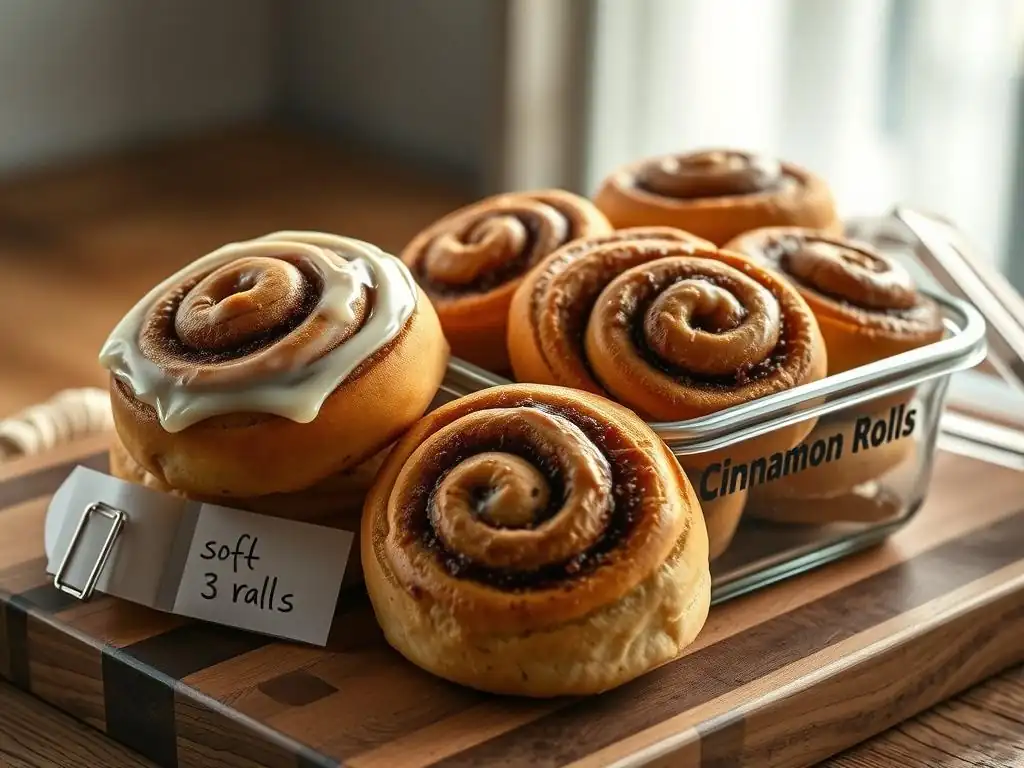
Storing cinnamon rolls properly is a multi-step process that begins even before they are fully cooled. Each step plays a vital role in maintaining that coveted soft and fresh texture. Following these guidelines will help you maximize the enjoyment of your homemade treats.
Let's break down the process into actionable steps for effective cinnamon roll storage.
Step 1: Cooling Cinnamon Rolls Completely Before Storing
This is perhaps the most critical initial step, yet one often rushed. Hot or warm cinnamon rolls release steam. If you seal them in a container while still warm, this steam will condense on the inside of the container, creating moisture. This excess moisture can lead to soggy bottoms, gummy textures, and an environment ripe for mold growth.
Allow your cinnamon rolls to cool completely on a wire rack before even thinking about storage. This usually takes at least 30-60 minutes, depending on the size of the rolls and the room temperature. Placing them on a wire rack allows air circulation around all sides, ensuring even cooling and preventing condensation build-up underneath. Patience here pays off significantly in preventing soggy rolls later.
Step 2: Selecting the Right Storage Container for Cinnamon Rolls
The container you choose is your primary defense against the elements that cause staling: air and moisture loss. The goal is to create an airtight seal around the rolls.
Airtight Containers: A Must-Have for Cinnamon Roll Storage
For optimal soft sweet rolls storage, airtight containers are the gold standard. These containers, typically made of plastic or glass with locking lids or silicone seals, prevent air from reaching the rolls and moisture from escaping. Place cooled rolls in a single layer if possible, or stack them gently with parchment paper in between layers to prevent sticking. Ensure the lid is sealed tightly.
Using a container that is just large enough to hold the rolls without excessive empty space is also beneficial. Too much empty air inside the container can still allow for some moisture movement and drying around the edges. Look for containers specifically labeled as airtight for the best results in your cinnamon roll storage efforts.
Alternatives to Airtight Containers: Double Wrapping in Plastic Wrap
If you don't have an appropriately sized airtight container, don't despair. Heavy-duty plastic wrap is an excellent alternative. Wrap each individual cinnamon roll tightly in plastic wrap, pressing out as much air as possible. Then, wrap the bundle of rolls again with another layer of plastic wrap or place them inside a resealable plastic bag, pressing out the air before sealing.
Double wrapping creates a strong barrier against air exposure, mimicking the effect of an airtight container. While perhaps slightly less effective than a perfect seal, it's a reliable method for preventing moisture loss and is a key technique in many soft sweet rolls storage tips. Ensure the wrap adheres well to the rolls to prevent air pockets.
Step 3: Choosing the Ideal Storage Location for Cinnamon Rolls
Where you store your container of cinnamon rolls matters. Different locations offer varying levels of protection and longevity.
Room Temperature Storage: When and How to Store Cinnamon Rolls on the Counter
Freshly baked, plain cinnamon rolls (without cream cheese frosting or perishable fillings) can typically be stored at cool room temperature for 1-2 days. Use an airtight container or double-wrap them as described above. Keep them away from direct sunlight or heat sources, as warmth can accelerate staling and potentially promote mold growth.
Storing them on the counter is ideal for immediate consumption within a day or two, as it maintains the softest texture compared to refrigeration, which can alter the crumb. However, this method offers the shortest shelf life among the options.
Refrigerating Cinnamon Rolls: Extending Freshness, But With Caution
Refrigeration slows down mold growth and other spoilage, making it suitable for rolls with perishable fillings or frostings, or if you need to store them for 3-5 days. However, the cold environment of a refrigerator can actually accelerate starch retrogradation, the process that makes bread products stale. This means refrigerated rolls can sometimes feel firmer or drier than those stored at room temperature.
To combat this, always store refrigerated cinnamon rolls in an absolutely airtight container or wrap them meticulously. When you're ready to eat them, reheating is often necessary to restore softness (see "Reviving Cinnamon Rolls" section). Refrigeration is a compromise: longer shelf life in exchange for a slightly less soft texture straight from the fridge.
Freezing Cinnamon Rolls: Long-Term Storage for Baked Goods
Freezing is the best method for long-term cinnamon roll storage, preserving their quality for weeks or even months. The freezing process halts both microbial growth and significantly slows down starch retrogradation. Ensure the rolls are completely cooled. Wrap each roll individually in plastic wrap, then place the wrapped rolls in a freezer bag or airtight container. This double layer of protection prevents freezer burn, which is essentially dehydration in the freezer.
Properly frozen cinnamon rolls can last for 1-2 months without significant loss of quality. Label the bag or container with the date so you know how long they've been stored. Freezing is an excellent strategy for batch baking or saving rolls for later enjoyment, keeping them ready for reheating when a craving strikes.
Step 4: Protecting Cinnamon Rolls from Drying Out
Even with proper storage, the battle against dryness continues. Here are additional tactics to keep moisture locked in.
Adding Moisture: Sprinkling with Water Before Reheating
One simple trick, especially useful for rolls that have been refrigerated or are slightly dry, is to add a tiny bit of moisture just before reheating. Lightly sprinkle the surface of the roll with a few drops of water or use a pastry brush to apply a thin film of water. This added moisture turns to steam during reheating, helping to rehydrate the crumb and restore softness.
This technique is particularly effective when reheating in an oven or toaster oven. Be careful not to add too much water, as this can make the roll soggy. A light misting is usually sufficient to make a noticeable difference in texture.
Glazing and Icing: A Protective Barrier
A generous layer of glaze or icing isn't just for flavor; it also acts as a physical barrier on the surface of the cinnamon roll. This barrier helps to seal in moisture, slowing down evaporation. Rolls with frosting or glaze tend to stay softer longer than plain rolls, provided the frosting itself doesn't dry out.
Cream cheese frosting, due to its fat and moisture content, is particularly effective at keeping the top surface soft. If storing frosted rolls, ensure the container is airtight to prevent the frosting from drying out and cracking, which would compromise its protective function.
Methods for Maintaining Cinnamon Roll Softness
Tailoring your storage method to how quickly you plan to eat the rolls is key to maintaining their softness.
Short-Term Storage Solutions for Cinnamon Rolls (1-2 Days)
For rolls you plan to devour within a day or two, storing them at room temperature is usually best for preserving immediate softness.
- Ensure rolls are completely cool.
- Place in an airtight container or double-wrap tightly in plastic wrap.
- Store on the counter away from heat and direct sunlight.
This method prioritizes texture over extended shelf life.
Medium-Term Storage Solutions for Cinnamon Rolls (3-5 Days)
If you need your rolls to last a bit longer, refrigeration is the way to go, especially if they are frosted.
- Cool rolls completely.
- Store in an airtight container. If stacking, use parchment paper.
- Place in the refrigerator.
- Be prepared to reheat to restore optimal softness.
This balances shelf life with texture, requiring reheating to bring back the best quality.
Long-Term Storage Solutions for Cinnamon Rolls (Freezing for Weeks or Months)
For saving rolls for a future craving, freezing is the clear winner for maintaining quality over time.
- Ensure rolls are completely cooled.
- Wrap each roll individually and tightly in plastic wrap.
- Place wrapped rolls in a freezer bag or airtight freezer-safe container.
- Label with the date.
- Freeze for up to 1-2 months.
This method locks in freshness for extended periods, making batch baking feasible.
Reviving Cinnamon Rolls: Techniques to Restore Softness
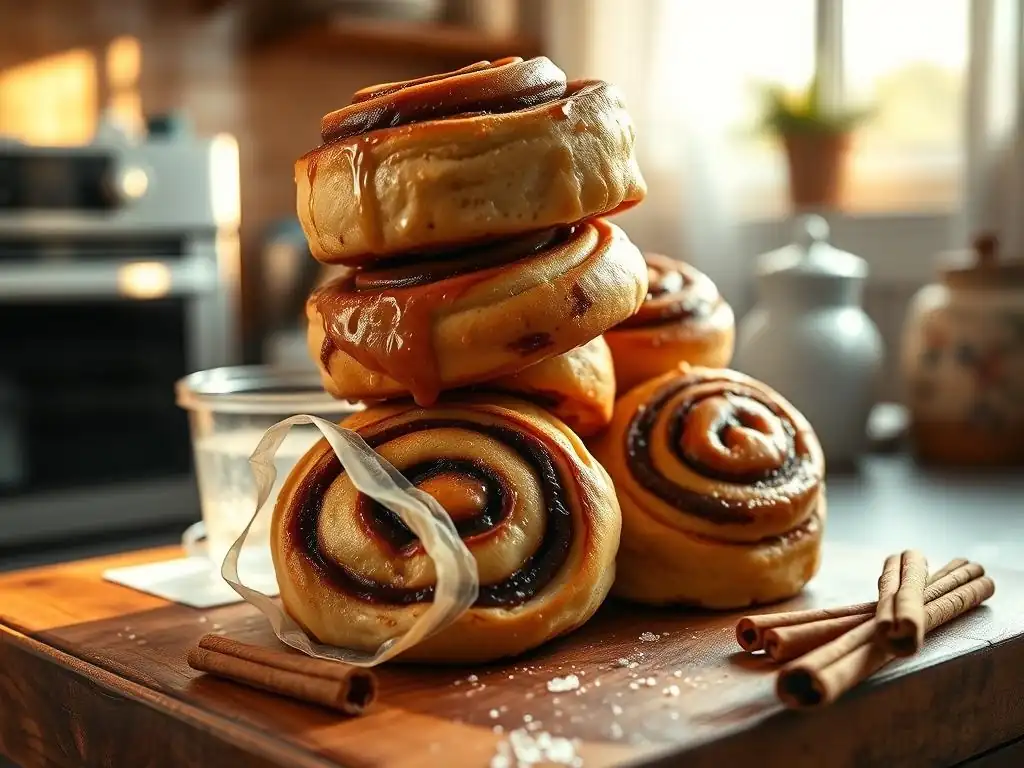
Even with the best soft sweet rolls storage tips, rolls stored for a while might lose some of their initial softness. Fortunately, there are several ways to bring them back to life, warming them up and often restoring a wonderfully soft texture.
Here are a few popular revival methods:
Reheating Cinnamon Rolls in the Oven: A Gentle Approach
Reheating in the oven is arguably the best method for restoring an even, soft texture throughout the roll, especially for multiple rolls.
- Preheat your oven to a relatively low temperature, around
300-325°F(150-160°C). - If the rolls were frozen, thaw them overnight in the refrigerator or for a couple of hours at room temperature first (optional, but recommended for best results).
- Place the rolls in a baking dish or on a baking sheet. You can loosely cover them with foil to prevent the tops from drying out, especially if they are frosted.
- Heat for
10-15 minutesfor refrigerated rolls, or15-20 minutesfor rolls thawed from frozen, until warmed through and soft.
This gentle heat allows the starch structure to relax and moisture to redistribute, resulting in a roll that feels much like it did when fresh.
Microwaving Cinnamon Rolls: A Quick Fix, But Be Careful
Microwaving is the fastest way to reheat a cinnamon roll, perfect for a single-serving craving. However, it requires caution as it can quickly turn a soft roll tough or rubbery if overdone.
- Place a single roll on a microwave-safe plate.
- Optionally, place a small cup of water in the microwave alongside the roll – this helps create a steamy environment.
- Heat on
50% powerfor30-60 seconds, checking frequently. - Heat just until warm and soft. Do not overheat.
While fast, microwaved rolls can sometimes become hard quickly as they cool down. It's best for immediate consumption.
Steaming Cinnamon Rolls: Adding Moisture Back In
Steaming is an excellent method for adding moisture back into slightly dry rolls, effectively reversing some effects of staling.
- Place a steamer basket in a pot with about an inch of water.
- Bring the water to a simmer.
- Place the rolls in the steamer basket, ensuring they are not touching the water.
- Cover the pot and steam for
5-10 minutesuntil the rolls are soft and warmed through.
This method directly introduces moisture, resulting in an incredibly soft and tender roll. It's particularly effective for plain or glazed rolls.
Troubleshooting Cinnamon Roll Storage Problems
Even with the best intentions, sometimes things don't go perfectly. Here's how to address common issues.
My Cinnamon Rolls are Dry: What Went Wrong?
Dryness is usually a sign of moisture loss. This could be due to:
- Not cooling completely before storing (leading to initial sogginess, then rapid drying).
- Storing in a container that wasn't truly airtight.
- Storing uncovered or improperly wrapped.
- Refrigerating plain rolls without adequate protection.
- Overheating during reheating.
To fix dry rolls, try the steaming method or sprinkle with water before oven reheating. For future batches, ensure airtight soft sweet rolls storage from the start.
My Cinnamon Rolls are Soggy: Avoiding Excess Moisture
Sogginess, especially on the bottom, is typically caused by sealing rolls before they have completely cooled, trapping steam and condensation.
- What went wrong: Storing warm rolls.
- Prevention: Always cool completely on a wire rack before storing.
- Fix: Unfortunately, it's hard to fix a truly soggy roll. You can try gently reheating in a dry oven to crisp up the bottom slightly, but the texture may not fully recover.
Proper cooling is paramount in preventing this issue.
My Cinnamon Rolls Taste Stale: Preventing Flavor Loss
A stale taste can result from the chemical changes of staling or from absorbing off-flavors from the refrigerator.
- What went wrong: Starch retrogradation, improper sealing in the fridge.
- Prevention: Use airtight containers or double wrapping. For refrigerated rolls, ensure strong seals to prevent odor absorption. Freezing is best for long-term flavor preservation.
- Fix: Reheating can often improve the flavor slightly by releasing volatile aromatic compounds, but severe staleness is hard to reverse.
Focus on airtight storage and appropriate storage duration for the best flavor maintenance.
Advanced Cinnamon Roll Storage Techniques
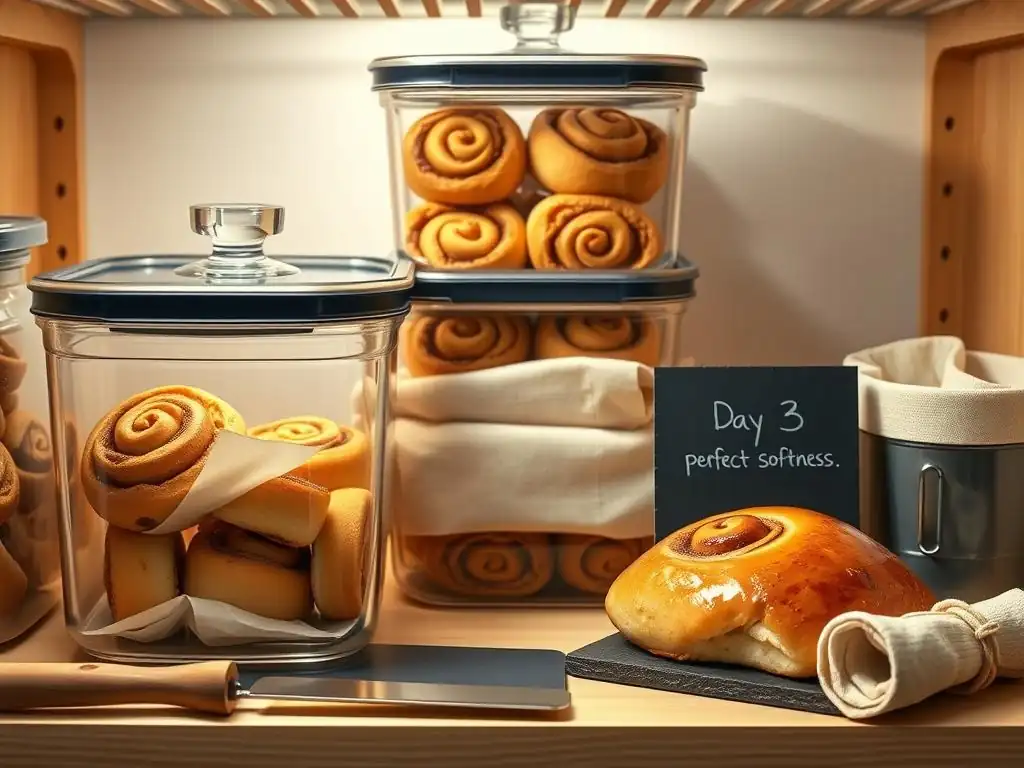
Considering specific types of fillings or storing in bulk requires slightly different considerations for optimal results.
Storing Filled Cinnamon Rolls: Extra Considerations
Cinnamon rolls with non-traditional fillings like fruit compotes, pastry cream, or savory fillings require careful consideration due to the moisture content of the filling and potential for spoilage.
- Always cool filled rolls completely before storing.
- Refrigeration is often mandatory for rolls with perishable fillings like dairy-based creams or fresh fruit, extending their life to
3-5 days. - Store in an airtight container to prevent the filling from drying out or the roll from absorbing fridge odors.
- For freezing, ensure the filling is suitable for freezing (some fillings can become watery or change texture). Wrap individually and freeze as usual.
When in doubt about a perishable filling, err on the side of refrigeration or freezing immediately after cooling.
Storing Cinnamon Rolls with Cream Cheese Frosting: Best Practices
Cream cheese frosting is dairy-based and should be treated as perishable. Storing frosted cinnamon rolls requires refrigeration if they won longer than a few hours at room temperature, especially in warm conditions.
- Cool rolls completely before frosting them. Applying frosting to warm rolls will cause it to melt.
- Once frosted, store rolls in a single layer in an airtight container in the refrigerator. Stacking can smudge the frosting. If you must stack, use parchment paper between layers.
- Cream cheese frosting freezes well. You can freeze frosted rolls by first flash-freezing them on a baking sheet until the frosting is firm (about
1-2 hours), then transferring them to an airtight container or freezer bag. This prevents the frosting from sticking to the packaging or other rolls.
Frosted rolls stored properly in the fridge should last 5-7 days. Reheat gently in the oven to avoid melting the frosting too much.
Bulk Cinnamon Roll Storage: Scaling Up Your Storage Strategy
If you've baked a large batch, you'll likely need a combination of storage methods based on how many you plan to eat soon versus later.
- Plan your consumption: Determine how many you'll eat in the next day or two, how many in the next week, and how many after that.
- Store the immediate batch at room temperature (if plain) or in the fridge (if frosted/filled) in an airtight container.
- Store the medium-term batch in the refrigerator using airtight containers.
- Freeze the remaining rolls using the individual wrapping method followed by placement in freezer bags or containers.
- Consider using large, rectangular airtight containers designed for baked goods or stacking multiple layers with parchment in between.
Proper bulk soft sweet rolls storage tips involve organizing and labeling your stored rolls clearly so you know what you have and when it needs to be consumed or reheated.
Conclusion: Enjoying Fresh and Soft Cinnamon Rolls Every Time
Preserving the delightful softness and fresh flavor of homemade cinnamon rolls is entirely achievable with the right knowledge and techniques. From the crucial initial cooling step to choosing the appropriate storage method – be it airtight containers for short-term counter storage, refrigeration for medium-term, or freezing for long-term – each action plays a vital role. Understanding the science behind staling empowers you to make informed decisions that protect your baked goods.
Implementing these soft sweet rolls storage tips ensures that the effort you put into baking is rewarded with delicious results days or even weeks later. Don't let your beautiful creations fall victim to dryness or staleness. By following these guidelines, you can confidently bake large batches, knowing you can enjoy them at their best whenever the craving strikes.
Recap of Key Cinnamon Roll Storage Tips
Here's a quick checklist to keep your cinnamon rolls wonderfully soft and fresh:
- [ ] Always cool rolls completely on a wire rack before storing.
- [ ] Use airtight containers or double-wrap tightly in plastic wrap.
- [ ] Store plain rolls at room temperature for 1-2 days, or refrigerate for 3-5 days.
- [ ] Refrigerate rolls with perishable fillings or frosting, lasting 5-7 days.
- [ ] Freeze individually wrapped rolls for long-term storage (1-2 months).
- [ ] Reheat rolls (oven, microwave, or steam) to restore softness, especially after refrigeration or freezing.
- [ ] Consider adding a little moisture before reheating dry rolls.
- [ ] Glazing or icing adds a protective moisture barrier.
- [ ] Plan bulk storage based on expected consumption timelines.
By following these simple yet effective soft sweet rolls storage tips, you can extend the life and enjoyment of your delicious homemade treats. Happy baking and happy storing!
Frequently Asked Questions
How long can I store sweet rolls at room temperature?
Sweet rolls are best enjoyed fresh, but they can be stored at room temperature for up to 2 days. Ensure they are in an airtight container to prevent drying.
What is the best way to prevent sweet rolls from becoming stale?
The key is to minimize air exposure. Wrap each roll individually in plastic wrap before placing them in a larger airtight container or bag. This prevents moisture loss.
Can I freeze sweet rolls for longer storage?
Yes, freezing is a great option! Wrap the rolls tightly in plastic wrap, then place them in a freezer-safe bag or container. They can last for up to 2-3 months in the freezer.
How should I reheat frozen sweet rolls to maintain their softness?
Thaw the rolls in the refrigerator overnight. Reheat them in a low oven (300°F) for a few minutes or microwave them briefly, ensuring they remain soft and moist.
What are some indicators that my sweet rolls have gone bad?
Look for signs of mold, a sour smell, or a hard, dry texture. If any of these are present, it's best to discard the sweet rolls.
Final Reflection: The Enduring Delight of Perfectly Soft Sweet Rolls
The quest for the perfectly soft sweet roll transcends mere culinary technique; it's a testament to the enduring power of simple pleasures. Maintaining that initial, pillowy softness after baking is a challenge many home bakers face, and the tips outlined in this article offer practical solutions to a problem that impacts countless kitchens worldwide. The seemingly small act of properly storing these delightful treats speaks volumes about our appreciation for both the craft of baking and the joy of sharing freshly baked goods.
The impact of a perfectly soft sweet roll extends far beyond the individual experience. It's a symbol of comfort, of home, and of the care taken in creating something delicious to share. It's a small detail that can elevate a simple breakfast, a celebratory brunch, or even a quiet moment of self-indulgence. As the saying goes, The best things in life are simple,
and the satisfaction of biting into a perfectly soft sweet roll certainly embodies this sentiment. The techniques discussed here are not just about preserving texture; they're about preserving a feeling, a memory, a connection to something comforting and wholesome.
Now, consider your own baking experiences. What are your favorite sweet rolls? How do you currently store them? Perhaps this article has given you a new perspective, a new tool to enhance your baking journey. I encourage you to experiment with these storage tips, to refine your own methods, and to savor the delightful results. The journey to the perfect soft sweet roll is an ongoing one, filled with delicious discoveries and the simple joy of sharing something truly special.
Unlock the Secret to Soft Rolls: Keep Your Baking Fresh!
Thanks for taking the time to learn how to keep your sweet rolls delightfully soft! You've now got the tools to prevent those dreaded stale rolls. Ready to put your new knowledge into action?
- Master the art of proper storage: Experiment with different methods – airtight containers, freezer bags, or even a slightly damp cloth – to see what works best for your baking style and discover your perfect storage method.
- Share your freshly baked (and perfectly stored!) sweet rolls with friends and family! Snap a picture and share your success on social media using #BakeWithEaseSoftRolls.
- Explore our other baking tips and tricks on BakeWithEase.com to discover even more secrets to delicious homemade treats.
What’s your favorite method for keeping baked goods fresh? Let us know in the comments!