
The Role of Sugar in Sweet Roll Dough and Texture

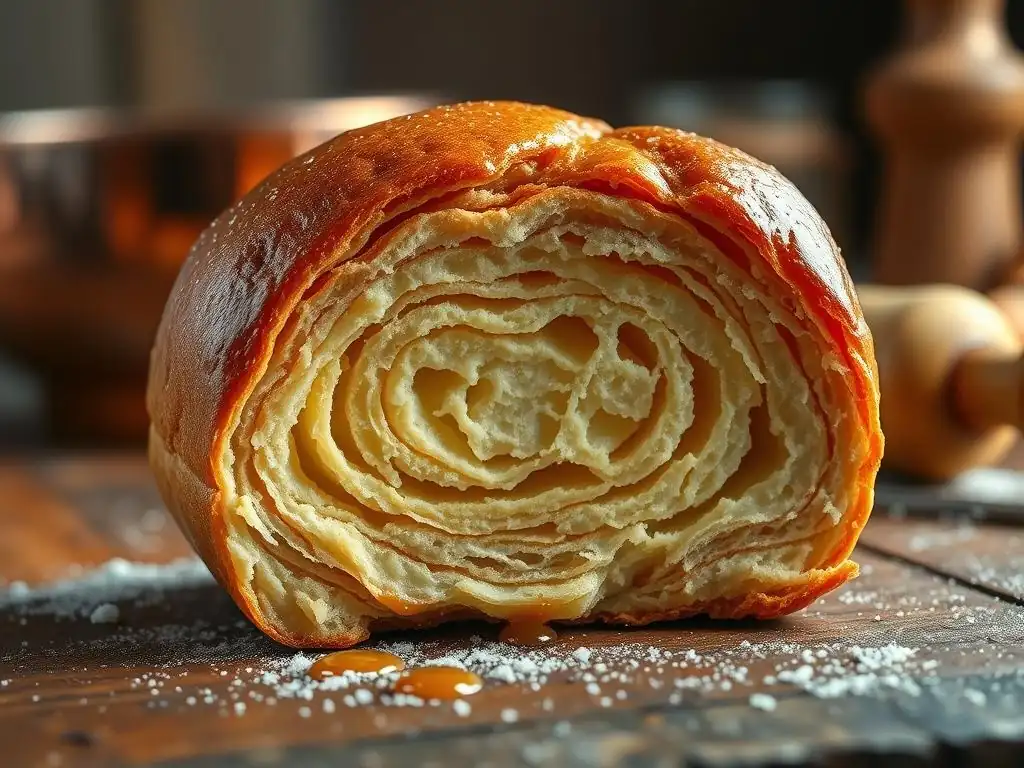
Welcome to BakeWithEase, your guide to confident baking! Ever wondered how a perfectly soft and yielding sugar sweet roll dough texture is achieved? Unlock the secrets behind this delectable treat as we delve into the science and artistry of baking. Get ready to elevate your baking skills and create irresistible sweet rolls that will leave everyone craving more! Let's get baking!
- The Role of Sugar in Sweet Roll Dough and Texture: BakeWithEase Guide
- Understanding Sugar's Impact on Sweet Roll Dough
- Sugar's Contribution to Sweet Roll Texture
- Types of Sugar and Their Effects on Sweet Roll Dough
- Sugar's Influence on Sweet Roll Dough Fermentation
- Troubleshooting Sweet Roll Texture Issues Related to Sugar
- Tips for Perfecting Sugar Usage in Sweet Roll Recipes
- Advanced Techniques: Exploring Sugar Variations for Unique Sweet Roll Textures
- Mastering Sweet Roll Texture: A Sweet Conclusion
-
Frequently Asked Questions
- What is the primary role of sugar in sweet roll dough?
- How does sugar affect the texture of sweet rolls?
- Can I reduce the amount of sugar in a sweet roll recipe without affecting the texture?
- What happens if I add too much sugar to my sweet roll dough?
- Does the type of sugar used impact the final sweet roll dough texture?
- Final Reflection: The Sweet Science of Sugar in Sweet Rolls
- Unleash Your Inner Baker: Craft the Perfect Sweet Roll
The Role of Sugar in Sweet Roll Dough and Texture: BakeWithEase Guide
Understanding Sugar's Impact on Sweet Roll Dough
Why Sugar is Crucial for Sweet Rolls: Beyond Sweetness
Sugar is far more than just a sweetener in your favorite sweet rolls. While it certainly provides that delightful taste, its functions in dough are multifaceted and critical to achieving the desired structure and texture. Sugar plays a vital role in tenderizing the dough, providing food for the yeast, aiding in browning during baking, and extending the shelf life of the finished product. Without adequate sugar, sweet rolls would likely be tough, pale, and dry quickly.
Consider a typical enriched dough recipe for cinnamon rolls. Sugar often makes up 10-20% of the flour weight, sometimes even more. This significant percentage isn't just for taste; it directly influences the dough's development. Sugar interferes with gluten formation, creating a more tender crumb. It also lowers the freezing point and raises the boiling point of the dough, affecting how it behaves during proofing and baking. The complex interplay of sugar with other ingredients dictates the final sugar sweet roll dough texture.
The Science of Sugar in Baking: How it Affects Dough
At a scientific level, sugar interacts with proteins and starches in the dough in several key ways. It is hygroscopic, meaning it attracts and holds onto moisture. This property is crucial for keeping the dough hydrated and preventing it from drying out prematurely during mixing, proofing, and baking. By competing with flour proteins for water, sugar also inhibits gluten development, contributing to a softer texture.
Furthermore, sugar undergoes caramelization when heated above its melting point, typically around 320°F (160°C) for sucrose. This process contributes significantly to the golden-brown crust color of baked sweet rolls and adds complex flavor notes. Sugar also participates in the Maillard reaction, a chemical process between amino acids and reducing sugars that occurs simultaneously with caramelization and further enhances browning and flavor development. Understanding these scientific principles helps bakers master the sugar sweet roll dough texture.
Sugar's Contribution to Sweet Roll Texture
Achieving the Perfect Softness: Sugar's Role as a Tenderizer
One of sugar's primary contributions to sugar sweet roll dough texture is its role as a tenderizer. By competing with flour proteins (glutenin and gliadin) for water, sugar slows down and limits the formation of gluten strands. Gluten provides structure and chewiness, which is desirable in many breads, but for sweet rolls, we aim for a soft, tender, and sometimes slightly crumbly texture.
Recipes for soft sweet rolls often include a relatively high proportion of sugar and fat, both of which act as tenderizers. Sugar molecules wedge themselves between the protein strands, physically disrupting the gluten network as it forms. This disruption results in a weaker, less elastic dough that expands more easily during rising and baking, yielding a soft, plush interior crumb – the hallmark of a great sweet roll.
Moisture Retention: How Sugar Keeps Sweet Rolls from Drying Out
Sugar's hygroscopic nature is a superpower when it comes to keeping baked goods moist and extending their shelf life. In sweet roll dough, sugar molecules bind water, preventing it from evaporating during baking and slowing down the staling process after baking. This means your sweet rolls stay soft and enjoyable for longer.
Think about biting into a perfectly moist cinnamon roll versus one that's dry and crumbly. The difference is often directly related to moisture content, heavily influenced by the amount and type of sugar used. Sugar acts as a humectant, drawing moisture from the environment and retaining it within the crumb structure. This property is essential for achieving that desirable soft, slightly sticky sugar sweet roll dough texture.
Sugar and Gluten Development: A Delicate Balance for Ideal Texture
Finding the right balance of sugar in sweet roll dough is crucial for achieving the ideal texture. Too little sugar, and the gluten network might become too strong, resulting in a tough, chewy roll. Too much sugar, and the gluten development can be excessively inhibited, leading to a crumbly structure that lacks sufficient support and volume.
A typical sweet roll dough might contain 15% sugar based on flour weight. At this level, sugar provides enough tenderization for softness without completely collapsing the gluten structure needed for the dough to rise and hold its shape. Bakers often use techniques like mixing the sugar with fat (creaming method) or adding it gradually to the dough to control how it interacts with the flour and water, thus managing gluten development and perfecting the sugar sweet roll dough texture.
Types of Sugar and Their Effects on Sweet Roll Dough
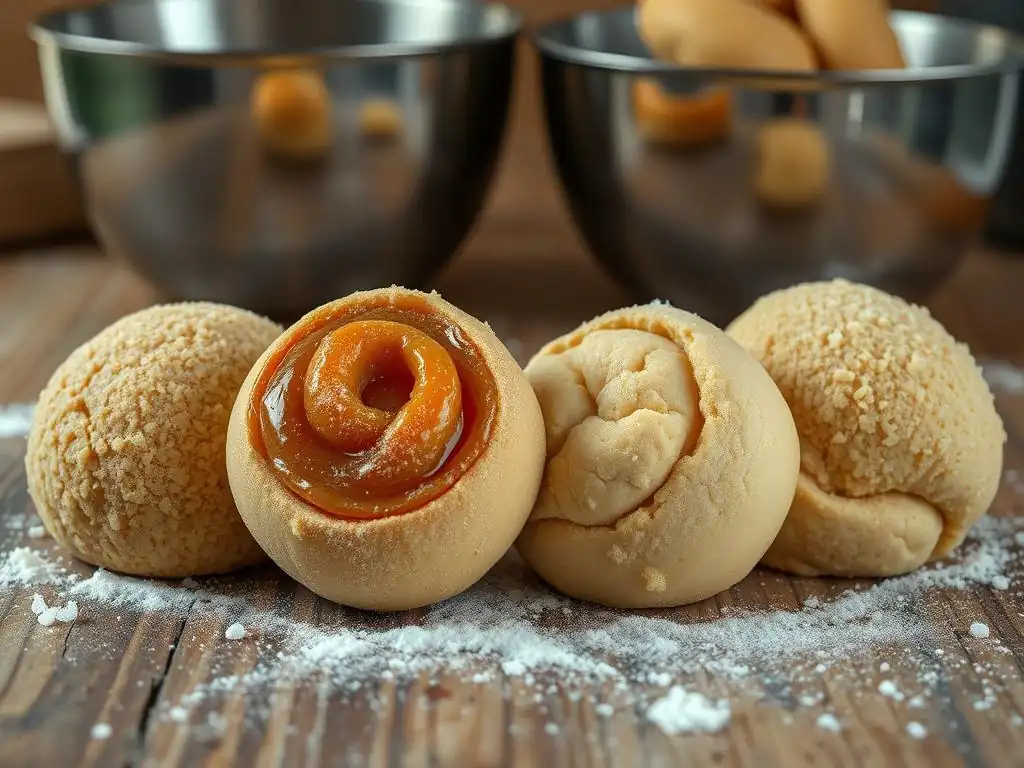
Granulated Sugar: The Standard for Sweet Roll Baking
Granulated sugar, also known as table sugar, is the most common sweetener used in sweet roll dough. It consists of fine, uniform crystals of sucrose. Its consistent particle size dissolves relatively easily into the dough, allowing its various functions – tenderizing, moisture retention, yeast food, and browning – to take effect uniformly.
Using granulated sugar provides a clean sweetness that doesn't overpower other flavors like cinnamon or cardamom. Its impact on the sugar sweet roll dough texture is predictable, making it a reliable choice for standard recipes. While it dissolves well, it's important to ensure it's fully incorporated during mixing to avoid grainy spots or uneven texture.
Brown Sugar: Adding Molasses Flavor and Enhanced Moisture
Brown sugar is granulated sugar with molasses added back in. Light brown sugar contains about 3.5% molasses by weight, while dark brown sugar contains around 6.5%. The presence of molasses gives brown sugar its distinct flavor, darker color, and slightly coarser texture.
In sweet roll dough, brown sugar contributes a richer, more complex flavor profile compared to granulated sugar. The molasses also makes brown sugar more hygroscopic than white sugar, meaning it attracts and retains even more moisture. This can lead to an even softer, moister sugar sweet roll dough texture and can help prevent the rolls from drying out as quickly. It's often used in fillings (like cinnamon sugar) as well as in the dough itself.
Powdered Sugar: When and How to Use it in Sweet Rolls
Powdered sugar, or confectioners' sugar, is granulated sugar that has been finely ground and mixed with a small amount of cornstarch (typically 3-5%) to prevent clumping. Due to its extremely fine particle size, it dissolves almost instantly.
While less commonly used directly in the dough compared to granulated or brown sugar, powdered sugar is the standard for glazes and icings that top sweet rolls. Its ability to dissolve rapidly in liquid creates a smooth, pourable consistency. Using it in a glaze provides a quick burst of sweetness and helps seal in moisture on the surface of the baked roll, contributing to the overall sugar sweet roll dough texture experience upon eating. Using a small amount in the dough might contribute to a slightly finer crumb, but it's not a typical primary dough sugar.
Honey and Maple Syrup: Natural Sweeteners and Their Unique Properties
Natural liquid sweeteners like honey and maple syrup can also be used in sweet roll dough, bringing their own unique flavors and properties. Both are primarily composed of glucose and fructose (invert sugars), along with other compounds that contribute to their distinct tastes and aromas.
Because they are liquid, honey and maple syrup add moisture directly to the dough, which can affect the hydration levels in the recipe. They are also more hygroscopic than sucrose, potentially leading to an even moister final product. However, their strong flavors can dominate other ingredients, and their higher fructose content can lead to more rapid and intense browning. Substituting liquid sweeteners for granulated sugar requires careful adjustment of other liquid components in the recipe to maintain the correct sugar sweet roll dough texture.
Sugar's Influence on Sweet Roll Dough Fermentation
Sugar as Food for Yeast: Fueling the Rise
Yeast, the leavening agent in most sweet roll doughs, requires food to produce the carbon dioxide gas that makes the dough rise. While yeast can break down starches in flour, it prefers simple sugars. In sweet roll dough, the added sugar (sucrose) is quickly broken down by yeast enzymes (specifically invertase) into glucose and fructose, which are readily consumed by the yeast.
This readily available food source allows the yeast to become active and reproduce efficiently, leading to vigorous fermentation and a good rise. Without sufficient sugar, or if the sugar is added incorrectly, the yeast may struggle to produce enough gas, resulting in a dense, heavy sweet roll. This interaction is fundamental to developing the airy sugar sweet roll dough texture.
The Impact of Sugar Levels on Fermentation Speed
While yeast loves sugar, too much sugar can actually inhibit fermentation. High concentrations of sugar create an osmotic pressure difference across the yeast cell membrane, drawing water out of the yeast cells and slowing down their activity. Doughs with very high sugar content (sometimes called 'rich' doughs) will ferment more slowly than lean doughs with little to no sugar.
For sweet rolls, which fall into the category of enriched doughs, the sugar level is typically high enough to slow fermentation somewhat compared to plain bread dough. This slower, more controlled rise can sometimes contribute to better flavor development. Bakers must balance the amount of yeast and sugar to achieve the desired fermentation speed and volume, ensuring the development of the perfect sugar sweet roll dough texture.
Achieving Optimal Fermentation: Balancing Sugar and Yeast
Achieving optimal fermentation in sweet roll dough is a delicate balancing act between the amount of sugar, yeast, liquid, and temperature. If your recipe calls for a high percentage of sugar (say, over 15% of flour weight), you might need slightly more yeast or a longer proofing time compared to a less sweet dough.
Monitoring the dough's rise is key. It should double in size during the first proof and puff up significantly during the second proof after shaping. Over-proofing can lead to a coarse texture and potential collapse during baking, while under-proofing results in a dense roll. Understanding how the specific sugar level in your recipe affects yeast activity allows you to adjust proofing times and temperatures for the best sugar sweet roll dough texture.
Sweet Rolls Too Dry: Correcting Sugar Imbalances
If your sweet rolls turn out consistently dry, a sugar imbalance might be the culprit. Too little sugar reduces the dough's ability to retain moisture, leading to a dry crumb. It also affects browning, potentially resulting in a pale crust that doesn't seal in moisture effectively during baking.
- Check your measurements: Ensure you are accurately measuring the sugar called for in the recipe, preferably by weight for consistency.
- Consider the recipe ratio: If you're using a recipe with a very low sugar percentage for a sweet roll, it might be inherently less moist. Look for recipes with at least 10-15% sugar based on flour weight.
- Adjust baking time/temperature: While not directly a sugar issue, overbaking will dry out any sweet roll, regardless of sugar content. Ensure your oven temperature is accurate and bake only until golden brown.
Dough Not Rising Properly: Sugar's Role in Yeast Activation
Poor dough rise can also be linked to sugar, particularly if the dough is too sweet or the sugar wasn't properly dissolved. As mentioned, very high sugar concentrations can inhibit yeast activity. Also, if sugar crystals remain undissolved and are concentrated in pockets, they can draw water osmotically from nearby yeast cells, effectively deactivating them in those areas.
- Ensure sugar is dissolved: When incorporating sugar into the dough, especially if creaming with butter, make sure it's well mixed and mostly dissolved before adding flour.
- Check sugar concentration: If using a recipe with a very high sugar percentage (e.g., >20% of flour weight), be patient with proofing, as it will be slower. Ensure your yeast is fresh and active.
- Verify liquid temperature: If dissolving yeast in liquid first, ensure the liquid temperature is appropriate (typically 105-115°F or 40-46°C for active dry yeast) before adding sugar; sugar can lower the freezing point, but the initial activation temperature is key.
Achieving the Right Crumb: Fine-Tuning Sugar Levels
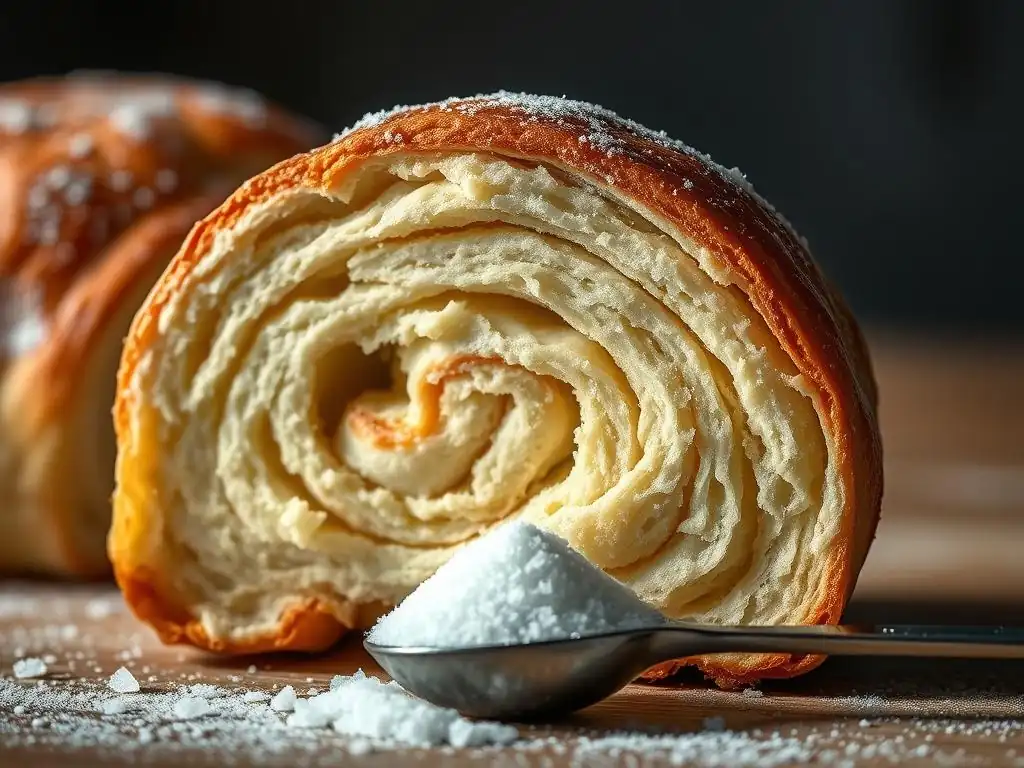
The internal crumb structure of a sweet roll is heavily influenced by sugar. Too little sugar can result in a dense, bready crumb with large, irregular holes due to strong gluten development. Too much sugar can lead to a weak structure, resulting in a very fine, almost cake-like crumb that might collapse slightly, or a gummy texture if moisture isn't balanced.
- Follow the recipe precisely: For your first attempt, stick exactly to the sugar quantity specified in the recipe.
- Experiment gradually: If you want to adjust sweetness or texture, make small changes (e.g., +/- 1-2% of the flour weight in sugar) and observe the results.
- Consider other ingredients: Remember that fat and egg yolks also contribute to tenderness and richness. The interplay of sugar, fat, and eggs determines the final sugar sweet roll dough texture.
Here's a task list for troubleshooting texture:
- [ ] Verify sugar measurement accuracy.
- [ ] Check recipe's sugar-to-flour ratio.
- [ ] Ensure sugar is adequately dissolved during mixing.
- [ ] Assess dough proofing time and temperature.
- [ ] Confirm yeast freshness and activity.
- [ ] Review baking time and oven temperature.
Tips for Perfecting Sugar Usage in Sweet Roll Recipes
Measuring Sugar Accurately for Consistent Results
Accurate measurement is paramount in baking, and sugar is no exception. While volume measurements (cups) are common, they can be inconsistent due to variations in packing density. For the most reliable results and consistent sugar sweet roll dough texture, measuring sugar by weight is highly recommended.
For example, 1 cup of granulated sugar typically weighs around 200 grams. However, depending on how it's scooped and leveled, it could vary by 10-20 grams. Using a kitchen scale ensures you use the exact amount specified in the recipe every time, eliminating a major variable in achieving perfect sweet rolls.
Incorporating Sugar Correctly into the Dough
The method of incorporating sugar can influence the final dough structure and texture. In many enriched doughs, sugar is creamed together with butter before adding other wet ingredients. This process helps dissolve the sugar crystals and evenly distribute them, which aids in tenderizing and prevents pockets of undissolved sugar.
Alternatively, sugar might be added with the liquid ingredients or even gradually after the flour has been partially mixed. Follow your specific recipe's instructions, as the method is designed to achieve a particular outcome regarding gluten development and sugar distribution, ultimately impacting the sugar sweet roll dough texture.
// Example of ingredient ratio calculation (illustrative)
// Based on 1000g Flour
Flour: 100% (1000g)
Sugar: 15%   (150g) // Granulated or Brown
Butter: 10%  (100g)
Milk: 55%    (550g)
Yeast: 2%    (20g)  // Fresh yeast, adjust for dry
Salt: 1.5%   (15g)
Advanced Techniques: Exploring Sugar Variations for Unique Sweet Roll Textures
Using Invert Sugar for Enhanced Moisture and Softness
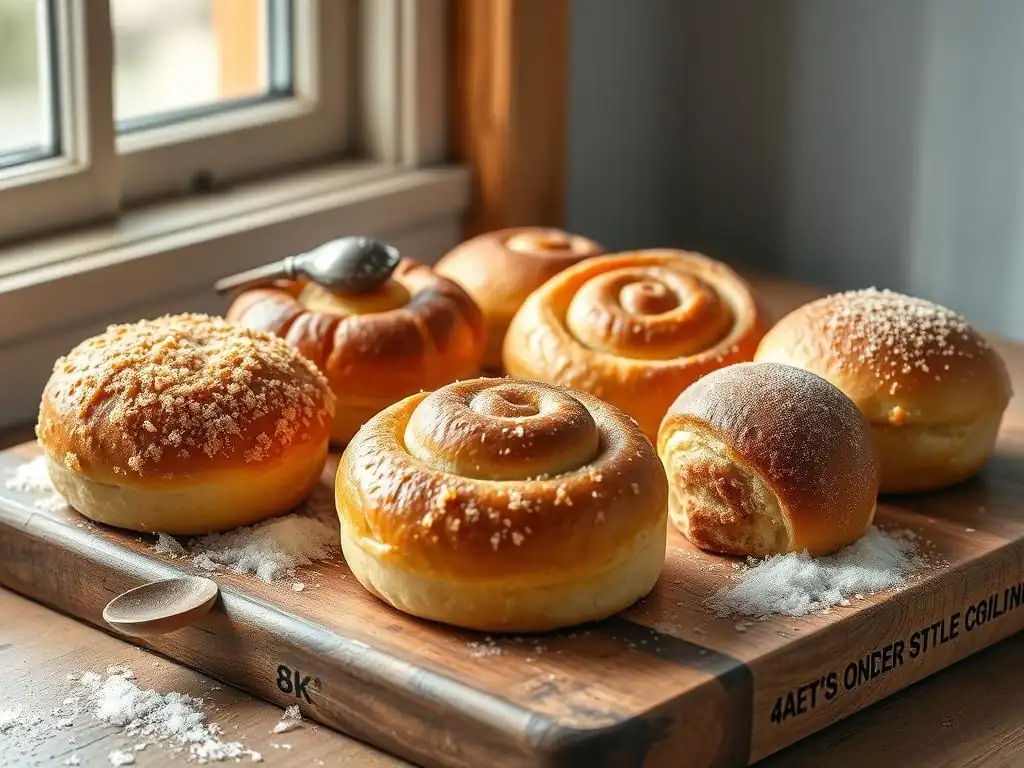
Invert sugar, a mixture of glucose and fructose, is created by hydrolyzing sucrose. Honey and maple syrup are natural forms of invert sugar. However, you can also make it at home or buy it commercially (like trimoline). Invert sugar is significantly more hygroscopic than sucrose.
Replacing a small portion of the granulated sugar (perhaps 10-20%) with invert sugar in your sweet roll recipe can lead to an even softer, moister crumb that stays fresh for longer. This is a technique often used by professional bakers to improve the keeping quality and sugar sweet roll dough texture. Be mindful that it also contributes to more rapid browning.
Exploring Different Sugar Combinations
Don't be afraid to experiment with combining different types of sugar in your sweet roll dough and fillings. Using a mix of granulated and brown sugar in the dough, for instance, can give you the benefits of both: clean sweetness and predictable structure from granulated, plus moisture and rich flavor from brown sugar.
The magic often happens when you combine ingredients thoughtfully. A blend of sugars can unlock a superior depth of flavor and texture.
Consider using a small amount of powdered sugar in a rich dough for a slightly finer crumb, or experimenting with a touch of honey alongside granulated sugar for subtle flavor notes and added moisture retention. Each combination will subtly alter the sugar sweet roll dough texture and flavor profile.
This is a simple illustration of how different sugars affect moisture:

- Granulated Sugar: Good moisture retention
- Brown Sugar: Better moisture retention due to molasses
- Honey/Maple Syrup: Excellent moisture retention due to invert sugars
Mastering Sweet Roll Texture: A Sweet Conclusion
Mastering the art of baking sweet rolls involves understanding the crucial role that sugar plays – not just in providing sweetness, but in dictating the final dough structure and texture. From tenderizing the crumb and retaining moisture to fueling yeast and aiding in beautiful golden browning, sugar is an indispensable ingredient.
By accurately measuring, correctly incorporating, and understanding how different types of sugar behave, you can consistently achieve that perfect, soft, moist sugar sweet roll dough texture that makes homemade sweet rolls so irresistible. Experimentation, guided by a solid understanding of sugar's science, is key to elevating your sweet roll game.
Frequently Asked Questions
What is the primary role of sugar in sweet roll dough?
Sugar primarily contributes to sweetness and flavor, but it also impacts the dough's texture by inhibiting gluten development, leading to a softer, more tender crumb.
How does sugar affect the texture of sweet rolls?
Sugar interferes with gluten formation, resulting in a softer and more tender final product. It also helps retain moisture, contributing to a pleasant mouthfeel.
Can I reduce the amount of sugar in a sweet roll recipe without affecting the texture?
Reducing sugar will affect the texture. Less sugar means more gluten development, leading to a drier, tougher roll. Adjustments to other ingredients might be needed.
What happens if I add too much sugar to my sweet roll dough?
Too much sugar can inhibit yeast activity, resulting in a dough that rises poorly. It can also create a gummy or overly soft texture.
Does the type of sugar used impact the final sweet roll dough texture?
Yes, different sugars have different properties. For example, brown sugar adds moisture due to its molasses content, leading to a softer and chewier texture compared to granulated sugar.
Final Reflection: The Sweet Science of Sugar in Sweet Rolls
The delicate balance of sugar in sweet roll dough isn't just about sweetness; it's the key to unlocking a perfect texture. Understanding this intricate relationship between sugar and the final product is more relevant than ever, as bakers of all levels strive for that elusive, melt-in-your-mouth perfection. The quest for the ideal sweet roll transcends mere culinary skill; it's a testament to the power of precise ingredient manipulation.
The influence of sugar extends far beyond simple taste; it impacts the dough's structure, browning, and even the shelf life of the final product. This exploration into the science of baking has underscored for me the importance of understanding fundamental principles. The best things in life are simple, but not easy.
This quote perfectly encapsulates the challenge and reward of mastering the art of sweet roll baking, where seemingly small adjustments in sugar content can yield dramatically different results. The subtle interplay between sugar's hygroscopic nature and its impact on yeast activity is a fascinating study in culinary chemistry.
Consider the impact of your next baking project. Will you approach it with a newfound appreciation for the role of sugar? I encourage you to experiment, to adjust the sugar content in your own recipes, and to observe the resulting changes in texture and flavor. By understanding the science behind the sweetness, you unlock the potential to create truly exceptional sweet rolls, transforming a simple treat into a masterpiece of culinary artistry. The journey of discovery is just as rewarding as the final bite.
Unleash Your Inner Baker: Craft the Perfect Sweet Roll
Thanks for joining us on this delicious journey into the world of sweet roll dough! You've now unlocked the secrets to achieving that perfect texture. Ready to put your newfound knowledge into practice?
- Bake your dream sweet rolls: Use your new understanding of sugar's role to experiment with different sugar types and quantities. See how it transforms your dough and the final taste!
- Share your creations: Post a picture of your sweet rolls on social media and tag us! Let's inspire other bakers together.
- Join our baking community: Head over to the BakeWithEase forum to discuss your results, share tips, and ask any remaining questions.
What unique sugar combination will you try in your next batch of sweet rolls?