
Simple Steps for Baking with Stone Fruits

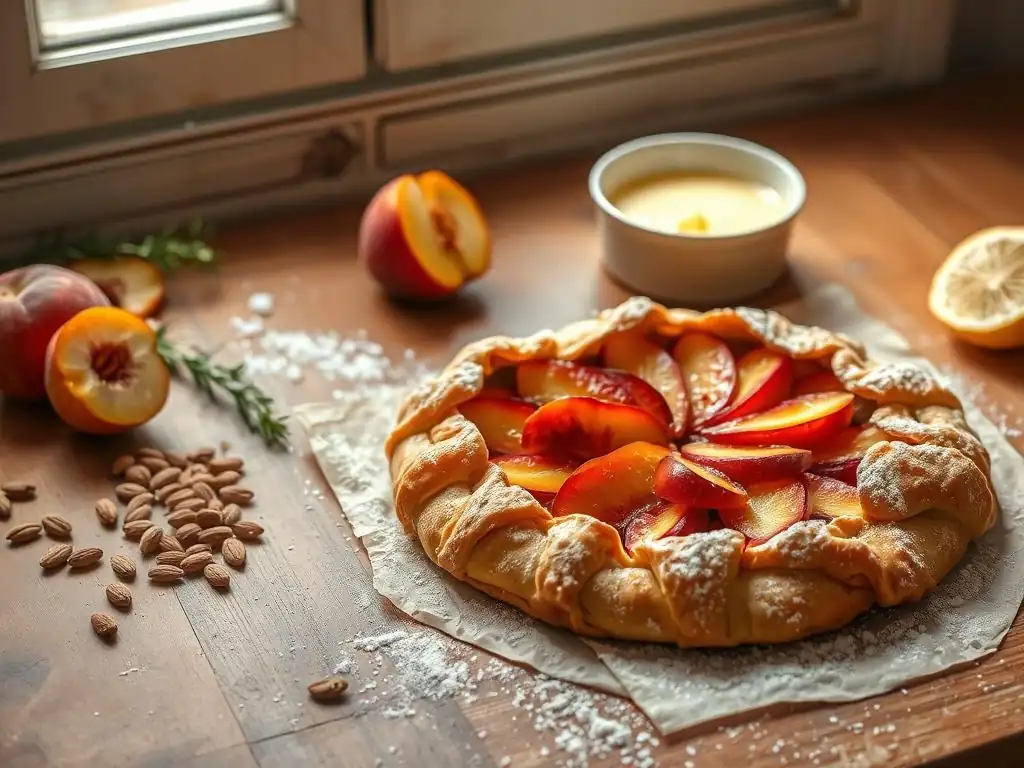
Welcome to BakeWithEase, where transforming simple ingredients into delectable creations is our passion! Ever wondered how to unlock the full potential of stone fruits in your baking? This guide, nestled within our Ingredient Deep Dives, offers easy recipes and techniques that will have you creating stunning and flavorful treats in no time. Get ready to discover the sweet secrets and simple steps for baking with stone fruits – the possibilities are endless, and the results are utterly irresistible!
- Baking with Stone Fruits: Simple Summer Desserts
- Introduction to Stone Fruit Desserts
- Preparing Stone Fruits for Baking
- Stone Fruit Dessert Recipes
- Flavor Pairings and Variations
- Tips and Tricks
- Conclusion
-
Frequently Asked Questions
- What exactly are stone fruits and why are they good for baking?
- Can I use frozen stone fruits in my baking recipes?
- What are some easy stone fruit baking recipes suitable for beginners?
- How do I prevent my stone fruits from sinking to the bottom of my cake or muffins?
- What are some tips for making my stone fruit desserts extra delicious?
- Final Reflection: The Enduring Sweetness of Stone Fruit Baking
- Unlock Your Inner Stone Fruit Pastry Chef!
Baking with Stone Fruits: Simple Summer Desserts
Introduction to Stone Fruit Desserts
The Delights of Baking with Fresh Summer Fruits
Summer brings an abundance of vibrant, juicy fruits, and among the most beloved are stone fruits. These gems, characterized by their hard pit or stone at the center, include peaches, plums, cherries, apricots, and nectarines. Baking with fresh summer fruits is a delightful way to capture the season's essence, transforming simple ingredients into comforting and flavorful desserts.
The natural sweetness and slight tang of stone fruits make them exceptionally versatile, perfect for everything from rustic tarts and cobblers to elegant cakes and pies. The high water content in ripe stone fruits also contributes to a wonderfully moist texture in baked goods, creating dishes that are both refreshing and satisfying.
Embracing stone fruit baking easy recipes allows home bakers of all skill levels to create impressive desserts without complicated techniques. Imagine a warm peach crumble bubbling in the oven, its sweet aroma filling the kitchen, or a rustic apricot galette with a flaky crust. These simple stone fruit desserts are not only delicious but also relatively quick to prepare, making them ideal for impromptu gatherings or weeknight treats. Using peak-season fruit ensures the best flavor, requiring minimal added sugar to achieve a perfectly balanced sweetness. This focus on fresh, simple ingredients is a hallmark of truly great baking.
Why Stone Fruits are Ideal for Simple Baking
Stone fruits are inherently suited for easy baking due to several characteristics. Their natural sweetness means you often need less added sugar compared to other fruits, simplifying recipe adjustments. The structure of the fruit, while requiring pitting, is generally easy to work with once sliced or diced. Furthermore, the slight acidity in most stone fruits provides a crucial balance to the sweetness, preventing baked goods from tasting cloying. This balance is key in creating delicious stone fruit baking easy recipes that appeal to a wide range of palates.
Beyond their flavor profile, stone fruits often soften beautifully when baked, releasing their juices to create wonderfully moist fillings and sauces. A pound of sliced peaches, for instance, can yield about 2 cups of fruit, which bakes down into a tender, flavorful layer in a pie or crisp. Cherries, in particular, require minimal preparation besides pitting and retain a lovely bite when baked. This ease of preparation and reliable baking performance makes stone fruits a fantastic starting point for anyone looking to explore baking with fresh fruit without feeling intimidated by complex techniques.
Preparing Stone Fruits for Baking
Selecting Ripe Stone Fruits
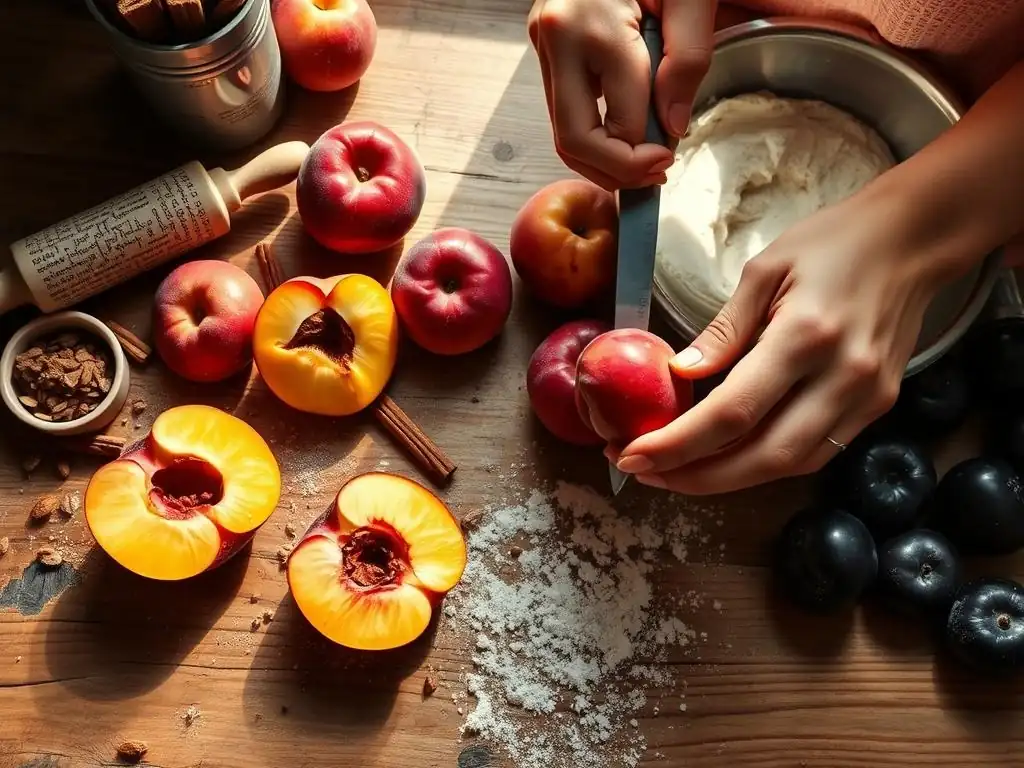
Selecting the right stone fruit is the first crucial step in successful baking. Look for fruits that yield slightly to gentle pressure – they shouldn't be rock hard or mushy. Peaches and nectarines should have a fragrant, sweet aroma near the stem end.
Avoid fruits with large bruises or soft spots, although a few small imperfections are usually fine if you plan to peel or cut around them. For cherries, look for plump, firm fruits with bright green stems still attached; darker varieties like Bing or Rainier are often sweetest. Apricots should be plump and deeply colored, ranging from orange to reddish-orange, with a velvety skin.
Ripe fruit is essential because it contains the most natural sugar and flavor, reducing the need for excessive sweeteners in your stone fruit baking easy recipes. Underripe fruit will be hard, less flavorful, and won't soften properly during baking, while overripe fruit can turn mushy and watery, potentially making your dessert soggy.
Aim for fruit that is just ripe or slightly overripe if you're making a jammy filling or sauce, as the extra sweetness and softness will work in your favor. For dishes where you want the fruit to hold its shape a bit more, like a tart or galette, fruit that is perfectly ripe but still firm is ideal.
Stone Fruit Preparation: Washing, Pitting, and Slicing
Proper preparation is key before incorporating stone fruits into your baking. Begin by washing all fruits thoroughly under cool running water to remove any dirt or residue. For fruits like peaches and nectarines, you may choose to peel them, especially if the recipe calls for a smooth filling.
To peel peaches easily, score a small 'X' on the bottom of each fruit, blanch them in boiling water for 30-60 seconds, then immediately plunge them into an ice bath. The skins should then slip off easily. Apricots and plums are generally used with their skins on, as they are thin and tender when baked.
Pitting is the next step. For larger stone fruits like peaches, plums, and apricots, cut the fruit in half along the seam and twist gently to separate the halves. The pit can usually be removed with a spoon or simply lifted out. Freestone varieties are easier as the pit separates cleanly from the flesh.
Clingstone varieties require a bit more effort; you may need to slice around the pit. Cherries require a cherry pitter, which quickly pushes the pit out, leaving the fruit mostly intact. Once pitted, slice or dice the fruit according to your recipe's instructions. Slices work well for tarts and galettes, while chunks or dices are great for cobblers, crisps, and muffins.
Preventing Browning: Lemon Juice Solution
Stone fruits, particularly peaches, apricots, and plums, are susceptible to enzymatic browning once cut and exposed to air. While this doesn't significantly affect the flavor once baked, it can be less visually appealing during the preparation phase. To minimize browning, toss the prepared fruit gently with a small amount of lemon juice immediately after slicing or dicing. About 1-2 tablespoons of fresh lemon juice per pound of fruit is usually sufficient.
The acidity in the lemon juice inhibits the enzymes responsible for browning, keeping your fruit looking fresh and vibrant until it goes into the oven. This simple step is particularly helpful if you are preparing the fruit ahead of time or if your recipe involves layering the fruit in a way where its raw appearance is visible before baking. The slight tartness from the lemon juice also adds a subtle brightness that complements the sweetness of the baked fruit, enhancing the overall flavor profile of your stone fruit baking easy recipes.
Stone Fruit Dessert Recipes
Peach and Almond Crumble
This classic dessert highlights the sweet, juicy flavor of peaches with a simple, buttery almond topping. It's one of the quintessential stone fruit baking easy recipes, perfect for a warm summer evening.
Ingredients
- 6-8 ripe peaches (about 2.5 lbs), peeled, pitted, and sliced
- 2 tbsp granulated sugar (adjust based on peach sweetness)
- 1 tbsp cornstarch or flour
- 1 tsp lemon juice
- 1 cup all-purpose flour
- 1/2 cup granulated sugar
- 1/2 cup packed light brown sugar
- 1/2 tsp ground cinnamon
- 1/4 tsp salt
- 1/2 cup cold unsalted butter, cut into cubes
- 1/2 cup sliced or slivered almonds
Instructions
- Preheat oven to
375°F (190°C). - In a large bowl, combine sliced peaches, 2 tbsp sugar, cornstarch/flour, and lemon juice. Toss gently to coat. Pour into a 9-inch square baking dish or a 9-10 inch round dish.
- In a separate medium bowl, whisk together 1 cup flour, 1/2 cup granulated sugar, brown sugar, cinnamon, and salt.
- Cut in the cold butter using your fingers, a pastry blender, or a fork until the mixture resembles coarse crumbs with some pea-sized pieces.
- Stir in the sliced almonds.
- Sprinkle the crumble topping evenly over the peach mixture.
- Place the dish on a baking sheet (to catch any drips) and bake for 40-50 minutes, or until the topping is golden brown and the fruit is bubbling around the edges.
Baking Tips
- Use freestone peaches if possible for easier pitting.
- Adjust the amount of sugar tossed with the peaches based on how sweet your fruit is. Taste a slice!
- Make sure the butter is very cold for the crumble topping; this helps create a tender, crisp texture.
- Let the crumble cool for at least 15-20 minutes before serving to allow the fruit filling to set slightly.
- Serve warm with vanilla ice cream or whipped cream for an extra treat.
Apricot and Rosemary Galette
A galette is a rustic, freeform tart that is forgiving and simple to make, making it an excellent example of stone fruit baking easy recipes. The pairing of sweet apricots and aromatic rosemary is unexpectedly delicious.
Ingredients
- 1.5 lbs ripe apricots, halved and pitted
- 1/4 cup granulated sugar (or more, to taste)
- 1 tbsp all-purpose flour or cornstarch
- 1 tbsp fresh rosemary, finely chopped
- Pinch of salt
- 1 sheet store-bought puff pastry or half a batch of your favorite pie dough
- 1 egg, beaten (for egg wash)
- Optional: coarse sugar for sprinkling
Instructions
- If using pie dough, roll it out on a lightly floured surface into a rough 12-14 inch circle. If using puff pastry, thaw according to package directions.
- In a medium bowl, gently combine the apricot halves, sugar, flour/cornstarch, chopped rosemary, and salt.
- Arrange the apricot mixture in the center of the dough, leaving a border of about 2 inches all around.
- Carefully fold the edge of the dough up and over the fruit, pleating it as you go. The center will remain open.
- Transfer the galette to a baking sheet lined with parchment paper.
- Brush the folded dough edge with the beaten egg wash. If desired, sprinkle the edge with coarse sugar.
- Bake in a preheated oven at
400°F (200°C)for 30-40 minutes, or until the crust is golden brown and the fruit is soft and bubbly.
Baking Tips
- Ensure apricots are ripe but still somewhat firm so they hold their shape during baking.
- Don't skip the flour or cornstarch; it helps absorb excess juice and prevents a soggy bottom crust.
- Fresh rosemary adds a unique savory note that complements the sweet apricots beautifully. Start with a little and add more to your preference.
- Allow the galette to cool for at least 15 minutes before slicing to let the juices settle.
- Serve warm or at room temperature.
Cherry Cobbler with Cornmeal Biscuits
This comforting cobbler features sweet cherries topped with tender, slightly crisp cornmeal biscuits. It's a delightful twist on a classic, fitting perfectly within simple stone fruit baking easy recipes.
Ingredients
- 4 cups fresh cherries, pitted
- 1/2 cup granulated sugar (or adjust to taste)
- 2 tbsp cornstarch
- 1 tsp vanilla extract
- Pinch of almond extract (optional)
- 1.5 cups all-purpose flour
- 1/2 cup fine cornmeal
- 1/4 cup granulated sugar
- 2 tsp baking powder
- 1/2 tsp salt
- 6 tbsp cold unsalted butter, cut into small cubes
- 3/4 cup buttermilk
Instructions
- Preheat oven to
400°F (200°C). - In a large bowl, combine the pitted cherries, 1/2 cup sugar, cornstarch, vanilla extract, and almond extract (if using). Stir gently to coat the cherries. Pour the mixture into a 9-inch square or round baking dish.
- In a separate medium bowl, whisk together the flour, cornmeal, 1/4 cup sugar, baking powder, and salt.
- Cut in the cold butter using your fingers or a pastry blender until the mixture resembles coarse crumbs.
- Pour in the buttermilk and stir with a fork just until the dough comes together. Do not overmix.
- Drop spoonfuls of the biscuit dough evenly over the cherry filling. You should have about 8-10 biscuits.
- Bake for 25-35 minutes, or until the biscuits are golden brown and the cherry filling is bubbly.
Baking Tips
- Use a cherry pitter for speed and efficiency. Pitting 4 cups of cherries can take about 10-15 minutes with one.
- Adjust the sugar for the cherries based on their natural sweetness. Sweet cherries like Bing require less sugar than tart varieties.
- Do not overwork the biscuit dough; this will result in tough biscuits. Mix just until combined.
- Ensure the buttermilk is cold.
- Let the cobbler rest for 10-15 minutes after baking before serving. The filling will thicken as it cools slightly.
Flavor Pairings and Variations
Combining Different Stone Fruits
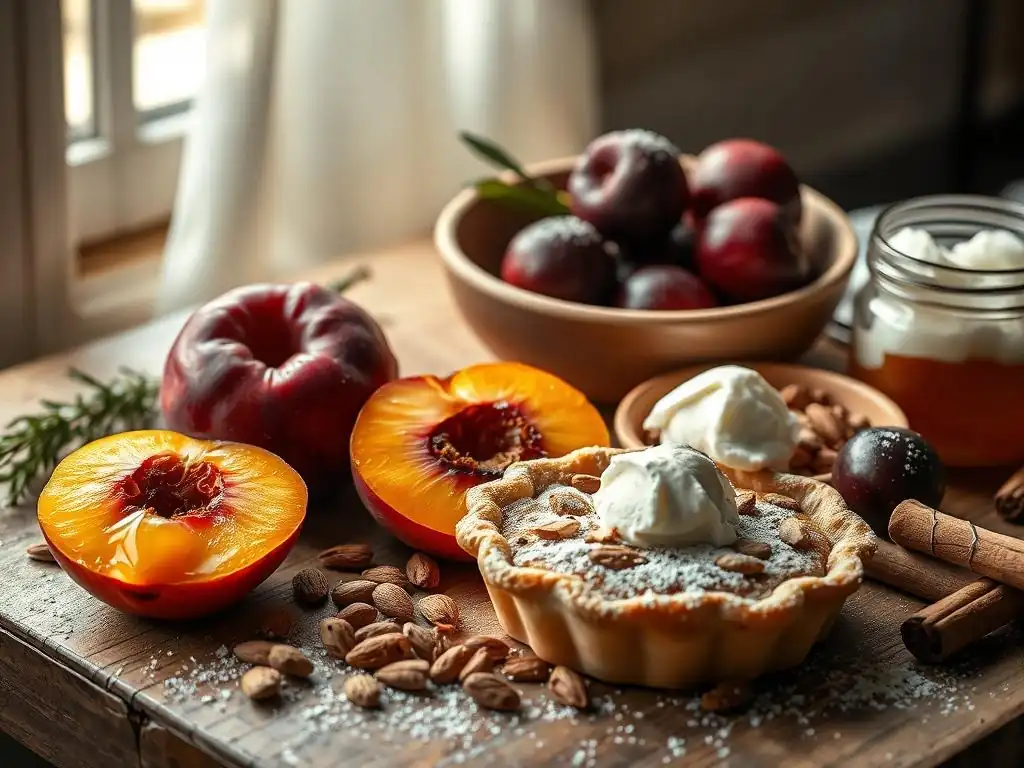
One of the joys of stone fruit baking easy recipes is the opportunity to combine different types of stone fruits in a single dish. Peaches and blueberries are a classic match, creating a vibrant mix of textures and flavors in pies or crumbles. Cherries pair wonderfully with plums, their deep sweetness complementing the plums' slight tartness.
A mix of apricots and nectarines can create a beautifully balanced filling for a galette or tart, offering both sweetness and a delicate tang. When combining fruits, consider their textures and sweetness levels to ensure a harmonious result. For example, pairing a firmer fruit like a plum with a softer peach works well as they will likely finish baking around the same time.
Using a mix of fruits also adds visual appeal to your baked goods. Imagine a fruit tart showcasing slices of rosy plums, golden apricots, and blush-colored peaches. When substituting or combining, use the total weight of the fruit called for in the recipe as a guide.
A recipe calling for 2 pounds of peaches could easily use 1 pound of peaches and 1 pound of plums. Keep in mind that some fruits, like cherries, release less juice than peaches or plums, so you might need to slightly adjust the thickening agent (cornstarch or flour) if making significant substitutions in a pie or cobbler.
Enhancing Flavors: Spices, Herbs, Nuts
Stone fruits are excellent canvases for a variety of flavor enhancers. Warm spices like cinnamon, nutmeg, ginger, and cardamom are traditional pairings, bringing out the fruit's natural sweetness. A pinch of cinnamon in a peach crisp or a dash of cardamom in an apricot tart can elevate the flavor profile significantly. Herbs like rosemary, thyme, and basil offer a surprising but delightful contrast; rosemary with apricots or peaches, and basil with cherries, add an aromatic depth that is both sophisticated and refreshing.
Nuts provide texture and richness. Almonds are a classic partner for peaches and apricots, whether slivered in a crumble topping, ground in a cake batter, or used as almond extract in a filling. Walnuts, pecans, and pistachios also work well, adding a crunchy counterpoint to the soft baked fruit.
Consider adding a tablespoon of finely chopped fresh ginger to a plum filling for a spicy kick, or a sprinkle of coarse sea salt over a cherry galette crust to balance the sweetness. Extracts like vanilla and almond are simple additions that boost the overall aroma and flavor of most stone fruit baking easy recipes.
Adapting Recipes for Plums, Nectarines, and Peaches
Many simple stone fruit baking easy recipes, such as crumbles, cobblers, crisps, and galettes, are incredibly adaptable. A recipe designed for peaches can often be made using plums or nectarines with minimal adjustments. Peaches and nectarines can often be swapped cup for cup, though nectarines have a smoother skin and don't require peeling unless you prefer. Plums vary more in sweetness and juiciness depending on the variety. Darker, softer plums tend to be sweeter and break down more when baked, while firmer, tarter varieties might hold their shape better and require a little more sugar.
When substituting, consider the water content. Plums can sometimes release more juice than peaches, potentially requiring a touch more cornstarch or flour to thicken the filling. A typical pound of plums yields about 1.5 to 2 cups of sliced fruit. Taste the raw fruit you plan to use and adjust the sugar in the recipe accordingly.
If using tart plums, you might need an extra tablespoon or two of sugar. Conversely, very sweet, ripe peaches might require slightly less. These simple adaptations make it easy to use whichever stone fruit is freshest and most appealing at the market, expanding your repertoire of simple stone fruit desserts.
Tips and Tricks
Achieving the Perfect Texture
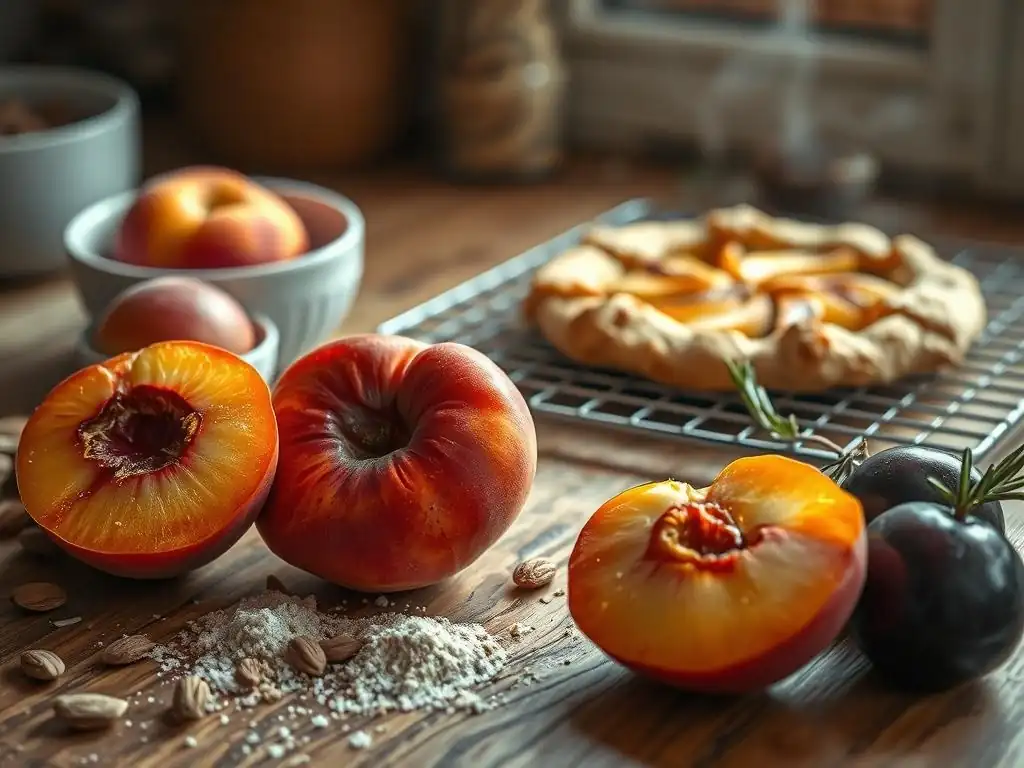
Achieving the right texture in stone fruit baking involves managing the fruit's natural juiciness and ensuring the crust or topping is cooked through. A common issue is a soggy bottom crust in pies or tarts. To combat this, pre-bake the bottom crust (blind baking) before adding the filling.
Another method is to coat the fruit filling with a thickener like cornstarch, flour, or tapioca starch. Tapioca starch is particularly effective for juicy fruits like cherries and plums, providing a clear, glossy finish. About 1-2 tablespoons per pound of fruit is a good starting point, but this can vary based on the fruit's ripeness and the specific recipe.
For crumbles and crisps, ensure the topping is evenly distributed and contains enough fat (butter) and dry ingredients to crisp up in the oven. Baking at a sufficiently high temperature, typically between 375°F (190°C) and 400°F (200°C), helps the topping brown and become crisp before the fruit overcooks. Allowing baked goods to cool adequately before slicing or serving is also critical. This cooling time, often 15-30 minutes for crumbles or up to several hours for pies, allows the fruit juices thickened by starches to set properly, preventing a runny mess.
Troubleshooting: Sogginess and Burning
Sogginess often stems from insufficient thickener or not allowing the dessert to cool and set. If your fruit filling is too watery after baking, next time increase the amount of cornstarch or flour slightly, perhaps by half a tablespoon per pound of fruit. Ensure the fruit is evenly coated with the thickener before baking. Baking on the lowest rack can sometimes help crisp up the bottom crust of pies, as it's closer to the heat source. For galettes, baking on a preheated pizza stone or baking steel can provide intense bottom heat to prevent sogginess.
Burning, particularly of crusts or crumble toppings, usually means the temperature is too high or the baking time is too long for the outer layers. If the topping is browning too quickly but the fruit isn't bubbly yet, loosely tent the dessert with aluminum foil. This reflects heat away from the top, allowing the fruit to finish cooking without the topping burning.
If edges of a pie crust are browning too fast, use pie crust shields or strips of foil to cover just the edges. Ovens can vary, so keep a close eye on your baking, especially towards the end of the recommended time.
Baking Troubleshooting Checklist:
- [ ] Fruit coated evenly with thickener?
- [ ] Sufficient thickener used for fruit type/ripeness?
- [ ] Pie crust blind-baked if necessary?
- [ ] Baking temperature correct?
- [ ] Dessert tented with foil if topping browns too fast?
- [ ] Allowed adequate cooling time for setting?
Storing Baked Goods
Proper storage helps maintain the quality and freshness of your simple stone fruit desserts. Most baked goods containing fruit, especially those with moist fillings like cobblers, crumbles, and pies, are best stored at room temperature for the first day or two, loosely covered with foil or plastic wrap. This is particularly true for items with crisp toppings, as refrigeration can make them soggy. An exception might be extremely humid environments, where refrigeration is safer.
For longer storage, or if your kitchen is warm, transfer baked goods to the refrigerator after they have cooled completely. Cover them tightly with plastic wrap or store them in an airtight container. Refrigerated fruit desserts are typically good for 3-4 days. Reheat individual portions gently in the oven or microwave to restore some of their warmth and texture.
Freezing is an option for some items like pies or crisps (before or after baking), but the texture of the fruit can sometimes change upon thawing. Baked items should be wrapped tightly in plastic wrap and then foil before freezing for up to 2-3 months. Thaw in the refrigerator overnight and reheat in the oven.
Conclusion
Enjoy Summer Baking
Baking with stone fruits is a truly rewarding experience, offering a delicious way to celebrate the flavors of summer. With simple techniques and a little care in selecting and preparing your fruit, you can create delightful stone fruit baking easy recipes that everyone will love. From rustic crumbles and galettes to classic pies and cobblers, the versatility of peaches, plums, cherries, and apricots makes them a joy to work with. Don't be afraid to experiment with different fruit combinations, spices, and toppings to find your favorite simple stone fruit desserts.
Embracing these easy recipes for stone fruits allows you to spend less time fussing and more time enjoying the process and the delicious results. Whether you're a beginner baker or looking for straightforward ways to use your farmer's market haul, stone fruits offer endless possibilities for sweet success. So, grab your apron, pick out some beautiful ripe fruit, and get ready to fill your kitchen with the irresistible aroma of summer baking.
We love seeing what you bake! Simple stone fruit desserts are perfect for sharing with family and friends. There's a special satisfaction in presenting a warm, bubbly cobbler or a beautifully rustic galette made with your own hands. Your success with these stone fruit baking easy recipes can inspire others to try their hand at baking with fresh, seasonal ingredients. Baking is a wonderful way to connect, share, and create sweet memories. We encourage you to share photos of your stone fruit masterpieces and tell us about your favorite simple stone fruit desserts! Happy baking!
Frequently Asked Questions
What exactly are stone fruits and why are they good for baking?
Stone fruits are fruits with a hard "stone" or pit inside, such as peaches, plums, and cherries. They're great for baking because they become tender and juicy when cooked, adding natural sweetness and moisture to recipes.
Can I use frozen stone fruits in my baking recipes?
Yes, you can! Frozen stone fruits are a convenient option. Just remember to thaw and drain them before using to avoid excess moisture in your baked goods.
What are some easy stone fruit baking recipes suitable for beginners?
Beginner-friendly recipes include stone fruit crumbles, cobblers, or simple tarts. These often require minimal ingredients and steps, focusing on highlighting the fruit's natural flavor.
How do I prevent my stone fruits from sinking to the bottom of my cake or muffins?
Toss the stone fruit pieces in a little flour before adding them to the batter. This helps them stay suspended throughout the bake, preventing them from sinking.
What are some tips for making my stone fruit desserts extra delicious?
Consider adding a touch of almond extract or a sprinkle of cinnamon to complement the stone fruit flavors. A squeeze of lemon juice can also brighten the taste and prevent browning.
Final Reflection: The Enduring Sweetness of Stone Fruit Baking
The simple joy of baking with stone fruits transcends fleeting trends; it's a timeless connection to nature's bounty that continues to resonate in today's kitchens. From the rustic charm of a plum crumble to the elegant sophistication of a peach galette, these recipes offer a pathway to both culinary skill and heartfelt connection. The ease of preparation, highlighted throughout this article, makes stone fruit baking accessible to everyone, regardless of experience.
The enduring appeal of stone fruit baking lies not just in its delicious results, but in its ability to evoke memories and create new ones. The scent of baking plums filling a home, the shared pleasure of a warm peach cobbler – these are experiences that build community and foster a sense of belonging. As the great Julia Child once said, Find something you're passionate about and keep tremendously interested in it.
For me, that passion is found in the simple act of transforming fresh, seasonal fruit into something beautiful and delicious, and I hope this passion is contagious.
Now, I invite you to step into your kitchen, armed with the knowledge and inspiration gleaned from this article. Don't be afraid to experiment, to adapt these recipes to your own tastes, and to share the sweet fruits of your labor with those you love. Let the simple act of baking with stone fruits become a source of joy, creativity, and lasting memories for you and your loved ones. The possibilities are as endless as the varieties of stone fruit themselves.
Unlock Your Inner Stone Fruit Pastry Chef!
Thanks for joining us on this delicious journey into the world of stone fruit baking! We hope you've gained some fantastic new ideas and techniques. Ready to put your newfound skills to the test?
- Bake your dream stone fruit tart: Grab your favorite recipe (or try one of the variations we shared!) and get baking. Let the sweet aroma fill your kitchen!
- Share your creations: Tag us on social media with your baking masterpieces – we’d love to see what you create! Use #BakeWithEaseStoneFruit.
- Experiment with a new stone fruit: Dare to try a less common variety like pluots or nectarines? Let us know how it turns out!
What's your favorite stone fruit to bake with, and what will you be whipping up next?