
Best Vegan Butter Brands Ranked for DairyFree Baking

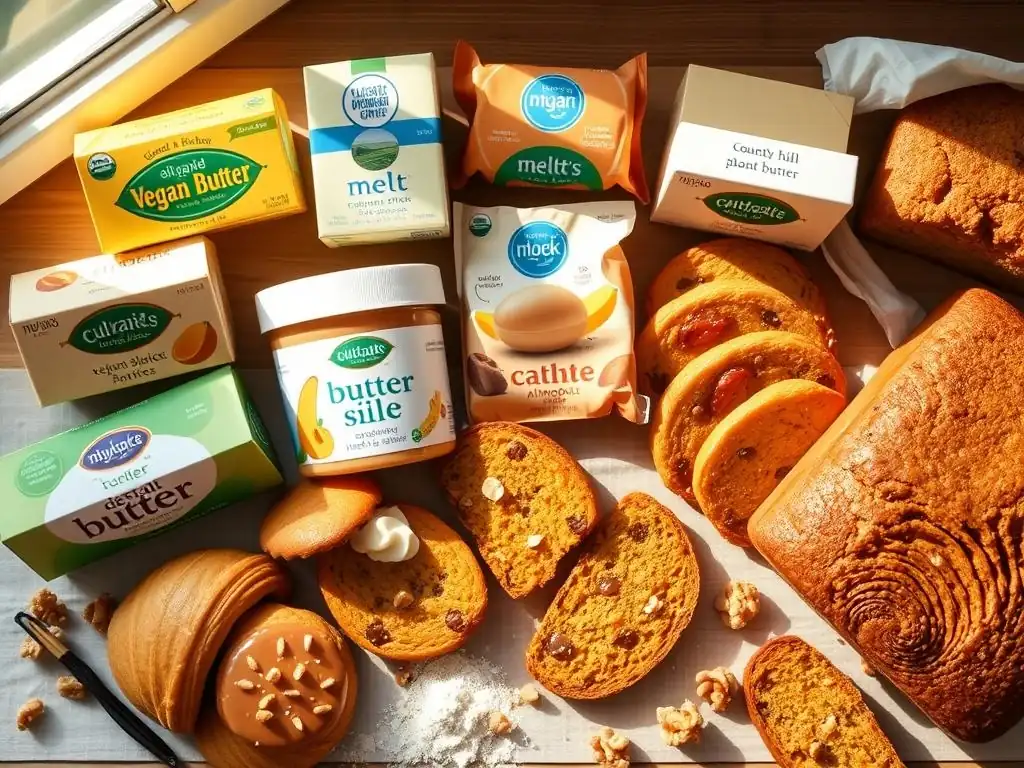
Welcome to BakeWithEase, your partner in creating delicious baked goods! Are you searching for the best vegan butter to elevate your dairy-free baking? Look no further! We've ranked the top brands, offering insights and tips to help you choose the perfect substitute. Discover how these alternatives perform in your favorite recipes and unlock a whole new world of possibilities in our comprehensive guide. Intrigued? Let's dive in and find your perfect vegan butter match!
- Introduction to Dairy-Free Baking with Vegan Butter
-
Top Vegan Butter Brands for Baking: Our Definitive Ranking
- Ranking Criteria: Taste, Texture, and Performance
- Best Overall Vegan Butter for Baking: Miyoko's Kitchen Cultured Vegan Butter Review
- Best Vegan Butter for Cookies: Melt Organic Vegan Butter Sticks Review
- Best Vegan Butter for Cakes: Earth Balance Vegan Butter Sticks Review
- Best Vegan Butter for Pastries: Flora Plant Butter Review
- Best Budget-Friendly Vegan Butter: Smart Balance Vegan Butter Review
- Vegan Butter Comparison Chart: Side-by-Side Analysis
- Dairy-Free Baking Tips and Techniques with Vegan Butter
- Vegan Butter Recipes for a Dairy-Free Delight
- Understanding the Nutritional Value of Vegan Butter
- Conclusion: Choosing the Right Vegan Butter for Your Baking Needs
- Frequently Asked Questions
- Final Reflection: The Delicious Revolution of Dairy-Free Baking
- Unleash Your Inner Vegan Baker!
Introduction to Dairy-Free Baking with Vegan Butter
The Growing Popularity of Vegan Baking
The world of baking is continually evolving, and one of the most significant trends we've seen in recent years is the explosion in popularity of vegan baking. This isn't just for vegans; more and more people are exploring dairy-free, egg-free, and plant-based options for various reasons, including allergies, dietary preferences, environmental concerns, and health benefits. As this movement grows, the demand for high-quality vegan ingredients that can perform just as well as their traditional counterparts has increased dramatically. Finding the best vegan butter recipes starts with understanding the core ingredients that make them shine.
This surge in interest has led to a fantastic array of innovative plant-based ingredients becoming widely available. Gone are the days when vegan baking felt like a compromise. Today, you can find incredible substitutes for milk, eggs, and crucially, butter, that allow you to create everything from flaky pastries to rich cakes and perfect cookies. The market research firm, Mintel, reported that the plant-based food market in the US alone reached over $7 billion in sales in 2020, with dairy alternatives being a major contributor. This growth underscores the mainstream acceptance and availability of ingredients essential for dairy-free baking.
Why Choose Vegan Butter for Baking?
Choosing vegan butter for baking primarily serves those who follow a vegan diet or have dairy allergies or lactose intolerance. For individuals with a severe dairy allergy, even trace amounts of milk protein can cause significant health issues. Vegan butter provides a safe and reliable alternative, free from animal-derived ingredients. Beyond dietary restrictions, many people opt for vegan butter due to ethical considerations regarding animal welfare or environmental impact, as plant-based agriculture often requires fewer resources like water and land compared to dairy farming.
Furthermore, modern vegan butters are specifically formulated to mimic the properties of dairy butter in baking. They contain fats (usually from oils like coconut, shea, or sunflower), water, and often emulsifiers and flavorings to replicate the texture, melt point, and flavor of traditional butter. This means you can achieve similar results – flaky pie crusts, tender cakes, and chewy cookies – without altering your best vegan butter recipes drastically. The consistency and performance of these products have improved dramatically over the past decade, making successful dairy-free baking more accessible than ever before.
Understanding Vegan Butter Composition
Vegan butter is typically made from a blend of plant-based oils, water, and sometimes emulsifiers, colorings, and flavorings. Common oils used include coconut oil, palm oil, shea butter, sunflower oil, and canola oil. The specific combination and processing of these oils determine the butter's texture and melting point. For instance, harder fats like coconut oil or shea butter contribute to firmness at room temperature, crucial for creaming with sugar or creating flaky layers in doughs.
The emulsifiers, such as lecithin, help bind the water and oil together, preventing separation and ensuring a smooth, consistent texture similar to dairy butter. Some brands also add ingredients like nutritional yeast or lactic acid to give the butter a slightly tangy, cultured flavor reminiscent of traditional butter. Understanding these components helps explain why different brands perform differently in baking.
A butter designed for spreading might be too soft for creaming, while one optimized for pastries will have a higher melting point and firmer texture. When looking for ingredients for the best vegan butter recipes, checking the composition can give you clues about its potential performance.
Top Vegan Butter Brands for Baking: Our Definitive Ranking
Ranking Criteria: Taste, Texture, and Performance
When evaluating the best vegan butter brands for baking, we focused on three critical criteria: taste, texture, and baking performance. Taste is subjective but important – does it have a pleasant, buttery flavor without off-notes? Texture refers to its consistency at room temperature, how it creams, and how it behaves when cold (for pastry work) or melted. Performance is perhaps the most crucial factor for bakers: How well does it substitute for dairy butter in various applications like creaming for cakes, melting for cookies, or cutting into flour for pies and pastries?
We considered how each butter worked in classic best vegan butter recipes, assessing factors like how well cookies spread, how tender cakes turned out, and how flaky pie crusts were. Products that closely mimic the behavior of dairy butter across multiple applications scored higher. We also looked at ingredient lists, availability, and price point to provide a comprehensive ranking for bakers of all levels.
Best Overall Vegan Butter for Baking: Miyoko's Kitchen Cultured Vegan Butter Review
Miyoko's Kitchen Cultured Vegan Butter is often hailed as the gold standard in the vegan butter world, particularly for its uncanny resemblance to European-style dairy butter. Made from a blend of organic cashews, coconut oil, and sunflower oil, and cultured with live active cultures, it develops a rich, complex flavor profile that is slightly tangy and deeply buttery. This culturing process sets it apart from many other vegan butters, contributing significantly to its superior taste and aroma.
Key Features of Miyoko's Kitchen Cultured Vegan Butter
One of the standout features of Miyoko's butter is its ingredient list, featuring real food items like cashews and cultures, rather than just a blend of oils. It has a beautiful pale yellow color and a firm yet spreadable texture at room temperature. It typically contains around 10 grams of fat per tablespoon, similar to dairy butter.
While it is one of the pricier options on the market, often retailing for $6-8 per block, its quality justifies the cost for many serious bakers looking for the best vegan butter recipes. It's also available in both block and spreadable forms, though the block is preferred for baking.
Baking Performance with Miyoko's Kitchen Cultured Vegan Butter
Miyoko's Kitchen Cultured Vegan Butter excels in almost every baking application. Its firm texture when cold makes it perfect for cutting into flour for flaky pie crusts and biscuits. When creamed with sugar, it aerates beautifully, creating light and tender cakes and cookies.
It also melts smoothly, making it suitable for applications like brownies or sauces. Bakers frequently report that recipes using Miyoko's butter turn out remarkably similar to those made with dairy butter, making it a top choice for adapting traditional best vegan butter recipes. Its high fat content and composition contribute to excellent structure and flavor development in baked goods.
Melt Organic Vegan Butter Sticks are a popular choice for everyday baking, particularly favored for cookies due to their consistent performance and accessibility. Made from a blend of coconut oil, shea butter, and sunflower oil, Melt has a solid, yet slightly softer texture compared to some other brands, which works wonderfully for achieving that perfect cookie spread and chewiness. It's also certified organic and non-GMO, appealing to health-conscious bakers.
Achieving Perfect Cookie Texture with Melt Organic Vegan Butter Sticks
Melt Organic's composition is well-suited for cookie recipes. When creamed with sugar, it incorporates air effectively. During baking, its specific fat blend helps cookies spread just the right amount without becoming greasy or flat. Many bakers find that using Melt results in cookies with a tender interior and slightly crisp edge, a desirable texture for classic chocolate chip or sugar cookies. It performs reliably in various best vegan butter recipes for cookies, providing predictable results batch after batch.
Melt Organic Vegan Butter Sticks Ingredient Breakdown
The primary fats in Melt Organic Vegan Butter Sticks are organic coconut oil, organic shea butter, and organic sunflower oil. This combination provides a good balance of saturated fats (from coconut and shea) for structure and monounsaturated/polyunsaturated fats (from sunflower) for spreadability and melt. It also contains water, salt, and sometimes natural flavor or annatto for color. A typical stick contains around 11 grams of fat per tablespoon. Its simple, organic ingredient list is a big plus for many consumers looking for cleaner alternatives in their best vegan butter recipes.
Best Vegan Butter for Cakes: Earth Balance Vegan Butter Sticks Review
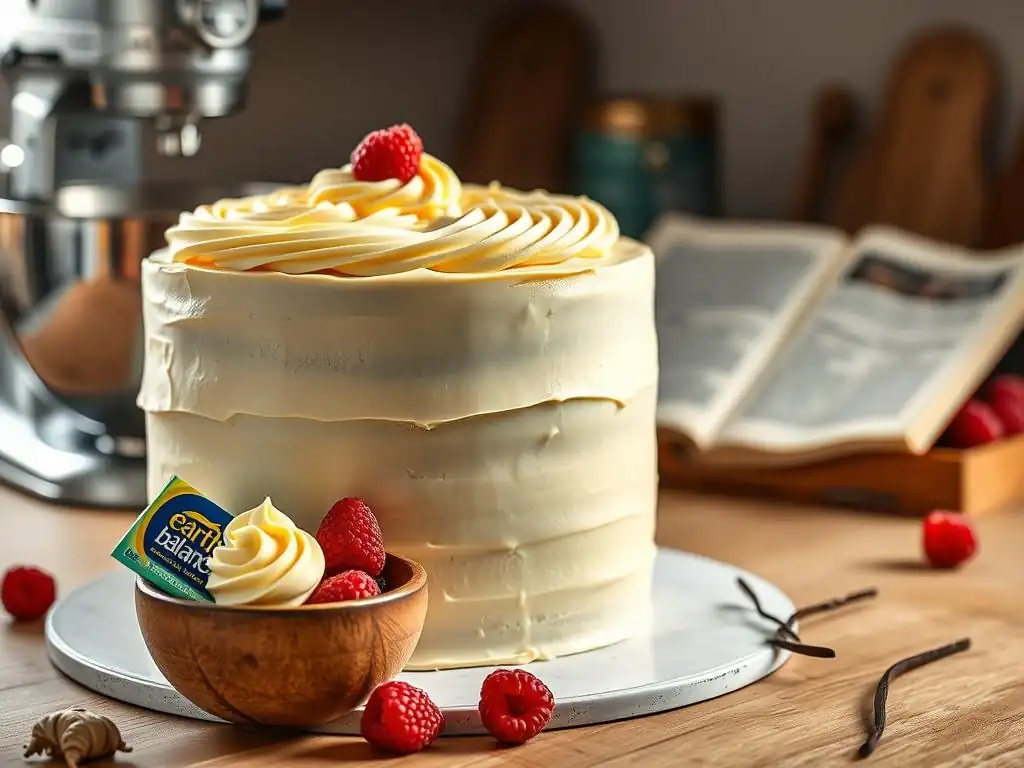
Earth Balance has been a staple in the dairy-free market for years and remains a go-to for many vegan bakers, especially for cakes. Their Vegan Butter Sticks (original or soy-free varieties) are widely available and perform consistently well in recipes where creaming is essential for lift and tenderness. Made primarily from a blend of palm oil, soybean oil, and canola oil, Earth Balance has a texture that creams easily with sugar, incorporating air necessary for light cake batters.
Creating Moist and Delicious Cakes with Earth Balance Vegan Butter Sticks
Earth Balance Vegan Butter Sticks are excellent for the creaming method used in many cake recipes. The fat blend helps create a stable emulsion with sugar and other wet ingredients, leading to a fine crumb structure and moist texture in finished cakes. It doesn't impart a strong flavor of its own, allowing the other ingredients in your best vegan butter recipes for cakes to shine. Its reliable performance and accessibility make it a favorite for everyday cake baking.
Earth Balance Vegan Butter Sticks Flavor Profile
Earth Balance Vegan Butter Sticks have a relatively neutral flavor profile compared to cultured options like Miyoko's. It tastes pleasantly buttery without being overly rich or having distinct notes of its component oils. This neutrality is often a benefit in cakes, where you want the flavors of vanilla, chocolate, or fruit to be prominent.
A typical tablespoon contains about 10 grams of fat. While some newer brands offer more complex flavors, Earth Balance's consistent, mild taste and reliable texture make it a solid choice for a wide range of best vegan butter recipes, especially those where a neutral fat is preferred.
Best Vegan Butter for Pastries: Flora Plant Butter Review
Flora Plant Butter, particularly the block formulation, has gained popularity for its performance in pastry applications like puff pastry, croissants, and pie crusts. It's made from a blend of plant oils, including palm, shea, and rapeseed (canola) oil. Its key characteristic for pastry is its firmness when cold and its high melting point, which helps create distinct layers of fat within the dough.
Achieving Flaky Pastries with Flora Plant Butter
For flaky pastries, it's crucial for the butter to remain solid when cut into the flour and during the rolling and folding process. Flora Plant Butter's specific fat blend ensures it stays firm and distinct within the dough layers. As the pastry bakes, the water in the butter turns to steam, pushing the layers apart and creating that desirable flaky texture.
Its higher melting point compared to some other vegan butters means it's less likely to melt into the dough prematurely, which is essential for lamination in croissants or puff pastry. It performs exceptionally well in best vegan butter recipes specifically designed for flaky doughs.
Flora Plant Butter and High-Temperature Baking
Flora Plant Butter is formulated to withstand higher temperatures during preparation and baking than some other vegan butters. This is particularly important for pastries that require chilling and rolling multiple times, or for recipes baked at relatively high heat. Its stability helps maintain the structure of the dough until the steam can create lift. A tablespoon of Flora typically contains around 11 grams of fat. Its formulation makes it a top contender when your best vegan butter recipes call for cold, firm butter to be cut into flour or laminated into dough.
Best Budget-Friendly Vegan Butter: Smart Balance Vegan Butter Review
Smart Balance Vegan Butter is a widely available and more budget-friendly option that still performs reasonably well in many baking applications. It's typically made from a blend of vegetable oils like palm, soybean, and canola oil. While it might not have the artisanal quality of a brand like Miyoko's, it provides a cost-effective way to adapt many best vegan butter recipes for a dairy-free diet.
Affordable Dairy-Free Baking with Smart Balance Vegan Butter
Smart Balance Vegan Butter offers accessibility both in terms of price and availability in standard grocery stores. For bakers who are just starting out with dairy-free options or who bake frequently on a budget, Smart Balance provides a solid entry point. While its texture can sometimes be softer than premium brands, it can still be used successfully in cakes, muffins, and some cookie recipes. It typically costs less per pound than brands like Miyoko's or even Earth Balance in some markets, making dairy-free baking more economical.
Smart Balance Vegan Butter Baking Tips and Tricks
When using Smart Balance Vegan Butter in baking, especially for recipes requiring firm butter (like pie crust), ensure it is well-chilled. For creaming, allow it to soften slightly at room temperature, but be mindful that it can become quite soft if left out too long. It works best in best vegan butter recipes where the fat is melted or creamed into a batter, such as quick breads, muffins, or standard drop cookies. Adjusting chilling times for doughs might be necessary compared to recipes using firmer butters. A tablespoon contains around 10 grams of fat.
Vegan Butter Comparison Chart: Side-by-Side Analysis
Key Differences Between Top Vegan Butter Brands
| Feature | Miyoko's Kitchen | Melt Organic | Earth Balance | Flora Plant Butter | Smart Balance |
|---|---|---|---|---|---|
| Primary Fats | Cashew, Coconut, Sunflower | Coconut, Shea, Sunflower | Palm, Soybean, Canola | Palm, Shea, Rapeseed | Palm, Soybean, Canola |
| Cultured? | Yes | No | No | No | No |
| Texture (Cold) | Very Firm | Firm | Firm | Very Firm | Moderately Firm |
| Texture (Room Temp) | Firm but Spreadable | Softer Spreadable | Soft Spreadable | Firm | Soft |
| Flavor | Rich, Tangy, Buttery | Mild, Buttery | Neutral, Mildly Buttery | Mild, Neutral | Mild, Neutral |
| Ideal For | All-purpose, Pastries, Flavor | Cookies, General Baking | Cakes, General Baking | Pastries, Lamination | Budget Baking, Quick Breads |
| Price | High | Mid-Range | Mid-Range | Mid-Range | Lower |
| Availability | Specialty/Larger Stores | Widely Available | Very Widely Available | Increasingly Available | Very Widely Available |
This chart highlights the distinct characteristics that make each brand suitable for different applications in your best vegan butter recipes. The fat blend significantly impacts texture and melting point, while culturing affects flavor.
Texture and Flavor Profiles Compared
The texture of vegan butter is crucial for baking success. Miyoko's and Flora Plant Butter are notably firmer when cold, making them superior for techniques requiring cutting in fat or lamination, where distinct pieces of cold butter are needed. Earth Balance and Melt Organic are slightly softer at room temperature, which is excellent for creaming into batters for cakes and cookies, allowing for easier incorporation and aeration. Smart Balance is often the softest, best suited for recipes where the fat is melted or simply mixed in.
Flavor also varies. Miyoko's stands out with its cultured tanginess, adding depth to baked goods. Melt and Earth Balance offer more neutral, classic buttery flavors that don't overpower other ingredients. Flora is also quite neutral. Choosing the right butter based on whether you want a prominent buttery flavor or a neutral fat is key to perfecting your best vegan butter recipes.
Baking Applications: Which Butter Works Best?
Based on texture and performance, here's a quick guide to which butter shines in different applications:
- Flaky Pastries (Pie Crusts, Biscuits, Croissants): Miyoko's Kitchen and Flora Plant Butter are top choices due to their firmness when cold.
- Cakes and Muffins (Creaming Method): Earth Balance and Miyoko's Kitchen perform exceptionally well, creaming smoothly and contributing to good texture. Melt Organic is also a solid choice.
- Cookies (Creaming or Melting): Melt Organic is a favorite for classic drop cookies. Earth Balance and Miyoko's Kitchen also work very well. Smart Balance can be used, especially in recipes where cookies are meant to spread more.
- Brownies and Bar Cookies (Melted Butter): Most vegan butters work well when melted. Earth Balance, Melt, and Smart Balance are reliable options here.
- Frostings: Softer butters like Earth Balance or Melt Organic are generally easier to whip into a smooth frosting, though firm butters like Miyoko's can also work if softened properly.
Experimenting with different brands in your favorite best vegan butter recipes is the best way to find your personal preferences.
Dairy-Free Baking Tips and Techniques with Vegan Butter
Mastering the Art of Vegan Butter Substitution
Substituting dairy butter with vegan butter in traditional best vegan butter recipes is usually a straightforward 1:1 swap by weight or volume (sticks are typically 1/2 cup or 113 grams). However, because vegan butters can vary in composition and water content, you might need slight adjustments depending on the recipe and the specific brand you're using. Pay attention to the texture of the vegan butter – if it's significantly softer or harder than dairy butter at the required temperature, it will affect the outcome.
For recipes relying heavily on the creaming method (like many cakes and cookies), ensure your vegan butter is at the correct room temperature (firm but yielding to pressure). If it's too cold, it won't cream properly; if it's too soft, it can result in a greasy texture.
For recipes requiring cold butter to be cut into flour (like pie crusts or biscuits), make sure your vegan butter is thoroughly chilled, ideally even firmer than you might use dairy butter, as some vegan options soften faster. Using a food processor or pastry blender can help keep the butter cold during incorporation.
Adjusting Recipes for Vegan Butter
While a 1:1 substitution is a good starting point for many best vegan butter recipes, sometimes minor adjustments can improve results. If a recipe seems too dry or the dough isn't coming together, you might need to add a tiny splash more liquid (like plant milk). Conversely, if a dough seems too wet or a batter too thin, you might need a tablespoon or two more flour. This is less common with modern, high-quality vegan butters but can happen, especially when adapting older recipes or using softer butter varieties.
Consider the fat content and composition. If a vegan butter has a slightly lower fat percentage or a different ratio of saturated to unsaturated fats than dairy butter (which is typically around 80% fat), it can impact spread and tenderness. For example, cookies made with a softer vegan butter might spread more than those made with dairy butter. If you encounter this, try chilling the cookie dough longer before baking or slightly increasing the flour. For flaky pastry, ensuring the butter is very cold is often the most critical adjustment needed when using vegan butter.
Avoiding Common Vegan Baking Mistakes
Several common pitfalls can occur when adapting best vegan butter recipes to be dairy-free. One is not paying attention to the temperature of the vegan butter – using butter that's too soft for creaming or not cold enough for pastry work are frequent errors. Another is expecting identical results across all brands; as we've seen, different vegan butters behave differently, so choose the best one for the specific recipe type.
- Mistake 1: Using melted butter when the recipe calls for cold, solid butter (e.g., in pie crust).
- Mistake 2: Using butter that is too soft for creaming with sugar, resulting in less aeration.
- Mistake 3: Not chilling doughs adequately when using vegan butter, especially for cookies or cut-out shapes, as they can soften faster.
- Mistake 4: Using a vegan butter with a strong flavor that clashes with the other ingredients in the recipe.
- Mistake 5: Assuming all vegan butter sticks are interchangeable – check ingredients and recommended uses if possible.
By being mindful of the properties of your chosen vegan butter and making small adjustments as needed, you can successfully create delicious dairy-free baked goods.
Vegan Butter Recipes for a Dairy-Free Delight
Using high-quality vegan butter opens up a world of possibilities for dairy-free baking. Here are some classic examples of best vegan butter recipes that showcase the versatility of plant-based butter.
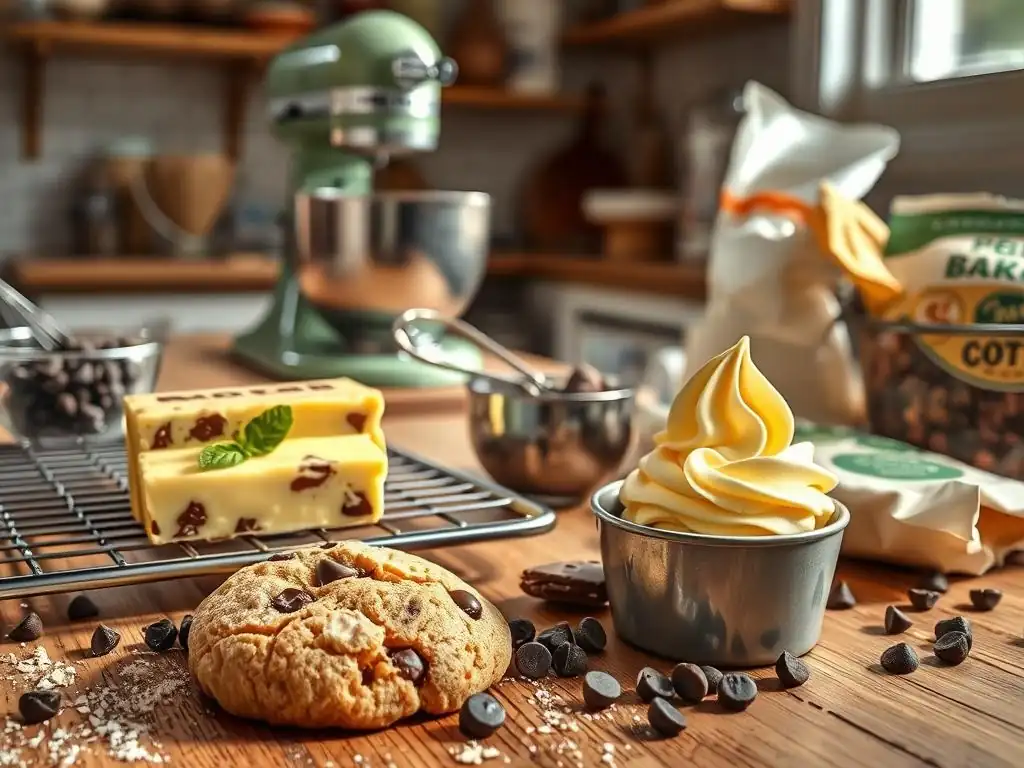
A staple in any baker's repertoire, the classic chocolate chip cookie is a perfect test for vegan butter. A good recipe will call for creaming softened vegan butter with sugar to create a tender, chewy base. Using a butter like Melt Organic or Earth Balance works wonderfully here, contributing to the ideal spread and texture. The resulting cookies should have crisp edges and a soft, slightly gooey center, indistinguishable from their dairy counterparts.
Vegan Vanilla Cake Recipe Using Earth Balance
Vanilla cake relies heavily on the creaming of butter and sugar for its light and airy structure. A best vegan butter recipe for vanilla cake using Earth Balance will demonstrate how effectively this butter aerates, creating a fine crumb. The neutral flavor of Earth Balance ensures the delicate vanilla notes are prominent. The process involves creaming the softened butter and sugar until light and fluffy, then incorporating wet and dry ingredients alternately for a smooth batter.
Dairy-Free Vegan Pie Crust Recipe
Achieving a flaky pie crust is a benchmark for any fat, and vegan butter can certainly deliver. A best vegan butter recipe for pie crust will typically use very cold, firm vegan butter (like Miyoko's or Flora Plant Butter) cut into flour. This creates pockets of fat that melt and steam during baking, forming flaky layers. The technique is similar to traditional pie crust, emphasizing keeping ingredients cold and handling the dough minimally to ensure those distinct fat pieces remain intact.
Understanding the Nutritional Value of Vegan Butter
Vegan Butter vs. Dairy Butter: A Nutritional Comparison
When comparing vegan butter and dairy butter nutritionally, several factors come into play. Both are primarily fats, providing about 10-12 grams of fat and around 100-110 calories per tablespoon. Dairy butter is a source of saturated fat and cholesterol, and it contains trace amounts of vitamins like A and D (if fortified). A typical tablespoon of dairy butter contains about 7 grams of saturated fat and 30mg of cholesterol.
Vegan butters contain varying amounts and types of fats depending on the oils used. Many contain saturated fats from coconut or palm oil, often in similar amounts to dairy butter (e.g., 5-7 grams per tablespoon). However, they contain no cholesterol. Some vegan butters may also contain unsaturated fats from oils like sunflower or canola. They are typically fortified with Vitamin A and sometimes Vitamin D. While calorie counts are similar, the source and type of fat differ, which is a key consideration for those choosing vegan options for health reasons alongside finding the best vegan butter recipes.
Important Considerations for a Healthy Vegan Diet
While vegan butter is a great tool for dairy-free baking and adapting best vegan butter recipes, it's important to remember it's still a fat source and should be consumed in moderation as part of a balanced diet. Many vegan butters contain saturated fats, similar to dairy butter. The health impact of different types of saturated fats (like those from coconut vs. dairy) is a complex topic, but overall dietary guidelines recommend limiting saturated fat intake.
Look for vegan butters made with a blend of healthier oils if possible, or consider options lower in saturated fat if available, although these might perform differently in baking. Pay attention to added salt content, especially if you are monitoring sodium intake. Ultimately, while vegan butter allows you to enjoy delicious baked goods dairy-free, focusing on whole, unprocessed foods for the majority of your diet is key to maintaining a healthy vegan lifestyle. Enjoy your best vegan butter recipes as treats rather than daily staples.
Conclusion: Choosing the Right Vegan Butter for Your Baking Needs
Recap of the Top Vegan Butter Brands
We've explored some of the leading vegan butter brands on the market and ranked them based on their performance in dairy-free baking. Miyoko's Kitchen stands out for its exceptional flavor and versatility, particularly in pastries. Melt Organic is a reliable choice for consistent cookies, while Earth Balance remains a go-to for classic cakes and general baking due to its wide availability and consistent performance.
Flora Plant Butter excels specifically in creating flaky pastries, and Smart Balance offers a budget-friendly option for many basic baking needs. Each brand has its strengths, making the "best" choice dependent on the specific best vegan butter recipes you plan to make.
Final Thoughts on Dairy-Free Baking with Ease
Dairy-free baking has never been easier or more delicious thanks to the quality of modern vegan butters. Whether you're avoiding dairy due to allergies, dietary choices, or simply exploring plant-based options, there's a vegan butter out there that can help you achieve fantastic results. Don't be afraid to experiment with different brands in your favorite best vegan butter recipes to see which one gives you the texture and flavor you desire. With the right ingredients and a few simple techniques, you can bake everything from perfect cookies to flaky pie crusts, all completely dairy-free. Happy baking!
Frequently Asked Questions
What makes a vegan butter "best" for baking?
A "best" vegan butter is judged on its ability to mimic dairy butter's properties, including its texture and flavor in baked goods. It should also melt and brown well, contributing to the overall quality of the recipe.
Can I substitute any vegan butter brand for dairy butter in any baking recipe?
While many vegan butters are designed as 1:1 substitutes, some may perform differently. It's recommended to consult the recipe and potentially adjust the amount of liquid or flour as needed, especially when first trying a new brand.
What are some common ingredients found in vegan butter?
Common ingredients include plant-based oils (like coconut, palm, or olive), water, emulsifiers, and sometimes added flavors to mimic the taste of dairy butter. Some brands also incorporate nuts or seeds for texture.
Does vegan butter taste the same as dairy butter?
While many vegan butters strive to replicate the taste, there can be differences. Some may have a slightly coconutty or nutty flavor, depending on the ingredients. The best brands aim for a neutral taste.
Where can I typically find vegan butter in a grocery store?
Vegan butter is usually found in the refrigerated section, often near the dairy butter or vegan cheese options. Some stores may also have it in a dedicated health food or vegan aisle.
Final Reflection: The Delicious Revolution of Dairy-Free Baking
The rise of vegan baking isn't just a trend; it's a testament to our growing awareness of ethical consumption and the incredible versatility of plant-based ingredients. Finding the right vegan butter is crucial to achieving that perfect texture and flavor in your favorite recipes, and as this article demonstrates, the options are both diverse and delicious. No longer are vegans relegated to dry, crumbly cakes; the right vegan butter unlocks a world of culinary possibilities.
This exploration into the best vegan butter brands has highlighted not only the impressive strides made in plant-based food technology but also the evolving cultural landscape of food choices. We are increasingly embracing alternatives that align with our values, whether those values are ethical, environmental, or health-conscious. The future of food is plant-based,
is more than a catchy slogan; it's a reflection of a growing movement towards sustainable and compassionate eating. This shift impacts not only our plates but also our relationship with the environment and the animals we share this planet with.
Now, it's your turn. Consider the impact your food choices have, and explore the possibilities that open up when you embrace plant-based alternatives. Don't be afraid to experiment with different vegan butters, to discover your favorite, and to create your own delicious, dairy-free masterpieces. The journey towards a more sustainable and flavorful future starts with one recipe, one ingredient, and one conscious decision at a time. Let the delicious revolution begin!
Unleash Your Inner Vegan Baker!
Thanks for taking the time to explore the world of vegan baking with us! We hope you found the perfect butter for your next delicious creation. Ready to get baking?
- Dive into your next recipe: Use your newfound knowledge to whip up a batch of vegan cookies, brownies, or even a show-stopping cake. Let your imagination (and taste buds) run wild!
- Share your baking triumphs (or tales!): We'd love to see what you create! Share photos of your vegan baking masterpieces on social media – tag us if you feel so inclined!
- Explore more vegan recipes: Check out our other articles for more delicious and easy-to-follow vegan recipes to expand your baking repertoire.
What incredible vegan treat will you bake first?