
Master Classic Latin American Cakes with Our Simple Guides

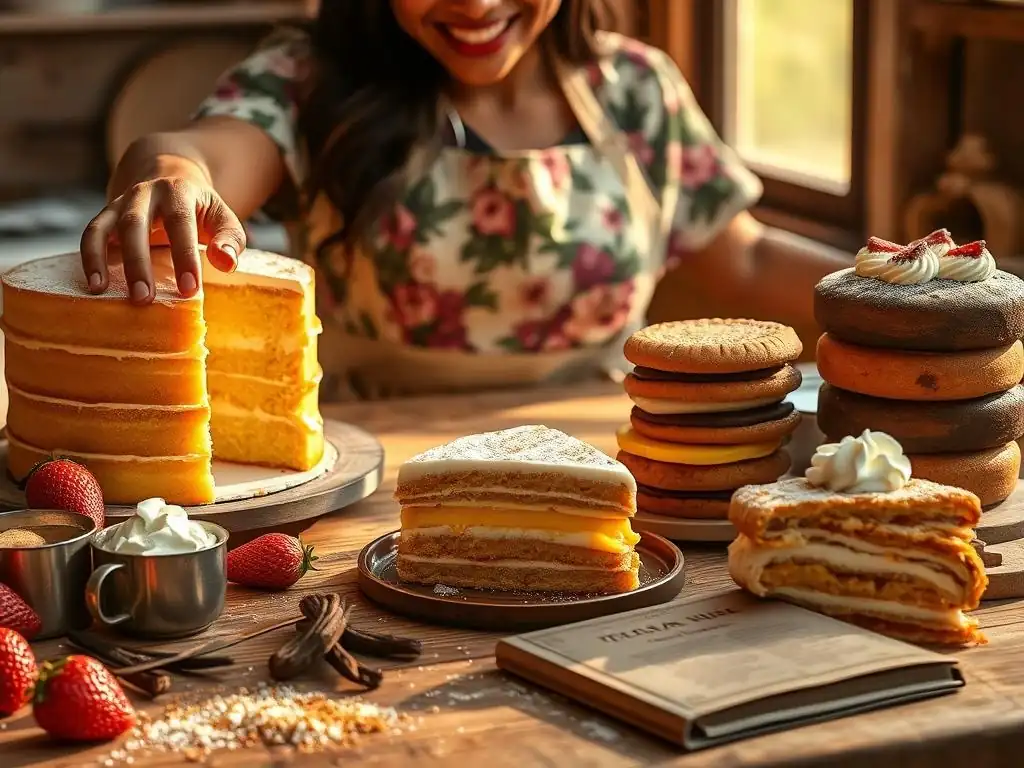
Welcome to BakeWithEase, your passport to a world of delicious baking! Ever dreamt of creating those tantalizing, melt-in-your-mouth desserts from Latin America? Unlock the secrets to mastering authentic flavors and techniques with our collection of easy Latin American cake recipes. From creamy Tres Leches to decadent Alfajores, prepare to embark on a baking adventure that's both rewarding and surprisingly simple. Ready to bring a taste of Latin America to your kitchen? Let's get baking!
- Master Classic Latin American Cakes with Our Simple Guides: BakeWithEase
- Discover the Joy of Easy Latin American Cake Recipes
- Classic Latin American Cakes: A Baker's Delight
- Simple Latin American Cake Recipes for Home Bakers
- Step-by-Step Guides to Delicious Latin American Cakes
- Must-Try Latin American Cakes: Recipes Included
- Tips and Tricks for Baking Authentic Latin American Cakes
- Troubleshooting Common Latin American Cake Baking Problems
- Elevate Your Baking: Decorating Latin American Cakes
- More Latin American Baking Adventures with BakeWithEase
-
Frequently Asked Questions
- What makes Latin American cakes unique compared to other cake types?
- Are the recipes on BakeWithEase.com truly "easy" for beginners?
- What are some popular examples of Latin American cakes featured on the site?
- Can I easily find the ingredients needed for these Latin American cake recipes?
- What kind of baking techniques are emphasized in the "Master Classic Latin American Cakes" guides?
- Final Reflection: A Sweet Taste of Heritage, A Bridge to Connection
- Unlock Your Inner Pastry Chef: Bake Latin American Delights!
Master Classic Latin American Cakes with Our Simple Guides: BakeWithEase
Discover the Joy of Easy Latin American Cake Recipes
Latin America boasts a rich and vibrant culinary tradition, and its cakes are no exception. From moist, milk-soaked delights to dense, caramelized creations, these desserts offer a unique blend of flavors and textures that captivate the senses. Many of these cherished recipes, often passed down through generations, can seem intimidating at first glance. However, with the right guidance and simple techniques, anyone can recreate these masterpieces in their own kitchen. This guide from BakeWithEase is designed to demystify the process, making the journey into Latin American baking both accessible and rewarding.
Our focus is on providing easy Latin American cake recipes that yield authentic results without requiring specialized equipment or advanced skills. We break down complex steps into manageable tasks, ensuring that even novice bakers can achieve success. By focusing on foundational techniques and explaining the purpose behind each ingredient, we empower you to understand the science and art of these delicious treats. Get ready to explore the sweet side of Latin America and delight your friends and family with homemade goodness.
BakeWithEase: Your Gateway to Latin American Baking
BakeWithEase is dedicated to making baking enjoyable and achievable for everyone, and our exploration of Latin American pastries is a perfect example of this mission. We believe that cultural baking should be celebrated and shared, and our resources are tailored to help you confidently tackle new flavors and techniques. Our step-by-step guides are meticulously crafted, often including common pitfalls to avoid and expert tips for guaranteed success. We understand that sourcing specific ingredients can sometimes be a challenge, so we also offer practical advice on substitutions where appropriate, ensuring our easy Latin American cake recipes are truly accessible globally.
Our platform provides a friendly environment for learning, whether you're attempting your first Tres Leches or perfecting a Chocoflan. We aim to build your confidence one recipe at a time, transforming what might seem like a daunting task into a delightful baking adventure. Beyond just recipes, we delve into the cultural significance of these cakes, adding depth to your baking experience. Join the BakeWithEase community and start your journey into the wonderfully sweet world of Latin American cakes today.
Classic Latin American Cakes: A Baker's Delight
The diversity of Latin American cakes reflects the vast geography and varied cultural influences of the region. Each country and even specific regions within countries often have their own signature cakes, born from a blend of indigenous ingredients, European colonial traditions, and unique local adaptations. These cakes are more than just desserts; they are often central to celebrations, family gatherings, and daily life, carrying deep cultural significance and history.
Exploring classic Latin American cakes offers a fantastic opportunity to expand your baking repertoire beyond the usual suspects. You'll encounter unique flavor profiles, interesting texture combinations, and often surprisingly simple methods that yield incredibly rich results. From the spongy, milk-soaked goodness of Tres Leches found across many countries to the dense, caramelized perfection of Flan, or the delicate, dulce de leche-filled layers of Alfajores (often adapted into cake form), there's a world of flavor waiting to be discovered.
Exploring the Rich Flavors of Latin American Desserts
Latin American desserts are characterized by a frequent use of ingredients like condensed milk, evaporated milk, dulce de leche, various fruits (like guava, passion fruit, pineapple), coconut, and spices such as cinnamon and vanilla. These components combine to create flavor profiles that are often rich, sweet, and deeply satisfying.
For instance, the use of multiple types of milk in Tres Leches doesn't just add moisture; it creates a unique, creamy sweetness that is unmistakable. Similarly, dulce de leche, a caramelized milk jam, provides a depth of flavor that is central to many cakes and pastries, offering notes of caramel and butterscotch.
Furthermore, regional variations introduce exciting twists. In some areas, tropical fruits are heavily featured, leading to bright, tangy flavors counteracting the sweetness. In others, indigenous ingredients like corn flour or specific regional spices might be incorporated, adding earthy or aromatic dimensions. Understanding these core ingredients and regional influences helps unlock the secrets behind these delicious creations and makes adapting and experimenting with easy Latin American cake recipes even more rewarding.
Simple Latin American Cake Recipes for Home Bakers
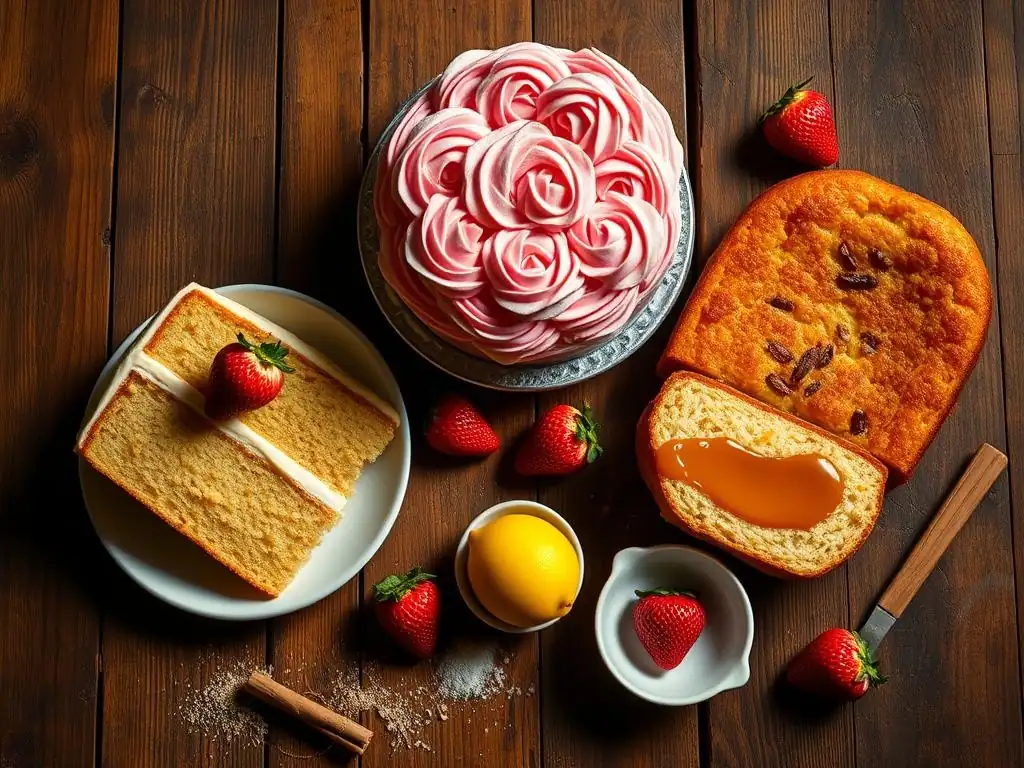
Venturing into the world of Latin American cakes doesn't require a culinary degree. Many of the most beloved recipes are surprisingly straightforward, relying on simple techniques and readily available ingredients. The key is often in the layering of flavors or the precise handling of dairy and sugar to achieve that signature texture. Our focus at BakeWithEase is on distilling these traditional recipes into approachable formats, ensuring that home bakers can replicate authentic results with confidence.
Whether you're looking for a quick weeknight treat or a show-stopping dessert for a special occasion, there's an easy Latin American cake recipe out there for you. We prioritize clarity in our instructions, breaking down each step, from preparing the cake batter to mastering the soaking syrup or caramel layer. We also provide tips on common pitfalls and how to avoid them, setting you up for success from the very beginning.
From Beginner to Expert: Baking Latin American Cakes Made Easy
Our guides are designed to support bakers at every level. For beginners, we start with foundational recipes like a basic Tres Leches or a simple Pan Casero (home-style cake) that uses familiar techniques. We explain concepts such as folding wet into dry ingredients or creaming butter and sugar in the context of these recipes. We also offer troubleshooting tips for common issues like a cake that doesn't rise or a syrup that doesn't soak properly.
As you gain confidence, you can move on to more complex recipes like a layered Alfajores cake or a Chocoflan which involves baking two distinct layers simultaneously. We introduce techniques like creating a perfect caramel layer or achieving a smooth, dense flan texture. By building upon basic skills, our resources allow you to progressively tackle more challenging bakes, transforming you from a beginner enthusiast into a confident expert in Latin American baking.
Step-by-Step Guides to Delicious Latin American Cakes
Ready to start baking? We've selected three popular and distinct Latin American cakes to guide you through. These recipes represent different styles and techniques, offering a fantastic introduction to the variety available. We provide detailed, step-by-step instructions designed for clarity and ease of execution, ensuring that you can follow along and achieve delicious results in your own kitchen.
Follow our guides closely, pay attention to ingredient measurements and temperatures, and don't be afraid to try again if your first attempt isn't perfect. Baking is a skill that improves with practice, and mastering these classic easy Latin American cake recipes is a rewarding journey.
Tres Leches Cake: A Detailed Recipe and Baking Instructions
Tres Leches cake, meaning "three milks" cake, is a staple across many Latin American countries, beloved for its incredibly moist and sweet crumb soaked in a mixture of three types of milk: evaporated milk, condensed milk, and heavy cream. The cake itself is typically a light sponge or butter cake, sturdy enough to absorb a significant amount of liquid without becoming completely mushy. The magic lies in the soaking process, which transforms a simple cake into a decadent, creamy dessert.
Our detailed guide walks you through making the cake batter, baking it until golden brown (typically 25-30 minutes at 350°F or 175°C for a standard 9x13 inch pan), and then preparing the milk mixture. We emphasize the importance of letting the cake cool slightly and poking holes evenly across the surface to ensure maximum milk absorption. The soaking process usually takes at least 30 minutes, but overnight chilling is often recommended for the best flavor and texture integration.
Flan Cake (Chocoflan): The Secret to Perfect Texture and Flavor
Chocoflan, also known as Pastle Imposible (Impossible Cake) in Mexico, is a truly unique dessert where a layer of chocolate cake is baked underneath a layer of flan (caramel custard). The "impossible" part comes from the layers inverting during the baking process, with the flan magically ending up on top of the cake layer after cooling and flipping. This dessert combines the rich, dense texture of flan with the moistness of chocolate cake, all topped with a luscious caramel sauce.
The secret to a perfect Chocoflan lies in two main areas: the caramel and the water bath. First, creating a smooth, amber caramel to coat the bottom of the pan is crucial. Our guide explains how to melt sugar carefully to avoid burning.
Second, baking the Chocoflan in a water bath ( baño maría ) ensures even, gentle cooking, which is essential for the flan to set correctly without curdling and for the layers to separate cleanly. The baking time is typically longer than a regular cake, often 60-75 minutes at 350°F (175°C), until a knife inserted into the flan layer comes out clean.
Alfajores Cake: A Simple Variation for a Unique Twist
While traditional Alfajores are delicate sandwich cookies filled with dulce de leche, the concept can be beautifully adapted into a cake form. This variation typically involves layers of a tender, slightly crumbly cake (often flavored with cornstarch for tenderness, similar to the cookies) filled generously with dulce de leche and often dusted with powdered sugar or coated in coconut flakes. It captures the essence of the cookie in a more substantial dessert format, making it an excellent option for celebrations.
Creating an Alfajores cake involves baking one or more thin cake layers. The key is often the cake batter itself, which might include ingredients like cornstarch ( maicena) or a touch of lemon zest to mimic the flavor profile of the cookies. Once the layers are baked and cooled, they are assembled with a thick filling of high-quality dulce de leche. The simplicity of the filling and the tender cake layers make this a relatively easy Latin American cake recipe variation that delivers impressive flavor.
Must-Try Latin American Cakes: Recipes Included
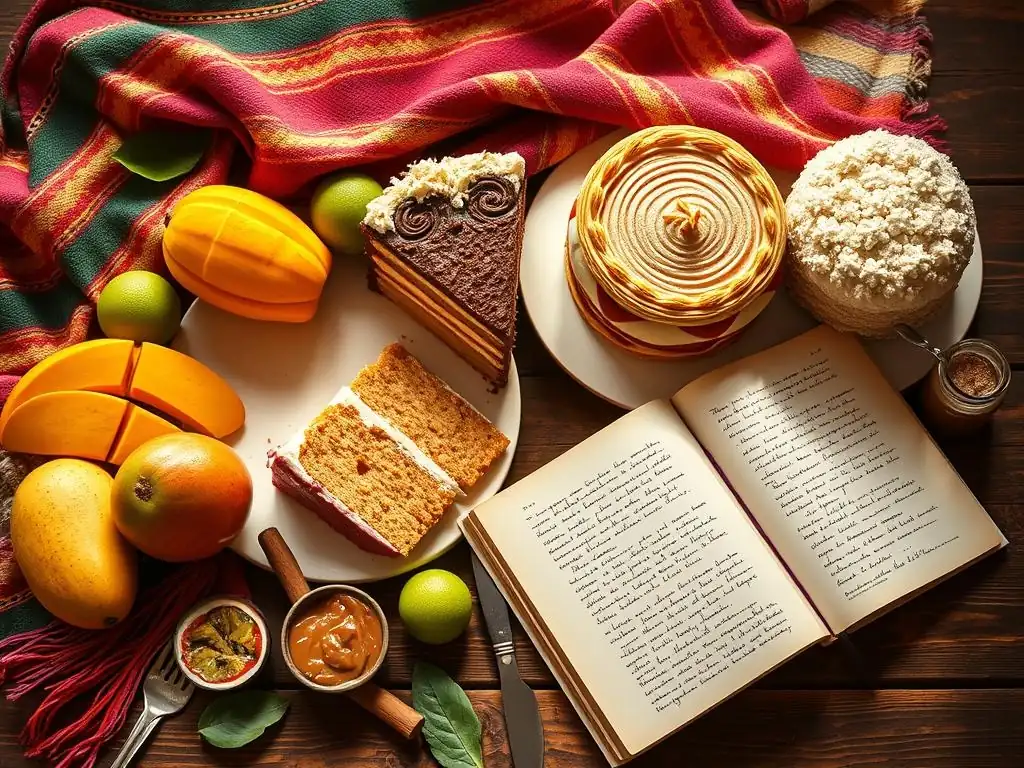
Here are the core recipes for the cakes discussed, presented in a format that's easy to follow. These are designed to be easy Latin American cake recipes suitable for home bakers looking to explore these classic flavors.
Tres Leches Cake: The Classic Latin American Delight
- Yields: 12 servings
- Prep time: 20 minutes
- Bake time: 25-30 minutes
- Chill time: At least 1 hour (preferably overnight)
Preparing the Perfect Tres Leches Cake: BakeWithEase Tips
- Ingredients:
- For the cake: 1 ½ cups all-purpose flour, 1 tsp baking powder, ¼ tsp salt, ½ cup unsalted butter (softened), 1 cup granulated sugar, 5 large eggs, ½ cup milk, 1 tsp vanilla extract.
- For the milk mixture: 12 oz evaporated milk, 14 oz sweetened condensed milk, 1 cup heavy cream.
- For topping (optional): 2 cups heavy cream, ¼ cup powdered sugar, 1 tsp vanilla extract.
- Instructions:
- Preheat oven to 350°F (175°C). Grease and flour a 9x13 inch baking pan.
- In a medium bowl, whisk together flour, baking powder, and salt.
- In a large bowl, cream butter and sugar until light and fluffy (about 3-5 minutes).
- Add eggs one at a time, beating well after each addition. Stir in vanilla.
- Alternately add dry ingredients and milk to the wet ingredients, starting and ending with dry. Mix until just combined.
- Pour batter into the prepared pan and bake for 25-30 minutes, or until a toothpick inserted into the center comes out clean.
- Let the cake cool in the pan for 15 minutes. While warm, poke holes all over the top using a fork or skewer.
- In a bowl, whisk together evaporated milk, condensed milk, and 1 cup heavy cream. Pour evenly over the warm cake.
- Refrigerate for at least 1 hour, or preferably overnight, to allow the milk mixture to soak in.
- Before serving, beat remaining 2 cups heavy cream with powdered sugar and vanilla until stiff peaks form. Spread over the top of the cake.
- Slice and serve chilled.
Flan Cake (Chocoflan): A Decadent Latin American Fusion
- Yields: 10-12 servings
- Prep time: 25 minutes
- Bake time: 60-75 minutes
- Chill time: At least 4 hours (preferably overnight)
Mastering the Chocoflan: Easy Baking Steps
- Ingredients:
- For the caramel: 1 cup granulated sugar.
- For the flan: 1 can (12 oz) evaporated milk, 1 can (14 oz) sweetened condensed milk, 4 large eggs, 1 tsp vanilla extract, pinch of salt.
- For the cake: 1 ½ cups all-purpose flour, ¾ cup granulated sugar, ¼ cup unsweetened cocoa powder, 1 tsp baking soda, ½ tsp baking powder, ¼ tsp salt, 1 large egg, ½ cup milk, ¼ cup vegetable oil, 1 tsp vanilla extract, ½ cup hot water.
- Instructions:
- Preheat oven to 350°F (175°C). Bring a pot of water to a simmer for the water bath.
- Make the caramel: In a heavy-bottomed saucepan, melt sugar over medium heat, stirring occasionally until it turns an amber color. Carefully pour the hot caramel into a Bundt pan, tilting to coat the bottom and sides. Set aside.
- Make the flan: In a blender, combine evaporated milk, condensed milk, eggs, vanilla, and salt. Blend until smooth. Pour this mixture over the cooled caramel in the Bundt pan.
- Make the cake batter: In a large bowl, whisk together flour, sugar, cocoa powder, baking soda, baking powder, and salt.
- In a separate bowl, whisk together egg, milk, oil, and vanilla. Add wet ingredients to dry ingredients and mix until just combined. Stir in the hot water (the batter will be thin).
- Carefully pour the chocolate cake batter over the flan mixture in the Bundt pan. Do not mix the layers.
- Place the Bundt pan inside a larger baking pan. Carefully pour hot water into the larger pan until it comes halfway up the sides of the Bundt pan.
- Bake for 60-75 minutes, or until a knife inserted into the flan layer comes out clean (avoid the cake layer).
- Remove from water bath and let cool completely on a wire rack.
- Refrigerate for at least 4 hours, or preferably overnight, to allow the flan to set and the layers to separate.
- To unmold, run a knife around the edges. Place a serving plate upside down over the pan and quickly invert. The caramel will drizzle down the sides.
Alfajores Cake: A Sweet and Delicate Treat
- Yields: 8-10 servings
- Prep time: 25 minutes
- Bake time: 20-25 minutes
- Chill time: 30 minutes
Baking the Perfect Alfajores Cake: A Comprehensive Guide
- Ingredients:
- For the cake layers: 1 ½ cups all-purpose flour, ½ cup cornstarch (
maicena), 1 tsp baking powder, ¼ tsp salt, ½ cup unsalted butter (softened), ½ cup granulated sugar, 2 large eggs, ½ cup milk, 1 tsp vanilla extract, zest of ½ lemon (optional). - For the filling: 1 can (13.4 oz) dulce de leche.
- For decoration: Powdered sugar, shredded coconut (optional).
- For the cake layers: 1 ½ cups all-purpose flour, ½ cup cornstarch (
- Instructions:
- Preheat oven to 350°F (175°C). Grease and flour two 8-inch round cake pans.
- In a medium bowl, whisk together flour, cornstarch, baking powder, and salt.
- In a large bowl, cream butter and sugar until light and fluffy.
- Beat in eggs one at a time. Stir in vanilla and lemon zest (if using).
- Alternately add dry ingredients and milk to the wet ingredients, starting and ending with dry. Mix until just combined.
- Divide batter evenly between the two prepared pans.
- Bake for 20-25 minutes, or until a toothpick inserted into the center comes out clean.
- Let cake layers cool in the pans for 10 minutes, then invert onto a wire rack to cool completely.
- Once cooled, place one cake layer on your serving plate. Spread the entire can of dulce de leche evenly over this layer.
- Carefully place the second cake layer on top of the dulce de leche.
- Chill the cake for at least 30 minutes to allow the dulce de leche to firm up slightly.
- Just before serving, dust the top generously with powdered sugar and/or sprinkle with shredded coconut around the sides.
Tips and Tricks for Baking Authentic Latin American Cakes
Achieving authentic flavor and texture in your easy Latin American cake recipes often comes down to understanding key ingredients and techniques. While our recipes are simplified, keeping these tips in mind will help you elevate your results and truly capture the essence of these traditional desserts. Pay attention to ingredient quality and follow instructions precisely, especially regarding temperature and timing.
- Always use room temperature ingredients for creaming butter and sugar, as this helps create a better emulsion and a lighter cake texture.
- When working with condensed milk or dulce de leche, ensure it's of good quality for the best flavor.
- Don't overmix batters once dry ingredients are added; this can develop gluten and result in a tough cake.
Ingredient Substitutions for Latin American Cake Recipes
While using traditional ingredients is ideal for authenticity, sometimes substitutions are necessary. For the milk mixture in Tres Leches, if you can't find evaporated milk, you can approximate it by gently heating regular milk to reduce its volume slightly, though the flavor won't be identical.
Sweetened condensed milk is harder to substitute directly due to its unique texture and sugar concentration, but some recipes suggest using a very thick sugar syrup mixed with whole milk powder. For dulce de leche, if unavailable, you can make your own by simmering a can of sweetened condensed milk in water for several hours (ensure the can is fully submerged and replenish water as needed) – this is a classic method though it requires time and care.
Cornstarch ( maicena) is a common ingredient in some Latin American cakes and pastries, like Alfajores, to provide tenderness and a slightly crumbly texture. If you don't have cornstarch, some recipes might work with just flour, but the texture will differ. For specific regional ingredients like certain fruit purees or cheeses (used in some cakes), look for international grocery stores or online suppliers, or search for recipes that offer tested substitutions using more common ingredients.
Mastering Traditional Baking Techniques for Latin American Cakes
Several techniques are particularly relevant when baking Latin American cakes. The baño maría or water bath method, crucial for Flan and Chocoflan, ensures gentle, even heat, preventing the custard from cracking or becoming rubbery. Mastering the perfect caramel requires patience and attention; sugar melts and burns quickly. Soaking cakes, as in Tres Leches, requires understanding how different cake textures absorb liquid – a sponge cake is typically more absorbent than a butter cake.
Another technique is properly handling meringue, often used for topping Tres Leches cake. Italian or Swiss meringues, made with hot sugar syrup, are more stable than French meringue. For cakes involving dense, moist crumbs (like some traditional corn cakes), precise measurement of wet and dry ingredients is key to achieving the right consistency before baking. Practice these techniques to improve your overall baking skills and enhance the quality of your Latin American creations.
Achieving the Perfect Texture in Your Latin American Cakes
Texture is paramount in Latin American cakes, from the airy lightness of a sponge cake before soaking to the dense creaminess of Flan. For Tres Leches, the goal is a cake that is fully saturated with milk without being soggy or falling apart. This is achieved by using a cake that has enough structure and by allowing adequate chilling time for the milk to be absorbed and distributed evenly. Poking sufficient, but not excessive, holes is also important.
For Flan and Chocoflan, the desired texture is smooth, creamy, and without air bubbles or a grainy consistency. Baking in a water bath at a moderate temperature is the most effective way to achieve this. Overbaking can result in a rubbery texture. For Alfajores-style cakes, the crumb should be tender and slightly crumbly, achieved by incorporating ingredients like cornstarch and not overdeveloping the gluten. Understanding the role of each ingredient and technique helps you troubleshoot and perfect the texture of your easy Latin American cake recipes.
Troubleshooting Common Latin American Cake Baking Problems
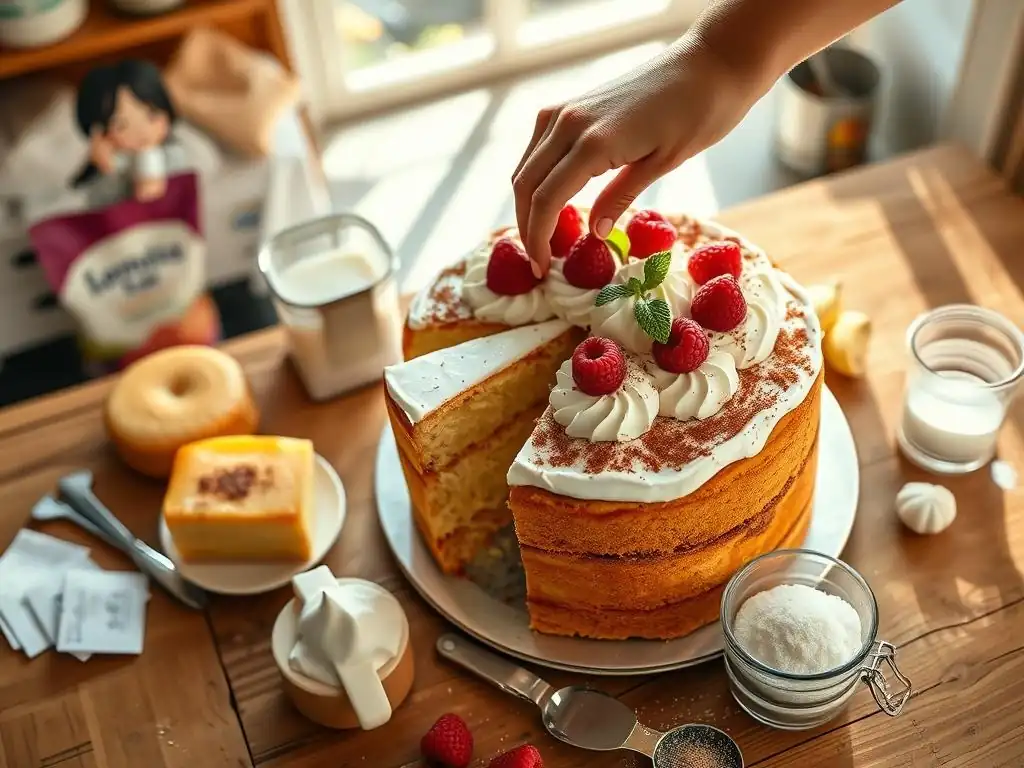
Even with the simplest recipes, baking can sometimes present challenges. Knowing how to identify and fix common problems is key to successful baking. Here are some issues you might encounter when making easy Latin American cake recipes and how to address them.
Avoiding a Soggy Tres Leches Cake
A common complaint about Tres Leches is that it can be too soggy or mushy instead of just moist and creamy. This can happen for a few reasons:
- Using a cake that is too delicate or crumbly to begin with.
- Not allowing the cake to cool slightly before adding the milk mixture.
- Not poking enough holes, leading to uneven absorption and some areas being oversaturated.
- Not chilling the cake long enough for the milk to fully integrate into the crumb structure.
Ensure you use a suitable cake base (a classic sponge or butter cake works well), poke holes evenly, and most importantly, give it plenty of time to chill – several hours or overnight is best. If your cake is still too wet, you can gently drain off any excess milk mixture before serving, although proper chilling usually resolves this.
Preventing a Dry Alfajores Cake
While Alfajores cookies are slightly crumbly, an Alfajores cake should still be tender and moist, especially given the dulce de leche filling. Dryness can occur if:
- The cake layers were overbaked. Baking time is crucial, especially for thinner layers.
- Too much flour or not enough fat/liquid was used in the batter.
- The cake wasn't stored properly and dried out.
Make sure you measure ingredients accurately, especially flour, and check for doneness using a toothpick slightly before the minimum bake time. Store the cake in an airtight container once assembled, and the dulce de leche filling itself helps maintain moisture.
Ensuring a Smooth Flan Cake
A grainy or curdled flan layer in Chocoflan is usually a result of the custard cooking too quickly or at too high a temperature.
- Not using a water bath (
baño maría). This is the most critical step for even, gentle cooking. - Baking at too high a temperature.
- Overbaking the flan layer. The center should be just set, not firm.
Always use the water bath method as instructed, ensure the water is hot when you place the pan in it, and bake at the specified temperature. Check for doneness by gently shaking the pan – the edges should be set, and the center might still jiggle slightly. A knife inserted near the center should come out mostly clean, but not necessarily bone dry. Patience during baking and chilling is key to a smooth, perfect flan texture.
Elevate Your Baking: Decorating Latin American Cakes
Once you've mastered the basics of these delicious easy Latin American cake recipes, you can turn your attention to presentation. Decorating your cakes adds a personal touch and makes them even more festive and appealing. While some traditional decorations are quite simple, others can be elaborate, reflecting the celebratory nature of these desserts.
Simple decorations can transform a cake with minimal effort, while learning traditional techniques allows you to create truly authentic-looking desserts. Remember that even a simple dusting of sugar or a swirl of cream can make a cake look stunning.
Simple Decoration Ideas for Latin American Cakes
For many easy Latin American cake recipes, simplicity is key. Tres Leches is traditionally topped with whipped cream, often spread smoothly or piped into simple swirls or rosettes. A sprinkle of cinnamon or a few maraschino cherries are common additions for a pop of color.
Chocoflan, when inverted, is already topped with its own caramel sauce, which serves as the primary decoration. You might add a few fresh berries or a light dusting of powdered sugar around the plate if desired, but the caramel is usually left to shine on its own. An Alfajores cake is typically finished with a generous dusting of powdered sugar and often has shredded coconut pressed into the sides, mirroring the decoration of the original cookies.
Traditional Latin American Cake Decorations
Beyond the simple toppings, some traditional Latin American cakes feature more intricate decorations. For special occasions, cakes might be covered in meringue that is then lightly browned with a torch. Elaborate frosting techniques using buttercream or other types of frosting are also popular, often featuring vibrant colors or piped floral designs, particularly for birthday or wedding cakes.
Some regional cakes incorporate candied fruits, nuts, or even edible flowers. The use of suspiros (meringue kisses) or small, traditional candies as adornments is also common. Exploring local bakeries or online images can provide inspiration for traditional decorative styles specific to different Latin American countries and regions.
More Latin American Baking Adventures with BakeWithEase
Our journey into easy Latin American cake recipes is just the beginning! The region offers an incredible array of baked goods, from sweet breads and pastries to cookies and more complex layered desserts. Each country has its specialties, influenced by history, climate, and available ingredients.
At BakeWithEase, we are continuously exploring these rich traditions to bring you more accessible recipes and guides. We believe that baking is a fantastic way to connect with other cultures and share delicious experiences with loved ones.
Explore Other Latin American Desserts and Pastries
Once you've mastered Tres Leches, Chocoflan, and Alfajores cake, consider trying other delightful Latin American bakes.
- Pan Dulce: A wide variety of sweet breads popular in Mexico and Central America.
- Empanadas de Cajeta: Pastries filled with goat's milk caramel.
- Bizcochos: A term that can refer to various types of sponge cakes, biscuits, or cookies depending on the region.
- Mazamorra: A dessert often thickened with cornstarch, sometimes served with fruit or milk.
- Suspiro a la Limeña: A rich Peruvian dessert with a base of dulce de leche and a meringue topping.
These are just a few examples of the vast landscape of Latin American desserts. Each offers a unique taste of the region's sweet heritage. Keep checking BakeWithEase for new recipes and guides to continue your delicious baking adventures!
Frequently Asked Questions
What makes Latin American cakes unique compared to other cake types?
Latin American cakes often feature tropical fruits and spices like cinnamon and dulce de leche, creating distinct and vibrant flavors. They frequently have a moist texture due to the use of ingredients like condensed milk.
Are the recipes on BakeWithEase.com truly "easy" for beginners?
Yes! BakeWithEase.com focuses on providing simple recipes with step-by-step guides and easy-to-find ingredients, making them accessible to bakers of all skill levels, even beginners.
What are some popular examples of Latin American cakes featured on the site?
While specific cakes will vary, expect to find recipes for classics like Tres Leches cake, Alfajores, or variations of cakes featuring dulce de leche or guava. Our recipes guide you to create delicious and authentic cakes.
Can I easily find the ingredients needed for these Latin American cake recipes?
We prioritize recipes using easy-to-find ingredients, which are often available in most supermarkets or Latin American specialty stores. We also offer substitution suggestions where possible.
What kind of baking techniques are emphasized in the "Master Classic Latin American Cakes" guides?
The guides focus on fundamental baking techniques like creaming butter and sugar, properly measuring ingredients, and achieving the correct oven temperature. We emphasize clear instructions to ensure success.
Final Reflection: A Sweet Taste of Heritage, A Bridge to Connection
The vibrant flavors and simple techniques of classic Latin American cakes are more than just recipes; they are a delicious portal to cultural understanding and a testament to the enduring power of shared culinary traditions. These recipes, passed down through generations, offer a unique opportunity to connect with a rich history and diverse heritage, all while enjoying the sweet rewards of baking. The ease of preparation, highlighted throughout our guides, makes this accessible to everyone, regardless of baking experience.
The enduring appeal of these cakes lies not only in their delightful taste but also in their ability to evoke memories and foster a sense of belonging. They represent a tangible link to family history and cultural identity, reminding us of the importance of preserving and celebrating our heritage. As Gabriel García Márquez once wrote, Life isn't what you lived, but what you remember and how you remember it to tell it.
These cakes, with their simple ingredients and familiar flavors, become powerful tools in shaping our collective memory and passing on cherished traditions.
Consider the joy of sharing these cakes with loved ones – the smiles, the conversations, the shared experience of creating something beautiful and delicious together. You, too, can become a custodian of these culinary traditions, enriching your own life and the lives of others through the simple act of baking. So, gather your ingredients, follow our guides, and embark on a culinary journey that will not only satisfy your sweet tooth but also deepen your appreciation for the rich tapestry of Latin American culture. Let the baking begin!
Unlock Your Inner Pastry Chef: Bake Latin American Delights!
Thanks for taking the time to explore the wonderful world of classic Latin American cakes with us! We hope you've discovered some delicious inspiration and newfound baking confidence. Ready to get started?
- Bake your favorite recipe today! Grab your ingredients and whisk up a batch of those tempting treats you learned about. Let's see those baking skills in action!
- Share your baking journey: Post a picture of your creation on social media using #BakeWithEaseLatin and tag us – we'd love to see your results!
- Explore more amazing Latin American recipes on our site. Discover even more sweet surprises waiting for you.
What Latin American cake are you most excited to try baking first? Let us know in the comments below!