
Storing Sourdough Rye Bread to Keep it Fresh


Welcome to BakeWithEase, your trusted guide to baking brilliance! Ever wondered how to keep that perfectly crusty sourdough rye bread tasting as fresh as the day it came out of the oven? We've got the secrets. Dive into our article below to unlock the best methods for sourdough rye bread storage and ensure every slice is a delight. Ready to elevate your baking game? Let's get started!
- Storing Sourdough Rye Bread to Keep it Fresh: A BakeWithEase Guide
- Understanding Sourdough Rye Bread and Why Proper Storage Matters
- The Importance of Proper Sourdough Rye Bread Storage
- Best Sourdough Rye Bread Storage Methods: A Comparison
- Step-by-Step Guide: How to Store Your Sourdough Rye Bread
- Tips for Keeping Sourdough Rye Bread Fresh Longer
- Troubleshooting Common Sourdough Rye Storage Problems
- Enjoying Your Freshly Stored Sourdough Rye Bread
- Frequently Asked Questions
- Final Reflection: The Enduring Crust: Preserving the Perfect Sourdough Rye
- Unlock the Secrets to Perfectly Preserved Rye!
Storing Sourdough Rye Bread to Keep it Fresh: A BakeWithEase Guide
Understanding Sourdough Rye Bread and Why Proper Storage Matters
The Unique Characteristics of Sourdough Rye
Sourdough rye bread stands apart from many other loaves due to its distinct composition and fermentation process. Unlike breads leavened solely with commercial yeast, sourdough rye relies on a wild yeast and bacteria culture, often called a "starter." This starter consumes sugars in the flour, producing carbon dioxide (which makes the bread rise) and lactic and acetic acids.
These acids give sourdough rye its characteristic tangy flavor and contribute to its unique texture, often denser and moister than wheat-only loaves. The high proportion of rye flour, particularly in darker varieties, adds complex flavors and a stickier, less elastic dough structure compared to wheat.
The acidity developed during the long fermentation process in sourdough rye bread naturally inhibits the growth of some spoilage-causing microorganisms, including certain molds, to a greater extent than non-sourdough breads. However, this doesn't make it immune to spoilage. The moisture content, which is often higher in rye-heavy loaves, combined with ambient conditions, still plays a critical role in its longevity. Understanding these inherent properties is the first step towards effective sourdough rye bread storage, ensuring you enjoy its full flavor and texture for as long as possible.
Why Sourdough Rye Bread Requires Special Storage Techniques
Given its unique characteristics, sourdough rye bread benefits from storage methods tailored to maintain its quality. The goal of proper sourdough rye bread storage is a delicate balance: keeping the interior crumb moist and tender while preserving the crispness of the crust, all while preventing mold growth. Standard plastic bags, while effective at preventing moisture loss in some breads, can trap too much humidity around a sourdough rye loaf, especially if it's not completely cool. This excess moisture on the surface creates an ideal environment for mold spores to flourish, potentially ruining the bread quickly.
Furthermore, the dense crumb of sourdough rye can become gummy or overly soft if stored incorrectly, losing its desirable chewiness. The robust crust, a hallmark of a well-baked sourdough rye, can soften rapidly when exposed to trapped moisture. Therefore, effective sourdough rye bread storage techniques prioritize air circulation to manage humidity and temperature control to slow down the staling process and inhibit microbial growth, differing significantly from the best practices for softer, enriched, or commercially yeasted breads.
The Importance of Proper Sourdough Rye Bread Storage

Preventing Mold Growth in Your Sourdough Rye
Mold is a common enemy of any bread, and while sourdough's acidity offers some protection, it is not a complete shield. Proper sourdough rye bread storage is paramount in preventing mold growth, which typically appears as fuzzy patches of various colors (green, white, black) and renders the bread unsafe to eat.
Mold spores are ubiquitous in the air and will readily colonize bread surfaces if conditions are favorable – primarily moisture, warmth, and time. Trapping moisture around the loaf, such as by bagging it before it's fully cooled or using airtight plastic bags in humid conditions, significantly increases the risk of mold developing, often within just a few days.
Studies on bread preservation highlight that controlling water activity on the bread's surface is key to inhibiting mold. For sourdough rye, this means allowing some air circulation to prevent condensation. For example, a loaf stored improperly in a warm, humid kitchen might show signs of mold within 3-4 days, whereas a properly stored loaf in a cooler, drier environment could last a day or two longer before mold becomes a concern. Effective sourdough rye bread storage minimizes the time the bread spends in conditions conducive to mold, protecting your effort and investment in baking.
Maintaining the Crust and Texture of Your Rye Loaf
A defining characteristic of artisanal sourdough rye bread is its substantial, often chewy or crisp crust and a moist, dense interior crumb. Proper sourdough rye bread storage is essential for maintaining this desirable texture profile. When bread loses moisture from its crumb, it becomes dry and hard, a process known as staling. Conversely, if the crust absorbs too much moisture from the environment or the crumb, it becomes soft and loses its appealing crispness.
Storage methods that balance moisture retention in the crumb with preventing the crust from becoming soggy are ideal for sourdough rye. For instance, storing the bread in a breathable material like linen allows the crust to "breathe," helping it maintain some firmness while slowing the rate of moisture loss from the interior.
Compare this to leaving a loaf exposed to dry air, where the crust might stay hard initially but the crumb dries out quickly, or sealing it in plastic, which preserves crumb moisture but rapidly softens the crust. Effective sourdough rye bread storage aims to extend the period where both the crust and crumb are enjoyable.
Extending the Shelf Life of Homemade Sourdough Rye
Homemade sourdough rye bread, free from artificial preservatives often found in commercial loaves, has a naturally shorter shelf life at room temperature. Typically, a fresh loaf might maintain optimal quality for about 2 to 3 days when stored properly. Beyond this period, it begins to stale, and the risk of mold increases. Implementing effective sourdough rye bread storage techniques can help maximize this fresh window and provide options for longer preservation.
By choosing the right method – whether it's a bread box for a few days, refrigeration for slightly longer, or freezing for extended periods – you can significantly impact how long your sourdough rye remains edible and enjoyable. Freezing, for example, can preserve the quality of sourdough rye for several months (often up to 3-6 months) without significant degradation, provided it's done correctly. This makes proper sourdough rye bread storage not just about preventing spoilage, but also about reducing waste and ensuring you can enjoy your delicious bread over a longer timeframe.
Best Sourdough Rye Bread Storage Methods: A Comparison
Storing Sourdough Rye at Room Temperature: When is it Suitable?
Storing sourdough rye bread at room temperature is the preferred method for short-term consumption, ideally if you plan to eat the bread within 2 to 3 days. This method best preserves the bread's original texture, keeping the crust relatively firm and the crumb moist. The ideal room temperature for bread storage is typically between 68°F and 72°F (20°C and 22°C). However, ambient humidity also plays a significant role; higher humidity levels increase the risk of mold and can soften the crust more quickly.
For room temperature sourdough rye bread storage, breathable options are generally recommended over airtight ones. Methods like using a bread box, wrapping in a linen or cotton cloth, or placing the cut side down on a cutting board (for very short periods) allow for some air exchange. A bread box provides a contained environment that helps regulate humidity better than simply leaving the loaf exposed. This approach works well in a kitchen with stable temperatures and moderate humidity, allowing you to enjoy the bread's intended texture for its initial peak freshness period.
Refrigerating Sourdough Rye Bread: Pros and Cons
Refrigerating sourdough rye bread can extend its shelf life by slowing down mold growth, potentially keeping it safe to eat for up to a week or slightly longer. The cooler temperatures in a refrigerator (typically around 35-40°F or 2-4°C) significantly inhibit the proliferation of mold spores. This can be particularly useful in warm, humid climates where mold is a persistent issue, or if you need to store the bread for slightly longer than the typical 2-3 days at room temperature but don't want to freeze it.
However, refrigeration is generally not recommended for maintaining the optimal texture of sourdough rye bread. The primary drawback is that the starch molecules in the bread crumb recrystallize much faster at refrigerator temperatures (a process known as retrogradation), leading to accelerated staling. This means the bread will likely become dry and hard more quickly than if stored at room temperature.
While refrigeration slows mold, it speeds up staling. If you choose this method for sourdough rye bread storage, it's best to slice the bread first and store it in a well-sealed container to minimize moisture loss, and ideally reheat slices before serving to improve texture.
Freezing Sourdough Rye Bread for Long-Term Storage: A Detailed Guide
Freezing is the most effective method for long-term sourdough rye bread storage, preserving its quality for several months (typically up to 3-6 months). Freezing halts both microbial growth (preventing mold) and the staling process. This allows you to bake large batches and store portions for future enjoyment, minimizing waste and ensuring you always have delicious sourdough rye on hand. Proper preparation before freezing is crucial to prevent freezer burn, which can dry out the bread and affect its flavor.
To freeze sourdough rye bread successfully, ensure the loaf is completely cooled first. You can freeze it whole, in half, or sliced. Slicing before freezing is often convenient, allowing you to thaw only the amount you need.
Each piece or the whole loaf should be wrapped very well – ideally, a double layer of protection is used. This might involve an inner layer of plastic wrap or foil, followed by an outer layer of a freezer bag or another layer of foil. This barrier protects the bread from the dry freezer air and prevents freezer burn, making freezing an excellent option for long-term sourdough rye bread storage.
Step-by-Step Guide: How to Store Your Sourdough Rye Bread
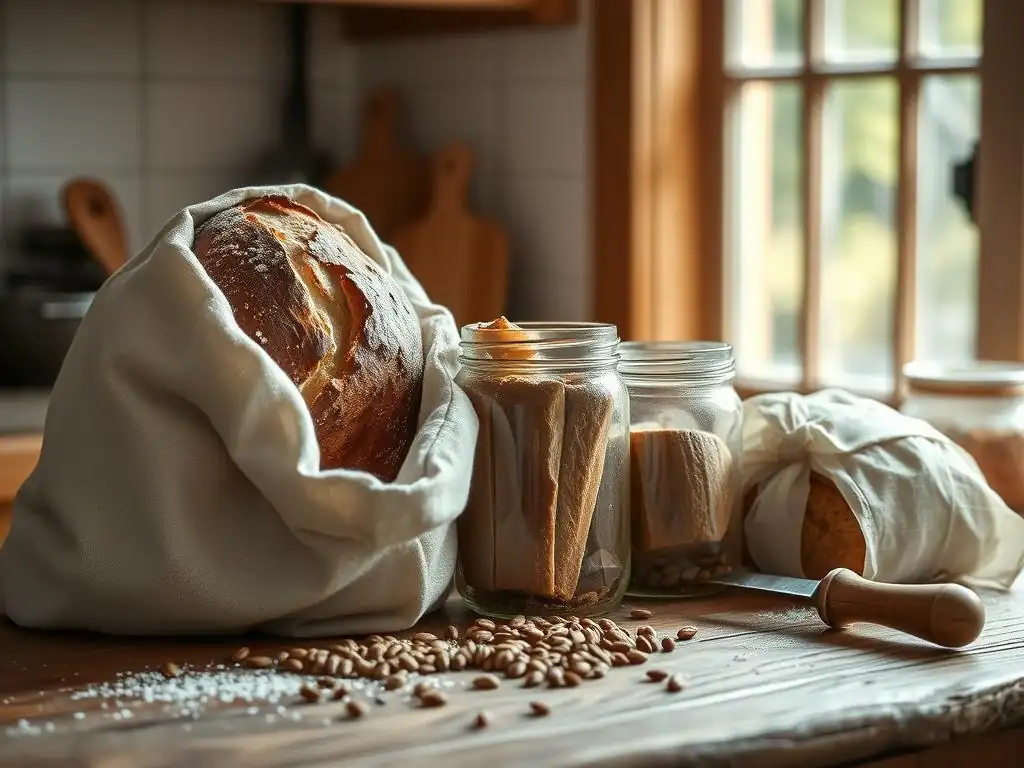
Step 1: Cooling Your Sourdough Rye Bread Completely
The absolute first and most crucial step in any sourdough rye bread storage method is to ensure the loaf is completely cool before storing it. Freshly baked bread contains a significant amount of internal moisture and heat. If you wrap or store the bread while it's still warm, this heat and moisture will become trapped, creating condensation inside the storage container or wrapping. This humid environment is the perfect breeding ground for mold and will also make the crust soggy very quickly.
Allow your sourdough rye loaf to cool on a wire rack for several hours, typically 2 to 4 hours, or even longer for very large or dense loaves. The wire rack allows air to circulate around the entire loaf, facilitating even cooling and allowing steam to escape. The loaf should feel completely cool to the touch, including the center, before you proceed with any wrapping or placing it in a storage container. Patience during this cooling phase is key to successful sourdough rye bread storage.
Step 2: Choosing the Right Storage Container for Sourdough Rye
Selecting the appropriate container or wrap is vital for effective sourdough rye bread storage, depending on how long you plan to store it and your desired texture. Different options offer varying levels of breathability and moisture control. The choice impacts everything from crust crispness to mold prevention.
Using a Bread Box for Sourdough Rye Storage
A bread box is a classic choice for sourdough rye bread storage at room temperature for a few days (typically 2-4 days). Bread boxes are designed to provide a dark, enclosed space that helps regulate humidity. They are not airtight, allowing for a small amount of air circulation, which helps keep the crust from becoming completely soft while preventing the crumb from drying out too quickly.
Some bread boxes have small vents for this purpose. Placing your cooled sourdough rye loaf directly into a clean bread box is a simple and effective method for short-term storage, offering a good balance for maintaining texture.
Wrapping Sourdough Rye in Linen or Cotton Cloth
Wrapping your sourdough rye bread in a clean linen or cotton cloth is another excellent option for room temperature storage, particularly if you don't have a bread box or prefer a more rustic approach. Natural fabrics are breathable, allowing the bread to interact with the ambient air. This helps prevent the buildup of moisture around the crust, reducing the risk of sogginess and mold compared to plastic.
The cloth will help protect the crumb from drying out too rapidly, though it may not retain moisture quite as effectively as a bread box or plastic. This method works well for bread that will be consumed within 1-3 days, maintaining a reasonably firm crust.
Plastic Bags and Sourdough Rye: A Cautionary Note
Using plastic bags for sourdough rye bread storage should be approached with caution, especially for longer than a day or two at room temperature. While a plastic bag is very effective at preventing moisture loss from the crumb, thereby keeping it soft, it also traps all the moisture that evaporates from the bread's surface. As mentioned earlier, this high humidity environment is highly conducive to mold growth and will quickly turn a crisp crust soft and rubbery.
If you choose to use a plastic bag for sourdough rye bread storage, ensure the bread is completely cool. It's best used for very short-term storage (e.g., overnight) or if your primary goal is to keep the crumb as soft as possible, accepting that the crust will soften.
An alternative is to slice the bread and store the slices in a plastic bag or container; this increases surface area but allows you to take out just what you need. For long-term storage, plastic bags are best used in conjunction with freezing, as detailed below, where the cold temperature inhibits mold despite the trapped moisture.
Step 3: Preparing Your Sourdough Rye for Freezing
If you plan to store your sourdough rye bread for more than a few days, freezing is the best option. Proper preparation is key to preserving its quality and preventing freezer burn. The goal is to create a barrier that protects the bread from the dry, frigid air of the freezer.
Slicing vs. Freezing the Whole Loaf
You have the option to freeze your sourdough rye bread whole, in halves, or already sliced. Freezing a whole loaf or half is simple – just ensure it's wrapped well. However, freezing sliced bread offers maximum convenience. You can simply take out the number of slices you need, allowing the rest of the loaf to remain frozen. This is particularly useful if you consume your sourdough rye bread slowly. If slicing before freezing, stack the slices and wrap them together, or place parchment paper between slices for easier separation later.
Double Wrapping for Optimal Freezer Protection
To best protect your sourdough rye bread from freezer burn, use a double layer of wrapping. Start by wrapping the cooled loaf or slices tightly in a layer of plastic wrap, foil, or freezer paper, pressing out as much air as possible. Then, place the wrapped bread into a high-quality freezer bag or wrap it again tightly in another layer of foil.
This second layer provides an extra barrier against moisture loss and prevents odors from other freezer contents from permeating the bread. Label the package with the date, as recommended best practice for any frozen food storage, to track its age. This careful double wrapping is crucial for effective long-term sourdough rye bread storage in the freezer.
Step 4: Thawing Frozen Sourdough Rye Bread
Once your sourdough rye bread is frozen, you'll need to thaw it properly to enjoy it. The thawing method depends on whether you froze the loaf whole or sliced, and how you plan to use it.
Thawing at Room Temperature
For a whole or half loaf of frozen sourdough rye, the best way to thaw is slowly at room temperature. Keep the bread wrapped while thawing to prevent condensation from forming on the crust, which can make it soggy. Place the wrapped loaf on your counter and let it sit for several hours until it is completely thawed through.
A whole loaf might take 4-8 hours or longer, depending on its size and the ambient temperature. Once thawed, unwrap the bread and store it as you would fresh bread, ideally consuming it within a day or two. For sliced bread, you can often just take out the desired number of slices and let them thaw on the counter for 15-30 minutes.
Using the Oven to Reheat Sourdough Rye
For slices or even a whole thawed loaf that you want to enjoy with a refreshed crust, using the oven is an excellent technique. This method is particularly good for reviving the texture after sourdough rye bread storage in the freezer. For slices, place them directly on a wire rack or baking sheet in a preheated oven at around 300-350°F (150-175°C) for just a few minutes (3-7 minutes depending on thickness) until warmed through and the crust is crisp again.
For a whole thawed loaf, you can lightly mist it with water (optional, but helps with crust) and place it in a preheated oven at 350°F (175°C) for 10-20 minutes, or until the crust is revived and the interior is warm. This technique brings back that wonderful fresh-baked feel to your frozen sourdough rye bread.
Tips for Keeping Sourdough Rye Bread Fresh Longer
Maintaining Optimal Humidity Levels for Sourdough Rye
Controlling the humidity level around your sourdough rye bread is crucial for effective sourdough rye bread storage. Too much humidity, as discussed, encourages mold and softens the crust. Too little humidity leads to the bread drying out and becoming hard. The ideal is a balance.
Using a bread box or wrapping in cloth helps moderate this exchange with the environment. In very humid conditions, even room temperature storage can be challenging; consider shorter storage times or refrigeration/freezing. In very dry environments, you might need to accept slightly faster drying or use a method like a bread box that offers slightly more enclosure than just a cloth. Avoiding direct sunlight or heat sources is also important, as warmth combined with humidity is a recipe for mold.
Reviving Stale Sourdough Rye Bread
Even with the best sourdough rye bread storage, your loaf might eventually become a bit stale – dry but not moldy. Don't despair! Stale sourdough rye can often be revived, particularly if it's just a bit dry.
One simple method is to lightly dampen the crust (a quick pass under the faucet or misting with water) and then reheat the loaf or slices in a moderate oven (300-350°F or 150-175°C) for several minutes until warmed through and the crust is crisp again. The moisture turns to steam, rehydrating the crumb. Another option for slightly stale bread is slicing it thickly and using it for toast, croutons, or breadcrumbs, which are excellent ways to utilize sourdough rye that's past its prime for slicing.
Avoiding Common Sourdough Rye Storage Mistakes
Several common errors can sabotage your sourdough rye bread storage efforts.
- Storing warm bread: This is perhaps the most frequent mistake, leading directly to condensation, soggy crust, and mold. Always wait until the bread is completely cool.
- Using the wrong container: Storing for days in an airtight plastic bag at room temperature often leads to mold and a soft crust. For short term, opt for breathable options.
- Refrigerating for texture: While it slows mold, refrigeration speeds up staling. Only refrigerate if preventing mold is your absolute top priority over maintaining optimal texture, or if you plan to reheat or toast the slices.
- Improper freezing: Not wrapping tightly or using only one layer of thin wrap leads to freezer burn, resulting in dry, off-flavored bread. Double wrapping is key for successful long-term sourdough rye bread storage.
- Storing near strong odors: Bread can absorb smells from its environment. Avoid storing it near pungent foods in the pantry or refrigerator.
By being mindful of these pitfalls, you can significantly improve your sourdough rye bread storage outcomes.
Troubleshooting Common Sourdough Rye Storage Problems
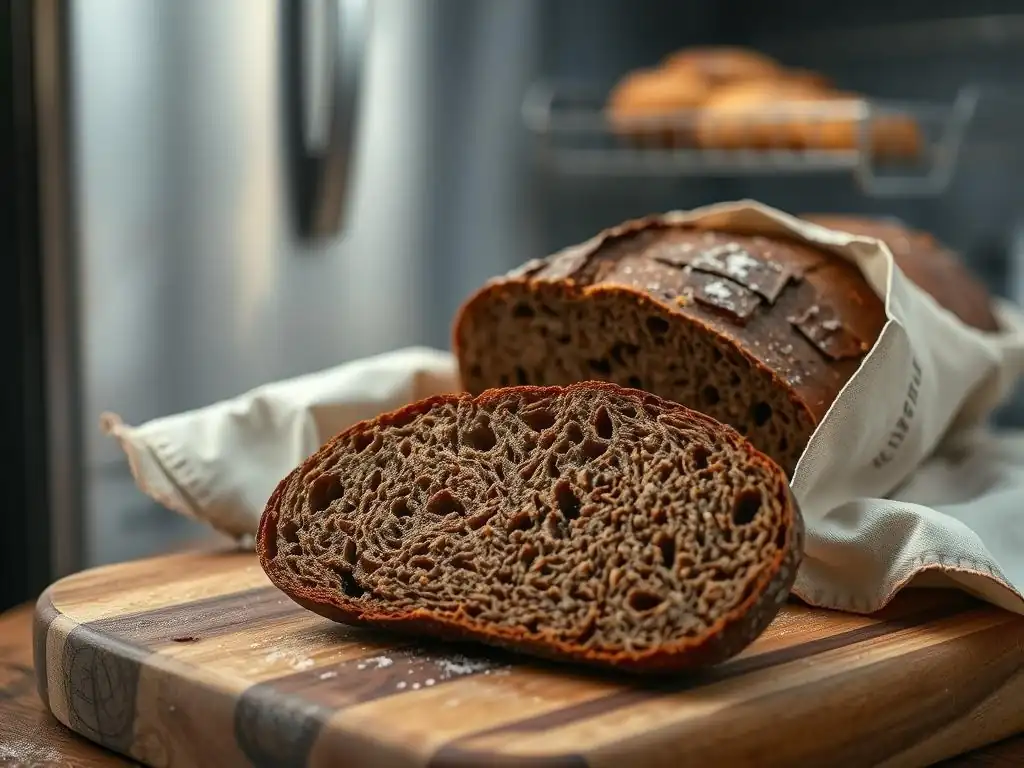
My Sourdough Rye Bread Became Moldy: What Went Wrong?
If your sourdough rye bread developed mold, it's usually a sign that conditions were too favorable for mold spores to grow. The most common culprits are:
- Storing before completely cooled: This traps moisture and heat, creating a humid microclimate perfect for mold.
- Excessive humidity: Storing in a very humid environment, especially in an airtight container like a plastic bag, traps moisture on the surface.
- Warm temperatures: Warmth accelerates mold growth. Storing bread in a warm kitchen area, especially combined with humidity, is risky.
- Too long at room temperature: Even with proper storage, there's a limit. After 3-5 days at room temperature, depending on conditions, mold risk increases significantly.
To prevent this, ensure the bread is fully cool, use breathable storage for short-term, consider refrigeration or freezing for longer periods, and store bread in a cool, dry spot away from direct sunlight or heat.
My Sourdough Rye Bread is Dry and Hard: How to Prevent It
If your sourdough rye bread has become dry and hard, it has likely lost too much moisture from its crumb – the staling process. This often happens due to:
- Insufficient wrapping: Leaving the bread exposed to air or using a wrap that isn't effective at retaining moisture (like a single layer of thin cloth in a dry environment).
- Refrigeration: As noted, refrigeration speeds up the staling process by accelerating starch retrogradation.
- Storing for too long: Even with good storage, bread will eventually stale over time.
To prevent dryness, use appropriate sourdough rye bread storage methods that balance breathability with moisture retention, such as a bread box or proper wrapping. If refrigerating, ensure the bread is well-sealed and accept that it will likely become drier than if stored at room temp. For long-term storage, freezing is the best way to prevent staling.
The Crust of My Sourdough Rye Bread Lost Its Crispness: Solutions
A soggy or soft crust is usually caused by the crust absorbing moisture. This can happen from:
- Trapped moisture: Storing the bread in an airtight container like a plastic bag, especially if it wasn't fully cool or the ambient humidity is high. The moisture evaporating from the crumb gets trapped and softens the crust.
- High ambient humidity: Even in breathable storage, a very humid environment can soften the crust.
While it's difficult to keep a sourdough rye crust perfectly crisp for days, especially in humid conditions, you can minimize softening by using breathable storage methods like a bread box or cloth wrap for room temperature storage. Avoid airtight plastic for fresh, whole loaves. If the crust does soften, you can often revive its crispness by reheating the bread or slices in a moderate oven as described in the thawing section.
Enjoying Your Freshly Stored Sourdough Rye Bread
Serving Suggestions for Sourdough Rye
Proper sourdough rye bread storage ensures you have delicious bread ready to enjoy in numerous ways. Its hearty flavor and dense texture make it incredibly versatile. It's fantastic simply sliced and served with butter, cheese, or charcuterie. Toasted slices are a revelation, providing a warm, crunchy base for toppings like avocado, smoked salmon, or cream cheese and chives.
Sourdough rye also pairs beautifully with soups and stews, perfect for dipping or serving alongside. Consider it for open-faced sandwiches or hearty tartines. The slight tang complements both savory and sweet toppings. Whether it's a simple breakfast or a component of a larger meal, well-stored sourdough rye bread is a delight.
Recipes Using Stored Sourdough Rye Bread
Don't limit your stored sourdough rye bread to just slicing! Even if it's slightly past its prime for fresh slicing, it can be transformed into delicious dishes. Stale or slightly dry sourdough rye is perfect for making croutons; simply cube the bread, toss with olive oil and seasonings, and bake until golden and crisp. These are wonderful for salads or soup toppings.
Another classic use is for breadcrumbs. Process dried or slightly stale sourdough rye in a food processor to make flavorful breadcrumbs for coating cutlets, topping casseroles, or using as a binder in meatballs. For something heartier, consider using slices in a savory bread pudding or strata, where the bread soaks up liquids and bakes into a comforting dish. Sourdough rye bread storage opens up a world of culinary possibilities, ensuring no crumb goes to waste.
Frequently Asked Questions
How long does sourdough rye bread typically stay fresh?
Sourdough rye bread can stay fresh for up to 5-7 days when stored properly. This is due to the natural preservatives in the sourdough starter and rye flour.
What's the best way to store sourdough rye bread to maintain its crust?
To keep the crust crisp, allow the bread to cool completely and then store it in a paper bag or loosely wrapped in parchment paper. This allows for some air circulation.
Should I refrigerate sourdough rye bread?
Refrigerating sourdough rye bread is generally not recommended as it can cause the bread to dry out and become stale faster. Room temperature storage is preferable.
Can I freeze sourdough rye bread?
Yes, freezing is an excellent way to extend the shelf life of your sourdough rye. Wrap it tightly in plastic wrap followed by a layer of foil or place it in a freezer-safe bag.
How do I revive slightly stale sourdough rye bread?
You can revive slightly stale bread by lightly dampening the crust and baking it in a preheated oven at 350°F (175°C) for 5-10 minutes. This will help to crisp up the crust.
Final Reflection: The Enduring Crust: Preserving the Perfect Sourdough Rye
The art of baking sourdough rye bread is a testament to patience and precision, but its journey doesn't end with the oven's cooling. Mastering the perfect loaf is only half the battle; preserving its incredible flavor and texture requires an understanding of proper storage techniques. This knowledge, once a closely guarded secret among bakers, is now readily available, ensuring that everyone can enjoy the full potential of this complex and rewarding bread.
The impact of readily available information on sourdough baking techniques is profound. It's democratized a craft once considered exclusive, allowing home bakers to achieve professional-level results. This accessibility fosters a deeper appreciation for the ingredients, the process, and the final product. As we connect more deeply with our food, we also connect more deeply with ourselves and our culinary heritage. Bread is the staff of life,
a simple phrase that holds immense weight when considering the cultural and historical significance of baking.
Now, consider your own loaf. What techniques will you employ to ensure its longevity and deliciousness? Will you embrace the challenge of extending the life of your sourdough rye, savoring each slice as a testament to your baking journey? Experiment with different methods, discover what works best for you, and share your discoveries with others. The journey of perfecting sourdough rye bread storage is ongoing, and your contribution is invaluable.
Unlock the Secrets to Perfectly Preserved Rye!
Thanks for diving into the world of sourdough rye with us! We hope you now feel confident in baking and storing this delicious bread. Ready to take your rye game to the next level?
- Master the art of rye preservation: Try our recommended freezing technique (detailed in the article) to enjoy perfectly fresh bread weeks later!
- Experiment with different storage methods: Compare the results of freezing versus refrigeration to see what works best for your lifestyle. Share your findings in the comments!
- Inspire your friends: Share this article with your fellow baking enthusiasts – let's build a community of rye bread lovers!
What’s your favorite way to ensure your sourdough rye stays delightfully fresh?