
Create BakeryQuality Bread at Home: Essential Equipment Guide

Welcome to BakeWithEase!
Ever dreamt of filling your kitchen with the irresistible aroma of homemade bakery-quality bread, but felt intimidated by the seemingly complex process? Unravel the secrets to achieving that perfect crust and airy crumb right in your own kitchen. Our guide to essential baking equipment will demystify the tools you need and empower you to create loaves that rival your favorite bakery. Ready to elevate your bread baking game? Let's get started!
- Achieve Bakery-Level Bread: Your Home Baker's Equipment Checklist
- The Foundation: Essential Bread Making Tools for Beginners
- Elevating Your Bread: Intermediate Bread Making Equipment
- Advanced Techniques & Equipment for Artisan Bread Perfection
- Maximizing Your Investment: Care and Maintenance Tips for Bread Making Equipment
- From Beginner to Artisan: Building Your Bread Making Arsenal
- Transforming Your Kitchen into a Bakery: Your Journey to Homemade Bakery Quality Bread Starts Now!
-
Frequently Asked Questions
- What essential equipment do I really need to start baking homemade bakery quality bread?
- How important is a stand mixer for achieving bakery quality results?
- What kind of flour is best for homemade bakery quality bread?
- Can I use my regular home oven to get bakery quality bread?
- What are some common mistakes that prevent people from achieving homemade bakery quality bread?
- Final Reflection: The Joy of Homemade, Bakery-Quality Bread
- Unleash Your Inner Baker: Craft Perfect Loaves Today!
Achieve Bakery-Level Bread: Your Home Baker's Equipment Checklist
Mastering Homemade Bakery Quality Bread: The Right Tools Make the Difference
Achieving that coveted golden crust, airy interior, and deep flavor of bakery-quality bread right in your own kitchen might seem daunting, but it's entirely within reach. While skill and practice are paramount, having the correct tools significantly streamlines the process and improves your results. Think of it like any craft; a carpenter needs precise saws and levels, just as a baker benefits immensely from accurate scales, efficient mixers, and specialized baking surfaces. The right equipment ensures consistency, allowing you to replicate successful bakes and troubleshoot when things don't go exactly as planned.
Using appropriate tools helps manage sticky doughs, control fermentation temperatures, achieve optimal oven spring, and develop that perfect crust. For instance, attempting to hand-knead a high-hydration sourdough can be incredibly challenging, whereas a stand mixer handles it with ease. Similarly, baking a loaf directly on a cold oven rack versus a preheated baking stone or Dutch oven makes a dramatic difference in how the crust forms and the loaf rises. Investing in reliable equipment designed for bread making is a crucial step on your journey to creating truly stunning homemade bakery quality bread.
The Foundation: Essential Bread Making Tools for Beginners
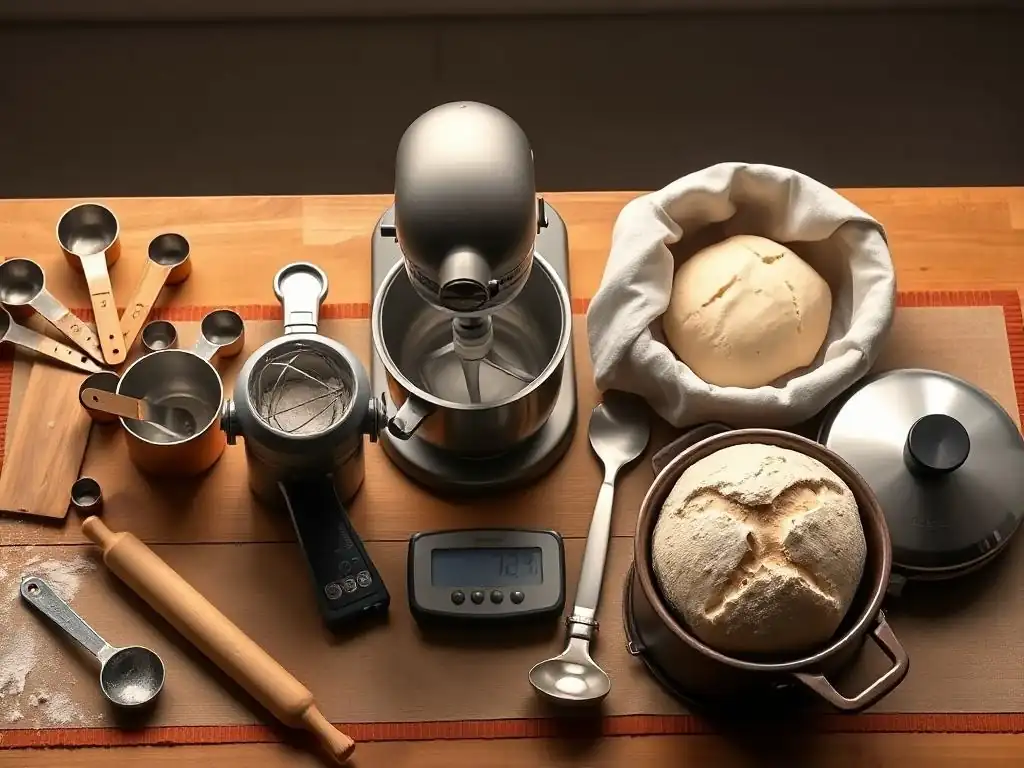
Stand Mixer: The Baker's Workhorse (Consider KitchenAid or Bosch)
A quality stand mixer can be a game-changer, especially when working with larger batches or stickier, high-hydration doughs common in artisan bread. While kneading by hand is a rewarding skill, a mixer provides consistent, even development of gluten, which is essential for bread structure.
Models like the KitchenAid Artisan (often with a 5-quart bowl) or the Bosch Universal Plus (known for its powerful motor and unique bottom-drive system, typically a 6.5-quart capacity) are popular choices due to their durability and effectiveness in handling bread dough. They save significant time and effort, making the baking process more accessible and less physically demanding.
Beyond just kneading, a stand mixer with the right attachments can be used for mixing sponges, starters, or even enriched doughs for brioche or challah. The consistent speed and power ensure that ingredients are thoroughly combined and the dough reaches the desired development stage, whether that's a smooth, elastic texture or a shaggy mass ready for resting. While an initial investment, a robust stand mixer is a cornerstone piece of equipment that will serve you well for years as you explore the world of homemade bakery quality bread.
Digital Kitchen Scale: Precision for Perfect Loaves
Baking is a science, and precision is key. Unlike cooking, where a pinch of this or a dash of that works, baking relies on specific ratios of ingredients. Using volume measurements (cups and spoons) can be wildly inaccurate due to variations in how ingredients are packed or the type of ingredient itself (e.g., sifted vs. unsifted flour). A digital kitchen scale allows you to measure ingredients by weight, providing the accuracy needed for consistent results. Most recipes for homemade bakery quality bread, especially artisan ones, are written in grams or ounces for this very reason.
Even a simple digital scale that measures in grams and ounces, typically with a capacity of 5kg or 10kg and precision down to 1g, is sufficient for most home baking needs. More advanced scales offer precision down to 0.1g, useful for small quantities of yeast or salt in certain recipes. Using a scale ensures you are using the exact amount of flour, water, salt, and yeast specified in the recipe, eliminating a major variable and significantly increasing your chances of baking perfect loaves every time. Precision weighing is fundamental to mastering homemade bakery quality bread.
Dough Scraper: Your Dough Handling Ally
Often overlooked, a simple dough scraper is an indispensable tool for any bread baker. There are typically two types: a bench scraper (usually a rigid metal blade with a handle) and a bowl scraper (a flexible plastic or silicone tool). The bench scraper is excellent for dividing dough portions, scraping sticky dough off your work surface, and even lifting and folding dough during bulk fermentation. Its straight edge makes cleaning flour and dough residue from counters quick and efficient.
The flexible bowl scraper is perfect for getting every last bit of dough out of your mixing bowl and for gently folding or manipulating wet doughs without tearing them. These inexpensive tools make handling dough much easier, reducing mess and frustration. Whether you're portioning dough for rolls or gently coaxing a high-hydration ciabatta from its proofing container, a dough scraper quickly becomes one of the most frequently used items in your homemade bakery quality bread toolkit.
Proofing Basket (Banneton): Shaping Your Dream Loaf
Proofing baskets, also known as bannetons, are used to give shaped bread dough structure and support during its final rise (proofing). They come in various shapes and sizes, typically round or oval, mimicking common bread loaf forms. Bannetons are often made from cane, but plastic, wood pulp, and coiled rope options are also available. Before use, they are usually dusted generously with flour (rice flour is particularly good as it's less likely to stick) to prevent the dough from adhering to the basket.
As the dough proofs in the banneton, it holds its shape and develops tension on the surface. If using a cane basket, the spiral pattern of the basket also imparts a beautiful pattern onto the surface of the dough. The material of the basket, especially cane or wood pulp, can also help wick away a small amount of surface moisture from the dough, contributing to a better crust. Using a banneton is a simple yet effective way to ensure your shaped dough maintains its form and structure before baking, contributing to a well-formed loaf of homemade bakery quality bread.
Elevating Your Bread: Intermediate Bread Making Equipment
Dutch Oven: The Secret to a Crispy Crust
For many home bakers, a Dutch oven is the single most transformative piece of equipment for achieving a professional-quality crust on their bread, particularly sourdough and lean doughs. The magic happens because the heavy lid traps steam released by the dough as it bakes.
This steamy environment keeps the surface of the dough moist during the initial phase of baking, allowing the loaf to expand fully (oven spring) before the crust sets. Once the lid is removed partway through baking, the moist surface quickly dries out and browns, resulting in a thick, crispy crust that's hard to achieve in a standard home oven without added steam.
Cast iron Dutch ovens, like those from Lodge or Le Creuset, are popular choices because they retain and distribute heat exceptionally well. A size between 5 and 7 quarts is typically suitable for baking standard 1kg or 500g loaves. The intense, even heat from the preheated pot also contributes to a strong bottom crust and excellent overall bake. Baking in a Dutch oven is a highly effective method for consistently producing homemade bakery quality bread with that desirable crackly crust.
Bread Lame: Scoring for Oven Spring and Aesthetic Appeal
A bread lame (pronounced "lahm") is a tool used to score or slash the surface of bread dough just before it goes into the oven. Scoring serves both a functional and an aesthetic purpose. Functionally, it provides controlled points of expansion for the dough as it experiences oven spring. Without scoring, the loaf might burst unpredictably at its weakest point, resulting in a less attractive shape. Properly scored dough expands along the cuts, allowing for maximum rise.
Aesthetically, scoring allows bakers to create beautiful patterns on the surface of the loaf, from simple single slashes to intricate designs. A lame typically uses a razor blade, which provides a very sharp edge necessary for making clean cuts in the dough without dragging or tearing it. Different lames hold the blade straight or curved, allowing for different types of cuts (e.g., straight cuts for baguettes, curved cuts for ear development on boules). Mastering the use of a lame is key to achieving both optimal rise and the signature look of artisan homemade bakery quality bread.
Baking Stone or Steel: Even Heat Distribution for a Perfect Bake
Baking stones (made of ceramic or cordierite) and baking steels (made of steel) are heavy plates that are preheated in the oven before the bread is placed on them. Their primary function is to store and radiate heat very efficiently. When the dough is placed on the hot surface, it receives a powerful burst of heat from underneath, which helps the loaf achieve maximum oven spring quickly. This intense initial heat is difficult to replicate on a standard oven rack or baking sheet.
Beyond providing a thermal shock that aids oven spring, stones and steels also help maintain a consistent temperature throughout the baking process by acting as a heat sink. This even heat distribution promotes uniform cooking and contributes to a well-developed bottom crust. Steels generally conduct heat more efficiently and quickly than stones, often resulting in a more pronounced spring and crispier bottom crust, though stones are also highly effective. Using a baking stone or steel is a significant step up in achieving the even bake and crust development characteristic of homemade bakery quality bread.
Advanced Techniques & Equipment for Artisan Bread Perfection
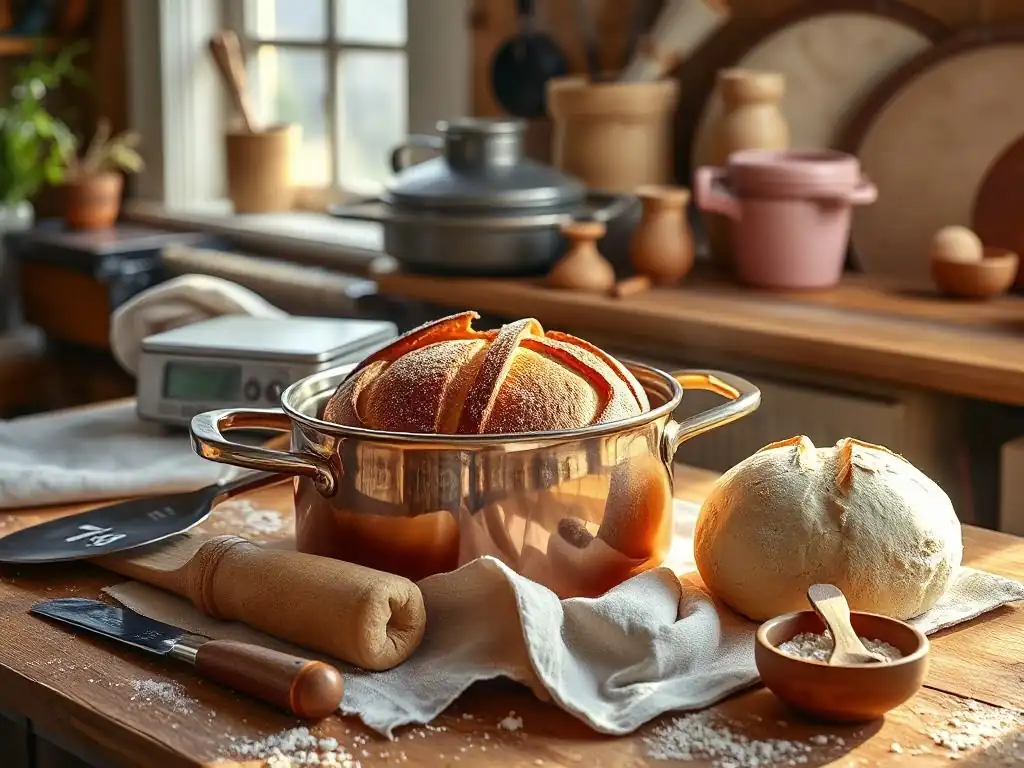
Bread Proofer: Controlled Environment for Consistent Proofing
Controlling the environment during proofing is critical for consistent bread baking, especially when working with sourdough or enriched doughs that require specific temperature and humidity levels. While home ovens with a light on or proofing settings can work, a dedicated bread proofer, like the Brod & Taylor folding proofer, offers precise control over temperature (typically from 70°F to 120°F or 21°C to 49°C) and humidity. Maintaining a stable temperature ensures predictable fermentation rates, which is essential for developing flavor and achieving the correct dough structure before baking.
Humidity control prevents the surface of the dough from drying out during the long proofing times often required for artisan breads. A dry surface can restrict oven spring. A proofer provides a humid environment, keeping the dough supple and allowing for optimal expansion. For serious home bakers looking to replicate professional results consistently, particularly in varying kitchen environments or climates, a bread proofer is an invaluable tool for mastering homemade bakery quality bread.
Bread Flour: Selecting the Right Flour for Homemade Artisan Bread
While technically an ingredient rather than equipment, the type of flour you use is as crucial as any tool for creating homemade bakery quality bread. Bread flour is specifically milled to have a higher protein content, typically ranging from 12% to 14%, compared to all-purpose flour (around 10-12%) or cake flour (around 8%). This higher protein level means more gluten can be developed when the flour is mixed with water and kneaded. Gluten is the protein network that gives bread dough its elasticity and structure, allowing it to trap gases produced by yeast and rise.
Using a high-quality bread flour provides the necessary strength and structure for a well-risen loaf with a good crumb structure. Different brands and types of bread flour (e.g., white bread flour, whole wheat bread flour, high-gluten flour) will yield different results in terms of flavor, texture, and handling properties. Understanding the protein content and characteristics of your flour and selecting the appropriate type for your recipe is fundamental to achieving the desired outcome in your homemade bakery quality bread.
Maximizing Your Investment: Care and Maintenance Tips for Bread Making Equipment
Keeping Your Equipment in Top Condition for Long-Lasting Use
Proper care and maintenance are essential to ensure your bread making equipment lasts for years and continues to perform optimally. Stand mixer bowls and attachments should be washed promptly after use to prevent dough from drying and hardening. For items like baking stones, avoid using soap, as it can be absorbed and affect the taste of future bakes; typically, a simple scrape and wipe-down after it has cooled is sufficient. Baking steels can usually be washed with soap and water, then dried thoroughly to prevent rust, and may benefit from occasional seasoning like cast iron.
Bannetons should be allowed to dry out completely after use, then brushed clean of excess flour. Avoid washing cane bannetons with water unless absolutely necessary, and ensure they are bone dry before storing to prevent mold. Dutch ovens should be cleaned according to the manufacturer's instructions, especially cast iron ones which require seasoning. Taking a few extra minutes to clean and properly store your tools after each baking session will protect your investment and keep your equipment ready for the next batch of homemade bakery quality bread.
From Beginner to Artisan: Building Your Bread Making Arsenal
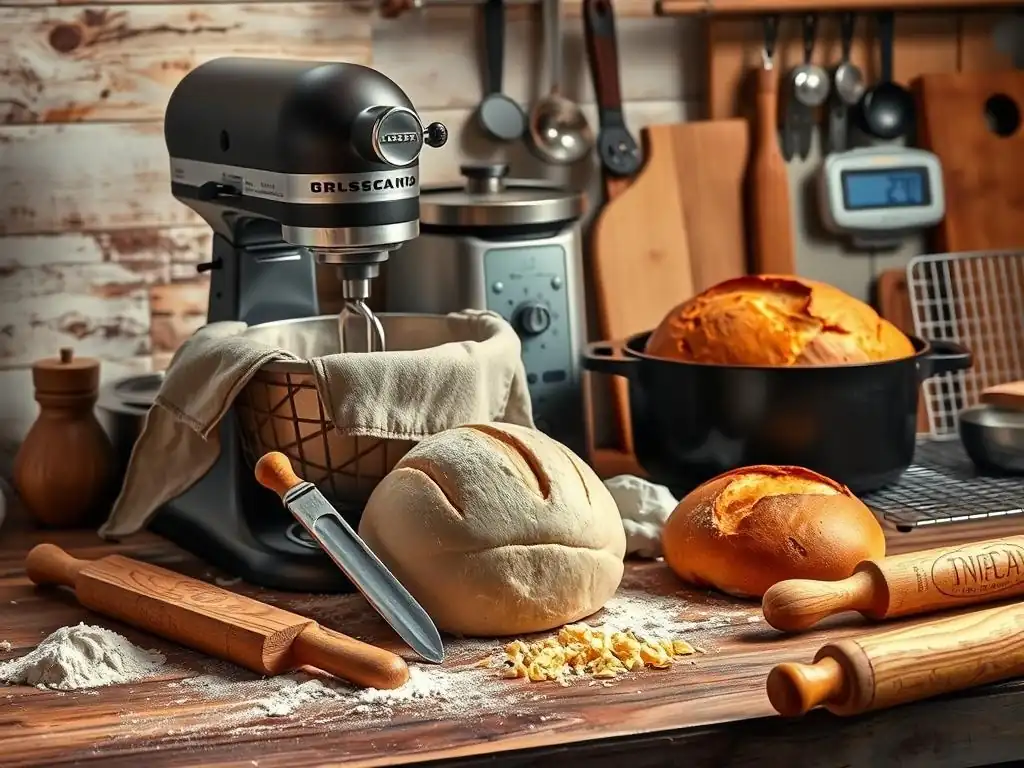
Starting Small and Gradually Expanding Your Equipment Collection
Embarking on your journey to bake homemade bakery quality bread doesn't require purchasing every piece of equipment discussed here all at once. For beginners, a few key items make a significant difference: a reliable digital scale for accuracy, a good quality stand mixer (if hand kneading isn't preferred), and a dough scraper are excellent starting points. These tools will allow you to confidently tackle many basic bread recipes and build your skills.
As you gain confidence and want to explore more advanced techniques or specific bread types, you can gradually add to your collection. A Dutch oven is often the next recommended purchase for improving crust quality. Later, items like a baking stone or steel, a lame for scoring, and eventually a bread proofer can be added as you refine your process and aim for even greater consistency and artistry in your homemade bakery quality bread. Building your arsenal thoughtfully allows you to invest in tools that match your growing skills and baking ambitions.
Transforming Your Kitchen into a Bakery: Your Journey to Homemade Bakery Quality Bread Starts Now!
Transforming Your Kitchen into a Bakery: Your Journey to Homemade Bakery Quality Bread Starts Now!
Stepping into the world of baking homemade bakery quality bread is a rewarding adventure that transforms your kitchen into a place of creation and warmth. With the right knowledge and a carefully chosen set of tools, you can move beyond simple loaves and begin crafting bread that rivals your favorite local bakery. Each piece of equipment, from the foundational digital scale ensuring precise measurements to the artisan's Dutch oven creating that perfect crust, plays a role in elevating your bake.
Embrace the process, learn from each loaf, and gradually equip yourself with the tools that will support your growth as a baker. The satisfaction of pulling a perfectly baked loaf of homemade bakery quality bread from your own oven is immense, filling your home with an aroma that store-bought bread simply cannot replicate. Start with the essentials, practice your technique, and enjoy the journey of mastering this ancient and comforting craft.
Frequently Asked Questions
What essential equipment do I really need to start baking homemade bakery quality bread?
While fancy equipment is nice, you can start with basics: a good quality oven, a mixing bowl, and a measuring set. A Dutch oven is also highly recommended for superior crusts.
How important is a stand mixer for achieving bakery quality results?
A stand mixer isn't strictly necessary, but it makes kneading dough much easier and more consistent. This consistency is crucial for developing gluten properly.
What kind of flour is best for homemade bakery quality bread?
For most breads, bread flour is ideal because it has a higher protein content. This higher protein creates more gluten, leading to a better texture and rise.
Can I use my regular home oven to get bakery quality bread?
Yes! The key is to preheat your oven thoroughly and use oven safe containers that retain heat. A Dutch Oven is a great option.
What are some common mistakes that prevent people from achieving homemade bakery quality bread?
Over or under-kneading the dough is a frequent issue. Also, not allowing enough time for the dough to rise properly is a common mistake.
Final Reflection: The Joy of Homemade, Bakery-Quality Bread
The pursuit of perfect bread, once a laborious task relegated to professional bakers, is now within everyone's reach. With the right tools and a little patience, the aroma of freshly baked, crusty loaves can fill your home, a testament to the rewarding experience of crafting something delicious from scratch. This accessibility, fueled by readily available information and improved home equipment, is transforming the way we approach baking and connecting us more deeply with our food.
The journey to mastering homemade bread is more than just acquiring the perfect equipment; it's about embracing a process, a ritual that connects us to a rich culinary history. It's about the satisfying knead, the comforting rise, and the sheer joy of sharing the fruits of your labor. As the renowned baker, Jim Lahey, once said, Bread making is a metaphor for life. You put in the work, you nurture it, and you reap the rewards.
This sentiment resonates deeply, highlighting the transformative power of this seemingly simple act.
Now, consider your own kitchen. What stories do your baking tools whisper? What new adventures await you in the world of bread making? I encourage you to take the leap, to experiment with different flours, techniques, and recipes. Don't be afraid to fail; each loaf, whether perfect or imperfect, is a step closer to mastering the art of creating bakery-quality bread in your own home. The journey is as rewarding as the destination, and the taste of homemade bread, warm from the oven, is a reward worth savoring.
Unleash Your Inner Baker: Craft Perfect Loaves Today!
Thanks for taking the time to explore the world of homemade bread! You've just unlocked the secrets to creating bakery-quality loaves right in your kitchen. Now it's time to put your newfound knowledge into action.
- Invest in your dream bread-making equipment: Start with one essential item from the guide – maybe that stand mixer you've been eyeing or a high-quality proofing basket. Think about what will make your baking journey the most enjoyable.
- Share your baking journey: Post a picture of your first loaf (even if it's not perfect!) on social media and tag #BakeWithEase – let's celebrate your success together!
- Explore advanced bread recipes: Challenge yourself with a new technique or ingredient you learned about – sourdough starter, anyone?
What's the first step you'll take to elevate your homemade bread game?