
How to Make Vanilla Cake Without Special Equipment

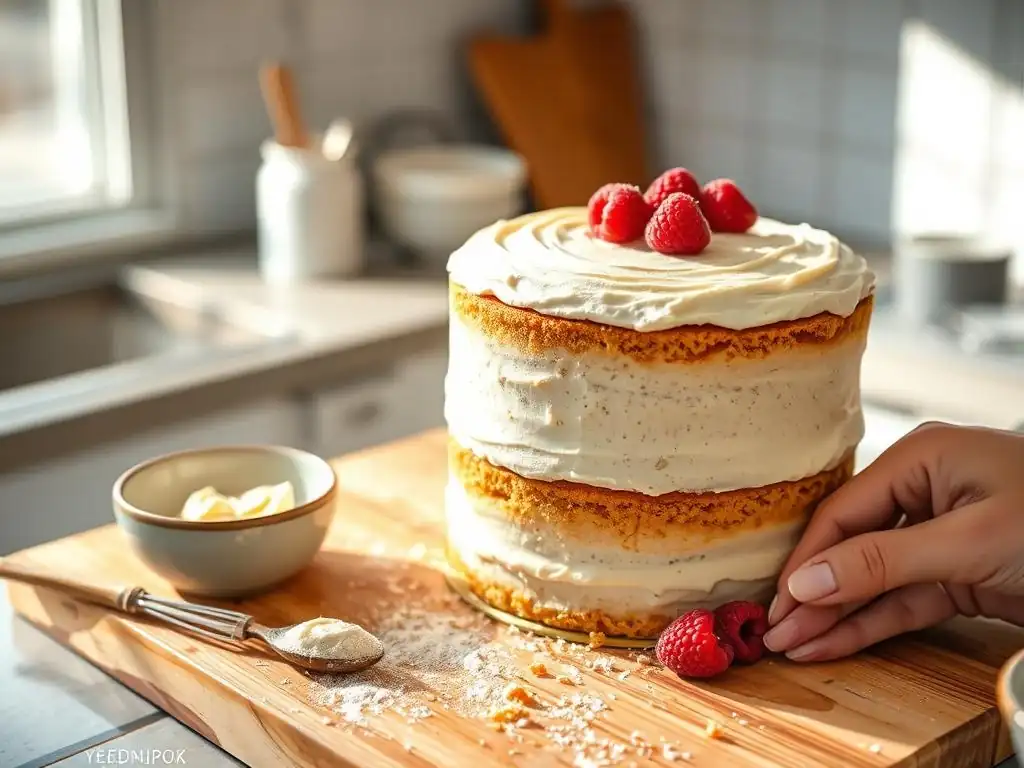
Welcome to BakeWithEase, your companion on a delicious baking journey!
Ever dreamt of a perfectly moist and flavorful vanilla cake, but dread the thought of hauling out the mixer? You're in the right place! Discover our secrets to creating an exceptionally easy vanilla cake no mixer required. Get ready to unlock a world of simple techniques and delightful flavors that will transform your baking experience. Intrigued? Let's get baking!
- Classic Vanilla Cake: A Simple Recipe
- Bake a Delicious Vanilla Cake
- Understanding the Basics: Vanilla Cake Ingredients
- Step-by-Step: Making Vanilla Cake Batter
- Baking Your Vanilla Cake: Temperature and Time
- Cooling and Decorating Your Vanilla Cake
- Vanilla Cake Variations and Tips for Success
- Enjoy Your Homemade Vanilla Cake!
-
Frequently Asked Questions
- How easy is the Easy Vanilla Cake no mixer recipe from BakeWithEase.com?
- What kind of equipment do I need to make the vanilla cake?
- Can I customize the flavor of this vanilla cake, and how?
- What if I don't have all the ingredients listed? Can I substitute anything?
- How do I ensure my vanilla cake is moist and doesn't dry out?
- Final Reflection: The Sweet Simplicity of Baking
- Unleash Your Inner Baker: Make Your First Vanilla Cake Today!
Classic Vanilla Cake: A Simple Recipe
Bake a Delicious Vanilla Cake
Dreaming of a light, fluffy vanilla cake but don't own a stand mixer or fancy equipment? You're in the right place! This guide walks you through creating a delightful classic vanilla cake using just simple tools you likely already have in your kitchen – think bowls, whisks, and spatulas. Making an easy vanilla cake no mixer is not only possible but can be incredibly rewarding, proving that delicious homemade treats are accessible to everyone.
We'll cover everything from selecting the right ingredients and mixing techniques that work beautifully by hand, to baking tips and simple decorating ideas. Forget complicated machinery; the focus here is on straightforward steps and reliable results, ensuring your first (or next!) attempt at a vanilla cake without special equipment is a resounding success. Get ready to enjoy the process and the incredibly satisfying taste of a truly homemade vanilla cake.
Understanding the Basics: Vanilla Cake Ingredients
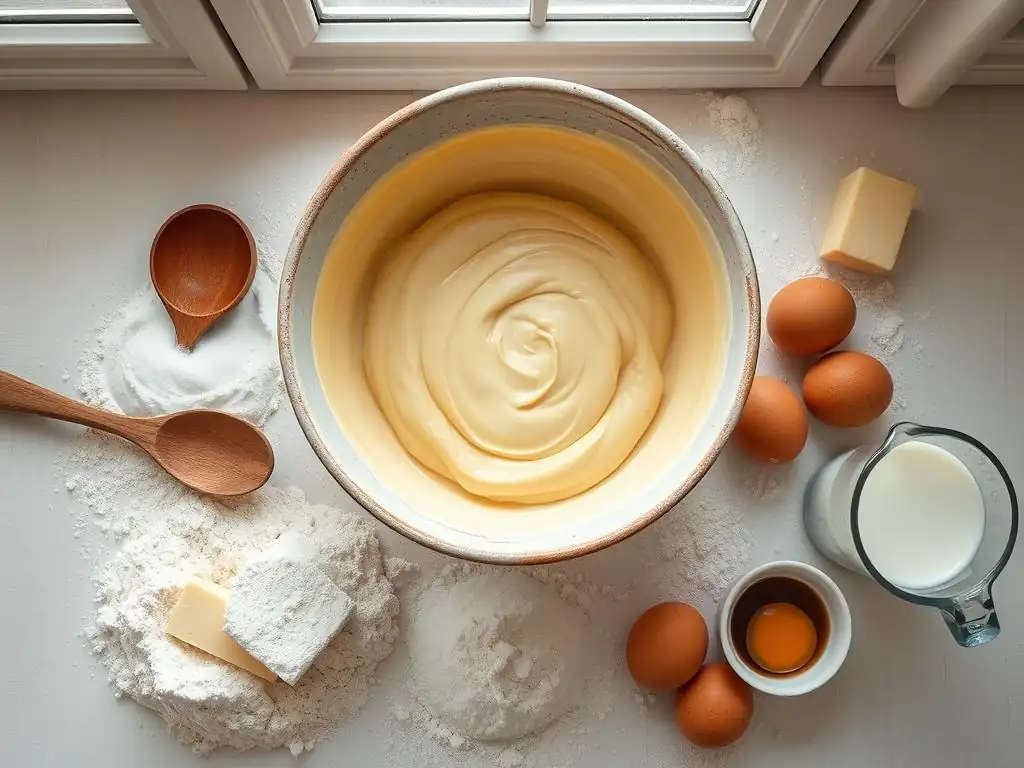
Essential Vanilla Cake Ingredients List
Creating a moist and flavorful vanilla cake starts with understanding the role each ingredient plays. While the specific quantities might vary slightly depending on the recipe's scale (say, for an 8-inch versus a 9-inch cake pan), the core components remain consistent. You'll need all-purpose flour, granulated sugar, baking powder (and sometimes baking soda), salt, eggs, milk, a fat source like butter or oil, and of course, vanilla extract.
All-purpose flour provides the structure, while sugar sweetens and contributes to tenderness and moisture. Baking powder and baking soda are leaveners, responsible for the cake's rise and light texture – typically about 1 to 1.5 teaspoons of baking powder per cup of flour is a common ratio. Eggs bind the ingredients and add richness, milk provides liquid for hydration, and fat adds moisture and tenderness. Vanilla extract, ideally pure extract, is crucial for that classic, comforting flavor.
Ingredient Substitutions
Sometimes you might be missing an ingredient, or perhaps you're looking to adapt the recipe for dietary needs. Many common substitutions are straightforward and can work well in an easy vanilla cake no mixer recipe. For instance, you can often substitute buttermilk for milk by using a slightly smaller amount of regular milk mixed with a tablespoon of white vinegar or lemon juice, letting it sit for about 5-10 minutes until it curdles slightly. This adds tenderness due to its acidity.
For the fat, melted butter or a neutral-flavored oil like vegetable or canola oil can often be used interchangeably in recipes designed for hand mixing, though they yield slightly different textures – oil tends to produce a slightly more moist crumb. If you need a dairy-free option, plant-based milks like almond or soy milk can typically replace dairy milk cup-for-cup, and melted coconut oil or a plant-based butter substitute can replace dairy butter. Always check specific recipe notes if available, but these general principles apply to many basic cake formulas.
Step-by-Step: Making Vanilla Cake Batter
Mixing Dry Ingredients
The first step in creating your easy vanilla cake no mixer batter is to combine all the dry ingredients thoroughly. This usually involves whisking together the flour, sugar, baking powder, salt, and any other dry leaveners or spices called for in your specific recipe. Whisking serves a crucial purpose: it not only combines the ingredients evenly but also helps to aerate the flour slightly, which contributes to a lighter cake texture.
While not strictly necessary for every recipe, sifting the dry ingredients together can further enhance the lightness and ensure there are no lumps, particularly in recipes that rely heavily on chemical leaveners. Use a fine-mesh sieve and gently tap it to sift the mixture into a large bowl. Even without sifting, a vigorous whisking for about 30-60 seconds will usually suffice to distribute the baking powder and salt evenly throughout the flour.
Combining Wet Ingredients
In parallel with the dry ingredients, you'll prepare the wet components. This typically involves whisking together the eggs, milk, vanilla extract, and your chosen fat (if using melted butter or oil) in a separate bowl. It's often recommended that the wet ingredients, especially the eggs and milk, are at room temperature. Room temperature ingredients emulsify better and create a smoother batter, which is particularly helpful when mixing by hand.
Whisk the wet ingredients until they are well combined and the mixture is relatively uniform in color and consistency. If your recipe uses softened butter that you need to cream with sugar by hand (though many no-mixer recipes use melted fat for simplicity), you would vigorously whisk or beat the softened butter and sugar together in this step until pale and fluffy before adding the eggs and liquids. For a simple melted butter or oil cake, just whisking everything together is sufficient.
Folding Wet and Dry Ingredients Together
This is perhaps the most critical step for ensuring a tender cake when mixing by hand. You will gradually add the wet ingredients to the dry ingredients, or vice versa, depending on the specific recipe method. The key is to mix just until the ingredients are combined and no dry streaks of flour remain. Overmixing the batter develops the gluten in the flour too much, resulting in a tough or dense cake, which is even more noticeable when mixing vigorously by hand compared to a gentle mixer.
Use a spatula or a wooden spoon to gently fold the wet and dry mixtures together. Start from the bottom of the bowl and fold upwards and inwards, rotating the bowl as you go. Scrape down the sides of the bowl periodically to ensure all the flour is incorporated. The batter should be relatively smooth but don't worry about small lumps; it's better to have a few tiny lumps than to overmix. Stop mixing as soon as the last bit of dry flour disappears into the batter.
Baking Your Vanilla Cake: Temperature and Time
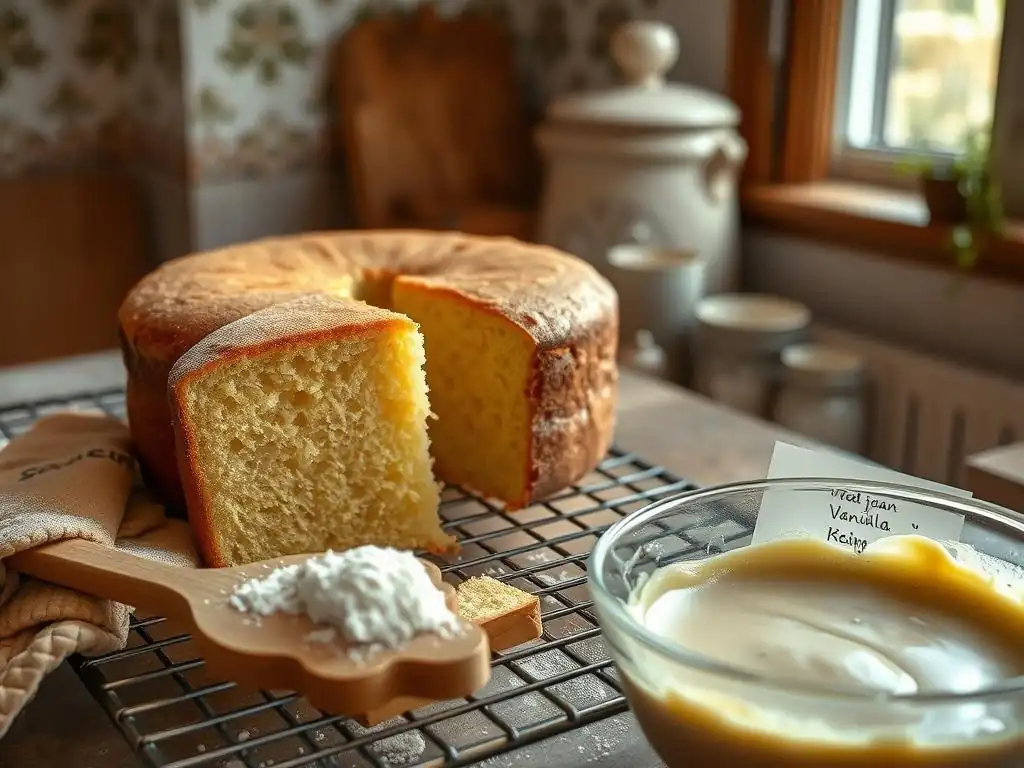
Preparing Your Cake Pan
Properly preparing your cake pan is essential to prevent your beautiful vanilla cake from sticking and to ensure it releases cleanly after baking. For a standard 8-inch or 9-inch round cake pan, you'll typically start by greasing the inside surfaces thoroughly with butter, shortening, or a baking spray. Make sure to get into all the corners and up the sides.
After greasing, many bakers like to flour the pan as well, especially for vanilla cakes. Add a tablespoon or two of all-purpose flour to the greased pan, then tilt and rotate the pan to coat the greased surfaces evenly. Tap out any excess flour. For extra security, especially for delicate cakes, you can also cut a circle of parchment paper to fit the bottom of the pan and place it on top of the grease/flour layer before pouring in the batter. This creates a non-stick barrier at the base.
Oven Temperature
Baking at the correct and consistent oven temperature is fundamental to achieving a well-risen and evenly cooked cake. For most standard vanilla cake recipes, including an easy vanilla cake no mixer, a temperature of 350°F (175°C) is common. This moderate temperature allows the cake to rise gradually and cook through without the edges burning before the center is set.
It's wise to preheat your oven for at least 15-20 minutes before baking. Ovens can fluctuate in temperature, and preheating ensures the oven cavity is at the target temperature when the cake goes in, providing consistent heat from the start. Using an oven thermometer can help verify that your oven is heating accurately to 350°F (175°C), as oven thermostats aren't always perfectly calibrated.
Baking Time and Testing for Doneness
The baking time for a vanilla cake can vary depending on the size and depth of your pan, as well as your specific oven. For a single 8-inch or 9-inch layer cake baked at 350°F (175°C), the baking time is typically between 30 to 35 minutes. For smaller cupcakes, it might be closer to 20-25 minutes, while a larger or deeper cake might take longer.
Do not open the oven door frequently during baking, especially in the first 20-25 minutes, as this can cause the cake to collapse. To test for doneness, gently insert a clean toothpick or a thin wooden skewer into the center of the cake. If it comes out clean with no wet batter attached, the cake is done. A few moist crumbs clinging to the toothpick are acceptable, but wet batter indicates it needs more time. The cake should also feel springy to the touch and the edges may start pulling slightly away from the sides of the pan.
Cooling and Decorating Your Vanilla Cake
Cooling the Cake Properly
Allowing your vanilla cake to cool correctly is just as important as the baking process itself. Once the cake is removed from the oven and tests done, let it cool in its pan on a wire rack for about 10-15 minutes. This initial cooling period allows the cake to firm up slightly, making it less likely to break when you remove it from the pan.
After the initial cooling in the pan, invert the cake onto the wire rack to cool completely. The wire rack allows air to circulate around the entire cake, preventing the bottom from becoming soggy with trapped steam. Ensure the cake is fully cooled before attempting to frost or decorate it, which can take anywhere from 1 to 2 hours depending on the cake's size and ambient temperature. Frosting a warm cake will cause the frosting to melt and slide off.
Simple Vanilla Cake Frosting Ideas
An easy vanilla cake no mixer deserves a simple yet delicious frosting. You don't need a powerful mixer for a tasty topping. A classic choice is a simple glaze made by whisking powdered sugar with a little milk or lemon juice until you reach a pourable consistency – about 1 cup of powdered sugar to 1-2 tablespoons of liquid is a common starting point.
For something a bit richer, a simple buttercream can be made by hand, though it requires some vigorous whisking. Beat softened butter (about 1/2 cup) with a whisk until creamy, then gradually beat in powdered sugar (about 2-3 cups), alternating with a few tablespoons of milk or cream and a splash of vanilla extract, until smooth and spreadable. Alternatively, a simple cream cheese frosting, made by softening cream cheese and whisking in powdered sugar and vanilla, is also delightful and doesn't require a heavy-duty mixer.
Easy Decorations
Decorating your homemade vanilla cake can be fun and doesn't require complex piping skills. Once frosted, you can simply smooth the frosting with an offset spatula or the back of a spoon. For a rustic look, create swirls or peaks in the frosting.
Simple decorations like sprinkles are always a crowd-pleaser and easy to apply. Fresh berries, like raspberries or sliced strawberries, arranged decoratively on top add color and freshness. A dusting of powdered sugar through a sieve or a simple pattern made with a stencil and cocoa powder or powdered sugar can also create an elegant look with minimal effort. Edible flowers or chopped nuts around the base are other easy options.
Vanilla Cake Variations and Tips for Success
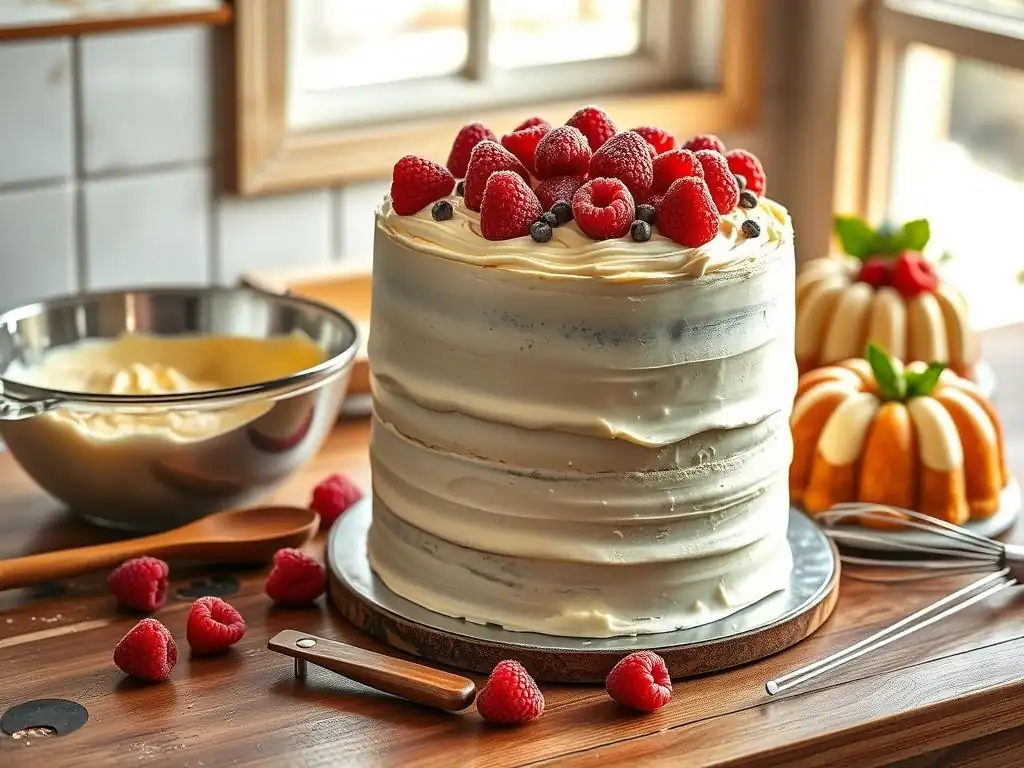
Adding Flavor Variations
While classic vanilla is wonderful, this easy vanilla cake no mixer base recipe is perfect for simple flavor variations. You can easily add citrus zest, like lemon, orange, or lime, to the wet ingredients for a bright, zesty cake. Typically, the zest of one medium lemon is enough to impart a noticeable flavor in a standard cake recipe.
Another simple variation is to swirl in a few tablespoons of melted chocolate or cocoa powder mixed with hot water into a portion of the batter just before baking for a marble effect. Adding a different extract, such as almond extract (use sparingly, perhaps 1/4 to 1/2 teaspoon), coconut extract, or even a spice like a pinch of nutmeg or cardamom to the dry ingredients can subtly change the flavor profile of your simple vanilla cake.
Troubleshooting Common Issues
Even with an easy vanilla cake recipe, sometimes things don't go exactly as planned. If your cake turns out dense or tough, the most common culprit is overmixing the batter after adding the dry ingredients. Remember to mix just until the flour is incorporated. If the cake is dry, it was likely overbaked; ensure you test for doneness accurately using the toothpick test and remove it from the oven promptly.
A cake that sinks in the middle could be due to opening the oven door too early, incorrect oven temperature (too high initially, causing rapid rising then collapsing), or using too much leavening agent. Ensure your baking powder is fresh (it typically lasts 6-12 months once opened) and measure ingredients accurately, especially the leavening.
Tips for a Moist and Delicious Cake
Achieving a consistently moist and delicious vanilla cake, especially an easy vanilla cake no mixer, relies on a few key practices. Firstly, using ingredients at room temperature helps them emulsify better, leading to a smoother, more uniform batter which bakes more evenly. Take eggs, milk, and butter (if using softened) out of the fridge about 30-60 minutes before you plan to bake.
Secondly, measure your ingredients accurately. Flour, in particular, should be measured correctly – spoon it lightly into your measuring cup and level off the excess with a straight edge; scooping directly from the bag can compact it, leading to too much flour and a dry cake. Finally, avoid the temptation to overbake. As soon as the toothpick comes out clean, the cake is ready to come out of the oven to preserve its moisture.
Enjoy Your Homemade Vanilla Cake!
You've done it! You've successfully baked a beautiful and delicious easy vanilla cake no mixer, proving that you don't need special equipment to create wonderful homemade treats. This simple vanilla cake recipe is versatile, perfect for birthdays, celebrations, or just a comforting afternoon snack.
Slice a generous piece, perhaps topped with your simple frosting or just a dusting of powdered sugar, and savor the classic, sweet flavor of vanilla. Baking by hand connects you more directly to the process, and the result is a truly satisfying, tender cake that feels like a genuine accomplishment. Share it with loved ones or enjoy it yourself – you earned it!
Frequently Asked Questions
How easy is the Easy Vanilla Cake no mixer recipe from BakeWithEase.com?
The recipe is designed for beginner bakers and uses simple techniques. It emphasizes easy-to-find ingredients and step-by-step instructions to ensure success even without prior baking experience.
What kind of equipment do I need to make the vanilla cake?
The Easy Vanilla Cake no mixer recipe specifically avoids the need for special equipment. You'll primarily require basic kitchen tools like bowls, measuring cups, and a baking pan. A whisk or fork is sufficient for mixing.
Can I customize the flavor of this vanilla cake, and how?
Yes, customization is encouraged! You can add extracts, such as almond or lemon, or incorporate spices like cinnamon or nutmeg. Adjust the sugar content to suit your preferences.
What if I don't have all the ingredients listed? Can I substitute anything?
While following the recipe closely is recommended, some substitutions are possible. For example, you might be able to substitute butter with vegetable oil or use plant-based milk instead of dairy milk.
How do I ensure my vanilla cake is moist and doesn't dry out?
To prevent a dry cake, avoid overbaking. Check for doneness using a toothpick test – it should come out with a few moist crumbs. Also, ensure accurate oven temperature and proper measuring of ingredients, especially flour.
Final Reflection: The Sweet Simplicity of Baking
The accessibility of baking, even without specialized equipment, is more relevant than ever in a world increasingly focused on mindful consumption and resourcefulness. Learning to bake a simple vanilla cake without a mixer demystifies the process, proving that delicious treats don't require a complicated arsenal of tools or extensive culinary expertise. It's a testament to the power of basic ingredients and simple techniques.
This exploration of no-mixer vanilla cake resonated deeply with me, highlighting the joy found in creating something delicious from scratch using only readily available tools. It reminded me of the simpler times, where resourcefulness and creativity were paramount in the kitchen. The best things in life are simple,
a phrase often heard, rings particularly true when considering the satisfaction derived from a perfectly baked cake made without the need for fancy equipment. This simple act of baking connects us to a richer culinary heritage, one that values ingenuity and the pleasure of the process over the pursuit of perfection.
Now, I challenge you to embrace the simplicity. Try your hand at this recipe, not just for the delicious cake, but for the experience itself. Feel the satisfaction of creating something wonderful with your own two hands, and discover the joy of baking without the pressure of needing specialized equipment. Let this be a reminder that sometimes, the most rewarding experiences are the simplest ones. Go forth and bake!
Unleash Your Inner Baker: Make Your First Vanilla Cake Today!
Thanks for taking the time to explore our simple guide to making a delicious vanilla cake without any fancy equipment! You’ve just unlocked the secret to effortless baking. Now it's time to put your newfound knowledge into practice.
- Bake your own masterpiece! Grab those simple ingredients, follow the recipe, and experience the joy of creating a homemade vanilla cake from scratch. This is your chance to impress yourself (and others! ).
- Share your baking journey! Snap a picture of your creation and post it on social media – let's see your delicious results! Use #BakeWithEase to connect with our community.
- Explore more easy recipes: Discover other simple and satisfying recipes on our site, designed for bakers of all levels.
So, are you ready to embark on your vanilla cake adventure and share your baking success with us?