
Vegan French Pastry Alternatives: Exploring DairyFree Options

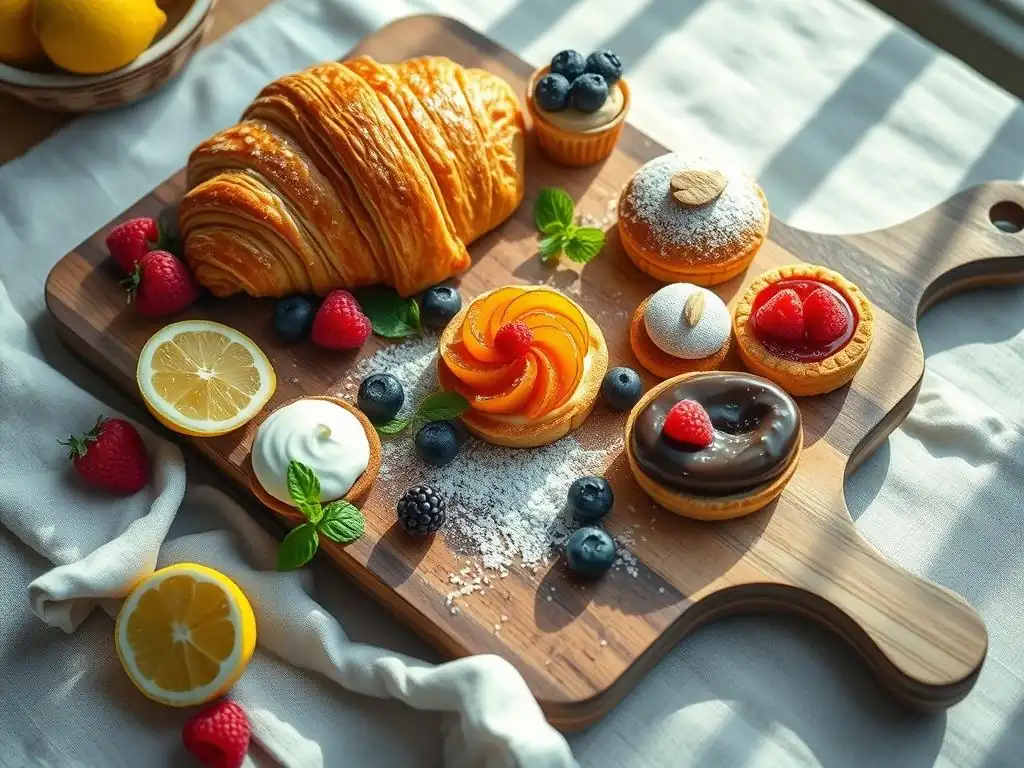
Welcome to BakeWithEase, your passport to the delightful world of baking! Ever dreamed of mastering those elegant French pastries, but thought vegan baking was too challenging? Think again! This week, we're diving into the surprisingly accessible world of vegan French pastry recipes, uncovering delicious dairy-free alternatives that capture the authentic flavors you crave. Intrigued? Let's unlock the secrets to creating exquisite, plant-based treats that will impress everyone.
- Vegan French Pastry Alternatives: Exploring Dairy-Free Options at BakeWithEase
- Introduction: Indulging in Vegan French Pastries
- Understanding Traditional French Pastry Ingredients and Vegan Substitutions
- Vegan French Pastry Recipes: A Selection of Dairy-Free Delights
- Tips and Tricks for Successful Vegan French Pastry Baking
- Conclusion: Expanding Your Vegan Baking Repertoire with French Pastries
-
Frequently Asked Questions
- How can I easily find vegan French pastry recipes on BakeWithEase.com?
- What are some common dairy substitutes used in vegan French pastries?
- Are vegan French pastries as delicious as traditional ones?
- Where can I find step-by-step guides for baking vegan French pastries?
- Are the ingredients for vegan French pastry recipes easy to find?
- Final Reflection: A Sweet Revolution in Pastry
- Unlock the Secrets of Vegan French Pastry!
Vegan French Pastry Alternatives: Exploring Dairy-Free Options at BakeWithEase
Introduction: Indulging in Vegan French Pastries
BakeWithEase: Your Guide to Vegan Baking Mastery
At BakeWithEase, our passion is making baking accessible and enjoyable for everyone, regardless of dietary preferences or skill level. We understand that navigating the world of vegan baking, especially when tackling sophisticated treats like French pastries, can seem daunting. Our goal is to demystify these processes, providing clear, step-by-step guides and reliable tips to help you confidently create delicious, dairy-free versions of classic French delights right in your own kitchen. Whether you're a seasoned baker exploring new frontiers or just starting your plant-based journey, BakeWithEase offers the resources you need to succeed.
We delve into the nuances of ingredients, explain the science behind vegan substitutions, and share tested techniques that yield impressive results. Our comprehensive approach ensures that you not only follow a recipe but also understand why certain steps are crucial, empowering you to adapt and innovate. From achieving the perfect flaky layers in a vegan croissant to mastering the delicate shell of a vegan macaron, BakeWithEase is here to support your aspirations in crafting exquisite Vegan French pastry recipes.
The Rising Popularity of Vegan Baking: Why Dairy-Free French Pastries?
The shift towards plant-based lifestyles is more than just a trend; it's a growing movement driven by health, ethical, and environmental considerations. This surge in veganism has naturally extended to the culinary world, creating a high demand for innovative and delicious vegan alternatives to traditional dishes and desserts. French pastries, with their reliance on butter, eggs, and cream, have historically been off-limits for those following a dairy-free or vegan diet. However, bakers and food scientists have made incredible strides in developing plant-based substitutes that mimic the texture, richness, and flavor of their dairy counterparts.
This innovation means that enjoying a buttery croissant or a delicate éclair is no longer restricted to non-vegans. The desire to replicate the refined elegance and complex flavors of French patisserie using only plant-based ingredients has fueled a wave of creative experimentation. People are seeking Vegan French pastry recipes that live up to the originals, proving that indulgence doesn't have to compromise dietary choices. The accessibility of new vegan ingredients, combined with shared knowledge through platforms like BakeWithEase, makes exploring and mastering dairy-free French pastries more achievable and exciting than ever before.
Understanding Traditional French Pastry Ingredients and Vegan Substitutions
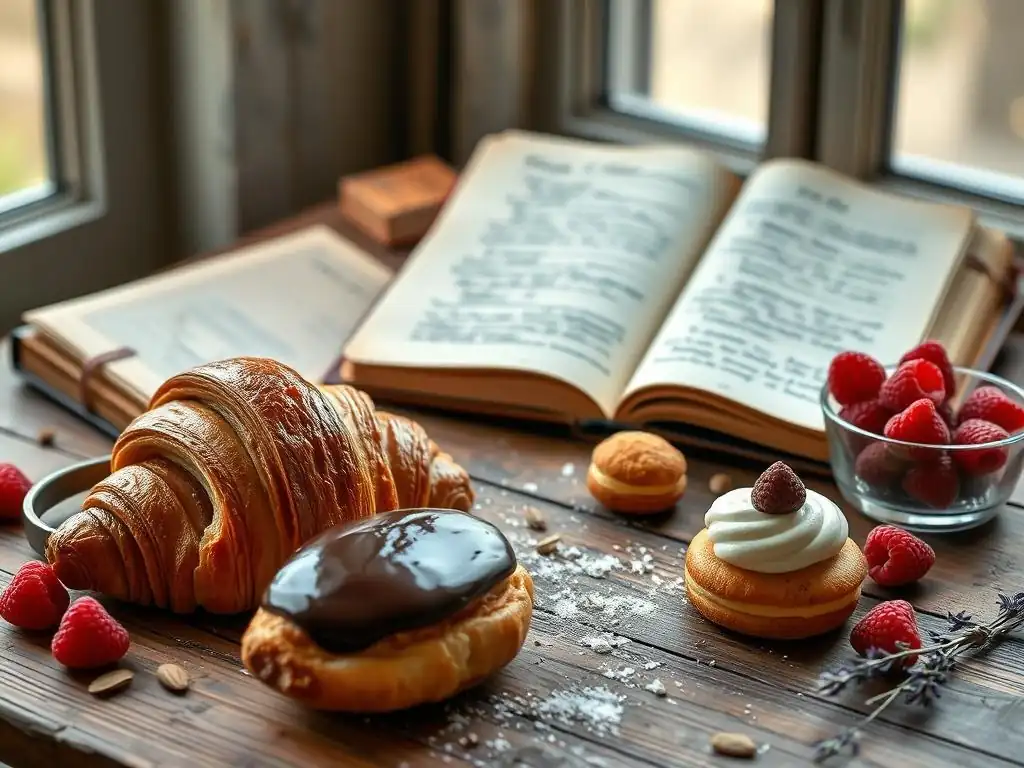
Traditional French Pastry Staples: A Breakdown
Traditional French pastry relies heavily on a few key ingredients that provide structure, richness, and flavor. Butter is fundamental, contributing to flakiness in laminated doughs like croissants and puff pastry, richness in creams and tarts, and overall flavor. Eggs serve multiple roles: yolks add richness and emulsification to custards and doughs, while whites provide structure and leavening in meringue-based items like macarons and choux pastry.
Dairy milk and cream are essential for custards, ganaches, and enriching doughs, providing creaminess and a luxurious mouthfeel. Sugar, flour, and sometimes yeast or other leavening agents complete the picture, forming the backbone of various pastry types.
For instance, a classic croissant dough is typically made with flour, water, yeast, sugar, a pinch of salt, and a significant amount of butter (often 25-30% of the dough weight, or even more for the lamination process). Crème brûlée is traditionally a simple mixture of egg yolks, heavy cream, sugar, and vanilla. Macarons are famously made from egg whites, almond flour, and sugar. Understanding the specific function of each dairy or egg component is the first critical step in successfully developing Vegan French pastry recipes that perform similarly to the originals.
Key Vegan Substitutions for French Pastries: Dairy-Free Butter, Eggs, and More
Replacing traditional dairy and egg ingredients requires understanding their function and finding plant-based alternatives that can replicate those roles. Vegan butter substitutes, often made from a blend of vegetable oils like shea, coconut, and sunflower, are crucial for achieving the flaky layers in croissants and providing richness in tarts and doughs. Look for blocks of vegan butter designed for baking, as they have a higher fat content (around 80% fat, similar to dairy butter) and firmer texture necessary for lamination compared to softer tub margarines.
Eggs are perhaps the most complex ingredient to substitute, as their functions vary. For binding and moisture in doughs, alternatives like flax eggs (ground flaxseed mixed with water) or applesauce can work. For leavening and structure in lighter pastries or cakes, aquafaba (the liquid from canned chickpeas) is an excellent substitute for egg whites, particularly in meringues and macarons, due to its ability to whip into stiff peaks.
Silken tofu or cashew cream can replace egg yolks and dairy cream in custards and fillings, providing richness and a smooth texture. Plant-based milks (soy, almond, oat) are readily available substitutes for dairy milk in doughs and creams. Mastering these substitutions is key to unlocking successful Vegan French pastry recipes.
The Science of Vegan Baking: Achieving the Right Texture and Flavor
Vegan baking isn't just about swapping ingredients; it involves understanding the scientific principles at play to ensure desirable textures and flavors develop correctly. For example, replicating the flakiness of a croissant requires a vegan butter substitute with the right plasticity and melting point. During lamination, layers of dough and butter are folded and rolled. As the pastry bakes, the water in the vegan butter turns to steam, pushing the layers apart, while the fat melts and creates crisp, distinct layers. The success hinges on keeping the fat cold and solid during folding and ensuring proper dough elasticity.
Similarly, achieving a stable vegan meringue for macarons using aquafaba involves whipping it with sugar and a stabilizer like cream of tartar or lemon juice. The proteins (saponins) in aquafaba trap air, creating a foam structure analogous to egg whites. Baking at a low temperature then dries and sets this foam.
For vegan custards, using starches (like cornstarch or tapioca starch) or gums (like carrageenan or agar-agar) is necessary to thicken plant-based milks and creams in the absence of egg yolks, which naturally coagulate and thicken when heated. Understanding these interactions allows bakers to troubleshoot and perfect their Vegan French pastry recipes.
Vegan French Pastry Recipes: A Selection of Dairy-Free Delights
Vegan Macarons: Mastering the Dairy-Free Version
Vegan macarons, notoriously temperamental even in their traditional form, present a unique challenge. The key to a successful vegan version lies in the meringue made from aquafaba. You'll need aged aquafaba (sometimes reduced slightly for concentration) whipped to stiff peaks with superfine sugar and often a touch of cream of tartar or vinegar to stabilize the foam. This meringue is then gently folded into a mixture of finely ground almond flour and powdered sugar – the "tante pour tante" or equal parts dry ingredients to meringue by weight is a common starting point, though ratios can vary slightly.
Achieving the characteristic "foot" – the ruffled base of the macaron shell – requires careful macaronage (the folding process) to get the batter to the right consistency (like slow-moving lava) and proper drying time before baking. Baking at a low temperature (often around 140-150°C or 285-300°F) for a precise duration is crucial to set the shell without browning it. While they require practice, mastering vegan macarons is incredibly rewarding and a testament to the potential of Vegan French pastry recipes.
Tips for Perfecting Vegan Macaron Shells
Perfecting vegan macaron shells using aquafaba involves several critical steps. First, ensure your aquafaba is cold and whips up properly; some bakers recommend reducing it slightly over low heat first to concentrate the proteins, then chilling it thoroughly. Second, the macaronage process is paramount – fold the dry ingredients into the meringue just until the batter flows slowly and smoothly off the spatula in a ribbon, but stop before it becomes too liquid. Overmixing leads to flat shells without a foot.
Third, after piping the shells onto a baking sheet lined with parchment or a silicone mat, tap the tray firmly on the counter several times to release air bubbles. Allowing the shells to dry at room temperature until they form a slight skin (they shouldn't stick to your finger when lightly touched) is essential for the foot to develop during baking. This drying time can vary significantly based on humidity, potentially taking anywhere from 30 minutes to a few hours. Patience and attention to detail are your best friends when tackling these delicate Vegan French pastry recipes.
Vegan Macaron Filling Ideas: Dairy-Free Ganache and Beyond
Once you've mastered the shells, the possibilities for vegan macaron fillings are vast and delicious. A classic choice is a dairy-free ganache, made by melting vegan chocolate (ensure it's dairy-free, typically dark chocolate with cocoa mass, sugar, and cocoa butter) with heated plant-based cream (like full-fat coconut milk or a commercial vegan cream alternative). The ratio of chocolate to cream determines the ganache's consistency; more chocolate yields a firmer set suitable for piping. A common ratio is 1:1 or 2:1 chocolate to cream by weight, depending on desired firmness.
Beyond ganache, explore dairy-free buttercream made with vegan butter and powdered sugar, flavored with vanilla, coffee, or fruit extracts. Vegan fruit curds, made with fruit juice/purée, sugar, cornstarch, and vegan butter, offer bright, tangy options. Nut-based fillings like pistachio or hazelnut paste mixed with a little vegan butter and sugar are also delightful. For a truly decadent treat, try a vegan salted caramel filling, made by caramelizing sugar and carefully stirring in heated plant-based cream and vegan butter. These versatile fillings make your Vegan French pastry recipes truly shine.
Vegan Croissants: Achieving Flaky Layers Without Butter
Creating a vegan croissant that rivals its buttery counterpart in flakiness and flavor is a significant achievement in dairy-free baking. The fundamental technique remains the same: lamination, where layers of dough and fat are repeatedly folded and rolled. The challenge lies in using a vegan butter alternative that behaves similarly to dairy butter during this process – it needs to be firm enough to create distinct layers when cold but pliable enough to roll without breaking.
The process typically involves making a simple lean dough (flour, water, yeast, sugar, salt) and then enclosing a block of cold, firm vegan butter substitute within it. This package is then rolled out and folded multiple times (usually three "turns"), chilling between each turn to keep the fat solid. This creates hundreds of alternating layers of dough and fat. When baked, the fat melts, and the water in the dough and fat turns to steam, puffing the layers apart. Achieving a light, airy interior and a crisp, flaky exterior is the ultimate goal for these Vegan French pastry recipes.
Making Vegan Croissant Dough: The Lamination Process
The lamination process is the heart of a great vegan croissant. After preparing and resting your dough, you'll shape it into a rectangle. Your block of cold vegan butter (which should be about 25-30% of the dough's weight, specifically for the beurrage or butter block) is placed on top (or enclosed). The dough is then folded over the butter, sealing it inside. This packet is rolled out into a long rectangle.
The first fold is often a simple tri-fold (like folding a letter). After chilling, the dough is rolled out again and folded, perhaps in a book fold (folding both ends to the center, then folding in half). This rolling and folding sequence is repeated, usually 3 to 4 times, with adequate chilling time (at least 30-60 minutes) between each fold to prevent the vegan butter from melting into the dough. This meticulous process builds the layers necessary for the croissant's signature texture, making it a cornerstone technique in advanced Vegan French pastry recipes.
Dairy-Free Croissant Variations: Pain au Chocolat and Almond Croissants
Once you have mastered the basic vegan croissant dough, you can easily create variations. Vegan Pain au Chocolat uses the same laminated dough, simply cut into rectangles and rolled around one or two pieces of vegan dark chocolate before shaping and baking. The chocolate melts inside, creating a delightful contrast with the flaky pastry.
For Vegan Almond Croissants, day-old vegan croissants are typically sliced horizontally, brushed with a sugar syrup, filled and topped with a dairy-free frangipane (almond cream made with vegan butter, sugar, almond flour, and sometimes a touch of plant milk or aquafaba), sprinkled with sliced almonds, and baked again until golden and crisp. These variations showcase the versatility of the vegan croissant base and add more delicious options to your repertoire of Vegan French pastry recipes.
Vegan Crème brûlée: A Creamy, Dairy-Free Dessert
Vegan Crème brûlée achieves the classic rich, creamy custard and signature brittle sugar crust using plant-based ingredients. The key challenge is replicating the thickness and richness traditionally provided by egg yolks and heavy cream. Common substitutes for the custard base include a blend of full-fat coconut milk (for richness), cashew cream (for smoothness and body), or silken tofu, often combined with a plant-based milk like soy or oat. Thickeners like cornstarch, tapioca starch, or agar-agar are essential to achieve the correct custardy texture when heated.
Flavoring is typically done with vanilla bean or extract, mirroring the traditional version. The mixture is gently heated, thickened, poured into ramekins, and usually baked in a water bath (bain-marie) at a moderate temperature (around 150-160°C or 300-320°F) until set but still slightly wobbly in the center. After chilling thoroughly to firm up, the surface is sprinkled with sugar (caster or granulated) and caramelized using a blow torch or under a hot broiler, creating the satisfyingly crisp topping. This is a fantastic addition to any collection of Vegan French pastry recipes.
Creating a Silky Vegan Crème brûlée Custard
Crafting a silky smooth vegan crème brûlée custard requires careful technique and the right ingredient balance. If using coconut milk, ensure it's full-fat and well-shaken or the solid cream is used. Cashew cream should be made from cashews soaked until very soft and blended until absolutely smooth, with no graininess. Silken tofu provides a smooth base but may require more flavoring to mask its subtle taste. The chosen thickener is crucial; cornstarch provides a classic custard texture, while agar-agar can create a firmer, more gelatinous set if not used sparingly.
Heat the plant-based milk/cream mixture gently with sugar and vanilla, then whisk in the thickener (often dissolved in a little cold liquid first to prevent lumps). Stir constantly over medium heat until the mixture visibly thickens and coats the back of a spoon. Avoid boiling vigorously, which can break down some thickeners or scorch the mixture. Pour the hot mixture through a fine-mesh sieve into the ramekins to ensure maximum smoothness, removing any potential lumps. This careful preparation is vital for these luxurious Vegan French pastry recipes.
Achieving the Perfect Caramelized Sugar Crust
The iconic element of Crème brûlée is its glass-like caramelized sugar crust. For a vegan version, the process is identical to the traditional one. Ensure the chilled custard surface is completely dry before sprinkling a thin, even layer of sugar over it. Caster sugar is often preferred as its finer granules melt and caramelize more evenly than granulated sugar.
The most effective way to caramelize the sugar is with a kitchen blow torch. Hold the flame a few inches away and move it steadily and evenly across the sugar surface. The sugar will melt, bubble, and turn a deep amber color. Be careful not to burn it, which will result in a bitter taste. If you don't have a torch, you can place the ramekins under a very hot broiler, watching constantly as the sugar caramelizes within seconds. This final touch elevates the dessert and completes this classic among Vegan French pastry recipes.
Vegan Éclairs: Light and Airy Dairy-Free Pastries
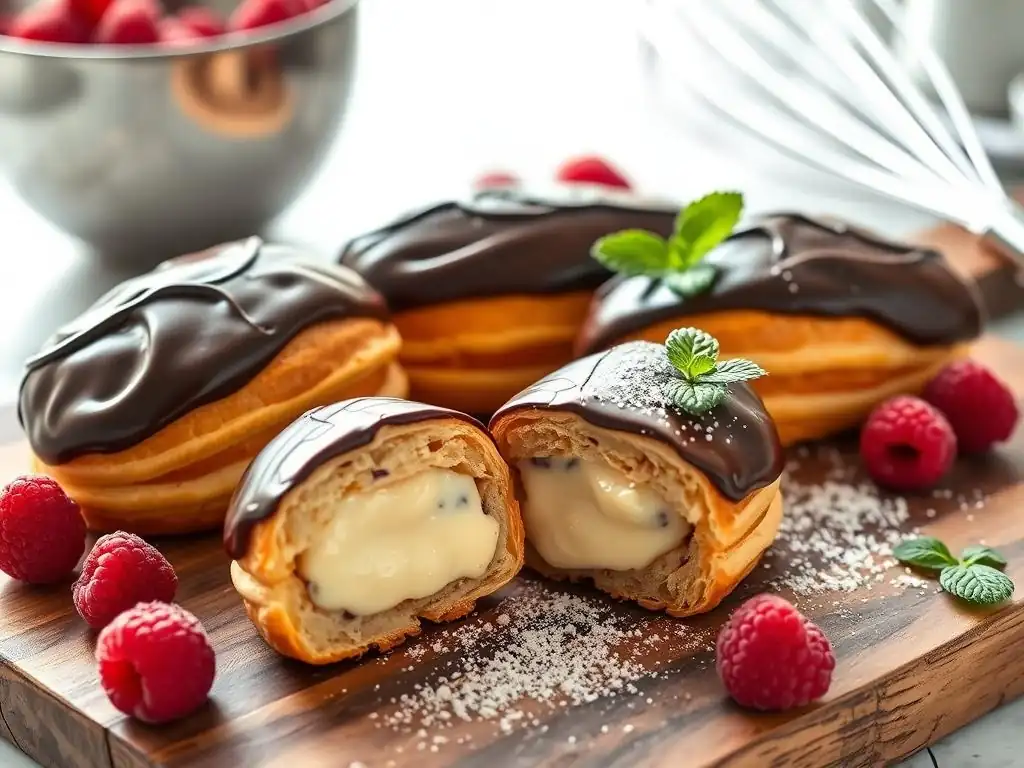
Vegan éclairs rely on mastering vegan choux pastry, a light, hollow pastry shell. Traditional choux pastry is made by cooking flour, water, and butter together, then beating in eggs, which provide lift and structure. In a vegan version, the butter is replaced with vegan butter or oil, and the eggs are substituted with a combination of ingredients that replicate their binding, emulsifying, and leavening properties.
Common egg substitutes for vegan choux include aquafaba, a blend of plant milk and starch, or even silken tofu blended smooth. The key is to get the dough to the right consistency after cooking on the stovetop – it should be thick and pull away from the sides of the pan. The chosen egg substitute is then beaten in gradually until the dough is smooth and pipeable, but still holds its shape.
Piping the dough into elongated shapes and baking at an initial high temperature (around 200-220°C or 400-425°F) to create steam for puffing, then reducing the temperature to dry them out, yields light, hollow shells ready to be filled. These are challenging but rewarding Vegan French pastry recipes.
Making Vegan Choux Pastry: The Secret to Success
The secret to successful vegan choux pastry lies in the initial cooking of the flour, liquid (water or plant milk), and fat (vegan butter or oil). Bring the liquid and fat to a boil, add the flour all at once, and stir vigorously with a wooden spoon until the mixture forms a ball and pulls away cleanly from the sides and bottom of the pan, leaving a slight film on the bottom. This cooks the starch in the flour, allowing it to absorb liquid and create a stable base.
Remove the pan from the heat and let the dough cool slightly before gradually beating in your chosen egg substitute. This is a critical step; adding the substitute when the dough is too hot will "cook" it. Beat until the dough is smooth, glossy, and falls from the spoon in a thick ribbon or "V" shape. It should be stiff enough to hold its piped shape but not so stiff that it's hard to pipe. Getting this consistency right is paramount for light and airy shells in these Vegan French pastry recipes.
Filling Vegan Éclairs: Dairy-Free Pastry Cream and Chocolate Glaze
Once the vegan choux shells are baked and cooled, they are typically filled with pastry cream (crème pâtissière) and topped with a glaze. A dairy-free pastry cream can be made using plant-based milk (such as oat or soy), sugar, cornstarch or a blend of starches, vanilla, and a touch of vegan butter for richness. Heat the milk, sugar, and vanilla, then whisk in the starch mixture (often tempered with some hot milk first). Cook over medium heat, stirring constantly, until very thick. Stir in vegan butter off the heat for silkiness. Chill thoroughly before piping into the éclairs.
A classic topping is a vegan chocolate glaze. This can be a simple ganache made with melted vegan chocolate and a little plant milk or cream, or a powdered sugar glaze mixed with cocoa powder and plant milk until smooth and pourable. Dip the tops of the filled éclairs into the glaze and let it set. These classic fillings perfectly complement the light choux shells, making these Vegan French pastry recipes truly decadent.
Vegan Tarte Tatin: A Caramelized Apple Classic, Dairy-Free
Vegan Tarte Tatin transforms the iconic upside-down caramelized apple tart into a delightful dairy-free dessert. The core components are caramelized apples and a pastry crust. Traditionally, butter is used both for caramelizing the apples and in the pastry. For a vegan version, vegan butter is the primary substitute for both. The apples (often firm varieties like Granny Smith or Honeycrisp, which hold their shape well) are arranged in a baking dish, usually over a layer of sugar and vegan butter, and cooked on the stovetop or in the oven until the sugar caramelizes into a rich, amber sauce.
A round of vegan pastry dough is then placed over the caramelized apples, tucked around the edges. The tart is baked until the crust is golden and cooked through. After baking, the tart is carefully inverted onto a serving plate, revealing the beautifully caramelized apples underneath bathed in a rich, dairy-free caramel sauce. This rustic yet elegant dessert is a wonderful addition to the world of Vegan French pastry recipes.
Dairy-Free Pastry Crust Options for Tarte Tatin
Several dairy-free options work well for the Tarte Tatin crust. A simple vegan shortcrust pastry made with flour, a pinch of salt, and cold, diced vegan butter substitute (cut in until the mixture resembles coarse crumbs) bound with a little ice-cold water is a reliable choice. Handle the dough minimally to keep it tender.
Alternatively, a vegan puff pastry (either store-bought, ensuring it's vegan, or homemade using the lamination technique with vegan butter) can provide a lighter, flakier topping. The key is to use a fat that creates tenderness and flakiness without dairy. Rolling the dough to the correct size to fit snugly over your pan of apples is essential before baking. Selecting the right crust significantly impacts the final texture of this beloved item among Vegan French pastry recipes.
Caramelizing Apples for a Vegan Tarte Tatin
Caramelizing the apples is the heart of the Vegan Tarte Tatin. Begin by peeling, coring, and quartering (or slicing) your chosen apples. In an oven-safe skillet or baking dish, melt a generous amount of vegan butter over medium heat, then sprinkle sugar (often a mix of granulated and brown sugar for depth of flavor) evenly over the bottom. Arrange the apple pieces snugly on top of the sugar and butter layer.
Cook gently on the stovetop for 15-20 minutes, or bake in a moderate oven (around 180°C or 350°F), until the sugar mixture starts to bubble and turn a deep amber color. The apples should soften slightly but not turn to mush. This creates the rich, sticky caramel base that coats the apples and becomes the gorgeous topping when the tart is inverted. Ensuring the caramel is just right is crucial for these classic Vegan French pastry recipes.
Tips and Tricks for Successful Vegan French Pastry Baking
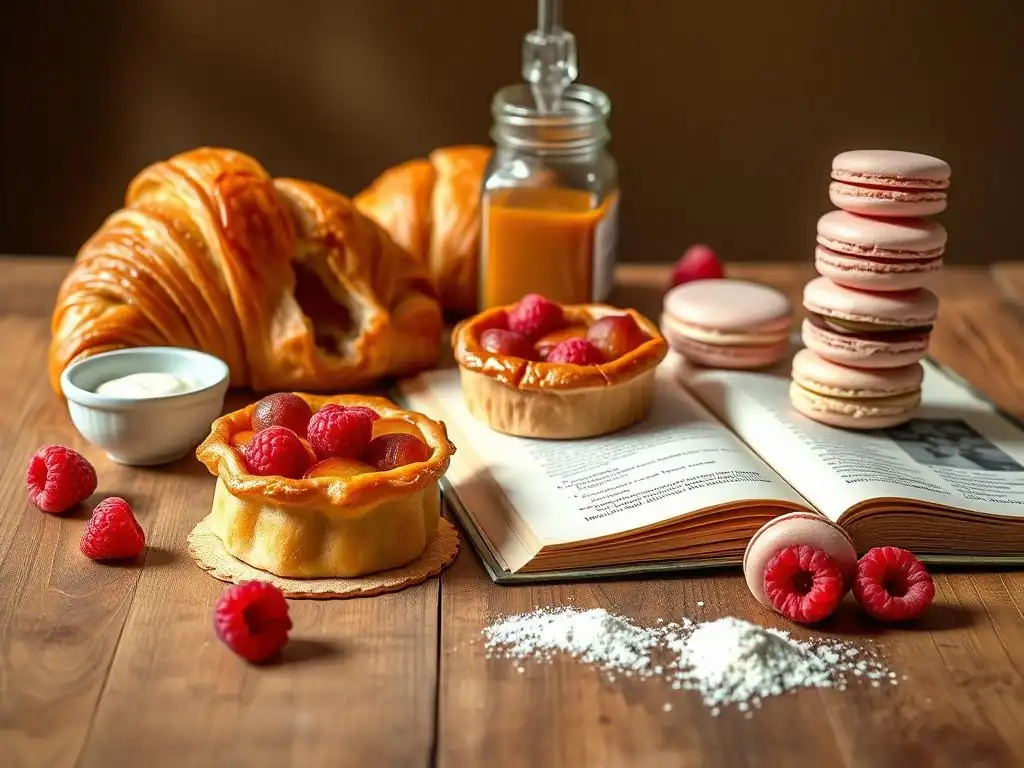
Choosing the Right Vegan Ingredients: Quality Matters
The success of your Vegan French pastry recipes often hinges on the quality and type of vegan ingredients you choose. Not all vegan butters are created equal; look for stick or block varieties specifically designed for baking and laminating, as they have the necessary fat content and firmness. Soft tub margarines often contain more water and air, making them unsuitable for flaky pastries like croissants.
Similarly, the choice of plant-based milk can impact flavor and richness; full-fat options like soy, oat, or cashew milk generally yield creamier results in custards and doughs than thinner milks like almond. For egg substitutes, understand which function you need to replace (binding, leavening, richness) and select the appropriate ingredient – aquafaba for meringues, flax eggs for binding, silken tofu for creaminess. Using high-quality vegan chocolate is also essential for rich ganaches and glazes. Investing in good ingredients makes a noticeable difference in the final taste and texture of your dairy-free creations.
Mastering Vegan Baking Techniques: Temperature and Timing
Precise temperature control and accurate timing are paramount in vegan French pastry baking, just as they are in traditional baking. For laminated doughs like croissants, keeping the vegan butter cold during rolling and folding is non-negotiable; if it melts, the layers will merge, resulting in a cakey texture instead of flakiness. This often means frequent chilling breaks.
Baking temperatures are equally critical. Choux pastry needs a hot oven initially to create steam and puff, followed by a lower temperature to dry out the shells. Macarons require a specific low temperature to set the meringue without browning. Custards need gentle, consistent heat to thicken without scorching or curdling. Using an oven thermometer to verify your oven's actual temperature and trusting timers (while also using visual cues) are vital skills for mastering these intricate Vegan French pastry recipes.
Troubleshooting Common Vegan Baking Issues
Even experienced bakers encounter issues, and vegan baking can sometimes present unique challenges. If your vegan croissants aren't flaky, the vegan butter might have been too soft during lamination, or the chilling times were insufficient. Ensure you're using a firm, high-fat vegan butter block. If vegan macarons crack or don't develop a foot, it could be due to overmixing the batter, insufficient drying time before baking, or inconsistent oven temperature. Practice the macaronage and check for skin formation before baking.
Vegan custards that are too thin might need more thickener or longer gentle cooking. If they are lumpy, strain them through a sieve. Vegan choux shells that don't puff could be due to the dough consistency being too wet, insufficient beating of the egg substitute, or not enough steam in the oven (sometimes adding a tray of hot water to the oven helps). Don't be discouraged by setbacks; analyze what might have gone wrong, adjust your technique or ingredients, and try again. Troubleshooting is part of the journey with these rewarding Vegan French pastry recipes.
Vegan Baking Community: Sharing Your Successes and Tips
Connecting with other vegan bakers can be incredibly helpful and inspiring. Online forums, social media groups dedicated to vegan baking, and local baking classes offer opportunities to share experiences, ask questions, and learn from others' successes and failures. Seeing how others have tackled challenging Vegan French pastry recipes can provide valuable insights and motivation.
Sharing photos of your successful bakes not only celebrates your achievements but also inspires others. Don't hesitate to share your tips and tricks, whether it's a specific brand of vegan butter you found works wonders for croissants or a clever technique for piping vegan choux. The vegan baking community thrives on shared knowledge and mutual support, making the journey into dairy-free French pastries even more enjoyable.
Conclusion: Expanding Your Vegan Baking Repertoire with French Pastries
Embrace the Possibilities of Dairy-Free French Baking
Exploring Vegan French pastry recipes opens up a world of sophisticated and delicious possibilities that were once considered off-limits for those avoiding dairy and eggs. With the advancements in plant-based ingredients and a deeper understanding of vegan baking science, recreating classics like flaky croissants, delicate macarons, rich crème brûlée, airy éclairs, and rustic Tarte Tatin is not only possible but increasingly achievable for home bakers. Embracing dairy-free French baking allows you to enjoy these iconic treats while adhering to your dietary choices, proving that vegan desserts can be every bit as indulgent and elegant as their traditional counterparts.
This journey requires patience, practice, and a willingness to experiment with new ingredients and techniques. While some recipes, like vegan croissants or macarons, present a significant challenge, the rewards of mastering them are immense. Each successful bake builds confidence and expands your skills, allowing you to explore even more complex and exciting Vegan French pastry recipes. The world of plant-based patisserie is constantly evolving, offering endless opportunities for creativity and culinary delight.
BakeWithEase: Your Continued Resource for Vegan Baking Inspiration
At BakeWithEase, we are committed to being your trusted partner on your vegan baking adventure. We continuously develop and test Vegan French pastry recipes and techniques, providing clear, detailed guides designed to help you succeed. Our platform offers a wealth of information, from ingredient deep dives to troubleshooting tips, all presented in an educational and friendly manner.
Whether you're attempting your first batch of vegan macarons or perfecting the layers in your vegan croissants, BakeWithEase is here to support you every step of the way. We believe that everyone can master the art of vegan baking and experience the joy of creating beautiful, delicious dairy-free French pastries. Continue to explore our resources, try new recipes, and share your experiences with our community. Happy vegan baking!
Frequently Asked Questions
How can I easily find vegan French pastry recipes on BakeWithEase.com?
You can use the website's search bar and type in "Vegan French pastry recipes" or browse the pastry section specifically looking for recipes tagged as "vegan".
What are some common dairy substitutes used in vegan French pastries?
Common substitutes include plant-based milks (almond, soy, oat), vegan butter (made from vegetable oils), and aquafaba (bean water) as an egg replacement.
Are vegan French pastries as delicious as traditional ones?
Yes! With the right techniques and ingredients, vegan versions can be equally delicious. Flavor and texture can be closely matched to traditional French pastries.
Where can I find step-by-step guides for baking vegan French pastries?
BakeWithEase.com offers step-by-step guides for various recipes, often including photos or videos to help you through the process.
Are the ingredients for vegan French pastry recipes easy to find?
Most ingredients are easily accessible at grocery stores or online. Some specialty items like vegan butter might be found at health food stores or online retailers.
Final Reflection: A Sweet Revolution in Pastry
The demand for delicious, ethical, and inclusive food options is higher than ever, and the vegan French pastry revolution is leading the charge. This isn't just a niche trend; it's a testament to the growing awareness of animal welfare and environmental sustainability, coupled with a desire for innovative and exciting culinary experiences. The recipes explored in this article demonstrate that abandoning dairy doesn't mean sacrificing the exquisite textures and flavors we associate with classic French pastries.
The shift towards plant-based alternatives is profoundly impacting the culinary landscape, forcing us to reconsider traditional methods and embrace creativity. This isn't simply about replacing ingredients; it's about reimagining the very essence of pastry-making. The journey of discovering and perfecting these vegan recipes has been a personal one, highlighting the power of culinary innovation to reflect and respond to evolving societal values. The future of food is plant-based,
a statement often heard, is becoming increasingly less of a prediction and more of a reality.
Now, it's your turn. Consider the recipes presented here as a starting point, a springboard for your own culinary explorations. Don't be afraid to experiment, to adapt, and to create your own unique vegan French pastry masterpieces. The possibilities are as limitless as your imagination, and the rewards – both in taste and in ethical impact – are immeasurable. Embrace the challenge, and let your creativity bake a brighter, more compassionate future.
Unlock the Secrets of Vegan French Pastry!
Thanks for joining us on this delicious journey into the world of dairy-free French pastries! We hope you've gained some inspiration and newfound confidence in your baking abilities. Ready to take your skills to the next level?
- Bake your own masterpiece! Try out one of the recipes mentioned in the article – we bet you'll be surprised at how easy (and delicious!) it can be. This is your chance to showcase your new skills.
- Share your creations! Post a photo of your vegan pastry triumph on social media and tag us – we’d love to see what you bake!
- Explore our other recipes: Dive deeper into the BakeWithEase recipe collection and discover more dairy-free delights. We have tons of incredible options waiting to be explored.
What exciting vegan pastry adventure will you embark on next?