
Crème Pâtissière Perfection: Your GoTo Pastry Cream Recipe

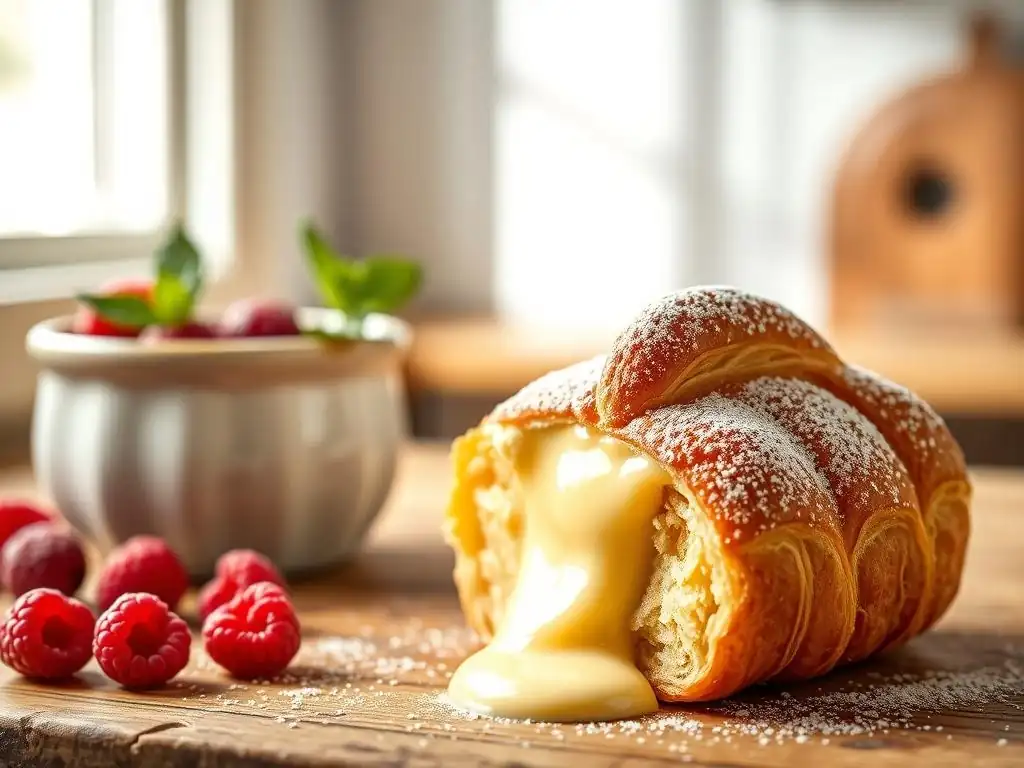
Welcome to BakeWithEase!
Ever dreamt of effortlessly creating that luscious, creamy filling that elevates your pastries to a whole new level? You've come to the right place. Dive into our easy crème pâtissière recipe guide and unlock the secrets to perfect pastry cream. Discover the simple steps and essential techniques that will transform your baking, leaving you wondering why you haven't tried this sooner. Get ready to impress with your newfound skills – let's get baking!
- Introduction: Mastering Crème Pâtissière with BakeWithEase
- What is Crème Pâtissière and Why It's Essential for French Pastries?
- The Ultimate Easy Crème Pâtissière Recipe Guide
- Tips and Tricks for Flawless Crème Pâtissière
- Flavor Variations: Elevate Your Pastry Cream
- Using Your Crème Pâtissière: Dessert Applications
- Troubleshooting Common Crème Pâtissière Problems
- Crème Pâtissière Recipe: Printable Version for Easy Baking
- Conclusion: Enjoying Your Homemade Crème Pâtissière
-
Frequently Asked Questions
- What exactly is crème pâtissière and what is it typically used for?
- Is making crème pâtissière at home difficult, even with an "Easy crème pâtissière recipe guide"?
- Can I adapt the BakeWithEase "Easy crème pâtissière recipe guide" to accommodate dietary restrictions?
- What are some common mistakes to avoid when making crème pâtissière?
- How long can I store homemade crème pâtissière made using the "Easy crème pâtissière recipe guide"?
- Final Reflection: The Enduring Allure of Crème Pâtissière
- Unlock Your Inner Pastry Chef: Mastering Crème Pâtissière
Introduction: Mastering Crème Pâtissière with BakeWithEase
Welcome to the world of classic French pastries! If you've ever dreamt of creating delicate éclairs, luscious fruit tarts, or decadent mille-feuille, mastering crème pâtissière is your essential first step. Often referred to simply as "pastry cream," this rich, smooth custard is a fundamental building block in countless desserts. It's far more approachable than you might think, and with our easy crème pâtissière recipe guide, you'll be whipping up batches like a pro in no time.
At BakeWithEase, we believe that baking should be a joyful and accessible experience for everyone. This guide is designed to demystify crème pâtissière, breaking down the process into simple, manageable steps. We'll cover everything from selecting the right ingredients to troubleshooting common issues, ensuring your pastry cream turns out perfect every single time. Get ready to elevate your dessert game with this foundational technique!
What is Crème Pâtissière and Why It's Essential for French Pastries?
Understanding the Role of Pastry Cream in Classic Desserts
Crème pâtissière is a thickened custard made primarily from milk, egg yolks, sugar, and a starch thickener (usually flour or cornstarch). Its primary role in French pastry is as a versatile filling. It provides a creamy, stable, and flavorful core for everything from light choux pastry creations like éclairs and cream puffs to layered desserts like mille-feuille, where it alternates with crisp puff pastry. Its richness and ability to hold its shape make it indispensable.
Beyond just filling, pastry cream also serves as a base for other creams. For example, combining crème pâtissière with whipped cream creates crème diplomat or crème légère, a lighter, airier filling perfect for tarts or cakes. Adding butter results in crème mousseline, a richer, buttercream-like texture often used in Paris-Brest or fraisier cakes. This adaptability underscores its central importance in the pastry kitchen, offering a foundation that can be easily modified for different applications.
Crème Pâtissière vs. Other Custard Creams: Key Differences
While many desserts feature custard-like fillings, crème pâtissière is distinct due to its use of a starch thickener alongside egg yolks. Custards like crème anglaise (vanilla sauce) are thickened solely by egg yolks and are cooked just enough to coat the back of a spoon, resulting in a pourable sauce. Crème pâtissière, in contrast, is cooked until it boils and the starch activates, creating a much thicker, spoonable, and stable cream that can be piped and holds its structure.
Another key difference lies in application. Crème anglaise is typically served as a sauce alongside desserts, whereas crème pâtissière is almost exclusively used as a filling or component within a larger dessert structure. The starch provides stability, preventing the cream from weeping or collapsing, which is crucial when filling pastries that need to hold their shape, like éclairs or tarts. This structural integrity is what sets it apart from simpler egg-thickened custards.
The Ultimate Easy Crème Pâtissière Recipe Guide
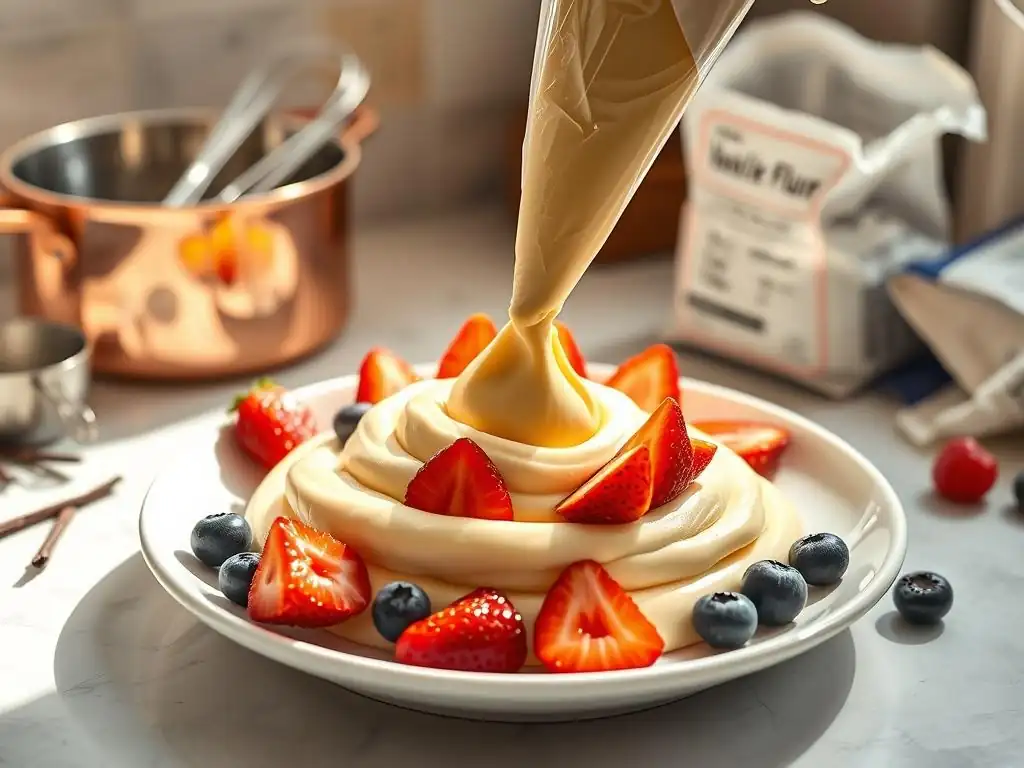
Gathering Your Ingredients: What You'll Need for Perfect Pastry Cream
Making delicious crème pâtissière starts with having the right ingredients measured out accurately. You'll need whole milk for richness, egg yolks for flavor and color (typically 6-8 yolks per 500ml milk), granulated sugar for sweetness, and a starch – either all-purpose flour or cornstarch (about 40-50g per 500ml milk). Cornstarch tends to yield a slightly glossier, more stable cream, while flour can sometimes result in a creamier texture.
You'll also need flavoring agents. Vanilla is classic and essential; a vanilla bean split lengthwise, vanilla bean paste, or a good quality vanilla extract works wonders. A pinch of salt can help balance the sweetness. Finally, a knob of cold butter (around 20-30g) is often whisked in at the end to add glossiness, richness, and a smoother texture. Having all components ready before you start cooking is key to a smooth process.
Step-by-Step Instructions: Making Crème Pâtissière at Home
Follow these steps for an easy crème pâtissière recipe guide you can rely on.
Step 1: Infusing the Milk for Enhanced Flavor
Gently heat the milk in a medium saucepan over medium heat. If using a vanilla bean, scrape the seeds into the milk and add the pod as well. Bring the milk just to a simmer – you'll see small bubbles forming around the edges, but don't let it boil vigorously. Remove from the heat, cover, and let it steep for about 10-15 minutes to infuse the vanilla flavor deeply. If using vanilla extract or paste, you'll add it later.
Step 2: Whisking the Egg Yolks and Sugar
While the milk infuses, whisk the egg yolks and sugar together in a heatproof bowl until the mixture is pale yellow and slightly thickened. This process is sometimes called "blanching" the yolks. Whisking helps dissolve the sugar and creates a smooth base for the custard. You can also whisk in your starch (flour or cornstarch) at this stage, ensuring there are no lumps.
Step 3: Tempering the Egg Mixture
This is a crucial step to prevent scrambling the eggs. Remove the vanilla pod from the milk. Slowly ladle about a third of the hot milk into the egg yolk mixture while whisking constantly. This gently warms the yolks without cooking them. Once combined, pour the warmed yolk mixture back into the saucepan with the remaining milk.
Step 4: Cooking the Pastry Cream to Perfection
Place the saucepan back over medium heat and whisk constantly. It's important to scrape the bottom and sides of the pan to prevent sticking and ensure even cooking. The mixture will thicken gradually. Once it comes to a boil (you'll see large bubbles breaking the surface), continue to whisk vigorously for 1-2 minutes. This is essential for the starch to fully activate and cook out any raw flavor. It should be very thick at this point, coating the whisk heavily.
Step 5: Finishing Touches: Adding Butter and Vanilla
Remove the pan from the heat. If you didn't use a vanilla bean, stir in the vanilla extract or paste now. Add the cold butter, cut into small pieces. Whisk until the butter is fully melted and incorporated, making the cream smooth and glossy. For an extra smooth texture, you can pass the hot cream through a fine-mesh sieve into a clean bowl.
Quick Tip: Cover the surface of the hot crème pâtissière directly with plastic wrap. This prevents a skin from forming as it cools.
Tips and Tricks for Flawless Crème Pâtissière
Avoiding Lumps: Achieving a Smooth and Silky Texture
Lumps in crème pâtissière typically occur if the starch isn't properly mixed, if the eggs scramble during tempering, or if the cream isn't whisked constantly while cooking. Ensuring the starch (flour or cornstarch) is thoroughly whisked into the egg yolk and sugar mixture before adding the hot milk is a key preventative step. Aim for a smooth, paste-like consistency.
Tempering by slowly adding hot milk while whisking vigorously also helps. Once the mixture is back on the heat, continuous, energetic whisking, reaching into all corners of the pan, is paramount. If despite your best efforts, a few small lumps appear, you can quickly whisk the hot cream with an immersion blender or push it through a fine-mesh sieve immediately after cooking to achieve that desired silky texture.
Achieving the Right Consistency: Thickening and Thinning Crème Pâtissière
Proper thickening relies on the ratio of starch to liquid and cooking the cream sufficiently. If your crème pâtissière seems too thin after boiling for 1-2 minutes, it likely hasn't cooked long enough for the starch to fully thicken. Return it to medium heat and whisk vigorously, ensuring it boils and thickens further. Be careful not to scorch the bottom. Adding a slurry of a little extra starch mixed with cold milk before returning to the heat can also help, but cook it thoroughly afterwards.
If your cream becomes too thick upon cooling, you can gently whisk in a tablespoon or two of cold milk or cream until the desired consistency is reached. Do this gradually to avoid making it too thin. Remember that crème pâtissière thickens considerably as it cools, so it's better to err slightly on the side of it seeming just thick enough when hot.
Storing Crème Pâtissière Properly: Maintaining Freshness
Proper storage is crucial for maintaining the quality and safety of your homemade crème pâtissière. As soon as it's cooked, transfer the hot cream to a clean bowl and cover the surface directly with plastic wrap. This prevents a skin from forming and also protects it from air and potential contamination. Allow it to cool slightly at room temperature for no more than 20-30 minutes before transferring it to the refrigerator.
Crème pâtissière should be stored in the refrigerator and is best used within 3-4 days. Before using, whisk it vigorously to restore its smooth texture, as it will firm up considerably when cold. Avoid freezing crème pâtissière made with cornstarch, as it can become watery and grainy upon thawing. If you need to make it ahead, plan to use it within this refrigerated timeframe.
Flavor Variations: Elevate Your Pastry Cream
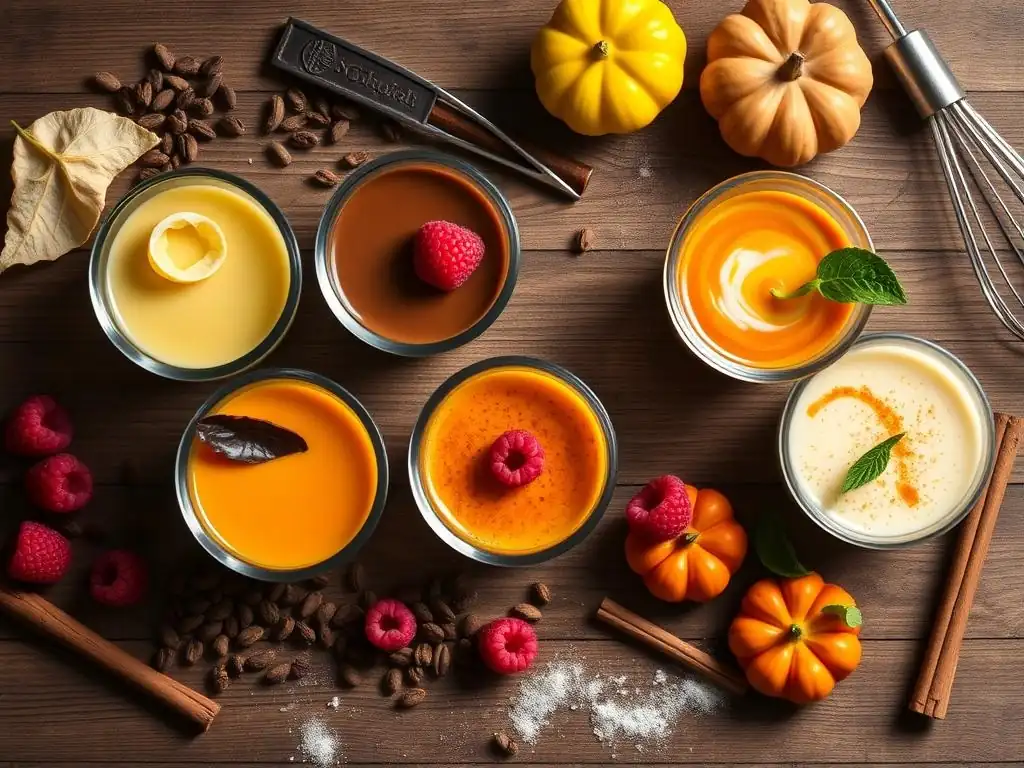
Chocolate Crème Pâtissière: A Decadent Twist
Transforming classic crème pâtissière into a rich chocolate version is simple and incredibly rewarding. After the pastry cream has thickened and been removed from the heat (after adding the butter and vanilla), whisk in finely chopped dark or milk chocolate. Use a good quality chocolate, typically around 80-100g per 500ml batch of cream for a pronounced flavor. The residual heat of the cream will melt the chocolate.
Continue whisking until the chocolate is completely melted and the cream is smooth and uniformly colored. This adds a deep, luxurious flavor and a beautiful brown hue. Chocolate crème pâtissière is divine in éclairs, tarts, or as a filling for cakes, offering a more intense flavor profile than the standard vanilla version.
Coffee Crème Pâtissière: Aromatic and Delicious
For coffee lovers, infusing your crème pâtissière with coffee creates a sophisticated and aromatic filling. There are a couple of ways to achieve this. You can add about 1-2 tablespoons of instant espresso powder directly to the hot milk while it's infusing, or dissolve it in a tiny amount of hot water first to ensure it's fully incorporated.
Alternatively, you can infuse the milk with coffee beans. Gently heat the milk with a handful of lightly crushed coffee beans (about 20-30g per 500ml milk), let it steep off the heat for 15-20 minutes, then strain the milk before proceeding with the recipe. Both methods yield a delightful coffee flavor, perfect for tiramisu-inspired desserts or coffee éclairs.
Fruit-Infused Crème Pâtissière: Adding a Zesty Touch
Adding fruit flavors can brighten up crème pâtissière, making it ideal for pairing with fresh fruit tarts or fillings. Citrus zest is an easy way to infuse flavor; add the zest of one lemon or orange to the milk while it's heating and infusing, then strain it out. This imparts a subtle, fragrant note.
For stronger fruit flavors, you can incorporate fruit purées or reductions after the cream is cooked and cooled slightly. For example, whisking in a few tablespoons of a thickened raspberry or passion fruit purée adds tang and color. Be mindful that adding too much liquid purée can thin the cream, so reductions are often preferred, or adjust the initial starch amount slightly.
Using Your Crème Pâtissière: Dessert Applications
Crème Pâtissière Macarons: A Classic Pairing
Crème pâtissière is a classic and delicious filling for macarons. While buttercream is perhaps more common, pastry cream offers a lighter, creamier texture that complements the delicate chewiness of the macaron shell beautifully. For macarons, it's often used plain vanilla or flavored (like chocolate or coffee), providing a moist center.
To use in macarons, ensure your crème pâtissière is well-chilled and firm. Whisk it to loosen slightly before piping onto one macaron shell. The stability of crème pâtissière helps it hold its shape between the shells, creating a neat, professional-looking cookie. It's a delightful alternative to traditional fillings, offering a richer, more complex flavor.
Éclairs and Cream Puffs: Filling Perfection
Perhaps the most iconic use of crème pâtissière is as the filling for éclairs and cream puffs (profiteroles). The smooth, thick consistency is perfect for piping into these hollow choux pastry shells. Once baked and cooled, a hole is typically made in the bottom or side, and the pastry cream is piped generously inside using a piping bag fitted with a plain or star tip.
The richness of the crème pâtissière contrasts wonderfully with the light, airy texture of the choux pastry. It's a filling that holds up well, preventing the pastry from becoming soggy too quickly. Whether topped with chocolate glaze (for éclairs) or dusted with powdered sugar (for cream puffs), the pastry cream filling is the star.
Fruit Tarts: The Ideal Base
Crème pâtissière forms a perfect, stable base for fresh fruit tarts. Poured or spread into a pre-baked tart shell (often a pâte sucrée or sweet shortcrust), it provides a creamy layer upon which fresh fruit can be arranged. The richness of the cream balances the tartness and freshness of the fruit, creating a harmonious dessert.
Before filling, the tart shell is often brushed with a thin layer of melted chocolate or a simple egg wash and baked briefly, which helps create a barrier to prevent the crust from getting soggy from the cream. The chilled crème pâtissière is then spread evenly, and sliced fruits like strawberries, kiwis, raspberries, or peaches are artfully arranged on top, often finished with a glaze for shine.
Troubleshooting Common Crème Pâtissière Problems
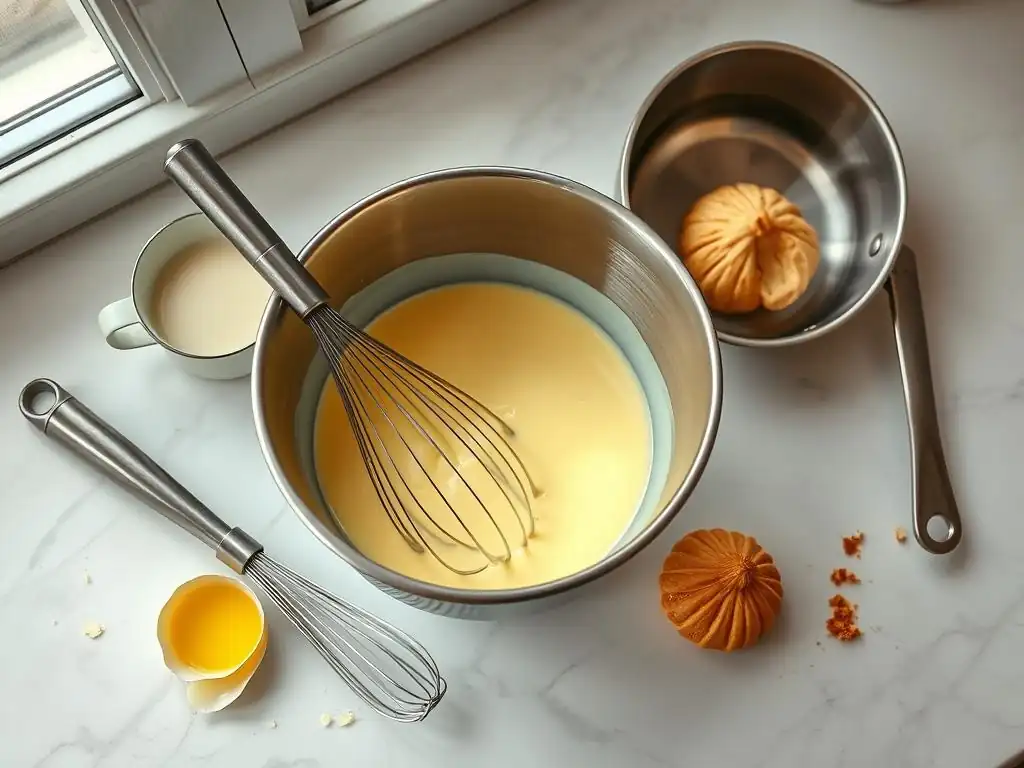
My Crème Pâtissière is Too Thin: How to Fix It
If your crème pâtissière is too thin after cooking and cooling, the most common reasons are insufficient cooking time or an incorrect starch-to-liquid ratio. If you haven't cooked it for the full 1-2 minutes after it boils, return it to the heat and whisk vigorously until it thickens considerably. Remember it needs to boil for the starch to fully activate.
If you've cooked it thoroughly and it's still too thin, you can attempt to thicken it further. Mix a small amount of cornstarch (1-2 tablespoons) with an equal amount of cold milk or water to create a smooth slurry. Return the thin pastry cream to the saucepan, bring it back to a gentle simmer while whisking, then slowly whisk in the cornstarch slurry. Continue to whisk and boil for another minute to cook out the starch flavor and allow it to thicken.
My Crème Pâtissière is Lumpy: Saving Your Batch
Lumps are a common frustration when making pastry cream, but often fixable. If you have small lumps, the easiest fix is to immediately pass the hot crème pâtissière through a fine-mesh sieve into a clean bowl. Use a spatula or whisk to push it through. This will break up most small lumps and result in a smooth texture.
For more significant lumps, possibly from scrambled egg bits or uncooked starch clumps, using an immersion blender (stick blender) directly in the hot cream for a few seconds can effectively smooth it out. Blend until completely smooth, then proceed with cooling. Prevention is best, however, by ensuring thorough whisking at every stage, especially when incorporating the starch and tempering the eggs.
My Crème Pâtissière Tastes Eggy: Masking the Flavor
A pronounced eggy flavor can occur if you use too many egg yolks relative to the other ingredients, or if the starch isn't fully cooked out. Ensure you are boiling the cream for the required 1-2 minutes after it thickens; this helps cook the starch and mellow the egg flavor. Using very fresh eggs can also contribute to a cleaner flavor.
If your finished cream tastes too eggy, you can try enhancing the flavoring agents. Add a little extra vanilla extract or paste after the cream has cooled slightly. For flavored variations, ensure the chocolate, coffee, or fruit infusion is strong enough to balance the egginess. Sometimes, simply chilling the cream thoroughly can also help the flavors meld and reduce the perception of egginess.
Crème Pâtissière Recipe: Printable Version for Easy Baking
This section would typically contain a concise summary of the ingredients and step-by-step instructions from our easy crème pâtissière recipe guide, formatted for convenient printing. It would list the quantities of milk, egg yolks, sugar, starch, vanilla, and butter needed, followed by a numbered list of the key actions: infusing the milk, whisking yolks/sugar/starch, tempering, cooking until thick and boiling, adding butter/vanilla, and chilling properly. This allows you to have the core recipe readily available while you bake.
Conclusion: Enjoying Your Homemade Crème Pâtissière
Mastering crème pâtissière opens up a world of delicious French pastries and desserts. As you've seen in this easy crème pâtissière recipe guide, the process is straightforward once you understand the key steps: careful heating, tempering, and sufficient cooking time. Don't be discouraged by initial attempts; practice makes perfect, and soon you'll be creating smooth, rich pastry cream with confidence.
Whether you use it to fill delicate macarons, classic éclairs, or vibrant fruit tarts, your homemade crème pâtissière is sure to impress. This foundational cream is a testament to the elegance and simplicity of French baking. So go ahead, gather your ingredients, follow our guide, and enjoy the delightful journey of making perfect pastry cream right in your own kitchen!
Frequently Asked Questions
What exactly is crème pâtissière and what is it typically used for?
Crème pâtissière, also known as pastry cream, is a thick, rich custard-like cream. It's primarily used as a filling for pastries, cakes, and tarts, adding a creamy and flavorful element.
Is making crème pâtissière at home difficult, even with an "Easy crème pâtissière recipe guide"?
While it requires attention, making crème pâtissière at home isn't necessarily difficult. Following a detailed recipe like the one from BakeWithEase.com and being mindful of temperature is key to achieving perfect results.
Can I adapt the BakeWithEase "Easy crème pâtissière recipe guide" to accommodate dietary restrictions?
Yes, with careful substitutions. For example, you can use dairy-free milk and plant-based butter for a vegan version. Explore BakeWithEase.com for more specific adaptations.
What are some common mistakes to avoid when making crème pâtissière?
Common mistakes include scorching the milk, not whisking constantly, and not cooking the cream long enough to thicken properly. Proper technique, as outlined in the guide, prevents these errors.
How long can I store homemade crème pâtissière made using the "Easy crème pâtissière recipe guide"?
Properly stored in an airtight container in the refrigerator, homemade crème pâtissière typically lasts for 2-3 days. Be sure to check for any signs of spoilage before using.
Final Reflection: The Enduring Allure of Crème Pâtissière
The seemingly simple act of crafting a perfect crème pâtissière transcends mere culinary technique; it's a gateway to unlocking a world of pastry possibilities. This guide aimed to demystify the process, providing a reliable and accessible recipe for even the most novice bakers. The ease of execution, however, shouldn't overshadow the profound satisfaction derived from creating this versatile base for countless desserts.
The enduring appeal of crème pâtissière lies not just in its delicious creaminess and subtle sweetness, but in its adaptability. From classic éclairs and profiteroles to elegant tarts and creamy fillings, its potential is limitless. It's a testament to the power of simple ingredients, skillfully combined, to create something truly extraordinary. The simplest things are often the most beautiful.
This sentiment perfectly captures the essence of crème pâtissière – a seemingly simple creation capable of inspiring awe and delight.
Now, I invite you to embrace the challenge, to whisk together the ingredients, and experience the joy of creating your own perfect crème pâtissière. Don't be afraid to experiment, to adapt the recipe to your own tastes, and to share your creations with those you love. The journey of mastering this fundamental pastry cream is a rewarding one, filled with delicious discoveries and the sweet satisfaction of culinary accomplishment. Let the creamy richness of your creation be a testament to your own dedication and skill.
Unlock Your Inner Pastry Chef: Mastering Crème Pâtissière
Thanks for joining us on this creamy journey! You've just unlocked the secret to flawlessly smooth and delicious crème pâtissière. Now it's time to put your newfound skills to the test.
- Whip up a batch of this versatile pastry cream today! Imagine the possibilities – from elegant éclairs to decadent profiteroles, the applications are endless.
- Share your creations with us! We'd love to see your culinary masterpieces on social media using #BakeWithEaseCreme.
- Challenge yourself: Try experimenting with different flavor extracts or additions (think vanilla bean, citrus zest, or even a touch of chocolate!) to create your signature pastry cream.
What delicious dessert will you create with your perfectly smooth crème pâtissière?