
Troubleshooting Your Sweet Rolls: Fix Common Baking Issues

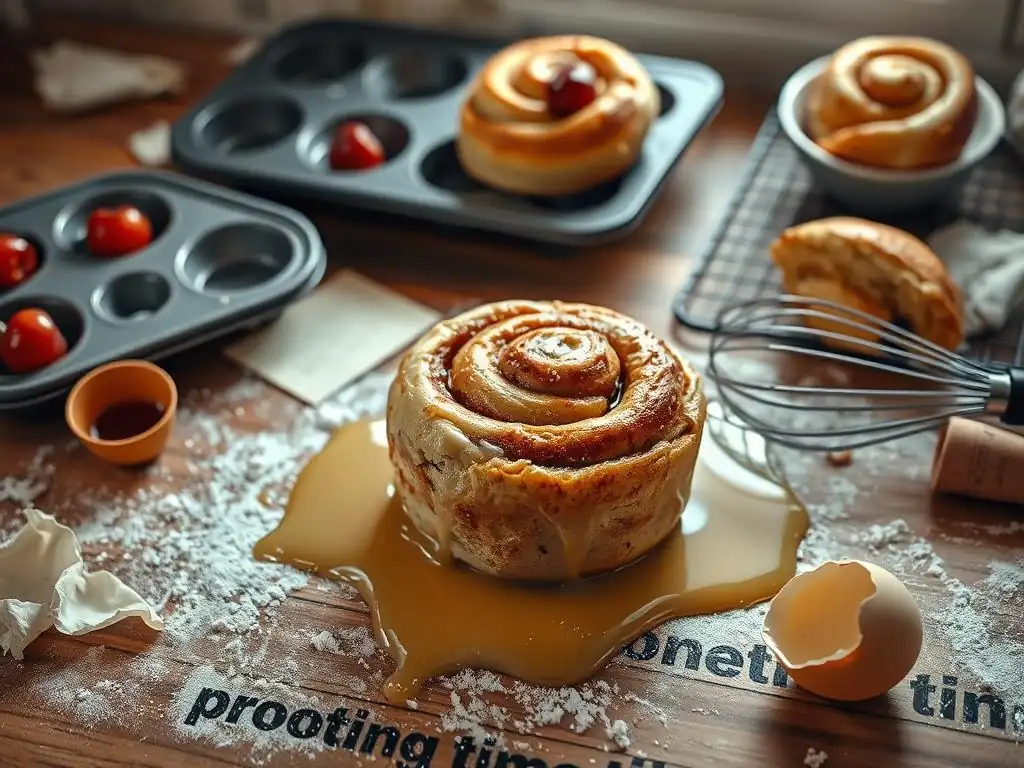
Welcome to BakeWithEase, your haven for conquering the sweet world of baking! Ever dreamt of perfectly golden, irresistibly soft sweet rolls, only to face sticky dough, uneven baking, or a lack of that signature rise? This guide dives deep into sweet roll baking problems, offering practical solutions and expert tips to transform your baking experience. Uncover the secrets to flawless sweet rolls and say goodbye to baking frustrations – let's get started!
Sweet rolls are a beloved treat, offering a comforting blend of soft dough, sweet filling, and often a luscious glaze. However, even experienced bakers can encounter frustrating sweet roll baking problems. From dough that refuses to rise to filling that leaks everywhere, these common issues can turn a promising batch into a disappointment. Understanding the science behind the bake and knowing how to troubleshoot is key to achieving those perfect, gooey spirals.
Tackling sweet roll issues head-on requires patience and a bit of baking detective work. Often, the solution is simpler than you might think, involving minor adjustments to ingredients, technique, or baking environment. This guide will walk you through identifying and fixing the most frequent sweet roll baking problems, helping you achieve consistent success in your kitchen.
- Sweet Roll Baking Problems: Common Issues and Solutions
- Dough Problems and Solutions for Perfect Sweet Rolls
- Filling Issues: Achieving the Perfect Sweet Roll Center
- Baking Problems: Achieving Golden Brown Perfection
- Frosting and Glaze Troubleshooting for Sweet Rolls
- Sweet Roll Texture Problems: Achieving Softness and Fluffiness
- Preventative Measures for Future Sweet Roll Success
-
Frequently Asked Questions
- What are some common reasons why my sweet rolls are tough?
- My sweet rolls are flat and dense – what went wrong?
- The filling in my sweet rolls leaked out during baking. How can I prevent this?
- My sweet rolls are browning too quickly on top, but are still raw inside. What should I do?
- How can I ensure my sweet rolls are soft and fluffy?
- Final Reflection: The Sweet Success of Troubleshooting
- Unlock Your Inner Baker: Perfect Sweet Rolls Await!
Sweet Roll Baking Problems: Common Issues and Solutions
Baking sweet rolls involves several distinct stages, and problems can arise at any point – from mixing the dough to applying the final glaze. Recognizing the symptoms of common sweet roll baking problems is the first step toward fixing them. Is your dough too dry or too sticky? Is the filling oozing out during baking? Are the rolls burning on the bottom but pale on top?
Identifying the specific issue allows you to apply the correct fix without guesswork. We'll break down the most frequent sweet roll challenges by category: dough, filling, baking, frosting, and texture. For each sweet roll issue, we'll explore the likely causes and provide actionable solutions to get your baking back on track.
Identify the Root Cause of Your Sweet Roll Baking Issues
Diagnosing the precise reason behind your sweet roll baking problems is crucial for effective troubleshooting. Baking is a science, and understanding why something went wrong helps prevent future occurrences. For instance, if your sweet rolls are dense, it could be due to under-proofing, using too much flour, or insufficient kneading – each requiring a different corrective action. A common pitfall is assuming one cause when another is the real culprit, leading to repeated mistakes.
Consider the journey of your sweet roll from ingredients to finished product. Where did the process deviate from the ideal? Did the dough feel right after mixing? Did it double in size during the rise times? Was the oven temperature accurate? Pinpointing the exact step where the problem occurred is often half the battle. For example, if your dough didn't rise, check the yeast expiration date and the temperature of your liquid. If the filling leaked, look at how tightly the rolls were rolled and sliced. This analytical approach is far more effective than simply trying random fixes.
Dough Problems and Solutions for Perfect Sweet Rolls
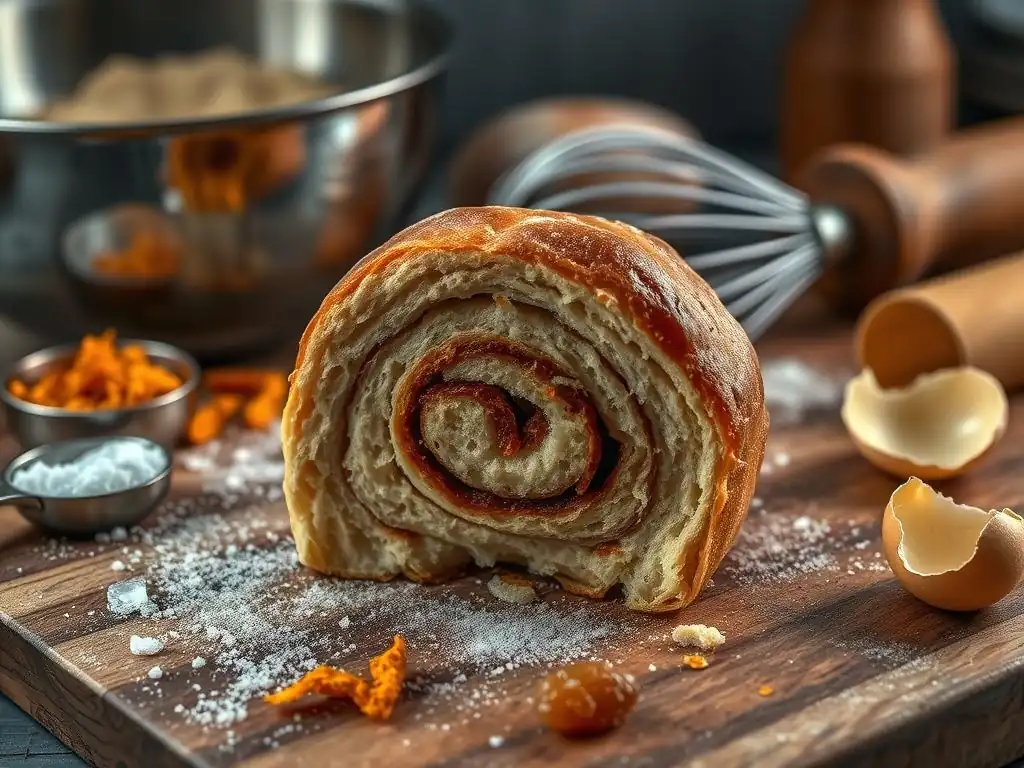
The dough is the foundation of any great sweet roll. If the dough isn't right, the final texture and shape will suffer. Sweet roll dough relies on proper hydration, gluten development, and successful yeast activity. Issues at this stage are some of the most common sweet roll baking problems encountered by bakers.
Addressing dough issues early can save you a lot of frustration later in the process. Whether it's too dry, too sticky, or just not rising, understanding the dough's needs is paramount. We'll delve into specific dough-related sweet roll issues and provide targeted solutions to ensure your dough is soft, pliable, and ready for rolling.
Dry Sweet Roll Dough: Causes and Fixes
Dry sweet roll dough is a common issue, often resulting in tough, crumbly rolls. The primary cause is typically too much flour or not enough liquid. Flour measurements, especially when using volume cups instead of a scale, can vary significantly; one baker's cup might contain 120 grams of flour, while another's holds 150 grams. This excess flour absorbs too much of the available liquid, leaving the dough stiff and dry. Another cause can be overmixing, which can sometimes make the dough feel dry by overdeveloping gluten without adequate hydration.
To fix dry dough, gradually add a small amount of liquid (like milk or water, matching what's in your recipe) while kneading. Start with just a tablespoon at a time, incorporating it fully before adding more. The dough should become pliable and slightly tacky, but not sticky.
If the issue is caught early during mixing, you can add the liquid then. If the dough is already kneaded and dry, gentle kneading with small additions of liquid is the best approach. Prevent this sweet roll baking problem in the future by weighing your flour for accuracy (1 cup all-purpose flour is typically 120-130 grams) and observing the dough's consistency as you mix, adding liquid only until it reaches the desired state described in the recipe.
Sticky Sweet Roll Dough: Troubleshooting Tips
Sticky sweet roll dough is another frequent challenge, making it difficult to handle, knead, and roll out. The most common reason is using too much liquid or not enough flour. While a slightly tacky dough is desirable for softness, dough that sticks excessively to your hands and the counter is problematic. Environmental factors, like high humidity, can also contribute to sticky dough by increasing the moisture absorbed by the flour from the air.
If your dough is too sticky, the solution is to add flour, but do so cautiously. Add flour one tablespoon at a time, kneading it in thoroughly before adding more. Continue this process until the dough is manageable and only slightly tacky. Avoid the temptation to dump in a large amount of flour, as this can quickly lead to dry dough.
When kneading sticky dough, resist adding flour to the counter or your hands immediately; try scraping and folding the dough with a bench scraper first. Using a small amount of oil on your hands and scraper can also help manage sticky dough without adding extra flour. For future batches, consider the weather and slightly reduce the initial liquid amount or increase flour slightly if it's very humid, or simply be prepared to adjust during mixing.
Sweet Roll Dough Not Rising: Here's What to Do
One of the most disheartening sweet roll baking problems is dough that fails to rise, or rises very slowly. This is almost always a yeast issue.
Yeast is a living organism, and several factors can inhibit its activity: using expired yeast, using water or milk that is too hot (which kills the yeast, typically above 120°F or 49°C for instant yeast, or 115°F or 46°C for active dry yeast), using liquid that is too cold (which significantly slows down yeast activity), or including too much salt or sugar early in the mixing process, which can dehydrate or kill the yeast.
To troubleshoot dough that isn't rising, first check the temperature of your proofing environment. Yeast thrives in warm, draft-free places, ideally between 75°F and 85°F (24°C and 30°C). If your kitchen is cold, find a warmer spot, like a slightly warm oven (turned off!) or near a sunny window.
If you suspect the yeast is dead, unfortunately, there's no bringing it back to life in that batch of dough. You'll need to start over with fresh yeast. To test yeast viability before mixing, you can "proof" it: dissolve the yeast and a pinch of sugar in warm liquid (around 105-115°F or 40-46°C). If it's active, it should become foamy within 5-10 minutes.
Dense Sweet Rolls: Addressing Dough Heaviness
Dense sweet rolls are often a result of issues during the dough's development or proofing stages. A primary cause is insufficient rising time (under-proofing). The yeast hasn't had enough time to produce the carbon dioxide gas needed to create a light, airy structure. Overmixing, especially in recipes with lower fat content, can also lead to a tough, dense crumb by overdeveloping the gluten without sufficient tenderizing agents. Conversely, using too much flour makes the dough heavy from the start, impeding proper leavening.
To avoid dense sweet rolls, ensure your dough has ample time to rise according to the recipe's instructions, paying attention to visual cues (like doubling in size) rather than just the clock, as proofing time can vary based on temperature. For the second rise (after shaping), make sure the rolls are visibly puffy before baking. If the dough feels heavy or tough during mixing, evaluate if too much flour was added.
Knead only until the dough is smooth and elastic, but avoid excessive kneading once the gluten is developed. Using the correct fat-to-flour ratio and incorporating ingredients like eggs can also contribute to a softer, less dense crumb structure.
Filling Issues: Achieving the Perfect Sweet Roll Center
The filling is the gooey, flavorful heart of a sweet roll. Issues with the filling can lead to disappointment, whether it's a runny mess, a dry cinnamon powder, or filling that escapes during baking. Addressing these sweet roll baking problems ensures that luscious spiral remains intact and delicious.
Getting the filling consistency and placement right is vital for that signature sweet roll experience. We'll look at common filling woes and provide practical tips to keep your centers perfect – moist, flavorful, and contained within the roll.
Runny Sweet Roll Filling: How to Thicken It
A runny sweet roll filling is a common sweet roll baking problem, often resulting in a sticky mess on the baking sheet instead of a well-contained center. This usually happens when the butter used in the filling is too soft or melted, or when there isn't enough thickening agent (like flour or cornstarch) relative to the sugar and butter. High oven temperatures can also cause the sugar to liquefy too quickly before the dough sets around it.
To prevent a runny filling, ensure your butter is softened but not melted. It should be pliable, like peanut butter, around 65-70°F (18-21°C). If your recipe doesn't call for a thickener but you've had issues, try adding a tablespoon or two of all-purpose flour or cornstarch per cup of filling mixture. Mix it thoroughly with the sugar and cinnamon before adding the butter.
This helps absorb moisture as the rolls bake. If the filling is already mixed and too soft, try chilling it in the refrigerator for 15-30 minutes before spreading it on the dough. This will firm it up, making it easier to handle and less likely to leak immediately upon heating.
Dry Sweet Roll Filling: Adding Moisture and Flavor
On the opposite end of the spectrum from runny filling is a dry, crumbly sweet roll center. This often occurs when there isn't enough butter or moisture in the filling mixture relative to the sugar and cinnamon. The filling can end up tasting powdery or lacking that signature gooey texture. Using granulated sugar instead of brown sugar (which has more moisture) or not packing the brown sugar can also contribute to dryness.
To fix a dry filling mixture, you need to increase the moisture content. This is typically done by adding more softened butter. Add an extra tablespoon of softened butter at a time, mixing it into the sugar and cinnamon mixture until it reaches a moist, spreadable consistency that resembles wet sand or a thick paste.
Ensure you are using softened butter, not melted, as melted butter can separate and still result in a dry-feeling mixture once cooled. Using brown sugar, which contains molasses, naturally adds moisture and a richer flavor compared to using only granulated sugar. Make sure to pack brown sugar firmly when measuring if the recipe calls for it, as this ensures you're using the correct amount.
Filling Leaking Out of Sweet Rolls: Prevention Techniques
Filling leaking out during baking is a frustrating sweet roll baking problem that can lead to burnt sugar on your pan and less filling inside the rolls. This is often caused by rolling the dough too loosely after spreading the filling, or slicing the rolls improperly. If the layers aren't tightly sealed, the melting filling has an easy escape route. Overfilling the dough can also contribute, especially if the filling is too moist or contains large chunks.
To prevent filling from leaking, focus on rolling the dough tightly and evenly. Start rolling from the edge furthest from you, keeping the roll snug as you go. Use a sharp knife, bench scraper, or even dental floss (unwaxed, unflavored) to slice the rolls cleanly.
A dull knife can squish the layers, creating gaps for the filling to escape. Ensure your pan is adequately greased or lined with parchment paper to minimize sticking if leaks do occur. Some bakers also swear by placing the rolls close together in the pan; as they expand, they support each other, helping to contain the filling.
Uneven Filling Distribution in Sweet Rolls: Solutions
Uneven filling distribution means some parts of the sweet roll have plenty of gooey center, while others have very little. This sweet roll issue usually stems from how the filling is spread on the dough or how the dough is rolled and sliced. If the filling is not spread evenly edge-to-edge on the rectangle of dough, or if the dough is rolled into a cone shape instead of a uniform cylinder, the resulting slices will have varying amounts of filling.
To ensure even distribution, first, make sure your dough is rolled into a consistent rectangle of the specified dimensions. Then, spread the filling evenly over the dough, going almost to the edges. Leave a small border (about half an inch) on one long edge un-filled; this edge will be the final seam and helps seal the roll.
When rolling, try to keep the cylinder uniform in thickness from one end to the other. If it starts to taper, gently nudge the thinner end inward as you roll. When slicing, measure the distance for each roll to ensure they are roughly the same size, which usually results in more consistent filling distribution across the batch.
Baking Problems: Achieving Golden Brown Perfection
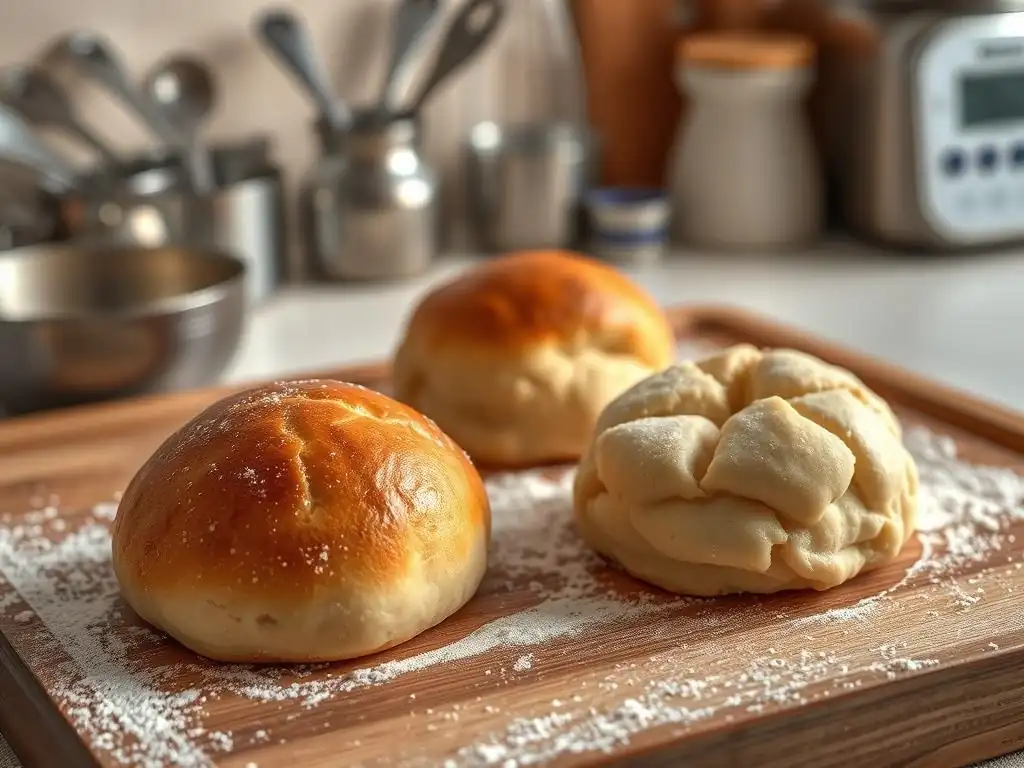
Baking is where the magic happens, transforming dough and filling into irresistible sweet rolls. However, issues in the oven can ruin texture and appearance. Common sweet roll baking problems at this stage include burning, pale crusts, or undercooked centers.
Mastering oven temperature and timing is key to achieving that beautiful golden-brown color and perfectly cooked interior. We'll explore why these baking issues occur and how to adjust your technique for consistent results.
Sweet Rolls Burning on the Bottom: Prevention Strategies
Sweet rolls burning on the bottom while the tops are still pale is a frustratingly common sweet roll baking problem. This usually indicates that the bottom of the pan is getting too much direct heat. Possible causes include using a dark-colored baking pan (which absorbs more heat than light-colored pans), placing the pan on the lowest oven rack, or having an oven with hot spots or inaccurate temperature calibration, especially towards the bottom element.
To prevent burning bottoms, switch to a light-colored, reflective metal baking pan if you're using dark pans. Dark pans can require reducing the oven temperature by 25°F (15°C) or shortening the baking time. Always place your sweet rolls on the middle oven rack, where the heat is typically most even.
If you suspect your oven has hot spots or is calibrated incorrectly, an oven thermometer can help you verify the actual temperature. If bottoms still burn, try placing an empty baking sheet on the rack below your sweet rolls to act as a heat shield, deflecting some of the direct heat from the bottom element.
Pale Sweet Rolls: How to Get a Golden Crust
Pale sweet rolls lack that appealing golden-brown hue and can sometimes indicate they haven't baked long enough or at a sufficient temperature. This sweet roll baking problem is often the opposite of burning bottoms and suggests the rolls aren't getting enough heat or time to properly brown through the Maillard reaction and caramelization of sugars. Causes include insufficient baking time, too low oven temperature, or placing the pan too high in the oven away from the main heat source.
To achieve a beautiful golden crust, ensure your oven is preheated to the correct temperature (check with an oven thermometer if unsure). Bake the rolls for the full time specified in the recipe, plus any additional time needed for them to reach the desired color and doneness.
If the tops are still pale but the centers are cooked, you can try moving the pan to a slightly lower rack for the last few minutes of baking to get more direct heat on the bottom, which reflects heat upwards. Alternatively, consider brushing the tops of the rolls with a little milk, cream, or an egg wash before baking; this adds moisture and protein that promote browning.
Uneven Baking: Ensuring Consistent Sweet Roll Doneness
Uneven baking, where some sweet rolls in the pan are perfectly done while others are under or overcooked, is another common sweet roll baking problem. This is almost always due to uneven heat distribution within your oven. Ovens, especially older ones, often have hot spots or areas that are significantly hotter or cooler than others. Placing the baking pan too close to one of the oven elements can also cause uneven heating.
To combat uneven baking, rotate your baking pan halfway through the baking time. For example, if the recipe calls for 20 minutes, turn the pan 180 degrees after 10 minutes. This exposes all sides of the pan and all rolls to different areas of the oven, promoting more uniform cooking.
If you know your oven has significant hot spots (verified with an oven thermometer), try to position your pan to avoid those areas, or bake fewer rolls at a time if necessary. Ensure there is adequate space around your baking pan for air circulation; avoid placing multiple pans too close together in the oven.
Sweet Rolls Not Baking Through: Adjusting Baking Time and Temperature
Sweet rolls that are golden on the outside but doughy or raw in the center are a clear sign of sweet roll baking problems related to time and temperature. This usually happens when the oven temperature is too high, causing the outside to brown rapidly before the heat has penetrated to cook the center. Alternatively, simply not baking them for long enough, even at the correct temperature, will also result in undercooked interiors.
To ensure sweet rolls bake through completely, verify your oven temperature with an oven thermometer; if it runs hot, decrease the temperature slightly (e.g., by 25°F or 15°C). Bake the rolls for the full time recommended in the recipe. To check for doneness, the internal temperature of the center roll should reach around 190-200°F (88-93°C).
You can also gently lift a roll from the center of the pan; if the bottom is golden brown and the roll feels relatively firm, it's likely done. If the tops are browning too quickly while the centers are still raw, loosely tent the pan with aluminum foil for the remainder of the baking time to prevent further browning.
Frosting and Glaze Troubleshooting for Sweet Rolls
The final touch for most sweet rolls is a delicious frosting or glaze. But even at this late stage, sweet roll baking problems can arise, leaving you with icing that's too thin, too thick, or just won't stick.
Getting the right consistency and application for your glaze or frosting is essential for presentation and taste. We'll tackle common icing issues and how to achieve that perfect finish on your sweet rolls.
Icing Too Thin: Thickening Your Sweet Roll Glaze
An icing or glaze that is too thin will run off the sweet rolls instead of creating a luscious coating. This common sweet roll baking problem is usually caused by adding too much liquid (milk, water, juice, etc.) relative to the amount of powdered sugar. The ratio of liquid to sugar is crucial for achieving the desired consistency.
To thicken an icing that is too thin, gradually add more powdered sugar, one tablespoon at a time, whisking until smooth after each addition. Continue adding powdered sugar until the icing reaches your desired consistency – thick enough to coat the back of a spoon and drizzle slowly, but still pourable. If you accidentally add too much powdered sugar, you can thin it out again with tiny amounts of liquid. Remember to start with less liquid than you think you'll need when making icing initially; it's much easier to add more liquid than to fix an overly thin glaze.
Icing Too Thick: Thinning for Smooth Application
Conversely, an icing or glaze that is too thick will be difficult to drizzle or spread smoothly over your sweet rolls, resulting in a clumpy or uneven coating. This sweet roll baking problem occurs when there isn't enough liquid added to the powdered sugar, or if the powdered sugar contains cornstarch (which many brands do) and is absorbing moisture over time.
To thin an icing that is too thick, gradually add a very small amount of liquid (milk, water, etc. ), about half a teaspoon at a time, whisking vigorously after each addition until the icing reaches the desired drizzling or spreading consistency.
Be cautious not to add too much liquid at once, as it's easy to overshoot and make it too thin. If the icing contains butter or cream cheese, warming it slightly over a double boiler or in the microwave for just a few seconds can also help loosen it up for easier application, but be careful not to overheat.
Sticky Icing: Preventing a Tacky Finish
Sticky icing is an annoying sweet roll baking problem that leaves your fingers covered in a tacky residue long after handling the rolls. This can happen for several reasons: using too much liquid in the icing, not allowing the icing to set properly, or the icing recipe itself being prone to stickiness due to a high ratio of liquid sugar (like corn syrup or honey) without enough powdered sugar structure. High humidity can also make icings more prone to stickiness.
To prevent sticky icing, ensure you use the correct ratio of powdered sugar to liquid to achieve a set consistency. A glaze meant to harden slightly will have a higher sugar-to-liquid ratio than a soft frosting. Allow the sweet rolls to cool sufficiently before applying the icing; applying icing to hot rolls will cause it to melt and absorb unevenly, potentially leading to stickiness.
For glazes, allowing them to sit undisturbed for 15-30 minutes after application helps them set. If humidity is an issue, adding a tiny pinch of cream of tartar to a powdered sugar glaze can sometimes help it set firmer, although this is less common for typical sweet roll icings.
Icing Not Sticking: Ensuring Adhesion to Your Sweet Rolls
If your icing beads up or slides off the sweet rolls instead of adhering smoothly, you're facing another sweet roll baking problem. The most common reason is applying the icing to rolls that are too hot. The steam rising from the hot rolls prevents the icing from gripping the surface. Applying icing to rolls that are too cold or have a greasy surface can also cause adhesion problems.
Ensure your sweet rolls have cooled down sufficiently before icing them. They should be warm to the touch, but not hot enough to produce steam. Applying icing while they are still warm helps it melt slightly and conform to the roll's shape, creating a nice coating.
If the rolls have been cooled completely and seem greasy (perhaps from excessive butter in the filling), you can try a very light dusting of powdered sugar before icing, which can give the glaze something to grip onto. For a very smooth, non-porous surface, a slightly thicker icing consistency might adhere better than a very thin glaze.
Sweet Roll Texture Problems: Achieving Softness and Fluffiness

Beyond appearance and filling, the texture of your sweet rolls is paramount. Tough, dry, chewy, or flat rolls are disappointing sweet roll baking problems that can ruin the eating experience.
Achieving that desired soft, fluffy, and slightly chewy texture is a hallmark of a great sweet roll. We'll explore the common culprits behind poor texture and how to tweak your technique and ingredients for optimal results.
Tough Sweet Rolls: Tenderizing Techniques
Tough sweet rolls are often the result of overdeveloping gluten without sufficient fat or moisture to tenderize it, or from using too much flour which hinders proper expansion during baking. Overmixing after the flour is added can build too much gluten structure, similar to bread dough but less desirable for a soft sweet roll. Handling the dough too roughly during shaping can also compact the structure, leading to toughness.
To tenderize sweet rolls, ensure you use the correct amount of fat (butter, oil) and other tenderizing ingredients like eggs and sugar as specified in the recipe. These ingredients interfere with gluten development, resulting in a softer crumb. Knead the dough only until it is smooth and elastic; avoid prolonged kneading once this stage is reached. When rolling and shaping, handle the dough gently to maintain the airy structure created during proofing. Using a scale to measure flour precisely prevents adding excess, which is a major contributor to tough dough.
Dry Sweet Rolls After Baking: Keeping Them Moist
Dry sweet rolls after baking are a sad outcome, often losing their appeal quickly. This sweet roll baking problem usually stems from insufficient moisture in the dough initially (too much flour, not enough liquid/fat), over-baking, or improper storage. Baking too long or at too high a temperature can evaporate essential moisture from the rolls.
To prevent dry sweet rolls, ensure your dough is properly hydrated and contains adequate fat. Pay close attention to baking time and temperature, using visual cues and potentially an internal thermometer to avoid over-baking. Once baked, brush warm sweet rolls immediately with a simple syrup (equal parts sugar and water, heated until sugar dissolves) or melted butter; this adds moisture and keeps them soft. Proper storage is also key: store cooled sweet rolls in an airtight container at room temperature for 1-2 days, or freeze them for longer storage. Reheating gently can also help restore some moisture.
Chewy Sweet Rolls: Achieving the Right Texture
While a little chewiness can be pleasant, overly chewy sweet rolls often indicate excessive gluten development or not enough fat to shorten the gluten strands. This sweet roll baking problem is closely related to toughness but specifically refers to a texture that requires significant effort to chew. Using bread flour instead of all-purpose flour (which has higher protein content, thus more gluten) can also lead to a chewier result than desired for a soft sweet roll.
To achieve a soft, tender texture with just the right amount of chew, use all-purpose flour unless the recipe specifically calls for bread flour. Measure flour accurately, ideally by weight, to avoid adding too much. Ensure the recipe includes enough fat (butter, oil) and potentially eggs, as these ingredients tenderize the dough by interfering with gluten formation. Knead the dough only until it's smooth and elastic, stopping before it becomes overly developed or tough. Allowing adequate proofing time also contributes to a softer crumb structure.
Flat Sweet Rolls: Adding Volume and Lift
Flat sweet rolls lack that appealing height and fluffy appearance. This sweet roll baking problem is typically caused by issues with leavening or structure. Under-proofing means the dough hasn't developed enough gas to expand properly in the oven. Over-proofing can also lead to flat rolls because the gluten structure collapses after rising too much, leaving no strength for oven spring. Not rolling the dough tightly enough allows the layers to separate rather than providing structure.
To get tall, fluffy sweet rolls, ensure your yeast is active and your proofing environment is warm and draft-free for both the first and second rises. Watch the dough for visual cues – it should double in size for the first rise and look noticeably puffy for the second rise, but not so airy that it looks fragile. Roll the dough into a tight, even log after adding the filling.
When slicing, use a sharp tool to avoid squishing the layers. Baking the rolls relatively close together in a pan can also provide mutual support, helping them rise upwards rather than spreading outwards.
Preventative Measures for Future Sweet Roll Success
Preventing sweet roll baking problems before they happen is the best approach. By focusing on precision and technique at every stage, you can minimize the chances of encountering issues.
Building good baking habits and understanding the role of each ingredient and step will significantly improve your sweet roll outcomes. Let's look at key areas where you can proactively ensure sweet roll success.
Key Ingredients for Perfect Sweet Rolls
Using high-quality, fresh ingredients is foundational to avoiding sweet roll baking problems. Flour, yeast, sugar, fat, and dairy all play critical roles, and their quality and freshness directly impact the final result. Expired yeast, rancid butter, or old flour can all derail your bake before you even start.
Ensure your active dry or instant yeast is fresh; check the expiration date and store it properly. Use the type of flour specified in the recipe (usually all-purpose) and measure it accurately, preferably by weight. Fresh butter and dairy products contribute significantly to flavor and texture. Granulated and brown sugars not only provide sweetness but also impact moisture and browning. Using ingredients at the correct temperature, such as softened butter for creaming or warm milk for activating yeast, is also crucial for proper dough development and avoiding sweet roll issues.
Mastering Dough Handling Techniques
Proper dough handling is vital for developing the right texture and preventing sweet roll baking problems. Kneading develops the gluten structure, providing elasticity and strength, while gentle handling during shaping preserves the airy structure created by yeast. Overworking the dough can lead to toughness, while insufficient kneading results in a weak structure that won't rise properly.
Learn to recognize what properly kneaded dough feels like – it should be smooth, elastic, and pass the windowpane test (a small piece can be stretched thinly without tearing). Be patient during proofing, allowing the dough adequate time to double in size in a warm environment. When rolling and shaping, use minimal flour on your surface to avoid drying out the dough. Roll the dough into a consistent rectangle and roll it up tightly but gently to create well-defined layers that hold their shape during baking and help avoid flat sweet roll issues.
Precise Baking Times and Temperatures for Sweet Rolls
Oven calibration and accurate timing are critical for avoiding common sweet roll baking problems like burning, paleness, or undercooked centers. An oven that runs hot or cold can drastically alter baking outcomes regardless of how perfectly the dough was prepared.
Always preheat your oven thoroughly and consider using an oven thermometer to verify the actual temperature. Bake for the time recommended in the recipe, but use visual cues (golden brown tops and bottoms) and internal temperature (190-200°F or 88-93°C in the center) to confirm doneness. If your rolls are browning too quickly, tent them with foil. If they need more color, give them a few extra minutes. Knowing your oven's quirks is key to consistent results.
Storage Tips to Keep Sweet Rolls Fresh
Proper storage is essential for maintaining the quality and moisture of your sweet rolls after all your hard work preventing sweet roll baking problems during the bake. Improper storage can lead to dry, stale, or hard rolls quickly.
Once sweet rolls have cooled (but are still slightly warm if they have a glaze), store them in an airtight container at room temperature. They are best enjoyed within 1-2 days. For longer storage, sweet rolls freeze exceptionally well. Freeze individual rolls or the entire pan (if unglazed) once cooled. Once frozen, transfer to a freezer-safe bag or wrap tightly in plastic wrap and then foil. Thaw at room temperature or reheat gently in the oven or microwave. Glaze frozen rolls after thawing.
Frequently Asked Questions
What are some common reasons why my sweet rolls are tough?
Tough sweet rolls are often caused by overmixing the dough, which develops too much gluten. Other culprits include using too much flour or baking at too high a temperature.
My sweet rolls are flat and dense – what went wrong?
Flat sweet rolls usually indicate a problem with the yeast. Ensure your yeast is fresh and active, and that the dough is allowed to proof adequately in a warm environment.
The filling in my sweet rolls leaked out during baking. How can I prevent this?
To prevent filling leakage, make sure to seal the edges of your sweet rolls tightly. Also, avoid overfilling them, as this can cause the filling to burst out during baking.
My sweet rolls are browning too quickly on top, but are still raw inside. What should I do?
If your sweet rolls are browning too fast, tent them with aluminum foil during baking to shield them from direct heat. This allows the inside to cook through without burning the top.
How can I ensure my sweet rolls are soft and fluffy?
Using high-quality ingredients like bread flour and butter, and following the recipe accurately are crucial. Also, ensure proper proofing and baking times for a tender, fluffy texture.
Final Reflection: The Sweet Success of Troubleshooting
The art of baking, especially when it comes to delicate sweet rolls, is a journey of continuous learning, and understanding common pitfalls is crucial to achieving consistently delicious results. A perfectly risen, golden-brown sweet roll is a testament to patience and precision, but even the most experienced bakers encounter challenges. This article has explored some of the most frequent issues, from dough that's too sticky to rolls that refuse to brown, offering practical solutions to help you navigate these baking hurdles.
The pursuit of the perfect sweet roll transcends mere culinary skill; it's a reflection of our desire to create something beautiful and comforting. The act of baking, and the subsequent sharing of these treats, fosters connection and joy. Baking is at once child's play and adult joy. And love, of course.
– This sentiment perfectly captures the essence of the sweet roll baking experience, highlighting the emotional investment and reward inherent in the process. The enduring popularity of sweet rolls, passed down through generations and adapted across cultures, underscores their significance in our collective culinary heritage.
Now, armed with a deeper understanding of common sweet roll baking problems and their solutions, I invite you to embrace the challenge. Don't be discouraged by setbacks; instead, view them as opportunities to refine your technique and deepen your appreciation for this delightful craft. Experiment with different flours, yeasts, and baking times. Most importantly, enjoy the process, savor the aroma of baking bread, and share the sweet rewards of your labor with those you love. The journey to mastering sweet roll baking is a rewarding one, filled with delicious discoveries and the satisfaction of creating something truly special.
Unlock Your Inner Baker: Perfect Sweet Rolls Await!
Thanks for joining us on this sweet journey! We hope you gained valuable insights into troubleshooting those pesky sweet roll issues. Now it's time to put your newfound knowledge into action.
- Bake a batch of your favorite sweet rolls, using the tips and tricks you just learned! This is your chance to shine.
- Share your baking triumphs (or even your challenges!) with our community on social media – use #BakeWithEaseSweetRolls. Let's inspire each other!
- Consider experimenting with a new recipe variation – maybe add some unique spices or a delicious glaze!
Ready to transform your baking game? What unique twist will you add to your next batch of perfect sweet rolls?