
The BakeWithEase Promise: Simple Cakey Brownies Explained

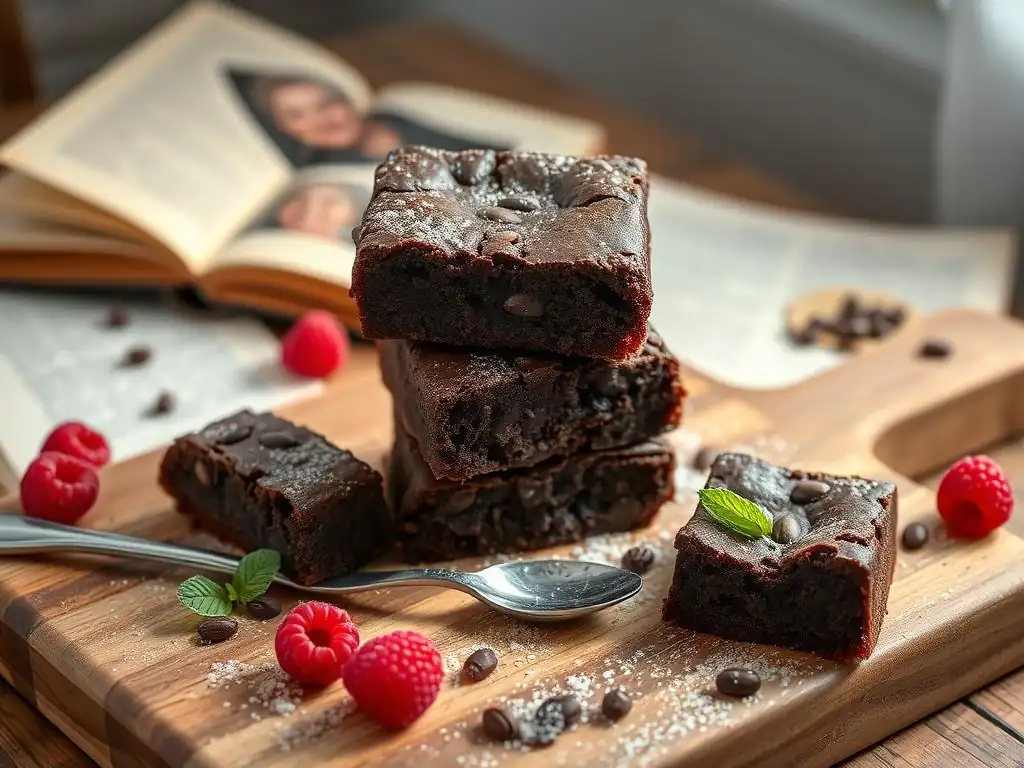
Welcome to BakeWithEase, where baking dreams become delicious reality! Ever wondered how to achieve that perfect cakey brownie texture, the kind that's both fudgy and light? We're about to unlock the secret. Dive into our beginner-friendly guide and discover just how easy it is to create these irresistible treats. Let's get baking!
- The Ultimate Cakey Brownie Guide: Light, Airy & Delicious
- Your Guide to Perfect Cakey Brownies
- What Makes These Brownies Cakey?
- Step-by-Step: Baking Cakey Brownies
- Cakey Brownies vs. Fudgy Brownies: The Texture Difference
- Tips & Tricks for Baking Perfect Cakey Brownies
- Variations on the Cakey Brownie Recipe
- Storing Your Homemade Cakey Brownies
-
Frequently Asked Questions
- What makes this brownie recipe "cakey" instead of fudgy?
- Is this "easy cakey brownie recipe" suitable for beginner bakers?
- Can I substitute ingredients in this brownie recipe?
- How do I know when my cakey brownies are done baking?
- What are some variations I can try with this "easy cakey brownie recipe"?
- Final Reflection: The Enduring Allure of the Perfectly Cakey Brownie
- Unlock Your Inner Brownie Boss!
The Ultimate Cakey Brownie Guide: Light, Airy & Delicious
Your Guide to Perfect Cakey Brownies
BakeWithEase is all about making baking simple and enjoyable, and crafting the perfect cakey brownie is no delightful journey. Forget dense, ultra-fudgy squares for a moment; we're diving into the world of brownies with a lighter, more structured crumb, reminiscent of a tender cake but with that unmistakable rich chocolate flavor. This guide will walk you through everything you need to know to bake an easy cakey brownie recipe that's consistently delicious and satisfying.
Mastering an easy cakey brownie recipe means understanding the balance of ingredients and the role of each step. Unlike their fudgier cousins, cakey brownies typically incorporate more flour and often a chemical leavener like baking powder. This gives them lift and structure, resulting in that signature lighter texture. Our approach simplifies this process, ensuring that even beginner bakers can achieve fantastic results without complicated techniques or hard-to-find ingredients.
Mastering the Cakey Brownie Recipe
Achieving a truly cakey brownie texture hinges on a few fundamental principles that distinguish it from other brownie styles. Primarily, the ratio of ingredients plays a crucial role. Cakey brownies generally contain a higher proportion of flour to fat compared to fudgy brownies, and they often include a leavening agent such as baking powder, which is less common in fudgy recipes. This increased structure and rise are what create the light, airy crumb that defines a cakey brownie.
Furthermore, the mixing method can significantly impact the final texture. For an easy cakey brownie recipe, creaming the butter and sugar together is a common technique. This process incorporates air into the batter, contributing to the brownie's lift and cake-like structure. While overmixing should still be avoided, this initial aeration step is key to developing the desired texture, setting it apart from methods that might simply melt butter and combine ingredients with minimal mixing.
What Makes These Brownies Cakey?
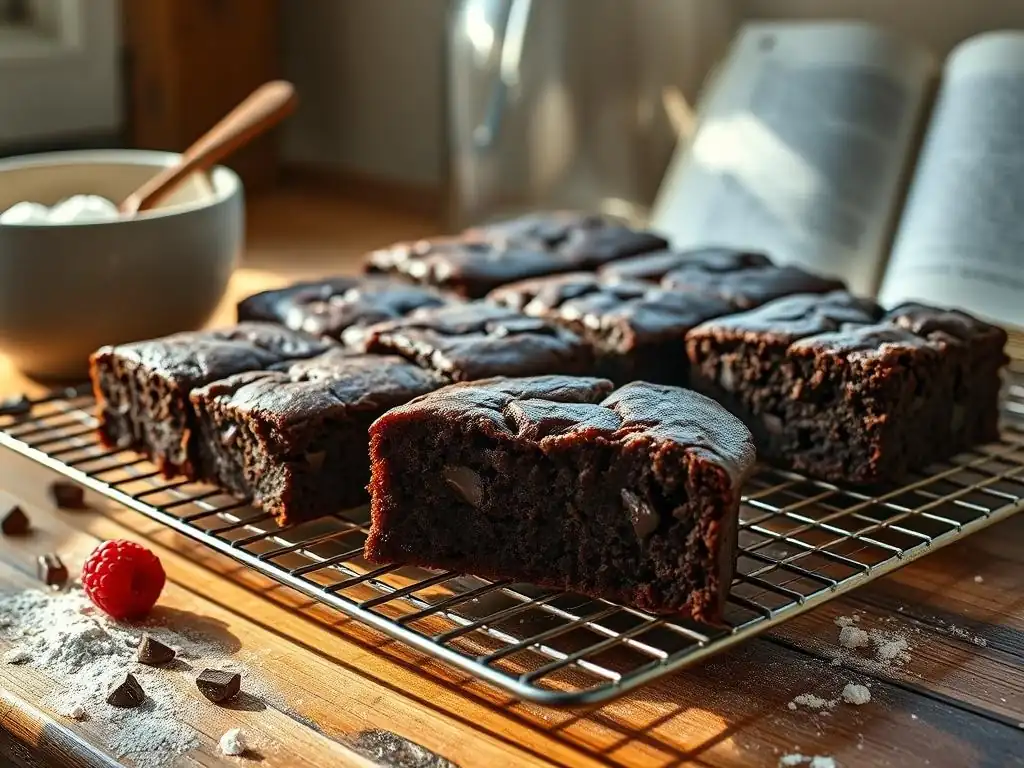
The defining characteristic of a cakey brownie is its texture – it's lighter, airier, and more structured than a fudgy or chewy brownie. This texture is primarily achieved through specific ingredient ratios and the inclusion of leavening agents. Think of it as a delightful hybrid, offering the comforting familiarity of cake combined with the deep, rich taste of chocolate.
Understanding the science behind the cakey texture makes baking them even easier. It's not just about following steps; it's knowing why you're doing them. Our easy cakey brownie recipe focuses on these core elements to ensure reliable results every time you bake.
Key Ingredients for Cakey Brownies
The foundation of any easy cakey brownie recipe lies in its specific ingredient list and their proportions. Flour is a major contributor to the cakey texture; more flour relative to fat and chocolate provides structure and absorbs moisture, leading to a drier, more cake-like crumb. A typical recipe might use something like 1.5 cups of flour compared to 1 cup of cocoa powder or melted chocolate, whereas a fudgy recipe might reverse this ratio or significantly reduce the flour.
Another critical component is the leavening agent, often baking powder, and sometimes baking soda if the recipe includes an acidic ingredient like buttermilk or brown sugar. Baking powder creates carbon dioxide gas when heated, causing the batter to rise and develop an open, airy structure. Eggs also play a dual role, providing structure through their protein and contributing to leavening when whipped, further enhancing the cakey quality. The amount of fat (butter or oil) is usually less than in fudgy recipes, which also helps prevent the dense, melt-in-your-mouth texture of their counterparts.
The Easy Baking Method
The baking method for cakey brownies is designed to promote structure and even cooking. Preheating the oven to a standard temperature, often around 350°F (175°C), is crucial for consistent results. Baking at this moderate temperature allows the leavening agents to work effectively and the batter to set properly without burning the edges before the center is cooked.
The duration of baking is also key. Cakey brownies are typically baked longer than fudgy ones to allow the internal structure to fully develop and firm up. While baking times vary based on oven calibration and pan size (an 8x8 inch pan might bake for 25-35 minutes), the goal is to bake until a toothpick inserted into the center comes out with moist crumbs attached, not wet batter. Overbaking will result in dry, crumbly brownies, losing the desired balance between cakey and moist.
Step-by-Step: Baking Cakey Brownies
Ready to bake? Following these steps will guide you to a perfect batch of easy cakey brownies.
Preparing Your Ingredients and Equipment
Before you begin mixing, ensure all your ingredients are measured accurately. This is especially important in baking, as ratios directly impact texture. Have your dry ingredients (flour, cocoa powder, baking powder, salt) measured into one bowl and wet ingredients (sugar, eggs, vanilla extract, melted butter or oil) ready in separate bowls or cups as needed. Using room temperature eggs is beneficial as they incorporate more evenly into the batter, contributing to a smoother consistency and better rise.
Equally important is preparing your baking pan. An 8x8 inch or 9x13 inch metal pan is standard for brownies. For easy removal and clean-up, it's best to grease the pan and then line it with parchment paper, leaving an overhang on two sides. This creates "handles" to lift the cooled brownies out. Preheat your oven to the specified temperature, typically 350°F (175°C), to ensure it's ready when the batter is mixed, allowing for immediate and even baking.
Mixing the Batter: Achieving the Right Consistency
The mixing process for an easy cakey brownie recipe often starts by creaming together the softened butter and sugar until light and fluffy. This step incorporates air, which is vital for the cakey texture. Next, beat in the eggs one at a time, followed by vanilla extract, ensuring each is fully combined before adding the next. Scrape down the sides of the bowl as needed to ensure everything is incorporated.
Finally, add the dry ingredients to the wet mixture. Mix on low speed or by hand just until the dry ingredients are incorporated. It's crucial not to overmix at this stage. Overmixing develops the gluten in the flour too much, which can lead to tough, dense brownies rather than the desired light, tender crumb. The batter should be thick but pourable, without large pockets of dry flour.
Baking to Perfection: The Doneness Test
Baking time is approximate and will vary depending on your oven and pan. For an 8x8 inch pan, this is often between 25 to 35 minutes. Keep an eye on them after the 20-minute mark. The surface should look set and slightly crackled, and the edges should be pulling away slightly from the sides of the pan.
The most reliable way to check for doneness is the toothpick test. Insert a toothpick into the center of the pan. For cakey brownies, the toothpick should come out with moist crumbs attached, not wet batter. If it comes out completely clean, they are likely overbaked and might be dry. If it comes out with wet batter, they need more time. Start checking every few minutes once you reach the minimum suggested baking time.
Cooling and Cutting: For Best Presentation
Allowing your cakey brownies to cool properly is just as important as the baking itself. Once removed from the oven, let them cool in the pan set on a wire rack for about 10-15 minutes. This allows the structure to set further as they cool gradually.
After the initial cooling in the pan, use the parchment paper overhang to lift the entire slab of brownies out and transfer it directly onto the wire rack to cool completely. Cooling on a wire rack allows air circulation around all sides, preventing the bottom from becoming soggy. Once fully cooled (this can take 1-2 hours), you can cut them into squares. For clean cuts, use a sharp knife and wipe the blade with a warm, damp cloth between each cut.
Cakey Brownies vs. Fudgy Brownies: The Texture Difference
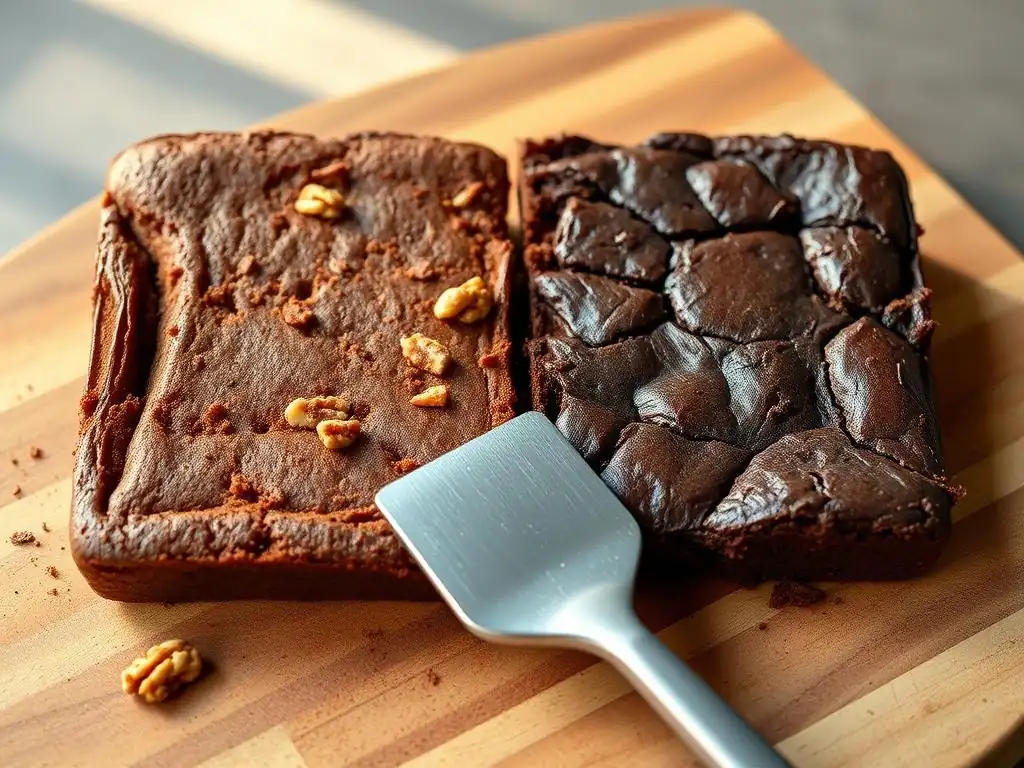
The world of brownies offers a spectrum of textures, primarily categorized as cakey, fudgy, and chewy. Each style has its dedicated fans, and the difference lies mainly in the ingredient ratios and baking methods used. Cakey brownies, as we've explored, lean towards a lighter, more structured crumb.
In contrast, fudgy brownies are characterized by their dense, moist, and almost melt-in-your-mouth texture. This is achieved by using a higher ratio of fat (like butter or melted chocolate) and chocolate to flour, often with minimal or no chemical leavening. Chewy brownies fall somewhere in between, often using a combination of ingredients and techniques like using melted butter and a specific ratio of brown to white sugar to create a slightly dense but satisfyingly chewy bite.
Understanding Brownie Textures
The texture of a brownie is a direct result of the interplay between its core ingredients: flour, fat, sugar, eggs, and chocolate/cocoa. Flour provides structure; more flour equals more structure, leading to a cakey texture. Fat (butter, oil, chocolate) contributes to richness and moisture; more fat leads to a fudgier texture. Sugar affects both moisture and tenderness. Eggs act as a binder and contribute to structure and leavening (especially when beaten).
Leavening agents like baking powder are key differentiators. The inclusion of baking powder in a recipe introduces air pockets that expand during baking, giving the brownie lift and creating an open, cake-like crumb. Fudgy brownies often rely solely on the leavening from eggs and steam, resulting in a denser structure. Understanding these basic principles helps you predict the outcome of a recipe or even adjust one to achieve your preferred texture.
Tips & Tricks for Baking Perfect Cakey Brownies
Even with an easy cakey brownie recipe, a few insider tips can elevate your results from good to absolutely fantastic.
Avoiding Common Mistakes
One of the most frequent errors when baking cakey brownies is overmixing the batter after adding the dry ingredients. As mentioned, this develops gluten, resulting in tough, rubbery brownies instead of light and tender ones. Mix only until the flour streaks disappear. Another common pitfall is overbaking. While cakey brownies need more structure than fudgy ones, baking them too long will dry them out completely. Always rely on the toothpick test rather than just the timer.
Using the wrong pan size can also impact texture and baking time. An 8x8 inch pan will yield thicker brownies requiring a longer bake than a 9x13 inch pan using the same amount of batter. Ensure your oven temperature is accurate; consider using an oven thermometer as oven calibrations can vary significantly (sometimes by 25°F or more). Baking at the correct temperature is vital for proper leavening and even cooking.
Pro Tips for Enhancing Your Brownie Recipe
For an extra boost of flavor in your easy cakey brownie recipe, consider using high-quality cocoa powder or adding a small amount of instant espresso powder (about 1 teaspoon) to the batter. The coffee subtly enhances the chocolate flavor without making the brownies taste like coffee. Sifting your dry ingredients together before adding them to the wet mixture helps prevent lumps and ensures they are evenly distributed, contributing to a uniform texture.
Don't forget the salt! A pinch of salt (typically 1/4 to 1/2 teaspoon) in sweet baked goods is crucial for balancing the flavors and preventing them from tasting overly sweet or flat. If you prefer your cakey brownies just slightly less dry while still maintaining the structure, you can slightly underbake them – aiming for a toothpick with slightly more moist crumbs than just a few. However, be careful not to underbake them too much, or they'll collapse in the center.
Variations on the Cakey Brownie Recipe
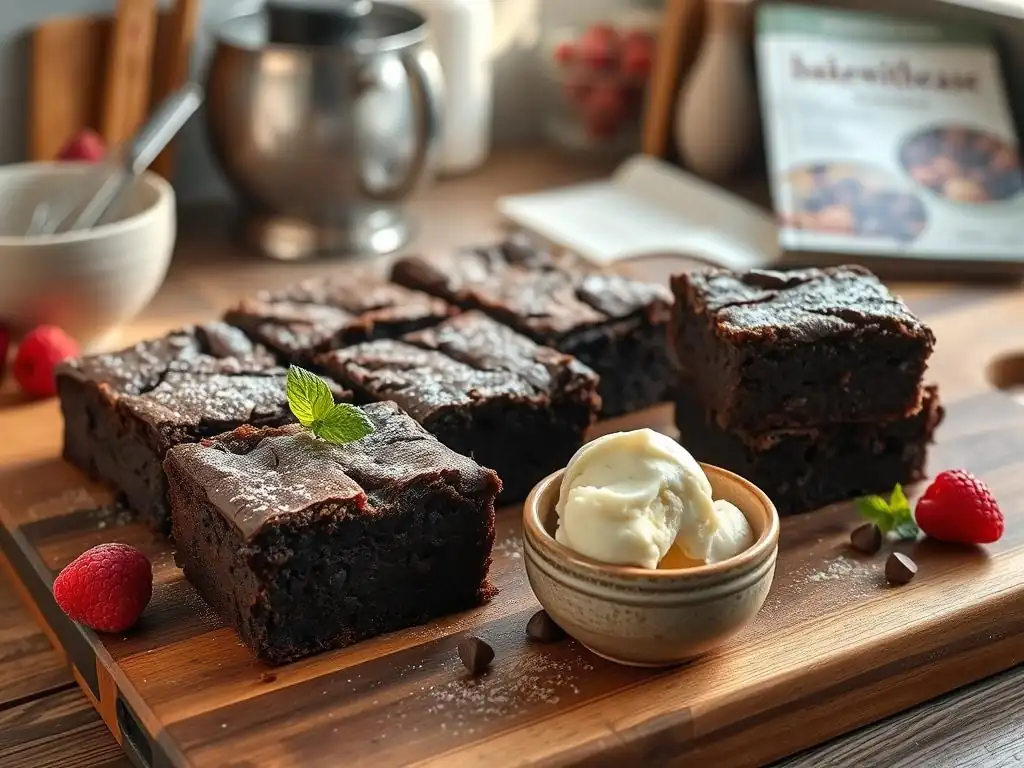
While a classic easy cakey brownie recipe is delicious on its own, it serves as an excellent base for creative additions and flavor explorations.
Adding Chocolate Chips, Nuts, or Swirls
Introducing mix-ins is a simple way to customize your cakey brownies. Chocolate chips (milk, semi-sweet, or dark) are a popular choice, adding pockets of melted chocolatey goodness. Fold in about 1 cup of chocolate chips just before spreading the batter into the pan. Nuts like walnuts or pecans add a satisfying crunch and earthy flavor; approximately 1/2 to 1 cup chopped nuts can be folded in alongside or instead of chocolate chips.
For a visually appealing and flavorful swirl, consider swirling in about 1/2 cup of melted peanut butter, Nutella, or even a simple chocolate ganache into the batter after it's in the pan. Use a knife or skewer to gently swirl the addition through the brownie batter, being careful not to overmix and lose the distinct swirl pattern. These additions bake beautifully into the cakey texture.
Exploring Flavor Combinations: Coffee, Mint, Peanut Butter
Beyond mix-ins, you can infuse your easy cakey brownie recipe with different flavors. Adding 1-2 teaspoons of peppermint extract can transform them into festive mint chocolate brownies. Be mindful with extracts; a little goes a long way. For a mocha flavor, incorporate 1-2 tablespoons of strongly brewed coffee or 1-2 teaspoons of instant espresso powder dissolved in a tablespoon of hot water into the wet ingredients.
Peanut butter isn't just for swirling; you can modify the recipe to create a peanut butter swirl brownie. Another approach is to add peanut butter chips alongside chocolate chips. For a citrusy hint, a teaspoon of orange zest can brighten the rich chocolate flavor. Experimenting with extracts and additions opens up a world of possibilities for your standard cakey brownie recipe.
Storing Your Homemade Cakey Brownies
Proper storage ensures your delicious easy cakey brownies stay fresh and enjoyable for as long as possible.
Keeping Brownies Fresh
Once your cakey brownies have completely cooled, the best way to store them at room temperature is in an airtight container. Cut brownies tend to dry out faster than a whole slab, so cutting them just before serving is ideal, but if you need to store them cut, place them in the container in a single layer or with parchment paper between layers to prevent sticking.
Stored this way, your cakey brownies should remain fresh and moist for about 3 to 4 days. Keep the container away from direct sunlight and heat sources, as temperature fluctuations can affect their texture and freshness. If you notice they are starting to dry out slightly after a couple of days, you can try placing a slice of bread in the container with them; the brownies will absorb moisture from the bread.
Freezing Brownies for Later
Freezing is an excellent option if you won't eat your entire batch of easy cakey brownies within a few days or if you like to have treats ready on hand. Ensure the brownies are completely cooled before freezing. You can freeze them as a whole slab, cut into individual squares, or in smaller portions.
For best results, wrap individual squares tightly in plastic wrap, then place the wrapped squares in a freezer-safe airtight container or heavy-duty freezer bag. This double layer of protection helps prevent freezer burn. Frozen cakey brownies can last in the freezer for up to 3 months. To thaw, simply take them out of the freezer and let them sit at room temperature for an hour or two. They will retain their delicious cakey texture once thawed.
Frequently Asked Questions
What makes this brownie recipe "cakey" instead of fudgy?
The ratio of ingredients is key. This recipe uses more flour and leavening agents like baking powder, which creates a lighter, cake-like texture instead of a dense, fudgy one.
Is this "easy cakey brownie recipe" suitable for beginner bakers?
Absolutely! The recipe is designed with clear, step-by-step instructions and readily available ingredients, making it perfect for beginners. It focuses on simple techniques that are easy to master.
Can I substitute ingredients in this brownie recipe?
While some substitutions are possible, altering the key ingredients like flour or sugar may affect the final texture and taste. We recommend sticking to the recipe for the best results.
How do I know when my cakey brownies are done baking?
Insert a toothpick into the center; it should come out with a few moist crumbs attached. Avoid overbaking, as this can lead to dry brownies. The internal temperature should be around 210°F.
What are some variations I can try with this "easy cakey brownie recipe"?
You can add chocolate chips, nuts, or a swirl of peanut butter to personalize your brownies. Experiment with different flavor extracts or top with a simple glaze for added richness.
Final Reflection: The Enduring Allure of the Perfectly Cakey Brownie
The pursuit of the perfect cakey brownie transcends mere baking; it's a quest for simple joy, a testament to the power of accessible deliciousness. In a world increasingly complex and demanding, the ability to whip up a batch of moist, fudgy-yet-airy brownies from readily available ingredients offers a comforting counterpoint. This ease of creation, coupled with the undeniable satisfaction of sharing the results, speaks volumes about our enduring need for uncomplicated pleasures.
The impact of a simple, well-executed recipe like this extends far beyond the individual baker. It fosters a sense of community, connecting people through shared experiences of culinary success. The act of baking itself, especially something as universally loved as brownies, can be incredibly therapeutic and grounding. Baking is at once child's play and adult joy. And love, of course.
– This sentiment perfectly captures the emotional resonance of creating and sharing something delicious and uncomplicated.
Now, I invite you to consider the possibilities. Don't just bake these brownies; experience them. Reflect on the simple act of creation, the joy of sharing, and the comforting warmth that comes from a perfectly executed recipe. Embrace the ease, the deliciousness, and the connection it fosters. Go forth and bake – and share the joy!
Unlock Your Inner Brownie Boss!
Thanks for joining us on this delicious journey into the world of perfectly cakey brownies! We hope you've gained the confidence to tackle this classic treat with ease. Ready to take your baking skills to the next level?
- Bake a batch of these amazing brownies today! Use the recipe we provided and let us know how they turn out.
- Share your brownie creations on social media using #BakeWithEaseBrownies – we'd love to see your masterpieces!
- Explore other simple recipes on our website – maybe you'll discover your new favorite dessert!
What's your favorite brownie topping? Let's chat in the comments!