
Delicate LowSugar Pastries: Simple Recipes to Try

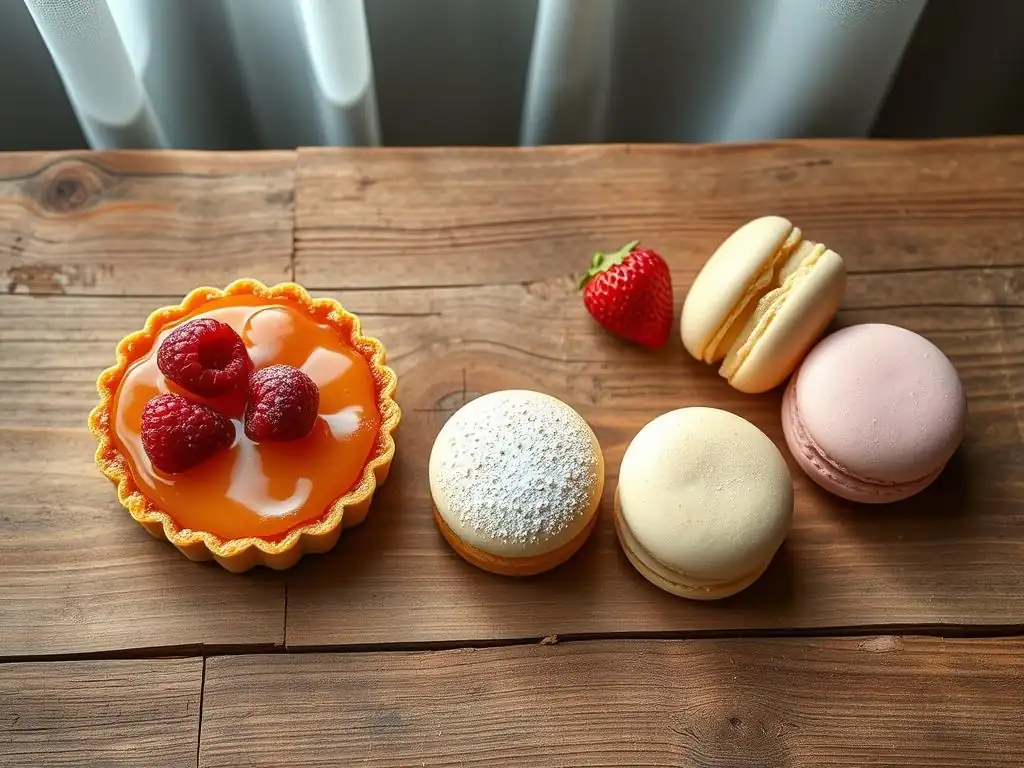
Welcome to BakeWithEase, your haven for transforming baking dreams into delicious realities! Ever wondered if you could indulge in delicate pastries without the guilt? Prepare to be amazed! Dive into our collection of low sugar pastry recipes and discover how to create delectable treats that are both satisfying and mindful. Intrigued? Let's unlock the secrets to guilt-free baking, one exquisite pastry at a time.
- Delicate Low-Sugar Pastries: Simple Recipes to Try at BakeWithEase.com
- Introduction to Low-Sugar Baking: Enjoying Pastries Guilt-Free
- Understanding Low-Sugar Pastry Ingredients & Techniques
- Easy Low-Sugar Pastry Recipes for Home Bakers
- Tips for Success in Low-Sugar Pastry Baking
- Exploring More Low-Sugar Baking Recipes at Bake With Ease
- Conclusion: Indulge in Delicious Low-Sugar Pastries With Ease
- Frequently Asked Questions
- Final Reflection: The Sweetness of Simplicity
- Unleash Your Inner Pastry Chef!
Delicate Low-Sugar Pastries: Simple Recipes to Try at BakeWithEase.com
Introduction to Low-Sugar Baking: Enjoying Pastries Guilt-Free
The Growing Demand for Low-Sugar Treats
In recent years, there's been a significant shift in consumer preferences towards healthier eating habits, and this trend extends directly into the world of baking. People are increasingly conscious of their sugar intake, driven by health goals like managing blood sugar levels, weight management, or simply seeking a more balanced diet. This growing awareness has fueled a substantial demand for low-sugar pastry recipes and readily available low-sugar options in bakeries and stores.
Market research indicates a steady rise in the demand for reduced-sugar and sugar-free products, with some reports showing an annual growth rate for sugar-free confectionery and baked goods in the range of 5-10% globally over the past few years. This demonstrates a clear desire among consumers to enjoy their favorite treats without the traditional high sugar content.
This shift isn't just about restriction; it's about finding delicious alternatives that fit a mindful lifestyle. Bakers, both professional and home enthusiasts, are exploring innovative ways to create delectable pastries that offer the same comfort and indulgence but with significantly less or no added sugar. The challenge lies in replicating the sweetness, texture, and structure that sugar typically provides.
Fortunately, advancements in sugar substitutes and creative baking techniques have made it easier than ever to craft delightful low-sugar pastries that satisfy cravings while aligning with health-conscious choices. The search for easy and reliable low sugar pastry recipes is more popular than ever, reflecting this widespread interest in healthier indulgence.
Bake With Ease: Your Guide to Delicious and Healthy Baking
At Bake With Ease, our mission is to empower bakers of all levels to create wonderful baked goods, and that includes helping you navigate the world of dietary and allergen-specific baking. We understand that baking should be enjoyable and accessible, regardless of dietary needs or preferences. Whether you're new to baking or looking to expand your skills, we provide step-by-step guides, simple recipes, and helpful tips to make the process smooth and rewarding. Our commitment extends to offering a diverse range of recipes, including those tailored for specific dietary requirements like low-sugar, gluten-free, or dairy-free baking.
We believe that baking delicious low-sugar pastries doesn't have to be complicated. Our approach simplifies techniques and highlights ingredients that make healthy baking achievable for everyone. We demystify the use of sugar substitutes and explain how they interact in your recipes, ensuring you get successful results every time.
From understanding the basics of ingredient substitution to mastering specific techniques for low-sugar doughs and fillings, Bake With Ease is your trusted partner in creating delightful treats that everyone can enjoy. We are dedicated to providing you with reliable low sugar pastry recipes that are both simple to follow and incredibly tasty.
Understanding Low-Sugar Pastry Ingredients & Techniques
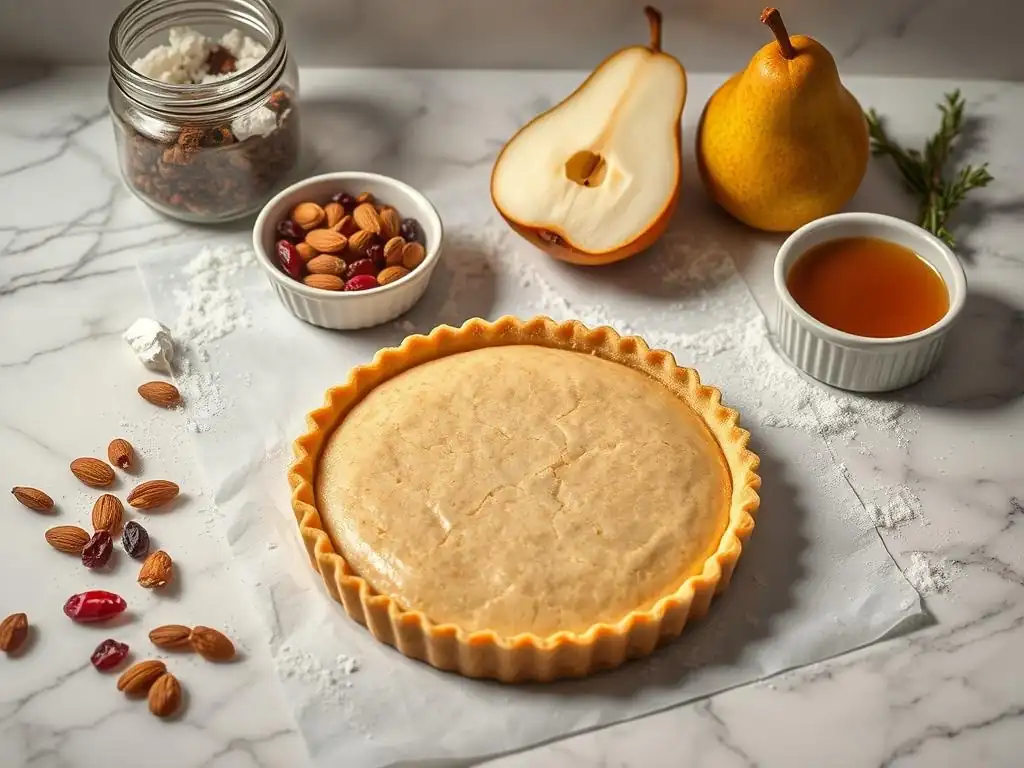
Choosing the Right Sugar Substitutes for Pastries
Selecting the appropriate sugar substitute is crucial when baking low-sugar pastry recipes, as different sweeteners behave uniquely in terms of sweetness level, taste, and how they interact with other ingredients during the baking process. Traditional sugar provides more than just sweetness; it contributes to moisture, tenderness, browning, and structure. Therefore, a substitute needs to address as many of these functions as possible, or you need to adjust other ingredients and techniques to compensate.
Common categories include natural sweeteners like stevia, erythritol, and monk fruit, as well as artificial sweeteners like sucralose and aspartame (though the latter two are less common in baking due to heat sensitivity and potential aftertastes). It's important to consider the glycemic index (GI) if managing blood sugar is a primary concern; most sugar alcohols and high-intensity natural sweeteners have a very low or zero GI.
When exploring options for low sugar pastry recipes, it's helpful to understand the common substitution ratios and characteristics. For instance, erythritol is about 70% as sweet as sugar and doesn't brown like sugar, but it provides bulk. Stevia and monk fruit are much sweeter than sugar (often 200-400 times) and are used in very small amounts, meaning they contribute no bulk or moisture, requiring careful recipe adjustments.
Some bakers use blends of sweeteners to mimic sugar's properties and minimize potential aftertastes. Reading labels carefully and understanding the specific properties of the substitute you choose is key to successful low-sugar baking. Experimentation is often necessary to find the perfect balance for your palate and desired pastry outcome.
Natural Sweeteners for Baking: Stevia, Erythritol, and Monk Fruit
Stevia, erythritol, and monk fruit are popular natural sugar substitutes widely used in low-sugar pastry recipes. Stevia is derived from the leaves of the Stevia rebaudiana plant and is intensely sweet, requiring only a tiny amount. It's often available in liquid or powdered extract forms, or blended with other sweeteners like erythritol to provide bulk.
One challenge with stevia can be a slight bitter or metallic aftertaste for some individuals, which can be mitigated by using high-quality extracts or combining it with other sweeteners. It contributes zero calories and does not impact blood sugar, making it a favorite for those following ketogenic or diabetic diets.
Erythritol is a sugar alcohol that is about 70% as sweet as sugar and has virtually no calories (about 0.2 kcal/g compared to sugar's 4 kcal/g). It's well-tolerated by most people compared to other sugar alcohols like xylitol or sorbitol, which can cause digestive upset in larger quantities. Erythritol does not cause tooth decay and has a glycemic index of zero. It works well in baking as it provides some bulk, similar to sugar, though it can have a cooling sensation in the mouth, particularly in large amounts.
It doesn't brown like sugar, which is something to consider in recipes where caramelization is desired. Monk fruit, or Luo Han Guo, extract is another high-intensity sweetener, often 150-200 times sweeter than sugar. Like stevia, it's used in very small quantities and contributes no calories or carbohydrates.
Monk fruit is known for its clean sweetness, although some extracts can have slightly fruity notes. It's often blended with erythritol or other fibers to make it easier to measure and use cup-for-cup like sugar. These natural options provide fantastic ways to create delightful low sugar pastry recipes without relying on traditional sugar.
Understanding the Impact of Sugar Substitutes on Texture
Sugar plays a vital role in the texture of baked goods beyond just sweetness. It affects moisture retention, tenderness, leavening, and crust formation. When you reduce or eliminate sugar and replace it with substitutes, you need to anticipate and address these textural changes.
For example, sugar is hygroscopic, meaning it attracts and retains moisture. Replacing it with a non-hygroscopic substitute like erythritol can result in drier baked goods. To counteract this in low sugar pastry recipes, bakers often increase the amount of liquid, add ingredients like yogurt, applesauce, or extra fat, or use ingredients like psyllium husk or xanthan gum to improve moisture retention and structure.
Furthermore, sugar contributes to the tenderness of pastries by interfering with gluten development and starch gelatinization. Substitutes like erythritol or stevia do not have this same tenderizing effect. This can sometimes lead to a tougher crumb in cakes or less tender cookies.
Using alternative flours like almond flour or coconut flour, which are lower in gluten-forming proteins, can help. Additionally, sugar aids in leavening by providing food for yeast in bread or by creaming with butter to incorporate air in cakes and cookies. When using substitutes, you might need to adjust leavening agents (baking powder, baking soda) or rely more heavily on mechanical aeration (whipping eggs) to achieve the desired rise and lightness in your low-sugar pastries.
Finally, sugar caramelizes when heated, contributing to the golden-brown crust of many pastries. Most sugar substitutes do not caramelize. Achieving a similar color might require longer baking times at lower temperatures or using techniques like brushing with egg wash. Understanding these impacts is key to successfully modifying traditional low sugar pastry recipes or developing new ones.
Mastering Low-Sugar Doughs and Fillings
Creating excellent doughs and fillings is fundamental to any pastry, and adapting them for low-sugar baking requires specific considerations. For doughs, especially those for tarts, cookies, or even laminated pastries, sugar typically provides tenderness, helps with browning, and contributes to the overall structure and handling properties. Reducing sugar can lead to doughs that are less pliable, potentially drier, or that don't brown as readily.
When working on low sugar pastry recipes, it's often necessary to adjust the fat content or the amount of liquid to maintain workability and tenderness. For instance, increasing the butter slightly in a shortcrust pastry can help compensate for the lack of sugar's tenderizing effect. Using alternative flours that absorb less liquid or have a lower gluten content can also improve texture.
Fillings, whether they are fruit-based, cream-based, or nut-based, also rely on sugar for sweetness, consistency, and sometimes setting. Fruit fillings typically require sugar to macerate the fruit and create a syrupy consistency; in low-sugar versions, you might need to use a thickener like cornstarch, arrowroot, or chia seeds to achieve the desired texture. Cream fillings often use sugar for sweetness and structure; sugar substitutes need to be chosen carefully to avoid graininess or off-flavors, and thickeners like gelatin, cornstarch, or agar-agar might be needed to ensure they set properly.
For nut-based fillings like frangipane, which traditionally uses a significant amount of sugar, using a blend of sugar substitutes can help maintain the desired sweetness and moisture content without adding excessive sugar. Mastering these adjustments is key to successful low sugar pastry recipes.
Tips for Achieving the Perfect Texture in Low-Sugar Pastries
Achieving the right texture in low-sugar pastries often involves a combination of ingredient adjustments and careful technique. Since sugar contributes moisture and tenderness, one common strategy is to increase the moisture content slightly using ingredients like unsweetened applesauce, mashed banana, yogurt, or extra liquid (milk, plant-based milk, or water). Adding a small amount of a humectant like vegetable glycerin (a few drops per cup of dry ingredients) can also help retain moisture, though use sparingly as it can affect sweetness and texture.
Another tip is to use fats strategically; slightly increasing the amount of butter or oil can improve tenderness and prevent dryness. For instance, in a low-sugar cookie recipe, using a bit more butter than you might in a traditional recipe can yield a more tender crumb.
Controlling gluten development is also important, especially in low-sugar doughs which can sometimes become tough. Avoid overmixing the dough once the wet and dry ingredients are combined. For recipes where tenderness is paramount, consider using a portion of alternative flours like almond flour or oat flour alongside your main flour, as these flours are lower in gluten.
Baking temperature and time also play a role; low-sugar pastries may benefit from baking at a slightly lower temperature for a bit longer to ensure they cook through without becoming overly dry or tough, particularly since they won't brown as quickly as their sugar-laden counterparts. Monitoring closely is key. By paying attention to these details, you can significantly improve the texture of your low sugar pastry recipes.
Reducing Sugar Content Without Sacrificing Flavor
The goal of low-sugar baking is not to eliminate flavor, but to achieve deliciousness with less sugar. The primary way to do this is by using sugar substitutes, as discussed, but there are other techniques to enhance flavor and sweetness perception without relying solely on added sweeteners. Incorporating natural flavors that complement sweetness can make a big difference.
Vanilla extract, almond extract, citrus zest (lemon, orange), cinnamon, nutmeg, cardamom, and other spices add depth and warmth that can make pastries feel sweeter and more satisfying even with reduced sugar. For example, adding extra vanilla or a pinch of cinnamon to a low-sugar muffin recipe can significantly boost its perceived sweetness and overall flavor profile.
Using ingredients that are naturally sweet or contribute intense flavor is another excellent strategy for low sugar pastry recipes. Ripened fruits like berries, mashed banana, or unsweetened apple puree can add natural sweetness and moisture. Roasted fruits can become even sweeter as their natural sugars caramelize.
Toasted nuts, seeds, and unsweetened cocoa powder also provide rich, intense flavors that don't rely on sugar to be enjoyable. Salt, often used sparingly in sweet recipes, is crucial as it balances sweetness and enhances other flavors; ensuring you add that pinch of salt can make your low-sugar pastries taste more balanced and less bland. By layering these natural flavors and using aromatic ingredients, you can create low sugar pastry recipes that are incredibly flavorful and satisfying, proving that less sugar doesn't mean less taste.
Easy Low-Sugar Pastry Recipes for Home Bakers
Recipe 1: Low-Sugar Almond Croissants
Creating low-sugar almond croissants at home is a rewarding project that allows you to enjoy this classic pastry with significantly less added sugar. While traditional croissants involve a complex lamination process, you can simplify this by starting with store-bought puff pastry dough (ensure it's unsweetened or low-sugar if available, or be prepared to adjust total sweetness). The focus here is on the delicious almond filling and topping, adapted to be low in sugar. This recipe provides a fantastic way to practice working with low-sugar fillings and achieving a balance of flavors and textures.
This recipe typically yields about 6-8 croissants, depending on how you cut the dough. The preparation time is relatively quick if using pre-made pastry, around 20 minutes, plus baking time of about 15-20 minutes. The key to success lies in the almond cream (frangipane), which is traditionally quite sugary.
By carefully substituting the sugar with a blend of erythritol and a high-intensity sweetener like stevia or monk fruit, you can achieve a rich, nutty filling that is delightfully sweet without the sugar load. Remember to adjust the liquid slightly in the frangipane as sugar substitutes can affect consistency. These low sugar pastry recipes offer a luxurious treat for any time of day.
Ingredients for Low-Sugar Almond Croissants
Here are the ingredients you'll need to make these delightful low-sugar almond croissants:
- 1 sheet (approx. 250g) unsweetened or low-sugar puff pastry, thawed according to package directions
- For the Low-Sugar Frangipane:
- 50g unsalted butter, softened
- 50g low-sugar granulated sweetener blend (e.g., erythritol + stevia/monk fruit)
- 1 large egg
- 75g almond flour (finely ground almonds)
- 1/2 teaspoon almond extract
- 1 tablespoon unsweetened almond milk (or dairy milk)
- For Assembly and Topping:
- 1 large egg, beaten (for egg wash)
- 2 tablespoons sliced almonds
- Optional: A dusting of powdered low-sugar sweetener after baking
Step-by-Step Instructions for Baking Low-Sugar Almond Croissants
Follow these steps to bake your own low-sugar almond croissants:
- Preheat your oven to 200°C (400°F). Line a baking sheet with parchment paper.
- Prepare the Frangipane: In a medium bowl, cream together the softened butter and low-sugar sweetener blend until light and fluffy.
- Beat in the egg until well combined.
- Stir in the almond flour and almond extract until just combined.
- Mix in the almond milk until you have a smooth, spreadable paste. Do not overmix.
- Prepare the Pastry: Unfold the puff pastry sheet onto a lightly floured surface. Cut the sheet into rectangles or triangles, depending on your desired croissant shape (rectangles can be folded, triangles rolled). A common size is about 10cm x 20cm rectangles or triangles with a base of about 10-12cm.
- Assemble the Croissants: Place a spoonful (about 1-2 tablespoons) of the low-sugar frangipane onto the widest part of each pastry piece.
- If using triangles, roll them up from the wide base towards the point. If using rectangles, fold them in half lengthwise or bring the short ends together. Shape into a crescent if desired.
- Place the assembled croissants on the prepared baking sheet, leaving space between them.
- Brush the tops of the croissants with the beaten egg wash.
- Sprinkle the sliced almonds over the tops of the croissants.
- Bake: Bake for 15-20 minutes, or until the croissants are puffed, golden brown, and the frangipane is set. Keep an eye on them as sugar substitutes don't brown like sugar; the pastry itself should be golden.
- Remove from the oven and let cool slightly on the baking sheet before transferring to a wire rack.
- Optional: Once cooled, dust lightly with powdered low-sugar sweetener using a fine sieve.
- Serve warm or at room temperature. Enjoy your delicious low sugar pastry recipes!
Recipe 2: Reduced Sugar Lemon Bars
Lemon bars are a beloved classic, known for their tangy curd and buttery shortbread crust. Adapting this recipe to be lower in sugar means finding a balance where the tartness of the lemon still shines without requiring excessive sweetness to balance it out. This reduced sugar version focuses on achieving that bright lemon flavor with a crust that is tender and crumbly, making it one of the most satisfying low sugar pastry recipes you can make.
This recipe typically yields a 20cm x 20cm (8x8 inch) pan of bars, providing about 16 servings. The preparation time is around 20 minutes for the crust and filling, followed by baking and cooling time. The key adjustments are in the crust and the lemon curd, where sugar is replaced with a low-sugar alternative.
Using fresh lemon juice and zest is paramount to ensure a vibrant, natural lemon flavor that reduces the reliance on sweetness for appeal. The texture of the curd is achieved using eggs and a small amount of thickener, similar to traditional recipes, but balancing the tartness requires careful adjustment of the sweetener.
Ingredients for Reduced Sugar Lemon Bars
Here's what you'll need for these zesty reduced sugar lemon bars:
- For the Reduced Sugar Crust:
- 150g all-purpose flour
- 50g low-sugar powdered sweetener blend (e.g., erythritol + stevia/monk fruit)
- 1/4 teaspoon salt
- 115g cold unsalted butter, cut into cubes
- For the Reduced Sugar Lemon Filling:
- 3 large eggs
- 1 large egg yolk
- 150g low-sugar granulated sweetener blend
- 60ml fresh lemon juice (from about 2-3 lemons)
- Zest of 1 large lemon
- 2 tablespoons all-purpose flour (or almond flour for lower carb)
- 1/4 teaspoon baking powder
- Pinch of salt
- Optional: Powdered low-sugar sweetener for dusting
Baking Tips for Perfect Low-Sugar Lemon Bars
Follow these tips for baking perfect reduced sugar lemon bars:
- Blind Baking the Crust is Key: For a firm, crisp crust that doesn't get soggy under the filling, blind bake it first. Press the dough evenly into the pan, prick the bottom with a fork, and bake at 175°C (350°F) for 15-20 minutes, or until lightly golden around the edges. This sets the crust before the wet filling is added.
- Don't Overmix the Filling: Whisk the filling ingredients together gently until just combined. Overmixing can incorporate too much air, which might cause the filling to puff up excessively and then sink during baking.
- Strain the Lemon Juice: To ensure a smooth curd, strain the fresh lemon juice to remove any pulp or seeds.
- Bake Gently: Bake the bars at a moderate temperature (around 175°C / 350°F) until the center is just set. The edges will likely be firm, but the very center should have a slight wobble. Overbaking can result in a rubbery texture.
- Cool Completely: Allow the lemon bars to cool completely in the pan on a wire rack before chilling them in the refrigerator for at least 2-3 hours. Chilling is essential for the curd to fully set, making the bars easy to cut cleanly.
- Use Fresh Lemon Zest: Lemon zest contains essential oils that provide intense lemon flavor without adding tartness. Don't skip it! Use a microplane grater for fine zest.
- Adjust Sweetness: Taste the lemon filling mixture before baking (carefully, raw eggs) and adjust the sweetener slightly if needed, keeping in mind that the flavor will mellow slightly upon baking and chilling.
- Dust with powdered low-sugar sweetener just before serving for a classic finish and a touch of sweetness that dissolves on the tongue. These tips help ensure your low sugar pastry recipes turn out wonderfully.
Recipe 3: Sugar-Free Blueberry Muffins
Muffins are a simple pleasure, perfect for breakfast or a snack. Creating sugar-free blueberry muffins allows you to enjoy this classic without the blood sugar spike. Blueberries themselves offer natural sweetness and moisture, making them ideal for sugar-free baking. This recipe focuses on using a combination of sugar substitutes and other moistening agents to achieve a tender, flavorful muffin texture.
This recipe typically yields 10-12 standard-sized muffins. The preparation time is minimal, usually around 15-20 minutes, with a baking time of 20-25 minutes. The key to success in sugar-free muffins is balancing the dry and wet ingredients and ensuring the sugar substitute doesn't lead to a dry or crumbly texture. Using ingredients like unsweetened applesauce, yogurt, or a touch of oil helps maintain moisture. These low sugar pastry recipes are perfect for a quick, healthy treat.
Ingredients for Sugar-Free Blueberry Muffins
Here are the ingredients for moist and flavorful sugar-free blueberry muffins:
- 200g all-purpose flour (or a blend of all-purpose and almond flour)
- 2 teaspoons baking powder
- 1/2 teaspoon salt
- 1/4 teaspoon ground cinnamon (optional, but adds warmth)
- 100g low-sugar granulated sweetener blend
- 1 large egg
- 240ml unsweetened almond milk (or dairy milk, or buttermilk for extra tenderness)
- 60ml melted unsalted butter or vegetable oil
- 1 teaspoon vanilla extract
- 120g fresh or frozen blueberries (do not thaw if frozen)
Creating Moist and Flavorful Sugar-Free Muffins
Achieving moist and flavorful sugar-free muffins requires a few specific techniques:
- Don't Overmix: This is crucial for tender muffins. Combine the dry ingredients in one bowl and the wet ingredients (including the sweetener) in another. Pour the wet into the dry and mix just until the flour streaks disappear. A few lumps are okay. Overmixing develops gluten, leading to tough muffins.
- Fold in Blueberries Gently: Add the blueberries last and fold them in gently with a spatula. If using frozen blueberries, fold them in directly from the freezer to prevent them from bleeding color into the batter.
- Use Moistening Agents: Ingredients like unsweetened applesauce (replace some of the liquid or butter), yogurt, or buttermilk add moisture and tenderness without relying on sugar. Buttermilk also reacts with baking powder/soda to aid leavening.
- Properly Measure Flour: Spoon flour into your measuring cup and level it off with a straight edge. Scooping directly from the bag can result in too much flour, leading to dry muffins.
- Baking Temperature: Start baking at a slightly higher temperature (e.g., 200°C / 400°F) for the first 5 minutes to get a good rise, then reduce the temperature to 175°C (350°F) for the remainder of the baking time. This helps create a nice dome top.
- Check for Doneness: Muffins are done when a toothpick inserted into the center comes out clean or with a few moist crumbs attached. Be careful not to overbake, as this is a common cause of dryness in low-sugar baked goods.
- Cool on a Wire Rack: Let the muffins cool in the pan for a few minutes before transferring them to a wire rack to cool completely. This prevents the bottoms from getting soggy.
- Enhance Flavor Naturally: Besides blueberries, use vanilla extract, a pinch of salt, and optional cinnamon or lemon zest to boost the flavor profile without added sugar. These tips will help you bake fantastic low sugar pastry recipes like these muffins.
Tips for Success in Low-Sugar Pastry Baking
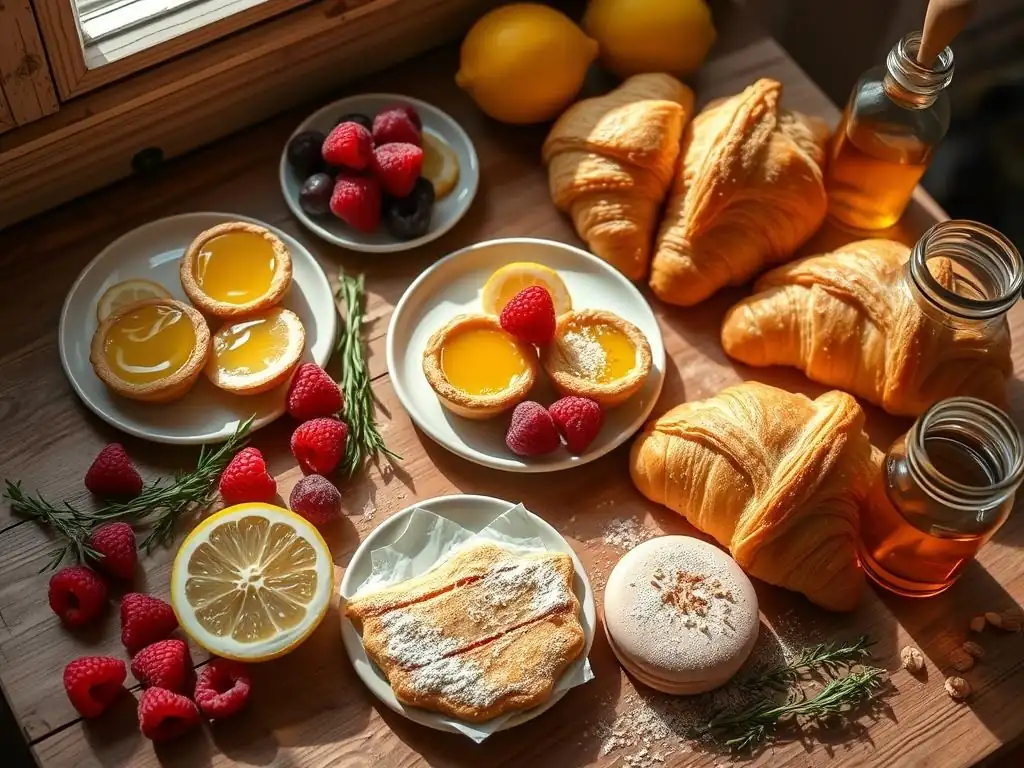
Measuring and Adjusting Sweetness Levels
Accurately measuring sugar substitutes is critical because their sweetness intensity varies significantly compared to sugar. Unlike sugar, which is measured by volume and weight, high-intensity sweeteners like stevia or monk fruit extract are often measured in tiny amounts, sometimes just drops or pinches, if using pure extracts. Blends designed to be used cup-for-cup like sugar simplify measurement but still require care.
Always check the specific product's conversion ratio or instructions on the packaging. For instance, one brand's cup-for-cup blend might have a slightly different sweetness profile than another's. When substituting in low sugar pastry recipes, it's often best to start with the amount recommended in a tested recipe designed for that substitute.
Adjusting sweetness to your personal preference is an ongoing process in low-sugar baking. Sugar substitutes don't just provide sweetness; they lack the bulk, moisture, and browning capabilities of sugar. Therefore, simply swapping cup-for-cup with a blend might require other adjustments in the recipe. When developing or modifying low sugar pastry recipes, it's helpful to taste the batter or dough before baking (if it doesn't contain raw eggs or flour). While the final baked flavor can change, this gives you an initial sense of the sweetness level.
Keep notes on your adjustments – did adding a bit more sweetener work? Did a different blend taste better? Over time, you'll develop an intuition for how different substitutes work and how much you prefer in various low-sugar pastries. Remember that some substitutes can have a cooling effect or an aftertaste if used in excess.
Preventing Dryness in Low-Sugar Baked Goods
Dryness is a common challenge when converting traditional recipes to low sugar pastry recipes, primarily because sugar contributes significantly to moisture retention. Without sugar's hygroscopic properties, baked goods can turn out dense or crumbly. To combat this, incorporating additional moisture is often necessary.
Ingredients like unsweetened applesauce, pumpkin puree, mashed banana, yogurt, sour cream, or buttermilk are excellent additions that provide moisture, tenderness, and often a pleasant tang or subtle flavor that complements the pastry. For instance, replacing a portion of the fat or liquid in a cake recipe with Greek yogurt can yield a much moister crumb in a low-sugar version.
Fats also play a crucial role in tenderness and moisture. Ensuring adequate fat content, whether from butter, oil, or ingredients naturally high in fat like almond flour or coconut, is important. Sometimes, slightly increasing the amount of fat compared to the original high-sugar recipe can help.
Additionally, using ingredients that absorb less liquid, such as nut flours, or adding a small amount of fiber (like psyllium husk) or a binder (like xanthan gum) can help the dough or batter retain moisture during baking. Baking at a slightly lower temperature for a longer time can also prevent rapid moisture loss. By consciously adding moisture-contributing ingredients and carefully managing baking time and temperature, you can successfully prevent dryness in your low sugar pastry recipes.
Storing Your Low-Sugar Pastries for Optimal Freshness
Proper storage is key to maintaining the texture and flavor of your low-sugar pastries. Because they often contain less sugar (a natural preservative) and sometimes different ingredients like alternative flours or higher moisture content, they might not have the exact same shelf life as traditional baked goods. Generally, most low-sugar pastries should be stored in an airtight container at room temperature for 2-3 days. This protects them from drying out and keeps them fresh.
For longer storage, refrigeration or freezing is recommended. Low-sugar cakes, muffins, or quick breads can often be refrigerated for up to a week. Pastries with perishable fillings, like the low-sugar lemon bars or almond frangipane, must be refrigerated due to the egg content in the filling. Refrigeration extends their freshness but can sometimes slightly alter texture, making baked goods a bit denser. For optimal long-term storage, freezing is an excellent option.
Most low-sugar pastries freeze well for up to 2-3 months. Wrap individual portions tightly in plastic wrap and then place them in a freezer-safe bag or container to prevent freezer burn. Thaw frozen pastries overnight in the refrigerator or at room temperature. Following these storage guidelines will help you enjoy your delicious low sugar pastry recipes for longer periods.
Exploring More Low-Sugar Baking Recipes at Bake With Ease
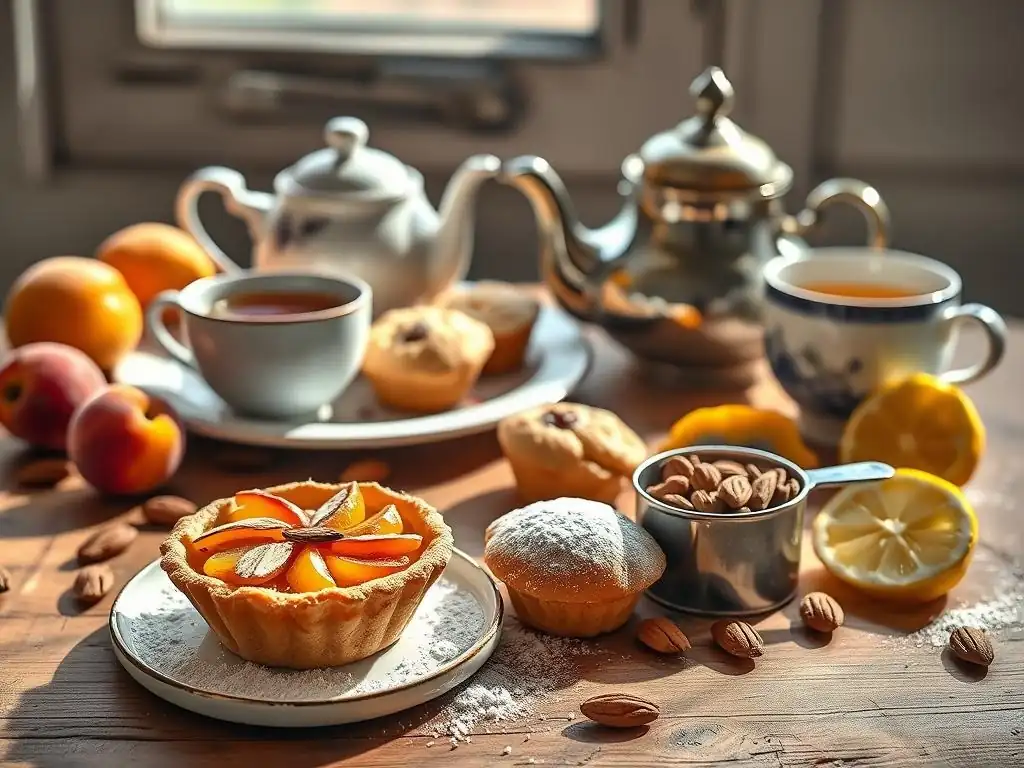
Discover Our Collection of Dietary & Allergen-Specific Baking Recipes
At Bake With Ease, we understand that baking is a personal journey, and dietary needs or preferences are a significant part of that for many people. Our dedicated section for Dietary & Allergen-Specific Baking is designed to provide a wealth of resources and recipes tailored to various requirements, including low-sugar, gluten-free, dairy-free, nut-free, and vegan baking.
We believe that everyone should be able to enjoy delicious baked goods, and our collection aims to make that possible by offering reliable, easy-to-follow recipes that don't compromise on taste or texture. Whether you're looking for low sugar pastry recipes, gluten-free bread, or vegan cookies, you'll find tested methods and helpful tips.
Our collection is constantly growing, featuring everything from simple swaps to completely re-engineered recipes that work perfectly with alternative ingredients. We provide detailed guides on working with different flours, binders, fats, and sweeteners, helping you understand the science behind successful dietary baking. You'll find recipes for cakes, cookies, muffins, breads, and, of course, low-sugar pastries, all developed with ease and deliciousness in mind. We aim to take the guesswork out of baking for specific needs, empowering you to create wonderful treats confidently. Explore our extensive range and discover new favorites that fit your lifestyle.
Baking Beyond Sugar: Other Healthy Baking Options
While focusing on low sugar pastry recipes is a fantastic step towards healthier baking, there are many other avenues to explore within the realm of mindful baking. For instance, incorporating whole grains and alternative flours like whole wheat, oat, almond, or coconut flour can increase fiber content and nutritional value compared to using only refined white flour. These flours often have a lower glycemic impact and add unique flavors and textures to baked goods. You might find recipes for whole wheat muffins, oat scones, or almond flour cakes in our collection, offering delicious options beyond traditional flour.
Furthermore, embracing natural sweeteners like dates, raisins, or unsweetened fruit purees can provide sweetness along with fiber and nutrients, although it's worth noting these still contain natural sugars and should be used mindfully if managing total sugar intake is the primary goal. Reducing saturated fats or incorporating healthier fats like olive oil or avocado can also be part of a healthier baking approach.
Our site offers insights into these options and provides recipes that explore baking with alternative fats and naturally sweet ingredients. Baking beyond just reducing sugar opens up a world of possibilities for creating nutritious and satisfying baked goods that support a balanced diet.
Conclusion: Indulge in Delicious Low-Sugar Pastries With Ease
Embracing low-sugar baking means opening the door to enjoying your favorite treats in a way that supports your health goals without sacrificing flavor or satisfaction. As we've explored, creating delightful low-sugar pastries is entirely achievable with the right ingredients, techniques, and reliable recipes. From understanding the nuances of sugar substitutes like stevia, erythritol, and monk fruit to mastering moisture retention and flavor enhancement, you have the tools to bake successfully. We've shared three simple yet delicious low sugar pastry recipes – Almond Croissants, Lemon Bars, and Blueberry Muffins – to get you started on your baking journey.
Remember that baking is an art and a science, and adapting to low-sugar methods might involve a little experimentation. Don't be discouraged if your first attempt isn't perfect; every bake is a learning opportunity. With the resources available at Bake With Ease, including our detailed guides and extensive collection of dietary recipes, you have ample support. We encourage you to explore our site further, try new low sugar pastry recipes, and discover the joy of creating delicious, healthier baked goods from your own kitchen. Indulge wisely and bake with ease!
Frequently Asked Questions
What makes a pastry "low sugar"?
A low-sugar pastry recipe typically reduces or replaces traditional sugar with alternative sweeteners or uses naturally sweet ingredients like fruit purees to minimize added sugar content. This results in a lower glycemic index and calorie count.
Are low-sugar pastries difficult to bake?
Not necessarily! While sugar plays a role in texture and browning, many low-sugar recipes are designed to be just as easy as their high-sugar counterparts. Success depends on choosing the right recipe and following instructions closely.
What are some common sugar substitutes used in low-sugar pastry recipes?
Common substitutes include erythritol, stevia, monk fruit sweetener, and sugar alcohols. It's important to understand the properties of each sweetener as they can affect the final product's texture and taste.
Can I use any pastry recipe and just reduce the sugar content to make it low-sugar?
While you can reduce sugar, it's not always recommended without adjustments. Sugar contributes to moisture, browning, and structure, so significantly reducing it without modifications can lead to dry or flat pastries.
Where can I find reliable low-sugar pastry recipes?
Websites like BakeWithEase.com offer curated collections of low-sugar pastry recipes with tested methods and ingredient recommendations. Look for recipes that specifically state they are low-sugar to ensure accurate results.
Final Reflection: The Sweetness of Simplicity
The pursuit of healthier baking is not a sacrifice; it's a rediscovery of flavor. This article explored the delightful world of low-sugar pastries, demonstrating that reducing sugar doesn't mean compromising on taste or texture. We've seen how simple ingredient swaps and clever techniques can elevate even the most basic recipes, creating pastries that are both delicious and mindful of our well-being.
The shift towards healthier eating habits is profoundly impacting our culinary landscape, and the demand for low-sugar alternatives is a testament to this growing awareness. The best things in life are simple,
a phrase often repeated, rings especially true in baking. By embracing simpler recipes and focusing on the natural sweetness of ingredients, we not only improve our health but also deepen our appreciation for the fundamental artistry of pastry-making. This journey of creating these delicate treats has been a personal exploration of balance – a balance between indulgence and well-being, between tradition and innovation.
Now, it's your turn. Consider the recipes explored within this article, and experiment with adapting your favorite traditional pastries. Don't be afraid to explore the subtle nuances of flavor that emerge when you reduce sugar. The journey of creating delicious, healthy pastries is a rewarding one, filled with the sweet satisfaction of both culinary success and mindful eating. Embrace the challenge, and discover the joy of baking with intention.
Unleash Your Inner Pastry Chef!
Thanks for joining us on this delicious journey into the world of low-sugar pastries! We hope you've found some inspiring recipes and discovered the joy of baking lighter, healthier treats. Ready to take the next step?
- Bake your favorite recipe from today's article! Let us know how it turns out—we love seeing your creations!
- Share this article with a friend who loves baking (or needs a healthier treat!). Let's spread the joy of low-sugar baking together.
- Explore our website for more delightful low-sugar recipes and baking tips! We have a whole library waiting to be discovered.
What unique twist will you add to your next low-sugar pastry masterpiece? Let's hear your ideas in the comments below!