
Eggless Soufflé Challenge: Tips to Get That Impressive Rise Vegan Style

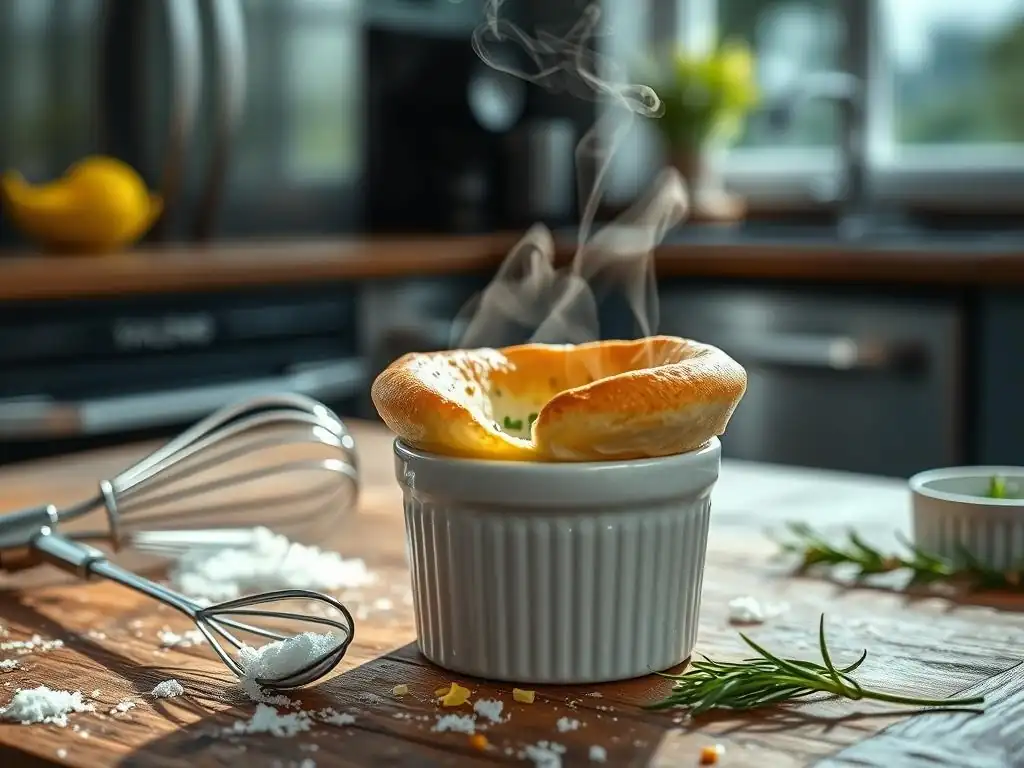
Welcome to BakeWithEase, your kitchen companion for conquering any baking challenge! Ever dreamt of a light-as-air soufflé, but thought going vegan meant sacrificing that perfect rise? Think again! Dive into our article, "Eggless Soufflé Challenge: Tips to Get That Impressive Rise Vegan Style," where we unlock the secrets to achieving stunning vegan soufflé rise tips. Curious about how to defy baking gravity without eggs? Let's get baking!
- Vegan Soufflé: Achieving the Perfect Rise - Bake With Ease
- Introduction: Mastering the Vegan Soufflé
- Understanding the Science Behind Soufflé Rise (Without Eggs)
- Key Ingredients for a Successful Vegan Soufflé
- Vegan Soufflé Rise Tips: The Ultimate Guide
- Troubleshooting Common Vegan Soufflé Problems
- Recipe Inspiration: Vegan Soufflé Variations
- Conclusion: Achieving Vegan Soufflé Success
-
Frequently Asked Questions
- How can I achieve a good rise in a vegan soufflé without eggs?
- What are some common mistakes that cause a vegan soufflé to fall flat?
- What kind of oven temperature and baking time is ideal for a vegan soufflé?
- Can I use different types of plant-based milks in my vegan soufflé recipe?
- How can I prevent my vegan soufflé from sticking to the ramekin?
- Final Reflection: The Unexpected Heights of Vegan Baking
- Unlock the Fluffy Secrets: Elevate Your Vegan Baking!
Vegan Soufflé: Achieving the Perfect Rise - Bake With Ease
Introduction: Mastering the Vegan Soufflé
Bake With Ease Presents: The Vegan Soufflé Challenge
Welcome to Bake With Ease, where we tackle baking challenges head-on and turn them into triumphs! Today, we're diving into the elegant, often intimidating, world of soufflés – but with a twist. We're exploring how to create a magnificent, sky-high vegan soufflé, a feat many consider impossible without the structural magic of eggs.
This guide is designed to demystify the process, offering practical vegan soufflé rise tips to help you achieve that impressive lift and light, airy texture using entirely plant-based ingredients. Get ready to impress yourself and your guests with a dessert that's as ethical as it is delicious.
Embarking on the journey to perfect a vegan soufflé requires understanding the foundational differences from its traditional counterpart. Without eggs, particularly egg whites whipped to stiff peaks, we need to find alternative ways to build structure and introduce air that holds during baking. This involves innovative ingredient choices and precise techniques. Our goal is to provide you with the knowledge and confidence to master this delicate dessert, ensuring your vegan soufflé rises beautifully every time. We'll cover everything from ingredient selection to crucial baking techniques, giving you the ultimate vegan soufflé rise tips.
Why Vegan Soufflés Can Be Tricky (and How to Succeed)
Traditional soufflés rely heavily on the protein network formed by whipped egg whites, which trap air bubbles and expand dramatically in the oven's heat, creating that signature rise. When you remove eggs from the equation, you lose this primary leavening and structuring agent. Many plant-based ingredients lack the same protein structure or ability to create stable foams, making it challenging to replicate the light, airy texture and dramatic rise. Common pitfalls include a soufflé that doesn't rise at all, collapses immediately upon leaving the oven, or turns out dense and rubbery instead of ethereal.
However, these challenges are not insurmountable! The key to success lies in selecting the right vegan ingredients that can mimic the functions of eggs – providing structure, stability, and lift – and employing precise techniques. Ingredients like aquafaba (the liquid from canned chickpeas), silken tofu, and specific starches can be combined and manipulated to create a stable base and a light, airy foam.
By focusing on careful preparation, gentle handling, and precise baking, you can overcome the inherent difficulties and achieve a truly impressive vegan soufflé. This guide will provide the essential vegan soufflé rise tips needed to navigate these tricky waters successfully.
Understanding the Science Behind Soufflé Rise (Without Eggs)
The Role of Eggs in Traditional Soufflés: Structure and Stability
In a classic soufflé, eggs perform two critical functions. First, the yolks are typically used to create a flavorful, thickened base (often a béchamel or pastry cream) which provides richness and some initial structure. Second, and most importantly, the egg whites are whipped vigorously to incorporate vast amounts of air. This creates a foam where the egg white proteins denature and form a network around the trapped air bubbles. This network is surprisingly stable, especially when acid (like cream of tartar) is added, which helps strengthen the protein bonds.
When the soufflé enters the hot oven, the trapped air expands rapidly, and the moisture within the mixture turns to steam, further pushing the structure upwards. Simultaneously, the heat cooks the egg white proteins, setting the foam and solidifying the structure. This process creates the dramatic rise and maintains the airy texture. Without this protein network and the thermal expansion of trapped air and steam within it, a traditional soufflé would simply be a dense, flat mixture. Understanding this mechanism is crucial for identifying what needs to be replicated in a vegan version to achieve a comparable rise.
Vegan Alternatives: Plant-Based Binders and Leavening
Replicating the dual function of eggs in a vegan soufflé requires a combination of ingredients. For the structure and richness typically provided by egg yolks and a thickened base, silken tofu or a plant-based béchamel thickened with starches like cornstarch or tapioca starch are excellent substitutes. These provide a smooth, stable foundation for the soufflé. The real challenge lies in mimicking the whipped egg whites' ability to create a stable, air-filled foam.
This is where ingredients like aquafaba shine. Aquafaba contains a mix of proteins and starches from the chickpeas that, when whipped, can form a remarkably stable foam similar to egg whites. This "vegan meringue" is capable of trapping significant amounts of air.
Other leavening, like baking powder or baking soda activated by an acid (such as lemon juice or vinegar), can also provide a boost, creating carbon dioxide bubbles that contribute to the rise. Combining a stable base with a well-whipped, air-rich vegan meringue is the core strategy for achieving lift in a vegan soufflé, providing essential vegan soufflé rise tips right from the ingredient selection stage.
Key Ingredients for a Successful Vegan Soufflé
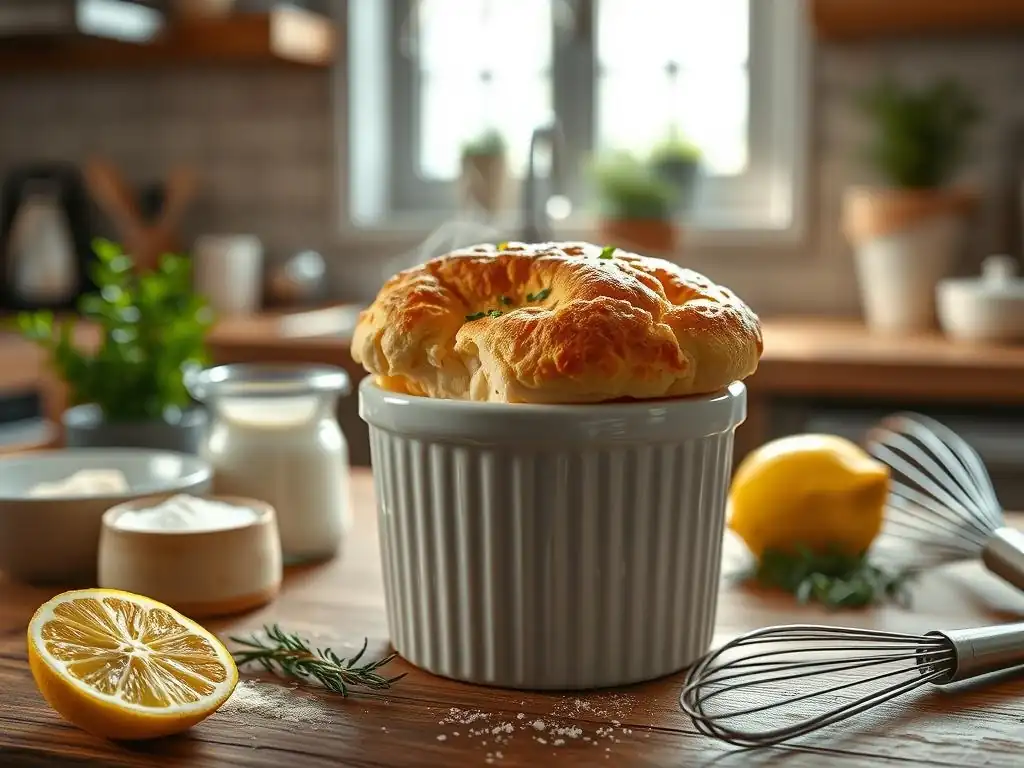
Tofu's Role: Silken Tofu for Creaminess
Silken tofu is a game-changer in many vegan desserts, and it plays a vital role in a successful vegan soufflé base. Its smooth, creamy texture blends seamlessly into the soufflé base, replacing the richness and body typically provided by egg yolks and dairy. Unlike firmer types of tofu, silken tofu has a high water content and a delicate structure, making it ideal for pureeing into a smooth, custard-like consistency.
When blended, silken tofu creates a stable, emulsified base that helps to hold the other ingredients together. It contributes moisture and richness without adding unwanted flavors, provided it's high-quality and well-blended. Approximately 150-200 grams of silken tofu might be used for a recipe yielding four standard soufflés, blended until absolutely smooth to prevent any graininess. This smooth base is crucial for ensuring the soufflé has a consistent texture and doesn't collapse due to an uneven foundation.
Aquafaba Magic: Vegan Meringue for Airiness
Aquafaba, the liquid drained from canned chickpeas (or other white beans), is perhaps the most revolutionary ingredient in vegan baking for mimicking egg whites. It contains saponins and proteins that allow it to be whipped into a stable, voluminous foam remarkably similar to meringue. This foam is the primary source of lift and airiness in a vegan soufflé, providing the essential structure that expands in the oven.
To use aquafaba effectively, it should be chilled and whipped vigorously, typically with an electric mixer, until it forms stiff peaks. This process can take anywhere from 5 to 15 minutes, depending on the aquafaba's concentration and the mixer's power. Approximately 60-80 ml of aquafaba is often sufficient to replace the whites of 2-3 eggs in a standard recipe, yielding a light and stable foam crucial for achieving excellent vegan soufflé rise tips. The quality of the aquafaba varies between brands, so using a brand known for thicker liquid can be beneficial.
Plant-Based Milk: Choosing the Right Fat Content
Plant-based milk is used in the soufflé base, often to create a smooth béchamel-like mixture with flour or starch. The choice of milk can influence the final texture and richness. Full-fat varieties, such as cashew milk, soy milk, or even coconut milk (from a carton, not canned), tend to yield a richer, creamier base compared to lower-fat options like almond or oat milk.
While fat content isn't the primary driver of rise, it contributes to the overall structure and how the base sets, which indirectly supports the lift. Using about 200-250 ml of plant-based milk to create a thickened base with flour or starch provides the necessary liquid component. Ensuring the milk is heated gently and whisked constantly with the starch prevents lumps, creating a perfectly smooth base that integrates well with the airy aquafaba meringue.
Starches and Flours: The Soufflé's Foundation
Starches and flours play a crucial role in thickening the soufflé base and providing structural support. All-purpose flour is commonly used to create a roux with vegan butter and plant-based milk, forming a classic béchamel base. Alternatively, starches like cornstarch, tapioca starch, or arrowroot powder can be used to thicken the base, often preferred for their smoother texture and gluten-free properties.
Approximately 2-3 tablespoons of flour or 1-2 tablespoons of starch are typically needed to thicken the base for a small batch of soufflés. These thickeners set as they bake, creating a framework that helps hold the soufflé's shape once it rises. Without sufficient starch or flour, the base would be too liquid, preventing the soufflé from holding its form and contributing to collapse. The right proportion ensures a stable, yet not overly heavy, foundation for the airy meringue.
Vegan Soufflé Rise Tips: The Ultimate Guide
1. Perfecting Your Vegan Meringue (Aquafaba or Bean Water)
The vegan meringue is the engine of your soufflé's rise. It must be light, airy, and most importantly, stable. Aquafaba from canned chickpeas is the go-to, but liquid from other white beans like cannellini can also work. For best results, use aquafaba that is relatively thick; some brands yield a more concentrated liquid than others. Ensure the aquafaba is cold before whipping, as cold liquids tend to whip up more easily and maintain stability better.
Whip the aquafaba using an electric mixer on medium-high speed. It will first become frothy, then gradually thicken into soft peaks, and finally stiff, glossy peaks. This process can take 5-15 minutes.
Achieving stiff peaks is critical; the meringue should hold its shape firmly when the whisk is lifted. If it's too soft, it won't provide enough structure for the soufflé to rise and hold its form. Adding a pinch of cream of tartar (about 1/4 teaspoon per 60ml aquafaba) early in the whipping process can help stabilize the foam and achieve stiffer peaks faster, offering a key vegan soufflé rise tip.
Achieving Stiff Peaks: Stability is Key
Stiff peaks in aquafaba meringue mean that when you lift the whisk or spatula, the meringue stands straight up without drooping. This level of firmness indicates that the protein network within the aquafaba has developed sufficiently to trap air effectively and provide the necessary structural integrity for the soufflé's dramatic rise. Undermixing will result in a weak foam that collapses easily, while overmixing can cause the foam to break down and become watery.
To test for stiff peaks, lift the whisk out of the bowl; the meringue should form a peak that points straight up. You can also carefully invert the bowl (if you're brave! ); the meringue should stay put. This stability is paramount for a successful vegan soufflé rise. Ensure all your equipment (bowl and whisk) is spotlessly clean and free of any grease or oil, as even a tiny amount can prevent the aquafaba from whipping properly.
Sweetening: Sugar Types and Proportions
Adding sugar to aquafaba meringue not only sweetens it but also helps stabilize the foam, contributing to better vegan soufflé rise tips. Granulated sugar is commonly used, added gradually once the aquafaba has reached soft peaks. Adding sugar too early can inhibit whipping. The amount of sugar depends on the recipe, but typically 1-2 tablespoons per 60ml of aquafaba is sufficient for a savory base or a lightly sweetened dessert soufflé.
Incorporating sugar helps the protein network become more elastic and less prone to weeping (releasing liquid). For a glossy, stable meringue, add the sugar one tablespoon at a time, whipping well after each addition until it is fully dissolved. The meringue should become smooth and shiny. Confectioners' sugar is sometimes used towards the end for extra smoothness, but granulated sugar is essential for building structure during the main whipping phase.
2. Folding Techniques: Preserving Air
Folding the airy vegan meringue into the denser soufflé base is perhaps the most critical step for achieving a good vegan soufflé rise. The goal is to combine the two mixtures without deflating the precious air bubbles trapped in the meringue. This requires a gentle, deliberate technique.
Start by incorporating about one-third of the meringue into the base mixture. This lightens the base, making it easier to fold in the remaining meringue without losing too much air. Use a large spatula and a motion that cuts down through the center of the mixture, sweeps along the bottom of the bowl, and comes back up the side, turning the mixture over on itself. Rotate the bowl as you fold.
Add the remaining meringue in two additions, using the same gentle folding motion until just combined. There should be no visible streaks of meringue or base. Overmixing will quickly deflate the meringue, leading to a poor vegan soufflé rise.
Gentle Folding: Preventing Deflation
The term "folding" is key – you are not stirring or beating. Stirring is too vigorous and will burst the air bubbles. Gentle folding ensures that the airy meringue is incorporated into the heavier base while preserving as many air pockets as possible. Imagine you are scooping from the bottom and layering on top, rather than mixing in circles.
This technique requires patience and a light hand. It's better to have a few small streaks of meringue left than to overmix and lose all the air. Aim for a homogeneous mixture that still feels light and airy. This careful handling is one of the most vital vegan soufflé rise tips you can employ. Practice makes perfect, so don't be discouraged if your first attempt isn't perfectly uniform.
Even Ingredient Incorporation
While preserving air is paramount, it's also important to ensure the base and meringue are evenly distributed. Uneven mixing can lead to pockets of heavy base or pure meringue, resulting in an uneven rise and texture. The mixture should look consistently airy throughout before being spooned into the ramekins.
Achieving even incorporation while being gentle is the art of folding. It takes just enough movement to combine everything without going too far. A good sign is when the mixture has a uniform color and texture, without large pockets of either component. This balance is essential for a consistent and impressive vegan soufflé rise.
3. Oven Temperature Control: Consistent Rise
Precise oven temperature is crucial for a successful soufflé, vegan or otherwise. A common method involves starting the soufflé at a high temperature to encourage a rapid initial rise, then lowering the temperature to allow the interior to cook through without burning the exterior.
For many vegan soufflé recipes, starting at around 400-425°F (200-220°C) for the first 10-15 minutes before reducing the heat to 350-375°F (175-190°C) for the remaining baking time works well. This initial blast of heat causes the air and steam within the soufflé to expand quickly, giving it a strong lift. The lower temperature finishes the cooking gently, preventing the exterior from setting too quickly and cracking, or the interior from remaining raw. Always preheat your oven thoroughly for at least 15-20 minutes after it indicates it has reached the target temperature, as oven thermostats can be inaccurate.
Preheating: Reaching the Optimal Temperature
A properly preheated oven is non-negotiable for a good vegan soufflé rise. If the oven is not hot enough when the soufflé goes in, the initial rapid expansion won't occur effectively, resulting in a sluggish or minimal rise. Use an oven thermometer to verify the actual temperature inside your oven.
Place the soufflés in the center of the oven on the middle rack. Avoid opening the oven door during the crucial first 15-20 minutes of baking, as a sudden drop in temperature can cause the delicate structure to collapse before it has set. Consistent, stable heat is one of the most critical vegan soufflé rise tips.
Avoiding Temperature Swings
Once the initial high-heat phase is complete and you've lowered the temperature, try to keep the oven door closed until the soufflés are close to being done. Each time the door is opened, the oven temperature drops significantly, interrupting the steady cooking and setting process.
If you must check for doneness, do so quickly in the last few minutes of baking. The soufflé should be puffed up, golden brown on top, and the edges should look set. A slight jiggle in the center is acceptable, as it will continue to set slightly upon standing. Minimizing temperature fluctuations is key to preventing premature collapse and ensuring a majestic vegan soufflé rise.
4. Ramekin Preparation: Release and Even Baking
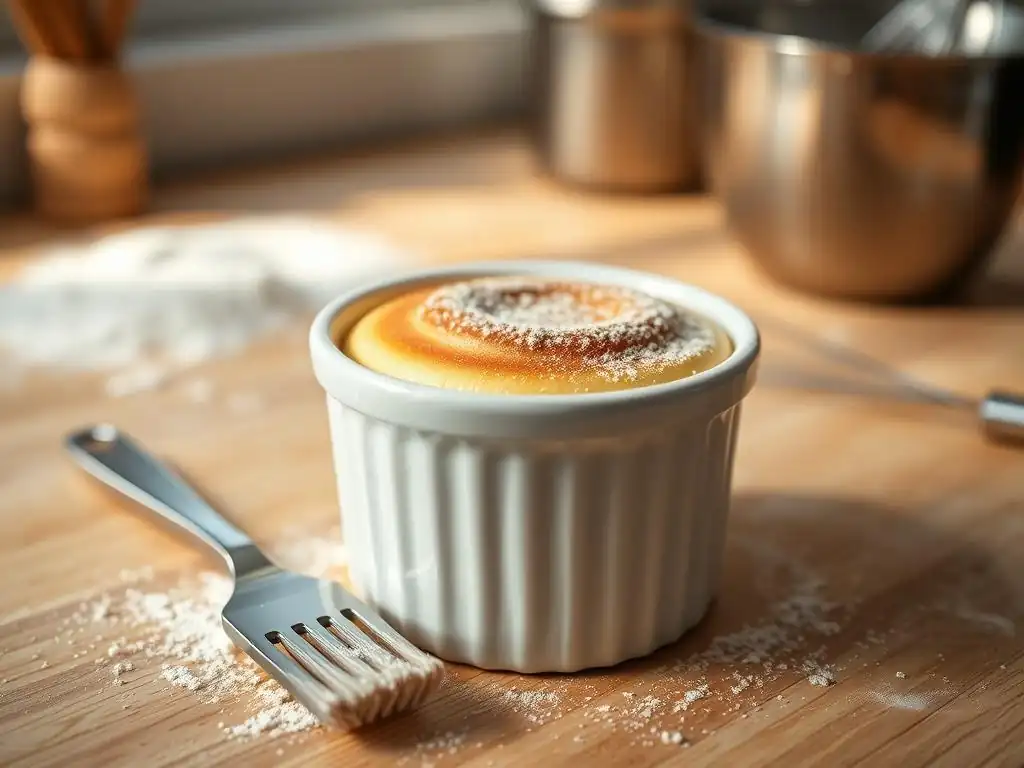
Properly preparing your ramekins is essential for both achieving a good rise and ensuring the soufflé releases cleanly. The classic method involves generously buttering (using vegan butter) and then coating the inside of the ramekin with sugar (for sweet soufflés) or nutritional yeast or fine breadcrumbs (for savory soufflés).
Use a pastry brush to apply a thick, even layer of softened vegan butter all the way up the sides of the ramekin. Ensure there are no gaps. Then, add a tablespoon or two of your coating material, tilt and rotate the ramekin to coat the buttered surface completely, and tap out any excess. This buttered and coated surface allows the soufflé mixture to grip the sides as it rises, encouraging it to climb straight up and preventing it from sticking and collapsing on itself. This meticulous preparation significantly impacts the final vegan soufflé rise.
Buttering and Coating: Preventing Sticking
The butter creates a non-stick layer, while the coating material provides a slightly rough surface that the rising soufflé can cling to. This upward grip is vital for maximizing the height. Ensure the butter is applied in upward strokes, which can subtly encourage the mixture to rise in that direction.
Pay particular attention to the rim of the ramekin; a well-coated rim prevents the soufflé from sticking and pulling away as it rises. This simple step is often overlooked but is a fundamental vegan soufflé rise tip. Use about 1-2 teaspoons of sugar or nutritional yeast per standard ramekin.
Proper Filling Levels
How much you fill your ramekins also affects the rise. Soufflé mixtures are typically filled quite high, often right up to the rim or even slightly mounded above it. This provides enough volume for a dramatic rise.
Fill each prepared ramekin carefully, using a spoon or spatula. For an extra-tall rise, you can gently smooth the top flat or create a slight dome. Running your thumb around the inside edge of the rim after filling can help create a clean separation line, encouraging the soufflé to rise straight up rather than spilling over the sides. Filling levels are a simple yet effective part of achieving a great vegan soufflé rise.
5. The Importance of Acidity: Stabilizing the Structure
Acid plays a crucial role in stabilizing protein foams, including the protein-like structures in aquafaba. Adding a small amount of acid helps strengthen the network of proteins, making the meringue more stable and less likely to collapse.
Common acids used are cream of tartar or a few drops of lemon juice or vinegar. Adding about 1/4 teaspoon of cream of tartar per 60ml of aquafaba when you begin whipping significantly helps achieve and maintain stiff peaks. This stabilized meringue is better equipped to support the soufflé's structure as it rises and bakes. Without sufficient acidity, the meringue can be weaker and prone to weeping, negatively impacting the vegan soufflé rise.
Lemon Juice or Cream of Tartar: A Balancing Act
Both lemon juice and cream of tartar are effective acids for stabilizing aquafaba meringue. Cream of tartar is a dry acid salt and is often preferred for its consistent results and lack of added liquid. Lemon juice is readily available but adds a slight liquid volume and flavor.
Use just a small amount – too much acid can actually weaken the foam. The goal is to create a slightly acidic environment that encourages the protein network to tighten and hold its shape. This step, while seemingly minor, is a powerful vegan soufflé rise tip that enhances the stability of your crucial meringue component.
Troubleshooting Common Vegan Soufflé Problems
Soufflé Doesn't Rise: Identifying the Cause
A flat vegan soufflé is disheartening, but understanding why it didn't rise is the first step to fixing it. The most common culprits are issues with the vegan meringue: either the aquafaba wasn't whipped to stiff peaks, or too much air was lost during folding. Insufficiently whipped aquafaba simply lacks the structural integrity to lift the base. Over-vigorous folding bursts the air bubbles, leaving you with a dense mixture.
Other factors include an oven that wasn't hot enough or was opened too early, preventing the initial rapid expansion. The base mixture might also be too heavy or too liquid, overwhelming the lifting power of the meringue. Review your process: Was the aquafaba cold? Did it hold stiff peaks? Was your folding technique gentle? Was the oven fully preheated to the correct temperature? Pinpointing the issue helps refine your technique for future attempts and improve your vegan soufflé rise tips application.
Soufflé Collapses: Preventing Deflation
Soufflés are notorious for collapsing shortly after leaving the oven, but premature collapse during baking indicates a problem with structure or baking time. Collapse during baking is often due to insufficient baking time at the lower temperature, meaning the structure hasn't fully set. The protein network needs enough heat exposure to solidify and hold the expanded shape.
Premature collapse can also happen if the meringue wasn't stable enough initially (not whipped to stiff peaks or lacking acidity) or if the oven temperature fluctuated wildly. Ensure you bake the soufflé until the top is firm and looks set, not just puffed. A slight wiggle in the center is okay, but it shouldn't look liquid. Baking for an extra few minutes at the lower temperature can make a significant difference in stability post-oven.
Soufflé is Too Dense: Achieving a Light Texture
A dense vegan soufflé usually points back to issues with air incorporation. If the soufflé is heavy and cake-like, it means the vegan meringue didn't provide enough air, or that air was lost during the folding process. This could be due to using aquafaba that didn't whip well (perhaps too watery or not cold), not whipping it to sufficiently stiff peaks, or being too rough when combining it with the base.
Ensure your aquafaba whips up light and voluminous. Practice your folding technique to be as gentle as possible, aiming to preserve every air bubble. The ratio of meringue to base is also important; too much heavy base will weigh down the air. Adjusting your base to be slightly lighter or incorporating more stably whipped meringue are key vegan soufflé rise tips for achieving that coveted light texture.
Soufflé is Watery: Managing Moisture
A watery soufflé can result from several factors, often related to moisture balance. If the aquafaba meringue wasn't stable (perhaps overmixed or lacked acid), it might "weep" or release liquid during baking. The base mixture might also have been too thin or contained too much moisture.
Ensure your aquafaba is whipped properly with stabilizer (like cream of tartar). If using silken tofu, drain it slightly if it seems excessively wet, though typically high-quality silken tofu doesn't require draining for this application. Ensure your base is thickened correctly with starch or flour. Overbaking can sometimes cause moisture to be pushed out, while underbaking leaves excess liquid. Finding the right baking time is crucial for managing moisture and achieving a perfect vegan soufflé rise.
Recipe Inspiration: Vegan Soufflé Variations
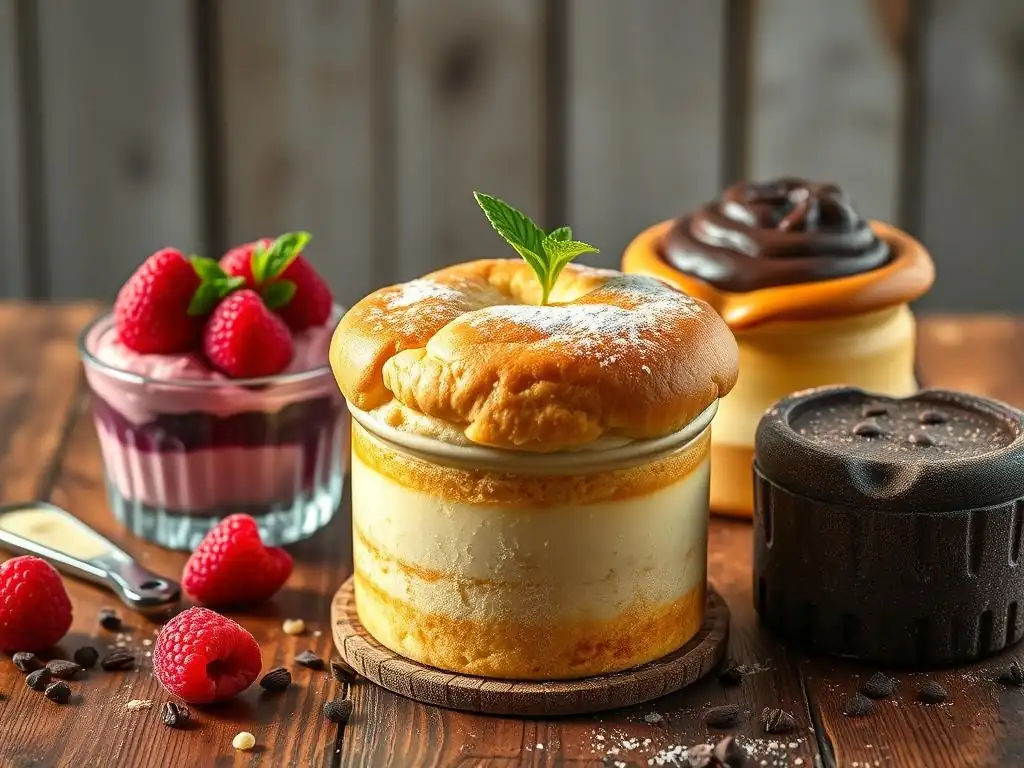
Chocolate Vegan Soufflé: A Rich Dessert
Indulge in a decadent chocolate vegan soufflé! This variation typically incorporates melted dark chocolate or cocoa powder into the base mixture. You might start with a vegan béchamel base, whisking in rich melted vegan dark chocolate (ensure it's dairy-free) or whisking cocoa powder into the plant-based milk and starch mixture.
The key is to create a smooth, intensely chocolatey base before folding in the aquafaba meringue. Serve immediately after baking, perhaps with a dusting of cocoa powder or a dollop of vegan whipped cream, for a truly impressive vegan dessert that showcases your vegan soufflé rise tips.
Lemon Vegan Soufflé: A Citrusy Treat
For a bright and zesty dessert, try a lemon vegan soufflé. This version infuses the base with fresh lemon zest and juice. A base thickened with cornstarch or tapioca starch and plant-based milk is ideal, allowing the vibrant lemon flavor to shine through.
Carefully incorporate lemon zest and juice into the thickened base, ensuring the base is not too hot when adding the juice to prevent the starch from breaking down. The acidity of the lemon also complements the aquafaba meringue, potentially offering a slight boost to stability alongside the added cream of tartar. Serve with fresh berries for a delightful contrast.
Raspberry Vegan Soufflé: A Fruity Delight
A raspberry vegan soufflé offers a lovely balance of sweet and tart. This can be achieved by incorporating raspberry puree or finely mashed fresh raspberries into the base. You might thicken a plant-based milk base with starch and then carefully whisk in concentrated raspberry flavor.
Reduce fresh or frozen raspberries on the stovetop to create a thick, flavorful puree. Allow it to cool before incorporating it into the base. Be mindful of the added liquid from the fruit. The vibrant color and tangy flavor make this a visually appealing and delicious application of your vegan soufflé rise tips.
Conclusion: Achieving Vegan Soufflé Success
Enjoy Your Impressive Vegan Soufflé!
You've navigated the challenges and mastered the techniques! By understanding the science behind the rise, selecting the right plant-based ingredients, perfecting your aquafaba meringue, practicing gentle folding, controlling your oven temperature, and preparing your ramekins meticulously, you are well on your way to achieving a spectacular vegan soufflé rise.
This dessert requires precision and attention to detail, but the reward of seeing your creation puff up in the oven and enjoying its light, airy texture is immense. Don't be discouraged if your first attempt isn't perfect; like any soufflé, vegan versions can be finicky. Each bake is a learning experience, allowing you to refine your technique and apply these vegan soufflé rise tips more effectively next time.
We love seeing your baking successes! Now that you're equipped with the ultimate vegan soufflé rise tips, we encourage you to put them into practice. Experiment with different flavors, refine your technique, and create your own stunning vegan soufflés.
Share photos and stories of your vegan soufflé journey with the Bake With Ease community. Let us know what worked best for you and any creative variations you discovered. Your experiences can help inspire and guide other bakers on their quest for the perfect vegan soufflé rise. Happy baking!
Frequently Asked Questions
How can I achieve a good rise in a vegan soufflé without eggs?
Using the right egg replacement is crucial. Stiffly beaten aquafaba (chickpea brine) is often the key to achieving that light and airy texture needed for a good rise.
What are some common mistakes that cause a vegan soufflé to fall flat?
Opening the oven door too early is a frequent culprit. Also, under-whipped aquafaba or over-mixing the batter can deflate the delicate air bubbles.
What kind of oven temperature and baking time is ideal for a vegan soufflé?
A moderate oven temperature, typically around 375°F (190°C), is recommended. Baking time varies, but usually falls within 30-40 minutes, depending on the ramekin size.
Can I use different types of plant-based milks in my vegan soufflé recipe?
While possible, some plant-based milks work better than others. Soy milk and oat milk are often preferred due to their protein content and relatively neutral flavor.
How can I prevent my vegan soufflé from sticking to the ramekin?
Thoroughly greasing and lightly flouring the ramekin is essential. Using a vegan butter alternative and gluten-free flour will help ensure the soufflé releases cleanly after baking.
Final Reflection: The Unexpected Heights of Vegan Baking
The quest for a perfectly risen vegan soufflé isn't just about achieving a fluffy texture; it's a testament to the boundless creativity and innovation within plant-based cooking. Mastering this seemingly delicate feat challenges preconceived notions about vegan baking and opens doors to a world of culinary possibilities previously thought unattainable. The techniques explored in this article—from understanding the role of aquafaba to mastering the gentle folding method—are not merely recipes; they are keys to unlocking a new level of sophistication in vegan cuisine.
This journey into the heart of eggless soufflé making has been a personal revelation. It’s shown me that limitations are often self-imposed, and that with patience and a willingness to experiment, even the most challenging recipes can be conquered. The greatest discovery of all time is that a person can change his future by merely changing his attitude.
- Oprah Winfrey. This quote resonates deeply, as the shift in attitude towards vegan baking, embracing its unique challenges and celebrating its triumphs, is what truly allows for success.
Now, it's your turn. Don't be intimidated by the seemingly impossible. Take the techniques and insights shared here, experiment with different plant-based ingredients, and embrace the joy of culinary exploration. The next time you face a perceived limitation in the kitchen, remember the airy heights achieved by the humble eggless soufflé. Dare to challenge the status quo, and discover the incredible potential waiting to be unlocked within your own culinary creativity.
Unlock the Fluffy Secrets: Elevate Your Vegan Baking!
Thanks for joining us on this eggless soufflé adventure! You've just unlocked the key to achieving light and airy vegan baking. Ready to put your newfound knowledge into practice?
- Master the Eggless Soufflé: Try our recipe (or your own adaptation!) and share your results – we'd love to see your fluffy creations!
- Experiment with different vegan egg replacers: Discover which works best for your baking style and share your findings with our community. What unexpected ingredient yielded the best results?
- Share the souffle love: Tag us on social media with your pictures and inspire others to embrace egg-free baking.
What ingenious ingredient will you discover makes the perfect vegan soufflé rise to new heights?