
Vegan DairyFree Macarons with Aquafaba and Almond Flour

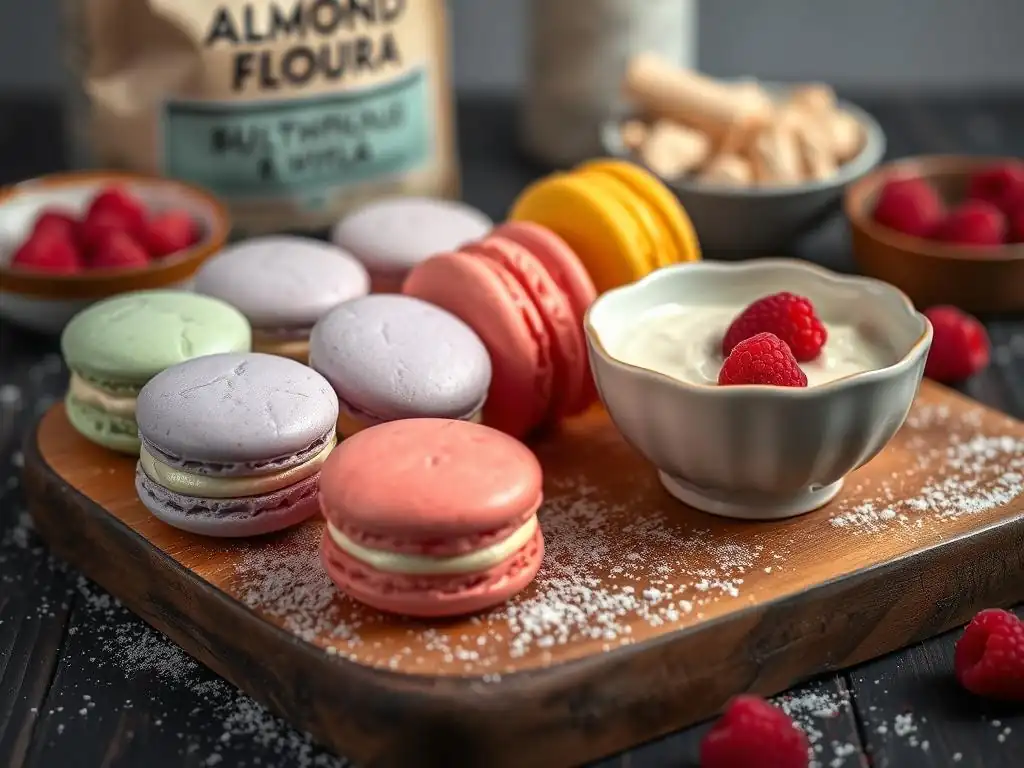
Welcome to BakeWithEase, your guide to unlocking baking brilliance!
Ever dreamed of creating delicate, delightful macarons that are both vegan and dairy-free? Prepare to be amazed! Our latest article dives deep into the secrets of crafting exquisite Vegan aquafaba almond flour macarons, proving that dietary restrictions don't mean sacrificing flavor or artistry. Curious how aquafaba and almond flour can unlock a world of light, airy, and utterly delicious treats? Let's explore!
- Vegan Aquafaba Almond Flour Macarons: A Dairy-Free Delight
- Introduction to Vegan Macarons with Aquafaba and Almond Flour
- Mastering the Vegan Macaron Shell: Aquafaba Meringue
-
Step-by-Step Guide: Baking Vegan Almond Flour Macarons
- Ingredient List: Vegan Macaron Recipe
- Equipment Needed for Dairy-Free Macarons
- Step 1: Preparing the Aquafaba Meringue
- Step 2: Sifting Almond Flour and Powdered Sugar
- Step 3: The Macaronage: Folding for Perfect Consistency
- Step 4: Piping the Macaron Shells
- Step 5: Resting the Macarons: Forming the Skin
- Step 6: Baking the Vegan Macarons to Perfection
- Dairy-Free Macaron Filling Ideas
- Troubleshooting Common Vegan Macaron Problems
- Tips for Baking Perfect Vegan Almond Flour Macarons
- Variations and Customization: Elevate Your Vegan Macarons
- Conclusion: Enjoy Your Homemade Vegan Aquafaba Macarons
- Frequently Asked Questions
- Final Reflection: The Sweet Revolution of Plant-Based Baking
- Unleash Your Inner Macaron Master!
Vegan Aquafaba Almond Flour Macarons: A Dairy-Free Delight
Introduction to Vegan Macarons with Aquafaba and Almond Flour
Discover Dairy-Free Macarons: A Baking Adventure with BakeWithEase
Embarking on the journey of baking macarons can feel like a delightful challenge, and creating them in a dairy-free, vegan format adds another layer of excitement! For those seeking delicious alternatives, mastering vegan aquafaba almond flour macarons opens up a world of possibilities.
At BakeWithEase, we believe everyone should experience the joy of baking these delicate, airy treats, regardless of dietary needs. Traditional macarons rely heavily on egg whites, but we're here to show you how innovative ingredients like aquafaba can perfectly replicate that structure, allowing you to create stunning and delicious vegan almond flour macarons right in your own kitchen.
This adventure into vegan macaron baking is not just about substituting ingredients; it's about understanding the science behind these unique components. We'll guide you through the process, demystifying the steps and helping you achieve those coveted 'feet' and smooth shells. Whether you're new to vegan baking or looking to perfect your skills, these vegan aquafaba almond flour macarons offer a rewarding project that results in beautiful, guilt-free indulgence. Get ready to impress yourself and others with these delightful dairy-free creations.
Why Aquafaba and Almond Flour are Key to Vegan Macarons
Aquafaba, the liquid from canned chickpeas or other legumes, is the star ingredient that makes vegan macarons possible. When whipped, it mimics the properties of egg whites, forming a stable foam capable of creating the delicate structure needed for macaron shells. This seemingly simple liquid is rich in proteins and starches that, when aerated, trap air effectively, allowing you to build a sturdy meringue base. Using aquafaba is a game-changer for dairy-free and vegan baking, providing the lift and stability essential for light and airy textures, especially in challenging recipes like macarons.
Almond flour provides the necessary structure and texture for vegan aquafaba almond flour macarons. It's a crucial component that, when combined with powdered sugar, forms the dry base of the macaron shell. Using finely ground almond flour is key; it needs to be as fine as possible to ensure smooth, bump-free shells. Unlike wheat flour, almond flour is naturally gluten-free and brings a subtle nutty flavor that complements a variety of fillings. Together, aquafaba and almond flour create the perfect synergy for crafting beautiful, stable, and delicious vegan macaron shells that are completely dairy-free and plant-based.
Mastering the Vegan Macaron Shell: Aquafaba Meringue
Understanding Aquafaba: The Vegan Egg White Substitute
Aquafaba is the viscous water in which legumes, such as chickpeas, have been cooked. Its composition, containing proteins and starches that have leached from the legumes during cooking, gives it properties remarkably similar to egg whites. When vigorously whipped, these compounds denature and create a complex network that traps air bubbles, forming a stable foam or meringue. This makes aquafaba an exceptional substitute for egg whites in recipes requiring aeration, emulsification, or binding, opening up possibilities for vegan versions of traditionally egg-dependent desserts like meringues and macarons.
To get the best results with aquafaba for vegan aquafaba almond flour macarons, it's generally recommended to use the liquid from unsalted, canned chickpeas. The concentration of solids can vary between brands, so some bakers prefer to reduce the aquafaba slightly by simmering it on the stovetop to achieve a thicker consistency before whipping.
Approximately 3 tablespoons (around 45-50 ml) of aquafaba is roughly equivalent to one large egg white in whipping volume, though this can vary. Its neutral flavor profile makes it versatile for both sweet and savory applications, proving its value far beyond just making vegan almond flour macarons.
Achieving Stiff Peaks: The Aquafaba Meringue Technique
Achieving stiff peaks with aquafaba is a critical step for successful vegan aquafaba almond flour macarons. Start with aquafaba at room temperature or slightly chilled, as some bakers find this helps with whipping. Pour the aquafaba into a clean, grease-free mixing bowl, preferably metal or glass. Begin whipping on medium speed with an electric mixer. Initially, it will look foamy, similar to soap bubbles. Gradually increase the speed to high. As you whip, the aquafaba will transform into a white, opaque foam, increasing significantly in volume.
Sugar is typically added gradually to the aquafaba meringue once it reaches soft peaks. This helps stabilize the foam and creates a glossy texture. Add superfine sugar (caster sugar) or powdered sugar gradually, a tablespoon at a time, while the mixer is running on high speed. Continue whipping until the mixture is very thick, glossy, and forms stiff peaks that hold their shape when the whisk is lifted.
This process can take anywhere from 8 to 15 minutes, sometimes longer, depending on the aquafaba and your mixer. The meringue should be firm enough that you can turn the bowl upside down without it sliding out (do this carefully!). This stiff, stable meringue is the foundation for your vegan almond flour macarons.
Combining Almond Flour and Powdered Sugar: The Perfect Macaronage
The dry ingredients for vegan aquafaba almond flour macarons consist primarily of finely ground almond flour and powdered sugar. It's crucial to use very finely ground almond flour, sometimes labeled "superfine." Regular almond meal, which contains larger pieces and skin remnants, will result in bumpy, uneven shells.
Combine the almond flour and powdered sugar in a bowl and sift them together. Sifting ensures that any lumps are removed and that the dry ingredients are evenly distributed, contributing to smooth macaron tops. Some bakers even pulse the almond flour and powdered sugar briefly in a food processor before sifting for extra fineness, though this should be done carefully to avoid releasing oils from the almonds.
Macaronage is the delicate process of folding the dry ingredients into the aquafaba meringue. This step is perhaps the most crucial for achieving the correct consistency – neither too stiff nor too runny. Add the sifted almond flour/powdered sugar mixture to the stiff aquafaba meringue in two or three additions.
Using a silicone spatula, gently fold the dry ingredients into the meringue. The technique involves scraping around the sides and bottom of the bowl and then cutting through the center of the mixture. Continue folding until the batter reaches the "lava" or "ribbon" stage.
When you lift the spatula, the batter should fall back into the bowl in a slow, continuous ribbon that eventually reabsorbs into the mass after about 10-15 seconds. Over-mixing will result in flat, footless macarons, while under-mixing will lead to lumpy shells with cracks. Perfecting the macaronage requires practice, but it's key to beautiful vegan almond flour macarons.
Step-by-Step Guide: Baking Vegan Almond Flour Macarons
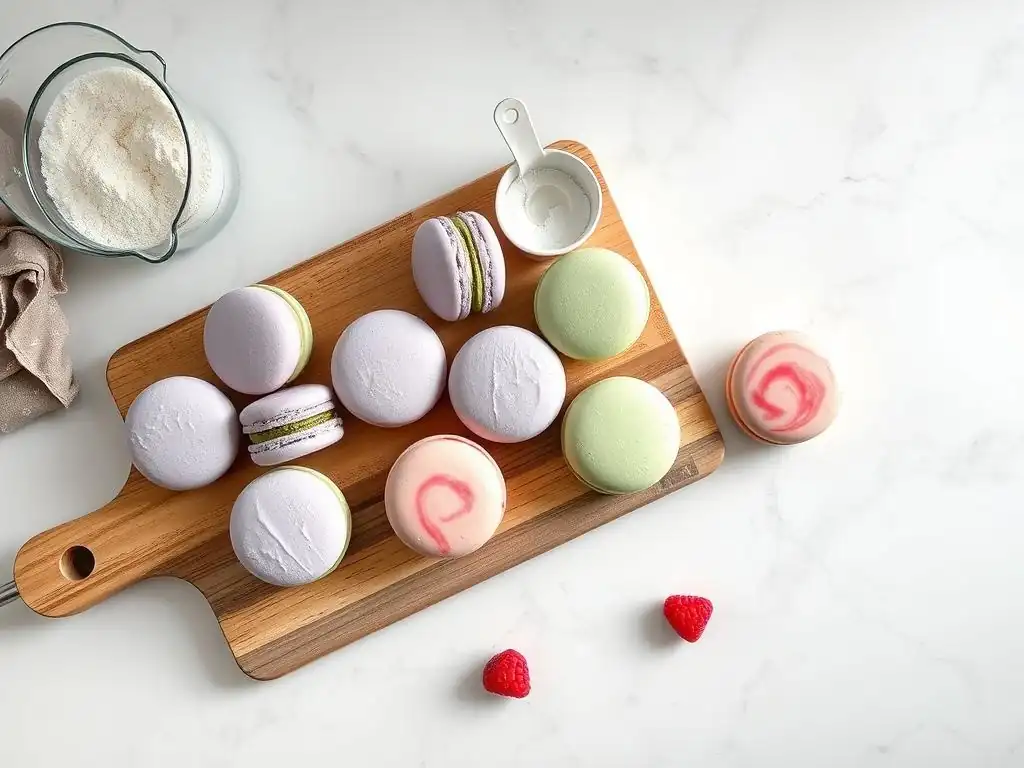
Ingredient List: Vegan Macaron Recipe
Here are the essential ingredients you'll need to make a batch of delicious vegan aquafaba almond flour macarons, typically yielding about 20-25 shells (10-12 finished macarons).
- 100 grams Aquafaba (liquid from one 15-ounce can of unsalted chickpeas, reduced slightly if needed)
- 100 grams Superfine Granulated Sugar (or Caster Sugar)
- 100 grams Finely Ground Almond Flour
- 100 grams Powdered Sugar (Confectioners' Sugar)
- 1/2 teaspoon Cream of Tartar (optional, helps stabilize the meringue)
- 1/2 teaspoon Vanilla Extract (optional, for flavor)
- Food coloring (gel-based recommended, optional)
Using a kitchen scale for precise measurements is highly recommended for macaron success. Variations in just a few grams can significantly impact the outcome. Ensure your almond flour is specifically labeled "finely ground" or "superfine" for the smoothest shells.
Equipment Needed for Dairy-Free Macarons
Having the right tools makes the process of baking vegan aquafaba almond flour macarons much smoother.
- Kitchen Scale: Essential for accurate measurement of dry and wet ingredients.
- Electric Mixer (Stand or Handheld): Crucial for whipping the aquafaba into a stiff meringue. A stand mixer with a whisk attachment is ideal.
- Fine-Mesh Sieve: For sifting almond flour and powdered sugar to remove lumps.
- Large Mixing Bowl: For whipping the aquafaba and performing the macaronage. Ensure it's clean and grease-free.
- Silicone Spatula: For folding the dry ingredients into the meringue during macaronage.
- Piping Bag: For piping the macaron batter onto baking sheets.
- Round Piping Tip (e.g., Ateco 805 or 806): For forming uniform macaron shells.
- Baking Sheets: Standard flat baking sheets.
- Silicone Baking Mats (like Silpat) or Parchment Paper: Provides a non-stick surface and helps with even heat distribution. Macaron templates can be drawn on parchment or placed under silicone mats.
- Oven Thermometer: Highly recommended to ensure your oven is at the correct, consistent temperature.
Using silicone mats often gives slightly better 'feet' compared to parchment paper, but either works well. Ensure your piping tip is round and smooth for clean shells.
Step 1: Preparing the Aquafaba Meringue
Begin by carefully measuring your aquafaba using a kitchen scale. Pour the measured aquafaba into a clean, grease-free mixing bowl. If using cream of tartar, add it now; it acts as a stabilizer for the meringue. Start whipping the aquafaba on medium speed with your electric mixer. The mixture will become frothy and bubbly within a couple of minutes. Continue whipping, gradually increasing the speed to high.
Once the aquafaba reaches soft peaks (it holds a shape but the tip curls over), slowly begin adding the superfine granulated sugar, one tablespoon at a time, allowing each addition to incorporate before adding the next. This gradual addition helps dissolve the sugar and creates a stable, glossy meringue. Continue whipping on high speed until the meringue is very thick, glossy, and forms stiff peaks.
When you lift the whisk, the meringue should stand straight up without drooping. If adding vanilla extract or gel food coloring, gently mix it in during the last minute of whipping. This stiff aquafaba meringue is the foundation for your vegan aquafaba almond flour macarons.
Step 2: Sifting Almond Flour and Powdered Sugar
While your aquafaba meringue is whipping or just after it's ready, prepare your dry ingredients. Measure the finely ground almond flour and powdered sugar accurately using your kitchen scale. In a separate bowl, combine the measured almond flour and powdered sugar.
Use a fine-mesh sieve to sift the mixture over a clean surface or a piece of parchment paper. Sifting is crucial to remove any larger particles of almond or clumps of powdered sugar, which can cause bumps and imperfections on the surface of your vegan almond flour macarons. Gently tap the sides of the sieve to help the mixture pass through. Discard any larger bits left in the sieve. For extra insurance against lumps, some bakers sift the mixture twice. This step ensures a smooth, uniform texture for your macaron shells.
Step 3: The Macaronage: Folding for Perfect Consistency
Now comes the macaronage, the art of combining the dry ingredients with the aquafaba meringue. Add about half of the sifted almond flour and powdered sugar mixture to the stiff aquafaba meringue. Using a silicone spatula, begin folding. The technique involves scraping the spatula around the sides of the bowl and then cutting through the center of the mixture. Be gentle but thorough.
Continue folding, adding the remaining dry ingredients in one or two more additions. The goal is to deflate the meringue slightly while incorporating the dry ingredients until the batter reaches the correct consistency. This is often described as the "lava" or "ribbon" stage. When you lift the spatula, the batter should flow off in a slow, continuous ribbon that falls back into the bowl and gradually reabsorbs into the main mass within about 10-15 seconds.
If it breaks into chunks, it's under-mixed. If it flows too quickly and disappears immediately, it's over-mixed. Stop folding as soon as you reach this stage; over-mixing is a common cause of macaron failure.
Step 4: Piping the Macaron Shells
Prepare your baking sheets by lining them with silicone baking mats or parchment paper. If using parchment, you might want to draw macaron templates (circles about 1.5 inches or 3.5 cm in diameter, spaced about 1 inch apart) on the underside as a guide. Fit a piping bag with a round tip (e.g., 805 or 806) and fill it with the macaron batter. Push the batter down gently to remove any large air bubbles.
Hold the piping bag vertically, about half an inch above the baking sheet. Apply even pressure to pipe small rounds of batter onto the prepared sheets, using your template or aiming for uniform size. Pipe from the center outwards, then quickly flick your wrist to stop the flow of batter, creating a small peak that will settle down. Once all the batter is piped, firmly tap each baking sheet on the counter several times.
This helps release any trapped air bubbles within the shells, which can cause cracks or hollows. You should see bubbles rise to the surface; pop any visible ones with a toothpick. This crucial step contributes to smooth, even vegan almond flour macarons.
Step 5: Resting the Macarons: Forming the Skin
Resting the piped macaron shells is a non-negotiable step for achieving the characteristic 'feet'. Leave the piped shells undisturbed at room temperature for anywhere from 30 minutes to 2 hours. The exact resting time depends heavily on the humidity of your environment. During this time, a thin, dry skin will form on the surface of the shells.
You can test if the macarons are ready to bake by gently touching the surface of one shell. If it feels dry to the touch and doesn't stick to your finger, they are ready. If they feel sticky or wet, continue resting them. This dry skin allows the macaron to rise upwards during baking, pushing the batter out horizontally at the base to form the 'feet'. Skipping or rushing this step will likely result in cracked shells and no feet on your vegan aquafaba almond flour macarons.
Step 6: Baking the Vegan Macarons to Perfection
Preheat your oven to the correct temperature, typically between 285°F and 320°F (140°C - 160°C). Using an oven thermometer is highly recommended, as oven temperatures can vary significantly. Too high a temperature can cause cracking or browning, while too low can prevent the feet from forming. Place one baking sheet of rested macarons in the preheated oven.
Bake for approximately 12-18 minutes. The baking time will vary depending on your oven and the size of your macarons. The macarons are done when the shells are firm and do not wobble when gently touched or nudged. The feet should be well-developed and look slightly puffed. You can test for doneness by carefully lifting one shell; if it releases easily from the mat or paper, it's likely done.
If it sticks, bake for a few more minutes. Once baked, remove the sheets from the oven and let the macaron shells cool completely on the sheet before attempting to remove them. Trying to remove them too soon will cause them to break. Properly baked vegan almond flour macarons should have a delicate crisp exterior and a slightly chewy interior.
Dairy-Free Macaron Filling Ideas
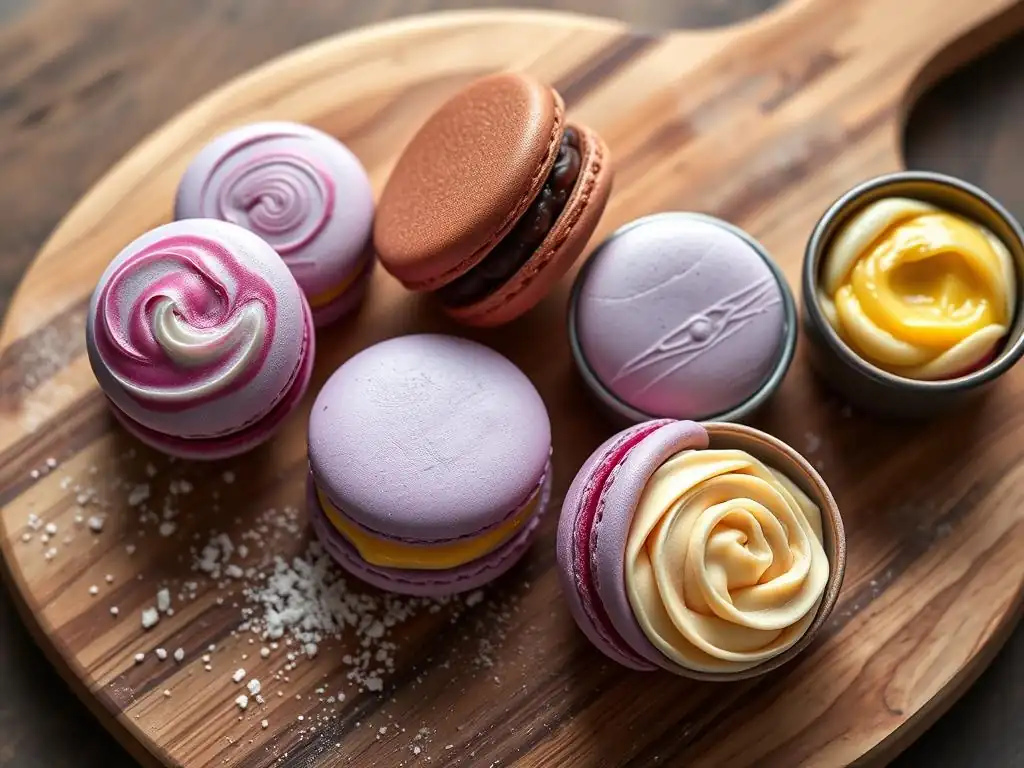
Vegan Buttercream Filling Recipes
Vegan buttercream is a classic and versatile filling for vegan aquafaba almond flour macarons. It provides a creamy texture that pairs wonderfully with the delicate shells. A basic recipe typically involves beating vegan butter (or margarine) with powdered sugar and a splash of plant-based milk (like almond, soy, or oat milk) and vanilla extract until light and fluffy. Use a high-quality vegan butter stick that is firm at room temperature for best results, avoiding soft tub margarines which can make the buttercream too greasy.
To make a simple vegan vanilla buttercream, you might combine 1/2 cup softened vegan butter with 2-3 cups powdered sugar, 2-3 tablespoons plant milk, and 1 teaspoon vanilla extract. Beat on medium-high speed for several minutes until pale and fluffy. You can easily customize this base by adding cocoa powder for chocolate vegan buttercream, fruit zest for citrus flavor, or a swirl of jam. Ensure all ingredients are at room temperature for smooth incorporation. Pipe the cooled vegan almond flour macaron shells with your chosen buttercream and sandwich them together.
Chocolate Ganache: A Dairy-Free Delight
Dairy-free chocolate ganache offers a rich, decadent filling option for your vegan aquafaba almond flour macarons. It's surprisingly simple to make using just two ingredients: vegan chocolate and a hot liquid, typically full-fat coconut milk or another creamy plant-based milk. The ratio of chocolate to liquid determines the consistency; a 1:1 ratio (by weight) of chocolate to hot coconut milk will yield a softer ganache suitable for piping, while a 2:1 or 2.5:1 ratio will create a firmer set ganache.
To make a dairy-free chocolate ganache, finely chop your favorite vegan chocolate (chocolate chips or a bar). Heat the coconut milk (or other plant milk) in a saucepan until it just begins to simmer. Pour the hot milk over the chopped chocolate in a bowl. Let it sit undisturbed for 5 minutes to allow the chocolate to melt, then gently whisk until smooth and emulsified.
Avoid vigorous whisking, which can incorporate air bubbles. Let the ganache cool at room temperature or chill slightly until it reaches a pipeable consistency. This rich, smooth ganache is a perfect contrast to the light, airy shells of your vegan almond flour macarons.
Fruit-Based Vegan Macaron Fillings
For a lighter, brighter alternative, fruit-based fillings are excellent for vegan aquafaba almond flour macarons. Vegan curd, made with lemon or passion fruit juice, sugar, cornstarch, and vegan butter, provides a tangy counterpoint to the sweet shells. Simply heat the juice, sugar, and cornstarch mixture until thickened, then whisk in vegan butter off the heat until smooth and glossy. Chill thoroughly before piping.
Another popular fruit-based option is a simple fruit compote or jam. Ensure the jam is thick enough not to run out of the sides of the macaron. You can also make a vegan fruit buttercream by blending fresh fruit puree (like raspberry or strawberry) into a basic vegan buttercream recipe. Approximately 1/4 cup of thick fruit puree per cup of buttercream adds wonderful flavor and color. These vibrant, fruity fillings add a refreshing dimension to your homemade vegan almond flour macarons.
Troubleshooting Common Vegan Macaron Problems
Hollow Macarons: Causes and Solutions
Hollows are a common frustration when baking macarons, including vegan aquafaba almond flour macarons. This occurs when the shell forms too quickly and bakes before the interior has a chance to fully cook and expand, leaving an empty space inside. Several factors can contribute to hollows: under-mixing the macaronage, resulting in trapped air bubbles; baking at too high a temperature; insufficient resting time, leading to a weak skin; or uneven heat distribution in the oven.
To minimize hollows, ensure your macaronage reaches the proper "lava" consistency – it should flow slowly and smoothly. Tap the trays firmly after piping to release large air bubbles. Crucially, allow the shells to rest until a proper dry skin forms, which can take over an hour in humid conditions.
Check your oven temperature with an external thermometer and consider baking at a slightly lower temperature for a longer time. Some bakers also find placing an empty baking sheet on the rack above the macarons helps deflect direct heat and promote more even baking, reducing hollows in vegan almond flour macarons.
Cracked Macaron Shells: Prevention Tips
Cracked macaron shells are another frequent issue, often linked to insufficient resting time or incorrect oven temperature. If the shells haven't developed a firm skin before baking, the rapidly expanding air inside during baking will break through the surface instead of pushing the batter outwards to form feet. High oven temperatures can also cause the shell surface to set too quickly and crack.
To prevent cracking in your vegan aquafaba almond flour macarons, prioritize the resting step. Ensure the shells are completely dry to the touch before they go into the oven. Use an oven thermometer to verify your oven's temperature and bake within the recommended range (typically 285°F-320°F). Avoid opening the oven door during the first 10-12 minutes of baking, as sudden temperature changes can also cause cracks. Ensure your macaronage wasn't significantly over-mixed, which can also weaken the shell structure.
Uneven Feet: Achieving Perfect Macaron Feet
Perfect, even 'feet' (the ruffled base of the macaron) are the hallmark of a well-baked macaron. Uneven or absent feet can result from several issues. Over-mixing or under-mixing the macaronage is a primary culprit; over-mixed batter spreads too thin, while under-mixed batter is too stiff to form feet. Insufficient resting time means no skin forms to direct the batter outwards. Uneven oven temperature is also a common cause, leading to one side of the macaron rising more than the other.
To achieve beautiful feet on your vegan aquafaba almond flour macarons, focus on getting the macaronage just right – the batter should flow like slow lava. Ensure the shells rest long enough to form a dry skin. Verify your oven temperature is accurate and consistent throughout the cavity using an oven thermometer.
Rotate your baking sheets halfway through the baking time if your oven has hot spots. Using silicone baking mats can sometimes help promote more even heat transfer and better foot development compared to parchment paper. Consistent technique throughout the process is key to uniform vegan almond flour macarons.
Tips for Baking Perfect Vegan Almond Flour Macarons
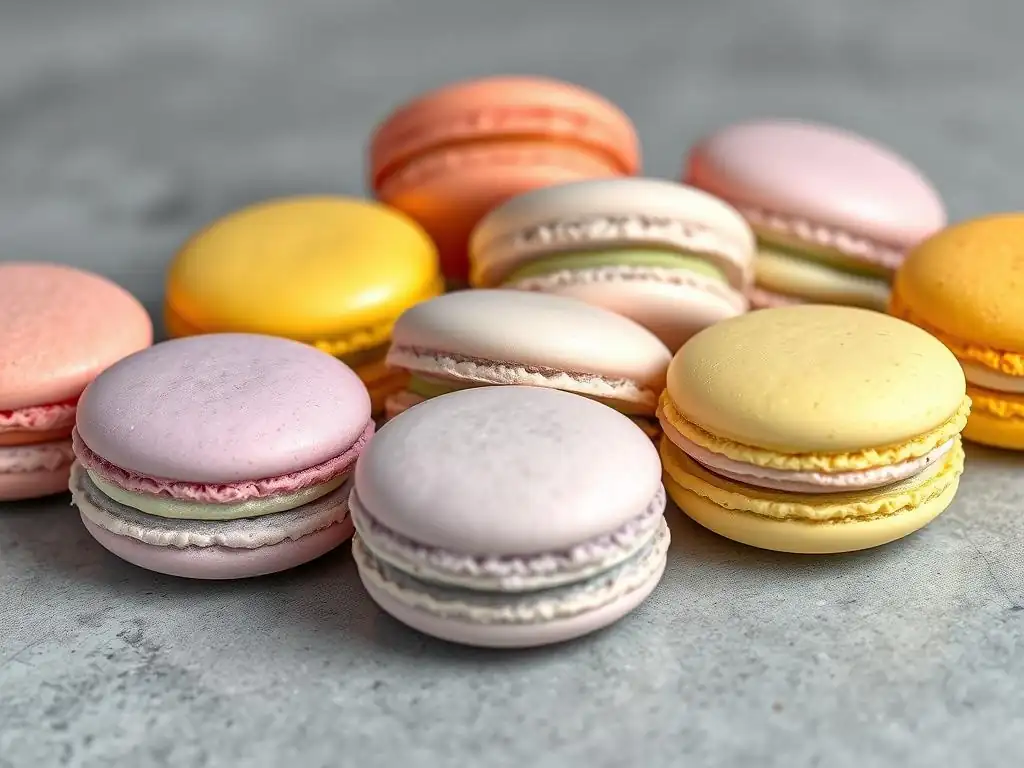
Measuring Ingredients Accurately
Precision is paramount when baking macarons, especially vegan aquafaba almond flour macarons where ingredient ratios are critical for structure and texture. Using a digital kitchen scale is the most accurate way to measure ingredients like almond flour, powdered sugar, and aquafaba. Volume measurements (cups and tablespoons) can be inconsistent due to variations in how ingredients are packed or settled.
For example, 100 grams of almond flour measured by weight is far more reliable than measuring it by volume, as a cup of almond flour can weigh anywhere from 90 to 110 grams depending on how it's scooped and settled. Similarly, the consistency of aquafaba can vary, but measuring by weight ensures you have the correct amount of liquid, even if the concentration varies slightly. Accurate measurement using a scale is arguably the single most important step for consistent success with vegan almond flour macarons.
Controlling Oven Temperature
Maintaining a stable and accurate oven temperature is vital for baking successful vegan aquafaba almond flour macarons. Macarons are sensitive to temperature fluctuations and hot spots. An oven thermometer is an inexpensive but invaluable tool to verify your oven's internal temperature, which often differs from the dial setting by as much as 20-50 degrees Fahrenheit (10-30°C).
Baking temperatures for macarons are typically low, ranging from 285°F to 320°F (140°C-160°C). Baking too hot can cause rapid rising leading to cracks, hollows, or browning. Baking too cool can result in flat shells without feet or shells that are underbaked and stick to the mat. Once you've found the optimal temperature for your oven, try to avoid opening the door during the first two-thirds of the baking time to maintain a stable environment. Consistent, controlled heat is essential for achieving perfectly baked vegan almond flour macarons.
Storing Your Vegan Macarons
Proper storage is key to maintaining the texture and freshness of your vegan aquafaba almond flour macarons. Once filled, macarons benefit from a period of maturation, typically 12-24 hours in the refrigerator. During this time, the moisture from the filling softens the shell slightly, creating the desired chewy interior texture while keeping the exterior crisp.
Store filled vegan almond flour macarons in an airtight container in the refrigerator for up to 3-5 days. Place a piece of parchment paper between layers to prevent sticking. If you need to store them for longer, unfilled shells can be frozen in an airtight container for up to a month. Filled macarons can also be frozen for about two weeks, though the texture of some fillings may change slightly upon thawing. Thaw frozen macarons in the refrigerator overnight before serving.
Variations and Customization: Elevate Your Vegan Macarons
Adding Flavors to Your Macaron Shells
Adding flavor to your vegan aquafaba almond flour macaron shells can elevate them beyond simple vanilla. Extracts are the easiest way to infuse flavor; add a few drops of pure vanilla, almond, peppermint, or citrus extract during the last minute of whipping the aquafaba meringue. Be cautious not to add too much liquid, as this can destabilize the meringue.
For more intense flavors or colors, consider incorporating finely ground freeze-dried fruit powders (like raspberry or strawberry) into the dry ingredients. Replace a small amount of the almond flour or powdered sugar (e.g., 5-10 grams) with the fruit powder. Cocoa powder can be added for chocolate shells, replacing a similar amount of dry ingredients. Gel food coloring is recommended for vibrant colors without adding excess moisture; add it during the meringue whipping stage. Experimenting with these additions can lead to unique and delicious vegan almond flour macarons.
Decorating Your Vegan Almond Flour Macarons
Decorating vegan aquafaba almond flour macarons adds visual appeal and a touch of artistry. The simplest decoration is adding gel food coloring to the batter before piping for vibrantly colored shells. You can also create marbled effects by swirling two colors of batter together briefly before filling the piping bag.
Once the shells have baked and cooled, you can add further decorations. A light dusting of powdered sugar or cocoa powder can be applied using a stencil. Edible glitter or sprinkles can be added to the still-wet batter immediately after piping before the skin forms, or pressed gently into the filling after the shells are assembled. Using contrasting colored fillings or adding a swirl of a second filling on top of the main one before sandwiching can also create a beautiful effect. Get creative and make your vegan almond flour macarons as visually stunning as they are delicious.
Conclusion: Enjoy Your Homemade Vegan Aquafaba Macarons
You've successfully navigated the steps to create delightful vegan aquafaba almond flour macarons! From understanding the unique properties of aquafaba to mastering the macaronage and achieving that perfect bake, you've unlocked the secrets to these exquisite dairy-free treats. It's a baking process that requires patience and precision, but the reward of biting into a delicate, chewy, and flavorful homemade vegan macaron is truly worth the effort.
Remember that baking vegan almond flour macarons is also an art form that allows for endless creativity with flavors and fillings. Whether you prefer a classic vanilla vegan buttercream, a rich chocolate ganache, or a tangy fruit filling, there's a perfect pairing for your shells. Don't be discouraged by imperfections on your first try; every batch is a learning experience. With practice and attention to detail, you'll consistently bake beautiful and delicious vegan aquafaba almond flour macarons that everyone can enjoy. Happy baking from BakeWithEase!
Frequently Asked Questions
What is aquafaba and why is it used in these vegan macarons?
Aquafaba is the liquid from canned chickpeas. It's used as an egg white substitute in these macarons, providing structure and volume.
Can I substitute the almond flour with another type of flour?
It's not recommended. Almond flour is crucial for the macaron's signature texture and structure. Substitution may result in a failed macaron.
What's the secret to getting the "feet" on these macarons?
The "feet" develop from the proper macaronage technique (mixing the batter to the right consistency) and resting the piped macarons before baking. This allows a skin to form.
How do I prevent my macarons from cracking?
Cracking can be caused by too much moisture, insufficient resting time, or baking at too high a temperature. Ensuring proper macaronage and a dry environment are key.
Are these macarons difficult to make, even with the vegan ingredients?
Macarons are generally delicate, but our recipe provides step-by-step instructions and tips for success. Patience and precision are essential, especially when working with vegan substitutes.
Final Reflection: The Sweet Revolution of Plant-Based Baking
The rise of vegan baking isn't just a trend; it's a testament to our growing awareness of ethical consumption and culinary innovation. These vegan aquafaba and almond flour macarons represent more than just a delicious treat; they symbolize a shift towards sustainable and compassionate food choices that don't compromise on taste or texture. The increasing demand for plant-based alternatives proves that deliciousness and ethical considerations can coexist beautifully.
Creating these macarons was a personal journey of discovery, pushing the boundaries of what I thought was possible in vegan baking. The initial challenges – mastering the delicate meringue, achieving the perfect shell – only amplified the satisfaction of the final product. This experience underscores the importance of embracing experimentation in the kitchen and the power of finding creative solutions to traditional recipes. The best way to find yourself is to lose yourself in the service of others.
– Mahatma Gandhi. This quote, while not directly about baking, reflects the spirit of mindful consumption that drives the vegan movement and inspires the creation of recipes like this one.
Now, it's your turn. Don't be intimidated by the seemingly complex world of macaron-making. Try this recipe, experiment with flavors, and discover the joy of creating something beautiful and delicious while aligning your choices with your values. Embrace the challenge, celebrate the successes, and let the sweet taste of these vegan macarons inspire you to explore the endless possibilities of plant-based cooking. The future of food is compassionate, creative, and undeniably delicious.
Unleash Your Inner Macaron Master!
Thanks for joining us on this delicious journey into the world of vegan, dairy-free macarons! You've learned how easy it is to create these delicate treats, even without traditional ingredients. Now it's time to put your newfound skills to the test!
- Bake a batch of your own: Use the recipe we shared to create your own masterpiece. Experiment with different flavors and colors! This is where the real fun begins.
- Share your creations: Show off your beautiful macarons on social media using #BakeWithEaseMacarons – we’d love to see them!
- Join our baking community: Connect with other baking enthusiasts in our comments section below and share your tips and experiences.
Ready to transform your kitchen into a macaron paradise? What unique flavor combination will you try first?