
LowSugar EggFree Baking: Balancing Sweetness Without Compromising Texture

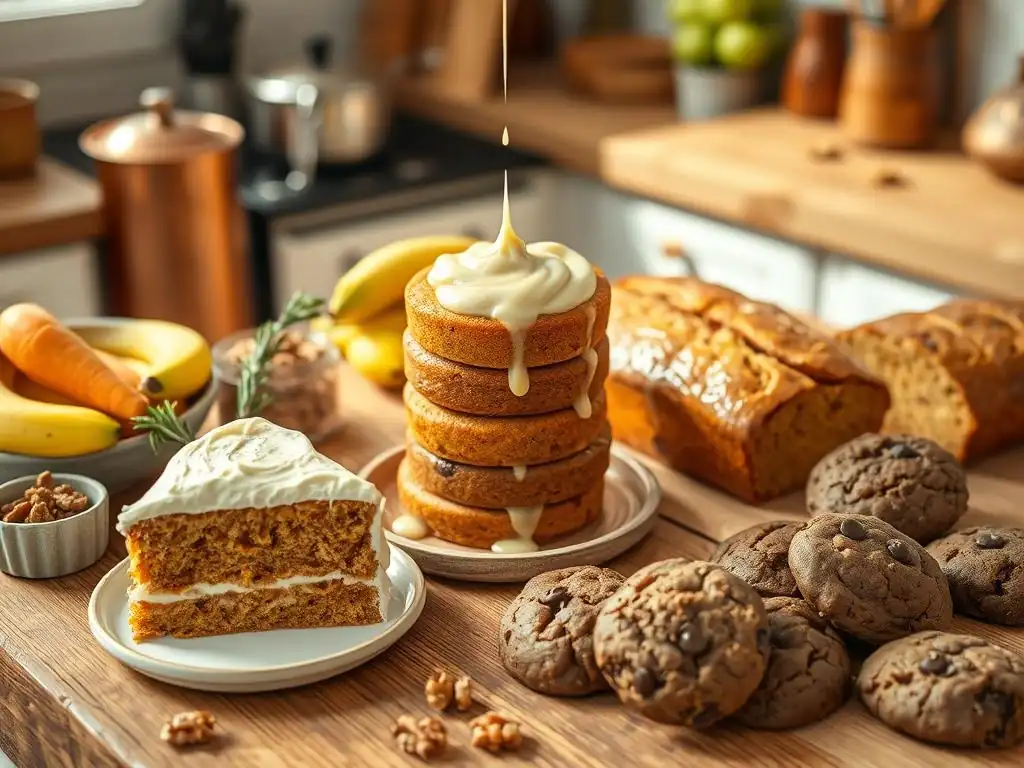
Welcome to BakeWithEase, your haven for delicious baking adventures! Ever wondered if you could indulge in treats without the guilt, or navigate dietary restrictions without sacrificing flavor? Discover the secrets to Low Sugar Eggless Baking in our latest guide – a world where balancing sweetness and achieving perfect texture is not only possible, but surprisingly simple. Intrigued? Keep reading to unlock the secrets and embark on a guilt-free baking journey that will delight your taste buds and impress your friends and family!
- Introduction to Low-Sugar Eggless Baking
- Understanding the Challenges of Low-Sugar, Egg-Free Baking
- Key Ingredients for Successful Low-Sugar Eggless Baking
- Techniques for Balancing Sweetness and Texture
- Low-Sugar Eggless Baking Recipes: BakeWithEase Favorites
- Tips & Tricks for Perfect Low-Sugar Eggless Baking
- Troubleshooting Common Problems in Low-Sugar Eggless Baking
- Conclusion: Enjoy Delicious and Healthier Bakes with Ease
-
Frequently Asked Questions
- What is Low Sugar EggFree Baking and why is it important?
- How does Low Sugar EggFree Baking impact the texture of baked goods?
- What are some common egg substitutes used in Low Sugar EggFree Baking?
- What are some low-sugar sweeteners that work well in Low Sugar EggFree Baking?
- Where can I find Low Sugar EggFree Baking recipes suitable for beginners?
- Final Reflection: The Sweet Symphony of Healthy Baking
- Unlock Your Egg-Free, Low-Sugar Baking Potential!
Introduction to Low-Sugar Eggless Baking
The Growing Need for Reduced Sugar Baking Options
In recent years, there has been a significant shift in dietary preferences and health consciousness, leading many people to seek ways to reduce their sugar intake. This trend isn't limited to just cutting out sugary drinks; it extends deeply into the world of baking. Consumers are actively looking for baked goods that offer the same deliciousness and texture they love but with less of the white stuff. This demand is driven by a growing understanding of the health implications of excessive sugar consumption, including concerns about blood sugar levels, weight management, and overall metabolic health.
This societal shift has created a vibrant space for innovation in the kitchen, particularly in areas like low sugar eggless baking. Bakers, both amateur and professional, are experimenting with alternative sweeteners and techniques to meet this need. The challenge is to reduce sugar without sacrificing the critical roles it plays in baking – not just sweetness, but also moisture retention, browning, and structure. Successfully navigating low sugar eggless baking requires a thoughtful approach to ingredient selection and method, ensuring that healthier choices don't mean compromising on taste or texture.
Why Choose Egg-Free Baking?
Egg-free baking is essential for a variety of reasons, primarily catering to individuals with egg allergies, sensitivities, or those following a vegan lifestyle. Egg allergies are among the most common food allergies, particularly in children, making egg-free options a necessity for safe and inclusive celebrations and everyday treats. For vegans, avoiding eggs aligns with ethical principles against consuming animal products. Beyond allergies and ethics, some people simply prefer to bake without eggs for perceived health benefits or to experiment with different ingredient functionalities.
Eliminating eggs from recipes presents unique challenges because eggs serve multiple functions: binding ingredients, providing structure, contributing moisture and richness, and aiding in leavening. Therefore, mastering egg-free baking involves understanding these roles and finding effective substitutes that can replicate them. Combining the needs of egg-free and low-sugar baking requires a dual focus on finding ingredients that can bind and add moisture/structure without relying on either eggs or large amounts of sugar, making low sugar eggless baking a fascinating culinary puzzle.
BakeWithEase: Your Guide to Delicious & Healthy Baking
At BakeWithEase, we believe that everyone should be able to enjoy delicious baked goods, regardless of dietary restrictions or health goals. Our mission is to make baking accessible, enjoyable, and successful for bakers of all levels. Whether you're dealing with allergies, looking to reduce sugar, or simply want to try new techniques, BakeWithEase provides reliable recipes, clear instructions, and helpful tips to guide you.
We understand the complexities of dietary baking, especially when combining requirements like low sugar and egg-free. Our resources are designed to demystify these processes, offering tested methods and ingredient insights specifically for challenges like low sugar eggless baking. We aim to empower you to create treats that are not only suitable for your needs but are also genuinely delightful, proving that healthy baking can be just as satisfying as traditional methods.
Understanding the Challenges of Low-Sugar, Egg-Free Baking
The Role of Sugar in Baking: Beyond Sweetness
Sugar is often perceived simply as a sweetener, but its functions in baking are far more complex and critical. It contributes to the tenderness of baked goods by interfering with gluten development in flour, resulting in a softer crumb. Sugar is also hygroscopic, meaning it attracts and retains moisture, which keeps cakes and cookies moist and extends their shelf life. Furthermore, sugar participates in the Maillard reaction and caramelization during baking, contributing to the desirable golden-brown color and complex flavors of crusts.
Reducing sugar significantly impacts these functions. Without sufficient sugar, baked goods can become tough, dry, and pale. They may also stale more quickly. Therefore, when undertaking low sugar eggless baking, the challenge isn't just finding an alternative sweetener; it's about compensating for the loss of sugar's structural, moisture-retaining, and browning properties. This requires careful adjustments to other ingredients and baking techniques to maintain the desired texture, appearance, and shelf life.
The Function of Eggs in Traditional Baking
Eggs are multitaskers in the baking world, performing several vital roles simultaneously. As binders, the proteins in eggs coagulate when heated, holding ingredients together and providing structure, preventing crumbling. Eggs also act as leaveners, especially when whipped, trapping air that expands during baking, contributing to rise and a light texture. The fat in egg yolks adds richness, moisture, and tenderness, while the water content contributes to the overall hydration of the batter or dough.
Removing eggs necessitates finding substitutes that can mimic these diverse functions. A single egg replacer often cannot perform all the roles of an egg effectively. For instance, applesauce adds moisture and some binding but doesn't provide leavening or richness. Flaxseed meal is an excellent binder but adds minimal moisture and no leavening. Successful low sugar eggless baking relies on strategically combining different egg substitutes or adjusting other recipe components to compensate for the missing egg functions.
Addressing Texture and Binding Issues in Eggless Baking
One of the primary hurdles in eggless baking, particularly when combined with low sugar, is achieving the correct texture and ensuring adequate binding. Without eggs, baked goods can easily become crumbly, dense, or dry. Sugar reduction exacerbates this by decreasing moisture retention and interfering with tenderization. For example, a standard cookie recipe relies heavily on both sugar and eggs for spread, chewiness, and structure. Removing both requires a complete rethinking of the ingredient balance.
To combat these issues in low sugar eggless baking, bakers must turn to alternative binders like flax eggs, chia eggs, or commercial egg replacers, which help hold ingredients together. Moisture can be added through ingredients like applesauce, mashed banana, pumpkin puree, or yogurt (dairy or non-dairy). Fats like oil or vegan butter can help tenderize the crumb. Often, a combination of several techniques and ingredients is needed to replicate the complex texture provided by eggs and sugar in traditional recipes.
Key Ingredients for Successful Low-Sugar Eggless Baking
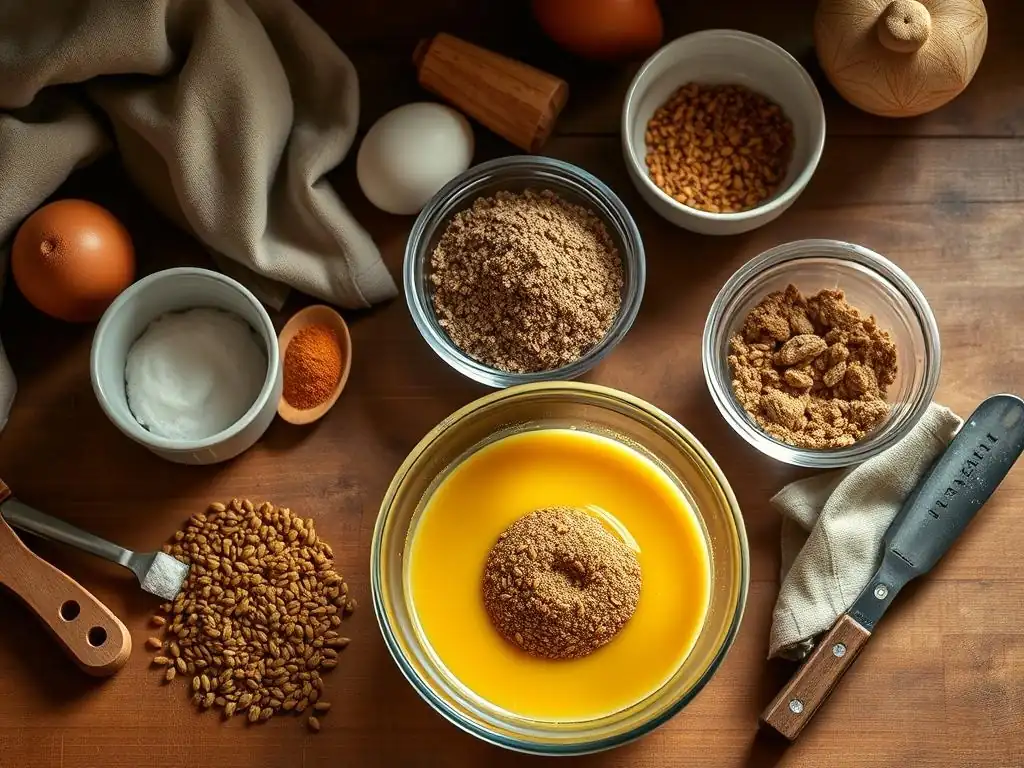
Natural Sweeteners: Optimizing Sweetness with Natural Alternatives
Choosing the right natural sweetener is crucial for low sugar eggless baking, impacting not only sweetness but also texture and flavor. Unlike sugar, which caramelizes and contributes to browning and structure, most high-intensity natural sweeteners primarily provide sweetness without these functional benefits. This means you must select sweeteners that taste good, measure correctly, and ideally offer some level of bulk or moisture to compensate for reduced sugar volume. Popular options include stevia, monk fruit, and erythritol.
When working with natural sweeteners, it's important to understand their potency relative to sugar. For example, liquid stevia can be hundreds of times sweeter than sugar, requiring only a few drops. Granular erythritol, while less sweet than sugar (about 70% the sweetness), provides bulk similar to sugar, making it a good substitute for volume.
Monk fruit sweetener also varies in potency depending on whether it's pure extract or blended with other ingredients like erythritol. Careful measurement and understanding the specific properties of your chosen sweetener are key to avoiding overly sweet or poorly textured results in low sugar eggless baking.
Stevia: Benefits and Considerations
Stevia is a highly potent natural sweetener derived from the leaves of the Stevia rebaudiana plant. Its primary benefit in low sugar eggless baking is that it provides intense sweetness with virtually no calories or carbohydrates, making it ideal for significantly reducing sugar content. It does not affect blood sugar levels, which is a major advantage for individuals managing diabetes or seeking to control blood glucose spikes. Stevia is available in various forms, including liquid drops, powders, and granulated blends.
However, using stevia, especially in its pure form, requires careful consideration. It lacks the bulk, browning capabilities, and moisture-retaining properties of sugar. Substituting pure stevia for sugar on a 1:1 basis is impossible due to its potency.
Granulated stevia blends often contain fillers like erythritol to provide bulk, making them easier to measure like sugar, but you still need to compensate for sugar's other functions. Some people also detect a slightly bitter or metallic aftertaste from stevia, which can become more pronounced at higher concentrations, so using it in combination with other sweeteners or flavorings is sometimes recommended in low sugar eggless baking.
Monk Fruit Sweetener: A Comprehensive Guide
Monk fruit sweetener, extracted from the Siraitia grosvenorii fruit native to Southeast Asia, is another popular natural zero-calorie option for low sugar eggless baking. It is significantly sweeter than sugar, with extracts being 150-200 times sweeter. Like stevia, it has no impact on blood sugar and contains no carbohydrates. Monk fruit is often blended with erythritol or other sugar alcohols to create granulated products that measure closer to sugar by volume, making recipe conversions simpler.
Monk fruit is generally considered to have a cleaner taste profile than stevia, with less of an aftertaste for many people. However, its functional limitations are similar to stevia's; it provides sweetness but not the bulk, moisture, or browning of sugar. When using monk fruit blends, the properties of the blending agent (like erythritol) also come into play. For example, erythritol can sometimes create a cooling sensation in the mouth. Understanding the specific blend you are using is crucial for successful low sugar eggless baking outcomes.
Erythritol: Understanding its Use in Baking
Erythritol is a sugar alcohol found naturally in some fruits and fermented foods. It is about 70% as sweet as sugar but contains very few calories (about 0.2 calories per gram compared to sugar's 4 calories per gram) and has minimal impact on blood sugar levels. Erythritol is often used as a bulk sweetener in low sugar eggless baking because it provides volume similar to sugar, making it easier to adapt recipes without drastically changing the wet-to-dry ingredient ratio.
While erythritol offers bulk, it shares some limitations with other natural sweeteners. It doesn't brown like sugar, so baked goods made primarily with erythritol may remain pale. It also doesn't retain moisture as effectively as sugar, potentially leading to slightly drier results. A common characteristic of erythritol is a noticeable cooling sensation when consumed, which some people find pleasant, while others do not. It's also important to note that while generally well-tolerated, consuming large amounts of sugar alcohols like erythritol can have a laxative effect on some individuals.
Egg Replacers: Options and Applications
Finding effective egg replacers is fundamental to successful egg-free baking, and this becomes even more critical in low sugar eggless baking where the binding and moisture from sugar are also reduced. Egg substitutes need to provide structure, binding, and potentially some moisture or richness that the missing egg would have contributed. The best egg replacer often depends on the specific baked good you are making; what works well in a dense muffin might not be suitable for a delicate cookie.
There are numerous options available, each with its own strengths and weaknesses. Common natural choices include flaxseed meal, chia seeds, and fruit purees like applesauce or mashed banana. Commercial egg replacers, typically made from starches and leavening agents, are also widely available and formulated to mimic egg function. Successfully navigating low sugar eggless baking requires understanding how each replacer behaves and selecting the one (or combination) that best fits the recipe's needs for structure, moisture, and texture.
Flaxseed Meal: A Versatile Egg Substitute
Flaxseed meal, ground from flaxseeds, is a popular and effective natural egg replacer, particularly valued for its binding properties. When mixed with water, the soluble fiber (mucilage) in flaxseed meal forms a gel-like consistency that can hold ingredients together in a similar way that egg proteins do when they coagulate. A common ratio is 1 tablespoon of flaxseed meal mixed with 3 tablespoons of water, left to sit for 5-10 minutes until thickened, to replace one large egg.
This "flax egg" works well in recipes where a dense or slightly chewy texture is acceptable, such as muffins, quick breads, cookies, and brownies. It provides excellent binding for low sugar eggless baking. However, flax eggs do not provide leavening, so you may need to increase baking powder or soda slightly in recipes that rely on eggs for rise. They also impart a slightly nutty flavor and tiny speckles to the finished product, which might not be desirable in every recipe.
Applesauce: Adding Moisture and Binding
Unsweetened applesauce is another readily available and simple egg substitute that primarily adds moisture and some binding to baked goods. It works by contributing pectin and other fibers that help create structure and retain water. Using applesauce can be particularly beneficial in low sugar eggless baking as it helps compensate for the moisture loss from reduced sugar. A typical substitution is 1/4 cup of applesauce per large egg.
While applesauce adds moisture and helps create a soft, tender crumb, it is not a strong binder on its own. It works best in recipes that don't require significant structural integrity or lift, like moist cakes, muffins, or quick breads. Using too much applesauce can make baked goods dense or gummy. It also adds a subtle apple flavor, which pairs well with spices like cinnamon and nutmeg but might clash with other flavor profiles. For stronger binding in low sugar eggless baking, applesauce is often combined with other binders like flax eggs or commercial replacers.
Chia Seeds: A Nutritious and Effective Binder
Similar to flaxseed meal, chia seeds form a gel when soaked in liquid, making them an effective binder in egg-free baking. Chia seeds are highly absorbent, and when mixed with water (typically 1 tablespoon of chia seeds with 3 tablespoons of water, left to sit for 5-10 minutes), they create a gel consistency similar to a flax egg. This "chia egg" functions similarly to a flax egg in providing structure and holding ingredients together, making it a good option for low sugar eggless baking.
Chia seeds offer the added benefit of being rich in omega-3 fatty acids, fiber, and protein. Like flax eggs, chia eggs are best suited for denser baked goods like muffins, breads, and cookies where strong binding is needed. They also do not provide leavening, so adjustments to chemical leaveners may be necessary. Chia seeds will leave small, noticeable specks in the finished product, which is something to consider depending on the desired appearance. Using ground chia seeds (chia meal) can result in a smoother texture than whole seeds.
Flour Alternatives for Lower Sugar Baking
Choosing the right flour is another critical element in low sugar eggless baking, as different flours absorb moisture differently and contribute varying levels of protein, fiber, and structure. While all-purpose flour can be used, exploring alternative flours can sometimes complement the goals of low sugar and egg-free baking by adding fiber, protein, or different textural properties. These flours often behave differently than wheat flour, requiring adjustments to liquid ratios and baking times.
Common flour alternatives include almond flour, coconut flour, and oat flour. Each brings unique characteristics to low sugar eggless baking. For example, almond flour adds moisture and richness due to its fat content, while coconut flour is extremely absorbent and requires significantly more liquid. Oat flour provides a chewy texture and is a good source of fiber. Understanding the absorption rates and structural contributions of these flours is essential for successful recipe development or adaptation.
Almond Flour: Benefits and Considerations
Almond flour, made from ground blanched almonds, is a popular gluten-free and lower-carbohydrate flour alternative often used in low sugar baking. It is relatively high in fat and protein and lower in carbohydrates compared to wheat flour. This composition contributes to moist, tender baked goods and adds a rich, slightly nutty flavor. Its texture is generally finer than almond meal (which includes the skins), making it suitable for a wider range of baked goods like cakes, cookies, and muffins.
In low sugar eggless baking, almond flour's fat content helps compensate for some of the richness lost by removing eggs. However, it lacks the gluten structure of wheat flour, which means baked goods made solely with almond flour can be more delicate and prone to crumbling. It also absorbs less liquid than wheat flour. Recipes often require more binding agents (like egg replacers) and careful handling. Due to its higher fat content, almond flour can also brown more quickly, so monitoring baking time and temperature is important.
Coconut Flour: A Comprehensive Guide
Coconut flour is a highly absorbent flour made from dried, defatted coconut meat. It is very high in fiber and low in digestible carbohydrates, making it a staple in many low-carb and low-sugar baking recipes. Compared to wheat flour, you typically need significantly less coconut flour in a recipe, often replacing 1 cup of wheat flour with only about 1/4 to 1/3 cup of coconut flour.
Its extreme absorbency means that recipes using coconut flour require a substantial amount of liquid and binders, which aligns well with the needs of low sugar eggless baking where extra moisture and binding are often needed anyway. However, working with coconut flour can be tricky due to this absorbency; too little liquid results in a dry, crumbly texture, while too much can make the product dense and gummy.
It also imparts a distinct coconut flavor, which is desirable in some recipes but not all. Successful use of coconut flour requires recipes specifically developed for it or careful adaptation with significant adjustments to liquids and binders.
Oat Flour: Understanding its Use in Baking
Oat flour is made by grinding rolled oats into a fine powder. It's a whole grain flour that provides fiber and a slightly chewy texture to baked goods. Oat flour can often be used as a partial or full substitute for wheat flour in many recipes, though it doesn't have gluten, so the structure it provides is different. It can be particularly useful in low sugar eggless baking as it adds a hearty texture and absorbs a moderate amount of liquid.
When using oat flour, especially in low sugar eggless baking, consider that it can make baked goods denser than wheat flour. It pairs well with other binders like flax or chia eggs. It also has a distinct, slightly nutty flavor that works well in muffins, cookies, and quick breads. You can easily make oat flour at home by processing rolled oats in a blender or food processor until fine. Ensure the oats are certified gluten-free if baking for someone with celiac disease or gluten sensitivity.
Techniques for Balancing Sweetness and Texture
Mastering the Art of Sugar Reduction
Successfully reducing sugar in low sugar eggless baking is an art that involves understanding the functions of sugar beyond just sweetness and finding ways to compensate. Simply cutting the amount of sugar by half in a traditional recipe will likely result in a tough, dry, and pale product. A more effective approach involves gradual reduction and strategic substitution. Many standard recipes can tolerate a 25-30% reduction in sugar without major issues, but going lower requires more significant adjustments.
When aiming for significantly low sugar levels, using high-intensity sweeteners (like stevia or monk fruit) for sweetness and then adding other ingredients for bulk, moisture, and browning is necessary. For example, you might use a small amount of a monk fruit blend for sweetness and add applesauce or yogurt for moisture and tenderness. Incorporating ingredients like nut butters or mashed fruits can also add natural sweetness and improve texture, effectively mastering low sugar eggless baking techniques.
Hydration is Key: Adding Moisture to Eggless Bakes
Maintaining adequate moisture is paramount in low sugar eggless baking, as both sugar and eggs contribute significantly to hydration in traditional recipes. Without them, baked goods can easily become dry and crumbly. Therefore, actively incorporating moisture-rich ingredients is a key technique. This might involve increasing the liquid component (like milk, plant-based milk, or water) slightly or adding ingredients known for their moisture-retaining properties.
Excellent sources of moisture in low sugar eggless baking include fruit purees (applesauce, mashed banana, pumpkin), vegetable purees (sweet potato, zucchini), plant-based yogurts, nut or seed butters, and oils. Using ingredients like almond flour or coconut flour, which have different absorption rates than wheat flour, also requires careful hydration adjustments. Pay close attention to the batter or dough consistency – it might need to be slightly wetter than a traditional recipe to compensate for the lack of sugar and egg moisture.
The Importance of Binding Agents
Binding is perhaps the most critical function to replace in eggless baking, and equally important in low sugar eggless baking where the slight binding properties of sugar are also reduced. Without effective binders, baked goods will simply fall apart. As discussed, egg replacers like flax eggs, chia eggs, and commercial blends are essential tools. However, other ingredients also contribute to binding and structure.
Starches (like cornstarch, tapioca starch, or arrowroot powder) can act as binders when heated, forming a gel that helps hold ingredients together. Fibrous ingredients like psyllium husk can also create a gel-like network that provides structure. Even ingredients like nut butters or mashed banana offer some binding due to their consistency. Often, a combination of these binders is most effective in low sugar eggless baking, ensuring the final product holds its shape and has a pleasant texture.
Incorporating Flavor Enhancers: Spices, Extracts, and Zests
When reducing sugar, which contributes significantly to overall flavor complexity, it's important to introduce other flavor enhancers to ensure the baked goods are still delicious and satisfying. Sugar balances other flavors and provides a clean sweetness; without it, other tastes can become more prominent, sometimes unpleasantly so (like the aftertaste of some sweeteners). Spices, extracts, and citrus zests are invaluable for adding depth and brightness.
Warm spices like cinnamon, nutmeg, ginger, and cardamom pair wonderfully with low sugar eggless baking, especially when using fruit purees or alternative flours like oat or almond. Vanilla extract is almost universally beneficial, enhancing the perceived sweetness and masking off-flavors from alternative ingredients. Almond extract, citrus zest (lemon, orange), coffee powder, or even a pinch of salt can dramatically improve the flavor profile and make the low sugar eggless treat feel more indulgent and flavorful, distracting from the reduced sweetness.
Low-Sugar Eggless Baking Recipes: BakeWithEase Favorites
These cookies are designed to deliver that classic chocolate chip cookie comfort with significantly less sugar and no eggs. We achieve a good texture by using a combination of a granulated low-sugar sweetener blend and a touch of liquid sweetener for flavor, plus a flax egg for binding and some applesauce for moisture and chewiness. The recipe incorporates rolled oats or oat flour for structure and a slightly chewy bite.
Recipe Instructions and Tips
- Ingredients:
- 1/2 cup vegan butter, softened
- 1/3 cup granulated erythritol-based sweetener blend
- 1 tbsp liquid monk fruit sweetener (optional, for extra sweetness)
- 1 tsp vanilla extract
- 1 flax egg (1 tbsp flax meal + 3 tbsp water, rested)
- 1/4 cup unsweetened applesauce
- 1 1/4 cups all-purpose flour (or a blend of AP and oat flour)
- 1/2 tsp baking soda
- 1/4 tsp salt
- 1/2 cup sugar-free chocolate chips
- 1/4 cup chopped nuts (optional)
- Instructions:
- Preheat oven to 350°F (175°C). Line baking sheets with parchment paper.
- In a large bowl, cream together the softened vegan butter and granulated sweetener until light and fluffy. Add liquid sweetener if using.
- Beat in the vanilla extract, prepared flax egg, and applesauce until well combined.
- In a separate medium bowl, whisk together the flour, baking soda, and salt.
- Gradually add the dry ingredients to the wet ingredients, mixing until just combined. Do not overmix.
- Fold in the sugar-free chocolate chips and nuts (if using).
- Drop rounded tablespoons of dough onto the prepared baking sheets. Cookies won't spread as much as traditional ones.
- Bake for 10-14 minutes, or until edges are lightly golden. Centers may still look soft.
- Let cookies cool on the baking sheet for 5-10 minutes before transferring to a wire rack to cool completely.
- Tips: For softer cookies, slightly underbake them. For crispier edges, bake a minute or two longer. The dough can be chilled for 30 minutes for easier handling, though it's not strictly necessary.
Low-Sugar Eggless Banana Bread
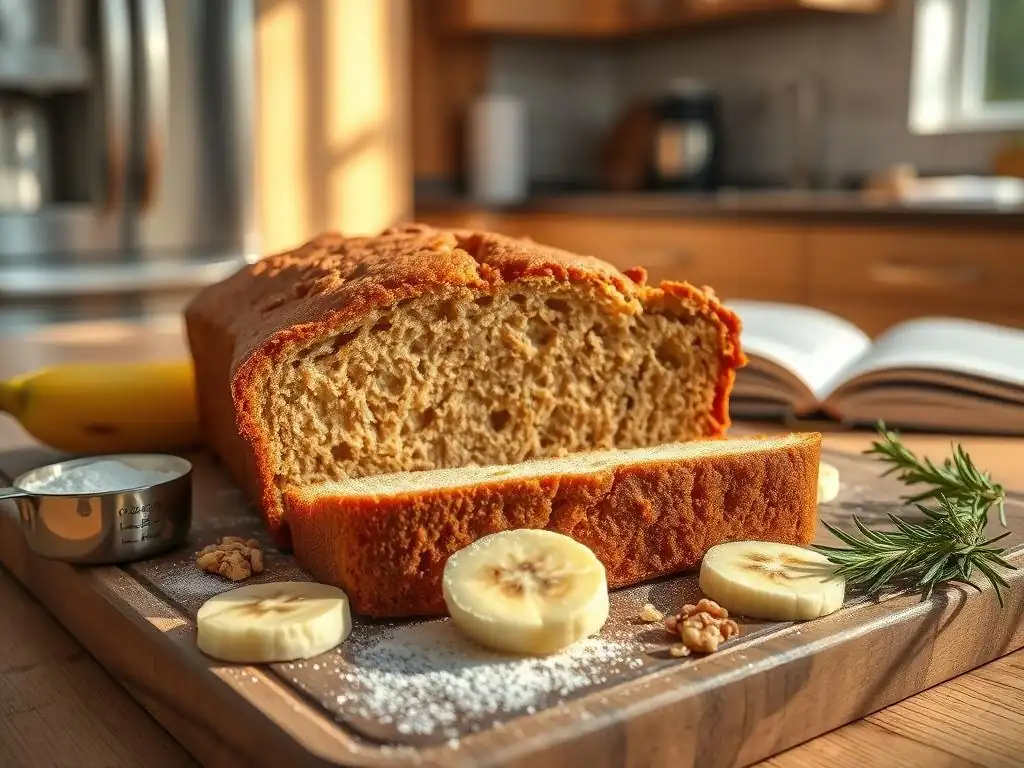
This moist and tender banana bread recipe relies on ripe bananas for natural sweetness and moisture, reducing the need for added sweeteners. The banana also acts as a binder. We supplement this with a chia egg for extra structure and use a blend of whole wheat and all-purpose flour for a hearty texture. It's a perfect example of simple low sugar eggless baking.
Recipe Instructions and Tips
- Ingredients:
- 3 ripe medium bananas, mashed (about 1 1/4 cups)
- 1/4 cup melted coconut oil or other vegetable oil
- 2-3 tbsp granulated erythritol-based sweetener blend (adjust to sweetness of bananas)
- 1 tsp vanilla extract
- 1 chia egg (1 tbsp chia seeds + 3 tbsp water, rested)
- 1 cup whole wheat flour
- 3/4 cup all-purpose flour
- 1 tsp baking soda
- 1/2 tsp baking powder
- 1/4 tsp salt
- 1/2 tsp cinnamon (optional)
- 1/4 cup chopped nuts or sugar-free chocolate chips (optional)
- Instructions:
- Preheat oven to 350°F (175°C). Grease and flour a 9x5 inch loaf pan.
- In a large bowl, combine the mashed bananas, melted oil, sweetener blend, vanilla extract, and prepared chia egg. Mix until well combined.
- In a separate medium bowl, whisk together the flours, baking soda, baking powder, salt, and cinnamon (if using).
- Add the dry ingredients to the wet ingredients and mix until just combined. Do not overmix.
- Fold in nuts or chocolate chips if using.
- Pour the batter into the prepared loaf pan.
- Bake for 50-65 minutes, or until a toothpick inserted into the center comes out clean. If the top browns too quickly, tent loosely with foil.
- Let the banana bread cool in the pan for 10-15 minutes before transferring to a wire rack to cool completely.
- Tips: Using very ripe, spotty bananas is key for natural sweetness and moisture. The baking time can vary significantly depending on your oven and the moisture content of the bananas; check for doneness carefully. Ensure the chia egg has gelled properly before adding.
Low-Sugar Eggless Blueberry Muffins
These muffins are light yet moist, proving that low sugar eggless baking can yield delightful results. They use a combination of plant-based yogurt and oil for moisture, and a blend of baking powder and baking soda for a good rise without eggs. A small amount of sweetener is used, relying mostly on the blueberries for bursts of natural sweetness.
Recipe Instructions and Tips
- Ingredients:
- 1 3/4 cups all-purpose flour (or a blend with some oat or almond flour)
- 1/2 cup granulated erythritol-based sweetener blend
- 2 tsp baking powder
- 1/2 tsp baking soda
- 1/4 tsp salt
- 1/2 tsp cinnamon (optional)
- 3/4 cup unsweetened plant-based milk
- 1/2 cup unsweetened plant-based yogurt (like soy or almond)
- 1/4 cup vegetable oil or melted vegan butter
- 1 tsp vanilla extract
- 1 cup fresh or frozen blueberries (do not thaw if frozen)
- Instructions:
- Preheat oven to 400°F (200°C). Line a 12-cup muffin tin with paper liners or grease well.
- In a large bowl, whisk together the flour, sweetener blend, baking powder, baking soda, salt, and cinnamon (if using).
- In a separate medium bowl, whisk together the plant-based milk, plant-based yogurt, oil, and vanilla extract.
- Pour the wet ingredients into the dry ingredients and mix gently until just combined. A few lumps are okay; do not overmix.
- Gently fold in the blueberries. If using frozen, coat them lightly in a tablespoon of flour before adding to prevent them from sinking.
- Divide the batter evenly among the prepared muffin cups, filling each about two-thirds full.
- Bake for 18-22 minutes, or until a toothpick inserted into the center of a muffin comes out clean. The tops should be golden brown.
- Let the muffins cool in the tin for a few minutes before transferring to a wire rack to cool completely.
- Tips: Using plant-based yogurt adds moisture and a slight tang that mimics buttermilk, aiding in leavening with the baking soda. Do not overmix the batter, as this can result in tough muffins. Baking at a slightly higher initial temperature (like 400°F for the first 5 minutes, then reducing to 375°F) can help create a nice dome on the muffins.
Tips & Tricks for Perfect Low-Sugar Eggless Baking
Measuring Ingredients Accurately
Accurate measuring is always important in baking, but it becomes absolutely critical in low sugar eggless baking where the balance of ingredients is often more delicate. Substitutions for sugar and eggs alter the chemistry and structure of the bake. For example, using too much flour (even a few tablespoons more than specified) can lead to a dry, dense result when moisture and binding are already compromised. Using too much liquid sweetener can throw off the wet-to-dry ratio.
For dry ingredients like flour and granulated sweeteners, use the spoon-and-level method: lightly spoon the ingredient into the measuring cup until it overflows, then level it off with a straight edge (like a knife). Do not scoop directly from the bag, as this compacts the ingredient and results in too much. For liquid ingredients and egg replacers, use liquid measuring cups placed on a flat surface to read at eye level. Fats like oil should also be measured precisely. This attention to detail significantly increases your chances of success in low sugar eggless baking.
Oven Temperature and Baking Time Adjustments
Oven temperature and baking time often require adjustment in low sugar eggless baking compared to traditional recipes. As mentioned, low-sugar bakes may not brown as readily due to the absence of sugar's caramelization. This means you can't always rely solely on visual cues like golden-brown edges to determine doneness. The internal temperature or the toothpick test becomes more important.
Eggless bakes, particularly those relying on alternative binders and moisture sources, can sometimes take slightly longer to bake through than their egg-containing counterparts. Conversely, some alternative flours like almond flour can brown more quickly. It's essential to preheat your oven accurately (an oven thermometer is a useful tool) and start checking for doneness a few minutes before the recipe's minimum suggested time. Look for signs like a firm center (for cakes/breads), dry edges, or the clean toothpick test. Patience and vigilance are key to preventing under- or over-baking in low sugar eggless baking.
Storing Your Low-Sugar Eggless Creations
Proper storage is essential to maintain the texture and freshness of your low sugar eggless baked goods. Because sugar aids in moisture retention and acts as a preservative, bakes with reduced sugar may dry out or stale more quickly than traditional versions. Eggless bakes can also have slightly different moisture profiles depending on the replacer used.
Most low sugar eggless cakes, muffins, and quick breads should be stored in an airtight container at room temperature for 2-3 days. If they contain very moist ingredients like fruit purees or are made with perishable egg replacers, refrigeration might be necessary, extending their shelf life to 5-7 days. Cookies can often be stored in an airtight container at room temperature for up to a week.
For longer storage, most low sugar eggless baked goods freeze well. Wrap them tightly in plastic wrap or aluminum foil, then place in a freezer-safe bag or container for up to 2-3 months. Thaw at room temperature or gently warm if desired.
Troubleshooting Common Problems in Low-Sugar Eggless Baking
Dry and Crumbly Texture: Causes and Solutions
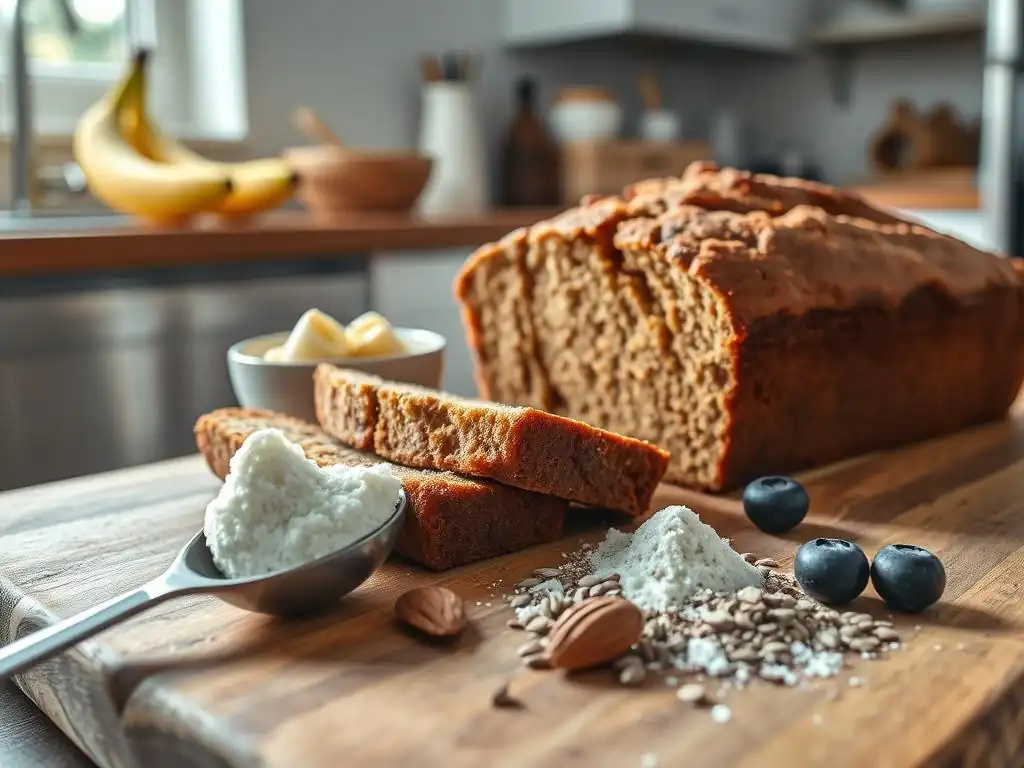
A dry and crumbly texture is one of the most frequent issues encountered in low sugar eggless baking. This problem stems primarily from the lack of moisture and binding provided by sugar and eggs. Ingredients that are too dry, insufficient liquid, over-mixing the batter (developing too much gluten if using wheat flour), or over-baking are common culprits. Using highly absorbent flours like coconut flour without adequate liquid is another common cause.
To fix or prevent this, first ensure accurate measurement, especially of flours and liquids. Increase the amount of moisture-adding ingredients like applesauce, mashed banana, or plant-based yogurt slightly in future attempts. Ensure your chosen egg replacer provides sufficient binding; you might need to combine two types (e.g., a flax egg for binding and applesauce for moisture). Avoid over-mixing, which can make gluten tough and dry. Always check for doneness at the minimum bake time and err on the side of slightly under-baking if a moist result is desired.
Lack of Rise: Addressing the Issue
Lack of rise is another challenge in low sugar eggless baking, as eggs contribute significantly to leavening, either through trapped air (whipped eggs) or in combination with chemical leaveners. Low sugar can also slightly impact the effectiveness of baking powder and soda. If your low sugar eggless bakes are coming out flat or dense, the leavening system is likely insufficient or inactive.
Ensure your baking powder and baking soda are fresh (test baking powder by adding a teaspoon to hot water; it should fizz vigorously). Check if your recipe uses both baking soda (which needs an acid to react, like yogurt, vinegar, or molasses) and baking powder (which provides rise on its own when wet and heated).
Since egg replacers don't typically provide aeration, you might need to slightly increase the amount of baking powder or soda in the recipe. Aerating other ingredients, like creaming vegan butter and sweetener well, can also help introduce some air into the batter, aiding in a better rise.
Off Flavors: Identifying and Preventing
Sometimes, low sugar eggless baking can result in undesirable off-flavors, often attributed to the alternative sweeteners or egg replacers used. Some sugar alcohols like erythritol can have a cooling sensation. Stevia and monk fruit can have bitter or metallic aftertastes for some individuals, especially in high concentrations. Certain egg replacers, like flaxseed meal, can impart a slightly noticeable flavor.
To prevent or minimize off-flavors, experiment with different brands and types of sweeteners and egg replacers to find those with the cleanest taste profile for you. Blending different sweeteners can sometimes help mask individual off-notes (e.g., using a blend of erythritol and stevia). Incorporating strong, complementary flavors like vanilla extract, cinnamon, cocoa powder, coffee, or citrus zest can effectively mask or balance any subtle off-flavors from the alternative ingredients, making your low sugar eggless creations taste delightful.
Conclusion: Enjoy Delicious and Healthier Bakes with Ease
Mastering low sugar eggless baking opens up a world of possibilities for enjoying delicious treats while adhering to dietary needs or health goals. It requires understanding the fundamental roles of sugar and eggs in traditional baking and creatively employing alternative ingredients and techniques to replicate those functions. While it presents unique challenges, with the right knowledge and practice, you can achieve results that are both satisfying and suitable for a low-sugar, egg-free lifestyle.
From moist muffins to chewy cookies, the principles of accurate measurement, strategic ingredient substitution, and careful baking are your allies. By embracing ingredients like natural sweeteners, versatile egg replacers, and alternative flours, and by focusing on techniques that enhance moisture, binding, and flavor, you can confidently create healthier versions of your favorite baked goods. Low sugar eggless baking is not just about restriction; it's about innovation and discovering new ways to bake with ease.
The Future of Low-Sugar Eggless Baking
The landscape of low sugar eggless baking is continuously evolving, driven by consumer demand and ongoing innovation in food science. As more people adopt plant-based or low-sugar diets, the availability and quality of alternative ingredients are improving rapidly. We are seeing the development of new, more functional natural sweeteners and egg replacers that better mimic the properties of sugar and eggs.
Research into ingredient interactions and baking techniques is also advancing, providing home bakers with more reliable methods and recipes. The future promises even more accessible and delicious options for low sugar eggless baking, making it easier than ever to bake treats that are both healthy and enjoyable. Expect to see more specialized flour blends, advanced egg substitutes, and innovative sweetener combinations hitting the market, simplifying the process for everyone.
Continuing Your BakeWithEase Journey
At BakeWithEase, we are committed to supporting you on your baking adventures, including navigating the exciting world of low sugar eggless baking. We continuously develop and test recipes, share tips and tricks, and provide resources to help you succeed. Our aim is to take the guesswork out of dietary baking, empowering you to create delicious treats that fit your lifestyle.
Explore our collection of low sugar eggless recipes, delve into our ingredient guides, and feel confident in your ability to bake without compromise. Whether you're just starting out or looking to refine your skills, BakeWithEase is here to provide the guidance and inspiration you need to bake with ease, deliciously and healthily. Join us in exploring the endless possibilities of baking for every need and occasion.
Frequently Asked Questions
What is Low Sugar EggFree Baking and why is it important?
It's a baking style that focuses on reducing sugar content and eliminating eggs, catering to health-conscious individuals and those with dietary restrictions like egg allergies. It's important as it allows more people to enjoy baked goods without compromising their health needs.
How does Low Sugar EggFree Baking impact the texture of baked goods?
Removing eggs and reducing sugar can significantly alter texture. Bakers often use alternative binding agents like applesauce or flaxseed meal and sugar substitutes to maintain the desired consistency.
What are some common egg substitutes used in Low Sugar EggFree Baking?
Popular substitutes include applesauce, mashed banana, flaxseed meal mixed with water, and commercial egg replacers. Each offers a unique texture and flavor profile, impacting the final product.
What are some low-sugar sweeteners that work well in Low Sugar EggFree Baking?
Good options include erythritol, stevia, monk fruit, and applesauce. It's crucial to adjust the recipe as these sweeteners often have different sweetness levels than traditional sugar.
Where can I find Low Sugar EggFree Baking recipes suitable for beginners?
Websites like BakeWithEase.com offer beginner-friendly recipes with clear instructions and ingredient lists. Search for recipes specifically labeled as "Low Sugar EggFree" for best results.
Final Reflection: The Sweet Symphony of Healthy Baking
The pursuit of delicious, low-sugar, egg-free baking isn't just a trend; it's a testament to our growing awareness of mindful eating and the power of creative culinary solutions. This article explored the challenges and triumphs of crafting delectable treats without relying on refined sugars or eggs, demonstrating that healthy baking can be both satisfying and surprisingly versatile. We've uncovered techniques and recipes that prove it's entirely possible to indulge without compromise.
The journey into this world of eggless, low-sugar baking has been a personal revelation. It's shown me that limitations can spark innovation, and that the pursuit of healthier choices doesn't necessitate sacrificing flavor or texture. The best things in life are simple,
a phrase often used, rings especially true here. By simplifying our ingredients, we unlock a deeper appreciation for the natural sweetness and complexity of flavors. This approach not only benefits our health but also encourages a more conscious relationship with food.
Now, it's your turn. Consider the recipes and techniques explored within this article, and experiment with adapting them to your own preferences. Don't be afraid to get creative in the kitchen! Embrace the challenge of finding new ways to satisfy your sweet tooth while nurturing your body. The world of low-sugar, egg-free baking is vast and waiting to be explored – let your culinary journey begin!
Unlock Your Egg-Free, Low-Sugar Baking Potential!
Thanks for joining us on this delicious journey into egg-free, low-sugar baking! We hope you gained valuable insights and inspiration to create healthier, yet equally delightful treats. Now, let's put that knowledge to work!
- Dive into our exclusive recipe collection: We've curated a selection of our favorite egg-free, low-sugar recipes, perfect for your next baking adventure. Each one is designed to surprise and delight your taste buds!
- Share your baking triumphs (and challenges!): Connect with our vibrant community on social media – tag us in your creations! We'd love to see what you bake.
- Experiment with different sweeteners: Try substituting your favorite low-sugar alternatives in your existing recipes and share your results! Let's unlock new flavor combinations together.
Ready to transform your baking? What exciting low-sugar, egg-free creation will you tackle first?