
DairyFree Brioche Buns with Cashew Milk and Vegan Butter

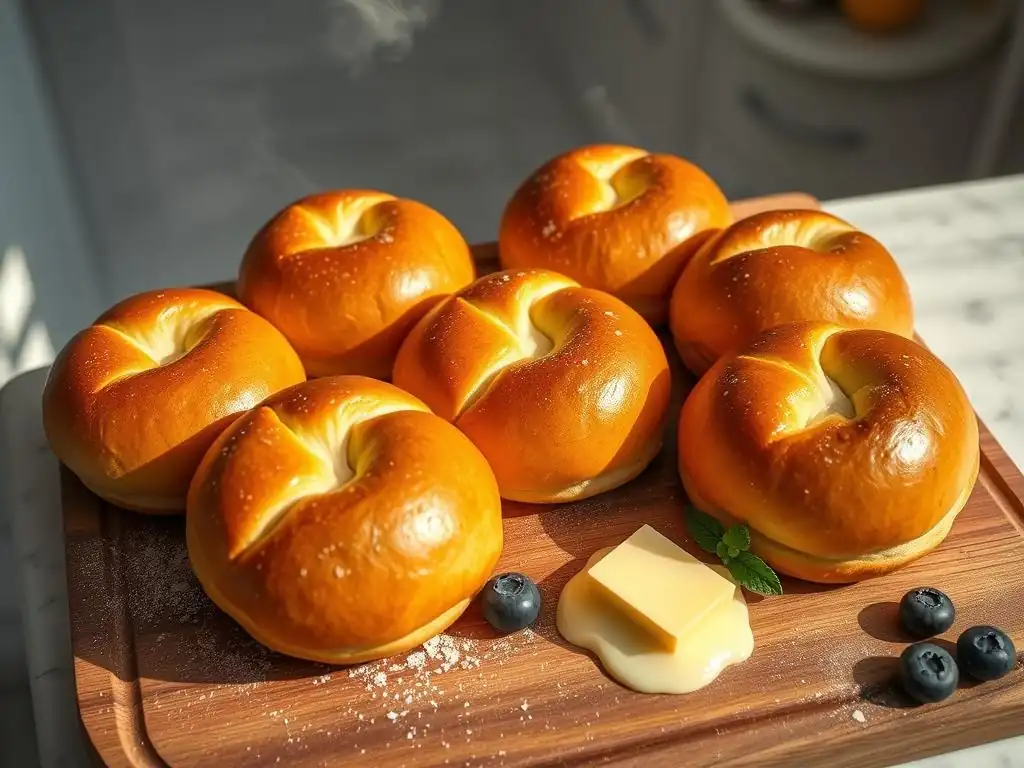
Welcome to BakeWithEase, your secret ingredient to baking bliss! Ever dreamt of a perfectly golden, melt-in-your-mouth brioche, but thought dairy-free and vegan was out of the question? Prepare to be amazed! We're diving deep into the delicious world of allergen-specific baking with a recipe that will redefine your expectations. Discover the secrets to crafting a truly decadent dairy-free vegan brioche, a recipe that's so good, you won't believe it's plant-based. Intrigued? Let's unlock the magic together!
- Dairy-Free Brioche Buns: A Delicious Vegan Baking Recipe
- Introduction: Indulge in Dairy-Free Brioche Buns
- Why Bake Dairy-Free Brioche?
- Mastering the Dairy-Free Brioche Recipe
-
Step-by-Step Guide: Baking Dairy-Free Brioche Buns
- Preparing the Plant-Based Milk Mixture
- Activating the Yeast for Brioche Dough
- Combining Wet and Dry Ingredients
- Kneading the Dairy-Free Brioche Dough
- First Rise: Proofing the Vegan Brioche
- Shaping the Brioche Buns
- Second Rise: Achieving Perfect Volume
- Baking the Dairy-Free Brioche Buns to Golden Perfection
- Tips for Perfect Dairy-Free Brioche
- Variations and Adaptations for Your Vegan Brioche
- Serving and Storing Your Dairy-Free Brioche Buns
- Conclusion: Enjoy Your Homemade Dairy-Free Brioche Recipe
-
Frequently Asked Questions
- How does this DairyFree Brioche recipe differ from traditional brioche?
- Can I use a different type of plant-based milk instead of cashew milk?
- What kind of vegan butter works best in this DairyFree Brioche recipe?
- What can I do if my dough isn't rising properly?
- Can I freeze these DairyFree Brioche Buns after baking?
- Final Reflection: The Sweet Revolution of Dairy-Free Baking
- Unleash Your Inner Baker: Craft Delicious Dairy-Free Brioche!
Dairy-Free Brioche Buns: A Delicious Vegan Baking Recipe
Introduction: Indulge in Dairy-Free Brioche Buns
Welcome to the wonderful world of dairy-free baking! If you've ever craved the soft, rich texture of brioche but follow a vegan lifestyle or have dairy sensitivities, you know the challenge. Traditional brioche relies heavily on butter and sometimes milk, giving it that signature tender crumb and golden crust. But fear not!
Crafting a delightful, airy brioche that's completely free of dairy is absolutely achievable with the right ingredients and techniques. This guide will walk you through creating exquisite dairy-free brioche buns using plant-based alternatives, proving that you don't need dairy to achieve baking bliss. Get ready to master a dairyfree vegan brioche recipe that will become a staple in your kitchen.
Why Bake Dairy-Free Brioche?
Baking dairy-free brioche opens up a world of possibilities for those with dietary restrictions, allergies, or simply a preference for plant-based options. It allows everyone to enjoy the luxurious experience of tearing into a warm, fluffy brioche bun. Beyond accommodating different diets, choosing dairy-free ingredients can also offer interesting flavor profiles and textures, adding a unique twist to a classic favorite. Whether you're baking for yourself, friends, or family, a successful dairy-free vegan brioche recipe is a rewarding accomplishment.
The Appeal of Vegan Brioche: Taste and Texture
Vegan brioche aims to replicate the beloved characteristics of its traditional counterpart: a soft, tender crumb, a slightly sweet flavor, and a beautiful golden exterior. Achieving this requires careful selection and use of plant-based fats and liquids. High-quality vegan butter, often made from a blend of vegetable oils like shea, coconut, or sunflower, provides the necessary richness and contributes to flakiness and tenderness. When melted and incorporated into the dough, it mimics the role of dairy butter in creating a soft, almost cake-like texture.
Plant-based milk, such as cashew milk as suggested in the title, contributes moisture and helps activate the yeast, while also adding subtle flavor nuances. Unlike water, milk (dairy or plant-based) contains fats and sugars that aid in browning and contribute to a softer crumb.
By carefully balancing the fat and liquid content from these vegan alternatives, you can create a dairy-free brioche dough that rises beautifully and bakes into buns with a surprisingly similar, if not equally delightful, taste and texture to traditional brioche. The goal is a light, airy interior with a slightly chewy crust, perfect for sweet or savory applications.
Health Benefits of Dairy-Free Baking
Opting for a dairy-free vegan brioche recipe can offer several health-related benefits. For individuals with lactose intolerance or dairy allergies, it's a necessity, preventing uncomfortable digestive issues or severe allergic reactions. Beyond allergies, reducing dairy intake is a choice many make for various health reasons. Plant-based fats found in vegan butter and milk alternatives often contain unsaturated fats, which are considered heart-healthier compared to the saturated fats prevalent in dairy butter.
Furthermore, plant-based milk alternatives like cashew milk can be fortified with vitamins like D and B12, calcium, and other nutrients. While brioche is an indulgence rather than a health food staple, choosing dairy-free options aligns with a broader move towards plant-focused diets, which are often associated with lower risks of chronic diseases like heart disease and type 2 diabetes. It's a way to enjoy a treat while potentially mitigating some of the downsides associated with high dairy consumption for certain individuals.
Perfect for Dietary Restrictions and Vegan Lifestyles
This dairy-free vegan brioche recipe is specifically designed to be inclusive for those following a vegan diet, which excludes all animal products, including dairy, eggs, and honey. It also caters perfectly to individuals with dairy allergies or lactose intolerance, ensuring they can safely enjoy this classic bread. With an estimated 65% of the human population having a reduced ability to digest lactose after infancy, and dairy allergies being one of the most common food allergies, a reliable dairy-free brioche option is highly valuable.
Moreover, this recipe can be a fantastic starting point for adapting to other dietary needs. While the core recipe is vegan and dairy-free, it can often be modified further. For instance, substituting the flour with a gluten-free blend (as we'll touch upon later) can make it suitable for those with celiac disease or gluten sensitivity, creating a gluten-free dairy-free brioche. Providing delicious, accessible recipes like this empowers individuals with restrictions to participate fully in culinary experiences, without feeling limited or left out.
Mastering the Dairy-Free Brioche Recipe
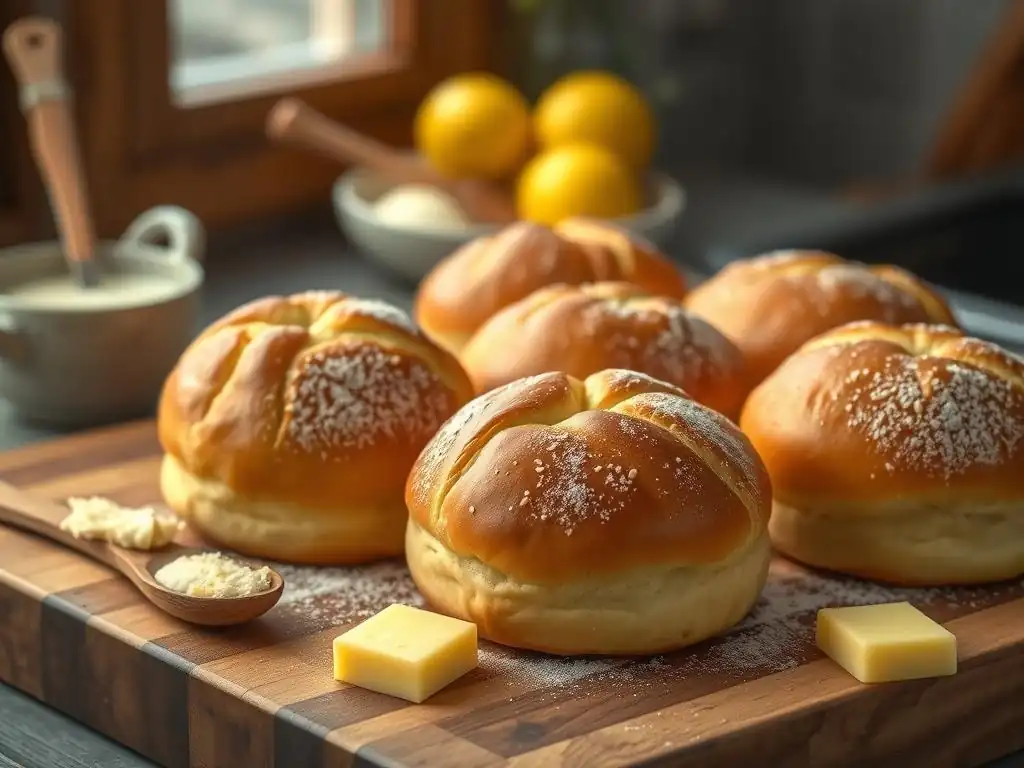
Creating a successful dairy-free brioche involves understanding the role of each ingredient and following specific steps carefully. While it requires a bit of patience, the process is straightforward and rewarding. Think of it as a delightful science experiment where plant-based components come together to form something truly magical. Paying attention to temperatures, timing, and dough consistency are key elements in mastering this dairyfree vegan brioche recipe.
Essential Ingredients for Vegan Brioche Buns
Gathering the right ingredients is the first critical step. Using high-quality plant-based alternatives will significantly impact the final taste and texture of your dairy-free brioche buns. Don't substitute ingredients haphazardly; choose those specifically recommended for baking or known to perform well in yeast doughs.
Plant-Based Milk: The Key to Creamy Texture
Plant-based milk serves multiple purposes in this dairy-free vegan brioche recipe: it hydrates the flour, dissolves the sugar and yeast, and contributes to the overall richness and browning of the crust. Cashew milk, as specified, is an excellent choice because it is naturally creamy and has a relatively neutral flavor that doesn't overpower the other ingredients.
Other good options include soy milk or oat milk, particularly barista blends, which tend to have higher fat content, mimicking dairy milk's richness more closely. Aim for an unsweetened variety unless the recipe specifically calls for sweetened milk, as added sugars can affect yeast activity and browning.
Typically, you'll use about 1 to 1.5 cups (240-360ml) of warm plant-based milk for a standard batch of brioche dough using around 3-4 cups of flour. The warmth is crucial for activating the yeast; it should be lukewarm, roughly between 105°F and 115°F (40°C and 46°C). Using milk that is too hot will kill the yeast, while cold milk will make the yeast sluggish, resulting in a poor rise. The fat content in plant milk, even if lower than dairy, contributes to a softer crumb compared to using just water.
Vegan Butter: Achieving Richness and Flavor
Vegan butter is arguably the most critical substitute in this dairy-free brioche recipe for achieving that characteristic tender, rich crumb. Look for stick-style vegan butters that are designed for baking, as they typically have a higher fat percentage (around 70-80%) similar to dairy butter, and behave similarly when melted or softened. Butters sold in tubs often have more water and emulsifiers, which can negatively impact the dough structure and texture. Brands vary, but those made from shea butter, coconut oil, or a blend tend to work well.
You'll usually need a significant amount of vegan butter in brioche – often starting with around 1/2 cup (115g) and potentially increasing up to 3/4 cup (170g) or more for a richer dough, depending on the recipe's scale. It's often added in softened or melted form. Adding softened butter gradually during kneading helps develop gluten while incorporating fat for tenderness. Melted butter is sometimes incorporated directly into the liquid mixture. The fat coats the flour particles, inhibiting gluten development slightly, which is desirable for a soft, cake-like texture rather than a chewy, rustic bread.
Flour Selection for Optimal Brioche Rise
The type of flour significantly impacts the structure and rise of your dairy-free brioche. All-purpose flour is a common and reliable choice for many dairy-free vegan brioche recipes. It has a moderate protein content (typically 10-12%), which allows for sufficient gluten development to give the brioche structure and elasticity, while still remaining tender. Using bread flour, which has a higher protein content (12-14%), will result in a chewier texture, which might not be the desired light and airy crumb typical of brioche.
Sifting your flour before measuring can help ensure accuracy and aerate the flour, contributing to a lighter dough. While precise measurements are important, the hydration level of the dough is also key. You'll often start with a certain amount of flour (e.g., 3.5 to 4 cups or 420-480g) but may need to add a little more during kneading if the dough is too sticky, or a touch more liquid if it's too dry. The goal is a soft, smooth, and slightly sticky dough that pulls away from the sides of the bowl but still adheres to your fingers.
Other Important Baking Ingredients
Beyond the main substitutes, several other ingredients are crucial for a successful dairy-free vegan brioche recipe. Yeast, typically active dry or instant yeast, is the leavening agent responsible for the dough's rise. Sugar (like granulated sugar) feeds the yeast, aiding in activation and contributing to flavor and browning. Salt is essential for balancing sweetness, controlling yeast activity, and enhancing flavor; don't skip it!
Vegan egg replacers are often used to mimic the binding, richness, and color that eggs provide in traditional brioche. Options include commercial egg replacers, flax eggs (1 tbsp flax meal + 3 tbsp water per egg), or sometimes just increasing the amount of plant-based milk and fat. A typical recipe might use the equivalent of 2-3 eggs. A little vanilla extract or lemon zest can also be added for extra flavor, though this is optional. Ensuring all ingredients are fresh, especially the yeast, is vital for the dough to rise properly.
Step-by-Step Guide: Baking Dairy-Free Brioche Buns
Baking dairy-free brioche is a process that requires patience and attention to detail, particularly during the rising stages. Breaking it down into manageable steps makes the process approachable and helps ensure a successful outcome. Follow these steps carefully to create beautiful, fluffy dairy-free brioche buns right in your own kitchen.
Preparing the Plant-Based Milk Mixture
Begin by gently warming your chosen plant-based milk, such as cashew milk, to the correct temperature for yeast activation. As mentioned, this is typically between 105°F and 115°F (40°C and 46°C). You can do this on the stovetop in a small saucepan over low heat or in the microwave in short bursts (e.g., 15-20 second intervals), checking the temperature with an instant-read thermometer. Avoid overheating, which can kill the yeast.
Once the milk is warm, pour it into a large mixing bowl. Add the sugar and the yeast. Stir gently to combine. Let this mixture sit for 5-10 minutes. During this time, if your yeast is active, it should become foamy and bubbly on the surface. This is a visual cue that your yeast is alive and ready to work its magic in your dairy-free vegan brioche recipe. If no foam appears after 10 minutes, your yeast may be expired or the milk was too hot/cold; you'll need to start this step over with fresh yeast.
Activating the Yeast for Brioche Dough
The foaming you observe in the previous step is the yeast activating. Yeast are single-celled microorganisms that feed on sugars and produce carbon dioxide gas and alcohol as byproducts. In bread making, the carbon dioxide gas is trapped within the gluten network of the dough, causing it to rise. The warm liquid and sugar provide the ideal environment and food source for the yeast to begin this process.
Using active dry yeast usually requires this initial activation step in warm liquid. Instant yeast, on the other hand, can often be mixed directly with the dry ingredients, but proofing it first ensures it's alive and gives you confidence before committing all your ingredients. For this dairy-free vegan brioche recipe, proofing the yeast confirms its viability, which is particularly important when working with slightly different ingredients than traditional recipes. A successful activation means your dough has the potential to rise beautifully.
Combining Wet and Dry Ingredients
In a separate large bowl, whisk together your dry ingredients: the measured flour and salt. If your recipe includes any dry egg replacer or other dry additions, add them here and whisk to distribute evenly. Once the yeast mixture is foamy, add it to the bowl with the dry ingredients. If your recipe uses a liquid egg replacer (like flax eggs) or melted vegan butter, add those to the wet ingredients now as well.
Begin mixing the wet and dry ingredients together. You can start with a wooden spoon or a sturdy spatula. Mix until a shaggy dough begins to form and most of the flour is incorporated. At this stage, the dough will look rough and sticky. If you are using a stand mixer with a dough hook, this is where you would transfer the mixture to the mixer bowl. Ensure all ingredients are roughly combined before moving on to the kneading stage.
Kneading the Dairy-Free Brioche Dough
Kneading is crucial for developing the gluten structure in the dough, which provides the framework to hold the gas produced by the yeast, resulting in a light and airy texture. Kneading can be done by hand or using a stand mixer with a dough hook. If kneading by hand, turn the shaggy dough out onto a lightly floured surface. Knead by pushing the dough away from you with the heels of your hands, folding it back onto itself, and rotating it. Continue this motion, adding very small amounts of flour only if absolutely necessary to prevent excessive sticking.
Using a stand mixer is often easier for rich doughs like brioche. Attach the dough hook and knead on a low to medium speed (e.g., speed 2-4 on a KitchenAid). Knead the dough for approximately 8-12 minutes. The dough should become smoother, more elastic, and less sticky.
It should pull away cleanly from the sides of the bowl. To test if it's sufficiently kneaded, perform the "windowpane test": gently stretch a small piece of dough. If it can be stretched thin enough to see light through it without tearing, the gluten is well-developed. If it tears easily, continue kneading for a few more minutes.
First Rise: Proofing the Vegan Brioche
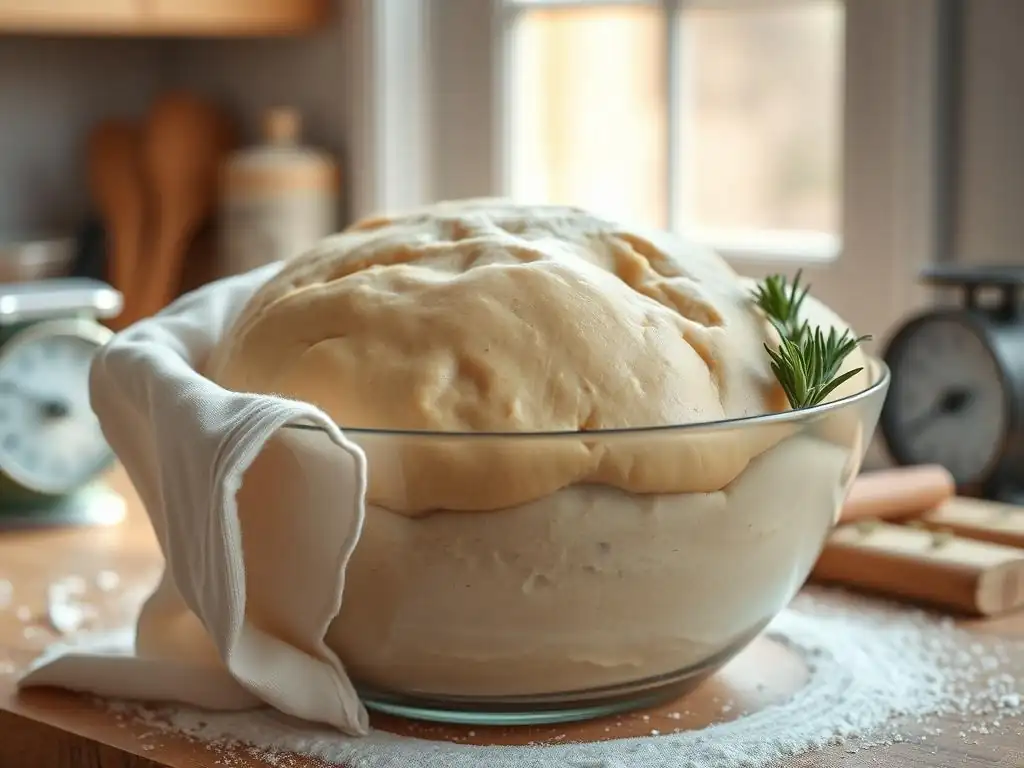
The first rise, also known as bulk fermentation, allows the yeast to produce carbon dioxide, causing the dough to double in size. This is a critical step for flavor development and texture. After kneading, shape the dough into a smooth ball. Lightly grease a large bowl with a little vegan butter or oil. Place the dough in the bowl, turning it to coat all sides with grease. Cover the bowl tightly with plastic wrap or a damp kitchen towel to prevent the dough from drying out.
Place the covered bowl in a warm, draft-free place. An oven with the light on (but the oven turned off) is an ideal proofing environment, usually providing a temperature around 80-90°F (27-32°C). The dough needs to rise until it has roughly doubled in size. This typically takes 1 to 2 hours, but can vary greatly depending on the room temperature and the activity of your yeast. You can check if it's ready by gently poking the dough with a finger; if the indentation remains, it's ready. If it springs back immediately, it needs more time.
Shaping the Brioche Buns
Once the dough has doubled in size, gently punch it down to release the accumulated gases. Turn the dough out onto a lightly floured surface. You can weigh the dough and divide it into equal portions to ensure uniform bun sizes. For medium-sized buns, portions of about 60-80 grams (2-3 ounces) work well, yielding roughly 8-12 buns from a standard recipe batch. Round each portion into a tight ball.
There are several ways to shape brioche buns. The simplest is a round roll shape. To achieve this, cup your hand around the dough portion on the counter and move your hand in a circular motion, applying gentle downward pressure, until the dough forms a smooth, taut ball.
Another classic shape is the "brioche à tête" (head brioche), which involves shaping a large ball and a small ball and attaching the small one on top. For this dairy-free vegan brioche recipe, simple round buns are perfect. Place the shaped buns on a baking sheet lined with parchment paper, leaving space between them for the second rise.
Second Rise: Achieving Perfect Volume
The second rise, or proofing the shaped buns, is essential for achieving the final light and airy texture before baking. Cover the shaped buns loosely with plastic wrap or a light kitchen towel to prevent them from drying out. Again, place the baking sheet in a warm, draft-free location.
Allow the buns to rise until they are visibly puffed up and have increased significantly in size, though they may not quite double this time. This usually takes about 30-60 minutes, depending on the temperature. The buns should look soft and pillowy. To test if they are ready, gently poke one with a finger; if the indentation slowly springs back halfway, they are perfectly proofed. If it springs back completely, they need more time. If it collapses, they are over-proofed. Preheat your oven towards the end of the second rise.
Baking the Dairy-Free Brioche Buns to Golden Perfection
Preheat your oven to the temperature specified in your recipe, typically around 375°F (190°C). Just before baking, you might want to apply a vegan "egg wash" substitute to the tops of the buns for a golden, shiny crust. A common substitute is a mix of plant-based milk (like soy or almond) and a touch of agave or maple syrup, or simply melted vegan butter. Brush this mixture lightly over the tops of the proofed buns using a pastry brush.
Bake the buns in the preheated oven for 15-25 minutes, depending on their size, or until they are golden brown on top and sound hollow when tapped on the bottom. You can also check the internal temperature with an instant-read thermometer; they are done when the internal temperature reaches around 190-200°F (88-93°C). Be careful not to overbake, which can result in dry buns. Once baked, transfer the buns to a wire rack to cool completely before serving or storing.
Tips for Perfect Dairy-Free Brioche
Achieving perfect dairy-free brioche buns consistently takes practice, but a few key tips can help you get there faster. Paying attention to details like oven temperature, cooling methods, and hydration levels will make a significant difference in the outcome of your dairyfree vegan brioche recipe.
Achieving a Golden-Brown Crust
A beautiful golden-brown crust is a hallmark of great brioche. In dairy-free baking, achieving this can sometimes be slightly more challenging than with traditional recipes containing dairy fats and egg yolks, which contribute significantly to browning. Using a vegan "egg wash" substitute, as mentioned in the baking step, is key. A mixture of plant milk and a sweetener like agave or maple syrup helps caramelize the surface during baking. Another option is brushing with melted vegan butter, which adds fat for browning and richness.
Ensuring your oven is properly preheated and baking at the correct temperature is also vital. If the oven is too cool, the buns may not brown sufficiently before they are fully cooked. If it's too hot, they might brown too quickly on the outside while remaining undercooked inside. Baking on the middle rack usually provides the most even heat distribution. Some bakers also like to rotate the baking sheet halfway through the baking time to ensure uniform browning across all the buns.
Preventing Dryness in Dairy-Free Baking
Dryness can be a common issue in dairy-free and vegan baking if not careful, as you're replacing moisturizing ingredients like dairy fats and eggs. In this dairy-free vegan brioche recipe, using sufficient high-quality vegan butter and the right amount of plant-based milk is crucial. Vegan butter, with its high-fat content, helps tenderize the crumb and retain moisture. Ensure your vegan butter is specifically formulated for baking (stick form) rather than spreading.
Over-baking is another major culprit for dry brioche. Keep a close eye on the buns during the last few minutes of baking. They should be golden and cooked through, but not hard or brittle. Cooling the buns properly is also important; allowing them to cool completely on a wire rack prevents steam from condensing and making the bottoms soggy, while also ensuring the internal structure sets properly. Storing them correctly once cooled is also key to maintaining moisture.
Troubleshooting Common Brioche Baking Issues
Even with the best recipe, baking can sometimes present challenges. Here are a few common issues you might encounter with this dairy-free vegan brioche recipe and how to troubleshoot them.
Dough Not Rising
If your dough didn't rise during the first or second proofing, the most likely culprit is inactive yeast.
- Check your yeast: Ensure your yeast is fresh and not expired. Proofing it in warm, sweetened liquid (as in step 1) is the best way to confirm its viability before adding it to the main ingredients.
- Check the liquid temperature: The plant-based milk must be warm enough (105-115°F / 40-46°C) to activate the yeast but not so hot (above 130°F / 54°C) that it kills it.
- Check the proofing environment: Ensure the location is warm and draft-free. Cold temperatures significantly slow down or halt yeast activity. An oven with the light on is a good consistent environment.
Buns Too Dense
Dense brioche buns usually indicate insufficient rising or under-kneading.
- Kneading: Ensure the dough was kneaded long enough to develop sufficient gluten structure (pass the windowpane test). Under-kneaded dough won't hold the gas produced by the yeast.
- Rising: Allow the dough to rise fully during both the first and second proofing stages. The dough needs time to double in size during the first rise and become significantly puffy during the second. Cold proofing environments will result in slower rises, potentially leading to denser results if not given adequate time.
- Ingredient Ratios: Double-check your measurements, particularly the flour-to-liquid ratio. Too much flour can result in a dry, dense dough.
Uneven Baking
If your buns are browning unevenly, heat distribution in your oven is usually the cause.
- Oven Calibration: Ovens can have hot spots. Consider getting an oven thermometer to check the actual temperature inside your oven.
- Rotation: Rotate your baking sheet halfway through the baking time to ensure even exposure to heat.
- Placement: Bake on the middle rack for the most consistent temperature. Avoid placing sheets too close to the top or bottom heating elements. Ensure there's adequate space between the buns on the baking sheet for heat circulation.
Variations and Adaptations for Your Vegan Brioche
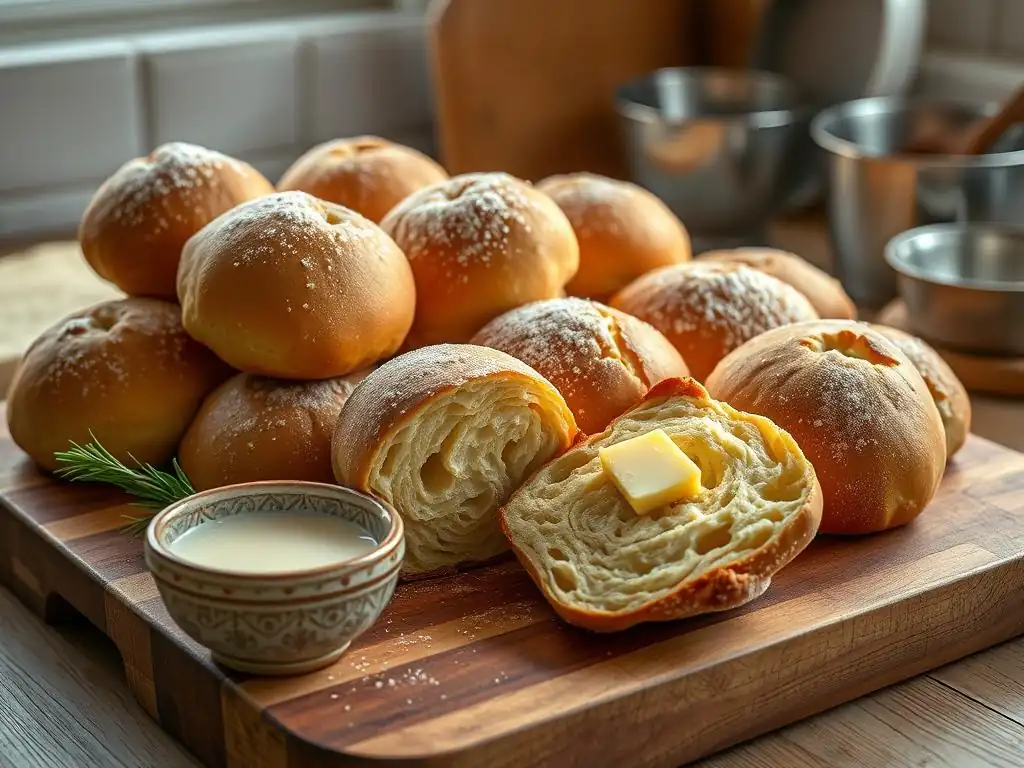
Once you've mastered the basic dairy-free vegan brioche recipe, feel free to experiment with variations! The base dough is incredibly versatile and can be adapted to suit different tastes and dietary needs.
Adding Sweet or Savory Fillings
The beauty of brioche buns is their adaptability. You can easily incorporate fillings before the second rise.
- Sweet Fillings: Add chocolate chips, a swirl of cinnamon sugar, fruit compote, or a dollop of jam. For chocolate chips, knead them into the dough towards the end of the kneading process (about 1/2 to 1 cup per batch). For swirls, roll the dough flat after the first rise, spread the filling, roll it up like a log, and slice into buns.
- Savory Fillings: Incorporate herbs (like rosemary or chives), sun-dried tomatoes, vegan cheese, or even finely diced caramelized onions. Add these towards the end of kneading, similar to chocolate chips (start with 1/4 to 1/2 cup total additions). These work wonderfully as dinner rolls or bases for vegan sandwiches.
Gluten-Free Dairy-Free Brioche Option
Creating a gluten-free dairy-free brioche recipe is more challenging, as gluten provides the essential structure in traditional brioche. However, it's not impossible. You'll need to substitute the wheat flour with a high-quality gluten-free all-purpose baking blend that contains a mix of flours (like rice, sorghum, or tapioca) and binders (like xanthan gum or psyllium husk). Some blends are specifically formulated for yeast breads.
Expect the texture to be slightly different – often less stretchy and potentially more crumbly. You may also need to adjust the liquid content, as gluten-free flours absorb moisture differently. A common approach is to use the specified amount of gluten-free blend and adjust the liquid until a soft, workable dough is formed. Gluten-free doughs often benefit from slightly longer or different proofing times and may not double in size as dramatically as wheat dough. Research specific gluten-free brioche techniques and recipes as a starting point.
Exploring Different Plant-Based Milk Alternatives
While cashew milk provides creaminess, you can certainly experiment with other plant-based milks in your dairy-free vegan brioche recipe.
- Soy Milk: A classic choice, soy milk has a good protein content which can contribute to dough structure and browning. Choose unsweetened.
- Oat Milk: Especially barista blends, oat milk is rich and creamy, similar to cashew milk, and browns well. Look for unsweetened varieties.
- Almond Milk: Generally thinner than soy or oat milk, almond milk can still work but might result in a slightly less rich crumb. Use unsweetened.
- Coconut Milk (Lite or Beverage): Canned coconut milk can be too thick and oily unless diluted. Carton coconut beverage is thinner and can be used, similar to almond milk.
Each milk will impart a subtle flavor difference and potentially affect the dough's hydration slightly. Start with the amount recommended in the recipe using cashew milk and adjust slightly if needed based on the dough's consistency when using an alternative.
Serving and Storing Your Dairy-Free Brioche Buns
Once your dairy-free brioche buns are baked to golden perfection, the best part is enjoying them! Proper serving and storage ensure you get the most out of your delicious homemade bread.
Best Ways to Enjoy Freshly Baked Brioche
There's nothing quite like a warm, freshly baked brioche bun.
- Simply Buttered: Spread a generous amount of vegan butter onto a split bun. The warmth of the bread melts the butter, creating a simple yet incredibly satisfying experience.
- Sweet Treats: Use them for vegan French toast, bread pudding, or as a base for fruit and vegan whipped cream. Their slightly sweet flavor makes them perfect for desserts or breakfast pastries.
- Savory Uses: Brioche buns also make excellent bases for sandwiches or sliders. Their soft texture contrasts nicely with savory fillings like grilled vegetables, vegan cheese, or plant-based patties. They can also be served alongside soups or salads.
Storing Leftover Vegan Brioche Buns
Proper storage is key to keeping your dairy-free brioche buns fresh and soft. Once they have cooled completely on a wire rack, store them in an airtight container or a resealable plastic bag at room temperature.
- Room Temperature: Stored properly, they will stay fresh for 2-3 days. Avoid refrigerating brioche, as it can cause the bread to become stale more quickly.
- Freezing: For longer storage, brioche freezes exceptionally well. Wrap individual buns tightly in plastic wrap, then place them in a freezer-safe bag or container. They can be frozen for up to 2-3 months.
Reheating for Optimal Taste and Texture
If you've stored your dairy-free brioche buns, reheating them can bring back some of that fresh-baked warmth and softness.
- From Room Temperature: Briefly warm the buns in a preheated oven at around 300°F (150°C) for 5-10 minutes, or until heated through. You can also slice and toast them in a toaster or under a broiler for a crispier texture.
- From Frozen: Thaw frozen buns overnight in the refrigerator or at room temperature. Once thawed, reheat as you would room temperature buns. For a quicker method, you can sometimes reheat frozen buns directly from the freezer in a low oven (around 300-325°F / 150-160°C) for 10-15 minutes, keeping an eye on them to prevent drying out. A microwave can quickly warm a bun, but it can also make it slightly chewy; use short bursts (e.g., 15-30 seconds).
Conclusion: Enjoy Your Homemade Dairy-Free Brioche Recipe
Mastering this dairyfree vegan brioche recipe allows you to enjoy the luxurious taste and texture of classic brioche without any dairy. By using quality plant-based ingredients like cashew milk and vegan butter and following the steps carefully, you can create incredibly soft, rich, and delicious buns that are perfect for anyone, regardless of dietary restrictions. Baking brioche is a rewarding process, from activating the yeast to shaping the dough and watching the buns turn golden in the oven.
We hope this guide empowers you to bake this wonderful bread at home. Enjoy your homemade dairy-free brioche – spread with vegan butter, used for sandwiches, or savored on its own!
Frequently Asked Questions
How does this DairyFree Brioche recipe differ from traditional brioche?
This recipe substitutes dairy milk with cashew milk and animal butter with vegan butter, making it suitable for vegans and those with dairy sensitivities. It aims to replicate the richness and tenderness of traditional brioche without using animal products.
Can I use a different type of plant-based milk instead of cashew milk?
While cashew milk is recommended for its creamy texture and subtle flavor, you can experiment with other plant-based milks. However, be aware that almond milk or oat milk might alter the final texture and taste slightly.
What kind of vegan butter works best in this DairyFree Brioche recipe?
Look for a high-quality vegan butter that's designed for baking. Options like Miyoko's Kitchen Cultured Vegan Butter or similar brands tend to perform best and provide the desired richness.
What can I do if my dough isn't rising properly?
Ensure your yeast is active by proofing it first. Also, the dough needs a warm environment to rise effectively. You can place it in a warm oven (turned off) or in a proofing drawer.
Can I freeze these DairyFree Brioche Buns after baking?
Yes, you can freeze the baked buns for later consumption. Make sure they are completely cooled before wrapping them tightly in plastic wrap and then placing them in a freezer-safe bag to prevent freezer burn.
Final Reflection: The Sweet Revolution of Dairy-Free Baking
The demand for delicious, dairy-free alternatives is no longer a niche trend; it's a mainstream movement. This recipe, and the growing popularity of vegan baking in general, reflects a powerful shift towards inclusivity and conscious consumption. We're not just substituting ingredients; we're redefining what's possible in the kitchen.
Creating this dairy-free brioche recipe was a journey of discovery, highlighting the incredible versatility of plant-based ingredients. The rich, buttery texture achieved with cashew milk and vegan butter surprised even me. It proves that ethical choices don't have to compromise on taste or quality. The best way to find yourself is to lose yourself in the service of others,
– Mahatma Gandhi. This resonates deeply, as the increasing demand for vegan options reflects a growing awareness and compassion for animals and the environment.
Now, it's your turn. Experiment with this recipe, adapt it to your own preferences, and explore the boundless possibilities of dairy-free baking. Don't be afraid to get creative, to substitute ingredients, and to discover your own unique spin on this classic. Let this recipe be a springboard for your own culinary adventures, a testament to the power of deliciousness and conscious living. Embrace the sweet revolution!
Unleash Your Inner Baker: Craft Delicious Dairy-Free Brioche!
Thanks for joining us on this delicious journey into dairy-free baking! We hope you've gained the confidence to tackle even the most challenging recipes with plant-based alternatives. Now it's time to put your newfound skills to the test!
- Bake a batch of these amazing brioche buns: Don't just read about them – experience the incredible texture and taste! This is your chance to shine!
- Share your baking triumph: Show off your beautiful dairy-free brioche on social media using #BakeWithEaseDairyFree. Let's inspire others!
- Explore other amazing dairy-free recipes on BakeWithEase.com – we have a whole world of deliciousness waiting for you!
Ready to embark on your next baking adventure? What innovative dairy-free swap will you try next?