
Bake a Simple Bundt Cake Without the Stress

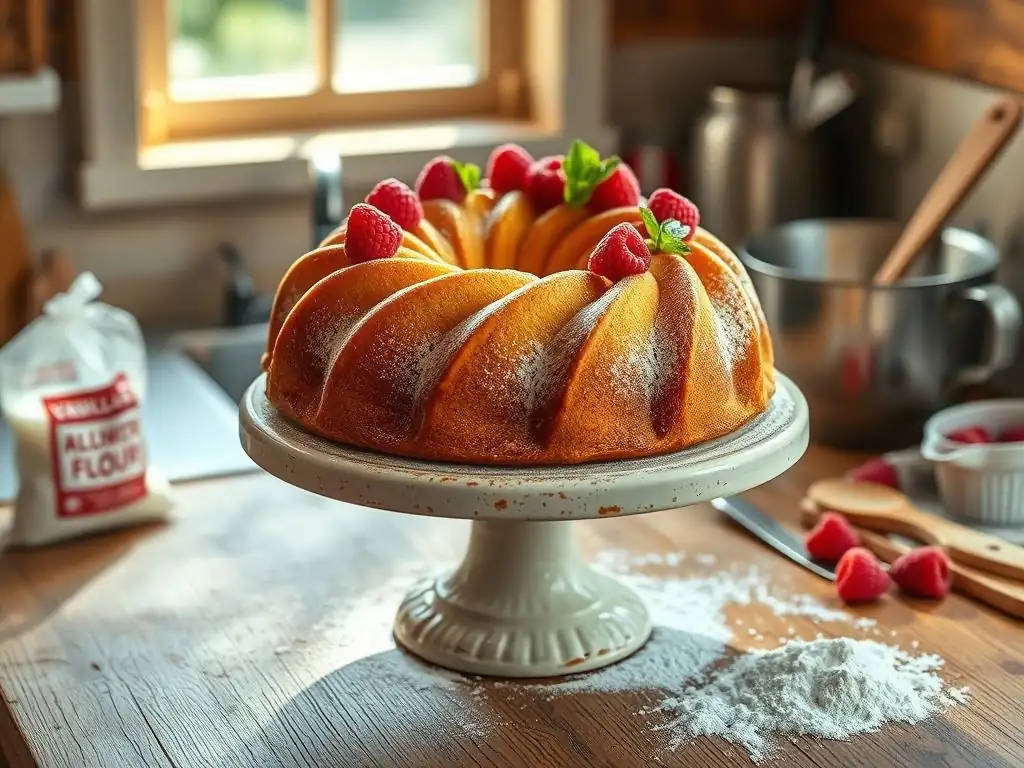
Welcome to BakeWithEase, where delicious baking becomes delightfully simple! Ever dreamt of whipping up a show-stopping dessert without the fuss? You're in the right place. Dive into our Simple Bundt Cake Recipe Easy and discover just how effortlessly you can create a moist and flavorful cake. But that's just the beginning… What secret ingredient elevates this bundt cake to the next level, and how can you customize it to your own taste? Keep reading to unlock the secrets and become a bundt cake baking pro!
- Bake a Vanilla Bean Bundt Cake: A Simple Recipe
- Introduction to Vanilla Bean Bundt Cakes: Perfect for Any Occasion
- Vanilla Bean Bundt Cake Recipe: Ingredients You'll Need
- Step-by-Step Guide: Baking Your Vanilla Bean Bundt Cake
- Vanilla Bean Bundt Cake Variations: Glazes and Decorations
- Troubleshooting Your Bundt Cake: Common Problems and Solutions
- Serving and Storing Your Vanilla Bean Bundt Cake
- Conclusion: Mastering the Art of Vanilla Bean Bundt Cake Baking
- Frequently Asked Questions
- Final Reflection: The Sweet Simplicity of Baking
- Unlock Your Inner Baker: Effortless Bundt Cake Success Awaits!
Bake a Vanilla Bean Bundt Cake: A Simple Recipe
Introduction to Vanilla Bean Bundt Cakes: Perfect for Any Occasion
Why Choose a Bundt Cake? Even Baking and Elegant Presentation
Bundt cakes offer a fantastic baking experience, particularly for those seeking a simple yet impressive result. The unique ring shape of the pan promotes more even heat distribution compared to traditional round cakes. This means the center cooks at roughly the same rate as the edges, significantly reducing the risk of a raw middle or dry crust. For beginner bakers, this even cooking is a huge advantage, making a delicious outcome much more likely. It’s a core reason why a simple bundt cake recipe easy to follow is such a great starting point.
Beyond the functional benefits, the Bundt cake's shape is inherently elegant. It requires minimal decoration to look stunning – often just a dusting of powdered sugar or a simple glaze is enough. This makes it ideal for casual gatherings, potlucks, or even just a weekend treat where you want something special without spending hours on intricate frosting. The visual appeal, combined with the reliability of the bake, makes the Bundt a perennial favorite for anyone looking for a straightforward yet beautiful cake.
Our Guide to Stress-Free Vanilla Bean Bundt Cake Baking
Baking a beautiful and moist vanilla bean Bundt cake doesn't have to be intimidating. Our goal is to walk you through each step with clarity and confidence, focusing on techniques that minimize common pitfalls. We'll cover everything from preparing your pan correctly – a crucial step often overlooked – to understanding the visual cues that indicate your cake is perfectly baked. Think of this guide as your friendly companion in the kitchen, making the process enjoyable and the results delicious.
We believe that a simple bundt cake recipe easy enough for anyone to follow is achievable with the right guidance. By breaking down the process into manageable steps and providing helpful tips along the way, you'll learn how to create a cake that's not only tasty but also consistently successful. We'll share insights into ingredient choices and simple troubleshooting, empowering you to bake this classic cake with ease and without the usual baking stress.
Vanilla Bean Bundt Cake Recipe: Ingredients You'll Need
Essential Ingredients for a Moist Vanilla Bean Bundt Cake
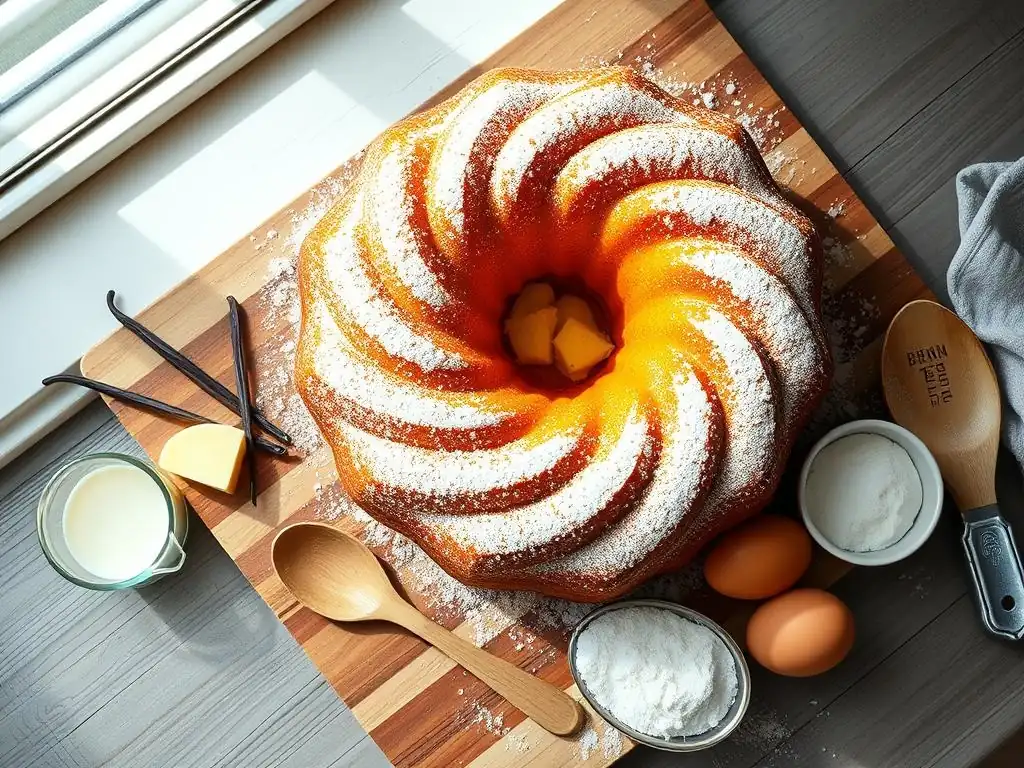
To bake a truly delightful vanilla bean Bundt cake, you'll need standard baking staples plus the star ingredient: vanilla bean. You'll typically require about 2 1/2 cups of all-purpose flour, 1 1/2 teaspoons of baking powder, and a pinch of salt to provide structure and lift. For richness and moisture, around 1 cup (two sticks) of unsalted butter, softened, and about 1 3/4 cups of granulated sugar are standard. Four large eggs, at room temperature, bind everything together. The liquid component often includes 1 cup of buttermilk or sour cream, which adds tenderness and moisture due to its acidity.
The distinctive flavor comes from the vanilla. For a true vanilla bean experience, you'll need the seeds scraped from 1-2 vanilla beans. This provides a more complex and aromatic flavor than extract alone. Alternatively, a high-quality vanilla bean paste or even a generous tablespoon of pure vanilla extract can be used if beans aren't accessible, though the flavor profile will differ slightly. Ensuring all cold ingredients like butter, eggs, and buttermilk are at room temperature is key for proper emulsification and a smooth, even batter, contributing significantly to a moist cake.
Ingredient Substitutions: Gluten-Free and Dairy-Free Options
Adapting a classic recipe for dietary needs is often simpler than it seems. For a gluten-free simple bundt cake recipe easy to make, substitute the all-purpose flour with a high-quality gluten-free all-purpose baking blend that contains xanthan gum. You'll need the same volume, roughly 2 1/2 cups. Some blends absorb liquid differently, so you might need a slight adjustment in liquid or baking time, but many perform beautifully in a Bundt cake application, yielding a tender crumb.
Creating a dairy-free version involves replacing the butter and buttermilk/sour cream. For butter, use an equal amount of dairy-free stick butter substitute (like a vegan butter blend). For the buttermilk or sour cream, you can make a dairy-free alternative by combining 1 cup of unsweetened dairy-free milk (soy, almond, or oat work well) with 1 tablespoon of white vinegar or lemon juice. Let it sit for 5-10 minutes until it curdles slightly. This provides the necessary acidity and moisture. Ensure your vanilla extract or paste is also dairy-free if necessary.
Step-by-Step Guide: Baking Your Vanilla Bean Bundt Cake
Preparing Your Baking Pan: Butter and Flour for Easy Release
Proper pan preparation is arguably the most critical step in ensuring your Bundt cake releases cleanly. A well-greased and floured pan prevents the cake from sticking to the intricate designs of the mold. Start by liberally coating the entire interior surface of the Bundt pan with softened butter or a non-stick baking spray that contains flour. Use a pastry brush or your fingers to ensure every nook and cranny, especially the central tube and any detailed patterns, is thoroughly covered. Don't be shy with the butter; a thin, even layer is essential.
Once buttered, add a few tablespoons of all-purpose flour (or gluten-free flour if using). Rotate the pan, tapping it gently, so the flour coats the buttered surfaces evenly. Invert the pan over a sink or trash can and tap out any excess flour. The goal is a light, even coating, not clumps. Some bakers swear by using cocoa powder instead of flour for chocolate cakes, or even a baking spray specifically designed for cakes, which contains flour. Whichever method you choose, thoroughness is key to avoiding the heartbreak of a stuck cake.
Mixing the Batter: Creaming, Combining, and Vanilla Bean Infusion
The standard method for a moist cake is the creaming method. Begin by creaming the softened butter and sugar together in a large bowl using an electric mixer on medium speed. Beat for 3-5 minutes until the mixture is light and fluffy and pale yellow. This process incorporates air, which helps the cake rise. Next, add the eggs one at a time, beating well after each addition to ensure they are fully incorporated. Scrape down the sides of the bowl as needed.
In a separate bowl, whisk together your dry ingredients: flour, baking powder, and salt. In a third bowl or measuring cup, combine your buttermilk (or dairy-free alternative) and the scraped vanilla bean seeds (or extract/paste). Alternate adding the dry ingredients and the wet ingredients to the butter/sugar mixture, beginning and ending with the dry ingredients (e.g., 1/3 dry, 1/2 wet, 1/3 dry, 1/2 wet, 1/3 dry). Mix on low speed just until combined; do not overmix, as this can develop the gluten too much, resulting in a tough cake. The batter should be thick but pourable.
Baking Time and Temperature: Ensuring a Golden-Brown Finish
For most simple bundt cake recipe easy to follow, the baking temperature is typically 350°F (175°C). Preheat your oven fully before placing the cake inside. Baking time can vary depending on your oven and the specific pan, but a standard Bundt cake usually takes between 45 and 60 minutes. Start checking for doneness around the 45-minute mark. You're looking for the cake to be golden brown on top, and the edges should start pulling away slightly from the sides of the pan.
To test for doneness definitively, insert a long wooden skewer or toothpick into the deepest part of the cake (avoiding the center tube). If it comes out clean or with just a few moist crumbs attached, the cake is done. If it comes out with wet batter, continue baking and check again in 5-minute intervals. Overbaking will result in a dry cake, so it's better to err on the side of slightly underdone (it will continue to cook slightly as it cools in the pan) than significantly overdone.
Cooling and Inverting: The Gentle Touch for a Perfect Release
Once your vanilla bean Bundt cake is out of the oven and has passed the doneness test, resist the urge to flip it out immediately. The cake needs time to set and firm up slightly in the hot pan. Let it cool in the pan on a wire rack for about 10-15 minutes. Cooling too long in the pan can cause it to steam and become soggy, or even stick, while cooling too little means it's too fragile to handle. The 10-15 minute window is usually the sweet spot.
After this initial cooling period, it's time for the moment of truth: inverting the cake. Place the wire rack upside down directly over the top of the Bundt pan. Holding the pan and the rack together firmly, quickly and confidently flip the entire assembly over. Place the rack (with the pan still on top) down on the counter. Give the pan a gentle shake or tap to encourage the cake to release.
Carefully lift the pan straight up and off the cake. If you prepared the pan correctly, the cake should slide out cleanly. If it seems stuck, let it sit inverted for another minute or two, allowing gravity to help, before trying to lift the pan again. Let the cake cool completely on the wire rack before glazing or decorating.
Vanilla Bean Bundt Cake Variations: Glazes and Decorations
Vanilla Glaze: Simple Sweetness
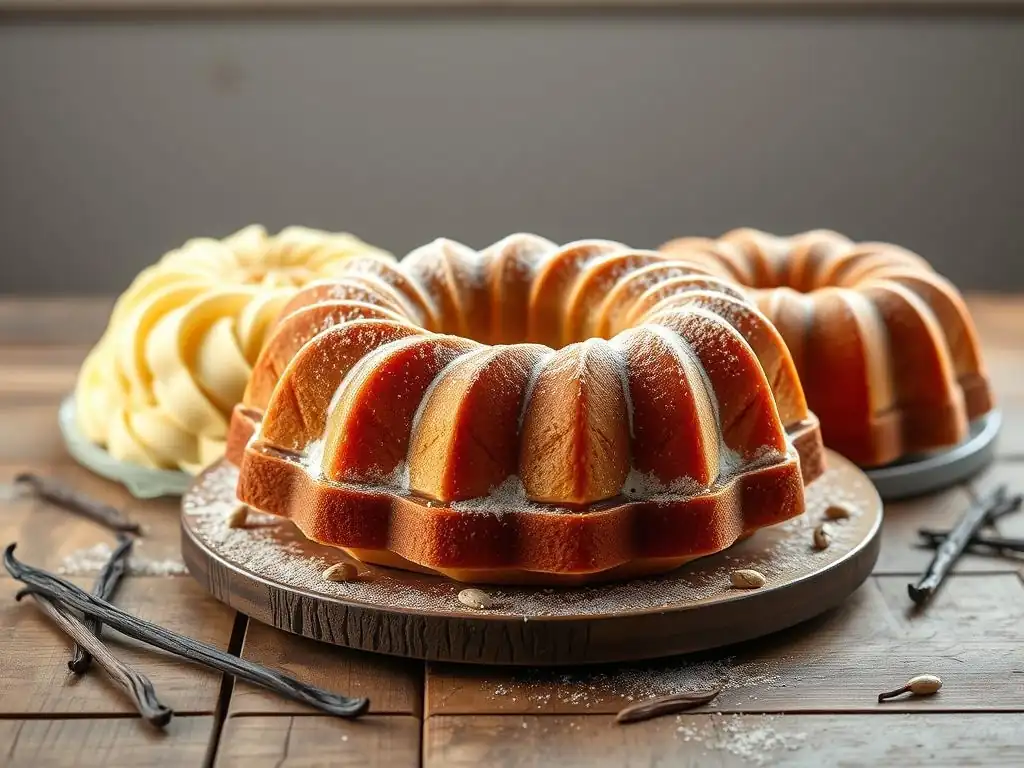
A simple vanilla glaze is a classic pairing for a vanilla bean Bundt cake and is incredibly easy to make. You'll need confectioners' sugar (powdered sugar) and a liquid, typically milk or cream, and a touch more vanilla extract or vanilla bean paste for extra flavor.
A good starting ratio is about 1 1/2 cups of confectioners' sugar whisked with 2-3 tablespoons of milk. Start with less liquid and add more a teaspoon at a time until you reach your desired consistency – thick enough to coat the back of a spoon but thin enough to drizzle down the sides of the cake.
For that extra vanilla bean punch, stir in 1/2 teaspoon of vanilla bean paste or the seeds from a quarter of a vanilla bean. Whisk until smooth and free of lumps. Ensure your cake is completely cool before drizzling the glaze over it, allowing it to set. This simple glaze adds just enough sweetness and moisture without overpowering the delicate vanilla flavor of the cake itself, enhancing that simple bundt cake recipe easy appeal.
Chocolate Ganache: A Rich Indulgence
For a richer finish, a chocolate ganache is a fantastic choice that contrasts beautifully with the vanilla cake. Ganache is made from just two ingredients: chocolate and heavy cream. A common ratio is equal parts chocolate and cream by weight, though slightly more chocolate can yield a thicker ganache suitable for coating. For a Bundt cake, try starting with 6 ounces of good quality chocolate (chopped or chips) and 6 ounces (about 3/4 cup) of heavy cream.
Heat the heavy cream in a small saucepan over medium heat just until it simmers around the edges – do not boil. Pour the hot cream over the chopped chocolate in a heatproof bowl. Let it sit undisturbed for 5 minutes to allow the heat to melt the chocolate. Then, whisk gently starting from the center and working outwards until the mixture is smooth and glossy. Let the ganache cool for 10-15 minutes, stirring occasionally, until it thickens slightly but is still pourable. Drizzle or pour it over the completely cool Bundt cake.
Fresh Berries and Whipped Cream: A Summery Delight
For a lighter, more seasonal decoration, fresh berries and whipped cream are a perfect match for a vanilla bean Bundt cake. This option is particularly lovely for a simple bundt cake recipe easy served during warmer months or for brunch. Prepare fresh whipped cream by beating cold heavy cream with a little powdered sugar (to taste, perhaps 1/4 cup per cup of cream) and a splash of vanilla extract until soft or stiff peaks form, depending on your preference.
Arrange a mix of fresh berries like strawberries, blueberries, raspberries, and blackberries in the center hole of the Bundt cake and scattered around the base. You can also serve individual slices topped with a dollop of whipped cream and a handful of berries. The vibrant colors of the fruit and the freshness of the cream provide a beautiful visual contrast and a burst of flavor that complements the sweet, aromatic vanilla cake without making it overly heavy.
Troubleshooting Your Bundt Cake: Common Problems and Solutions
Bundt Cake Sticking to the Pan: Prevention and Rescue
A cake sticking to the pan is one of the most frustrating baking mishaps. The primary cause is inadequate pan preparation. As discussed earlier, thoroughly greasing and flouring every part of the pan is crucial. Ensure you use softened butter or a baking spray with flour, getting into all the crevices. Don't skip the flouring step, even if using spray. Allowing the cake to cool in the pan for the correct 10-15 minutes before inverting is also key; too little time and it's fragile, too much and it can stick.
If your cake is stuck after inverting, don't panic immediately. Sometimes giving the pan a few firm taps on the counter helps. If it's still stuck, you can try carefully loosening the edges with a thin, flexible spatula or knife, being careful not to damage the cake. For stubborn spots, some bakers suggest placing a warm, damp towel over the inverted pan for a few minutes, as the gentle heat can help release the butter, though this carries a risk of making the cake soggy. Prevention is truly the best strategy here – invest time in pan prep!
Dry Bundt Cake: Tips for a Moist and Delicious Result
A dry Bundt cake is often the result of overbaking or an imbalance in ingredients. To prevent overbaking, start checking for doneness at the lower end of the suggested baking time (around 45 minutes for a standard size). Use the skewer test and remove the cake as soon as it comes out clean, or with just a few moist crumbs. Remember it continues to cook slightly from residual heat. Using ingredients at room temperature is also important, as it allows for better emulsification of fats and liquids, leading to a more tender crumb.
Ensure you're using the correct amount of liquid and fat specified in the recipe. Ingredients like buttermilk, sour cream, or yogurt add significant moisture and tenderness due to their fat and acid content. If making substitutions, ensure they provide similar moisture levels. Accurate measurement of flour is also vital; too much flour is a common cause of dry cakes. Spoon flour into your measuring cup and level it off with a straight edge rather than scooping directly from the bag, which can compact the flour.
Uneven Baking: Achieving a Uniformly Cooked Bundt Cake
Uneven baking can manifest as a cake that's darker on one side, raw in the center, or overcooked on the edges while the middle is just right. This is often related to oven hot spots or incorrect oven temperature. First, ensure your oven thermostat is accurate; an inexpensive oven thermometer can help verify this. If your oven runs hot or cold, adjust the temperature accordingly. Rotating the cake halfway through the baking time (e.g., at the 30-minute mark for a 60-minute bake) can help compensate for hot spots.
Using the correct pan size is also important. A pan that is too large or too small for the batter volume can affect baking time and evenness. Ensure the batter is distributed evenly in the pan before baking. Avoid opening the oven door frequently, as this causes temperature fluctuations. If your cake consistently browns too quickly on top before the inside is done, you can loosely tent it with aluminum foil for the last portion of the baking time.
Serving and Storing Your Vanilla Bean Bundt Cake
Delicious Serving Suggestions for Your Homemade Bundt Cake
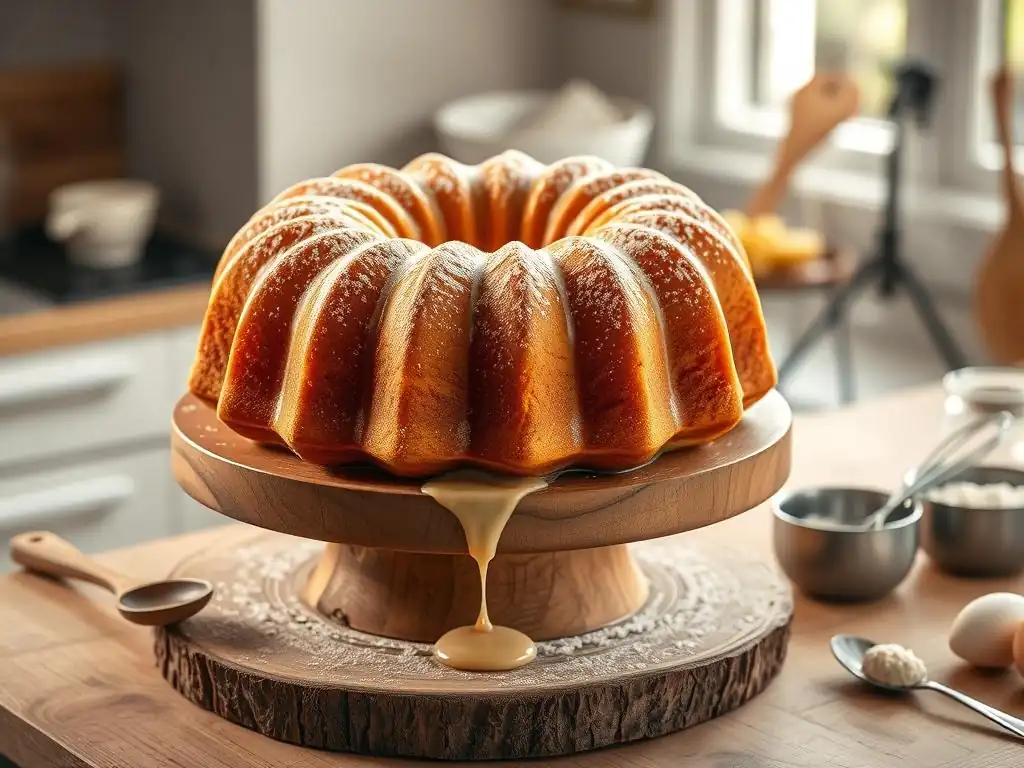
A simple vanilla bean Bundt cake is wonderfully versatile in how it can be served. For a casual approach, a light dusting of powdered sugar is often all that's needed to highlight the beautiful shape. If you've made a glaze or ganache, ensure it has set before slicing. Serve slices simply on their own to appreciate the pure vanilla flavor and moist texture.
For a more elevated presentation, pair slices with complementary toppings. A scoop of vanilla ice cream or a dollop of freshly whipped cream is always a hit. Fresh fruit, particularly berries or sliced peaches, adds freshness and color. A drizzle of fruit coulis (a simple fruit sauce) can also be a lovely addition. Consider serving it with a cup of coffee or tea for a delightful afternoon treat. This simple bundt cake recipe easy to make becomes a canvas for various delicious pairings.
Proper Storage to Maintain Freshness and Flavor
To keep your vanilla bean Bundt cake moist and delicious, proper storage is essential. Once completely cooled, the cake should be stored in an airtight container at room temperature. A cake stored this way will typically stay fresh for 3-4 days. Avoid refrigerating the cake unless it has a filling or frosting that requires refrigeration, as the cold air can dry it out quickly. If it does need refrigeration, ensure it's very well wrapped to minimize air exposure.
If you need to store the cake for longer, it freezes beautifully. Ensure the cake is completely cool, then wrap it tightly in plastic wrap, followed by a layer of aluminum foil or place it in a freezer-safe bag or container. Frozen Bundt cake can last for up to 2-3 months. To thaw, unwrap the cake and let it sit at room temperature for several hours until fully thawed. Glaze or decorate after thawing if desired.
Conclusion: Mastering the Art of Vanilla Bean Bundt Cake Baking
Baking a vanilla bean Bundt cake is a rewarding experience that combines ease with elegance. By following a simple bundt cake recipe easy steps like the ones outlined here, you can confidently create a consistently moist and flavorful cake. From mastering the crucial step of pan preparation to understanding baking cues and troubleshooting common issues, each stage contributes to a successful outcome.
Enjoy Your Delicious Vanilla Bean Bundt Cake!
Whether you choose to adorn it with a simple glaze, a rich ganache, or fresh fruit, your homemade vanilla bean Bundt cake is sure to be a hit. This simple bundt cake recipe easy approach proves that you don't need complex techniques to achieve impressive results. So go ahead, gather your ingredients, preheat your oven, and enjoy the process of baking this classic cake. It's a perfect project for beginners and a reliable favorite for experienced bakers alike.
Frequently Asked Questions
What makes this bundt cake recipe "simple"?
This recipe focuses on easy-to-find ingredients and straightforward instructions, eliminating complex steps often found in more elaborate bundt cake recipes. It's designed for bakers of all skill levels.
What if I don't have a bundt pan? Can I use a different type of pan?
While a bundt pan is recommended for the classic shape, you can use a tube pan as a substitute. Baking times may vary, so check for doneness with a toothpick.
Can I add any variations to the simple bundt cake recipe?
Absolutely! Consider adding chocolate chips, nuts, or dried fruit to the batter. You can also experiment with different extracts like almond or lemon for a unique flavor profile.
How do I prevent my bundt cake from sticking to the pan?
Grease the bundt pan thoroughly with shortening and flour, or use a baking spray specifically designed for bundt pans. This ensures a clean release after baking.
How long will the simple bundt cake stay fresh?
Stored properly in an airtight container, the bundt cake will stay fresh for 3-4 days at room temperature. You can also freeze it for longer storage.
Final Reflection: The Sweet Simplicity of Baking
The art of baking a perfect bundt cake shouldn't be shrouded in complexity; it should be a joyful experience. This article aimed to demystify the process, providing a straightforward recipe and techniques to ensure even the most novice baker can achieve a stunning, delicious result. The ease of this recipe, coupled with the impressive presentation of a bundt cake, makes it the perfect dessert for any occasion, from casual weeknight gatherings to special celebrations.
The enduring appeal of baking, particularly the comforting ritual of creating something beautiful and delicious from simple ingredients, continues to resonate deeply within our culture. It's a tangible connection to tradition, a way to express care and creativity, and a source of immense satisfaction. Baking is at once child's play and adult joy. And love, of course.
This sentiment perfectly captures the essence of what we've explored here – the ability to find joy and connection in the simple act of baking a bundt cake.
Now, I invite you to embrace the simplicity. Don't let the fear of failure hold you back from experiencing the satisfaction of creating something beautiful and delicious with your own hands. Gather your ingredients, preheat your oven, and let the aroma of warm spices and sweet batter fill your kitchen. The journey of baking this simple bundt cake is as rewarding as the final, golden-brown masterpiece itself. Go ahead, bake your worries away!
Unlock Your Inner Baker: Effortless Bundt Cake Success Awaits!
Thanks for taking the time to explore the art of stress-free bundt cake baking! We hope you gained valuable tips and tricks to create delicious results. Now it's time to put your new knowledge to the test.
- Bake your perfect bundt cake today! Use the recipe and techniques you just learned to create a masterpiece. Don't be afraid to experiment – that's where the real fun begins!
- Share your baking journey: Snap a picture of your creation and post it on social media using #BakeWithEaseBundt. Let's inspire others!
- Explore other easy recipes on our website (bakewithease.com) to expand your baking repertoire. Discover new flavors and techniques!
What unique twist will you add to your bundt cake to make it truly your own?