
Freezing Classic Cookie Dough: A Beginner's Guide

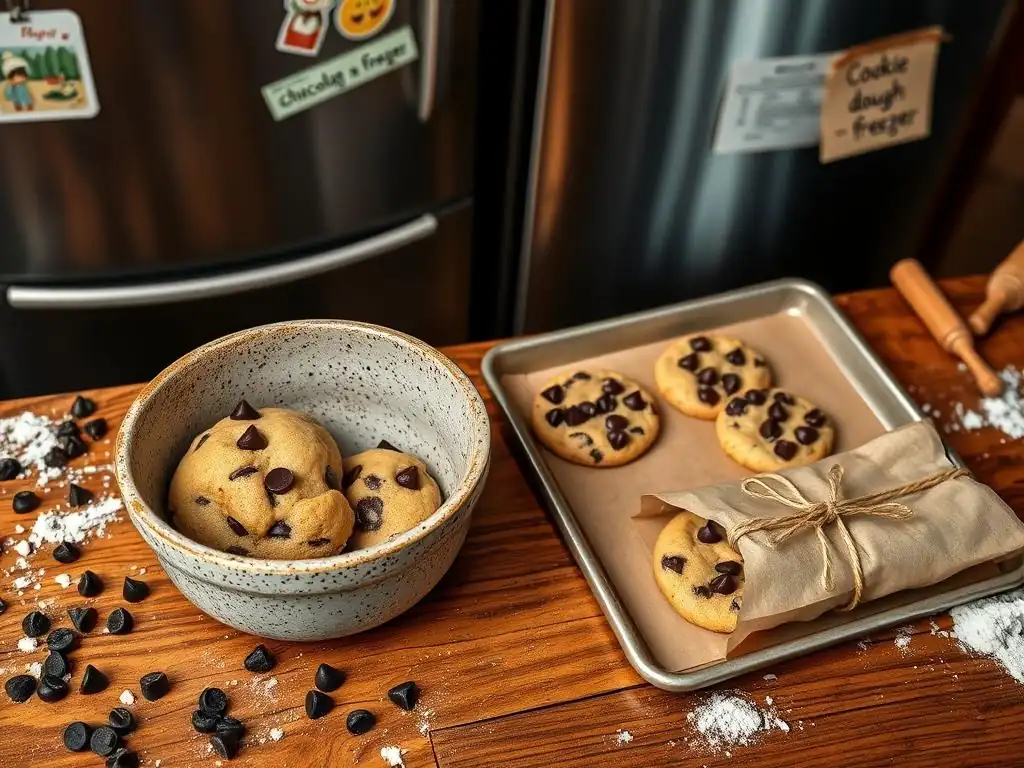
Welcome to BakeWithEase, your guide to confident baking! Are you ready to have freshly baked cookies anytime the craving strikes? This week, we're diving into a game-changing technique for every baker: freezing chocolate chip cookie dough. Discover how to prepare, store, and bake perfectly portioned cookies straight from the freezer, ensuring warm, gooey goodness is always within reach. Intrigued? Let's unlock the secrets to effortless baking!
- Freezing Chocolate Chip Cookie Dough: A Beginner's Guide
- Introduction: Bake Ahead with Ease
- Why Freeze Cookie Dough?
- Understanding Chocolate Chip Cookie Dough and Freezing
- Step-by-Step Guide: How to Freeze Chocolate Chip Cookie Dough Properly
- Thawing Frozen Chocolate Chip Cookie Dough
- Troubleshooting: Common Problems and Solutions
- Beyond Chocolate Chip: Freezing Other Cookie Dough Varieties
- Storing Your Frozen Cookie Dough
- Conclusion: Bake with Confidence.
-
Frequently Asked Questions
- How long can I freeze chocolate chip cookie dough?
- What is the best way to freeze chocolate chip cookie dough?
- Do I need to thaw frozen chocolate chip cookie dough before baking?
- Will freezing affect the taste or texture of my chocolate chip cookies?
- Can I freeze all types of chocolate chip cookie dough?
- Final Reflection: The Enduring Magic of Frozen Cookie Dough
- Unlock Your Freezer's Baking Potential!
Introduction: Bake Ahead with Ease
Welcome to BakeWithEase! We're here to help you master the simple joys of baking. One of the most rewarding tricks in a baker's arsenal is learning how to prepare components ahead of time. Imagine the delight of warm, gooey chocolate chip cookies emerging from your oven with minimal effort. This is where the magic of freezing chocolate chip cookie dough comes in. It's a simple technique that unlocks a world of convenience, perfect for busy schedules or unexpected cravings.
This guide will walk you through everything you need to know about successfully freezing your favorite chocolate chip cookie dough. We'll cover the benefits, the best methods, proper storage, and even how to bake those delightful treats straight from the freezer. Get ready to revolutionize your baking routine and enjoy the satisfaction of freshly baked goodness whenever the mood strikes.
Save Time and Effort
Preparing a batch of cookie dough from scratch typically involves gathering ingredients, measuring, mixing, and potentially chilling, which can take upwards of 30 to 45 minutes before you even think about baking. By dedicating a little time upfront to make and freeze a large batch of chocolate chip cookie dough, you can drastically reduce the time needed for future baking sessions.
When you have pre-portioned dough waiting in your freezer, baking a dozen cookies becomes a simple matter of preheating the oven and popping them onto a baking sheet – a process that often takes less than 20 minutes from freezer to plate.
This time-saving approach is particularly beneficial for busy weeknights or when you need a quick dessert for an impromptu guest. Instead of committing to a full baking project, you have instant access to fresh cookies on demand. Think of it like having a personal bakery ready to go at a moment's notice, saving you precious minutes and effort when you need them most.
Reduce Food Waste
A standard recipe for chocolate chip cookies often yields anywhere from 2 to 3 dozen cookies. If you're baking for a small household or simply want just a few cookies, baking the entire batch at once can lead to stale leftovers that eventually get discarded. Freezing chocolate chip cookie dough allows you to bake only the exact number of cookies you need at any given time, whether it's two for a snack or twelve for a small gathering.
By baking in smaller quantities from frozen dough, you ensure that every cookie you bake is enjoyed at its peak freshness. This significantly cuts down on potential food waste compared to baking a large batch that might not be consumed within a day or two. It's a practical and economical way to manage your cookie supply and enjoy fresh treats without the pressure of finishing a whole batch quickly.
There's nothing quite like the aroma and taste of a warm, freshly baked chocolate chip cookie straight from the oven. Freezing chocolate chip cookie dough makes this experience accessible whenever you desire. Whether it's a sudden craving on a rainy afternoon or a need for a comforting treat after a long day, your freezer becomes a treasure trove of future deliciousness.
Having frozen portions of dough means you're only minutes away from that perfect warm cookie moment. This flexibility is unmatched; you don't need to plan ahead extensively or spend time mixing ingredients. The convenience of pulling out a few scoops or slices and baking them on the spot ensures that you can enjoy that warm, gooey, just-baked texture and flavor precisely when you want it.
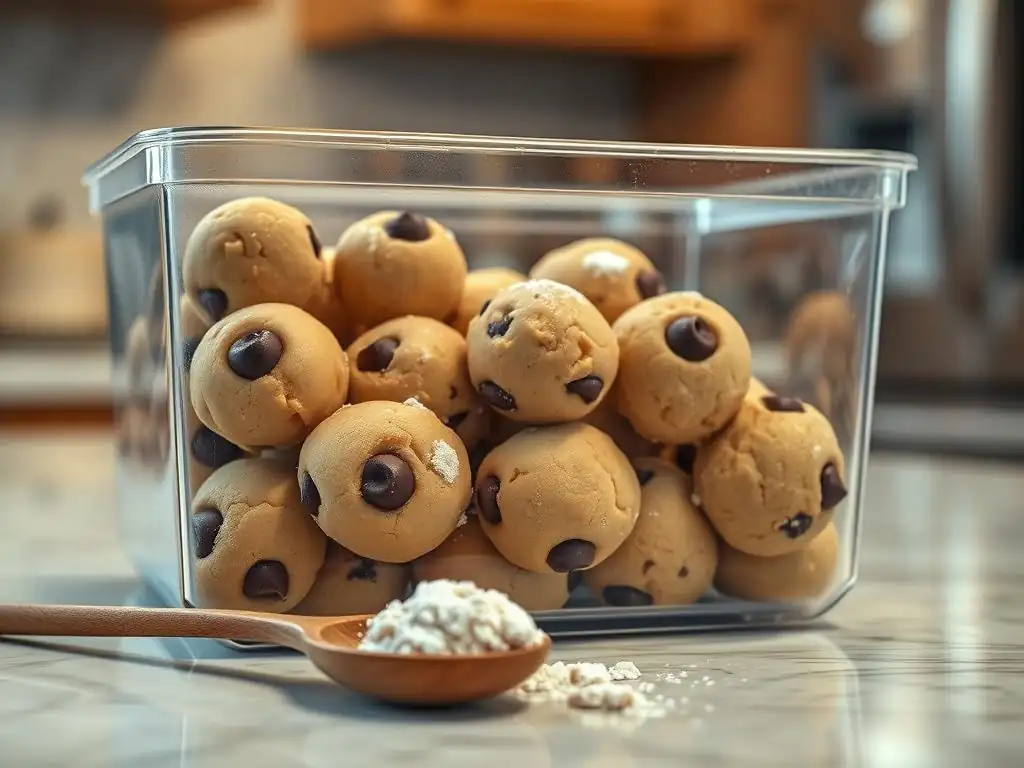
While many types of cookie dough freeze beautifully, particularly those made with butter and sugar like classic chocolate chip cookie dough, some varieties may not fare as well. Doughs that rely heavily on leavening agents like baking soda or powder for a specific delicate texture might see a slight change in rise or spread after freezing and thawing cycles. Similarly, doughs with a very high liquid content or delicate inclusions like fresh fruit might not maintain their structure perfectly.
However, the good news is that most standard drop cookie doughs, bar cookie doughs, and slice-and-bake doughs, including your beloved chocolate chip, sugar, peanut butter, and oatmeal cookie doughs, are excellent candidates for freezing. The high fat content in butter helps protect the dough from ice crystal damage, resulting in a baked cookie that is remarkably close in quality to one made from fresh dough.
The Science Behind Freezing
Freezing works by lowering the temperature of the dough to below freezing point, typically 0°F (-18°C). This process significantly slows down the activity of enzymes and microorganisms that cause spoilage, effectively pressing pause on the dough's aging process. The primary challenge in freezing dough is the formation of ice crystals. When water in the dough freezes, it forms crystals that can disrupt the gluten structure and fat distribution.
Rapid freezing minimizes the size of these ice crystals, which helps preserve the dough's texture. Slow freezing, on the other hand, can lead to larger crystals that cause more damage, potentially resulting in a slightly drier or less consistent texture in the baked cookie. Proper packaging is also crucial to prevent freezer burn, which occurs when moisture sublimes (turns directly from ice to vapor) from the dough's surface, leading to dry, discolored spots.
Begin by preparing your favorite chocolate chip cookie dough recipe exactly as you normally would, up to the point where you would scoop or form the cookies for baking. Ensure all ingredients are well combined and the chocolate chips are evenly distributed throughout the dough. Avoid adding any extra liquid or making significant changes to the recipe if your goal is to freeze it, as standard dough compositions work best.
Once the dough is mixed, it's often beneficial to chill it slightly in the refrigerator for about 30 minutes to an hour. This makes the dough firmer and easier to handle, whether you plan to scoop individual portions or form logs for slicing. A slightly chilled dough will hold its shape better during the portioning and initial freezing stages.
Step 2: Choosing the Right Freezing Method: Scoops, Logs, or Slices
The method you choose for freezing chocolate chip cookie dough depends on how you plan to use it later. Each method offers different advantages in terms of convenience and portion control. Consider how many cookies you typically bake at once and the available space in your freezer when making your decision.
Freezing Cookie Dough Scoops: Individual Portions
This is perhaps the most popular method for freezing chocolate chip cookie dough because it offers maximum convenience for baking small batches. Use a cookie scoop (a 1.5 or 2-tablespoon scoop is common) to portion the dough onto a baking sheet lined with parchment paper. Place the scoops relatively close together, as they won't expand during this initial freeze.
Once all the dough is scooped, place the entire baking sheet in the freezer for 1 to 2 hours, or until the dough balls are firm and frozen solid. This 'flash freezing' step prevents the individual scoops from sticking together when you transfer them to a storage container. You'll then have perfectly portioned dough balls ready to grab and bake whenever needed.
Freezing Cookie Dough Logs: Slicing and Baking
Freezing cookie dough in logs is ideal if you prefer uniform, round cookies or if your recipe is traditionally a slice-and-bake type. After chilling your chocolate chip cookie dough slightly, divide it into manageable portions (e.g., enough for 1-2 dozen cookies per log). Shape each portion into a log, approximately 1.5 to 2 inches in diameter, rolling it on a clean surface or between two pieces of parchment paper.
Wrap each log tightly in plastic wrap, pressing out any air pockets. For extra protection against freezer burn, you can then wrap the plastic-wrapped log in aluminum foil or place it inside a freezer-safe bag. These logs can then be frozen until solid. When ready to bake, simply remove a log, let it soften slightly (just enough to slice), and cut uniform rounds for baking.
Freezing Cookie Dough Slices: Space Saving Solution
This method is particularly useful if you're short on freezer space or prefer a more compact storage solution. Prepare your chocolate chip cookie dough and form it into logs as described above. Instead of freezing the entire log, slice the dough into individual cookies before freezing. The thickness of the slices should match what you would normally bake.
Place the individual slices onto a parchment-lined baking sheet, just like you would with scoops. Flash freeze them for 1 to 2 hours until solid. Once frozen, transfer the solid cookie slices to a freezer-safe container or bag. This method allows you to stack the frozen slices more compactly than dough balls, saving valuable freezer real estate while still providing pre-portioned cookies ready for the oven.
Proper packaging is critical when freezing chocolate chip cookie dough to protect it from freezer burn and absorption of odors from other foods in the freezer. Air is the enemy of frozen goods, causing moisture loss and quality deterioration.
Preventing Freezer Burn
To prevent freezer burn, ensure your frozen dough is wrapped as airtight as possible. If you flash-froze scoops or slices on a baking sheet, transfer them quickly to a heavy-duty freezer bag or an airtight freezer container. Squeeze out as much air as possible from bags before sealing. For logs, ensure the initial plastic wrap is tight, followed by a layer of foil or a freezer bag as a secondary barrier. Double-wrapping provides the best protection against moisture loss over time.
Using materials specifically designed for freezing is important, as they are thicker and more resistant to the cold temperatures and potential tearing. Avoid using standard plastic wrap or thin storage bags for long-term freezing, as they offer less protection. A properly sealed package will keep your chocolate chip cookie dough fresh and delicious for months.
Labeling and Dating
It's easy to forget when you froze something, especially if you have multiple types of dough or other items in your freezer. Always label your packaged cookie dough clearly with the type of dough (e.g., "Chocolate Chip Cookie Dough") and the date it was frozen. Use a permanent marker directly on the freezer bag or container, or on freezer tape applied to the package.
Accurate labeling helps you rotate your stock and ensures you use the oldest dough first, maintaining quality. Knowing the date also helps you adhere to recommended storage times, giving you confidence that your frozen chocolate chip cookie dough is still at its best when you decide to bake it.
Step 4: The Freezing Process
Once your chocolate chip cookie dough is properly portioned, flash-frozen (if using scoops or slices), and securely packaged and labeled, transfer it to the main part of your freezer. Place the package in a spot where it won't be easily crushed or disturbed. For best results and quicker freezing (which helps minimize ice crystal formation), place the dough package in the coldest part of your freezer, often towards the back.
Allow the dough to freeze completely. This typically takes several hours, depending on the size of the portions and the temperature of your freezer. Once fully frozen, the dough can be stored long-term. Avoid repeatedly opening the freezer door near the dough package, as temperature fluctuations can negatively impact quality.
Safe Thawing Methods
While many recipes allow you to bake chocolate chip cookie dough directly from frozen, sometimes thawing is preferred or necessary depending on the specific dough consistency or desired outcome. The safest and most recommended method for thawing frozen cookie dough is in the refrigerator. Simply transfer the desired number of frozen scoops, slices, or a log to a plate or container and let it thaw in the fridge overnight or for several hours until pliable but still cold.
Avoid thawing dough at room temperature for extended periods, as this can encourage bacterial growth. If you're in a slight hurry and baking from frozen isn't an option, you can let the dough sit at room temperature for about 30 minutes to an hour, just until it's slightly softened but still very cold. However, the refrigerator method provides the best control and food safety.
How Long to Thaw
The time it takes to thaw frozen chocolate chip cookie dough depends on the size of the portions and the method used. Individual scoops or slices typically take 2-4 hours to thaw in the refrigerator. A full log of dough (about 1.5-2 inches in diameter) might take 6-8 hours or even overnight in the fridge to become soft enough to slice easily.
If opting for a quick thaw at room temperature (for immediate baking if not baking from frozen), individual pieces usually only need 30-60 minutes. The goal is just to make them pliable enough to spread slightly or slice, not warm throughout. Always ensure the dough remains cold to the touch before baking.
Adjusting Baking Time
When you choose to thaw frozen chocolate chip cookie dough before baking, you generally bake it according to the original recipe's instructions. Once the dough is thawed in the refrigerator and has come to a slightly warmer temperature (perhaps 10-15 minutes out of the fridge before baking), the baking time should be very similar to baking fresh dough.
However, it's always wise to start checking for doneness slightly earlier than the recipe indicates, perhaps 1-2 minutes before the minimum bake time. Ovens can vary, and sometimes previously frozen dough might bake marginally faster or slower depending on its exact temperature when it enters the oven. Look for the standard cues: golden brown edges and a slightly soft center.

Baking from Frozen
One of the greatest conveniences of freezing chocolate chip cookie dough is the ability to bake it directly from its frozen state. There's no need to wait for it to thaw! Simply place the frozen scoops or slices onto a parchment-lined baking sheet, spacing them according to your recipe's recommendations (usually 2-3 inches apart).
Because the dough is frozen, it will take longer to bake than fresh or thawed dough. You will typically need to add 2 to 4 minutes to the original baking time specified in your recipe. For instance, if your recipe calls for 10-12 minutes at 350°F (175°C), try baking the frozen dough for 12-16 minutes. Keep an eye on the cookies as they bake, looking for the edges to set and turn golden brown.
Ensuring Even Baking
Baking frozen chocolate chip cookie dough can sometimes lead to slightly less even heat distribution compared to fresh dough. To help ensure your cookies bake evenly, make sure your oven is fully preheated to the correct temperature. Avoid overcrowding the baking sheet, as this can lower the temperature around the cookies and lead to uneven baking.
Rotating the baking sheet halfway through the extended baking time can also promote more uniform browning and doneness across all the cookies. If you notice some cookies on the sheet browning faster than others, you can even remove the done ones and let the others continue baking for another minute or two. The slight increase in baking time accounts for the energy needed to bring the frozen dough up to baking temperature.
Troubleshooting: Common Problems and Solutions
Freezer Burn
Freezer burn appears as dry, discolored patches on the surface of your frozen chocolate chip cookie dough. It's caused by dehydration when moisture evaporates from the dough and forms ice crystals elsewhere in the freezer. While minor freezer burn on the surface might not ruin the dough entirely, it can negatively impact the texture and flavor of the baked cookie, resulting in dry or tough spots.
The best solution is prevention through proper packaging. Ensure dough is wrapped tightly in airtight, freezer-safe materials like heavy-duty freezer bags or containers, expelling as much air as possible. If you find dough with minor freezer burn, you can try cutting off the affected areas before baking, though severely freezer-burned dough might be best discarded for quality reasons.
Dough Texture Changes
Sometimes, frozen and baked chocolate chip cookie dough might have a slightly different texture than fresh dough. This could manifest as cookies that spread less, are slightly tougher, or a bit drier. This can often be attributed to ice crystal formation disrupting the dough structure, or minor dehydration even with careful packaging.
To minimize texture changes, ensure your dough is frozen quickly. Using a cold freezer set to 0°F (-18°C) or lower helps. Also, avoid thawing and re-freezing the dough. If you find your frozen dough consistently results in less spread, you might try letting the frozen scoops or slices sit at room temperature for 10-15 minutes before baking to allow them to soften just slightly. For dryness, ensure packaging is truly airtight.
Flavor Loss
While freezing generally preserves flavor well, very long storage times or poor packaging can lead to a slight decline in the vibrant flavor of your chocolate chip cookie dough. Flavors can become muted, or the dough might absorb odors from other items in the freezer, leading to off-flavors.
Again, proper, airtight packaging is key to preventing flavor absorption and minimizing flavor degradation over time. Labeling and dating your dough helps you use it within the recommended storage period (typically 3-4 months for best quality). Storing strongly scented items separately in the freezer can also help protect your cookie dough's delicious flavor.
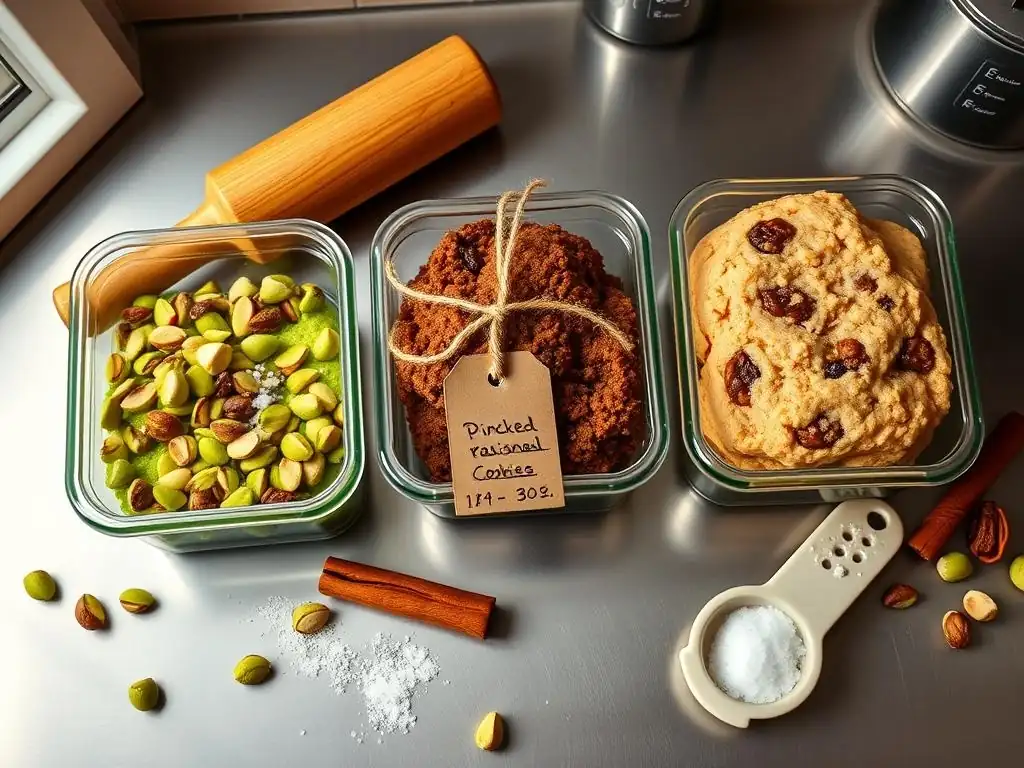
The techniques used for freezing chocolate chip cookie dough can be successfully applied to many other popular cookie dough types, extending their shelf life and convenience. Understanding the slight differences in dough structure can help you adapt the method.
Sugar cookie dough, especially roll-and-cut varieties, freezes exceptionally well. It can be frozen as a large disk or log (for slice-and-bake) or cut into shapes before freezing. For cut-out cookies, roll out the dough, cut shapes, place them on a parchment-lined tray, flash freeze, and then transfer to a container. This allows you to bake just a few festive shapes at a time.
When thawing sugar cookie dough logs or disks, it's best to do so overnight in the refrigerator until pliable enough to roll or slice. Baking time from frozen for pre-cut shapes will likely be similar to chocolate chip dough, requiring an extra 2-4 minutes compared to fresh.
Peanut butter cookie dough, with its dense, fatty texture, is another excellent candidate for freezing. Like chocolate chip dough, it can be portioned into balls or formed into logs. Freezing peanut butter cookie dough balls is particularly convenient, as they are often flattened and marked with a fork before baking.
Flash freezing the balls on a tray before transferring to a bag works perfectly. When baking from frozen, you might find they need slightly longer, perhaps 14-18 minutes at 350°F (175°C), depending on size. You can press them lightly with a fork immediately after placing them on the baking sheet, or wait a few minutes until the surface softens slightly in the warm oven before pressing.
Oatmeal cookie dough, which often contains more moisture and bulk from the oats, also freezes successfully. It's typically frozen as scoops. The oats absorb moisture, which can help stabilize the dough during freezing.
Flash freezing scoops of oatmeal cookie dough on a baking sheet before transferring to an airtight container is the recommended method. Baking from frozen will require additional time, similar to chocolate chip cookies, likely 12-16 minutes at the standard temperature. The key is to look for golden edges and a set center, as the oats can make it harder to tell doneness compared to plain dough.
Properly packaged chocolate chip cookie dough stored in a consistent 0°F (-18°C) freezer will maintain excellent quality for about 3 to 4 months. While it may remain safe to eat beyond this time if kept continuously frozen, the quality in terms of flavor, texture, and leavening effectiveness might begin to decline.
Using your frozen dough within this 3-4 month window ensures you get the best possible results when baking. Always check your labels and try to use the oldest dough first. Dough stored longer might still yield edible cookies, but they may not have the same perfect texture or vibrant flavor as those baked from dough frozen more recently.
Maintaining Quality
Beyond the initial proper packaging and dating, maintaining the quality of your frozen chocolate chip cookie dough involves minimizing exposure to temperature fluctuations. Avoid placing hot items in the freezer near the dough, as this can partially thaw and refreeze it, potentially damaging the texture.
Also, try to keep the freezer door closed as much as possible. Frequent or prolonged opening exposes the contents to warmer air, leading to temperature swings that can degrade quality over time. A freezer that is reasonably full (but not overcrowded) tends to maintain a more stable temperature than an empty one. By following these simple storage tips, you can preserve the deliciousness of your frozen cookie dough.
Conclusion: Bake with Confidence.
Mastering the art of freezing chocolate chip cookie dough is a game-changer for any home baker. It transforms the classic comfort of warm cookies from an occasional project into an effortless possibility any day of the week. By taking a little time to prepare and freeze your dough using the methods outlined here, you unlock unparalleled convenience, reduce waste, and ensure you're always just minutes away from a batch of freshly baked goodness.
From understanding the science behind freezing to troubleshooting common issues and exploring other dough types, you now have the knowledge to confidently freeze and bake your favorite cookies. So go ahead, mix up a big batch of chocolate chip cookie dough, portion it, freeze it, and experience the joy of baking on demand. Happy baking!
Frequently Asked Questions
You can typically freeze chocolate chip cookie dough for 2-3 months without a significant change in texture or flavor. Proper packaging is key to prevent freezer burn.
The best method is to portion the dough into individual cookies, freeze them solid on a baking sheet, and then transfer them to a freezer-safe bag or container. This prevents sticking and allows you to bake only what you need.
While you can bake frozen cookie dough directly, it's recommended to thaw it slightly for about 30 minutes before baking. This allows for more even baking and better cookie spread.
Freezing properly shouldn't significantly alter the taste or texture. However, longer freezer storage can sometimes lead to slightly drier cookies, so use the dough within the recommended timeframe.
Generally, yes! Most classic chocolate chip cookie dough recipes freeze well. However, doughs with delicate ingredients, like fresh berries, might not hold up as well.
The simple act of freezing cookie dough transcends mere convenience; it's a gateway to future moments of warmth, comfort, and the irresistible aroma of freshly baked cookies. This guide has explored the straightforward process of freezing chocolate chip cookie dough, empowering you to enjoy homemade treats whenever the craving strikes, without the pressure of immediate baking. This is especially relevant in today's busy world, where time is a precious commodity.
The ability to preserve the joy of baking for a later date is a powerful thing. It's a testament to our desire to connect with simple pleasures, to anticipate future happiness, and to share the warmth of homemade goodness with loved ones. A cookie is a little bit of comfort, a little bit of happiness.
This sentiment, though simple, perfectly captures the enduring appeal of this seemingly small act of culinary preservation. The ability to pull out a batch of frozen dough on a whim, and transform it into a comforting treat, speaks volumes about our relationship with food and the memories it evokes.
Now, consider your own baking journey. What other cherished recipes could benefit from the magic of freezing? Will you embrace the freedom and flexibility that frozen cookie dough provides? Perhaps you'll experiment with different flavors, or even share your newfound skill with friends and family. The possibilities are as endless as your imagination, and the reward is always a delicious, warm cookie. So, go forth, freeze your dough, and savor the sweet anticipation of future baking adventures.
Unlock Your Freezer's Baking Potential!
Thanks for taking the time to learn how to freeze cookie dough like a pro! You've now got the skills to bake fresh cookies anytime the craving strikes. Ready to put your new knowledge into practice?
- Bake a batch of your perfectly frozen cookie dough this week: Don't just dream of warm cookies – make it happen!
- Share your frozen cookie dough success (or questions!) in the comments below: Let's build a community of bakers who never run out of delicious treats!
- Experiment with different cookie dough flavors to freeze: What exciting combinations will you create?
Ready to conquer your freezer and become the ultimate cookie boss?